This One Native Shrub Can Turn An Ohio Yard Into A Bird Sanctuary All Year
Ohio yards can feel a little quiet at certain times of year, especially when the flowers fade and the garden starts looking like it is taking a breather. That is exactly why bird-friendly shrubs are such a smart addition.
One good native shrub can bring berries, shelter, nesting spots, and a lot more movement to the landscape without turning yard care into a full-time job. Pretty appealing, honestly.
If you have ever looked outside and wished your Ohio yard had more flutter, more song, and a little more life in the branches, Arrowwood Viburnum is a shrub worth knowing.
It may not do every single thing on its own, but it brings together a very nice mix of beauty, structure, and wildlife value.
In an Ohio landscape, that is a combination that can keep paying off long after spring has packed up and moved along.
1. Arrowwood Viburnum Brings Birds In With Berries
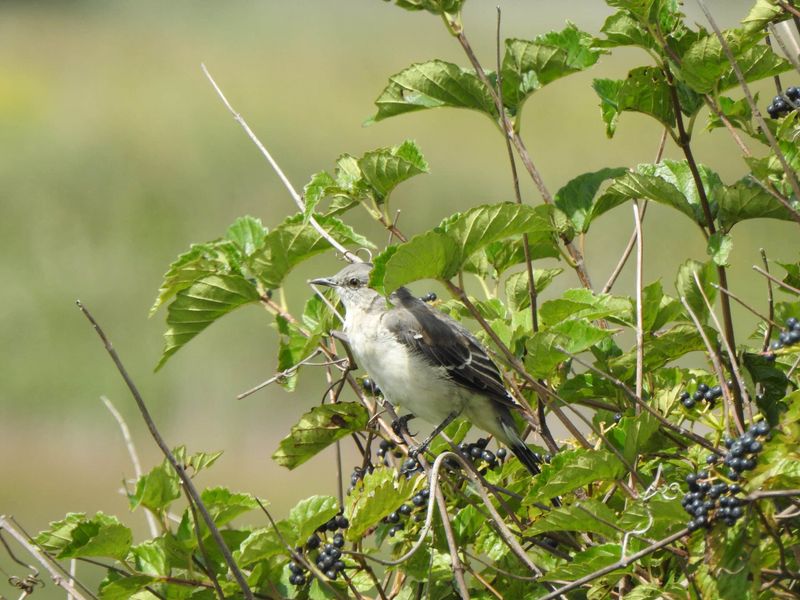
Clusters of dark blue-black berries hanging from Arrowwood Viburnum branches are one of the most reliable ways to pull birds into an Ohio yard during late summer and fall.
The fruit ripens from August through October in most locations, giving birds a food source right when they need extra energy before and during migration.
Cedar waxwings, robins, bluebirds, and thrushes are among the birds commonly seen feeding on viburnum berries across Ohio landscapes.
The berries are not just a brief treat. Depending on how much wildlife pressure the shrub faces, fruit can linger well into late fall, offering food when other sources have already been stripped clean.
Planting more than one Arrowwood Viburnum tends to improve berry production, since cross-pollination between nearby plants often leads to heavier fruit set.
What makes this especially useful for homeowners is that Arrowwood Viburnum is a native species, meaning local birds recognize and seek out its fruit naturally. You are not trying to convince wildlife to try something unfamiliar.
The shrub fits into the food web that birds already depend on, making it a genuinely practical addition to a bird-friendly yard rather than just a decorative one. Even a single well-placed shrub can start drawing more bird activity than a yard without it.
2. Dense Growth Gives Birds More Cover
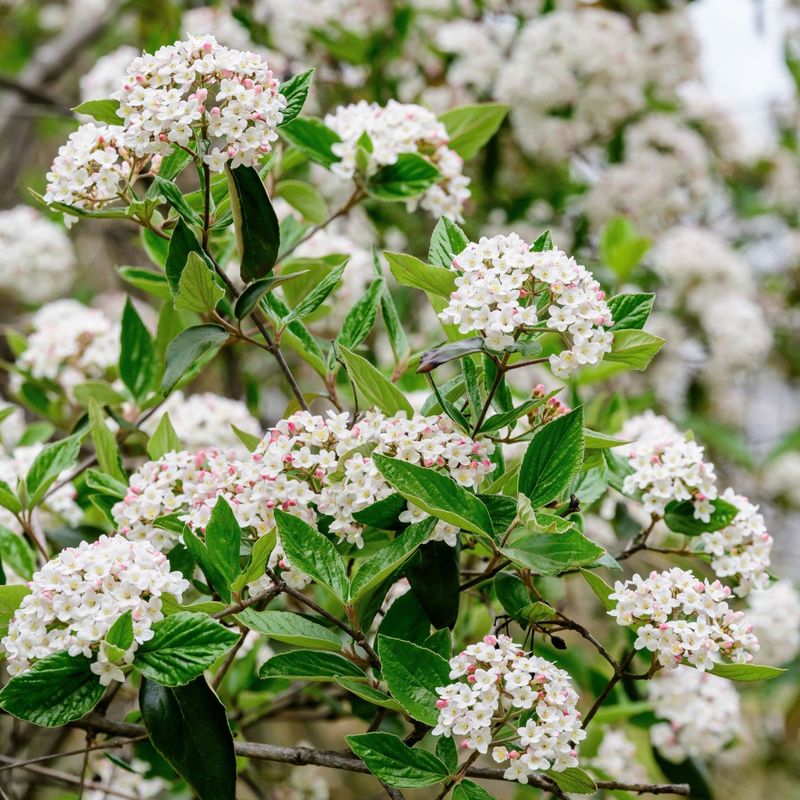
Watch a yard on a cold Ohio morning and you will notice that birds do not spend much time out in the open.
They move quickly between patches of cover, ducking into dense shrubs where branches can block wind, hide them from predators, and give them a place to rest between feeding trips.
Arrowwood Viburnum grows into a multi-stemmed, thickly branched shrub that provides exactly that kind of structure.
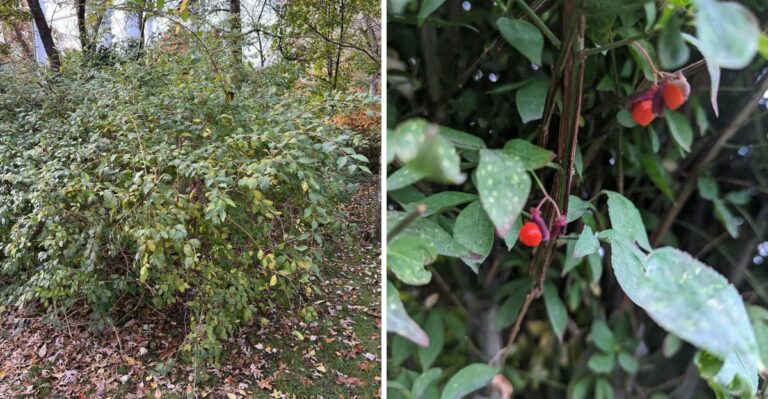
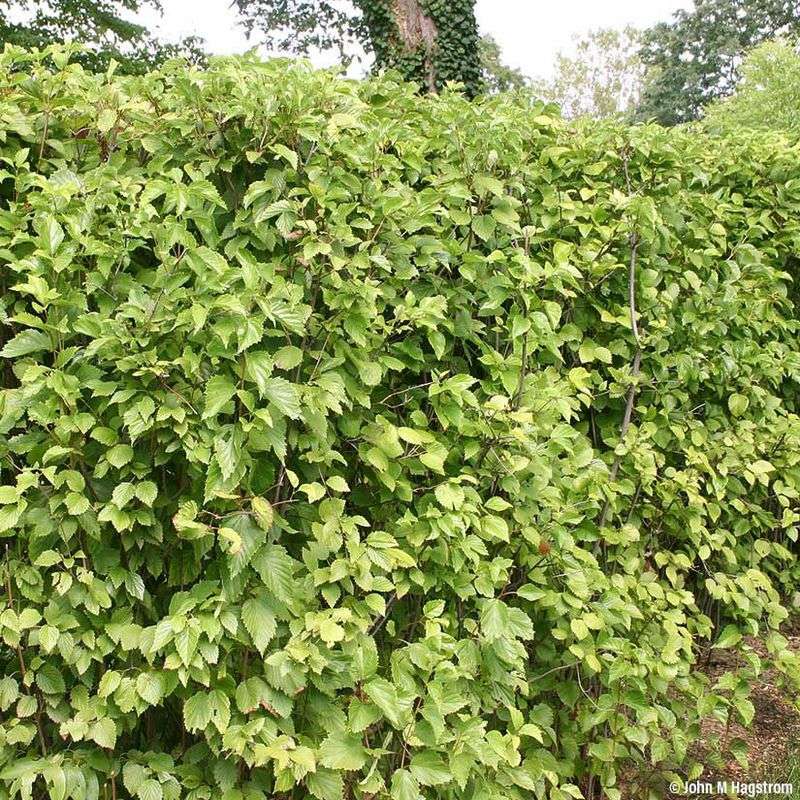
At maturity, Arrowwood Viburnum typically reaches six to ten feet tall with a similar spread, forming a dense mass of upright stems and layered branches. That density is what makes it so useful as bird cover in an Ohio yard.
Sparrows, wrens, cardinals, and other birds that prefer to stay close to protective shrubs will use a well-grown viburnum regularly, especially in yards where open lawn space dominates and dense plantings are limited.
Your Ohio Garden Changes Every Week. Your Plan Should Too.
Gardening in Ohio changes quickly throughout the season. Every Friday you’ll receive a simple weekly plan showing exactly what to plant, prune, fertilize, harvest, and protect so you never miss the right timing.
Because it is deciduous, Arrowwood Viburnum loses its leaves in winter, which does reduce some of its screening value during the colder months.
Even so, the tangle of bare branches still offers meaningful wind protection and perching structure that birds rely on.
Pairing it with an evergreen nearby can strengthen year-round cover in an Ohio yard, but even on its own, a mature Arrowwood Viburnum adds noticeably more habitat structure than an open lawn or a thin ornamental planting ever could.
3. This Native Shrub Works Well As A Hedge
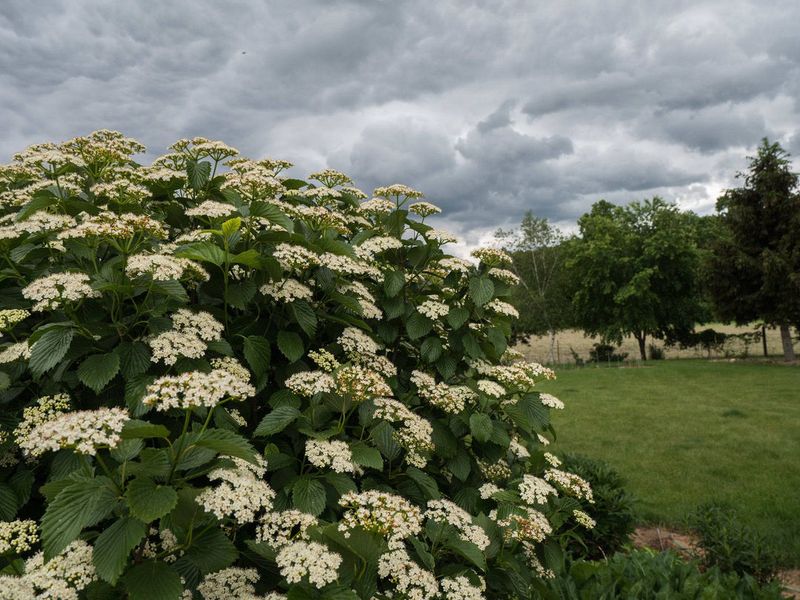
Property edges in Ohio yards often end up as mowed grass strips or plain wood fences, but neither option does much for birds.
Planting a row of Arrowwood Viburnum along a fence line, property boundary, or back edge of a yard creates a living screen that serves multiple purposes at once.
It adds visual privacy, softens hard landscape lines, and builds a corridor of food and cover that birds can move through with ease.
Arrowwood Viburnum is well-suited for informal hedge use because it spreads gradually through root suckers, eventually filling in gaps and creating a thicker mass over time.
Unlike tightly sheared formal hedges, a naturalistic viburnum hedge works with the shrub’s natural shape rather than against it.
This approach takes less maintenance and produces a result that looks more at home in an Ohio landscape, especially in yards that lean toward a relaxed or wildlife-friendly style.
From a bird habitat standpoint, a hedge of Arrowwood Viburnum offers far more value than a single specimen plant. More plants mean more berries, more nesting sites, and a broader band of cover that birds feel comfortable moving through.
Cardinals, catbirds, and brown thrashers are among the species known to nest in dense shrub rows in Ohio, and a well-established viburnum hedge can attract exactly that kind of activity to a yard that previously had very little of it.
4. Spring Flowers Add More Wildlife Value
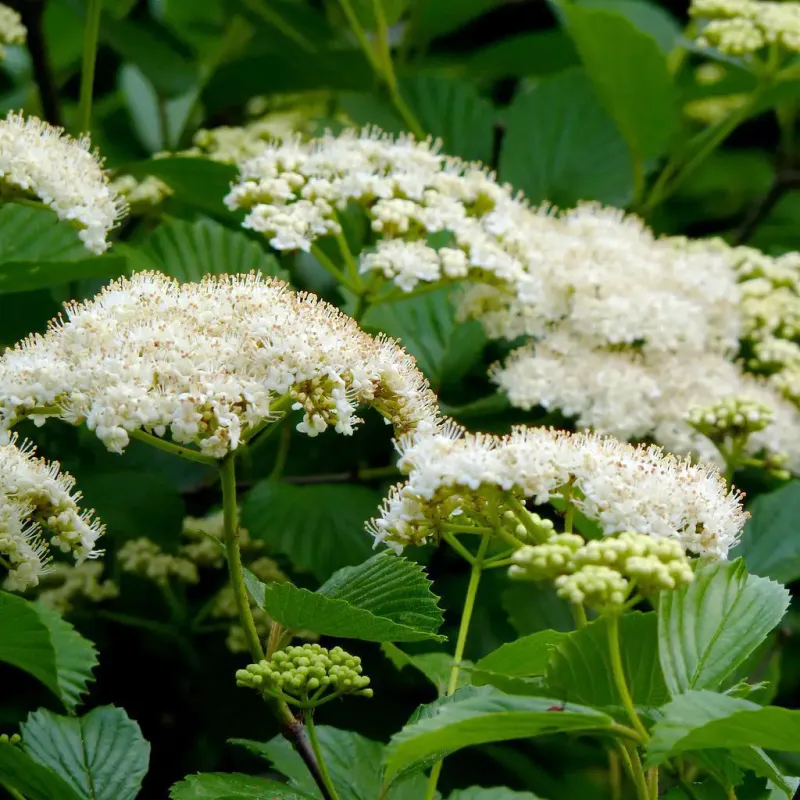
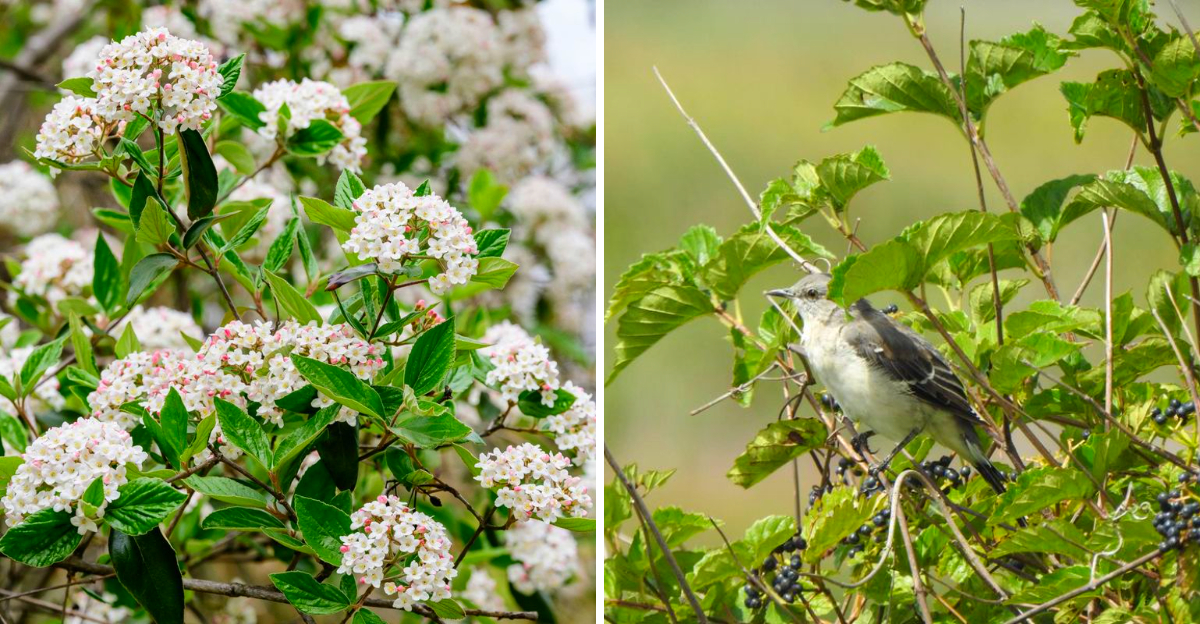
Before the berries arrive, Arrowwood Viburnum earns its place in an Ohio yard through its spring flowers. In May and June, the shrub produces flat-topped clusters of small creamy-white blooms that cover the branch tips and give the plant a bright, airy look.
The flowers are attractive on their own, but their real value goes beyond appearance.
Native bees, butterflies, and other pollinators visit the flowers regularly, drawn in by accessible nectar and pollen.
This pollinator activity matters for birds too, since many songbirds, especially during nesting season, rely on insects as a primary protein source for feeding their young.
A shrub that supports pollinators also indirectly supports the insect populations that nesting birds depend on during some of the most demanding weeks of the year.
The flowers also tend to appear at a time when many yards are transitioning out of spring bulbs and early perennials, creating a gap that Arrowwood Viburnum can help fill with seasonal interest.
The bloom period typically lasts two to three weeks, which is not the longest flowering window, but combined with the berry production that follows later in the season, the shrub delivers meaningful wildlife value across a broad stretch of the Ohio growing season.
For a native plant that asks for relatively little care, that kind of seasonal contribution is genuinely hard to match in a home landscape planting.
5. Fall Color Adds More Seasonal Interest
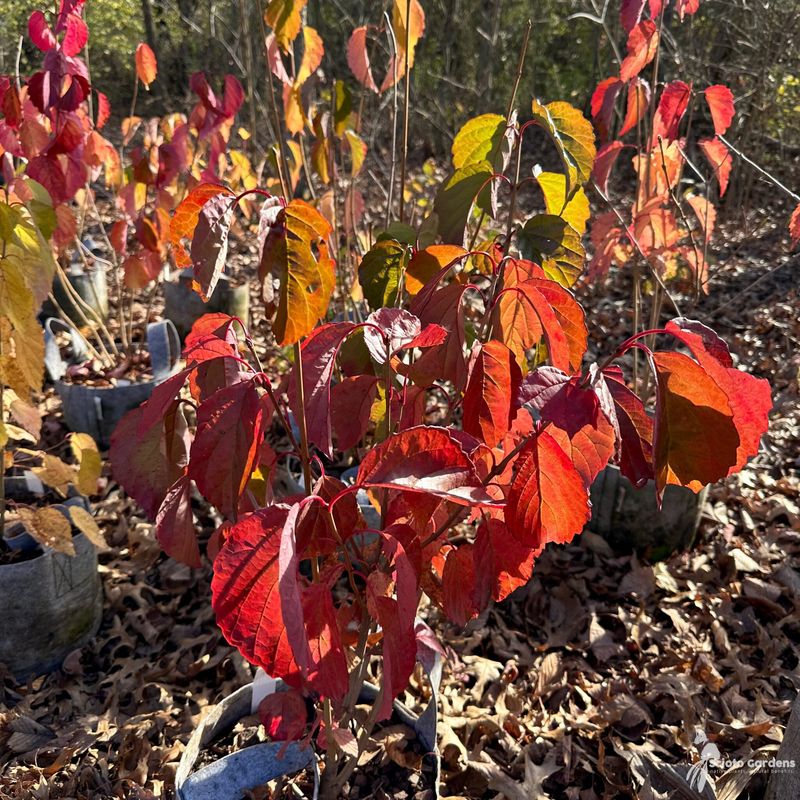
Most people think of Arrowwood Viburnum as a berry shrub first, but its fall foliage is genuinely worth noticing on its own.
As Ohio temperatures cool in September and October, the leaves shift from green into shades of red, burgundy, and orange-red depending on the individual plant and growing conditions.
The effect can be quite striking, especially when the dark blue-black berries are still present against the warm-toned leaves.
For homeowners who want a yard that holds visual interest through the changing seasons, Arrowwood Viburnum delivers a natural autumn display without any extra effort.
It fits naturally into mixed shrub borders alongside other native plants that also offer fall color, such as native sumacs, viburnums, or blueberries, creating a layered seasonal palette that changes week by week as the season progresses.
Beyond the visual appeal, the timing of fall color coincides with peak bird migration activity across Ohio.
Berries and cover are most in demand during this window, and a shrub that is both visually interesting and actively supporting bird activity feels like a genuine two-for-one benefit in a home landscape.
The fall display does not last indefinitely, and leaf drop follows as temperatures continue to cool.
But during those peak autumn weeks, a well-grown Arrowwood Viburnum can be one of the most rewarding plants in the yard to enjoy from a window or patio.
6. Arrowwood Viburnum Handles Ohio Conditions Well
Growing plants in Ohio means dealing with a wide range of conditions depending on where you live in the state.
Summers can be humid and warm, winters bring cold snaps and ice, and soils vary from heavy clay in many suburban areas to sandier or rockier ground in other parts of Ohio.
Arrowwood Viburnum holds up reasonably well across these varied conditions, which is part of why it shows up so often in native plant recommendations for home landscapes.
The shrub tolerates both full sun and partial shade, making it flexible enough to fit into spots along a wooded edge, beside a fence line with afternoon shade, or in a more open planting area that receives most of the day’s light.
It also adapts to a range of soil moisture levels, handling both moderately wet spots and average well-drained garden soil with relatively few problems.
That adaptability makes it easier to place in a real yard rather than only in ideal conditions.
Established plants generally need minimal supplemental watering once they settle in, and they tend to handle winters without significant cold damage.
Deer browsing can be a challenge in some areas, and like other viburnums, the shrub can be susceptible to viburnum leaf beetle in certain parts of Ohio.
Neither issue prevents it from being a worthwhile choice, but both are worth knowing about before planting so expectations stay grounded and realistic from the start.
7. It Makes A Yard Feel Fuller And More Alive
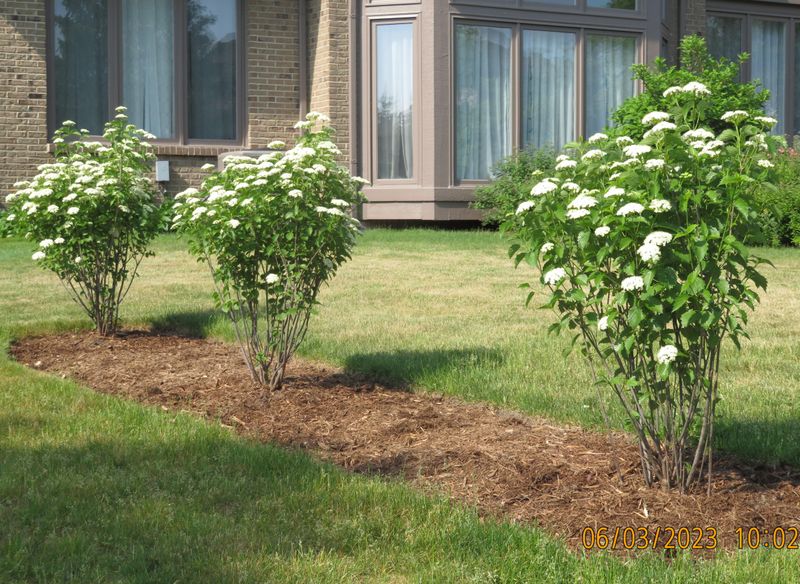
Yards that feel alive with bird activity share something in common: they tend to have structure. Not just open lawn and a few scattered flowers, but layered plantings with shrubs that offer food, cover, and nesting space across multiple seasons.
Arrowwood Viburnum contributes to that kind of structure in a way that a lot of ornamental plants simply do not.
When a yard has even one well-grown Arrowwood Viburnum, the change in bird activity can be noticeable over time.
More species move through, berry clusters get stripped by migrating flocks, and nesting birds may begin using the dense branches for shelter.
That shift from a quiet yard to one that feels genuinely occupied by wildlife is exactly what many homeowners are looking for when they start thinking about native plantings.
Arrowwood Viburnum is not a one-shrub solution that transforms every Ohio yard overnight, and it works best as part of a broader native planting that includes other food and cover sources.
Still, as a starting point or as an anchor plant in a bird-friendly border, it is hard to beat for the combination of seasonal value it provides.
Berries, flowers, cover, fall color, and Ohio-native status all come together in one manageable shrub that fits into most home landscapes without a lot of fuss, making it one of the more practical choices a gardener can make for wildlife.