6 Best Spots To Plant Tomatoes And 5 Places Where They Won’t Survive
Most gardeners have a tomato story. Maybe it’s the first plant you ever grew in a backyard bed, or the one that kept the kitchen counter covered in fresh tomatoes every summer.
And if you’ve grown them long enough, you’ve probably also had a season where the plants looked healthy but barely produced anything at all.
Tomatoes can be surprisingly picky about where they grow. A spot that seems perfect to us might leave the plants struggling with poor sunlight, soggy soil, or too much competition from nearby plants.
On the other hand, the right location can turn even a small tomato patch into a steady producer all season long.
Before you set those seedlings in the ground this year, it helps to know which spots in your yard give tomatoes the best chance to thrive – and which locations quietly work against them from the start.
1. Raised Garden Beds
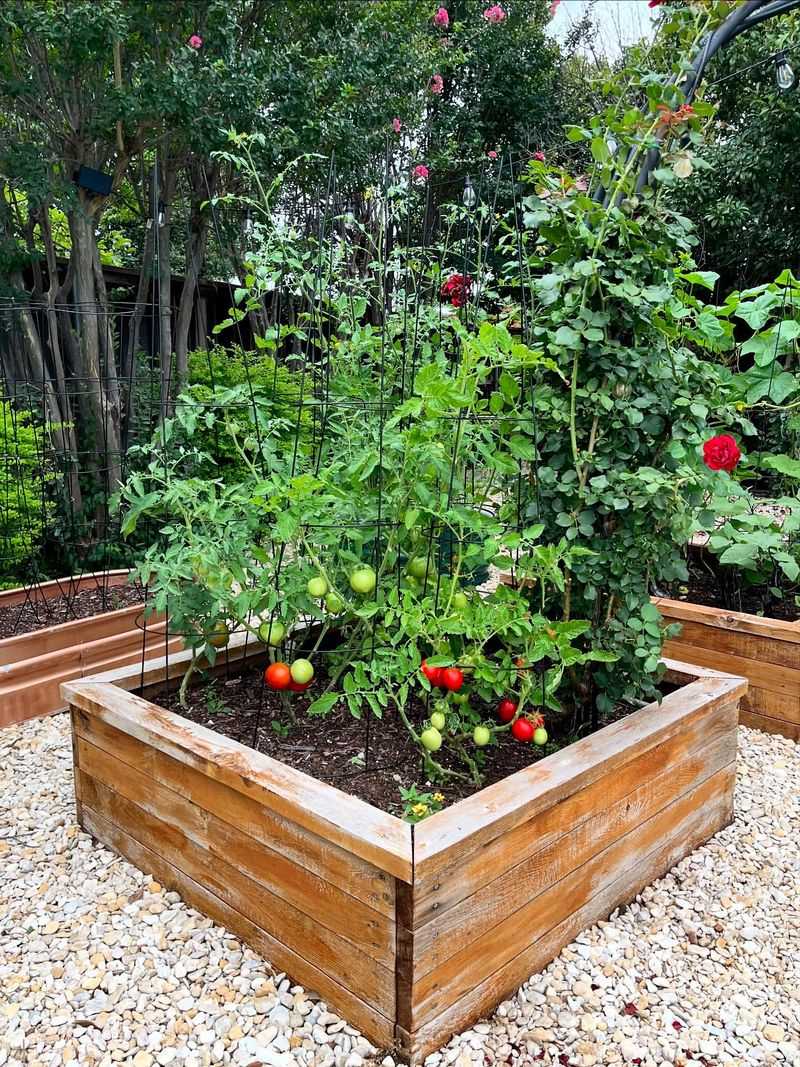
Transforming a simple patch of soil into a raised garden bed can dramatically improve tomato success. By elevating the soil, you create an environment that warms faster in spring, allowing roots to establish before outdoor temperatures climb.
Good drainage in raised beds reduces the risk of root rot and allows gardeners to customize the soil mix specifically for tomatoes’ nutritional needs. Adding compost or balanced fertilizer helps build a nutrient-rich medium that encourages strong stems and abundant fruit production.
Because roots are confined yet well-aerated, plants often develop more robust systems, leading to healthier growth and higher yields. Maintenance also becomes easier: watering, pruning, and harvesting are less strenuous on your back compared to bending to ground level.
Raised beds also allow for better spacing, reducing competition for sunlight and nutrients, which is especially beneficial for large or indeterminate varieties. Over the years, many gardeners report that tomatoes in raised beds produce more consistently, resist common soil-borne diseases, and fruit earlier than plants grown in traditional ground plots.
With careful preparation, raised beds can turn even a small garden into a productive tomato haven that supports multiple harvests throughout the growing season.
2. Container Gardens
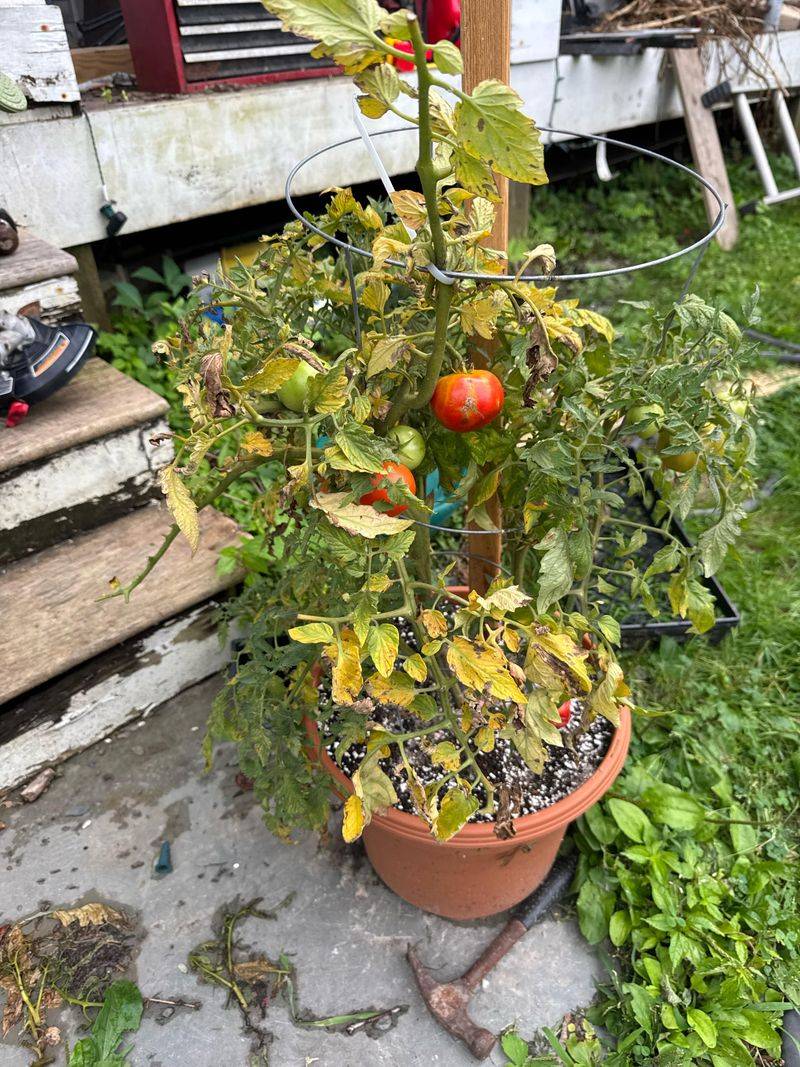
If space is limited or sunlight varies across your yard, container gardening is a powerful option for growing tomatoes. Potted tomatoes allow you to place plants in optimal sunlight and move them during storms or extreme heat, giving flexibility not possible in-ground.
Containers should be at least 18 inches deep to accommodate the tomato’s extensive root system, and wide enough to provide stability for larger plants. Growing tomatoes in containers can actually increase fruit production for some varieties because the restricted soil encourages energy investment in flowers and fruit rather than unlimited vegetative growth.
Using high-quality potting soil mixed with compost ensures proper drainage and nutrition. Containers also make it easier to monitor soil moisture and prevent waterlogged roots, a common problem in clay or compacted garden soil.
Additionally, pests such as slugs and soil-borne diseases are less likely to affect container plants, reducing losses during the growing season. Regular feeding with a balanced, water-soluble fertilizer can sustain vigorous growth, while staking or caging keeps plants upright and supports heavy fruit.
With thoughtful management, container gardens produce a bountiful and accessible tomato harvest even in limited urban yards or patios.
3. Greenhouse Shelves
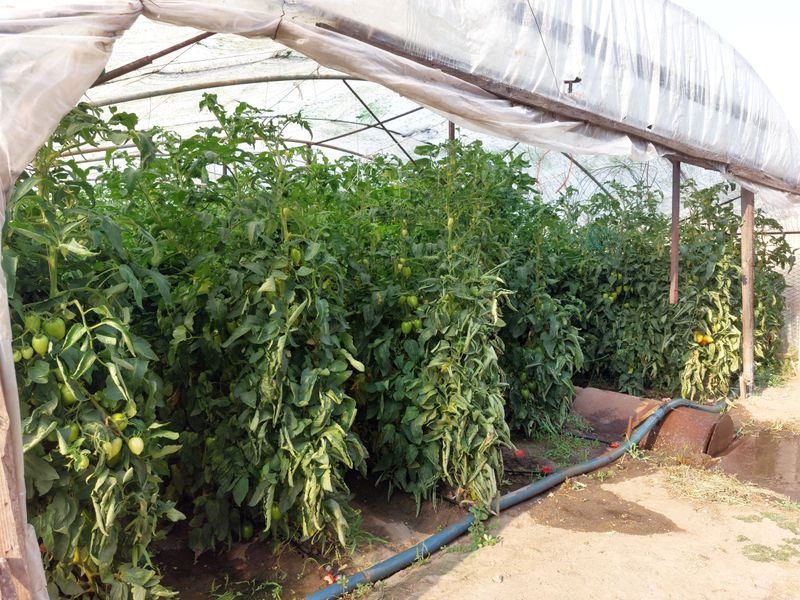
For gardeners seeking an early start, greenhouse shelves offer an unbeatable advantage for tomatoes. Starting seeds indoors or transplanting young plants into a controlled greenhouse environment can give you harvests weeks before outdoor tomatoes are ready.
The consistent temperature, humidity, and protection from wind or pests create conditions that tomatoes thrive in, resulting in stronger plants and extended fruiting. A well-ventilated greenhouse reduces issues with common pests like hornworms or fungal infections, which frequently challenge outdoor growers.
Temperature control is crucial: if conditions exceed 90°F, fruit set can slow or stop, so installing vents, fans, or shade cloth is recommended. Greenhouse shelves also allow for vertical stacking, maximizing space for more plants without overcrowding.
Because the environment is predictable, fertilization and irrigation can be precisely managed, producing larger, more uniform fruit. Starting early also provides a head start on training and pruning, allowing plants to develop an ideal canopy structure before they reach full size.
With proper management, greenhouse-grown tomatoes can produce continuously, offering gardeners a long, productive season while reducing stress from unpredictable weather.
4. Straw Bale Gardens
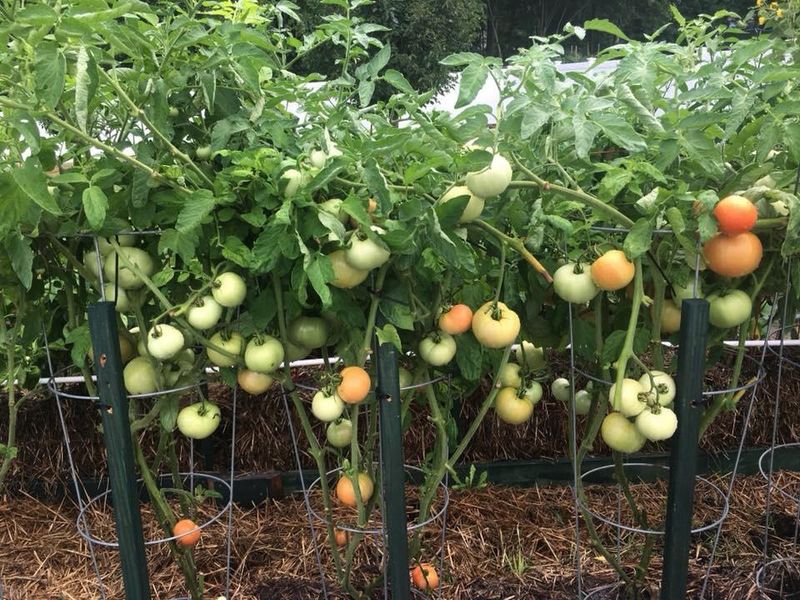
Straw bale gardening is an innovative technique that simplifies tomato cultivation, particularly in areas with poor soil. By conditioning straw bales with nitrogen-rich fertilizer over two weeks, gardeners create a warm, well-aerated medium that tomatoes readily establish roots in.
As the straw decomposes, it generates heat that encourages early growth and stimulates flowering, while the loose structure promotes excellent drainage, reducing the risk of root rot. This approach is ideal for gardeners seeking a raised growing surface without building permanent beds, as the bales naturally elevate plants and reduce bending or stooping during maintenance.
Over the season, thin pruning and staking keep plants healthy and productive, while at the end, partially decomposed bales can be composted, returning nutrients to the garden. Straw bales also limit soil-borne disease exposure, providing a cleaner start for new plantings.
For gardeners with clay soil, rocky ground, or compacted areas, straw bale gardening allows tomatoes to flourish without labor-intensive soil amendments. With consistent care, water, and support structures, this method can produce high yields of flavorful, healthy tomatoes throughout the season.
5. Vertical Growing Systems
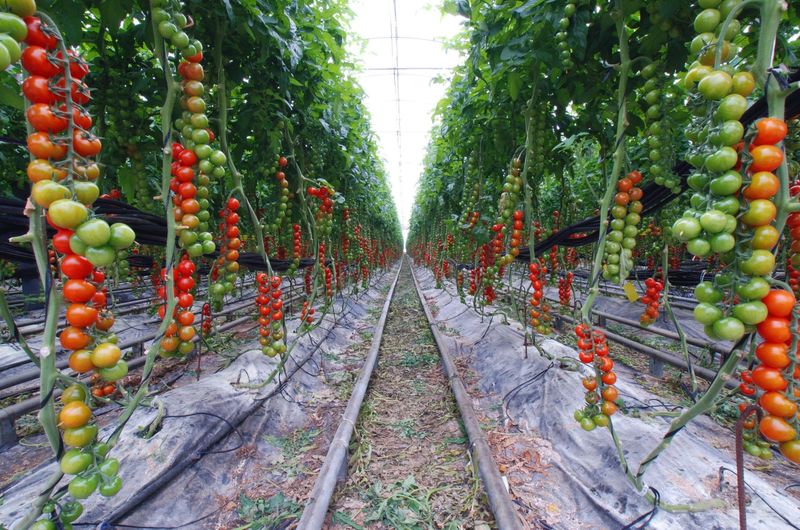
Maximizing space is one of the biggest challenges for gardeners, and vertical growing systems offer an elegant solution for tomato cultivation. By training indeterminate varieties to climb trellises, cages, or strings, gardeners can allow plants to grow upward instead of sprawling across the garden bed.
This vertical approach not only conserves space but also improves air circulation around the foliage, reducing humidity-related diseases like powdery mildew and blight. Elevating fruit off the ground keeps it cleaner, minimizing rot and pest damage while making ripened tomatoes easier to spot and harvest.
Smaller varieties, such as cherry and grape tomatoes, excel in these systems because they can support their weight on strings or cages without breaking. Regular pruning is still necessary to remove excess suckers and maintain airflow, but with vertical support, plants can focus energy on producing abundant fruit instead of sprawling vegetative growth.
Additionally, vertical growing makes garden maintenance, including watering, fertilizing, and staking, simpler and more ergonomic. For urban gardeners, balcony growers, or anyone with limited soil space, vertical systems turn a compact area into a highly productive tomato haven, offering both convenience and improved yields throughout the growing season.
6. Rooftop Gardens
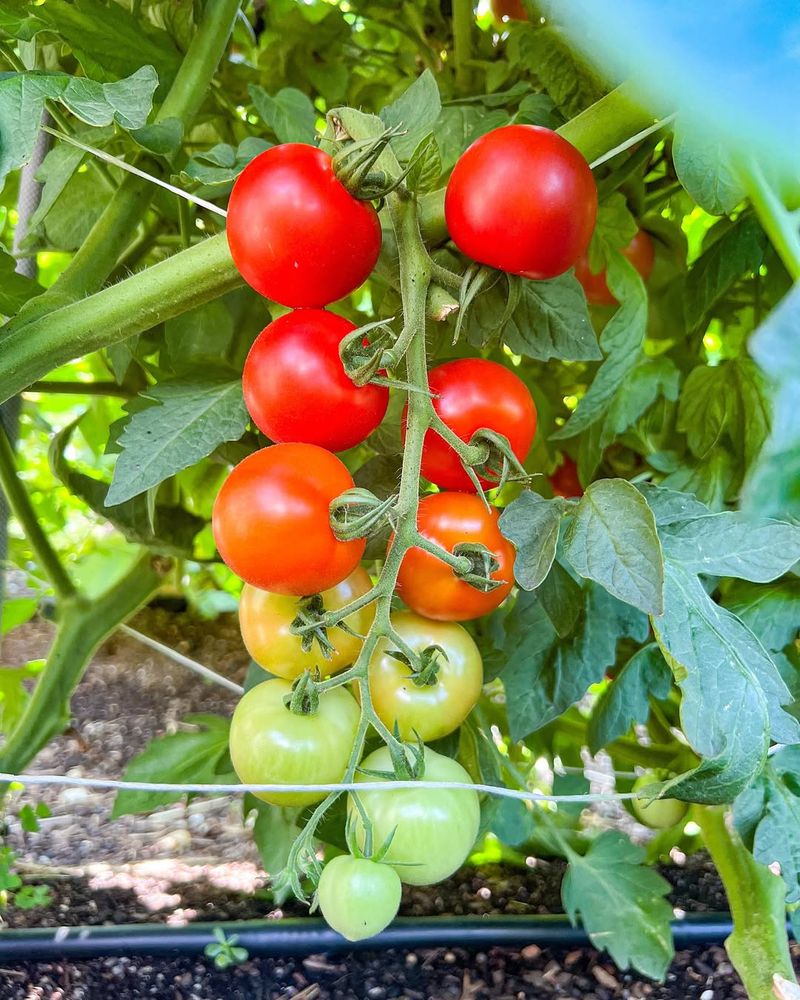
Urban environments offer hidden opportunities for growing tomatoes, and rooftop gardens are one of the most productive options. Elevated locations often receive full sun exposure without interference from trees or buildings, creating ideal conditions for fruit production.
Heat reflected from surrounding structures generates a slightly warmer microclimate, which encourages faster growth and earlier flowering. Rooftop containers allow for precise soil management, helping tomatoes avoid issues common in compacted or clay-heavy ground soils.
Lightweight growing media ensures that the added weight does not stress the building structure, while raised containers or pots make irrigation and pruning convenient. Another benefit of rooftop gardens is reduced pest pressure; insects, slugs, and many soil-borne pathogens are less likely to reach elevated containers, which increases the likelihood of a healthy harvest.
Cherry tomatoes and other compact varieties perform especially well in this environment. Regular monitoring of soil moisture, careful fertilization, and support for taller plants ensure consistent growth.
Rooftop tomato gardening demonstrates that even limited or unconventional spaces can be transformed into productive, high-yield gardens with thoughtful planning and proper maintenance.
7. Heavy Clay Soil
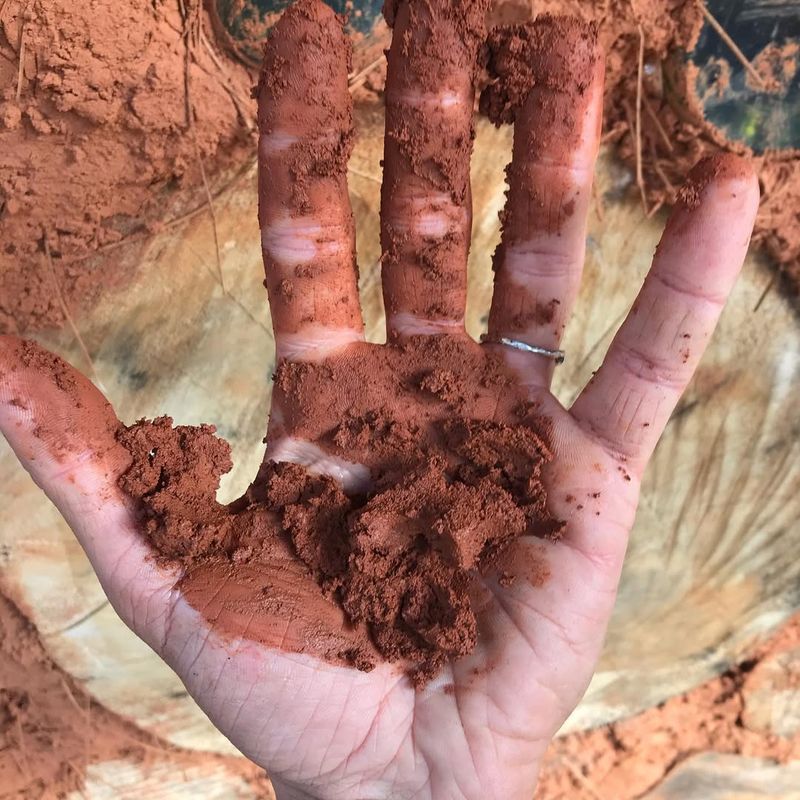
Trying to grow tomatoes in heavy clay soil often leads to frustration and disappointment. Clay is dense and poorly aerated, making it difficult for roots to penetrate and access nutrients.
Water drainage is also a major challenge: after rainfall, clay retains water for extended periods, creating soggy conditions that promote root rot, while in dry periods, it can harden and form a crust that stunts young plants. Tomatoes grown directly in clay are often stunted, yellowing, and slow to produce fruit.
Soil-borne fungal diseases, such as early blight and Fusarium wilt, are more common in clay because moisture retention encourages pathogen growth. Gardeners attempting direct planting in clay frequently report poor yields and higher maintenance requirements.
To overcome these challenges, it is best to use raised beds, containers, or amended plots filled with loamy, well-drained soil. Incorporating organic matter, compost, and mulch can improve soil texture, aeration, and nutrient availability, giving tomato plants the environment they need to thrive.
Choosing a location with improved drainage and proper sun exposure will greatly enhance the likelihood of a successful, productive tomato crop, even in areas that would otherwise be dominated by clay soil.
8. Heavily Shaded Areas
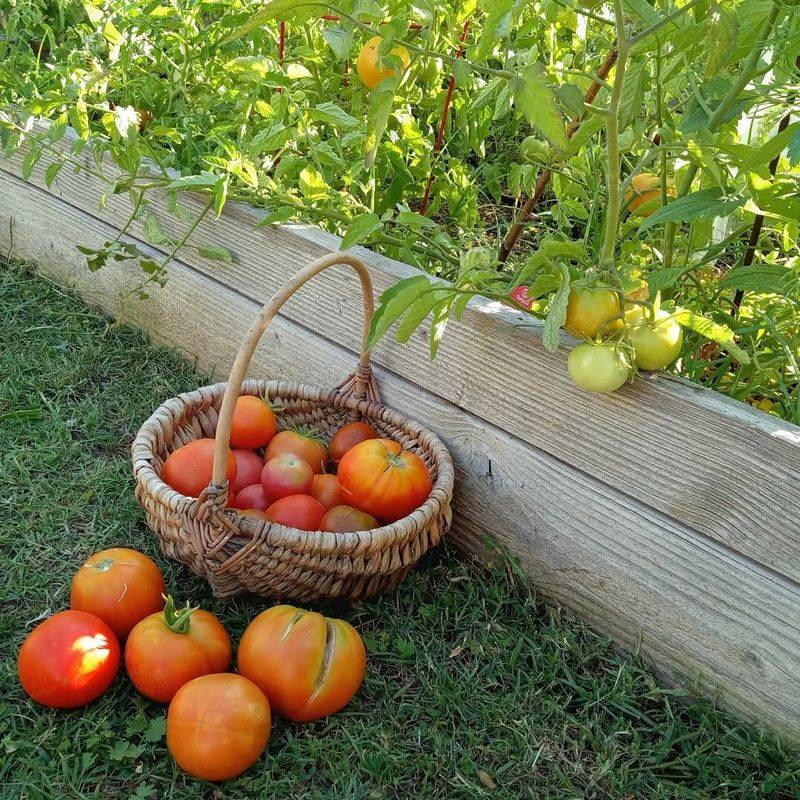
Sunlight is critical for tomato success, and locations with heavy shade are among the most limiting for fruit production. Tomatoes require at least six to eight hours of direct sunlight each day to produce healthy, flavorful fruit.
In shaded spots, plants often become tall and leggy as they stretch toward light, resulting in weak stems and minimal flowering. Even varieties marketed as “shade-tolerant” underperform without adequate sun, producing sparse or nonexistent fruit.
Shade can also increase humidity around the foliage, creating conditions favorable to fungal diseases such as powdery mildew or leaf spot. Gardeners who attempt to grow tomatoes in heavily shaded areas often find themselves struggling with slow growth, poor fruit set, and ongoing disease management.
Instead, these spots are better suited for leafy greens, herbs, or other plants adapted to low-light conditions, which can thrive while tomatoes fail. For tomato success, choose locations with full, direct sun exposure, ample airflow, and well-draining soil.
When planting in partial sun, maximize sunlight by pruning nearby trees or using reflective surfaces to increase light exposure. Proper placement ensures plants develop strong stems, robust flowering, and consistently productive harvests throughout the growing season.
9. Near Walnut Trees
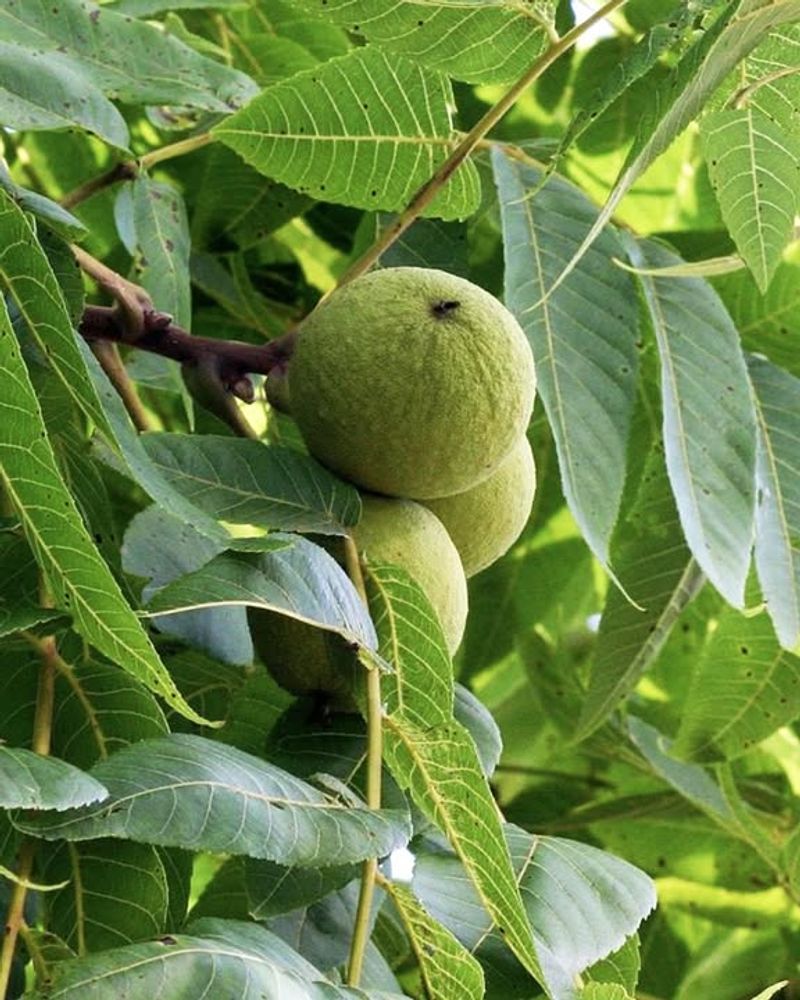
Planting tomatoes near walnut trees can lead to frustrating failure due to a naturally occurring chemical called juglone. Found in all parts of the tree, including roots, leaves, and nuts, juglone is toxic to many garden plants, including tomatoes, peppers, eggplants, and potatoes.
The roots of walnut trees can extend far beyond the visible canopy, sometimes 50 to 60 feet, contaminating soil well away from the trunk. Even planting 30 feet from a black walnut, as some gardeners have learned the hard way, can stunt growth or kill tomato plants entirely.
Removing the tree does not immediately solve the problem either; decomposing roots can continue releasing juglone for several years, keeping the surrounding soil toxic. Soil amendments, fertilizers, or extra care will not reliably protect tomatoes in these areas.
For gardeners, the safest approach is to locate tomato beds well away from walnut trees and other juglone-producing plants. Raised beds or container gardens in separate areas provide a safe alternative and allow tomatoes to flourish without chemical interference.
By respecting the natural limitations imposed by walnut trees, you can avoid wasted effort and enjoy healthier, more productive plants in locations that provide sufficient sun, nutrients, and well-draining soil.
10. Waterlogged Locations
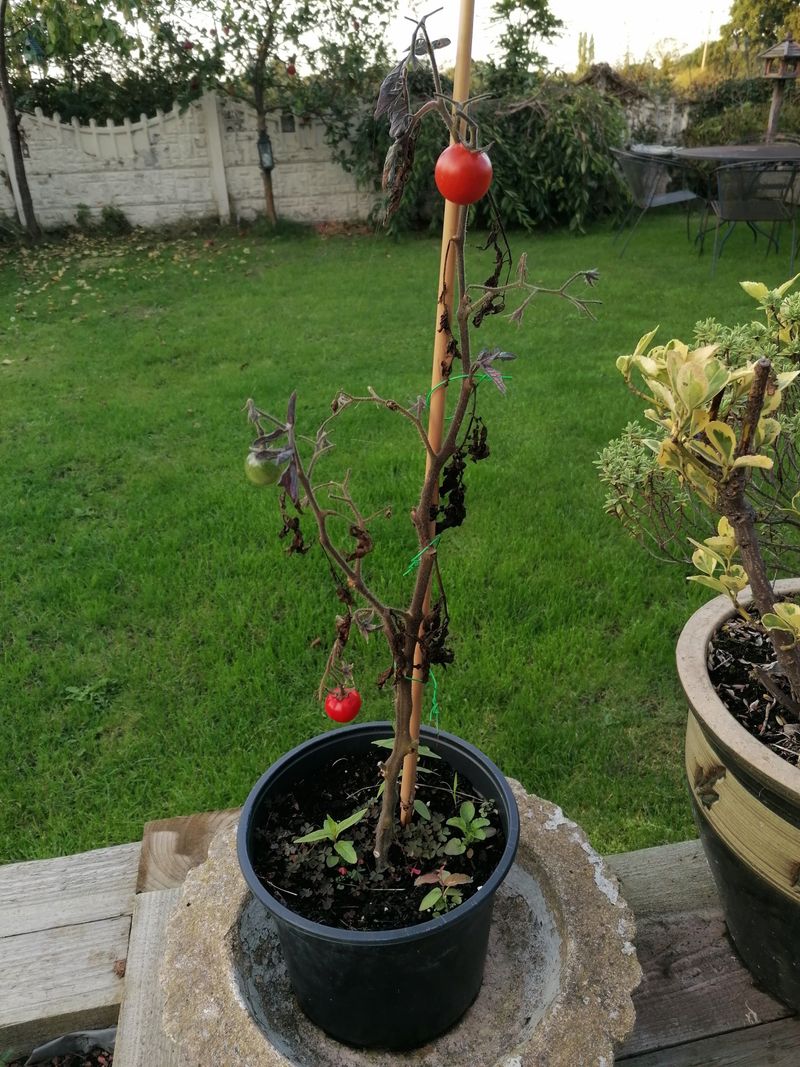
Tomatoes are extremely sensitive to poorly drained soil, and low-lying or waterlogged spots are almost certain to reduce plant success. Roots require oxygen to function, and constantly saturated conditions prevent proper respiration, leading to wilting, yellowing, and eventual death.
Standing water after heavy rains encourages root rot, a common problem in poorly drained areas, and creates ideal conditions for fungal diseases such as late blight. Even when plants survive initial flooding, ongoing damp conditions can weaken stems and reduce flowering and fruit set.
Gardeners frequently report dramatic yield losses when tomatoes are grown in depressions or near poorly draining soil. To prevent these issues, choose higher ground, well-draining soil, or use raised beds and containers to control water exposure.
Incorporating organic matter and creating mounded rows can further improve drainage and soil structure. Waterlogged conditions are particularly risky during Florida’s rainy season, when heavy storms can leave standing water for days, quickly compromising plant health.
By selecting elevated planting areas and improving soil drainage, gardeners can maintain strong, productive tomato plants that consistently produce fruit without the stress and disease pressure associated with wet, stagnant soil.
11. Previous Nightshade Locations
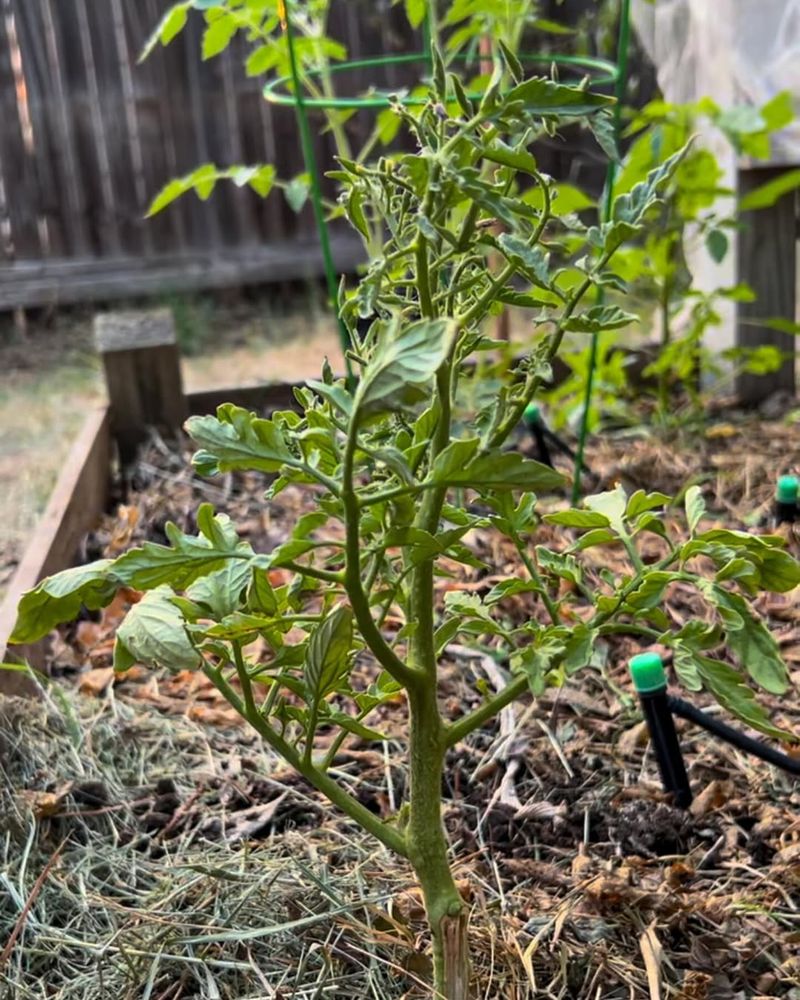
Planning where to place your tomato plants requires careful attention to previous garden use. Tomatoes are part of the nightshade family, which includes peppers, eggplants, and potatoes.
Planting them in soil recently used by other nightshades increases the risk of soil-borne diseases such as Fusarium wilt, Verticillium wilt, and nematodes, which persist in the soil for years. Repeated planting in the same bed often leads to poor growth, reduced yields, and increased disease management needs.
Gardeners frequently experience this problem when rotating between nightshade crops without waiting long enough for the soil to recover. The best practice is to wait at least three to four years before planting tomatoes in the same location.
During this interval, consider rotating with legumes, leafy greens, or other non-nightshade crops to improve soil health and nutrient balance. Crop rotation also reduces pathogen buildup, encourages beneficial soil organisms, and creates a more resilient garden ecosystem.
Maintaining a garden journal to track past plantings can help avoid unintentional repetition and identify patterns of poor performance. By respecting crop rotation principles, you protect tomatoes from preventable soil-borne diseases, increase productivity, and support long-term soil fertility, giving each new planting the best chance to thrive and produce a bountiful harvest.