What Looks Like A Nest In Your California Tree Might Actually Be Something Else
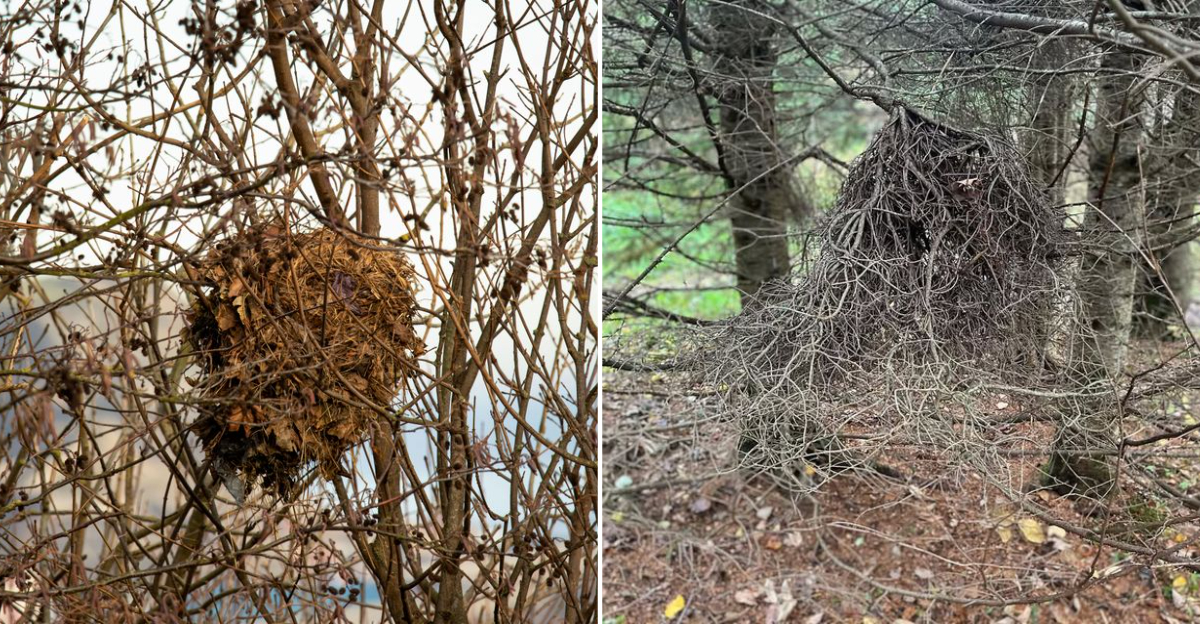
That cozy cluster of twigs and leaves tucked in your California tree might look like a bird’s nest, but a closer look could reveal something entirely different. Nature has a way of surprising even the most seasoned backyard watchers.
It could be a squirrel’s leafy hideout, a cluster of wasp or hornet activity, or even a mysterious mass created by insects weaving silk around foliage.
Some nests mimic birds so well they fool anyone passing by, and others serve as clever shelters for critters you might not expect.
Knowing what you’re really looking at can help protect local wildlife and keep your outdoor space safe.
A few careful observations, like checking for movement, size, and material, can reveal whether you have a feathery visitor or an entirely different tenant calling your tree home.
1. Witches’ Broom Growth
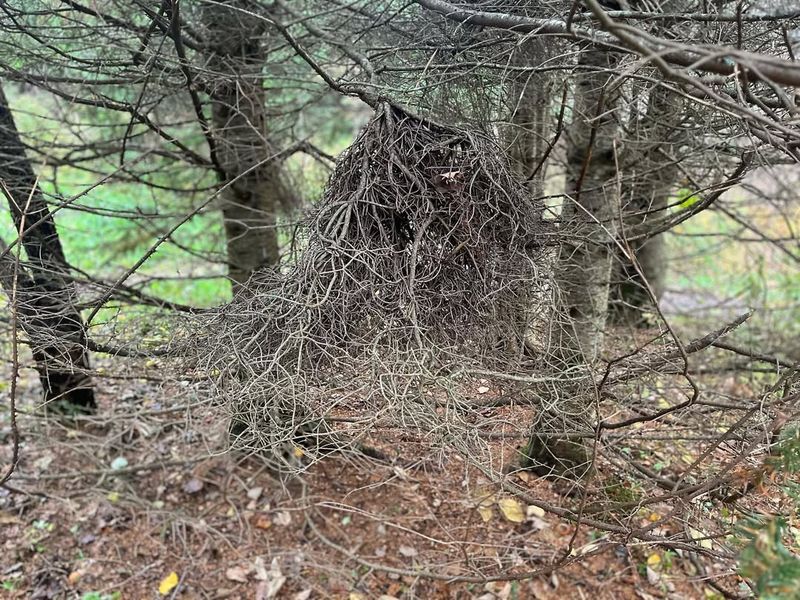
Witches’ broom is a weird tree condition that makes branches grow in tight, tangled clusters, like the tree suddenly decided to make a little twig pom-pom. Instead of spreading out normally, the shoots bunch together in one spot, creating a dense ball of sticks that looks totally out of place in an otherwise normal canopy.
What causes it depends on the tree. It can be linked to fungi, mites, viruses, or other pathogens, and sometimes it’s simply a stress response that triggers abnormal growth.
That uncertainty is part of why people misread it. From a distance, the clumped branches catch leaves, needles, and windblown debris, so it can look a lot like a big bird nest tucked into the limbs.
It usually will not take down a healthy tree overnight, but it can weaken that branch, mess with the tree’s shape, and create a spot where moisture and debris hang around longer than they should. Pruning the broom out can improve the tree’s look and may reduce ongoing issues, especially if you cut back to healthy wood and sanitize tools between cuts.
2. Tent Caterpillar Webs
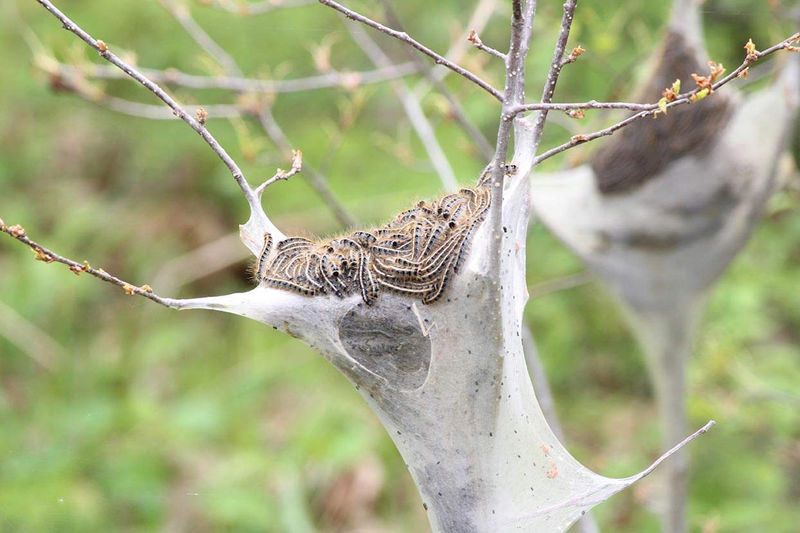
During spring, you might notice silky white webs stretched across the forks of tree branches, almost like someone draped gauze through the canopy. These are often made by tent caterpillars, which spin the webbing as a shared shelter.
The caterpillars gather inside during cooler parts of the day and then crawl out in groups to feed on nearby leaves, gradually expanding their web as the colony grows.
From a distance, the structure can look like a strange nest, especially once bits of leaves get caught in the silk. Up close, though, it’s clearly different from a bird nest made of twigs.
The webbing is thin, lightweight, and slightly translucent, and you can often see the caterpillars clustered inside or moving along the silk pathways they’ve created.
Catching these webs early can make a big difference for the tree. If the colony grows unchecked, the caterpillars can chew through a surprising amount of foliage in a short time.
Pruning out the webbed branch or gently removing the webbing while the caterpillars are still small helps limit the damage and keeps the infestation from spreading further through the tree.
Your California Garden Changes Every Week. Your Plan Should Too.
Gardening in California changes quickly throughout the season. Every Friday you’ll receive a simple weekly plan showing exactly what to plant, prune, fertilize, harvest, and protect so you never miss the right timing.
3. Oak Apple Galls
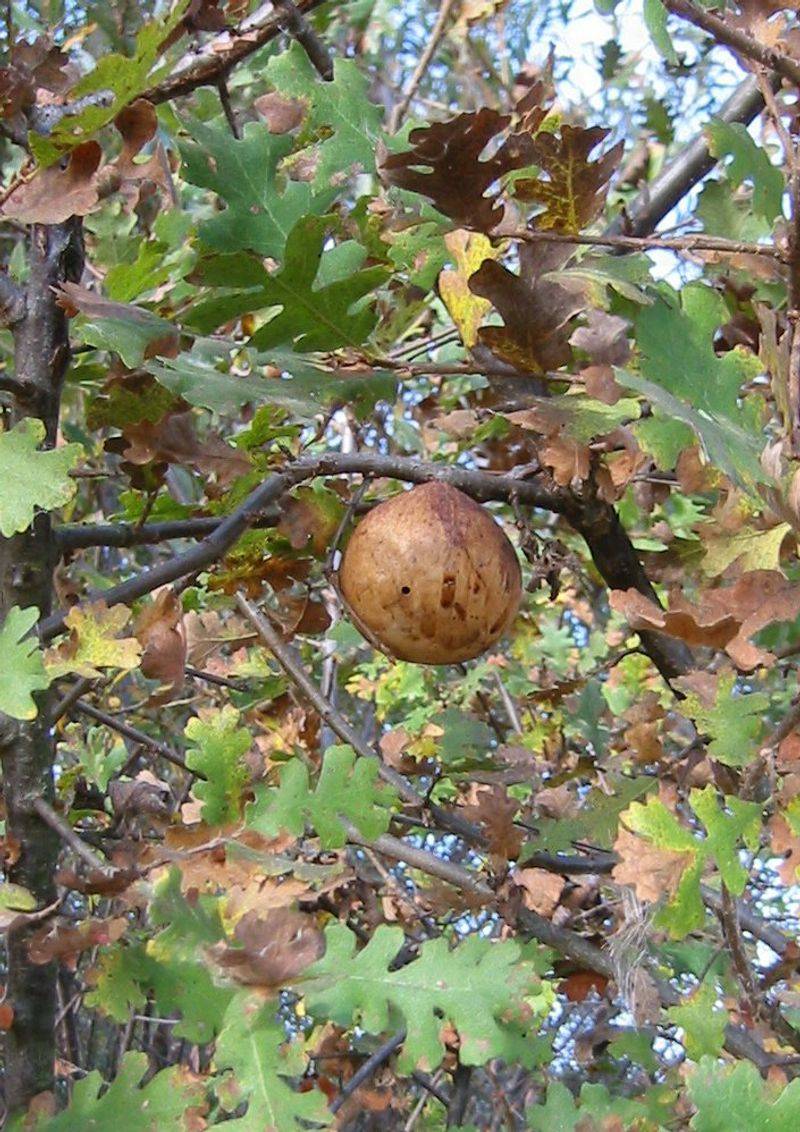
Oak apple galls are round, ball-like growths you might spot on oak branches in California, and they can look like something built there on purpose. They’re usually triggered by tiny gall wasps.
When the wasp lays eggs, the oak reacts by growing a protective little “room” around the developing larvae, which is why these bumps look so oddly organized. The gall is plant tissue, not an insect nest, even though it can feel like one when you first notice it.
From far away, a cluster of oak apples can read like a small, lumpy nest tucked in the twigs. Up close, they’re often tan to brown, light in weight, and sometimes papery or spongy depending on age.
You might even notice a small hole later on where an adult wasp emerged.
The good news is most oak galls are more of a curiosity than a crisis on established trees. A heavy load can stress young or already struggling oaks, but mature trees usually tolerate them.
If you dislike the look, you can prune out a few affected twigs, but it’s rarely urgent.
4. Mistletoe Clumps
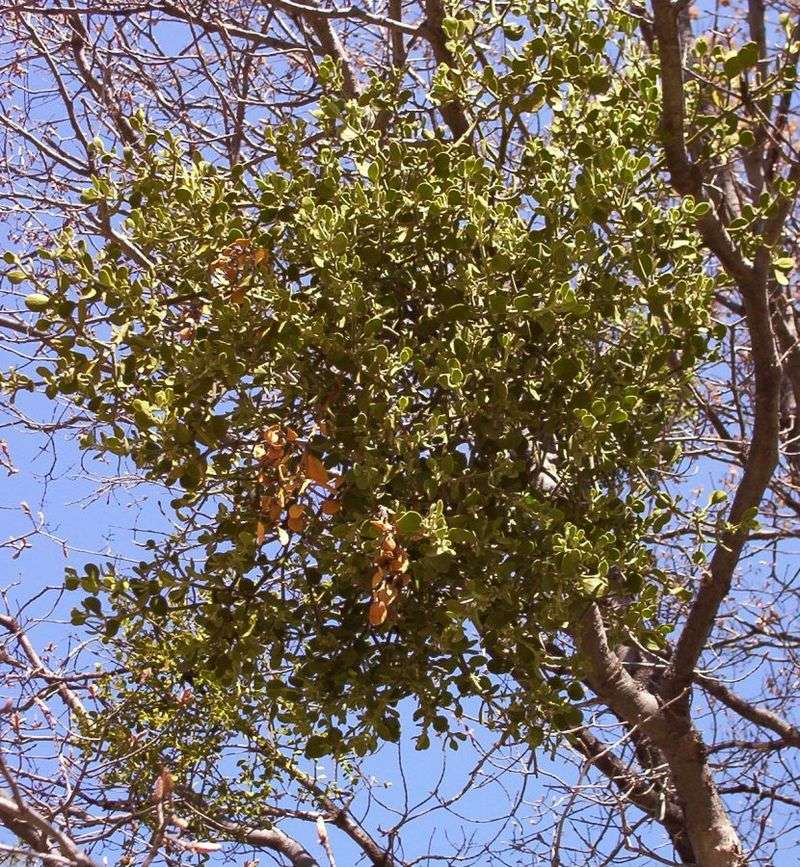
Mistletoe is famous around the holidays, but in trees it behaves very differently than a festive decoration. In California landscapes, this evergreen plant acts as a parasite, tapping into a tree’s branches to draw water and nutrients.
Even when a deciduous tree drops its leaves in winter, mistletoe stays bright green, which often makes those clumps stand out clearly in the canopy.
From the ground, a mistletoe clump can easily look like a bulky nest wedged in the branches. The plant grows into dense, rounded masses made up of thick stems and small leaves that tangle together over time.
Birds play a big role in spreading it, eating the sticky berries and leaving seeds behind on nearby branches. Once a seed sticks, it sends specialized structures into the wood and slowly forms the bushy growth you see from below.
A small amount of mistletoe usually will not destroy a mature tree, but heavy infestations can weaken branches and reduce overall vigor. Pruning out infected limbs or cutting back the mistletoe growth helps limit the spread and keeps the tree healthier in the long run.
5. Squirrel Dreys
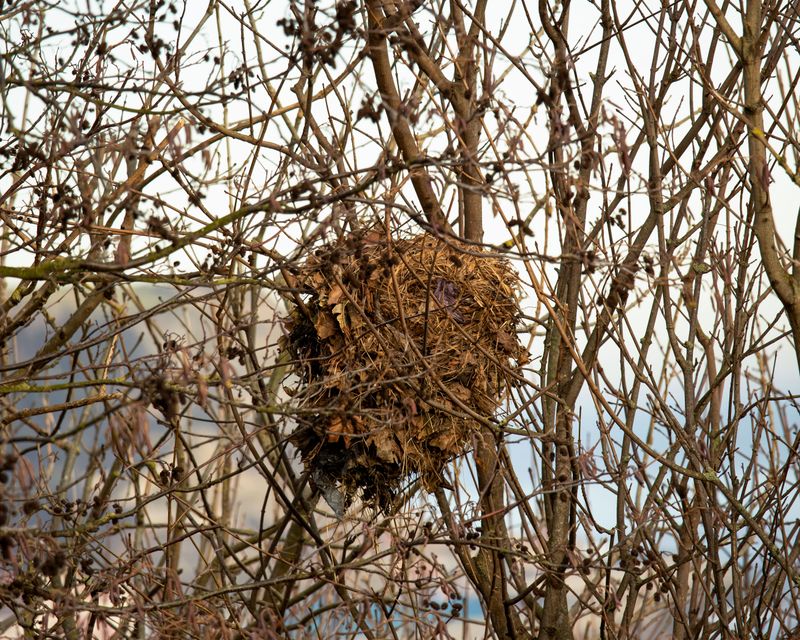
Squirrels don’t just “hang out” in trees, they build actual homes called dreys, and they can fool you fast because they look like oversized bird nests. A drey is usually a big, rounded bundle of twigs packed with leaves and lined with softer stuff like moss, bark strips, pine needles, or shredded plant fibers.
The goal is comfort and weather protection, so the outside is rough and twiggy, while the inside is more like a cozy bowl. From the ground, that layered, messy construction can read as a giant nest sitting right where two branches meet.
One clue is timing. Many bird nests are seasonal and easy to miss once leaves drop, but squirrel dreys often stay in place year-round, especially in mild California winters.
On a cold morning, you might even spot movement, or yes, a bushy tail sticking out like the drey is wearing a fuzzy scarf.
Most dreys are harmless to the tree itself, but squirrels sometimes strip bark or snap small twigs while gathering materials. If you’re seeing fresh bark damage, that’s when it’s worth keeping a closer eye on the tree’s health.
6. Bagworm Cases
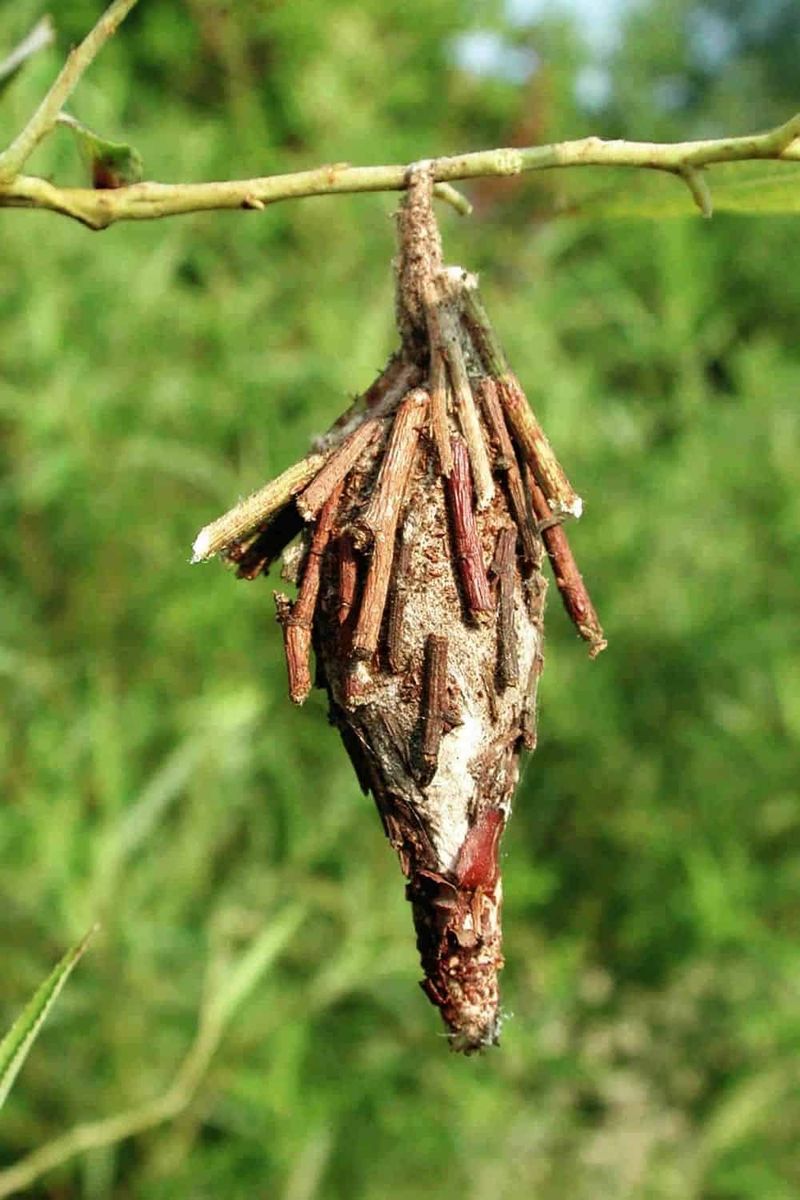
Bagworms are sneaky because they do not build a nest on the tree so much as carry their home with them. The insect makes a little cone or teardrop-shaped case out of silk, then camouflages it with whatever is nearby: tiny leaf bits, twigs, needles, and scraps of bark.
Once it is hanging from a branch, it can look like a natural part of the tree, especially on evergreens where the case blends in like a mini pinecone.
Inside that portable “bag,” the caterpillar stays protected while it feeds. It pokes out to chew on leaves or needles, then retreats back in when it feels disturbed.
If you have a lot of them on one tree, those cases can cluster and dangle together, which is when people start saying, “Wait, is that a bunch of tiny hanging nests?”
A smart move is checking in the cooler months when foliage is thinner and the cases are easier to spot. Hand-picking and destroying the bags in fall or winter can reduce the next season’s hatch and help prevent the kind of chewing damage that makes a tree look suddenly stressed in spring.
7. Burl Formations
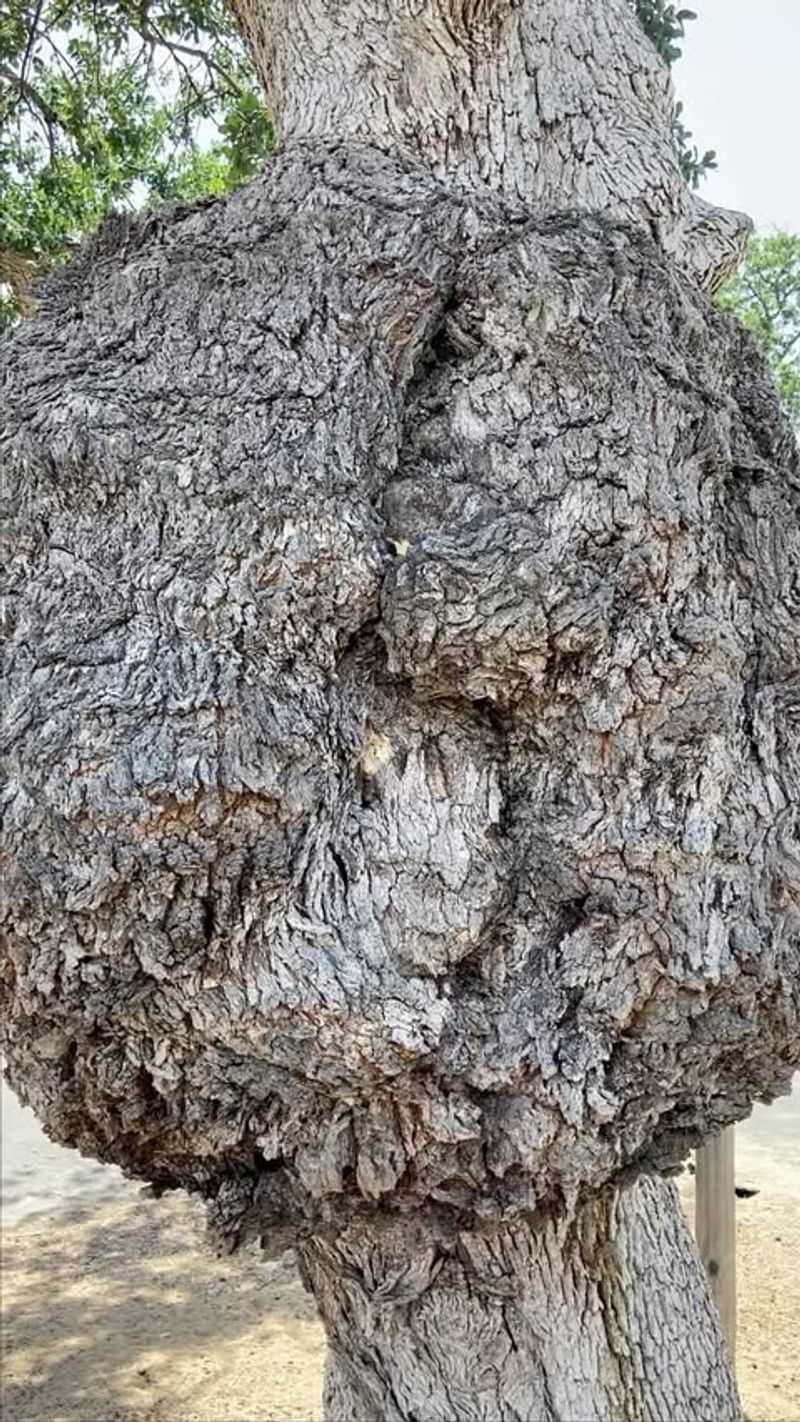
Burls are those strange, knobby growths you sometimes notice bulging from a tree trunk or thick branch. They form when the tree reacts to stress or injury, such as insect damage, disease, or a physical wound.
Instead of growing in the tree’s usual smooth pattern, the wood inside the burl develops in a dense, swirling tangle of grain. The result is a rounded, lumpy mass that can look pretty unusual in the canopy.
From certain angles, especially if the burl grows on a branch, it can resemble a bulky nest tucked into the tree. Some burls even push out clusters of small shoots or leafy sprouts from dormant buds inside the growth.
When those little branches emerge, the whole thing can start to look even more like a messy bundle of sticks and leaves.
Despite their odd appearance, most burls are not a serious threat to the tree. They are generally a sign that the tree responded to stress rather than a sign the tree is failing.
In fact, the twisted grain inside burls is highly valued by woodworkers because it produces striking patterns in furniture, bowls, and decorative wood pieces.