How To Grow Mexican Sunflowers In California For Bright Summer Color
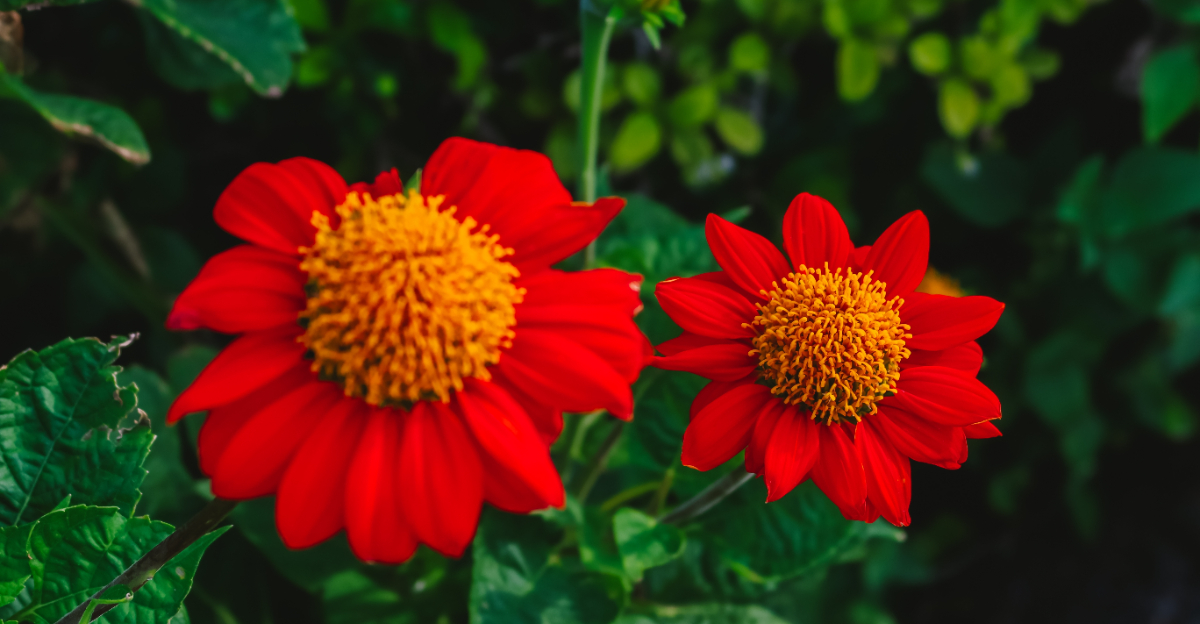
Mexican sunflowers do not do shy. They show up with blazing orange petals, tall stems, and the kind of summer confidence that makes every butterfly in the neighborhood RSVP yes.
In California gardens, they are a fantastic choice for big, cheerful color when the heat starts getting serious and softer plants begin looking personally offended.
These sun-loving annuals grow fast, bloom generously, and bring a wild, happy energy to borders, pollinator beds, vegetable garden edges, and empty spots that need instant drama.
Give them warm soil, plenty of light, decent drainage, and enough room to stretch, and they will reward you with weeks of fiery flowers. They are also refreshingly unfussy once established, which is exactly what a summer garden needs.
If your yard could use more color, more butterflies, and fewer high-maintenance plant tantrums, Mexican sunflowers are ready to clock in.
1. Choose Full Sun
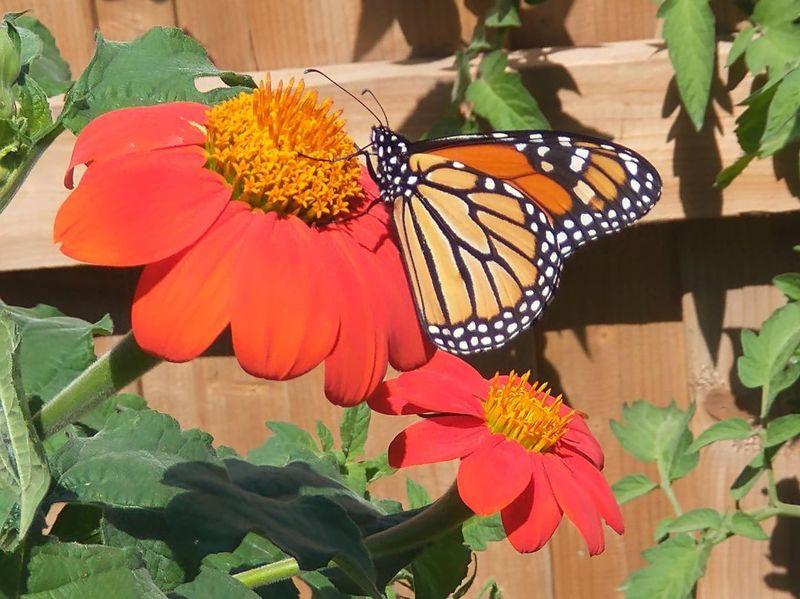
Sunlight is everything when it comes to Mexican sunflowers. These plants were made for warm, sun-soaked conditions, and California’s long sunny days are practically perfect for them.
Pick a spot in your yard that gets at least six to eight hours of direct sunlight every single day.
Avoid planting near tall walls, fences, or trees that cast shade during peak afternoon hours. Even a little too much shade can cause weak stems, fewer blooms, and dull leaf color.
The more sun these plants get, the more flowers you will see throughout the season.
In Southern California especially, full-sun garden beds can get extremely hot. That is actually great news for Mexican sunflowers.
They handle heat well and bounce back quickly even after scorching summer afternoons. Just make sure the soil stays moist enough during those extra-hot stretches.
If you are gardening in Northern California, you may have slightly cooler mornings, but afternoon sun is still strong enough to keep these plants thriving. Walk your yard at different times of day before planting.
Find the brightest, sunniest patch available, and that is where your Mexican sunflowers will put on their best show all summer long.
2. Use Well-Drained Soil
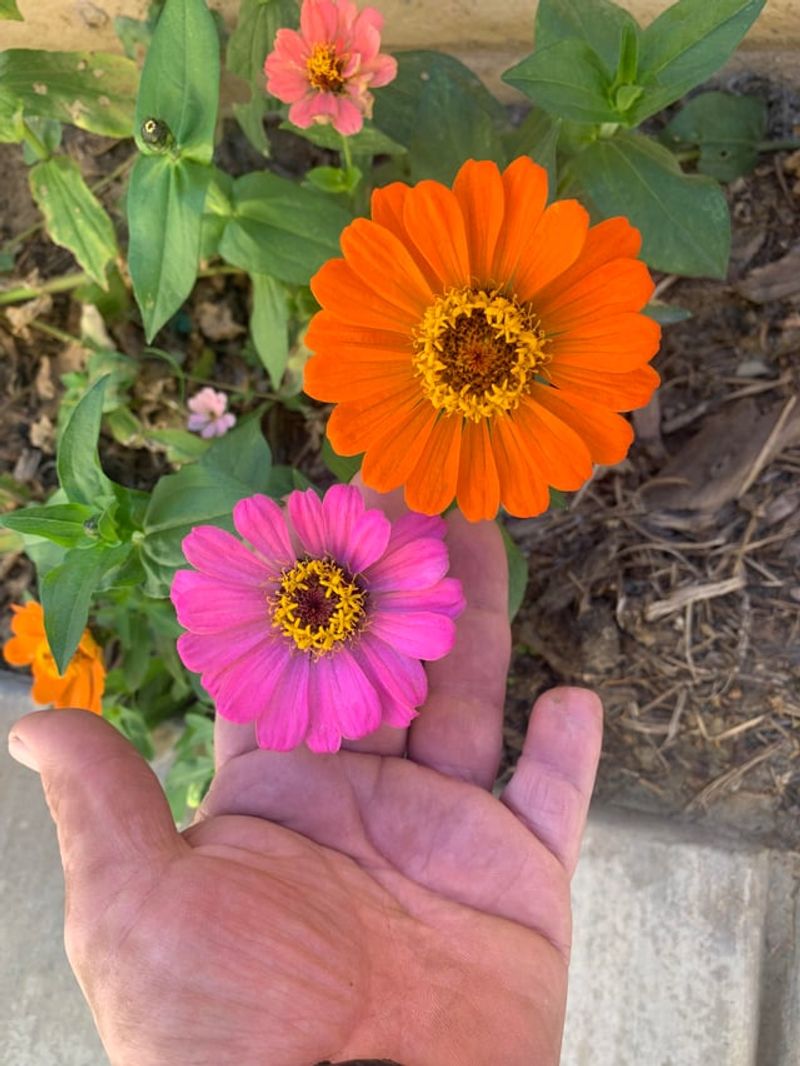
Good soil makes a huge difference when growing Mexican sunflowers. These plants do not like sitting in soggy, waterlogged ground.
Roots that stay too wet for too long can rot, and a rotting root system means a struggling plant that barely blooms.
Aim for loose, loamy soil that drains water quickly but still holds just enough moisture to keep roots comfortable. If your California garden has heavy clay soil, mix in some compost or coarse sand before planting.
This simple step improves drainage and gives roots room to spread out freely.
Raised beds are another great option, especially in areas where soil tends to stay wet after winter rains. Raised beds give you full control over soil quality and drainage, which is a big advantage for plants like Mexican sunflowers that prefer drier conditions.
A quick test can tell you a lot about your soil. Dig a hole about one foot deep and fill it with water.
Your California Garden Changes Every Week. Your Plan Should Too.
Gardening in California changes quickly throughout the season. Every Friday you’ll receive a simple weekly plan showing exactly what to plant, prune, fertilize, harvest, and protect so you never miss the right timing.
If it drains within thirty minutes, your soil is in good shape. If water is still sitting there after an hour, you need to improve drainage before planting.
Taking this step early saves a lot of frustration later in the season.
3. Water Deeply At First
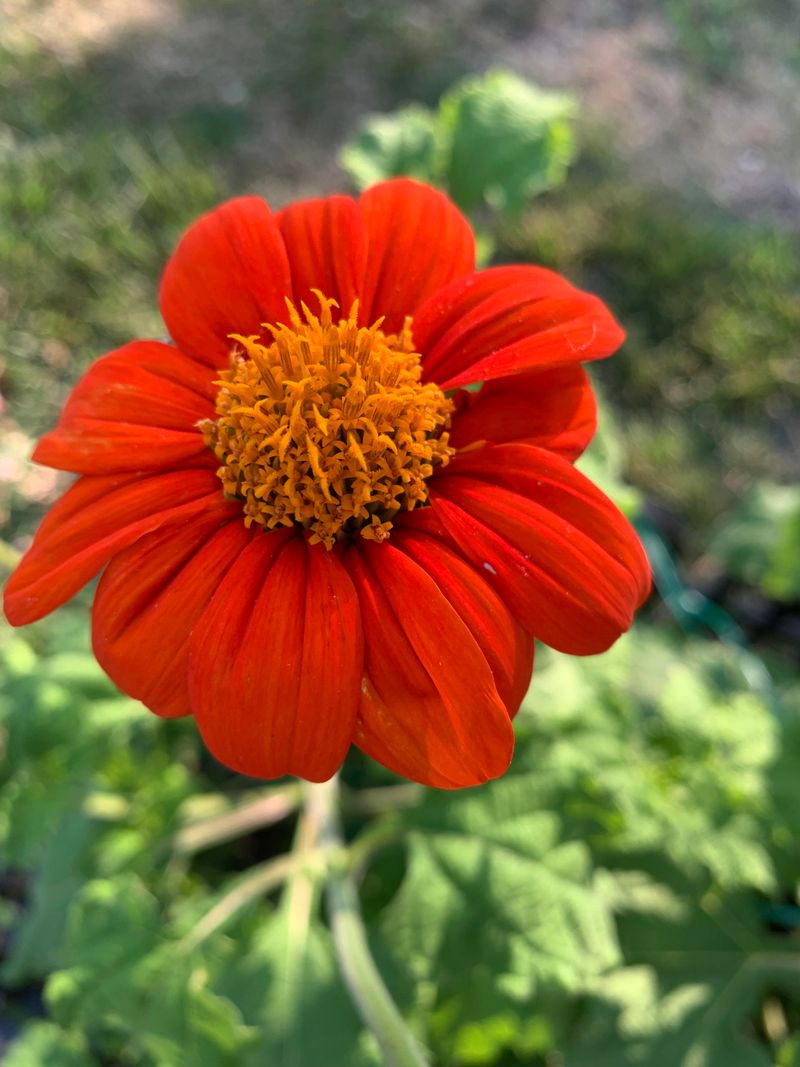
When Mexican sunflowers are young and just getting established, watering is one of the most important things you can do for them. New transplants and freshly sprouted seedlings need consistent moisture to grow strong roots.
Without it, they can wilt fast, especially during California’s hot summer days.
Water deeply right after planting. This means soaking the soil all the way down to the root zone rather than just wetting the surface.
Deep watering encourages roots to grow downward, which makes plants more stable and better able to handle dry spells later on.
For the first two to three weeks, water every two to three days depending on how hot and dry the weather is. Stick your finger a couple of inches into the soil before watering.
If it feels dry at that depth, it is time to water again. If it still feels slightly moist, wait one more day.
Early morning is the best time to water. Watering in the morning gives the soil time to absorb moisture before the afternoon heat hits.
It also keeps leaves dry, which helps prevent mold or mildew from forming. Getting into a consistent watering routine during the early weeks sets your plants up for a strong, colorful summer ahead.
4. Let Soil Dry Slightly
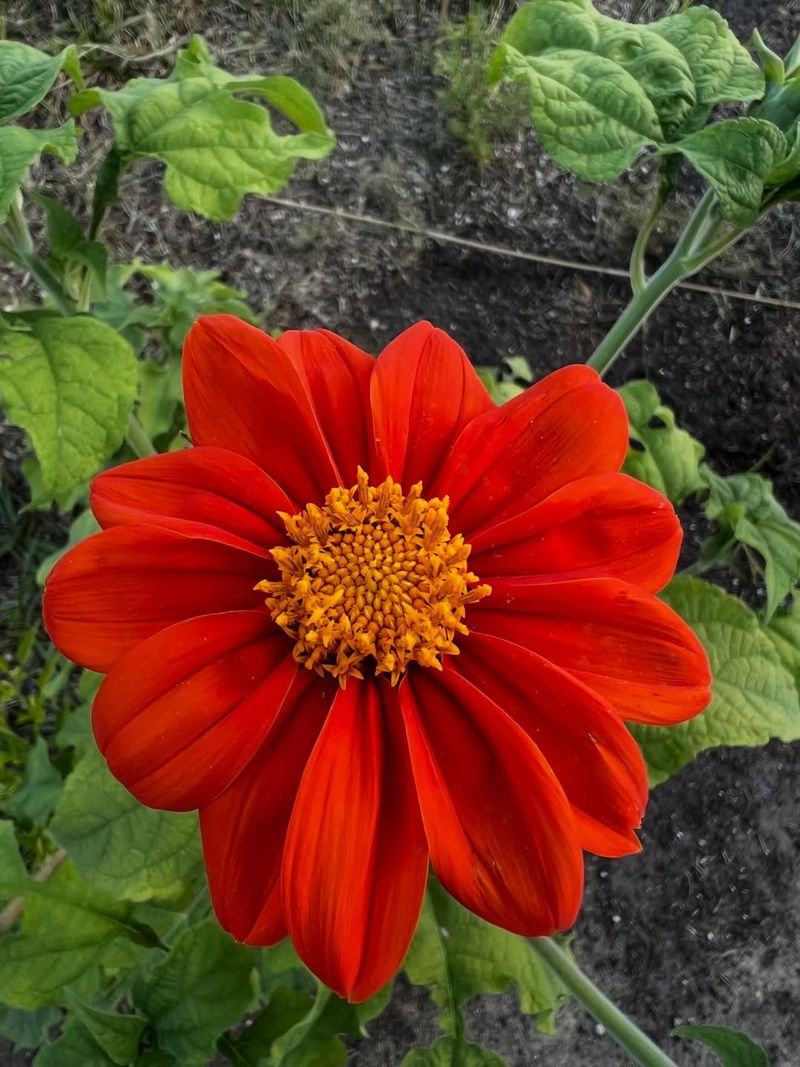
Once your Mexican sunflowers are well established and growing strong, it is actually good to let the soil dry out a little between watering sessions. Mature plants are surprisingly tough and do not need as much water as they did when they were young.
Overwatering at this stage can cause more harm than good.
Letting the top inch or two of soil dry out before watering again helps prevent root rot and keeps the plant focused on producing blooms rather than just growing leaves. It sounds counterintuitive, but slightly dry conditions actually push Mexican sunflowers to flower more aggressively.
In California’s inland valleys and desert regions, summer heat can dry out soil very quickly. In those areas, you may still need to water every few days even for mature plants.
But near the coast, where temperatures stay cooler and humidity is higher, you can often stretch watering to once a week once plants are fully grown.
Always check the soil before reaching for the hose. Push a finger about two inches deep into the ground near the base of the plant.
If the soil feels dry at that depth, water thoroughly. If it still feels cool and moist, give it another day or two.
Paying attention to your soil keeps your plants healthy without wasting water.
5. Skip Heavy Fertilizer
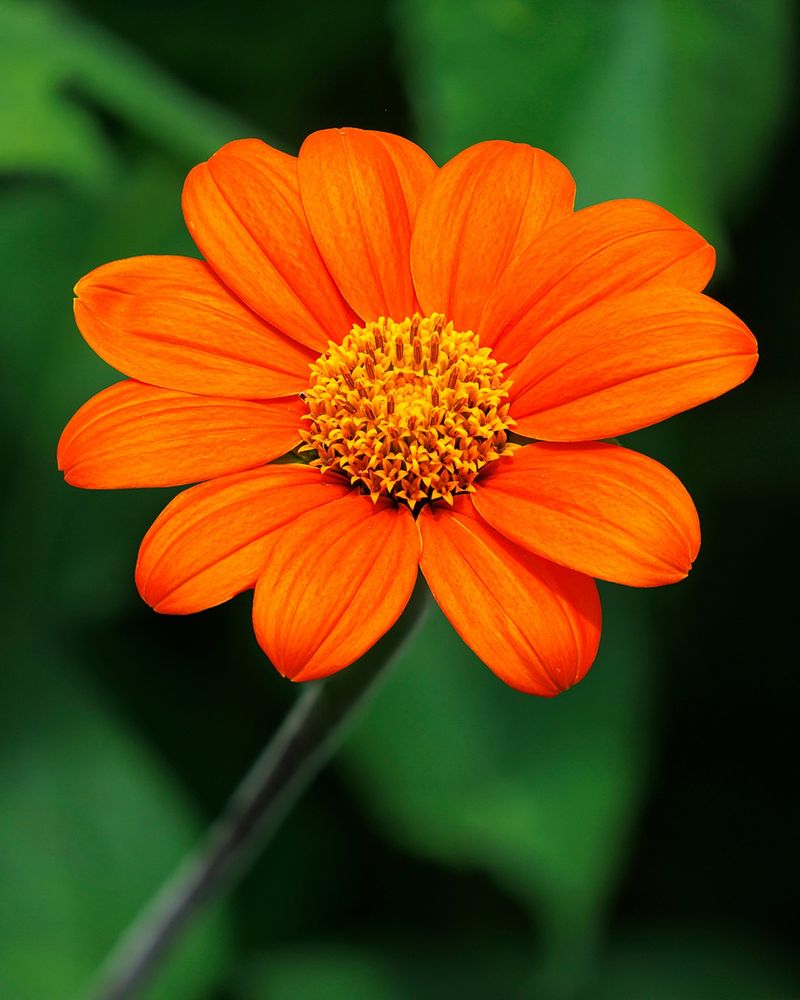
You might think that more fertilizer means more flowers, but Mexican sunflowers actually prefer things on the lean side. Feeding them too much, especially with nitrogen-heavy fertilizers, causes the plants to put all their energy into growing big, leafy stems instead of producing the bright orange blooms you are hoping for.
A light application of a balanced, slow-release fertilizer at planting time is usually all these plants need. Something like a 10-10-10 formula worked into the soil before planting gives them a gentle, steady nutrient supply without pushing too much leafy growth.
After that initial feeding, most California gardeners find that Mexican sunflowers do just fine on their own. If your soil is already decent quality with a bit of compost mixed in, you may not need to fertilize at all during the growing season.
These are not demanding plants when it comes to nutrition.
If your plants look pale or seem to be growing slowly by midsummer, a single light feeding with a low-nitrogen fertilizer can give them a small boost. But keep it minimal.
Mexican sunflowers grown in California’s warm, sunny conditions are naturally strong growers and rarely need much outside help to put on a gorgeous display from July all the way through September.
6. Give Plants Room
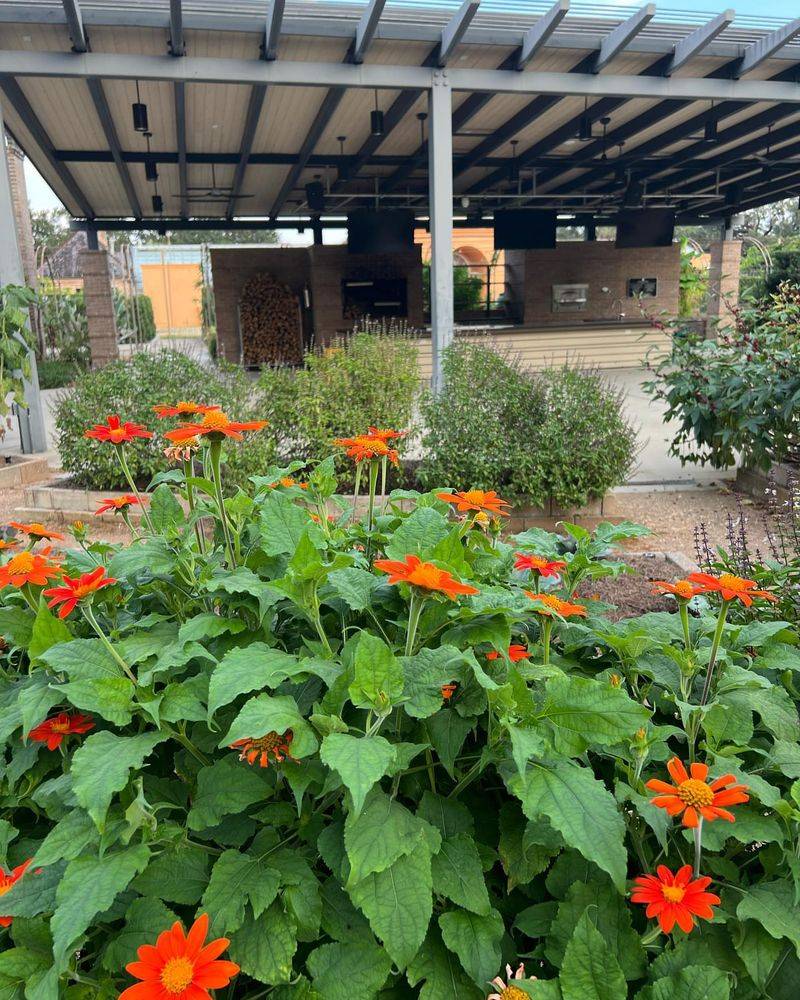
Mexican sunflowers are big plants. We are talking three to four feet wide and sometimes six feet tall or more by the peak of summer.
Planting them too close together is one of the most common mistakes California gardeners make, and it leads to crowded, poorly ventilated plants that do not bloom as well.
Space each plant about two to three feet apart from the next one. This gives every plant enough room to spread its branches, soak up sunlight from all sides, and allow good airflow around the leaves and stems.
Good airflow is especially important for preventing fungal problems during California’s occasional humid spells.
When you first put seedlings in the ground, the spacing might look like too much. The plants will seem small and far apart at first.
But give it a month, and you will be amazed at how quickly they fill in. By late July, a well-spaced row of Mexican sunflowers looks full, lush, and absolutely stunning.
If you are working with a smaller yard or a container garden on a California patio, consider growing just two or three plants in a large pot. Even in limited space, Mexican sunflowers can thrive as long as they have enough room for their roots to expand and their stems to reach upward toward the sun.
7. Cut Back For More Blooms
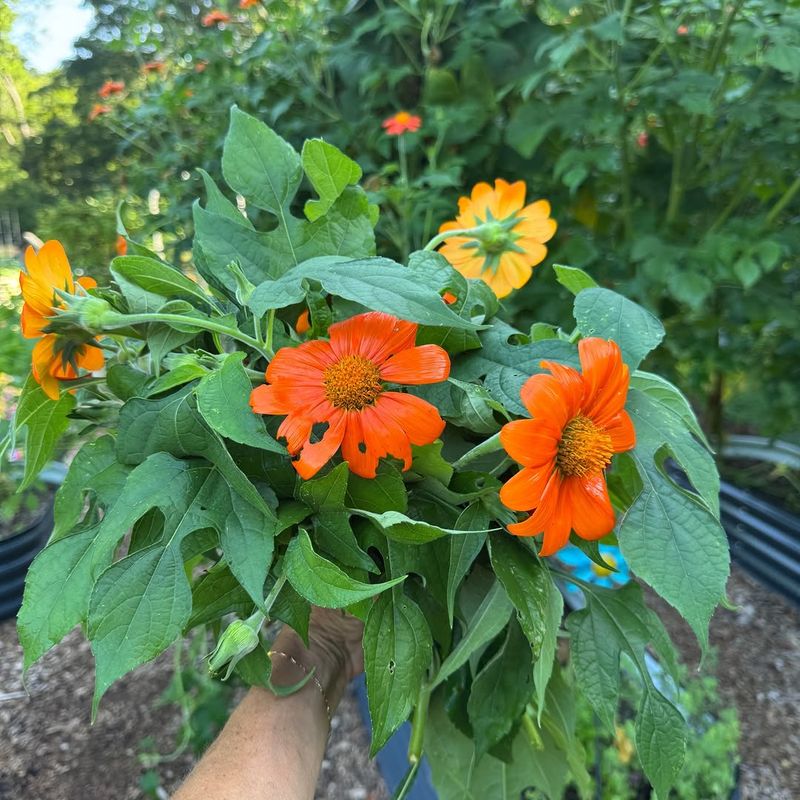
Here is a gardening trick that makes a real difference: cutting back spent blooms actually encourages Mexican sunflowers to produce even more flowers. This process is called deadheading, and it is one of the easiest ways to keep your plants looking fresh and colorful all season long.
As soon as a flower starts to fade and the petals begin to drop, snip it off just below the bloom head. Use clean, sharp garden scissors or pruning shears.
This tells the plant to stop putting energy into seed production and start pushing out new flower buds instead. The result is a constant stream of fresh orange blooms from midsummer right into early fall.
You can also cut back the entire plant by about one-third if it starts to look leggy or overgrown in midsummer. This might feel drastic at first, but Mexican sunflowers bounce back quickly, especially in California’s warm climate.
Within two to three weeks of a hard trim, new growth and fresh buds will appear.
Make deadheading part of your regular weekly garden routine. It only takes a few minutes and the payoff is huge.
Gardens in California that get this kind of attention tend to stay colorful and vibrant much longer than those where spent flowers are left on the plant to go to seed.
8. Support Tall Stems
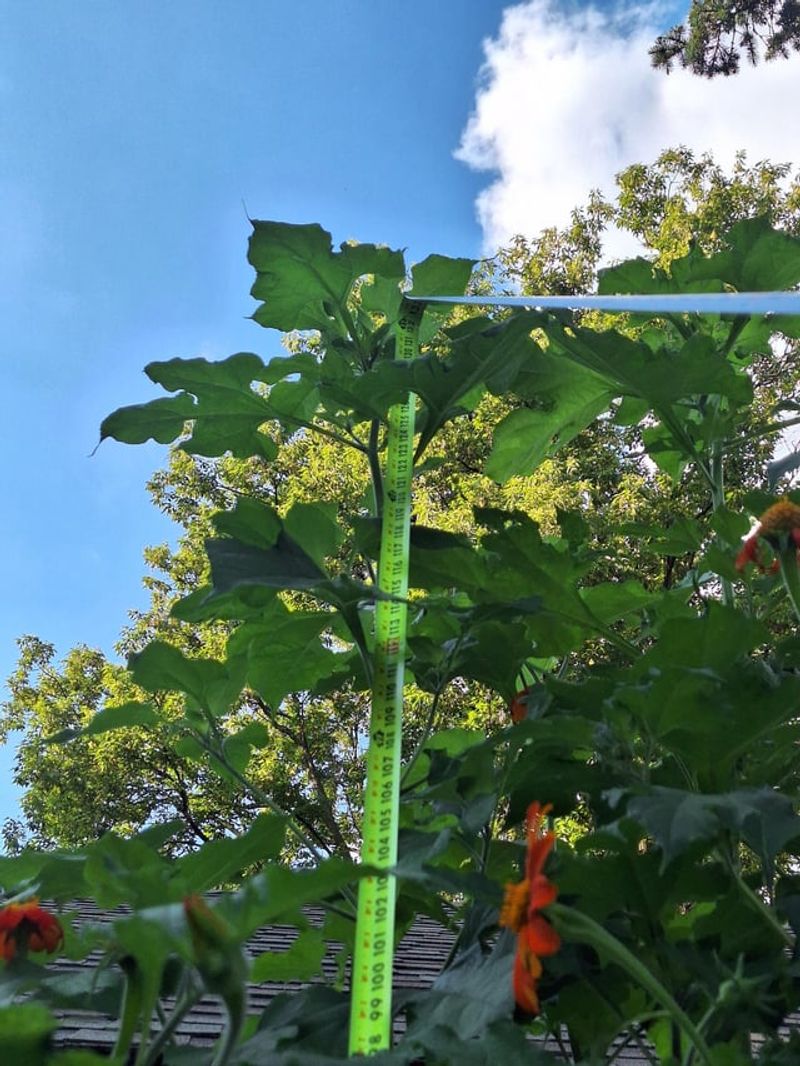
One thing that surprises a lot of first-time growers is just how tall Mexican sunflowers can get. In California’s warm growing conditions with plenty of sun, these plants can easily reach five to six feet by late summer.
At that height, even a moderate breeze can cause stems to bend or snap without proper support.
Staking your plants early is the smart move. Once plants reach about two feet tall, push a sturdy bamboo stake or wooden garden stake into the ground a few inches away from the main stem.
Tie the stem loosely to the stake using soft garden twine or stretchy plant ties. Avoid tying too tightly, as that can damage the stem over time.
If you are growing Mexican sunflowers along a fence or garden wall, that structure can act as a natural windbreak and support system. In coastal California areas where afternoon winds pick up regularly, this kind of placement is especially helpful for keeping tall plants upright through the season.
Check your stakes and ties every couple of weeks as the plants keep growing. You may need to add a second tie higher up the stem as the plant gets taller.
A well-supported Mexican sunflower stands tall, looks gorgeous, and keeps producing those vivid orange blooms without stress or storm damage slowing it down.