The One Native Plant That Is A Pollinator Magnet In Texas Gardens
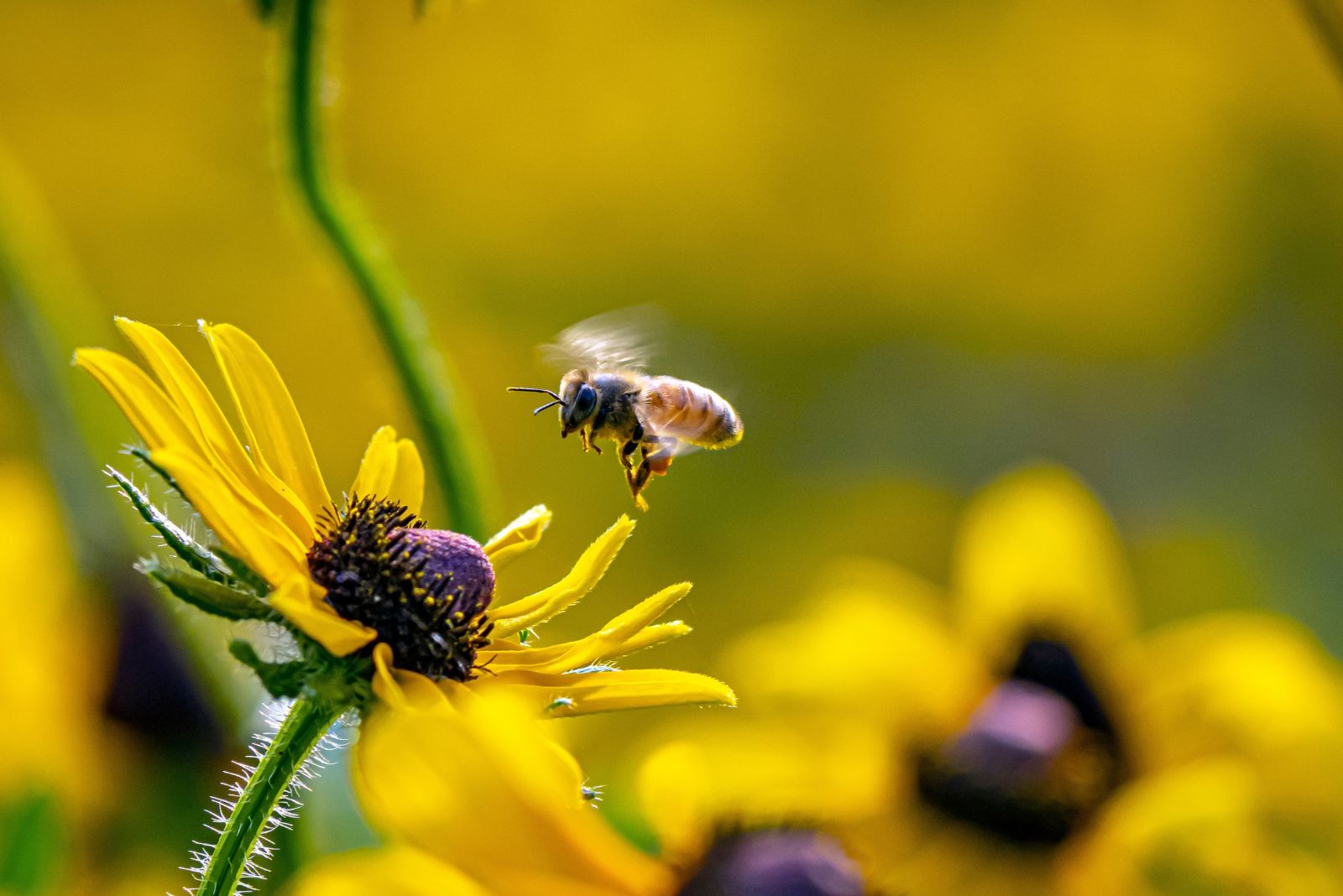
Have you ever noticed how certain plants seem to attract every bee and butterfly in the neighborhood? In Texas gardens, a few standout flowers naturally draw pollinators the moment they begin to bloom.
If you want a yard that feels lively, colorful, and full of movement, choosing the right native plant can make a huge difference. Pollinators are always searching for reliable sources of nectar and pollen.
When a plant offers both in abundance, it quickly becomes a favorite stop for bees, butterflies, and even small beneficial insects.
Native flowers tend to do this especially well because they have evolved alongside local wildlife and fit perfectly into the Texas climate.
One particular native bloom stands out for its ability to attract attention from pollinators all season long.
Black-eyed Susan brings bright color, easy care, and constant garden activity, making it one of the most rewarding plants Texas gardeners can grow.
1. Bright Yellow Petals Act Like Beacons
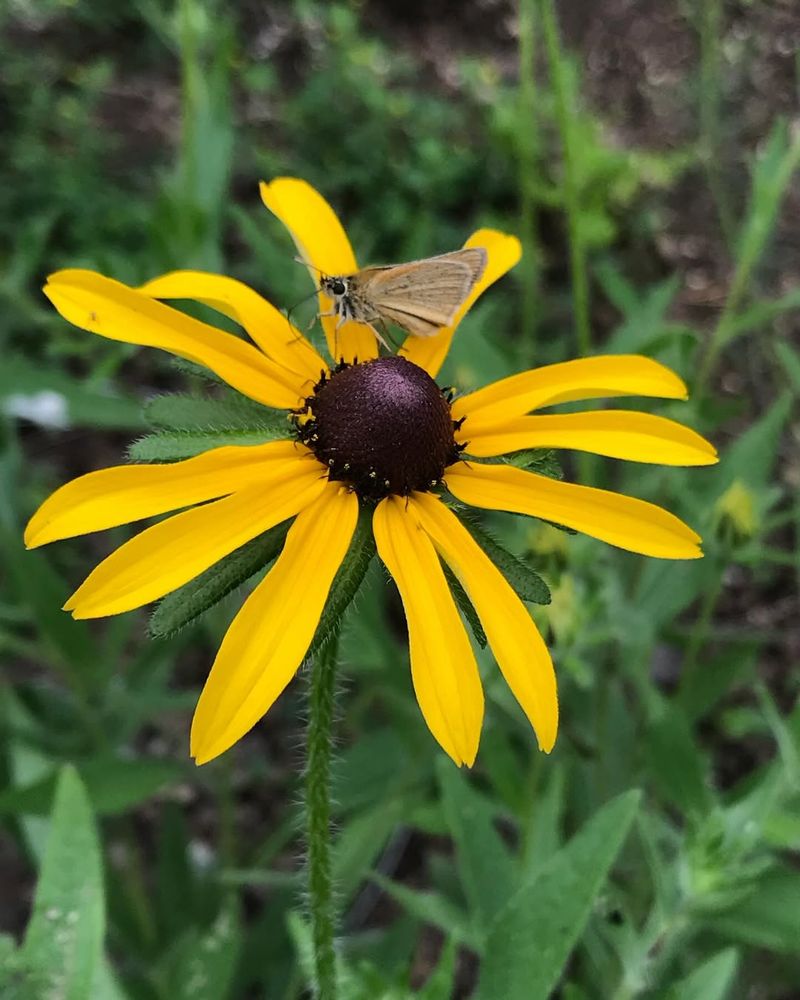
One of the most striking features of Black-Eyed Susans is their vibrant, sunny yellow petals, which act like natural beacons for pollinators across Texas gardens.
These bright yellow flowers are highly visible to insects, even from impressive distances, drawing in bees, butterflies, and other beneficial insects that rely on visual cues to locate food sources.
Bees, for example, have excellent color vision, particularly in the blue and yellow spectrum, making the petals of Black-Eyed Susans particularly appealing.
Butterflies are also naturally attracted to bold, bright colors, which signals both the presence of nectar and a safe landing spot.
In a Texas garden, this vivid coloration works as an effortless, built-in pollination strategy: gardeners don’t need to do anything extra to attract beneficial insects because the plant’s natural design does all the work.
Adding to this, the dark, almost chocolate-colored center of each bloom serves as a visual landing pad and nectar guide, helping pollinators easily navigate to the pollen and nectar.
This structure ensures that insects can feed efficiently while simultaneously maximizing the plant’s pollination success.
Over time, planting Black-Eyed Susans creates a self-sustaining cycle, where more pollinators visiting the garden help both these flowers and other nearby plants thrive, enhancing the overall biodiversity of a Texas garden without additional effort.
2. Long Blooming Season Feeds Pollinators Consistently
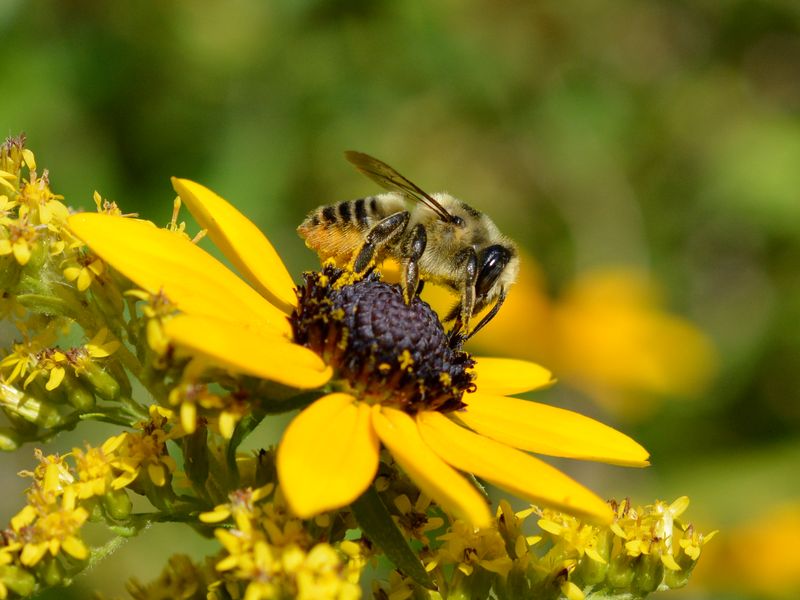
When spring arrives in Texas, many flowers bloom briefly before the summer heat sets in, leaving pollinators scrambling for food.
Black-Eyed Susans stand out because of their remarkably long blooming season, producing fresh, bright flowers from late spring all the way through fall.
This continuous cycle provides a reliable source of nectar and pollen, which is essential for bees, butterflies, and other pollinators that depend on a steady diet to sustain their energy and reproduce successfully.
In the intense Texas heat, where midday temperatures can soar and water becomes scarce, having dependable blooms in a garden can literally mean the difference for struggling pollinators.
Each new flower not only attracts insects but also offers a resting and feeding station where they can refuel, recover, and continue visiting other plants.
Your Texas Garden Changes Every Week. Your Plan Should Too.
Gardening in Texas changes quickly throughout the season. Every Friday you’ll receive a simple weekly plan showing exactly what to plant, prune, fertilize, harvest, and protect so you never miss the right timing.
For gardeners, this means creating a space that actively supports local ecosystems, ensuring pollinators remain healthy and abundant throughout the season.
Additionally, the extended flowering period keeps the garden vibrant and full of activity, giving the impression of a living, buzzing landscape from early spring into late fall.
By planting Black-Eyed Susans, you’re not just adding color – you’re building a sustainable habitat that nourishes pollinators consistently and strengthens the biodiversity of your Texas garden year after year.
3. Native Plant Status Makes Them Pollinator Favorites
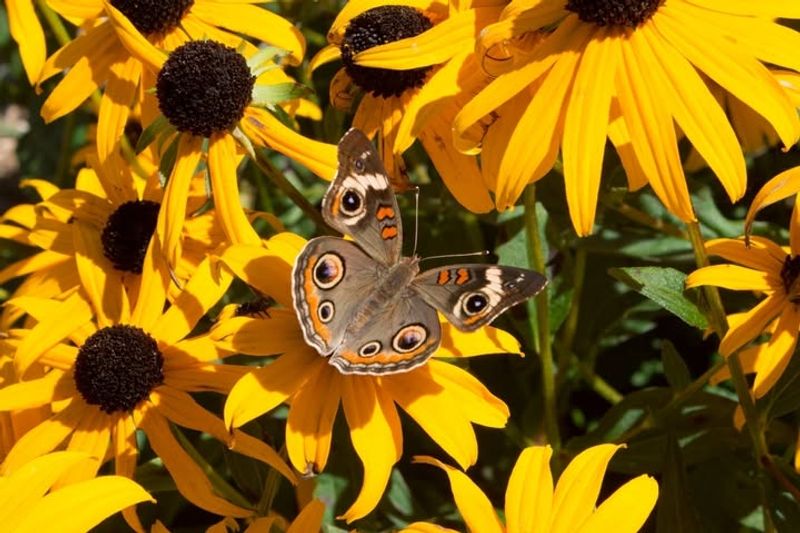
Across North America, Black-Eyed Susans hold a special place in the natural ecosystem because they are native to the continent, and more specifically, well-adapted to the climates and soils found in Texas.
Being native is more than just a label – pollinators like bees, butterflies, and even some birds have evolved alongside these flowers for thousands of years, learning instinctively how to access their pollen and nectar.
Unlike exotic or non-native species, which may be attractive but unfamiliar, Black-Eyed Susans provide nutrition that local pollinators recognize and depend on.
This makes them a reliable food source throughout their long bloom period, especially during periods when other flowers are scarce.
For Texas gardeners, planting native species like Black-Eyed Susans offers multiple benefits beyond pollinator support.
They require less water and maintenance compared to non-native varieties, thrive in local soil conditions, and are more resistant to pests and disease, making them a practical and sustainable choice.
Furthermore, cultivating native plants helps strengthen the ecological connections in your garden by supporting the insects, birds, and other wildlife that rely on these plants year after year.
By going native, your garden becomes a living extension of the surrounding environment, promoting biodiversity while ensuring that pollinators have access to a familiar and vital food source.
Choosing Black-Eyed Susans is therefore not only aesthetically rewarding but also ecologically impactful, helping gardeners play an active role in sustaining Texas’s natural ecosystems.
4. Easy Access Flower Structure Welcomes All Visitors
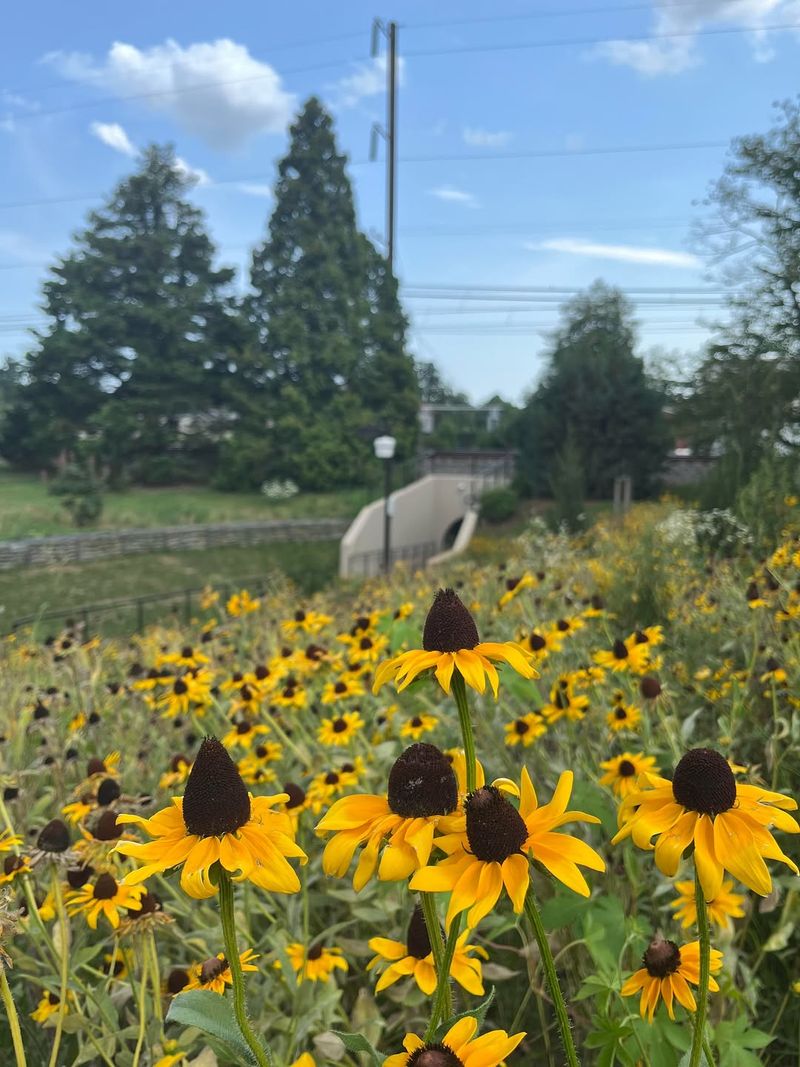
Black-Eyed Susans have daisy-like flower structure, which creates a natural landing pad for pollinators of all shapes and sizes.
Unlike tubular flowers that require specialized long tongues or proboscises to reach nectar, Black-Eyed Susans are universally accessible, allowing tiny sweat bees, medium-sized honeybees, and large bumblebees to feed with ease.
The flat, vibrant yellow petals guide pollinators to the dark central disk, which is densely packed with pollen and nectar, making it simple for insects to gather what they need without struggling to access their food.
Butterflies, with their broad wings, particularly benefit from the flat landing platform, which provides a stable spot for them to perch while sipping nectar.
At the same time, smaller insects can crawl across the central disk, collecting pollen efficiently and ensuring that the flowers are thoroughly pollinated.
In a Texas garden, this accessibility results in a diverse range of pollinators visiting the same flower, which not only enhances the ecological health of your yard but also improves the reproductive success of nearby plants that rely on these insects.
By planting Black-Eyed Susans, gardeners create an inclusive floral environment where no pollinator is left out, maximizing biodiversity and ensuring that your garden supports a wide array of beneficial insects throughout the growing season.
The simple yet effective design of these blooms exemplifies how nature combines beauty, utility, and ecological function in a single, sunlit flower.
5. Abundant Pollen Production Rewards Visitors
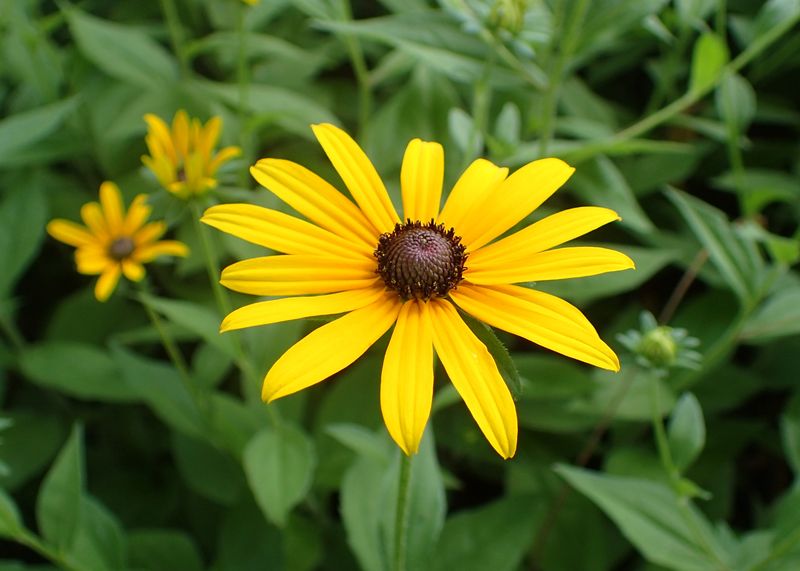
One of the most valuable traits of Black-Eyed Susans is their abundant pollen production, concentrated in the dark central cone of each bloom.
This pollen is not only plentiful but also protein-rich, making it an essential food source for bees as they nourish their developing larvae.
In Texas gardens, where native pollinators often face periods of limited forage, Black-Eyed Susans serve as a reliable and nutritious resource that supports healthy bee populations.
When you plant these flowers, you are essentially creating a pollinator-friendly buffet, where insects can visit repeatedly without struggling to find sufficient pollen.
This abundance encourages pollinators to linger longer in your garden, increasing the likelihood that they will visit nearby plants and flowers as they move from bloom to bloom.
The result is a win-win scenario: pollinators receive the nourishment they need to reproduce and thrive, while your Black-Eyed Susans and other garden plants benefit from enhanced pollination and seed production.
Over the course of the blooming season, the continuous supply of pollen helps sustain local bee populations, which is especially critical during the harsh Texas summer when other food sources may be scarce.
By planting Black-Eyed Susans, gardeners are not just adding color and beauty, they are actively contributing to the health and stability of the local ecosystem, creating a garden that is both aesthetically pleasing and ecologically impactful.
6. Drought Tolerance Keeps Flowers Blooming During Dry Spells
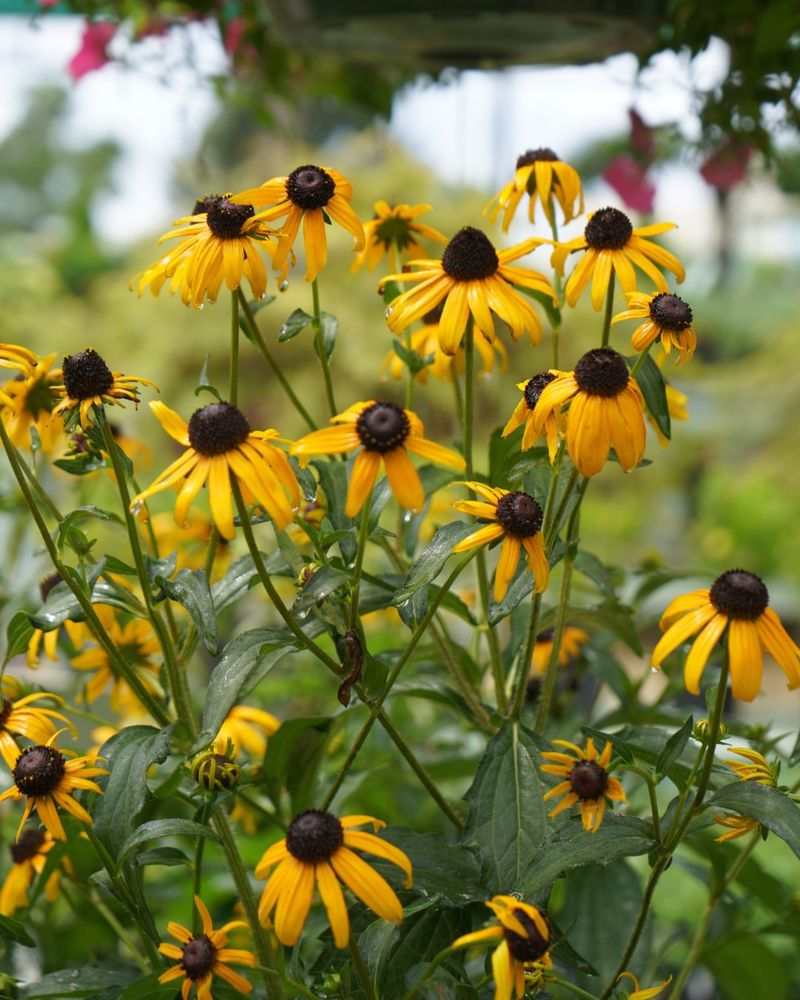
When the Texas sun blazes and weeks go by without a drop of rain, many garden flowers struggle to survive – but the black-eyed Susan seems almost impervious to the heat.
These cheerful golden blooms are true survivors, thanks to their deep, sturdy root systems that reach moisture far beneath the soil’s surface.
While shallow-rooted plants wither under relentless summer sun, black-eyed Susans continue to thrive, putting on a vibrant display that brightens any garden.
This resilience makes them not just beautiful, but incredibly practical for Texas gardeners who face the challenge of unpredictable rainfall. The benefits extend beyond just keeping your garden looking lively.
For pollinators, especially bees, butterflies, and native hummingbirds, drought can be dangerous. Many flowers shut down or produce little nectar when water is scarce, leaving these vital creatures struggling to find food.
Black-eyed Susans, however, continue to produce nectar even during dry spells, offering a reliable source of sustenance when other blooms fail.
By planting drought-tolerant species like black-eyed Susans, you’re essentially creating a lifeline for pollinators.
Your garden becomes a safe haven where bees, butterflies, and other pollinating insects can feed and flourish, ensuring that these essential creatures continue their work in your neighborhood and beyond. In Texas, that’s a win for both your garden and the local ecosystem.
7. Clusters Create Visual Impact That Attracts From Afar
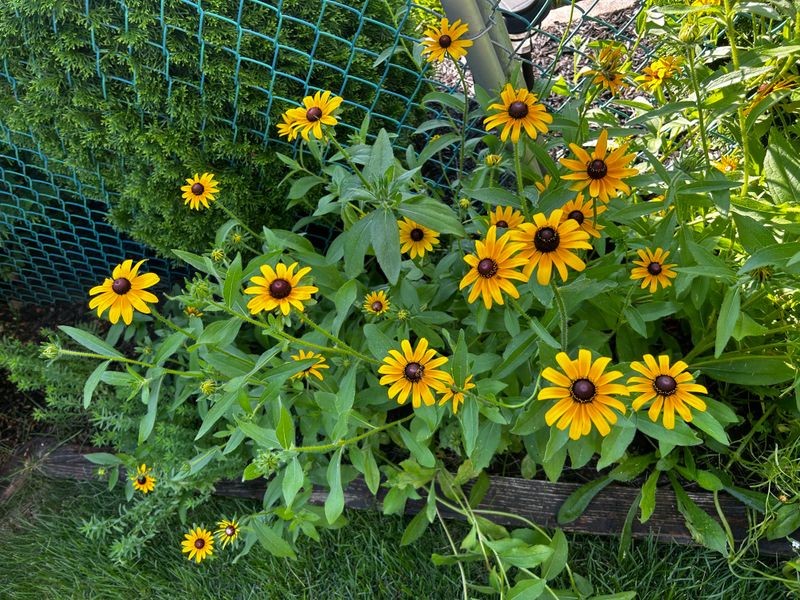
Imagine walking through a Texas garden and spotting a vibrant splash of golden yellow from across the yard. That’s exactly the effect black-eyed Susans achieve when planted in clusters.
Rather than scattering a few individual plants here and there, grouping them together creates a striking visual target that pollinators can see from afar.
Bees, butterflies, and even hummingbirds are naturally drawn to these bold displays, recognizing them as a rich source of nectar.
In essence, a mass of black-eyed Susans acts like a cheerful billboard, signaling to pollinators that your garden is open for business. For gardeners, this strategy does more than just create a beautiful aesthetic.
Studies and practical observations in Texas gardens show that planting drifts of five to seven black-eyed Susans or more can dramatically increase pollinator visits compared to isolated plants.
Pollinators prefer efficiency: visiting multiple flowers in one location saves them energy and allows them to collect more nectar in less time.
This means your clustered plantings are not just visually appealing, they’re also functionally smarter, helping pollinators forage more effectively.
By arranging your black-eyed Susans in groups, you’re essentially designing a garden that works in harmony with nature.
You get the visual impact of a sunny, golden display while providing pollinators with an efficient, energy-saving feeding spot.
In Texas, where pollinator populations are crucial for local ecosystems and crops alike, clustering these native beauties ensures your garden is both vibrant and ecologically valuable.
8. Seeds Provide Winter Food For Birds
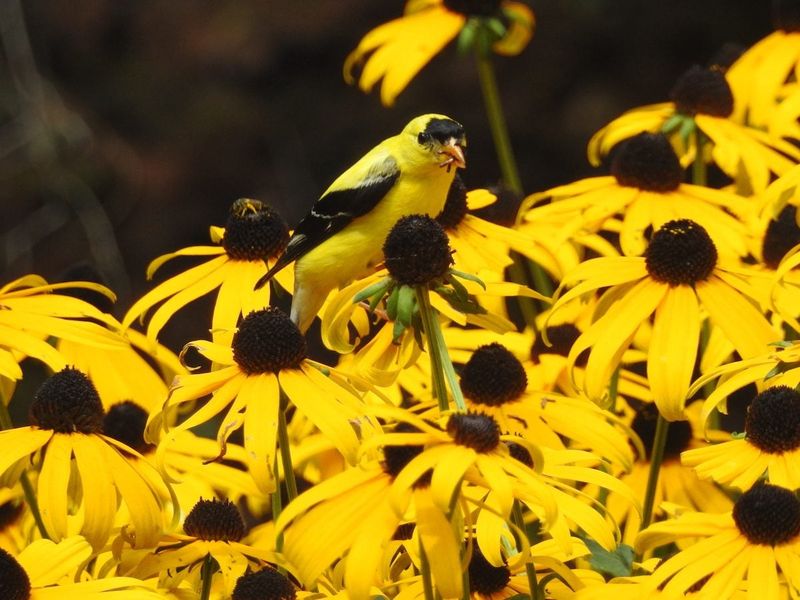
As summer winds down and the bright blooms of black-eyed Susans begin to fade, their role in the garden doesn’t end – it simply transforms.
The golden flowers give way to sturdy seed heads, which become a vital winter buffet for Texas songbirds like goldfinches.
These cheerful visitors rely on seeds to survive the colder months when insects are scarce, and by leaving the spent flower heads standing, gardeners provide a natural, reliable food source that helps sustain local bird populations.
It’s a simple yet impactful way to keep your garden lively, even when the growing season slows down. Supporting birds in your garden has ripple effects that benefit the entire ecosystem.
Birds aren’t just consumers of seeds, they’re also natural pest controllers. By eating insects that might otherwise damage plants, birds reduce the need for chemical pesticides, which can be harmful to pollinators like bees and butterflies.
In this way, black-eyed Susans indirectly help protect the very creatures that keep your garden flourishing during warmer months.
Planting and leaving these native flowers to complete their life cycle fosters a balanced, healthy garden where pollinators, birds, and plants all thrive together.
In Texas gardens, this dual benefit, providing nourishment for birds in winter and protecting pollinators in summer, makes black-eyed Susans a remarkably valuable plant.
Their seed heads aren’t just leftover debris; they’re an essential component of a thriving, sustainable garden ecosystem that supports life year-round.