7 Common Mistakes Texas Gardeners Make With Fig Trees
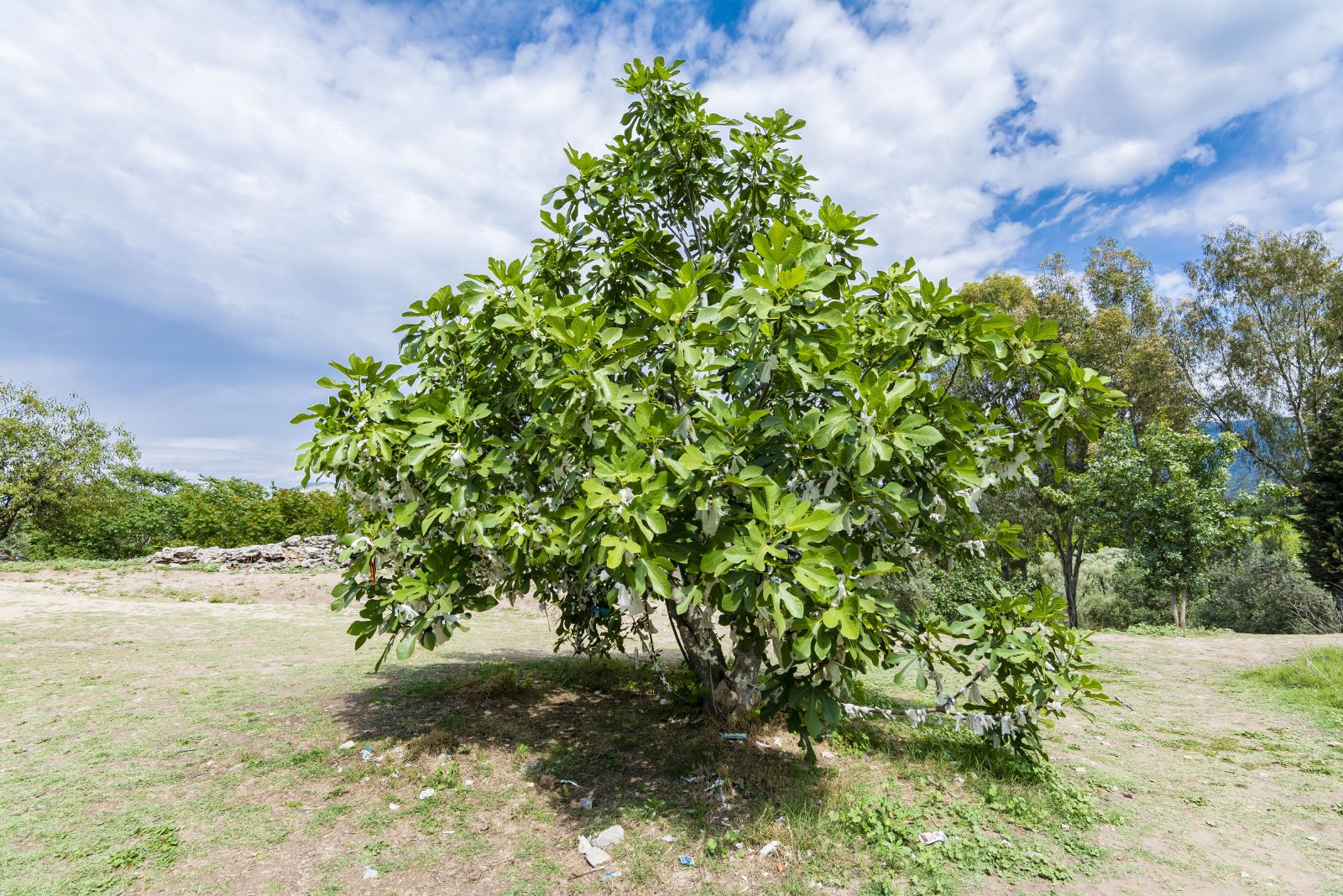
Fig trees are a favorite in Texas gardens for their sweet fruit and attractive leaves, but even experienced gardeners can run into trouble with them. Growing a fig tree isn’t always as simple as planting it and waiting for fruit.
Mistakes in watering, pruning, or choosing the wrong location can slow growth, reduce harvests, or even damage the tree.
One common issue is planting figs in spots that don’t get enough sun. Fig trees need plenty of light to produce fruit and stay healthy.
Overwatering or poor drainage is another frequent problem that can lead to root rot or stunted growth. Timing pruning incorrectly or neglecting it entirely also affects the tree’s shape and fruit production.
By understanding these common pitfalls, Texas gardeners can keep fig trees thriving. With proper care, figs can reward you with lush foliage, abundant fruit, and a standout feature in your yard for years to come.
1. Planting In The Wrong Spot
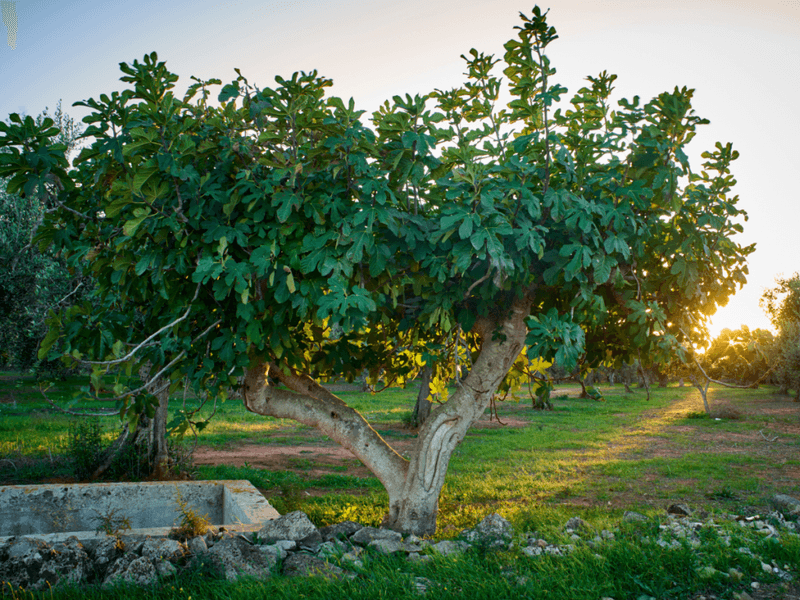
One of the most common mistakes Texas gardeners make with fig trees is planting them in the wrong location. While it might seem easy to just find an empty spot in the yard, fig trees are surprisingly picky about where they grow best.
In Texas, sun is king – fig trees need at least six to eight hours of direct sunlight each day to produce abundant, high-quality fruit. Without sufficient sun, your tree may survive, but it will grow slowly, produce smaller leaves, and yield far fewer figs.
Shade is often the culprit. Planting a fig tree under large oak trees or near tall buildings can drastically limit its sunlight, reducing both growth and fruit production.
Another overlooked factor is soil drainage. Fig trees do not like “wet feet” – roots sitting in waterlogged soil can rot quickly, weakening the tree and leaving it vulnerable to disease.
Many Texas gardens with clay-heavy soil experience this problem if proper precautions aren’t taken.
To give your fig tree the best chance of thriving, select a sunny location with well-draining soil. Slightly raised beds or gentle mounds can help improve drainage in heavier soils.
Keep it away from structures that cast shadows during the day and consider wind protection if your area experiences strong gusts. By carefully choosing the right spot, you’ll set your fig tree up for strong growth, vibrant foliage, and a generous harvest year after year.
2. Overwatering During Summer Months
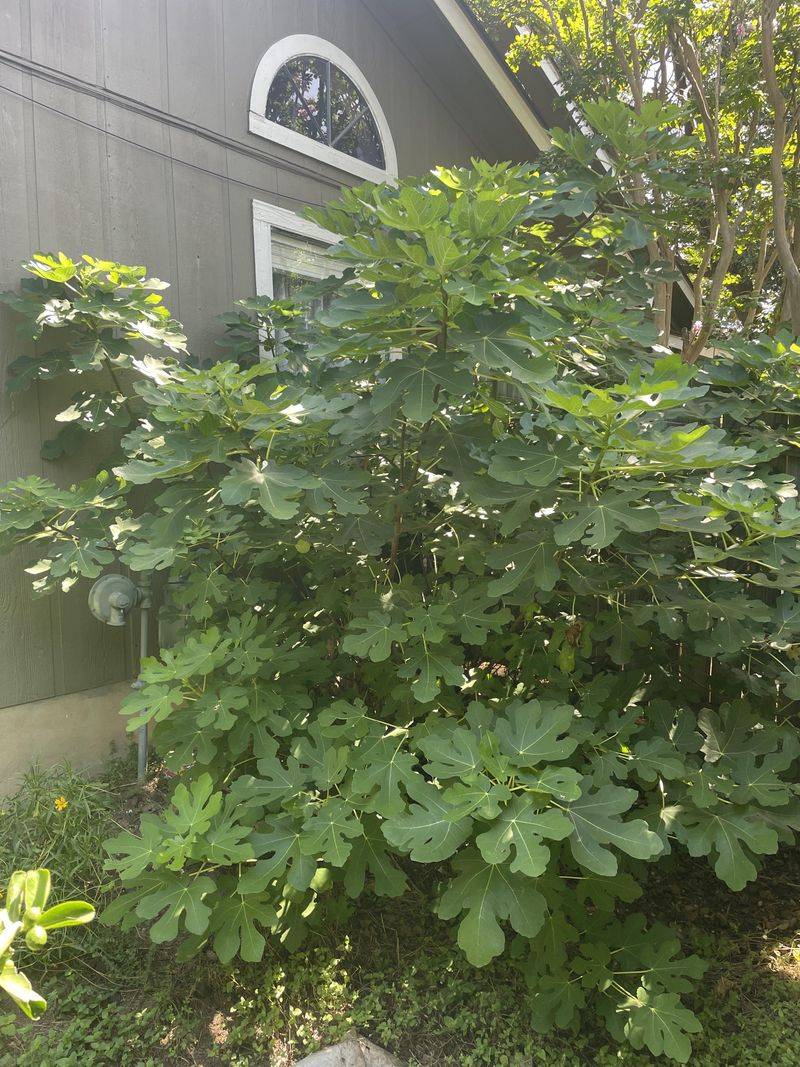
When the scorching Texas sun beats down in midsummer, it’s tempting to reach for the hose and water your fig tree daily. After all, more water seems like it should equal a healthier tree, right?
In reality, overwatering is one of the biggest mistakes Texas gardeners make with figs. While fig trees do need water to establish roots and produce succulent fruit, they actually thrive on a moderate watering schedule rather than constant soaking.
Too much water can easily lead to root rot, fungal infections, and other issues that weaken the tree and compromise fruit production.
Fig trees are surprisingly drought-tolerant once established, making them well-suited to Texas’ hot, dry summers. The key is to water deeply but infrequently.
Your Texas Garden Changes Every Week. Your Plan Should Too.
Gardening in Texas changes quickly throughout the season. Every Friday you’ll receive a simple weekly plan showing exactly what to plant, prune, fertilize, harvest, and protect so you never miss the right timing.
A slow, thorough watering encourages roots to grow deep into the soil, where they can access moisture even during dry spells. Between watering sessions, allow the soil to dry out slightly.
This mimics the natural conditions fig trees evolved with and helps prevent overwatering problems.
During peak summer, it’s especially important to check soil moisture before automatically running sprinklers or watering daily. Stick your finger into the soil several inches below the surface; if it’s still moist, skip watering that day.
By being mindful of how much and how often you water, you’ll promote a healthy, resilient fig tree that can handle Texas heat while producing a bountiful harvest. Moderation is key, and your tree will thank you with strong growth and delicious figs.
3. Ignoring Proper Pruning Techniques
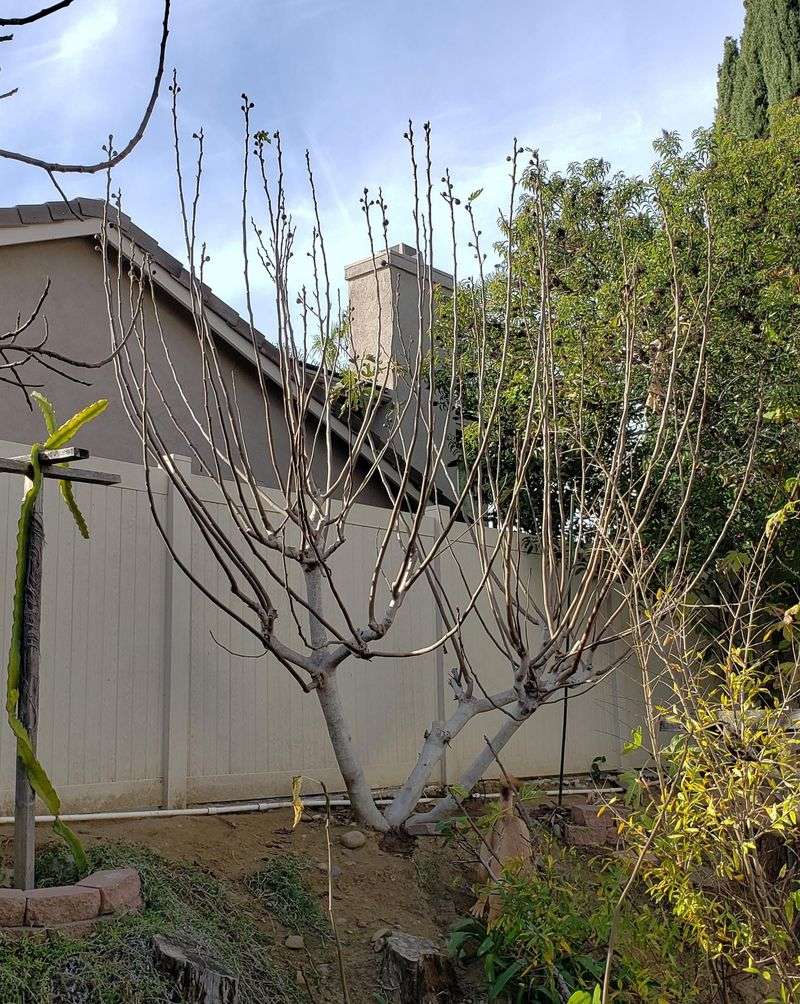
Pruning a fig tree might seem simple, but skipping it, or doing it incorrectly, can quickly turn your Texas garden into a tangle of chaotic branches. Many gardeners make the mistake of randomly snipping away without a plan, thinking that more pruning automatically equals better growth.
In reality, proper pruning is essential for maintaining a manageable tree size, promoting strong structure, and most importantly, encouraging better fruit production. A well-pruned fig tree is healthier, more productive, and easier to harvest when the fruit ripens.
Timing is everything when it comes to pruning figs in Texas. Many gardeners either prune at the wrong time or remove too much growth all at once, which can shock the tree and reduce fruit yield.
The best time for major trimming is late winter, before new growth begins in spring. This allows the tree to recover quickly and focus energy on producing healthy new shoots and fruit.
When pruning, focus on removing dry or damaged wood, cutting back crossing branches that rub against each other, and eliminating suckers that grow from the base or roots.
These steps improve air circulation and sunlight penetration throughout the canopy, reducing the risk of fungal disease and ensuring that every branch has access to light.
By approaching pruning thoughtfully, Texas gardeners can keep fig trees healthy, productive, and beautiful while maximizing fruit harvests season after season.
4. Choosing Varieties That Don’t Suit Texas Climate
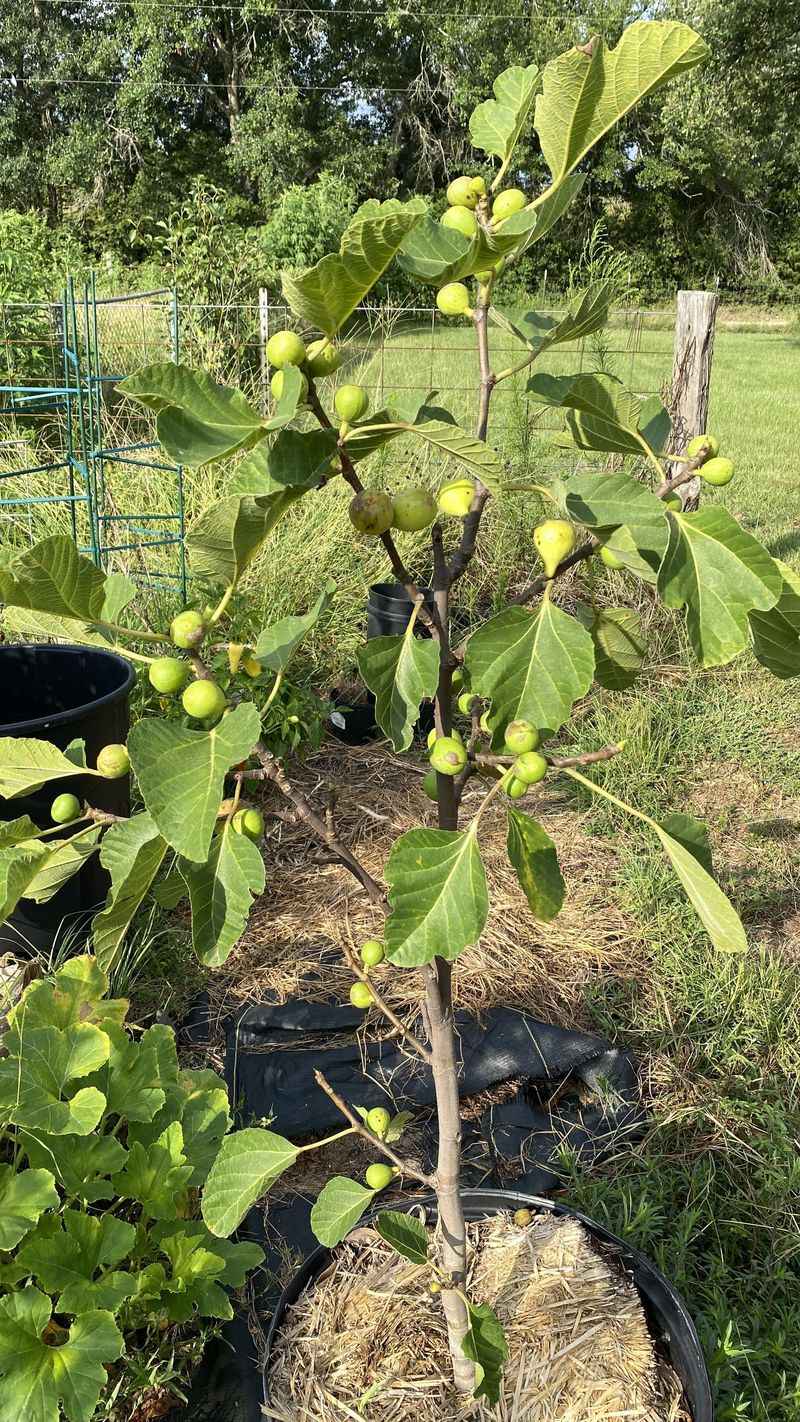
One of the biggest pitfalls Texas gardeners face when planting fig trees is selecting varieties that simply aren’t suited to the state’s climate. While figs are adaptable, not every type can handle Texas’ extreme summer heat or milder winters.
Some varieties require a longer cold period to thrive, while others struggle to produce quality fruit in the sweltering conditions of the Lone Star State. Choosing the wrong variety can lead to poor growth, reduced yields, or even a tree that fails to survive its first few seasons.
To avoid disappointment, it’s wise to stick with fig varieties that have proven themselves in Texas gardens. Popular, reliable options include Celeste, Texas Everbearing, and Brown Turkey.
These varieties are known for their heat tolerance, low chilling requirements, and ability to produce consistent fruit year after year. Unfortunately, some gardeners are tempted by exotic or unfamiliar varieties without first checking if they’re compatible with local conditions.
While beautiful or unusual, these trees may not thrive in Texas’ climate, leaving gardeners frustrated and with wasted time and money.
Your local nursery can be an invaluable resource in selecting the right fig variety. They can recommend trees specifically bred or adapted for your region, ensuring that your investment grows into a healthy, productive tree.
By choosing climate-appropriate figs, Texas gardeners give themselves the best chance of enjoying bountiful harvests, strong growth, and a long-lasting addition to their yards. In short, picking the right variety sets the foundation for success from day one.
5. Fertilizing Too Much Or Too Little
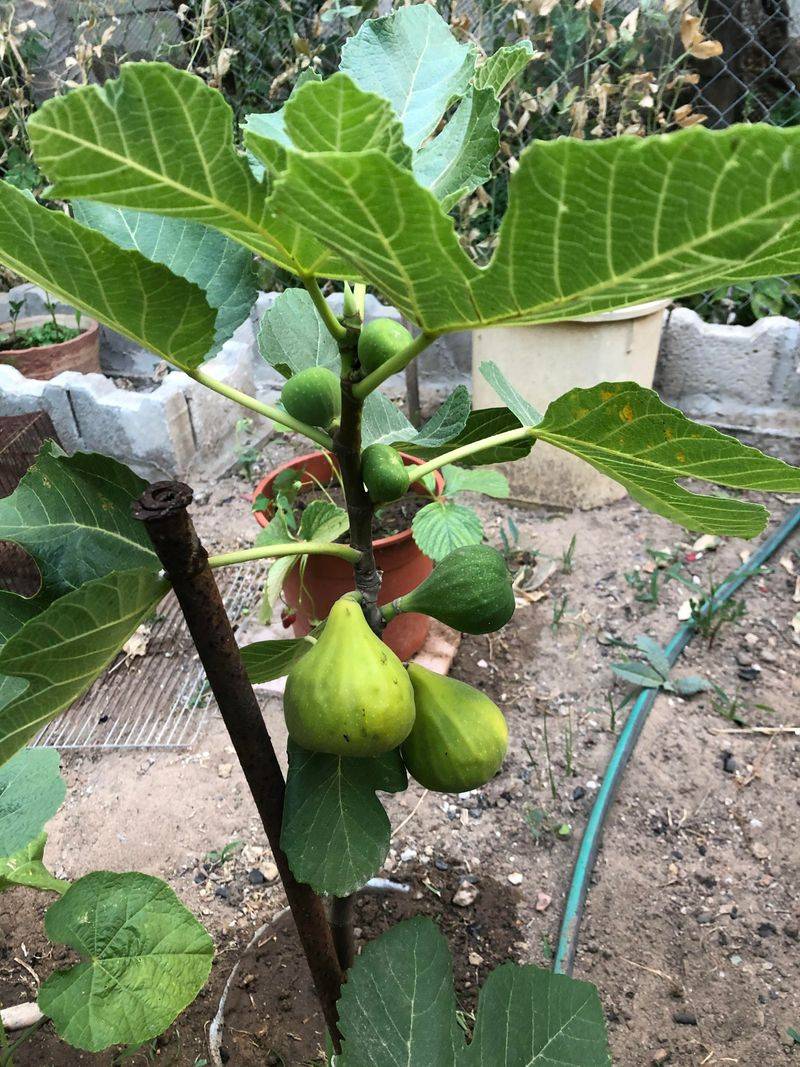
Fertilizing fig trees might seem straightforward, but striking the right balance is one of the most common mistakes Texas gardeners make. Too often, the instinct is “more fertilizer equals better growth,” but with figs, this approach can backfire.
Excess nitrogen encourages lush, leafy growth while reducing fruit production, leaving you with a healthy-looking tree but few figs to enjoy.
On the other hand, under-fertilizing can leave your tree weak, underdeveloped, and unproductive, especially in Texas soils that vary widely from sandy East Texas plots to clay-heavy Central Texas yards.
The good news is that fig trees are relatively low-maintenance when it comes to feeding. Most established trees need far less fertilizer than other fruit trees, making it easier for gardeners to avoid overdoing it.
A light application of balanced fertilizer once or twice in early spring is usually sufficient to encourage healthy growth and a strong fruit set. Observing your tree is key.
Yellowing leaves may indicate a nutrient deficiency, but sudden or excessive feeding isn’t the solution. Instead, supplement lightly and consistently.
Many Texas gardeners also find great success using organic compost. Spread around the base of the tree, compost enriches the soil naturally, improves moisture retention, and provides slow-release nutrients that figs love.
By applying fertilizer thoughtfully and sparingly, Texas gardeners can nurture strong, productive fig trees that balance healthy foliage with abundant fruit. With a careful hand, your fig tree will thrive and reward you with years of delicious harvests.
6. Neglecting Winter Protection In North Texas
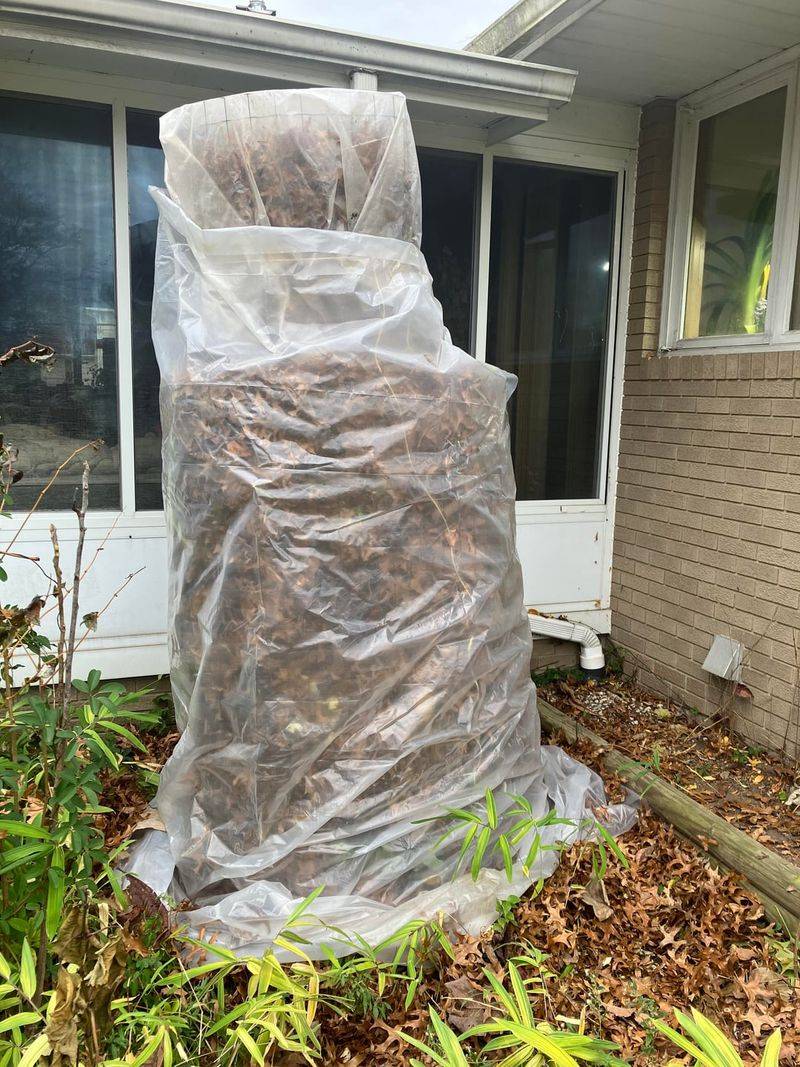
While fig trees thrive in much of Texas, gardeners in the northern part of the state face a unique challenge: winter protection.
Unlike South Texas, where hard freezes are rare, North Texas winters can bring sudden temperature drops that damage fig tree branches and even reduce fruit production for the following season.
Many gardeners make the mistake of assuming that fig trees are fully cold-hardy, only to find tender shoots or young trees damaged after a single unexpected freeze. Protecting your fig during these colder months is essential to ensure it remains healthy and productive.
For gardeners in Dallas, Fort Worth, and surrounding areas, a few simple precautions can make a big difference. Begin by applying a thick layer of mulch around the base of the tree, which helps insulate the roots and stabilize soil temperature.
Young or newly planted fig trees benefit from additional protection, such as wrapping the trunk and branches with burlap or frost cloth to shield them from freezing winds. This extra layer acts like a cozy blanket, reducing stress on the tree and minimizing branch dieback.
Container-grown figs require even more attention, as their roots are far more exposed to cold. Moving pots to protected areas, garages, sunrooms, or sheltered patios, can prevent root damage and keep the plant viable through winter.
By taking these winter-protection steps, North Texas gardeners can ensure their fig trees survive harsh conditions and emerge in spring ready to produce a bountiful harvest, year after year
7. Harvesting Fruit Too Early Or Too Late
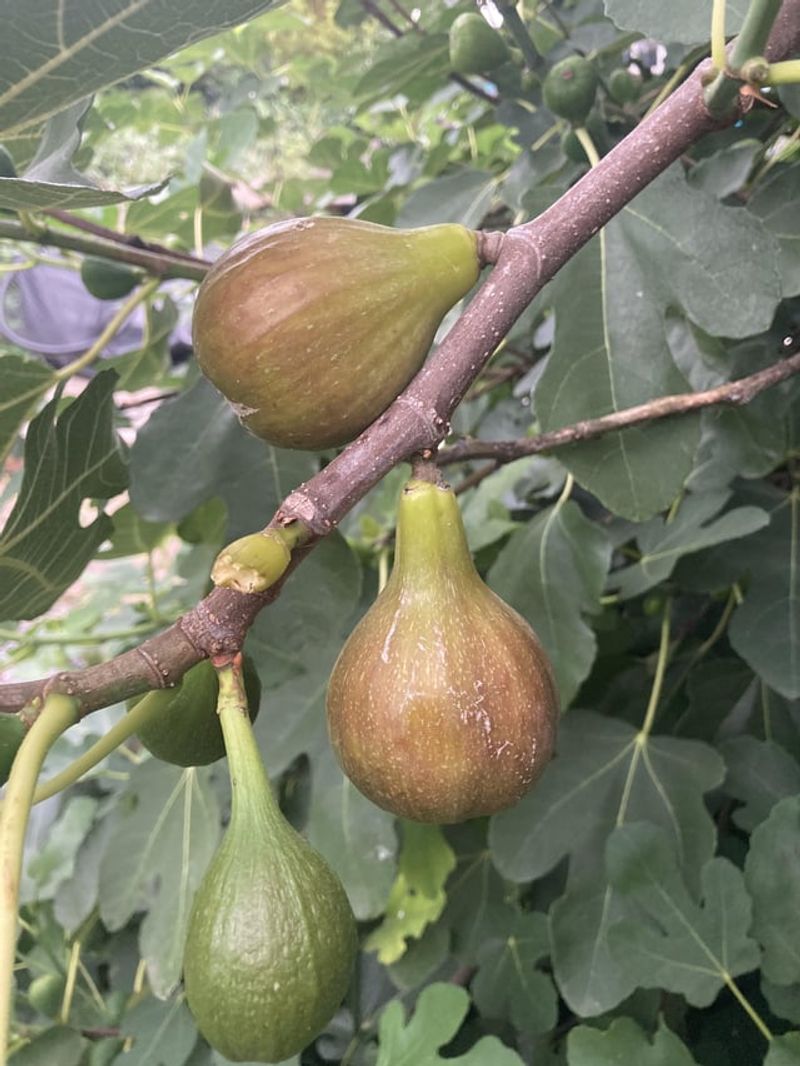
Few mistakes are more disappointing for Texas gardeners than harvesting figs at the wrong time. Unlike many fruits, figs do not continue ripening once picked, which means that timing is everything.
Picking too early results in tough, bland, or even bitter fruit that simply won’t improve after it’s off the tree. On the other hand, waiting too long can cause overripe figs to split open, attract insects, or even fall to the ground, leaving you with wasted fruit.
Mastering the right moment to harvest ensures your efforts throughout the growing season pay off with sweet, juicy figs.
In Texas, gardeners often make the common error of assuming figs will ripen indoors like peaches or tomatoes. Fig trees, however, require patience.
The fruit is ready when it feels soft to the touch, droops slightly on its stem, and displays full, rich coloration specific to its variety. Checking your tree daily during the harvest season is essential, especially in warm Texas climates where figs can mature quickly.
Early morning or late evening inspections help you spot perfectly ripe fruit before it becomes overripe in the midday heat.
By paying attention to these cues, Texas gardeners can enjoy figs at their peak flavor and texture. Careful harvesting not only maximizes taste but also ensures minimal waste and healthier trees, as overripe fruit left on branches can invite pests and disease.
With a little patience and keen observation, you’ll consistently enjoy the sweet, succulent rewards of your fig tree, right from your own backyard.