9 Flowers You Can Sow In Winter For A Head Start In Spring
I’ve always loved sneaking a little gardening magic into the cold months, and sowing flowers in winter gives me a head start on spring blooms.
I start by picking hardy seeds that can handle cooler temperatures, imagining the vibrant colors that will greet me weeks ahead of schedule.
Watching tiny sprouts push through soil while snow might still be on the ground feels like a secret victory.
I arrange my trays on sunny windowsills, talk to them a little for good measure, and daydream about the garden bursting to life long before anyone else’s.
It’s my wintertime joy that pays off in spring.
1. Sweet Peas
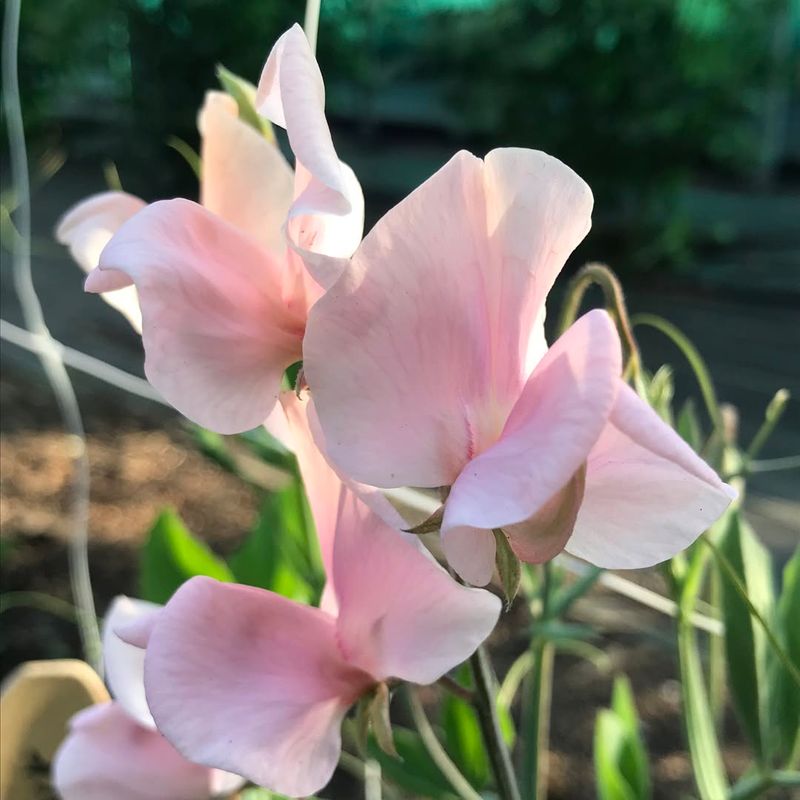
Sweet peas are delightful cool-season climbers that truly appreciate a gentle chill as they begin their growth cycle.
When sown in late winter, they develop deep and resilient root systems that help them flourish once the warmth of spring arrives.
This early start encourages vigorous vines, abundant blooms, and a fragrance that fills the entire garden with a soft, nostalgic sweetness.
Gardeners often choose deep pots or root trainers when beginning them indoors, as these containers give their long roots room to stretch comfortably.
If your outdoor soil is workable and not frozen solid, you can also sow the seeds directly outside and allow nature to guide their progress.
Because the seeds have firm outer coats, some gardeners lightly scar them or soak them overnight to encourage quicker sprouting.
Once the plants begin climbing, they look spectacular on trellises, arches, or simple netting.
Regular watering without over-saturation keeps them strong and healthy.
Pinching the tips of young plants helps produce fuller growth and an increased number of blossoms.
Their wide range of pastel and jewel-toned shades makes them perfect for cut arrangements that bring color and charm indoors throughout spring.
2. Snapdragons
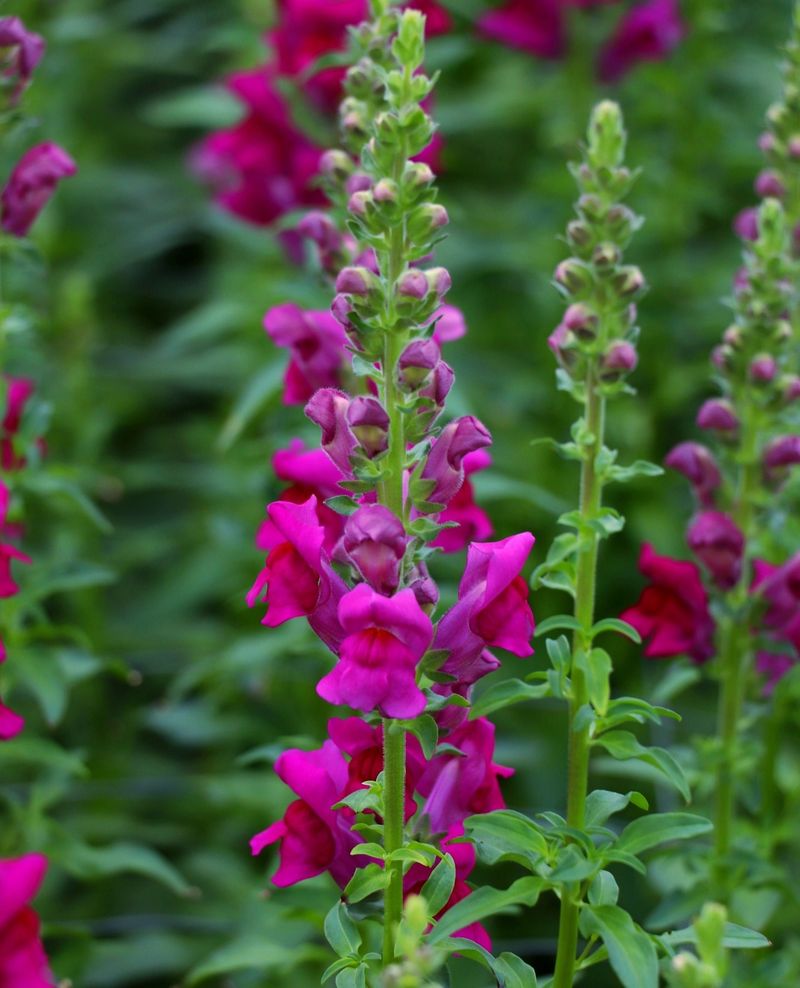
Snapdragons are surprisingly resilient plants that flourish when given a winter head start.
Even though their delicate appearance suggests tenderness, they handle cool temperatures with impressive reliability.
Starting them in winter produces sturdy seedlings that acclimate easily once spring arrives, giving you earlier and more abundant flowering spikes.
Their seeds are incredibly small and should be pressed gently onto the soil surface rather than buried, since they require light to germinate successfully.
Consistent moisture encourages sprouting, and gardeners often begin to see tiny green seedlings within two weeks.
Children especially enjoy these blooms because lightly squeezing the sides of each flower makes the little “mouths” open and close, creating a playful garden moment.
Snapdragons come in nearly limitless shades and patterns, from soft pastels to vibrant sunset colors, making them ideal for adding vertical interest to garden beds.
Once established outdoors, they appreciate cooler weather and continue to perform beautifully throughout the season.
Removing spent blossoms regularly encourages continuous flowering, and many varieties will reward you with fresh blooms later in the year.
Their mix of charm, strength, and color variety makes them a beloved classic for winter sowing projects.
3. Pansies
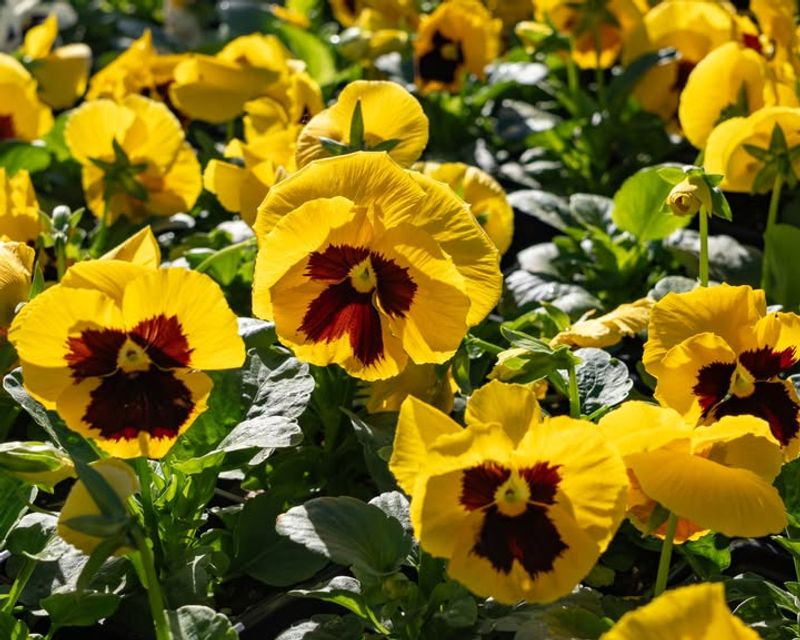
Pansies are among the most cheerful garden companions, bringing bursts of color to even the grayest winter spaces.
These resilient flowers handle cold temperatures with confidence, and winter-sown pansies often grow sturdier and more vibrant than those started later in the year.
Gardeners in many regions enjoy watching their pansies bloom even when lightly dusted with snow, creating a magical early-season display.
When sown in winter, the seeds form strong roots before the main growing season begins, allowing the plants to produce generous blooms once spring arrives.
A cool windowsill makes an excellent germination location because pansies prefer temperatures around the mid-sixties.
Their remarkable selection of shades includes solid colors, bi-color designs, and charming face-like markings that give each plant its own personality.
They grow beautifully in containers, window boxes, borders, and mixed beds with other cool-season companions.
Once outdoors, they respond well to partial shade in warmer regions while appreciating full sun in cooler climates.
Removing finished blossoms keeps them looking tidy and encourages fresh blooms throughout the season.
With their versatility and joyful appearance, pansies remain a favorite choice for gardeners looking to brighten early months of the year.
4. Larkspur
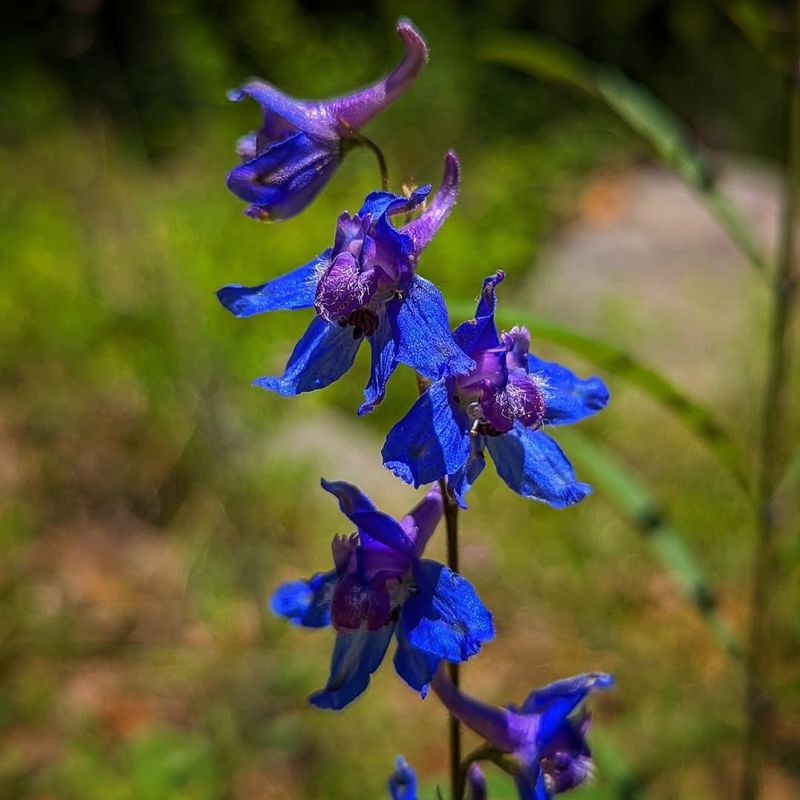
Larkspur brings an elegant cottage-garden aesthetic with tall, graceful spikes that sway softly in seasonal breezes.
These classic blooms respond remarkably well to winter sowing because they naturally require exposure to cold temperatures to activate germination.
Scattering the seeds directly on prepared soil in late winter mimics the conditions they experience in nature, especially when snow or frost still lingers.
The freeze-thaw cycle helps soften the outer coating of the seeds, improving sprouting success once warmer days arrive.
Larkspur seeds prefer a light touch, so pressing them gently into the surface of the soil is more effective than burying them deeply.
Once they settle into their environment, larkspur plants tend to self-sow generously, creating a long-lasting presence in garden spaces.
Butterflies and hummingbirds adore the blossoms, turning garden beds into lively habitats filled with movement and color.
The flowers appear in serene shades of blue, purple, pink, and white, each adding softness and romance to the landscape.
Because the plants can grow quite tall, gardeners in windy regions sometimes provide light support to help prevent leaning.
Larkspur is also cherished for cut arrangements and dries beautifully for everlasting displays.
5. Calendula
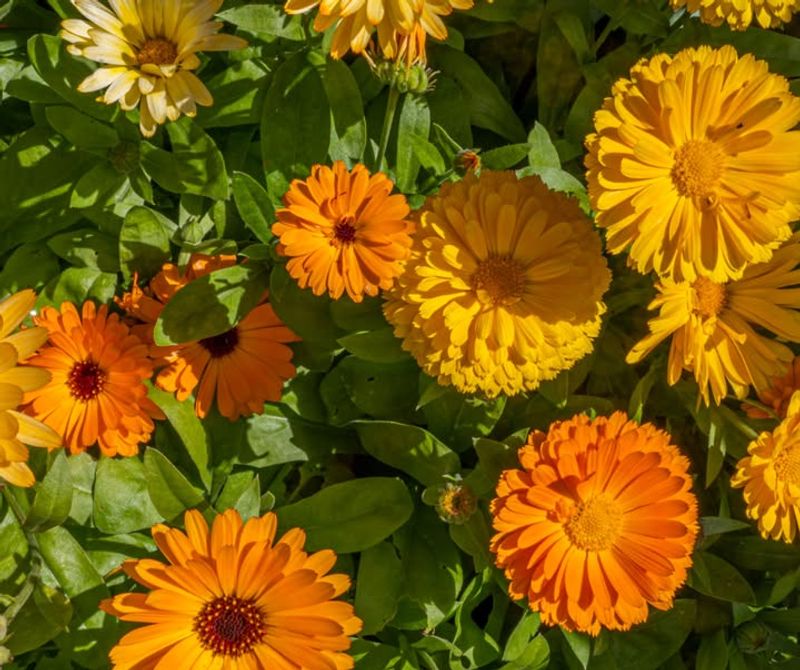
Calendula is a bright and cheerful addition to winter sowing projects, known for its sunny orange and golden petals that illuminate garden beds.
This reliable flower handles cool weather with ease and responds enthusiastically when given a winter start.
The seeds are large enough for small hands to manage, making calendula a great choice for gardening with children or beginners.
You can sow them indoors or outdoors once the soil becomes workable without much fuss, as calendula rarely complains about growing conditions.
Within a short time, the seeds sprout energetically, forming sturdy seedlings that soon transform into blooming plants.
Beyond their beauty, calendula petals are edible and often used to brighten salads or produce colorful herbal teas.
Their slightly peppery flavor adds interest to kitchen creations, while the blossoms also help attract helpful insects that support garden health.
Regular removal of finished flowers encourages prolonged blooming, often lasting many months.
These plants appreciate full sun but also tolerate light shade, making them adaptable to many garden locations.
Calendula frequently self-sows, offering pleasant surprises the following season without additional effort.
6. Cornflowers
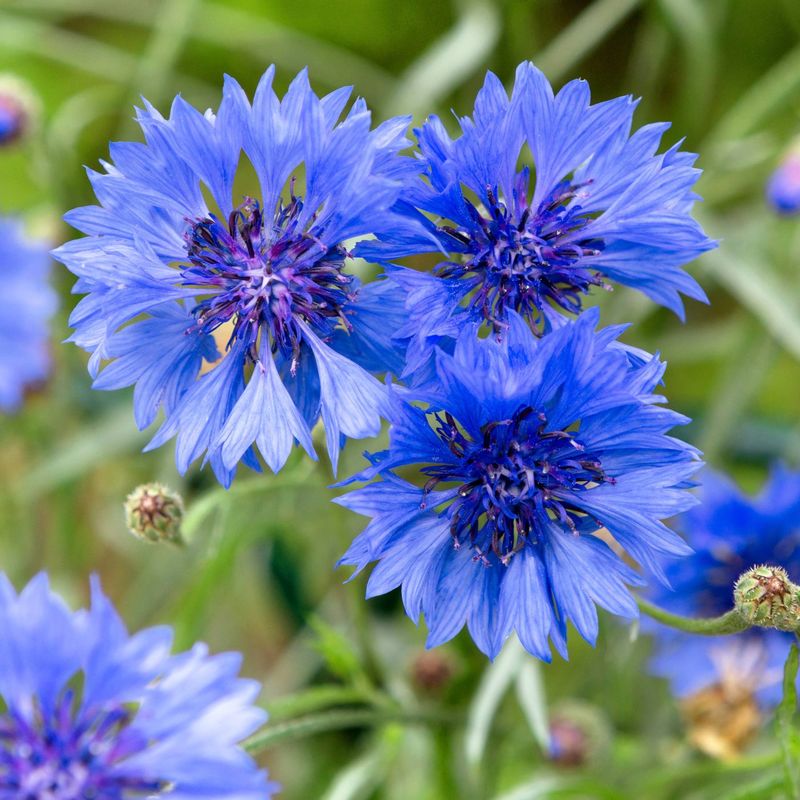
Cornflowers offer a charming wildflower appeal with delicate, star-shaped blossoms that carry a timeless countryside style.
Their vibrant blue shade is iconic, although modern varieties also come in pink, white, lavender, and deep burgundy.
Despite their refined appearance, cornflowers are hardy plants that actually respond best to winter sowing.
Exposure to cold temperatures encourages improved germination and helps seedlings develop into strong plants by spring.
Gardeners can scatter the seeds in beds or containers during late winter with minimal preparation, relying on natural cycles to guide their growth.
Cornflowers attract bees and butterflies with impressive effectiveness, making them excellent additions to pollinator-friendly gardens.
Once established, they thrive with very little maintenance and prefer average soil rather than nutrient-rich mixes.
Too much fertilizer encourages floppy stems, so a light, natural approach produces the best results.
They also make beautiful additions to fresh arrangements because the blooms last well in water.
Cornflowers often self-seed abundantly, creating soft drifts of color that return year after year like a natural tapestry.
7. Foxgloves
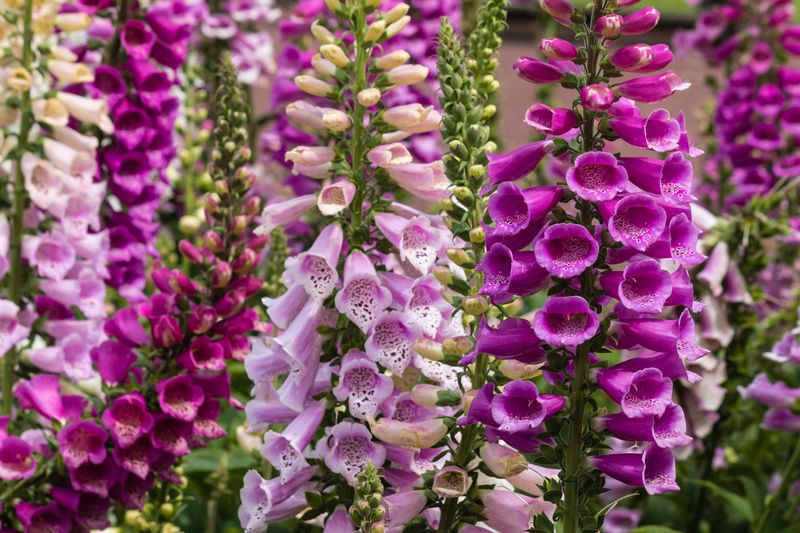
Foxgloves bring enchanting vertical elegance to shaded or partially shaded garden spaces, with tall spires packed with tubular blossoms.
These woodland plants grow as biennials, using their first year to form leafy bases and their second year to produce dramatic flower spikes.
Winter sowing provides the cooling period they naturally require to activate their growth cycle.
The seeds are tiny and dust-like, and they should be sprinkled on the soil surface rather than covered because they require light to sprout.
As long as the soil remains evenly moist, seedlings will eventually appear, even if the process takes a bit of patience.
Once established outdoors, foxgloves bring soft color to areas where many other flowering plants struggle.
Hummingbirds adore the tubular blooms and frequently visit them while searching for nectar.
The flowers appear in shades of pink, purple, white, and soft apricot, often decorated with beautiful speckled interiors.
Foxgloves appreciate partial shade and moist, well-drained soil, thriving especially in woodland-style landscapes.
They also self-sow generously, creating lovely natural colonies that return each year without much intervention.
8. Primrose
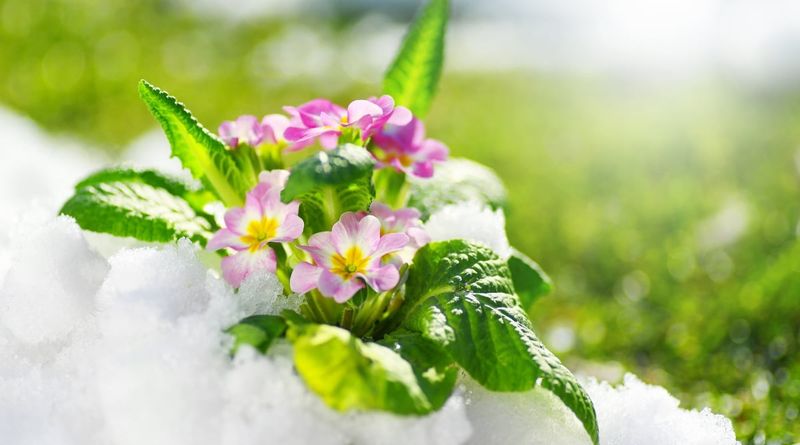
Primroses are beloved early-season bloomers that often appear when winter still lingers, bringing optimistic bursts of color to quiet gardens.
Their name, derived from Latin, reflects their status as one of the first flowers of spring.
Winter sowing supports strong root development and gives these plants a healthy foundation for early and abundant blossoming.
Primrose foliage forms low, neat rosettes that provide a graceful backdrop for the clusters of flowers that emerge above them.
The immense variety of shades includes soft pastels, vivid brights, and unique two-tone patterns that enhance their ornamental charm.
Although germination can be somewhat finicky, maintaining steady moisture and cooler temperatures greatly improves success.
Some gardeners chill the seeds briefly before sowing to simulate natural winter transitions.
Once acclimated outdoors, primroses enjoy partial shade, especially beneath deciduous trees where sunlight filters gently through the canopy.
Their preference for cool, moist environments makes them ideal for shady pathways or quiet garden corners.
In mild climates, many varieties offer extended blooming, creating ongoing color when other plants are still dormant.
9. Alyssum
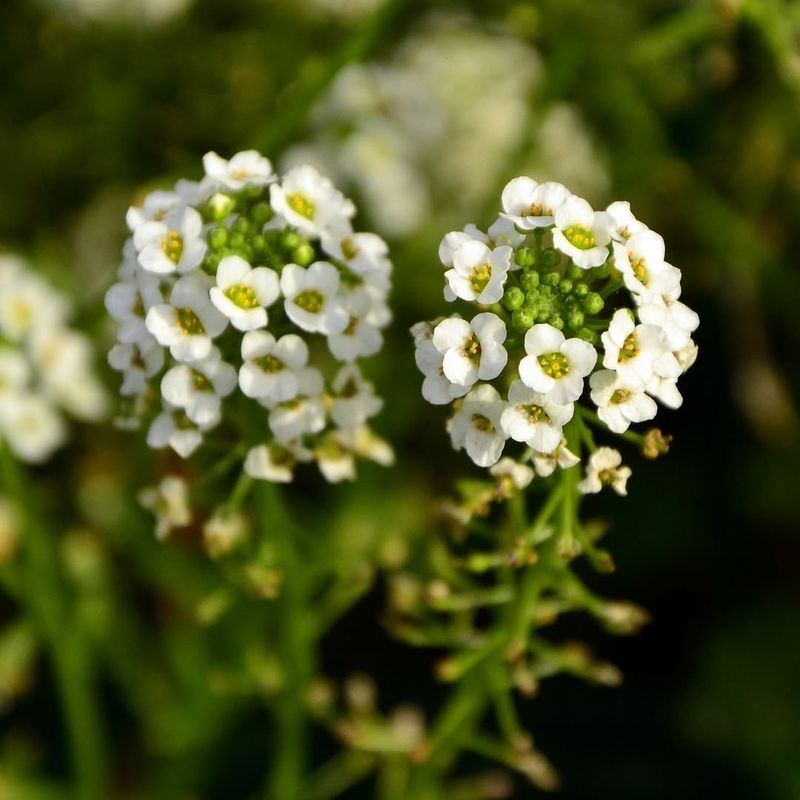
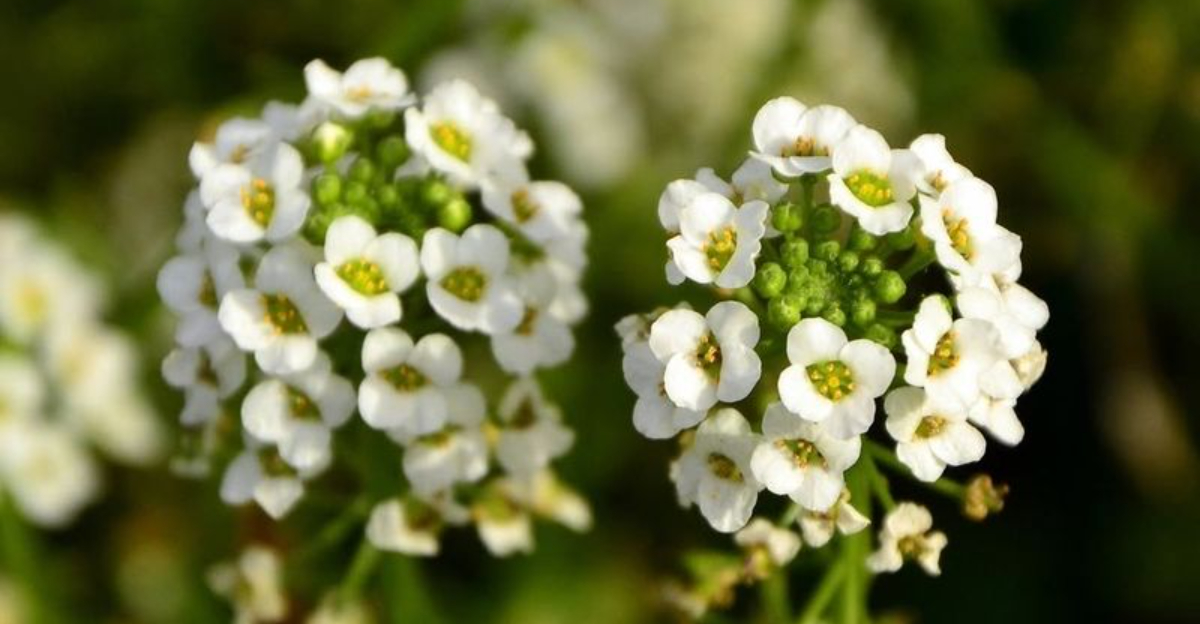
Alyssum is a gentle, low-growing plant known for producing masses of tiny blossoms with a sweet, honey-like fragrance.
Winter sowing gives alyssum a significant advantage, allowing the plants to establish early and produce fuller displays once spring arrives.
The seeds are small but manageable, sprouting quickly when kept evenly moist.
Alyssum works beautifully in containers, raised beds, pathway borders, and as a filler between larger plants.
Its cascading growth habit softens garden edges and creates a sense of natural abundance.
White varieties provide a delicate, snow-like effect, while pink and purple types add subtle color accents.
Because the fragrance is strongest on warm afternoons, alyssum attracts a variety of helpful insects, including pollinators and tiny garden guardians that support natural balance.
The plants prefer full sun but accept partial shade in hotter environments.
Once established, they require minimal care and withstand brief dry periods, although regular watering produces the best floral displays.
If the plants become leggy mid-season, a light trim encourages fresh growth and renewed blooming for late summer and fall.