The Green Roof Setup Getting Popular In Connecticut For Its Light Design
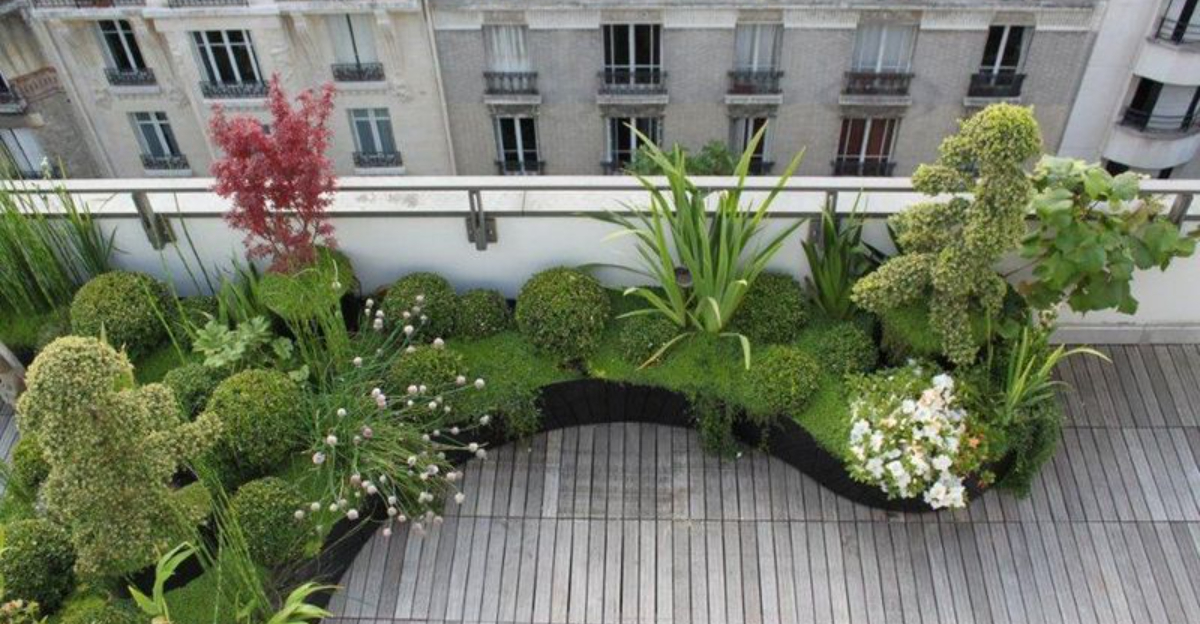
The green roof setup catching attention across Connecticut is the extensive, ultra-light version that looks effortless but totally transforms a home.
It’s the kind of setup people scroll past on Instagram, stop, and think, “Okay… that actually looks doable.”
And honestly, it’s fun to see how much charm something so lightweight can add without feeling complicated at all.
1. Lightweight Materials Reduce Structural Strain
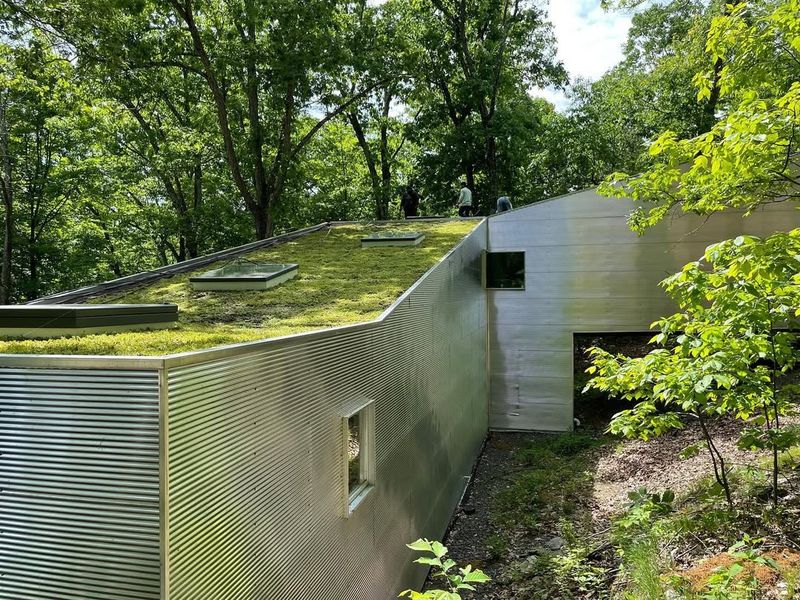
Builders in Connecticut appreciate how extensive green roofs use specially engineered lightweight growing mediums instead of heavy traditional soil.
These materials weigh much less than regular dirt, which means existing buildings can support green roofs without expensive reinforcement work.
Homeowners across the state find this advantage particularly helpful because older structures often cannot handle extra weight on their rooftops safely.
The reduced load makes installation faster and more affordable for residential projects throughout Connecticut neighborhoods.
Architects working on commercial buildings also benefit since they can add green features without redesigning the entire structural support system.
Lightweight substrates typically contain expanded shale, perlite, and organic matter that drain water efficiently while nourishing hardy plant species.
Connecticut contractors report that these materials arrive pre-mixed and ready to spread, saving time during construction phases.
Property owners enjoy knowing their roofs stay within safe weight limits while still providing environmental advantages.
This innovation makes green roofing accessible to more buildings across Connecticut than ever before.
2. Low-Maintenance Plant Choices Thrive Naturally
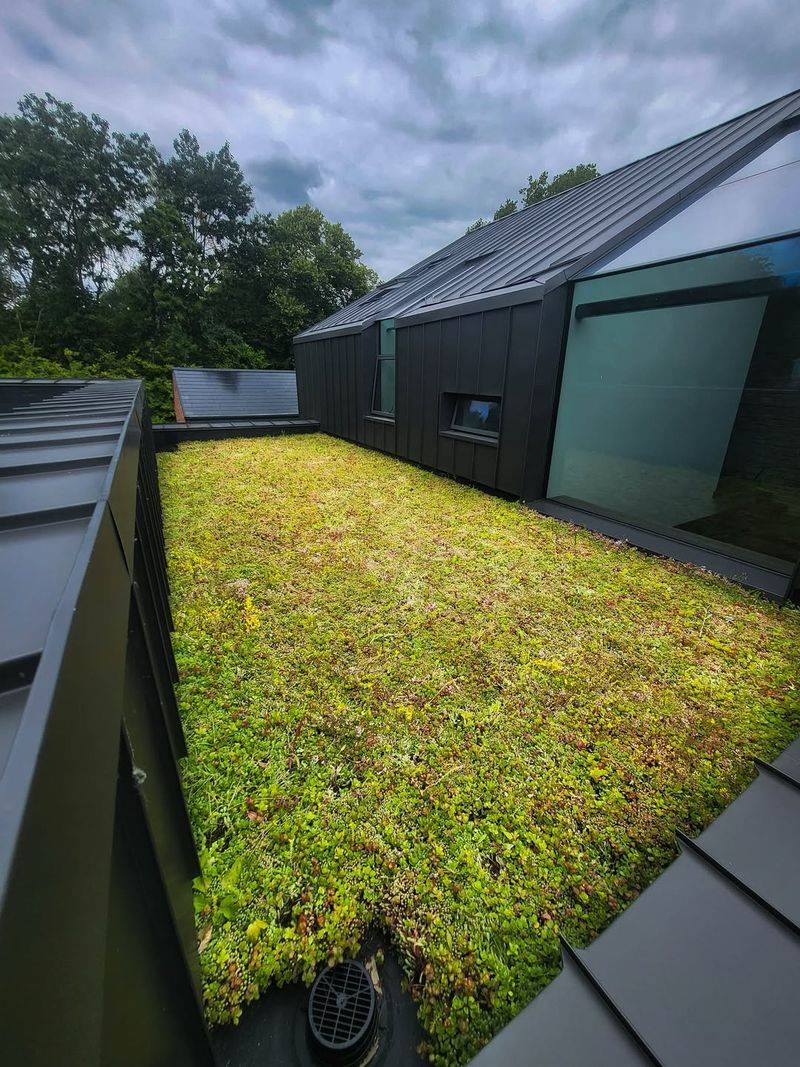
Sedums and other hardy succulents dominate extensive green roofs throughout Connecticut because they survive with minimal water and almost no fertilizer.
These tough plants evolved in rocky environments, so they handle the challenging conditions on rooftops including intense sun, wind, and temperature swings.
Connecticut residents love that these roofs basically take care of themselves once established, requiring only occasional weeding or debris removal.
Unlike traditional gardens that demand regular watering and constant attention, extensive green roofs function independently through most seasons.
The plants spread naturally to cover bare spots, creating a self-repairing carpet of greenery that looks attractive year-round.
Many varieties change colors with the seasons, providing visual interest from soft greens in spring to bronze and red tones during Connecticut winters.
Property managers find this low-maintenance quality especially valuable since they avoid hiring specialized gardening services for routine upkeep.
Homeowners can enjoy environmental benefits without adding another chore to their already busy schedules.
This practical approach makes green roofs realistic for people across Connecticut who want sustainability without complexity.
3. Improved Stormwater Management Protects Local Ecosystems
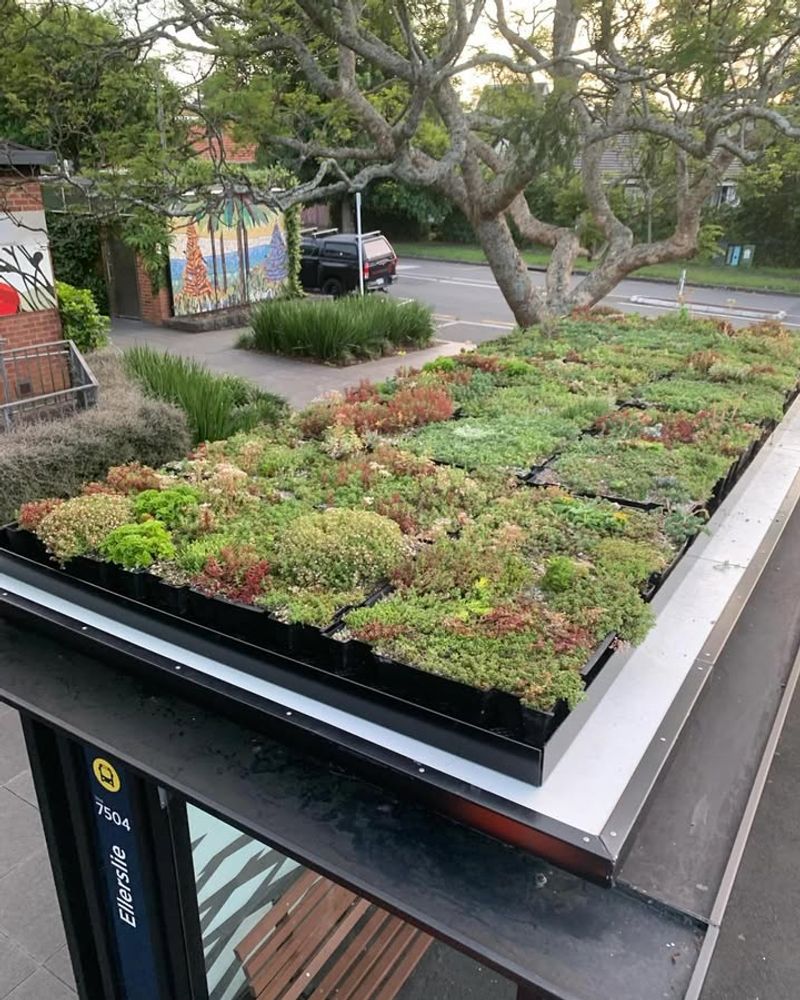
Connecticut experiences heavy rainstorms that overwhelm drainage systems, but extensive green roofs absorb significant amounts of rainfall before it reaches gutters.
The growing medium and plant roots capture water like a sponge, releasing it slowly through evaporation rather than flooding storm drains immediately.
This natural filtration process reduces pollutants washing into Connecticut rivers and streams, protecting aquatic habitats from harmful runoff.
Municipal governments across the state encourage green roof installation because these systems ease pressure on aging infrastructure during severe weather events.
Property owners notice fewer drainage problems around their buildings since green roofs handle water where it falls instead of channeling it elsewhere.
Your Connecticut Garden Changes Every Week. Your Plan Should Too.
Gardening in Connecticut changes quickly throughout the season. Every Friday you’ll receive a simple weekly plan showing exactly what to plant, prune, fertilize, harvest, and protect so you never miss the right timing.
Studies show extensive green roofs can retain between forty and eighty percent of precipitation depending on design and local climate conditions.
Connecticut communities benefit from reduced flooding risks in low-lying areas when multiple buildings adopt this technology across neighborhoods.
Homeowners appreciate lower water bills too since captured rainwater nourishes plants without requiring irrigation systems.
This environmental advantage makes green roofs attractive to residents who care about protecting Connecticut’s natural beauty for future generations.
4. Energy Efficiency Lowers Heating and Cooling Costs
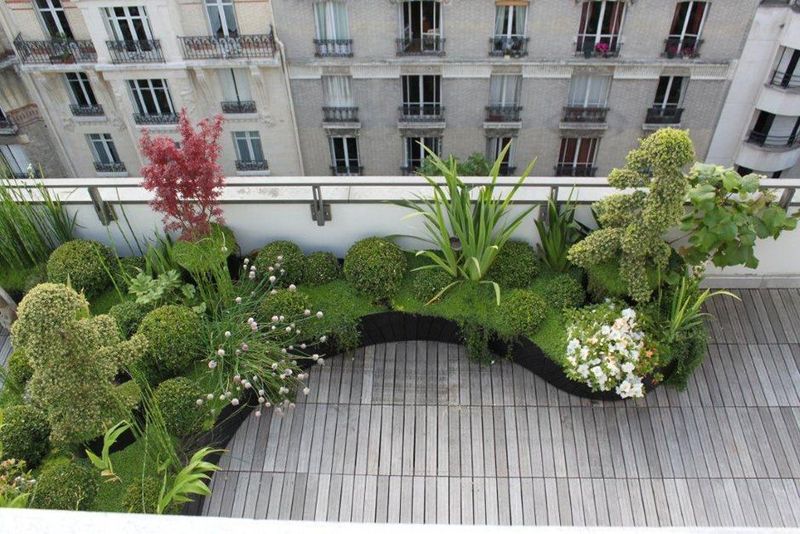
Connecticut homeowners face expensive energy bills due to hot summers and freezing winters, but extensive green roofs provide natural insulation year-round.
The plant layer and growing medium create a protective barrier that keeps indoor temperatures more stable regardless of outdoor weather conditions.
During summer months, green roofs block solar radiation that would otherwise heat building interiors, reducing air conditioning demands significantly.
In winter, the insulating properties help retain warmth inside Connecticut homes, cutting heating expenses when fuel costs rise.
Property owners report noticeable differences in comfort levels, with fewer temperature fluctuations between rooms located directly under green roofs.
Energy audits conducted across the state show buildings with extensive green roofs use less electricity and natural gas compared to similar structures.
This cost-saving benefit appeals to budget-conscious residents who want to reduce monthly utility expenses without sacrificing comfort.
Environmental advocates in Connecticut also appreciate how lower energy consumption decreases carbon emissions associated with heating and cooling systems.
The financial payback period for green roof installation shortens considerably when accounting for ongoing energy savings over decades of use.
5. Extended Roof Lifespan Saves Replacement Expenses
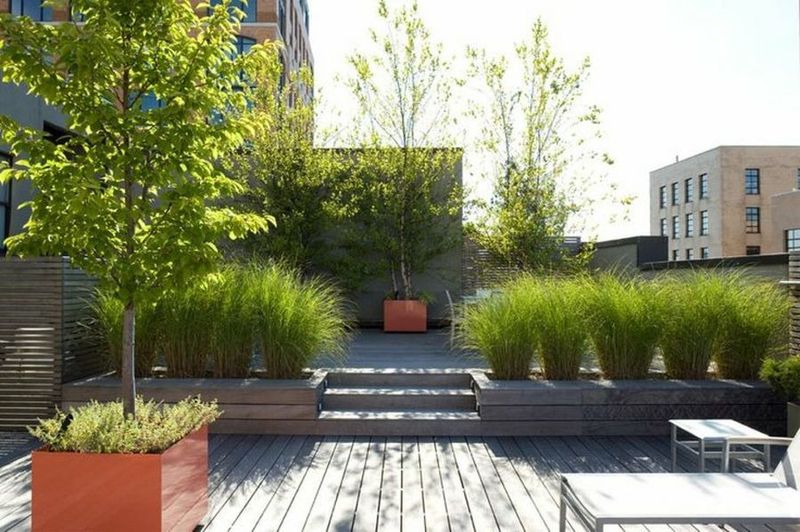
Traditional roofing materials in Connecticut deteriorate from constant exposure to ultraviolet rays, temperature extremes, and weather-related stress over time.
Extensive green roofs shield the waterproof membrane underneath from these damaging elements, effectively doubling or tripling the expected lifespan.
Contractors across the state explain how vegetation and growing medium protect roofing materials from expansion and contraction cycles that cause cracks.
Property owners avoid frequent replacement costs since green roofs can last forty years or more with basic maintenance compared to typical roofs.
The protective plant layer acts like sunscreen for buildings, preventing harmful UV radiation from breaking down asphalt, rubber, or synthetic roofing products.
Connecticut building managers appreciate this longevity because roof replacement projects disrupt operations and require significant capital investment.
Insurance companies sometimes offer premium discounts for properties with green roofs since these systems demonstrate superior durability and reduced claim risks.
Homeowners find peace of mind knowing their roofing investment will serve them well into the future without unexpected repair emergencies.
This extended lifespan makes extensive green roofs economically sensible for Connecticut residents planning long-term property ownership.
6. Urban Heat Island Reduction Cools Neighborhoods
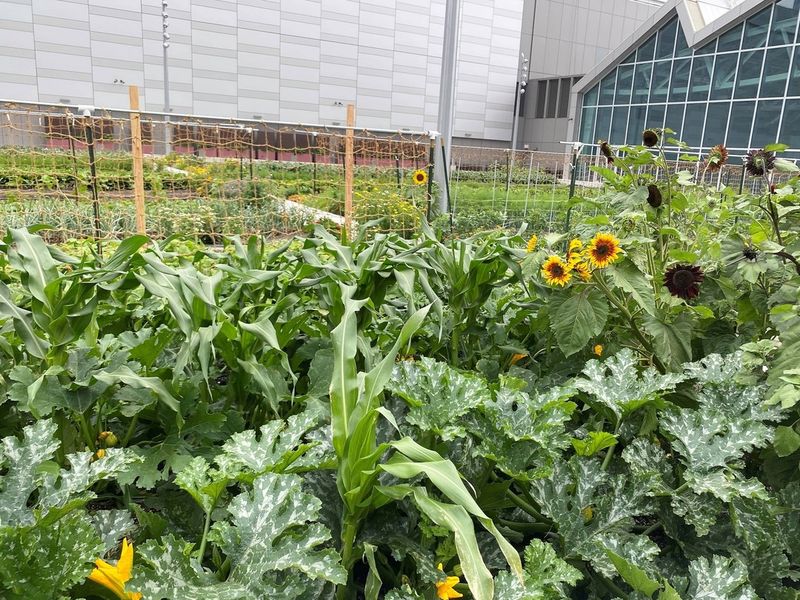
Cities and towns throughout Connecticut experience higher temperatures than surrounding rural areas because pavement and dark roofs absorb and radiate heat.
Extensive green roofs combat this urban heat island effect by replacing heat-absorbing surfaces with cooling vegetation that releases moisture into the air.
The evapotranspiration process from plants naturally lowers ambient temperatures around buildings, creating more comfortable outdoor spaces for Connecticut residents.
Neighborhoods with multiple green roofs enjoy measurably cooler conditions during summer heat waves compared to areas with conventional roofing materials.
Public health officials in Connecticut support green roof initiatives because reduced heat stress benefits vulnerable populations including elderly residents and children.
Property owners notice their outdoor patios and yards feel more pleasant when nearby buildings feature green roofs that moderate local microclimates.
Urban planners incorporate green roof requirements into development codes because widespread adoption can lower city-wide temperatures by several degrees.
This cooling effect reduces electricity demand across Connecticut power grids during peak summer periods when air conditioning usage strains energy infrastructure.
Community members appreciate how green roofs improve quality of life while addressing climate challenges facing urban areas statewide.
7. Biodiversity Support Creates Habitat for Pollinators
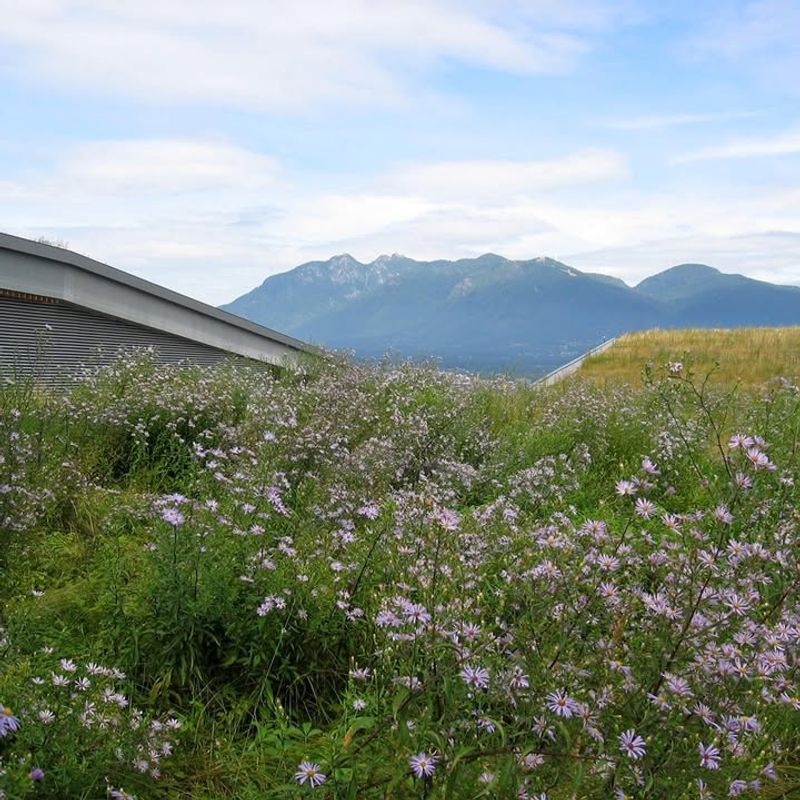
Connecticut’s native bees, butterflies, and beneficial insects struggle to find food sources in developed areas where natural vegetation has disappeared.
Extensive green roofs planted with flowering sedums and native species provide crucial habitat and nectar sources for pollinators throughout urban environments.
Environmental scientists observe that green roofs function as stepping stones, connecting isolated green spaces and allowing wildlife to move through Connecticut cities.
Property owners enjoy watching bees and butterflies visit their rooftop gardens, knowing they contribute to ecological health in meaningful ways.
Birds also benefit from green roofs since insects attracted to plants become food sources for species raising young in Connecticut neighborhoods.
Conservation groups across the state promote green roof installation as part of broader efforts to support declining pollinator populations facing habitat loss.
Homeowners find satisfaction in creating small ecosystems above their living spaces that support biodiversity without requiring ground-level yard space.
Schools and businesses in Connecticut use green roofs as outdoor classrooms where students learn about ecology and environmental stewardship firsthand.
This wildlife-friendly aspect appeals to nature-loving residents who want their properties to contribute positively to local ecosystems.
8. Simple Installation Process Speeds Up Construction
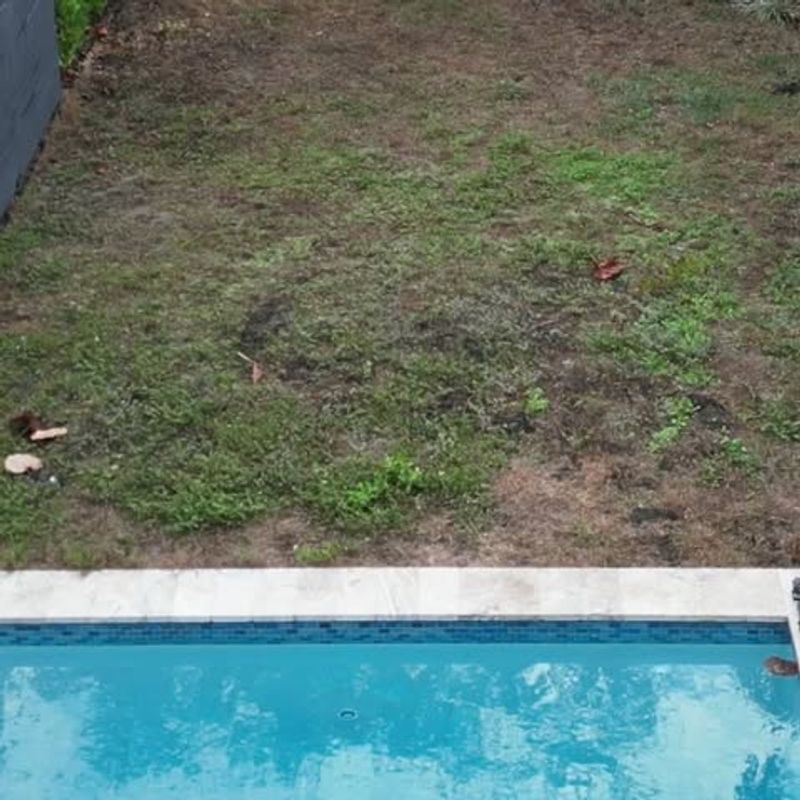
Contractors throughout Connecticut prefer extensive green roof systems because they install quickly using modular trays or rolled mats pre-grown with vegetation.
These prefabricated components arrive at job sites ready to place directly onto waterproof membranes, eliminating weeks of waiting for plants to establish.
Building crews without specialized horticultural training can complete installations efficiently since the process resembles laying tiles or rolling out carpet.
Property owners appreciate faster project timelines that minimize disruption and allow buildings to return to normal operations sooner than traditional landscaping.
The lightweight design means smaller crews can handle installation without heavy equipment typically required for moving soil and plants to rooftops.
Connecticut builders report that extensive green roofs add only days to construction schedules compared to intensive systems requiring deeper soil and irrigation.
Manufacturers provide detailed instructions that make installation straightforward even for contractors new to green roofing technology.
Homeowners benefit from lower labor costs since simplified installation reduces the number of worker hours needed to complete projects.
This ease of construction removes barriers that previously made green roofs seem impractical for many Connecticut properties.
9. Aesthetic Appeal Increases Property Values
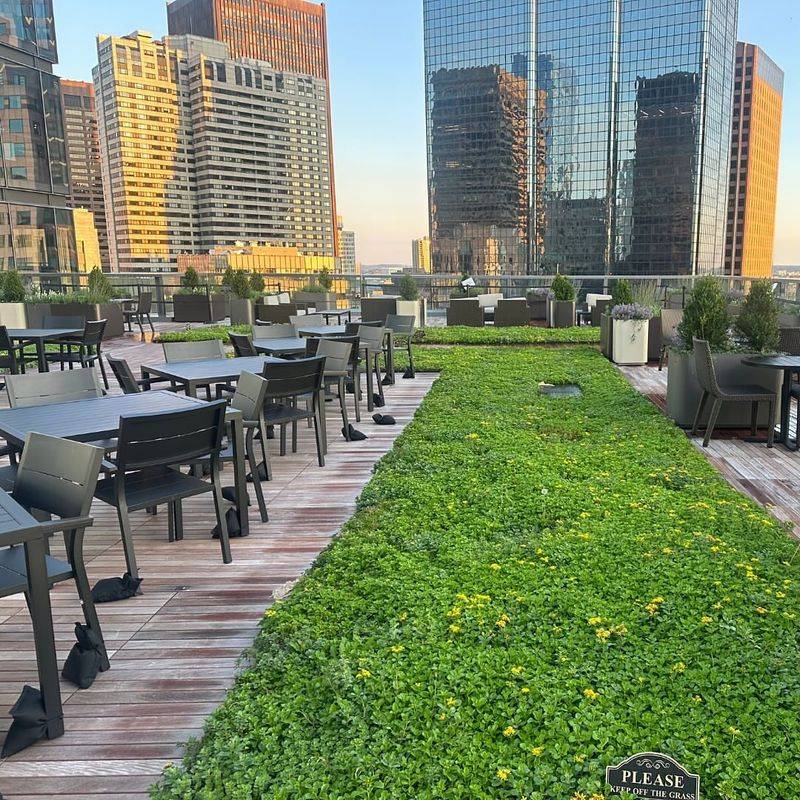
Real estate professionals across Connecticut notice that properties with extensive green roofs attract more buyer interest and command premium prices.
The visual transformation from ordinary rooftop to living garden creates immediate curb appeal that distinguishes homes from neighboring properties.
Potential buyers appreciate the environmental features and cost savings associated with green roofs, viewing them as valuable upgrades rather than experimental additions.
Aerial photographs used in property listings showcase green roofs beautifully, making Connecticut homes stand out in competitive real estate markets.
Appraisers increasingly recognize green roofs as improvements that add tangible value through energy savings, extended roof life, and aesthetic enhancement.
Homeowners enjoy their rooftop views knowing the green space provides relaxation benefits similar to gardens without sacrificing usable yard area.
Commercial property managers find that green roofs improve tenant satisfaction and help attract environmentally conscious businesses seeking sustainable office spaces.
Connecticut neighborhoods with multiple green roofs develop reputations as forward-thinking communities that embrace innovative environmental solutions.
This combination of beauty and functionality makes extensive green roofs smart investments for property owners throughout the state.