7 Breathtaking Botanical Gardens Every Texas Tourist Should Visit
Texas might be famous for its wide-open spaces, cowboy culture, and sprawling landscapes, but it also boasts some of the most impressive and diverse plant collections in the country.
Across the Lone Star State, botanical gardens offer visitors a chance to step away from the hustle and bustle of daily life and immerse themselves in lush, beautifully curated natural environments.
These gardens provide more than just a visual treat—they are places to learn about exotic and native plant species, explore carefully designed landscapes, and enjoy quiet, peaceful surroundings perfect for reflection or leisurely strolls.
Whether you’re drawn to vibrant flower displays, rare desert plants, serene water features, or shady walking trails, Texas’s botanical gardens offer something special for every type of nature lover.
Prepare to explore these remarkable green spaces, where each garden tells its own story and provides an unforgettable experience, making your trip to Texas not just a journey through the state, but also a journey through the beauty and diversity of the plant world.
1. Dallas Arboretum And Botanical Garden
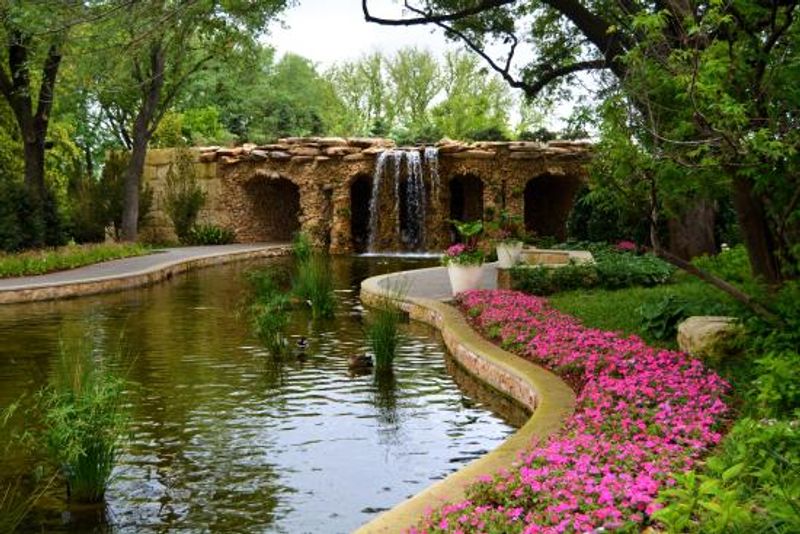
Sitting pretty along the shores of White Rock Lake, this garden stretches across 66 acres of pure beauty.
Visitors can wander through 19 different gardens, each with its own personality and charm.
From spring tulips to fall mums, the seasonal displays here are absolutely legendary.
Families love the Rory Meyers Children’s Adventure Garden, where kids can splash in water features and learn about plants through hands-on activities.
The garden hosts festivals throughout the year, including the famous Dallas Blooms each spring.
Pack a picnic and find a shady spot under the trees, or grab lunch at one of the on-site cafes.
Photography enthusiasts will find endless opportunities for stunning shots, especially during golden hour.
The garden stays open year-round, so there’s always something blooming no matter when you visit.
Admission prices are reasonable, and they offer discounts for seniors and children.
Plan to spend at least three hours here to really soak in all the natural splendor.
Don’t forget comfortable walking shoes because you’ll want to explore every corner of this Dallas treasure.
2. San Antonio Botanical Garden
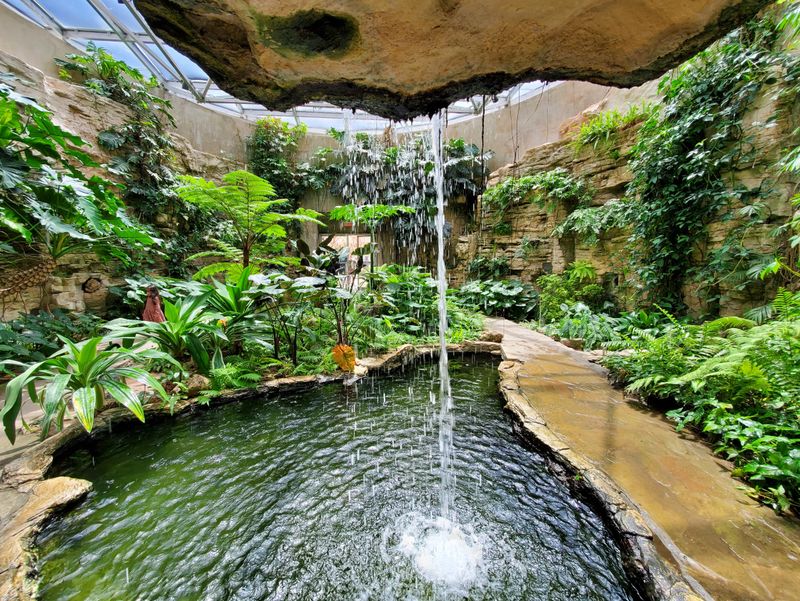
Right in the heart of San Antonio sits 38 acres dedicated to showcasing plants from around the world and right here in Texas.
The garden’s centerpiece is a stunning conservatory that houses tropical plants and desert species under one glass roof.
Walk through the Texas Native Trail to see plants that naturally grow in the state’s different regions.
The rose garden bursts with color and fragrance during peak blooming season, making it a favorite photo spot.
Kids can burn off energy in the Family Adventure Garden, which includes a treehouse village and water features.
Cultural gardens representing different countries add an international flair to your visit.
Japanese, Chinese, and other themed areas transport you across the globe without leaving San Antonio.
Special events like outdoor concerts and garden workshops happen regularly throughout the year.
The garden stays relatively cool even in summer thanks to mature shade trees lining the paths.
Your Texas Garden Changes Every Week. Your Plan Should Too.
Gardening in Texas changes quickly throughout the season. Every Friday you’ll receive a simple weekly plan showing exactly what to plant, prune, fertilize, harvest, and protect so you never miss the right timing.
Membership options make sense if you’re a local or planning multiple visits.
Food trucks often park near the entrance on weekends, offering tasty treats after your garden stroll.
This spot perfectly blends education with relaxation in a beautiful setting.
3. Fort Worth Botanic Garden
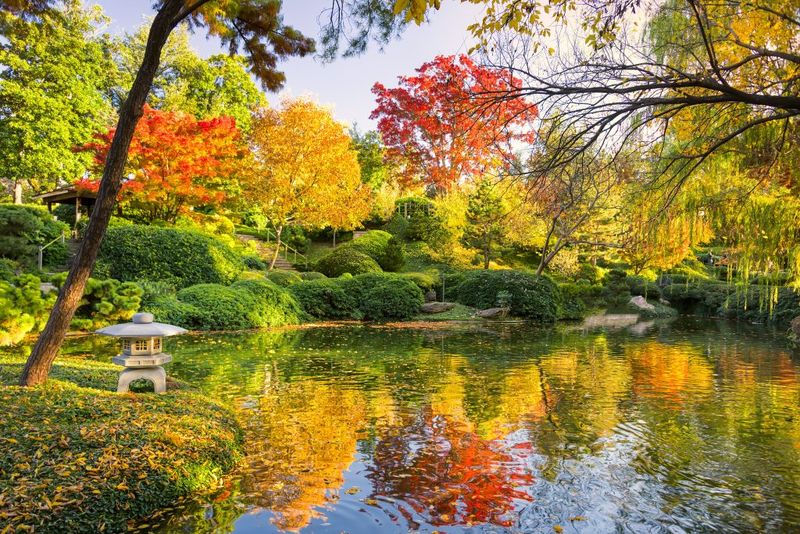
As the oldest botanic garden in Texas, this Fort Worth gem has been welcoming visitors since 1934.
Sprawling across 110 acres, it offers more space to explore than almost any other garden in the state.
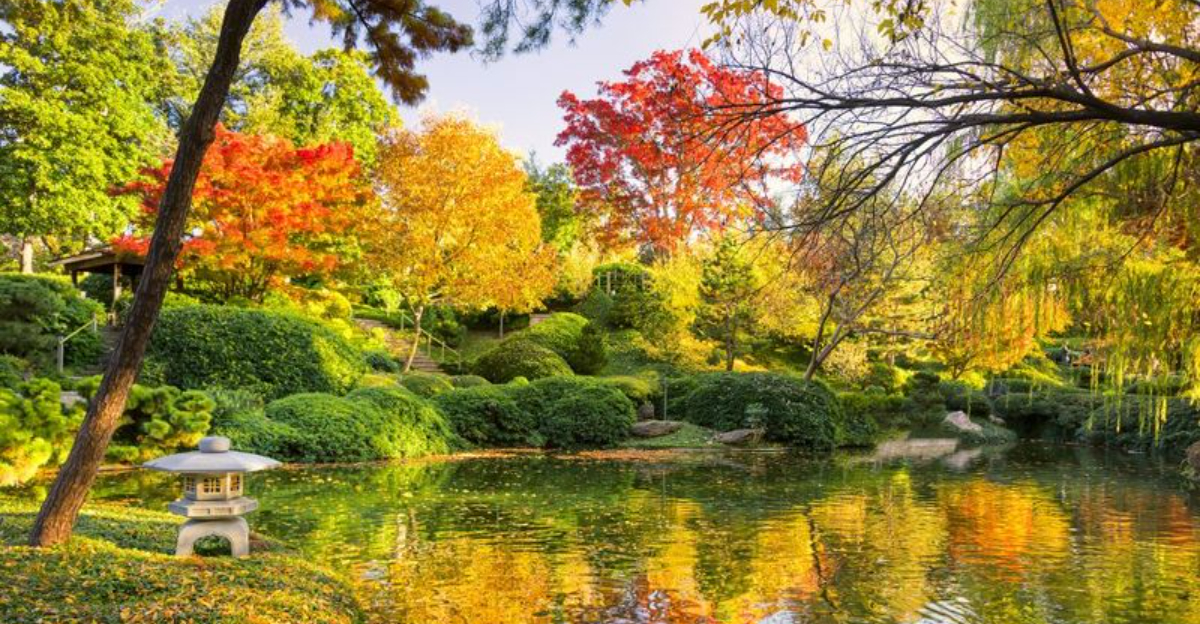
The Japanese Garden stands out as the crown jewel, featuring authentic architecture, koi ponds, and carefully pruned trees.
Walking through its gates feels like stepping into another world entirely.
Meditation comes naturally when you’re surrounded by such peaceful beauty and the gentle sound of flowing water.
Beyond the Japanese section, you’ll find a fragrance garden designed specifically for visitors with visual impairments.
The rose garden showcases over 2,500 bushes representing hundreds of varieties.
Native Texas plants get their own dedicated area, demonstrating how beautiful drought-tolerant landscaping can be.
Trails wind through wooded areas where you might spot local wildlife like squirrels and songbirds.
The garden hosts plant sales where you can take home some of what you’ve admired.
Admission to most areas is free, though the Japanese Garden requires a small entrance fee.
Bring your camera and a sense of adventure for a truly memorable experience in Fort Worth.
4. Houston Botanic Garden
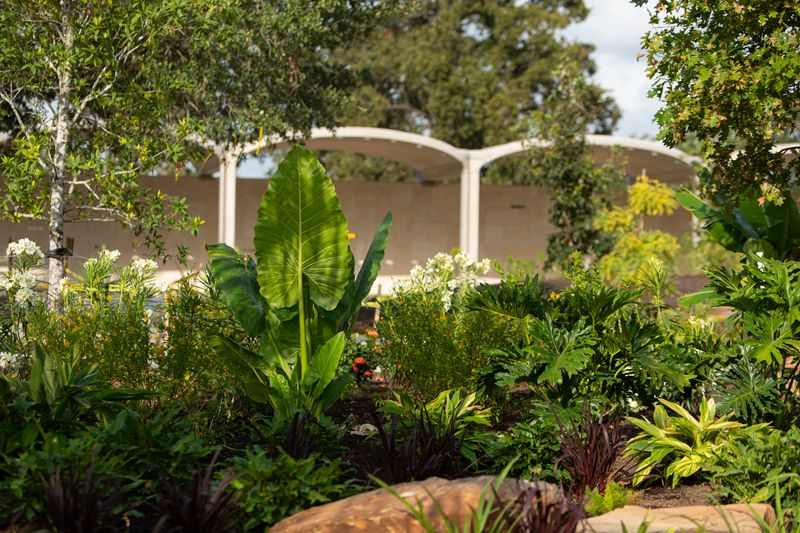
Houston’s newest major botanical garden opened in 2020, bringing a fresh approach to plant displays and conservation.
Unlike older gardens, this one was designed from scratch with modern sustainability practices in mind.
Covering 132 acres, it focuses heavily on plants native to the Texas Gulf Coast region.
Coastal prairies, wetlands, and forest ecosystems are recreated to show visitors what the area looked like before development.
Educational programs teach families about the importance of preserving native plant species.
Boardwalks carry you over wetland areas where you can observe aquatic plants and water-loving creatures.
The culinary garden grows herbs and vegetables, inspiring visitors to start their own edible gardens at home.
Architecture throughout the property blends seamlessly with the natural landscape.
The visitor center features floor-to-ceiling windows that frame garden views like living artwork.
Because it’s still relatively new, the garden continues adding sections and features each year.
Early visitors get to watch this living museum grow and mature over time.
It’s less crowded than older, more established gardens, offering a more intimate experience with nature in the middle of Houston.
5. Zilker Botanical Garden
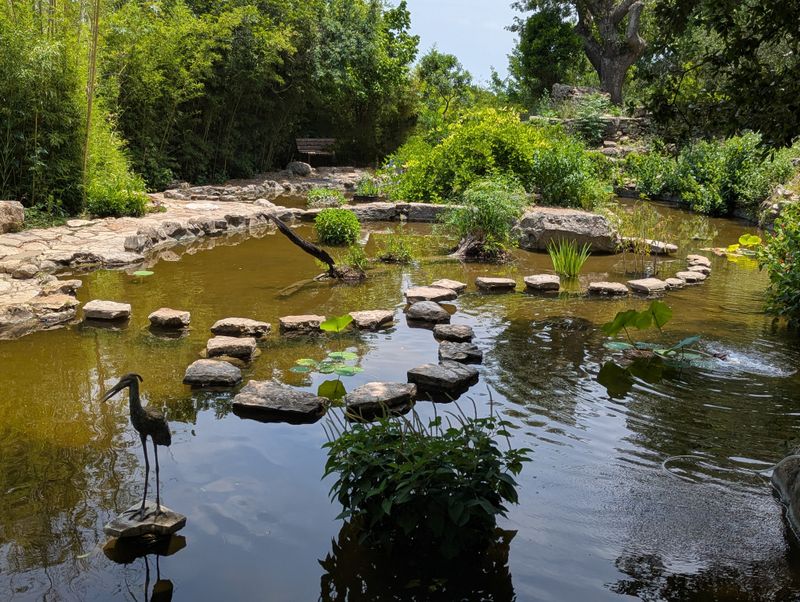
Tucked into Austin’s beloved Zilker Park, this 26-acre garden offers a quiet escape from the city’s bustling energy.
It’s been a local favorite since 1955, growing and evolving with each passing decade.
Multiple themed gardens create distinct experiences within a relatively compact space.
The Taniguchi Japanese Garden features traditional design elements that promote tranquility and reflection.
Butterfly trails attract dozens of species during migration seasons, creating magical moments for nature lovers.
Dinosaur tracks preserved in limestone remind visitors that this land has an ancient history.
Kids get a kick out of spotting these prehistoric footprints along the garden paths.
The rose garden blooms spectacularly in spring, filling the air with sweet perfume.
Herb and cactus gardens showcase plants that thrive in Central Texas’s unique climate.
Because it’s located within Zilker Park, you can combine your garden visit with other activities.
Barton Springs Pool sits nearby, perfect for cooling off after a warm afternoon among the flowers.
Free admission makes this garden accessible to everyone, though donations are always appreciated.
Austin’s creative spirit shows through in the garden’s art installations and community programs.
6. Mercer Arboretum and Botanic Gardens
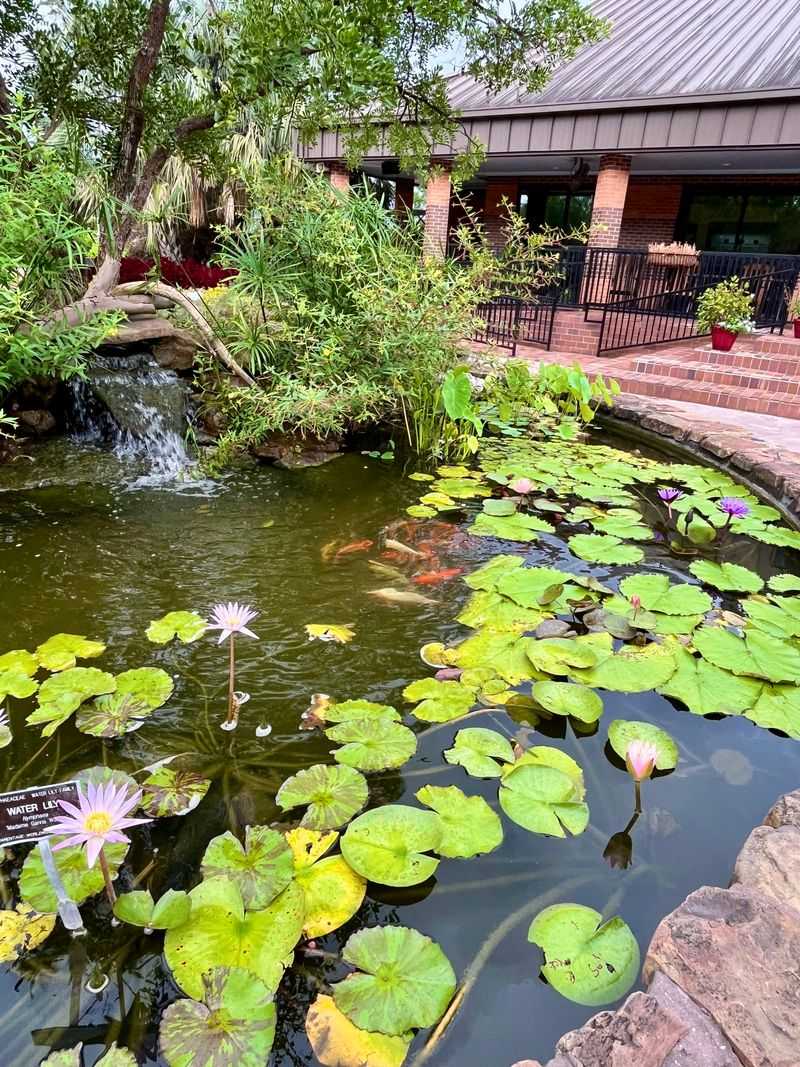
Located just north of Houston in Humble, this 300-acre nature preserve feels worlds away from urban life.
Dense forests, meandering streams, and thousands of plant species create an immersive natural experience.
The arboretum specializes in plants that thrive in humid subtropical climates.
Fern collections here are among the most impressive in the entire state.
Bamboo groves tower overhead, creating natural tunnels along some walking paths.
Bird watchers bring their binoculars to spot species that call these woods home.
The peaceful environment makes it easy to forget you’re still within the Greater Houston metropolitan area.
Spring brings spectacular displays of azaleas and other flowering shrubs.
Color explodes throughout the garden as thousands of plants bloom simultaneously.
Miles of trails wind through different habitats, from wetlands to upland forests.
You can easily spend an entire day exploring without covering all the ground.
Best of all, admission is completely free, making it perfect for budget-conscious travelers.
The garden hosts plant sales and educational workshops regularly.
Local gardeners come here for inspiration and advice on what grows well in the region.
7. Lady Bird Johnson Wildflower Center
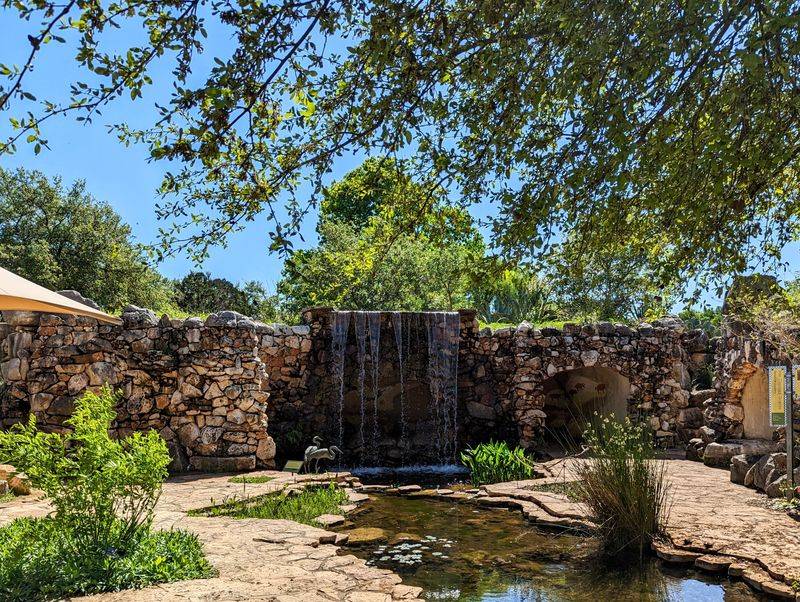
Named after the former First Lady who championed native plant conservation, this center sits on 284 acres of Texas Hill Country beauty.
It’s not just a garden but a research facility dedicated to preserving native plants.
Springtime turns the grounds into a carpet of wildflowers, including the famous Texas bluebonnets.
Photographers flock here during peak bloom to capture images of colorful meadows.
The timing varies each year depending on rainfall, but March through May usually delivers the best shows.
Architecture throughout the property uses local limestone and reflects traditional Texas building styles.
Courtyards and covered walkways provide shade while showcasing drought-tolerant landscaping ideas.
Families appreciate the interactive learning opportunities designed to teach kids about ecosystems.
The family garden includes hands-on activities that make botany fun and accessible.
Native plant sales happen regularly, giving visitors a chance to take home species that support local pollinators.
Staff members offer expert advice on creating sustainable landscapes that require less water and maintenance.
The center’s mission goes beyond pretty flowers to address real environmental challenges.
Your visit supports important conservation research that benefits Texas and beyond.