How Florida Travelers Keep Their Plants Alive During The Holidays
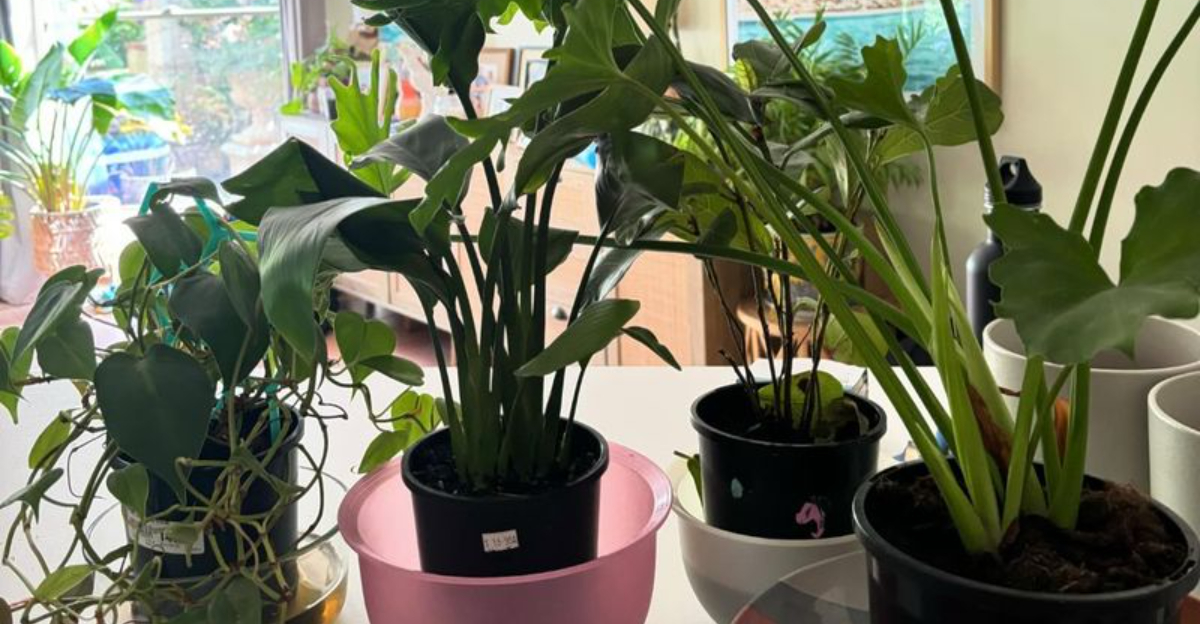
Heading off to see family or soak up some winter sun sounds amazing, but leaving your beloved plants behind can quickly turn into a source of stress.
Florida’s warm and often humid climate means your green friends are used to plenty of care and attention, and even a short trip can leave them thirsty, drooping, or stressed.
Fortunately, there are plenty of clever strategies that Florida travelers use to keep their plants healthy and thriving while they’re away.
From simple watering tricks to creative DIY setups, these methods ensure your plants get the moisture and care they need without constant supervision.
Whether you’re gone for a long weekend or a couple of weeks, implementing these tips will give you peace of mind, so you can relax and enjoy your holiday knowing that your plants will still be vibrant and flourishing when you return.
With just a little planning, your green companions can stay happy, healthy, and ready to welcome you back home.
1. Self-Watering Globes Save The Day
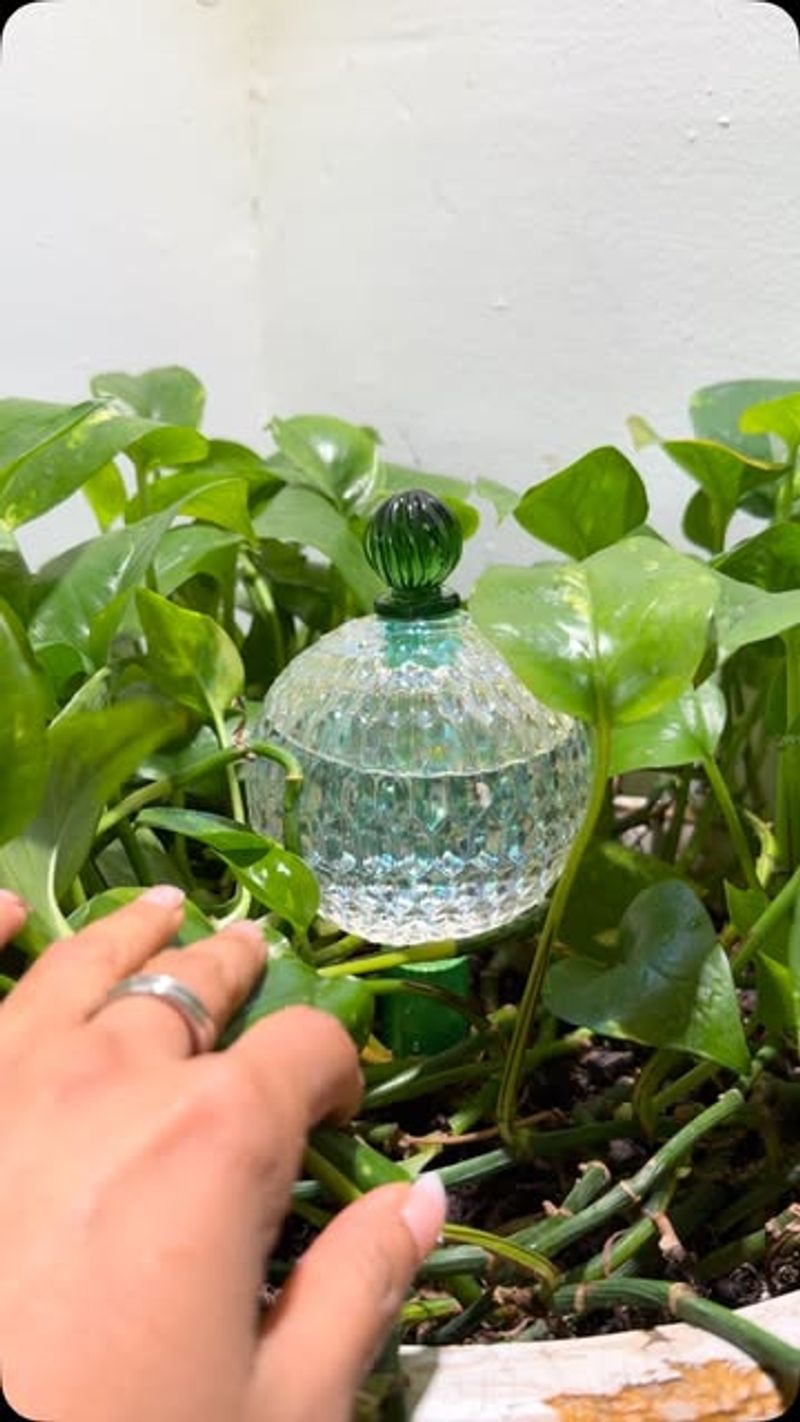
Picture colorful glass bulbs sticking out of your plant pots, slowly releasing water exactly when your plants need it.
Self-watering globes are one of the easiest solutions for travelers who want a hands-off approach.
You simply fill these decorative orbs with water and push them into the soil.
As the soil dries out, it creates a vacuum that pulls water from the globe drop by drop.
Most globes can keep plants hydrated for up to two weeks, which is perfect for typical holiday trips.
They come in all sorts of fun shapes and colors, so they add a bit of charm to your indoor garden.
Florida’s humidity can actually help these globes work even better since the air doesn’t dry out soil as quickly as in drier climates.
Just make sure to test them out before you leave to see how fast your specific plants drink.
Some thirsty tropical plants might empty a globe faster than expected.
You can find self-watering globes at garden centers, home stores, or online for pretty cheap.
They’re reusable, so you can pack them away and pull them out every time you travel.
It’s a simple investment that takes away so much worry.
2. Buddy System With A Plant-Sitter Friend
Nothing beats having someone you trust pop by to check on your leafy buddies.
Finding a reliable friend, neighbor, or family member to water your plants is one of the oldest tricks in the book, and it still works like a charm.
The key is giving them super clear instructions so there’s no guesswork involved.
Write down exactly which plants need water and how much.
You can even put sticky notes on each pot with specific directions.
Some people take it a step further and show their plant-sitter exactly what to do before they leave.
Offering a small thank-you gift or returning the favor when they travel makes this arrangement feel fair and friendly.
Plus, having someone check your home adds an extra layer of security while you’re gone.
Your Florida Garden Changes Every Week. Your Plan Should Too.
Gardening in Florida changes quickly throughout the season. Every Friday you’ll receive a simple weekly plan showing exactly what to plant, prune, fertilize, harvest, and protect so you never miss the right timing.
They can grab your mail, adjust blinds, and make sure everything looks normal from the outside.
In Florida’s tight-knit communities, especially in neighborhoods and condo buildings, finding a plant-sitter is usually pretty easy.
People understand the struggle of keeping tropical plants alive in the heat.
Just make sure to return the favor when they need help with their own green babies.
3. DIY Bottle Drip Irrigation Trick
Got some empty plastic bottles lying around?
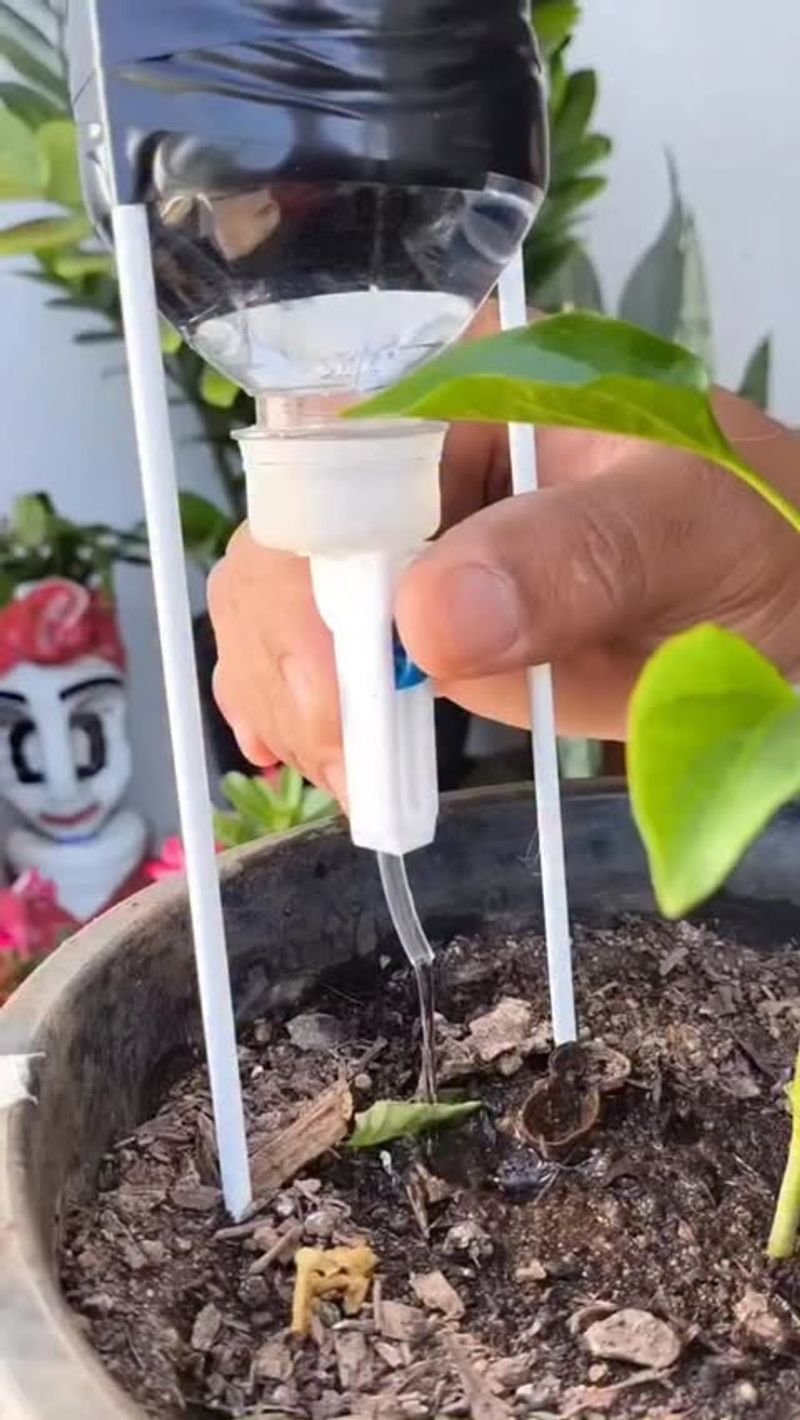
You can turn them into a brilliant slow-drip watering system with just a few pokes of a pin.
This old-school method has saved countless plants from thirsty doom, and it costs absolutely nothing.
Start by poking several tiny holes in the bottle cap using a needle or small nail.
Fill the bottle with water, screw the cap back on tight, and flip it upside down into the soil next to your plant.
The water will slowly seep out through those little holes, keeping the soil moist for days.
Bigger bottles work better for larger pots or thirstier plants, while smaller bottles are perfect for herbs and succulents.
You might need to experiment with how many holes to make since different soil types drain at different speeds.
Florida’s sandy soil tends to drain quickly, so you might want fewer holes to make the water last longer.
Before you leave, test your setup for a day or two to make sure it’s dripping at the right pace.
You don’t want to come home to a flooded pot or bone-dry soil.
Once you get it right, this method is super reliable and totally free.
4. Grouping Plants In The Bathtub Oasis
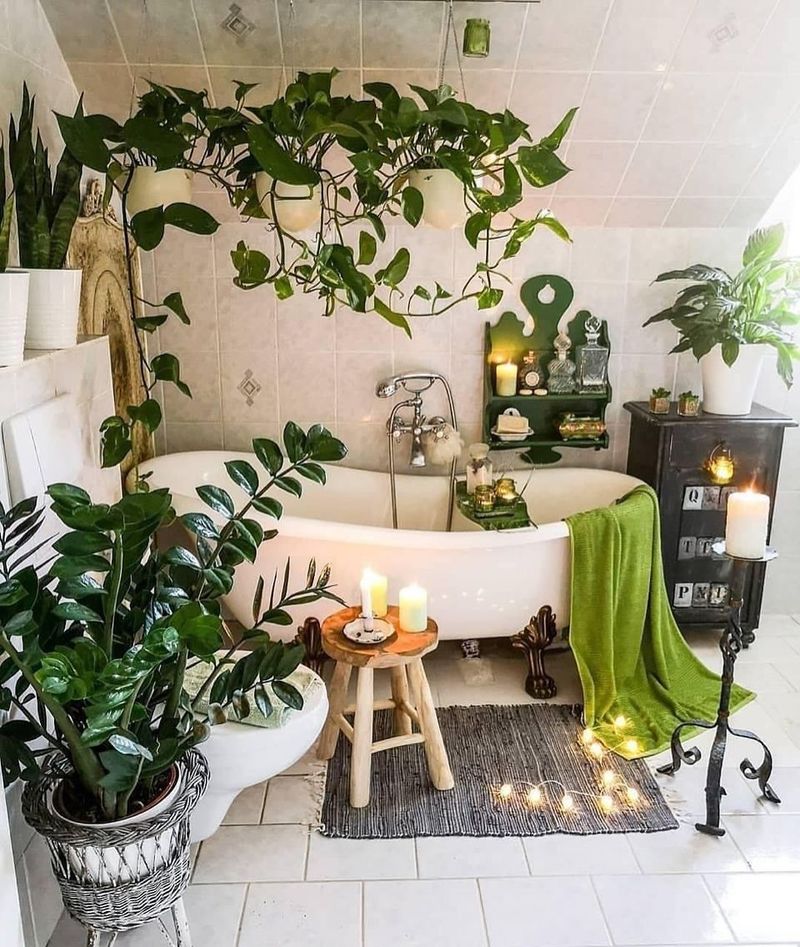
Your bathtub can become a temporary plant spa while you’re away.
Seriously, this method works wonders for keeping multiple plants hydrated at once.
The idea is to create a humid, moist environment where plants can slowly draw water as they need it.
First, lay down some old towels in the tub to protect both the plants and the porcelain.
Add about an inch or two of water to the tub, then place your plants on top of the towels.
The towels will wick up the water and keep the soil consistently moist without drowning the roots.
Make sure your bathroom has some natural light, or leave a small lamp on a timer so your plants don’t get too gloomy.
Florida bathrooms often have windows that let in plenty of bright, indirect light, which is perfect.
The humidity from the water also mimics the tropical conditions many houseplants love.
Only use this trick for plants that like moisture and can handle being grouped together.
Cacti and succulents won’t appreciate the spa treatment.
Before you go, double-check that the drain is closed tight so you don’t come home to an empty tub and sad plants.
5. Smart Automatic Watering Systems
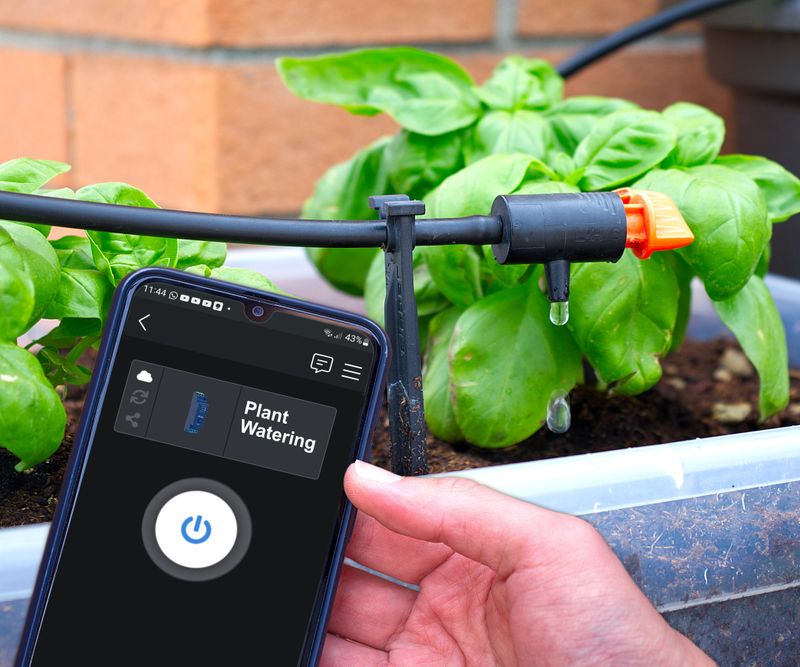
Technology lovers, this one’s for you.
Automatic watering systems take all the guesswork out of plant care and can be programmed to water on a precise schedule.
Some systems even connect to your phone so you can monitor moisture levels from anywhere in the world.
Basic setups include a reservoir of water, a timer, and thin tubes that deliver water directly to each plant’s roots.
You can customize how much water each plant gets and how often.
Fancier models have sensors that detect soil moisture and only water when needed, which prevents overwatering.
Installation is usually pretty straightforward, and most systems come with everything you need to get started.
You can find options for just a few plants or elaborate setups that handle dozens.
Florida travelers with large plant collections swear by these systems because they’re so reliable.
The upfront cost is higher than DIY methods, but the peace of mind is worth every penny.
Plus, you can use the system year-round, not just when you travel.
It’s like hiring a robot plant-sitter that never forgets to show up or overwater your prized orchids.
6. Moving Plants To Shadier Spots
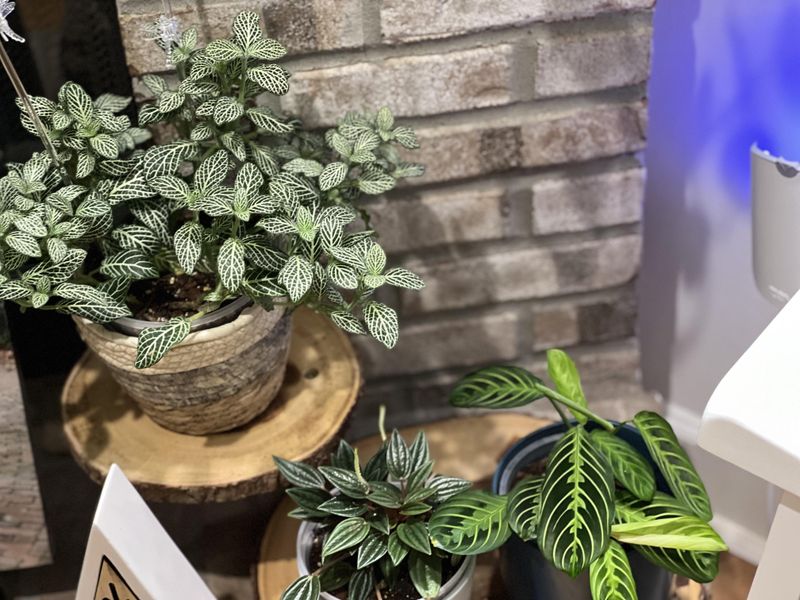
Sometimes the simplest solutions are the smartest ones.
Relocating your plants to cooler, shadier areas of your home can dramatically reduce how much water they need.
Bright, sunny windows might be great when you’re around to water regularly, but they can quickly dry out soil when you’re gone.
A few days before you leave, start moving sun-loving plants away from direct light.
Find spots with gentle, indirect light where they won’t get stressed by intense rays.
Lower light means slower growth and less water consumption, which helps plants coast through your absence.
Florida’s intense sunshine can be brutal on indoor plants, especially during the winter when the sun sits lower in the sky and streams through windows at sharper angles.
Even heat-loving tropicals appreciate a break from constant sun when they’re not getting regular drinks.
Just don’t stick them in total darkness or they’ll get weak and leggy.
When you return, gradually move plants back to their usual spots over a couple of days.
Sudden changes in light can shock them, causing leaves to drop or burn.
It’s a gentle way to help your plants conserve energy while you’re enjoying your holiday adventures.
7. Mulching Pots To Lock In Moisture
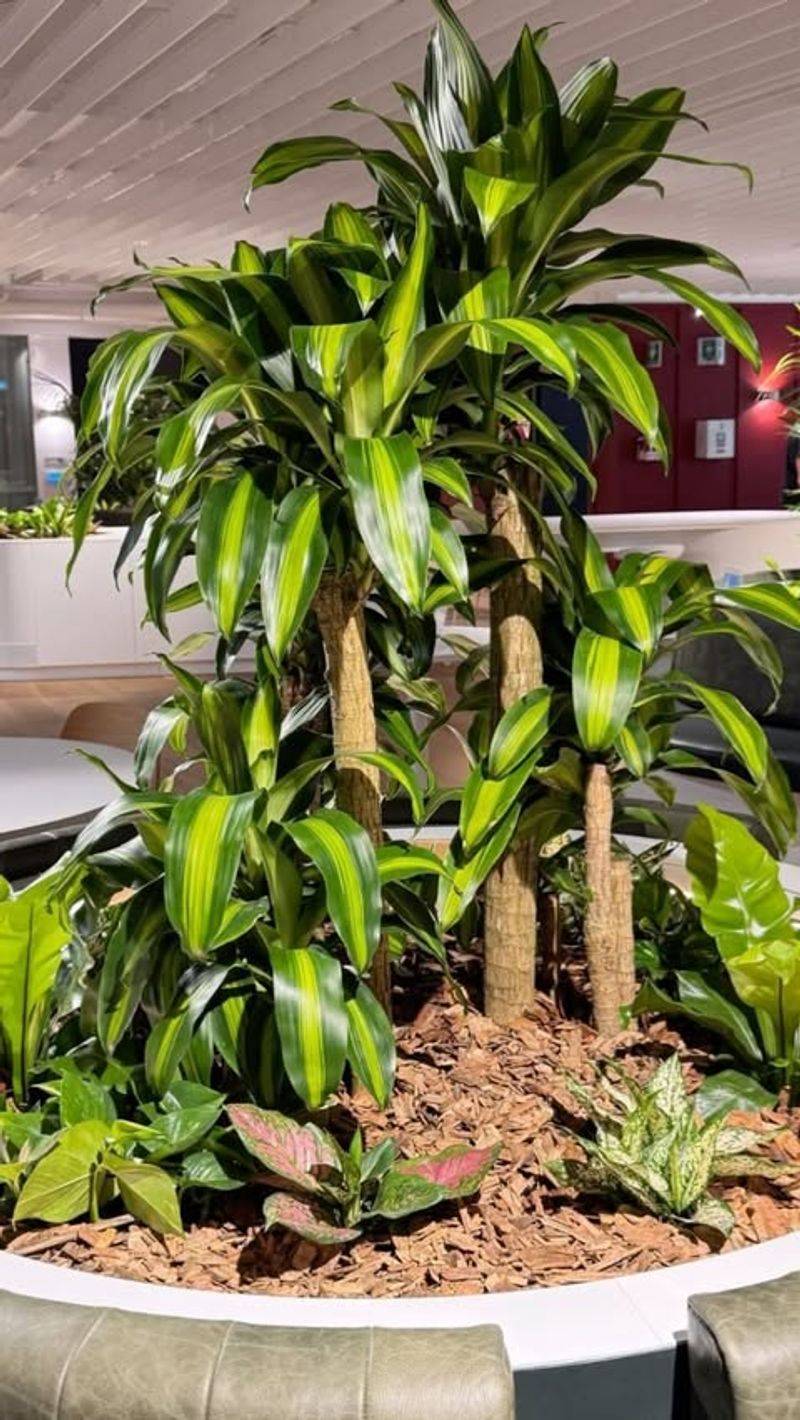
Ever noticed how garden beds with mulch stay moist longer than bare soil?
The same principle works perfectly for potted plants.
Adding a layer of mulch on top of your potting soil creates a barrier that slows down water evaporation.
You can use all sorts of materials like moss, bark chips, coconut coir, or even decorative stones.
Spread about half an inch to an inch of mulch evenly across the soil surface, being careful not to pile it against plant stems.
The mulch acts like a little blanket, keeping moisture in and protecting roots from temperature swings.
In Florida’s warm climate, this trick is especially helpful since indoor temperatures can stay pretty toasty even with the AC running.
The mulch also looks nice and gives your pots a more finished, professional appearance.
It’s like giving your plants a cozy sweater before you head out.
Before you leave, water your plants thoroughly so the soil is nice and moist under the mulch layer.
When you return, you can either leave the mulch in place for ongoing benefits or remove it if you prefer.
It’s a simple step that makes a real difference in how long soil stays hydrated.
8. Watering Like A Pro Before You Leave
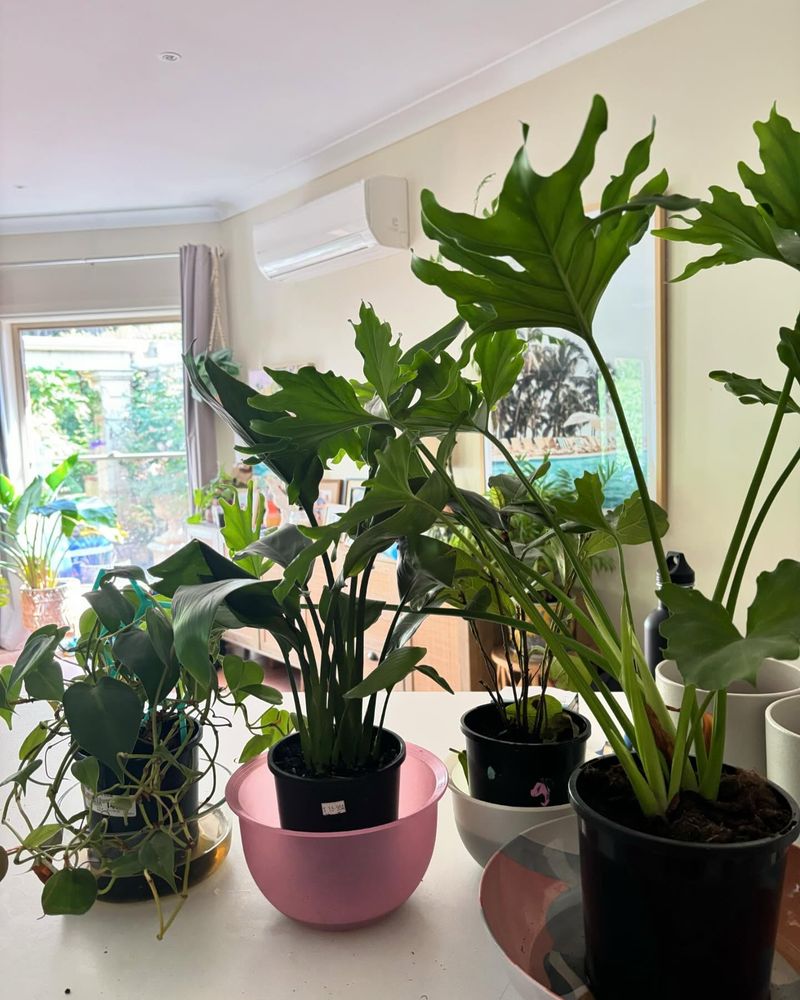
Timing your final watering session correctly can set your plants up for success.
Many travelers make the mistake of either overwatering right before they leave or watering too early.
Getting this right is actually an art form that experienced plant parents have perfected.
Water all your plants thoroughly the morning of your departure or the night before.
You want the soil to be evenly moist all the way through, not just wet on top.
Let excess water drain completely from the pots so roots aren’t sitting in soggy conditions.
For plants that like to dry out between waterings, water them a day or two earlier so they’re not soaking wet when you leave.
Succulents, cacti, and snake plants fall into this category.
Meanwhile, moisture-loving ferns and peace lilies should get a good drink right before you go.
Florida’s humidity actually helps plants retain moisture longer than in dry climates, so don’t go overboard.
Overwatering causes more problems than underwatering since roots can rot in constantly soggy soil.
Trust your plants to be tougher than you think, and resist the urge to drown them with love before your trip.
9. Plastic Bag Greenhouse Method
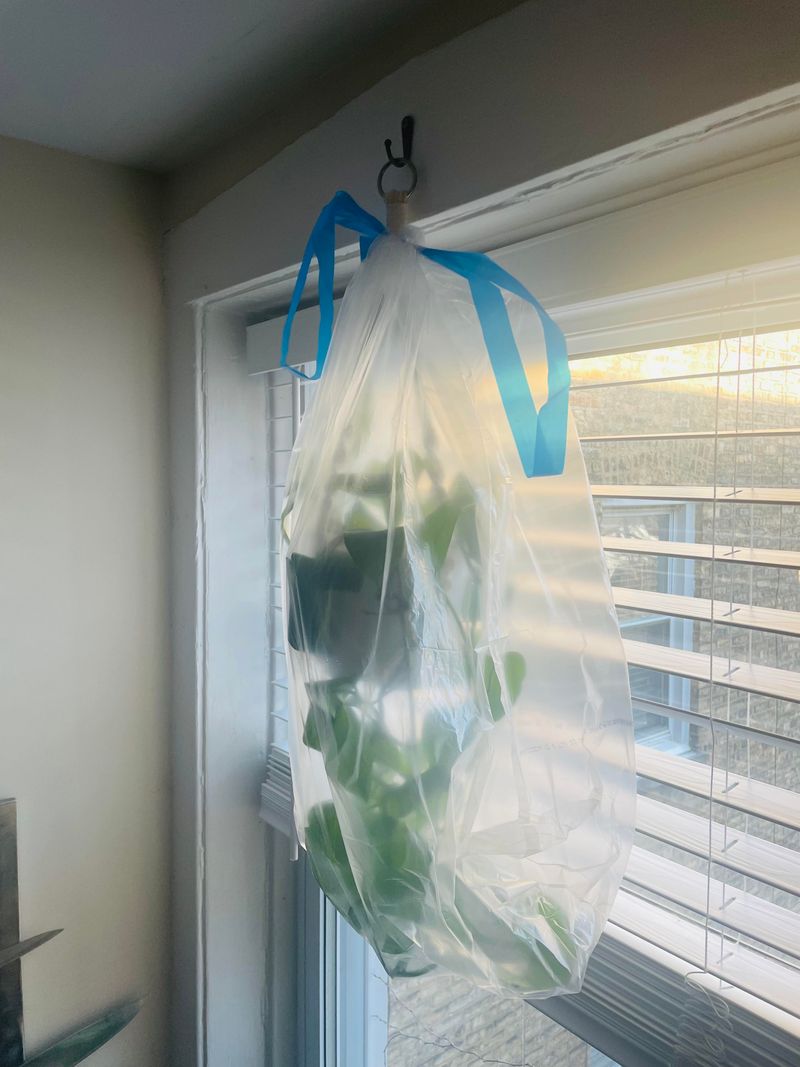
Creating a mini greenhouse around your plants sounds fancy, but it’s actually super simple.
All you need is a clear plastic bag and a few minutes.
The bag traps humidity around the plant, creating a self-contained ecosystem that recycles moisture.
Water your plant well, then slip a clear plastic bag over the entire plant, pot and all.
Use stakes or chopsticks to prop the bag up so it doesn’t touch the leaves directly.
Poke a few small holes in the bag for air circulation, then loosely secure it around the base of the pot with a rubber band or twist tie.
The water that evaporates from the soil and leaves will condense on the inside of the bag and drip back down into the pot.
It’s like your plant is living in its own little rainforest.
Just make sure the plant isn’t in direct sunlight or the bag can trap too much heat and cook your green friend.
Florida travelers love this method for smaller plants that need consistent humidity, like ferns and tropical foliage.
It works best for trips up to two weeks.
When you get back, remove the bag gradually over a day or two so the plant can adjust to normal air again.
10. Hiring Professional Plant Care Services
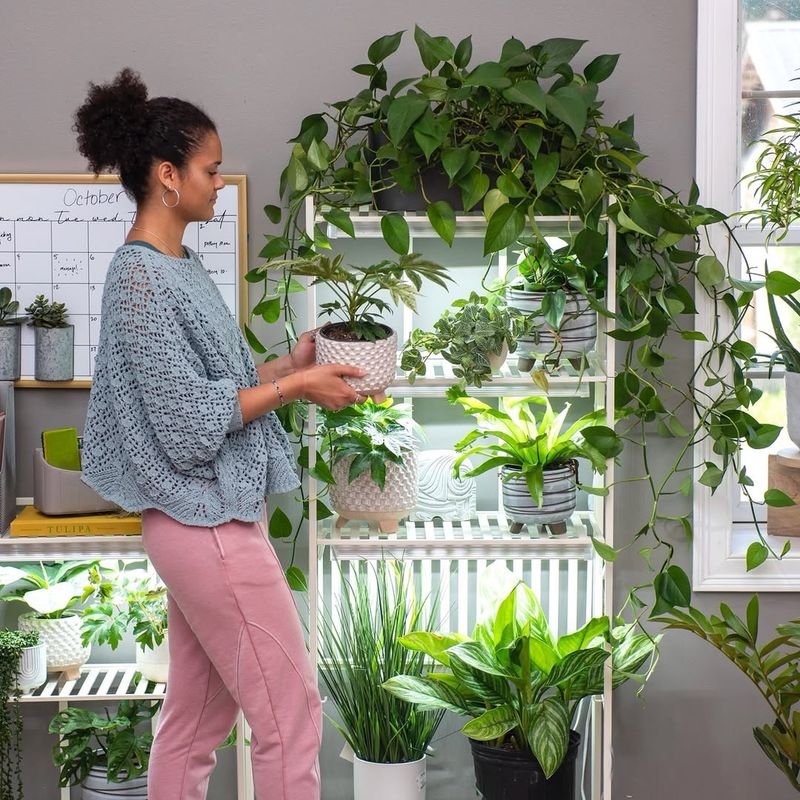
Sometimes it’s worth calling in the experts.
Professional plant care services have become increasingly popular in Florida cities, especially among travelers with extensive or valuable plant collections.
These specialists know exactly what each type of plant needs and can spot problems before they become disasters.
Plant care pros will visit your home on a schedule you set, usually once or twice a week depending on your plants’ needs.
They’ll water, check for pests, remove dead leaves, and even adjust lighting or humidity if necessary.
Many services also offer photo updates so you can see how your plants are doing while you’re sipping cocktails on the beach.
The cost varies depending on how many plants you have and how often they need attention.
For serious plant collectors with rare specimens or large indoor jungles, the investment is totally worthwhile.
You’re not just paying for watering; you’re getting expertise and peace of mind.
Look for services with good reviews and proper insurance in case anything goes wrong.
Many plant shops in Florida offer this service, or you can find independent plant sitters through apps and local listings.
It’s like having a plant nanny who genuinely cares about keeping your green family thriving.