Experts Explain Why Christmas Trees Are Drying Out Faster In Texas This Year
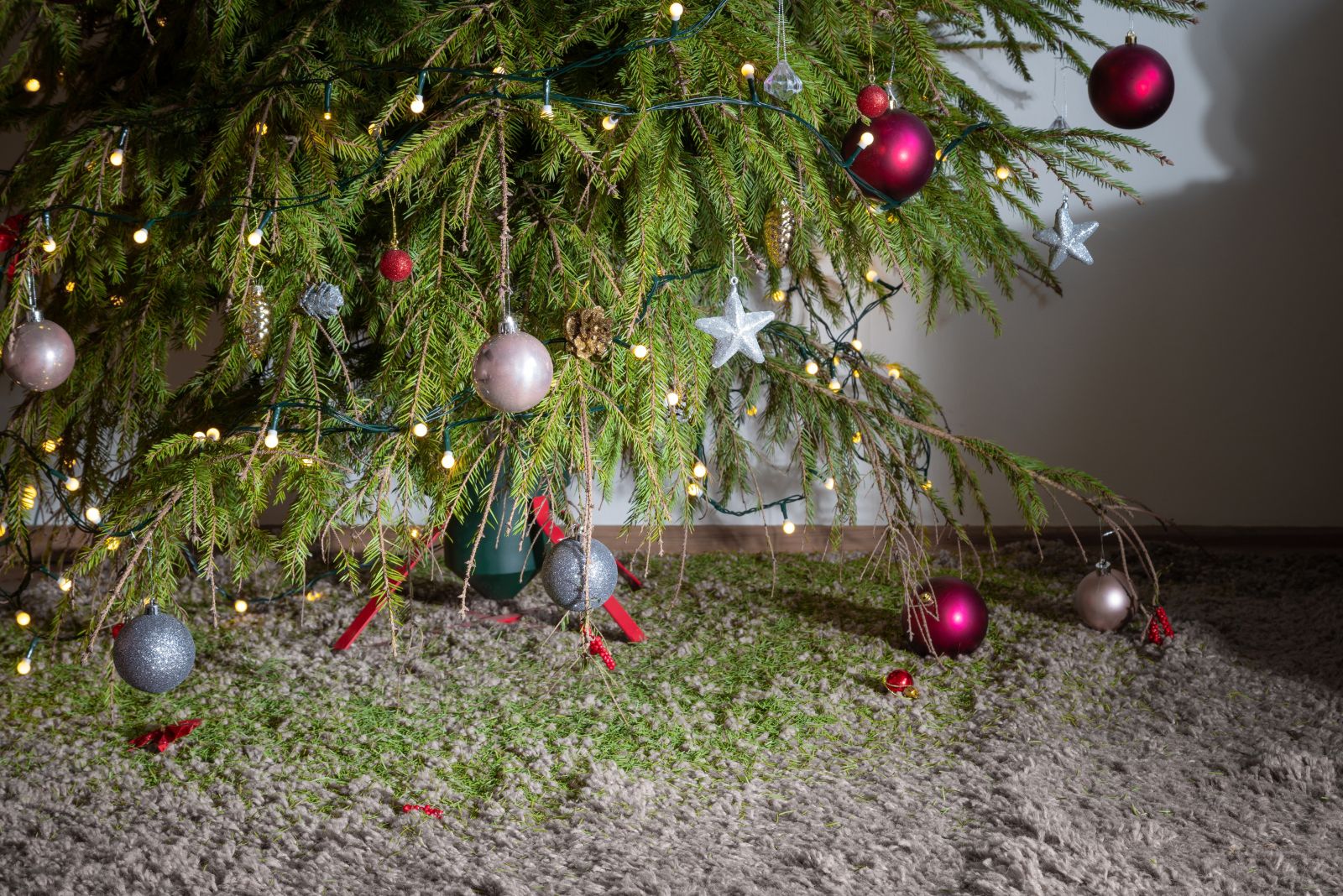
Christmas trees across Texas seem to be calling it quits early this season, leaving many homes puzzled as needles fall sooner than expected.
Experts across the state have taken a closer look, and their insights paint a picture of trees working overtime in conditions that push them to the limit.
Dry winds sweep through neighborhoods, indoor heaters hum day and night, and trees soak up water faster than owners can pour it.
A fresh tree that once held its sparkle for weeks now feels the strain, as if the holiday rush has reached the branches too.
Texans notice brittle tips, fading color, and a scent that slips away before the big day arrives.
The shift has homeowners paying closer attention, hoping to stretch every moment of holiday charm.
As experts share what they see, more families start to understand the root of the problem, turning concern into practical care as the season unfolds.
1. Extreme Drought Conditions Weakened Trees Before Harvest
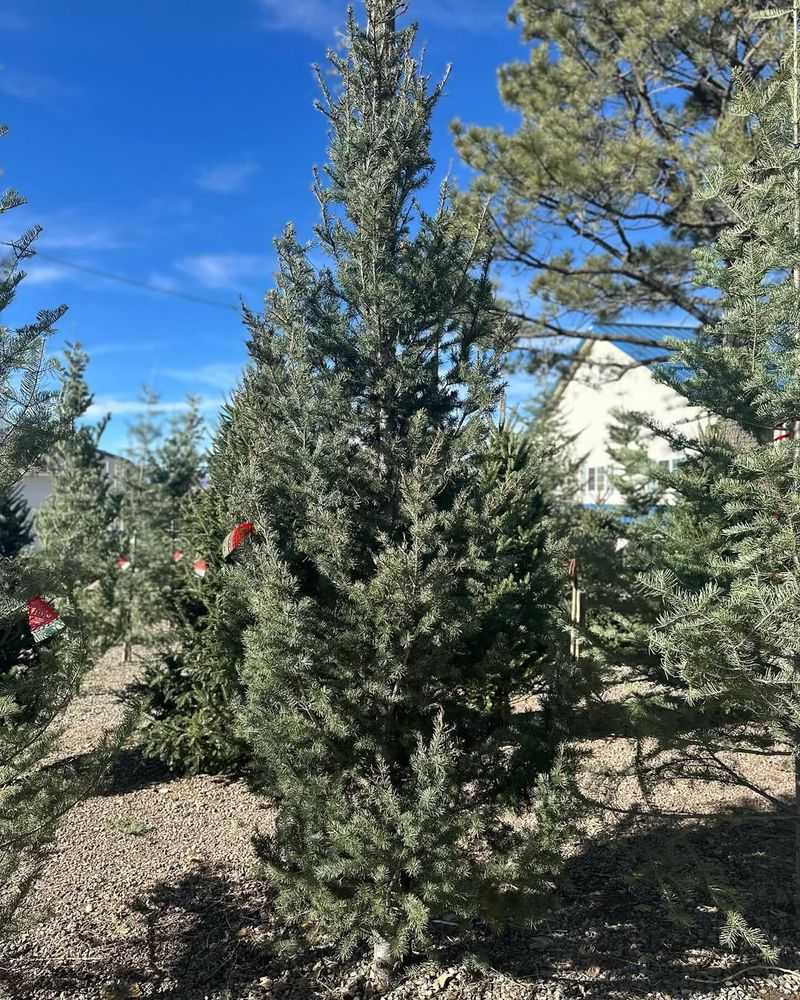
Texas experienced one of its most severe droughts in recent history throughout 2024.
Trees growing in nurseries and farms faced months of water stress before they were even cut down for the holiday season.
When trees don’t receive adequate moisture during their growing period, their internal systems become compromised and less resilient.
Agricultural specialists explain that drought-stressed trees have weakened vascular systems.
This means they can’t transport water efficiently from the trunk to the needles once they’re cut and brought indoors.
Even with proper watering after purchase, these trees struggle to stay hydrated because their natural plumbing system was damaged before harvest.
Tree farmers across the state reported lower quality crops this year due to the extended dry spell.
Many trees showed signs of stress such as discolored needles and brittle branches even before being sold.
The drought created a domino effect that continues to impact tree freshness in homes across Texas.
Choosing locally grown trees from farms that irrigated during the drought may offer better results.
However, even these trees faced challenges that make them more susceptible to rapid needle loss once indoors.
2. Record-Breaking Heat Waves Accelerated Moisture Loss
Summer and fall temperatures in Texas shattered records throughout 2024.
Many areas experienced prolonged periods above 100 degrees, and the warm weather extended well into what should have been cooler autumn months.
This unusual heat pattern affected both tree health before harvest and indoor conditions after families brought trees home.
Experts note that high temperatures cause trees to lose moisture at accelerated rates through a process called transpiration.
When indoor heating systems run in homes that still experience warm outdoor temperatures, the combination creates an especially harsh environment for cut trees.
The temperature differential causes needles to release water faster than the tree can absorb it through the trunk.
Additionally, many Texas homes have been running air conditioning longer than usual this year, which further reduces indoor humidity levels.
Climate control systems remove moisture from the air, creating desert-like conditions inside homes.
Christmas trees essentially face a double challenge of external heat and internal dryness.
Your Texas Garden Changes Every Week. Your Plan Should Too.
Gardening in Texas changes quickly throughout the season. Every Friday you’ll receive a simple weekly plan showing exactly what to plant, prune, fertilize, harvest, and protect so you never miss the right timing.
Experts recommend placing trees away from heating vents, fireplaces, and direct sunlight.
Using a humidifier near your tree can help counteract the moisture-sapping effects of climate control systems and unseasonably warm weather.
3. Lower Humidity Levels Throughout The State

Humidity levels in Texas have been significantly lower than average throughout the year.
Meteorologists recorded some of the driest air masses in decades, with relative humidity frequently dropping below 20 percent.
These arid conditions persisted through the fall and into the holiday season, creating challenging circumstances for maintaining fresh evergreens indoors.
Christmas trees naturally evolved in environments with higher moisture content in the air.
When placed in extremely dry conditions, needles lose water through their surface much faster than normal.
The tree’s root system would typically compensate for this loss, but cut trees have no way to replace moisture at the same rate it evaporates.
Environmental scientists explain that each percentage point drop in humidity increases the rate of moisture loss from tree needles.
In Texas homes this year, the combination of naturally low outdoor humidity and artificially dried indoor air creates a perfect storm for rapid tree deterioration.
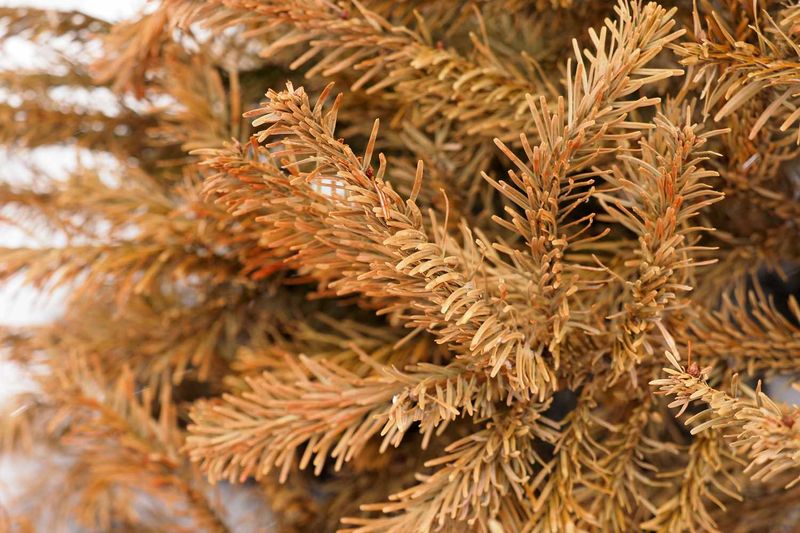
Needles become brittle and brown within days rather than weeks.
Simple solutions like placing water bowls near heating vents or using room humidifiers can make a substantial difference.
Some families have found success by misting their trees daily with a spray bottle, though this requires consistent effort throughout the season.
4. Tree Species Selection Makes A Significant Difference
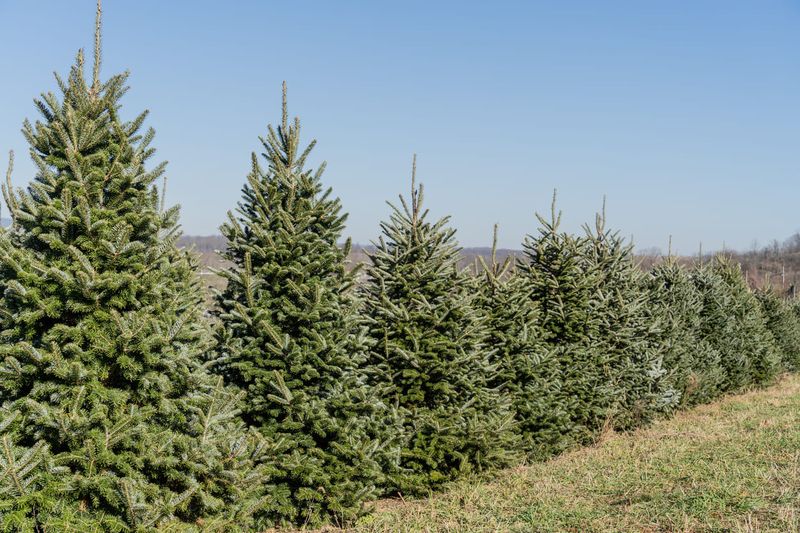
Not all evergreen species handle Texas conditions equally well.
Some varieties naturally retain moisture better than others, making them more suitable for the challenging climate conditions this year.
Unfortunately, many popular species struggle in hot, dry environments even under the best circumstances.
Fraser firs and balsam firs, while beautiful and fragrant, come from cool, moist mountain regions.
These trees evolved in climates completely opposite to Texas conditions and suffer tremendously when exposed to heat and low humidity.
Their needle structure simply wasn’t designed to conserve water in arid environments, leading to rapid browning and needle drop.
Virginia pines and eastern red cedars, on the other hand, naturally grow in drier conditions and have waxy coatings on their needles that reduce moisture loss.
These native species tend to hold their needles longer and maintain their appearance better in Texas homes.
Afghan pines also show excellent drought tolerance and heat resistance.
Horticulture specialists recommend choosing tree species based on your local climate rather than just appearance or tradition.
Asking tree lot attendants about which varieties perform best in Texas can help you select a tree that will stay fresh throughout the holidays.
Species adapted to warmer, drier conditions will always outperform moisture-dependent varieties in challenging years.
5. Delayed Rainfall Affected Tree Farm Irrigation Schedules
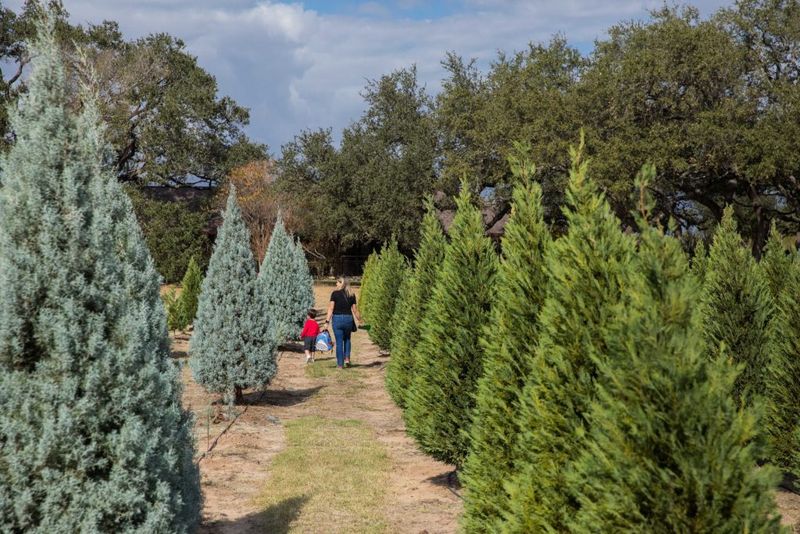
Rainfall patterns across Texas have been extremely unpredictable this year.
Many regions that typically receive autumn moisture experienced prolonged dry spells that extended into November and December.
Tree farms that depend on natural precipitation found themselves scrambling to provide adequate water to their crops during critical growing periods.
Agricultural extension agents report that many smaller tree farms lack sophisticated irrigation infrastructure.
When expected rainfall doesn’t materialize, these operations struggle to deliver sufficient water to thousands of trees.
Even farms with irrigation systems faced challenges as water restrictions were implemented in many drought-affected counties.
Trees that don’t receive consistent watering during the weeks leading up to harvest enter a state of water stress.
Their cells begin to deteriorate, and their ability to transport fluids becomes compromised.
Once cut, these trees have an extremely limited capacity to absorb water through their trunks, regardless of how diligently homeowners maintain water levels in tree stands.
Consumers can ask tree sellers about their irrigation practices and whether trees received adequate water throughout the growing season.
Farms that invested in consistent watering despite the drought will have healthier trees with better needle retention.
Supporting local farms that prioritize tree health through proper irrigation helps ensure you get a quality product.
6. Transportation And Storage Time Increased This Year
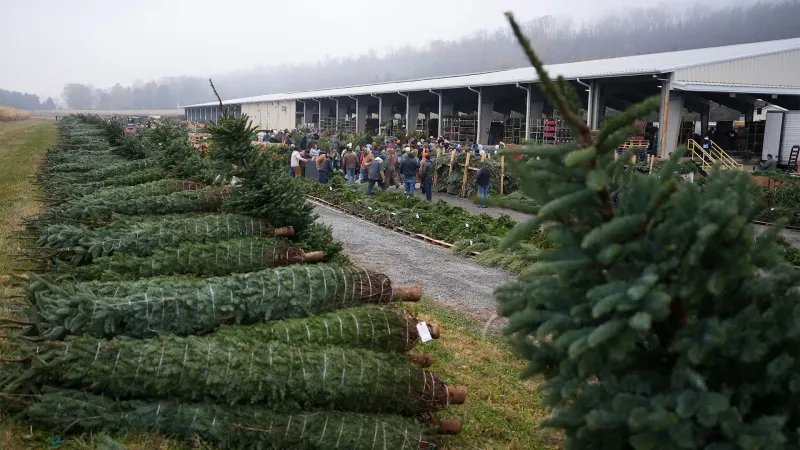
Supply chain disruptions affected the Christmas tree industry just like many other sectors this year.
Trees traveled longer distances and spent more time in transit between farms and retail locations.
Each additional day between cutting and sale reduces the tree’s freshness and shortens its lifespan in your home.
The ideal scenario involves trees being cut, transported, and sold within just a few days.
However, labor shortages and transportation delays meant many trees sat in holding yards or on trucks for extended periods.
During this time, especially in warm Texas weather, trees lose significant moisture and begin the deterioration process before consumers even purchase them.
Trees imported from other states face even longer journeys, sometimes spending over a week in transit.
While bundled and protected, they still experience stress from temperature fluctuations and lack of water.
By the time these trees reach Texas lots, they’ve already used up much of their moisture reserves.
Purchasing trees early in the season often means getting fresher inventory that hasn’t been sitting on the lot for weeks.
Asking retailers when their trees arrived and choosing recently delivered stock can make a substantial difference in longevity.
Local farms that sell directly to consumers eliminate many transportation delays entirely.
7. Improper Initial Cutting And Trunk Preparation

How a tree is initially cut and prepared significantly impacts its ability to absorb water.
When trees sit for days after the original harvest cut, the exposed wood surface begins to seal over with resin and sap.
This natural protective response prevents the tree from taking up water once placed in a stand, regardless of how full you keep the reservoir.
It’s important to make a fresh cut before setting up your tree at home.
Removing about one inch from the bottom of the trunk reopens the water-conducting cells and allows proper fluid absorption.
Many people skip this crucial step, assuming the farm or lot has already prepared the tree properly.
Additionally, the angle and cleanness of the cut matter more than most people realize.
Jagged or crushed cuts from dull saw blades damage the vascular tissue and reduce water uptake efficiency.
A clean, straight cut perpendicular to the trunk provides the maximum surface area for water absorption.
Some tree sellers don’t have the equipment or expertise to make proper cuts, leaving consumers with compromised trees.
Taking a few minutes to make a fresh cut yourself before placing the tree in water can extend its freshness by several weeks.
Keep the base of the trunk submerged at all times, as even a few hours without water can cause the cut to seal again.
8. Earlier Harvest Times Due To Weather Concerns
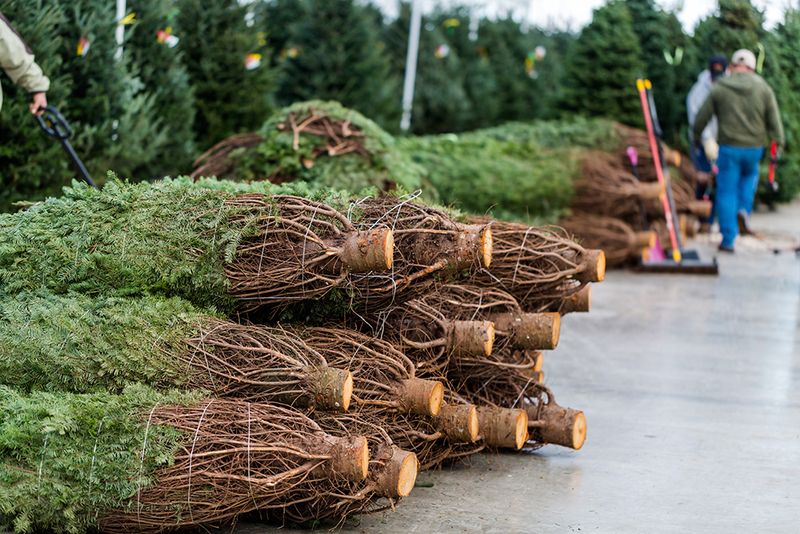
Many tree farmers made the difficult decision to harvest their crops earlier than usual this year.
Concerns about continued drought stress and potential tree loss prompted growers to cut trees before they reached optimal maturity.
While this decision protected farm investments, it resulted in trees that weren’t fully prepared for the stress of being cut and displayed indoors.
Trees harvested before reaching full maturity have less developed root systems and fewer stored nutrients.
These reserves normally help cut trees maintain their appearance for several weeks after harvest.
Younger or less mature trees lack these resources and deteriorate more quickly once separated from their root systems.
Agricultural economists note that farmers faced difficult choices between risking total crop loss and harvesting slightly premature trees.
Given the extreme conditions, early harvest was often the only financially viable option.
However, consumers ultimately deal with the consequences through shorter tree lifespans and more rapid needle loss.
Understanding this context helps explain why even properly cared-for trees may not last as long as expected this year.
The situation reflects broader climate challenges affecting agriculture across Texas.
Being aware of these factors helps set realistic expectations and encourages extra diligent care to maximize the time you can enjoy your tree.