Are You Allowed To Cut Back Overhanging Oak Branches In Florida Without Permission
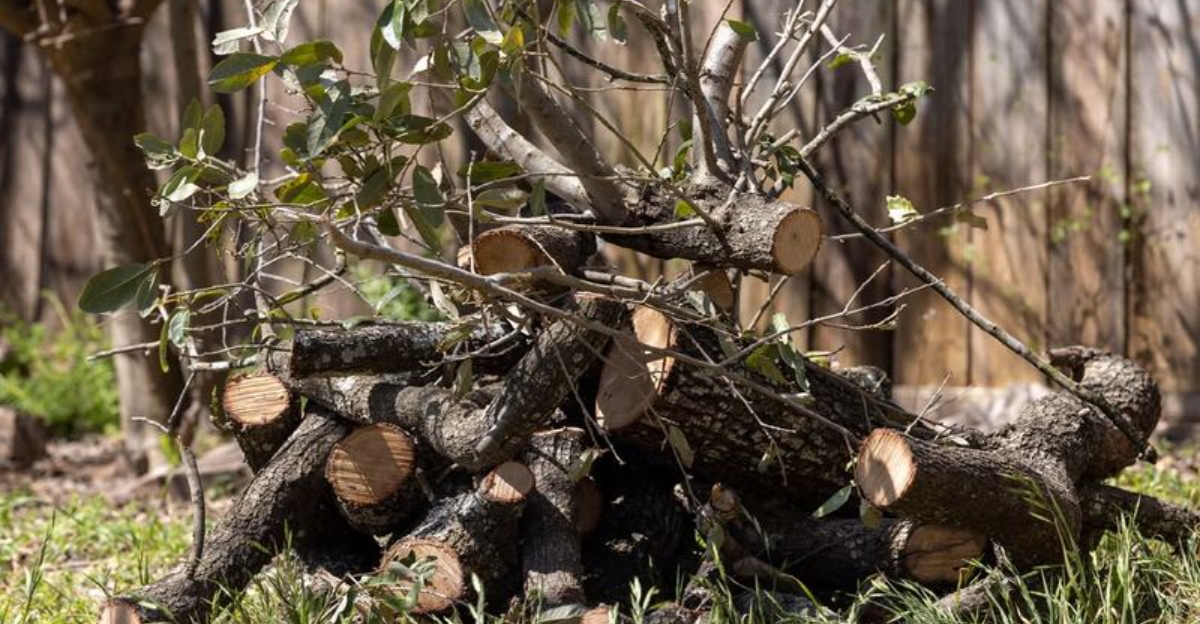
When tree branches from your neighbor’s oak tree start hanging over your fence, you might wonder if you can just grab the pruning shears and trim them yourself.
Florida law has specific rules about what you can and cannot do with overhanging branches, and oak trees come with their own special considerations.
Understanding your rights as a property owner can help you avoid legal trouble while keeping your yard safe and tidy.
Before you make any cuts, knowing these important facts will save you from potential disputes and fines.
Florida’s Self-Help Law Gives You Trimming Rights
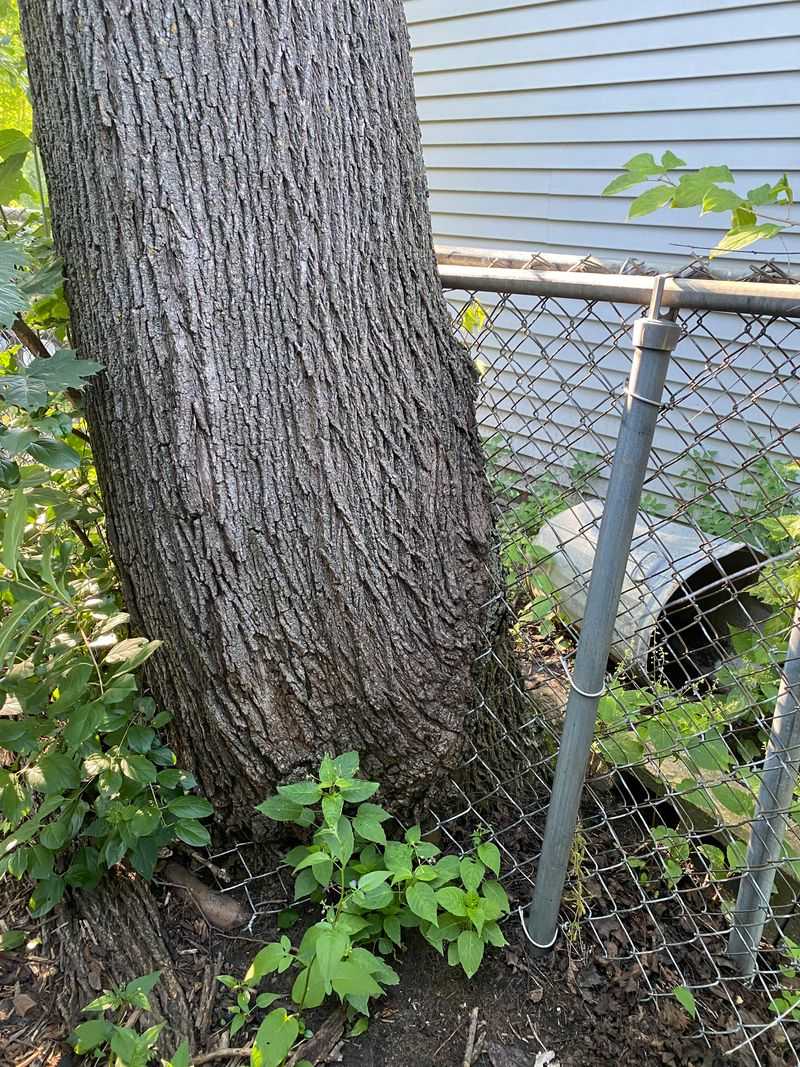
Property owners in Florida actually have the legal right to trim branches that cross over their property line without asking the neighbor first.
This principle is known as the self-help doctrine, and it applies to oak branches just like any other tree species.
You can cut back the overhanging portions up to the property boundary line.
However, there’s an important catch to remember here.
You must be careful not to damage or destroy the tree itself during your trimming work.
If your cutting causes the tree to wither or become unhealthy, you could be held responsible for the tree’s value.
Oak trees in Florida can be worth thousands of dollars, so damaging one could lead to expensive lawsuits.
The law protects your right to manage your own property while also protecting your neighbor’s valuable trees.
Always trim responsibly and consider hiring a professional arborist if you’re unsure about proper cutting techniques.
Documentation with photos before and after trimming can protect you if disputes arise later.
Remember that your rights end exactly at the property line.
You Cannot Trespass To Trim The Branches
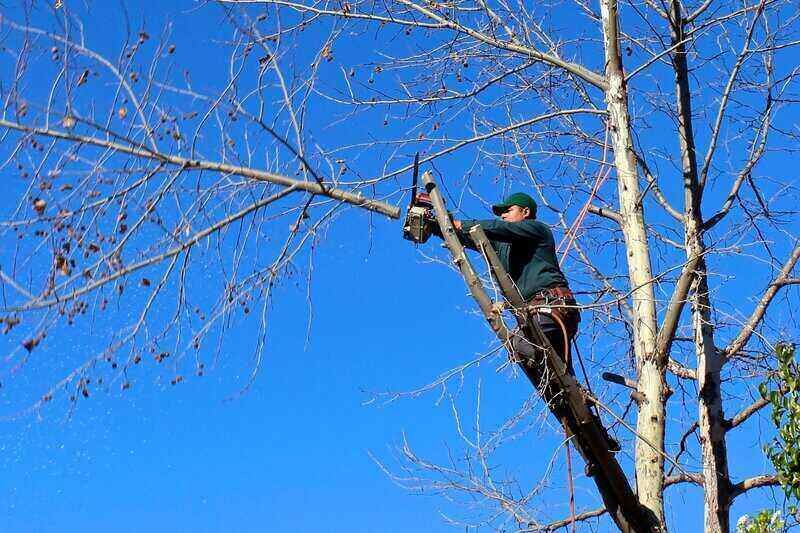
Even though you have the right to cut overhanging branches, you absolutely cannot step onto your neighbor’s property to do it.
Trespassing laws in Florida are strict, and entering someone else’s land without permission is illegal.
This means you can only trim what you can reach from your own side of the fence or property line.
Sometimes this makes the job more difficult or even impossible without special equipment.
If you need to access your neighbor’s yard to properly trim the branches, you must ask for permission first.
Getting written permission is even better because it protects both parties if something goes wrong.
Many neighbors will agree to let you on their property if you explain the situation politely and offer to clean up afterward.
Should they refuse, you’ll need to work within your boundaries or hire professionals with specialized equipment like bucket trucks.
Never assume it’s okay to cross the property line, even for a few minutes.
Trespassing could result in criminal charges or civil lawsuits that far outweigh the cost of hiring help.
Oak Wilt Disease Creates Special Trimming Restrictions
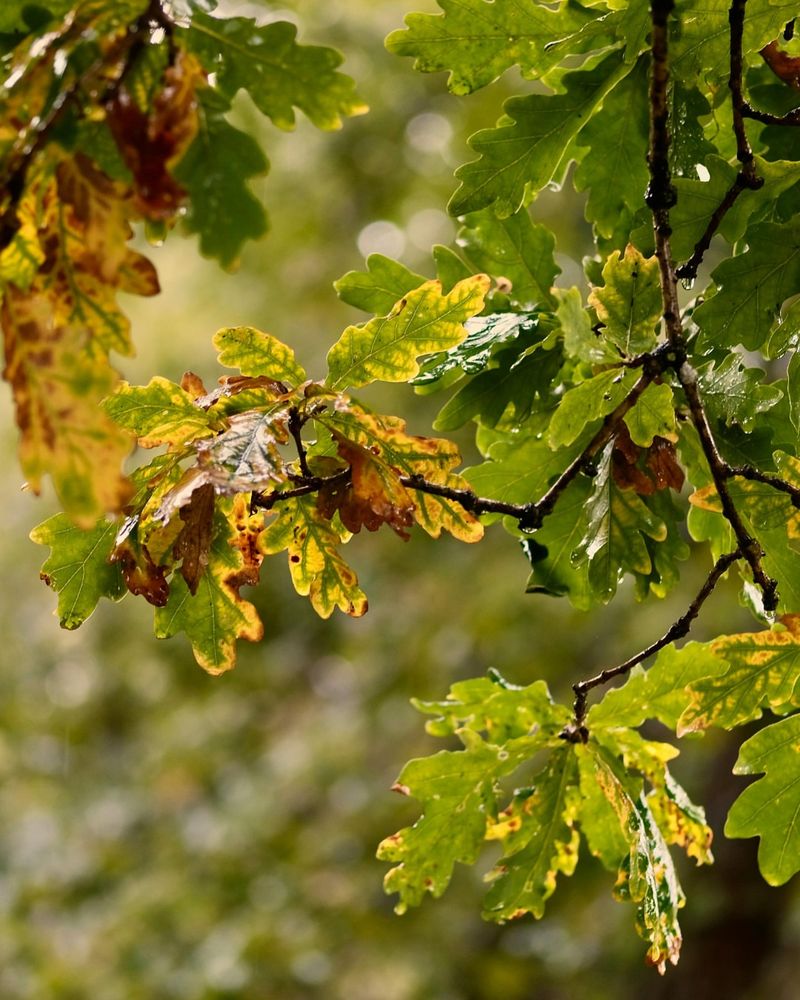
Oak trees face a serious threat from a disease called oak wilt, which spreads rapidly and destroys trees quickly.
Florida has specific timing restrictions about when you can prune oak trees to prevent spreading this fatal disease.
Your Florida Garden Changes Every Week. Your Plan Should Too.
Gardening in Florida changes quickly throughout the season. Every Friday you’ll receive a simple weekly plan showing exactly what to plant, prune, fertilize, harvest, and protect so you never miss the right timing.
The dangerous period runs from February through June when beetles that carry the disease are most active.
During these months, fresh cuts on oak trees release a scent that attracts these beetles, potentially infecting healthy trees.
Many Florida counties strongly discourage or even prohibit oak trimming during this vulnerable window.
If you absolutely must trim during this time, you should immediately seal the cuts with wound dressing or paint.
Waiting until July through January is much safer for the tree’s health and reduces disease risk significantly.
Ignoring these guidelines could accidentally destroy your neighbor’s valuable oak tree, making you liable for damages.
Local ordinances may have additional rules, so checking with your county extension office is smart.
Professional arborists understand these timing restrictions and can advise you on the safest approach for your situation.
You’re Responsible For Proper Disposal Of Cut Branches
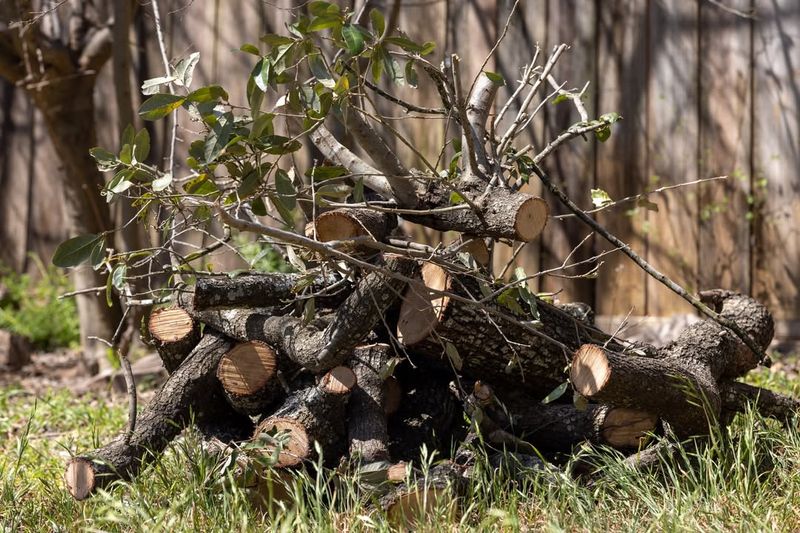
After you trim those overhanging oak branches, the responsibility for disposing of them falls entirely on you.
Florida law considers the cut branches to be your property once they’re removed, even though they came from your neighbor’s tree.
You cannot simply toss them back over the fence onto your neighbor’s yard.
Doing so could be considered illegal dumping or littering, which carries fines and penalties.
Most Florida municipalities have specific rules about yard waste disposal that you’ll need to follow.
Some areas offer curbside pickup for branches if they’re cut to certain lengths and bundled properly.
Others require you to take yard waste to designated collection sites or hire private removal services.
Oak branches can be quite heavy and bulky, so plan ahead for how you’ll handle the debris.
Renting a chipper or dumpster might be necessary for large trimming jobs.
Some people choose to use the wood for firewood or mulch, which is an environmentally friendly option.
Never burn the branches without checking local burn ordinances, as many Florida areas prohibit open burning entirely.
Local Tree Ordinances May Add Extra Requirements

Beyond state law, your city or county might have additional regulations about trimming trees, especially protected species like certain oaks.
Many Florida communities have tree protection ordinances that require permits before cutting or trimming specific trees.
Live oaks, in particular, are often protected because of their ecological and historical significance in Florida.
Some ordinances protect any oak tree above a certain trunk diameter, regardless of who owns it.
You might need to get approval from your local code enforcement office before trimming, even on your own property line.
Failing to obtain required permits can result in hefty fines, sometimes thousands of dollars per violation.
Homeowners associations add another layer of rules that might restrict tree trimming activities.
Your HOA might require written approval or have specific guidelines about tree maintenance.
Checking with your city, county, and HOA before starting any trimming project is essential.
These regulations exist to preserve Florida’s tree canopy and maintain neighborhood aesthetics.
A quick phone call to your local government can clarify what’s allowed in your specific area.
Hiring A Certified Arborist Protects Everyone
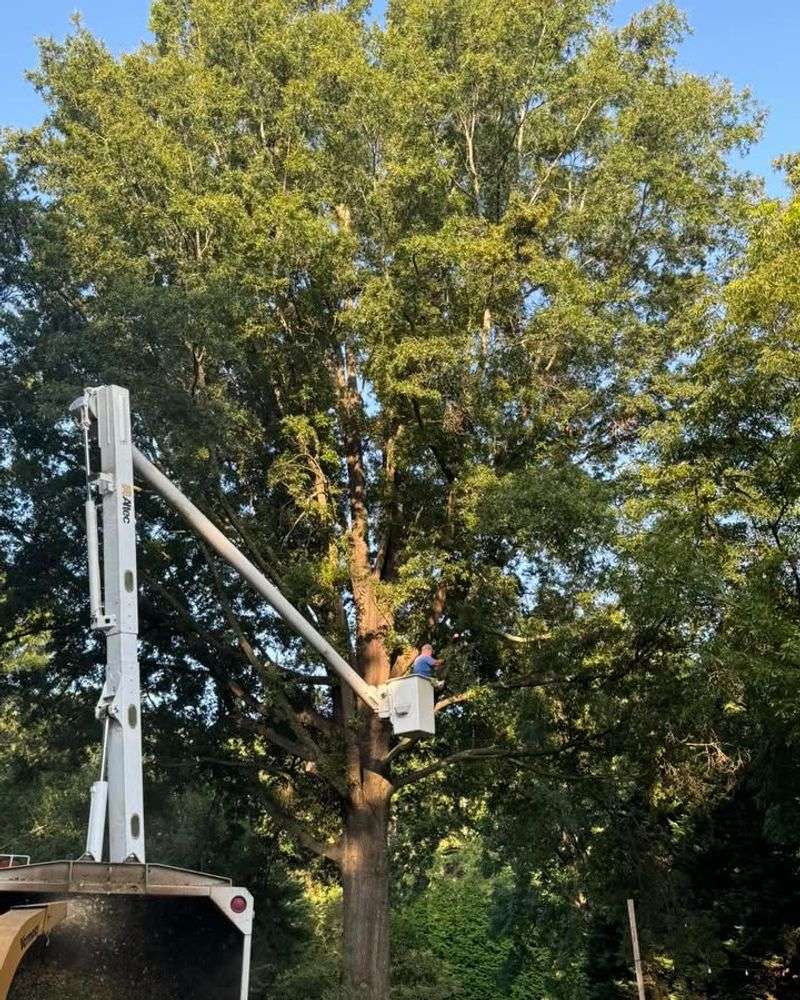
Professional arborists bring expertise that prevents costly mistakes when dealing with overhanging oak branches.
Certified arborists understand proper pruning techniques that keep trees healthy while achieving your goals.
They know exactly where to make cuts to minimize stress on the tree and promote proper healing.
Poor trimming by untrained people often leads to disease, decay, or structural problems that harm the tree.
Arborists also carry liability insurance that protects you if something goes wrong during the trimming process.
If a branch falls and damages property or injures someone, their insurance covers the costs.
When you do the work yourself, you’re personally liable for any damage or injuries that occur.
Professional tree services have the right equipment to safely trim branches that are high up or difficult to reach.
They can access branches from your side of the property line without trespassing on your neighbor’s land.
The cost of hiring an arborist is often less than the potential legal fees from damaging a valuable tree.
Getting multiple quotes helps you find affordable professional help for your trimming needs.
Communication With Your Neighbor Prevents Disputes
Talking to your neighbor before trimming overhanging branches can save you from unnecessary conflicts and hard feelings.
Even though Florida law gives you the right to trim without permission, being courteous builds better relationships.
Your neighbor might actually appreciate you taking care of the problem and offer to help with costs.
Some neighbors prefer to handle the trimming themselves to ensure their tree is cared for properly.
Having a friendly conversation allows you to coordinate timing and methods that work for both parties.
You can discuss concerns about the tree’s health and agree on the best approach together.
Written agreements about trimming plans protect both of you if disagreements arise later.
Document your conversation with a simple email or text message confirming what you discussed.
If your neighbor becomes hostile or unreasonable, you still have your legal rights to fall back on.
Most disputes about trees happen because of poor communication rather than actual legal violations.
Taking the time to talk things through shows respect and often leads to cooperative solutions that benefit everyone involved.
Document Everything Before And After Trimming
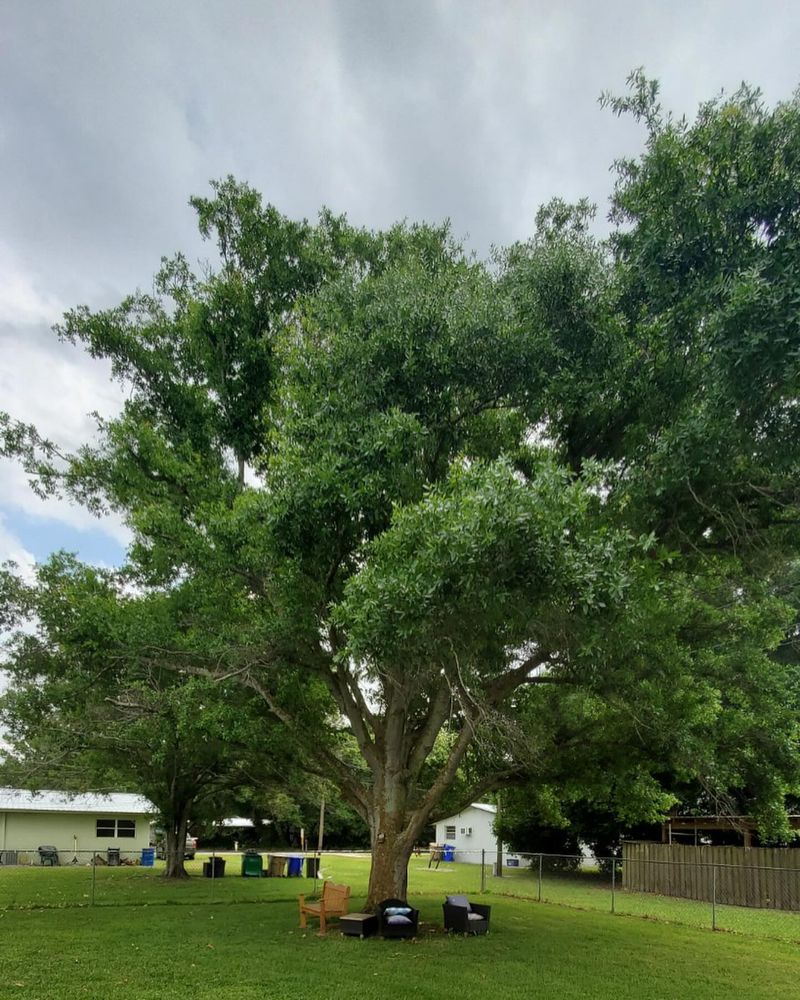
Taking photographs and keeping records provides crucial evidence if disputes or legal issues develop later.
Before you start trimming, photograph the overhanging branches from multiple angles showing how they cross your property line.
Include pictures of the entire tree to document its overall health and condition before your work begins.
Time-stamped photos from your phone automatically record when the pictures were taken, which helps establish timelines.
After trimming, take more photos showing the cuts you made and the tree’s condition.
Save all receipts if you hire professionals, including their business cards and proof of insurance.
Keep copies of any communication with your neighbor, whether emails, texts, or written notes.
If you obtained permits from your city or county, file those documents safely with your property records.
This documentation protects you if your neighbor later claims you damaged their tree or trespassed on their property.
Courts and insurance companies rely heavily on photographic evidence when resolving property disputes.
Spending a few minutes taking pictures now could save you thousands of dollars in legal fees down the road.