Texas Residents Are Transforming Their Yards With This Pollinator Garden Trend
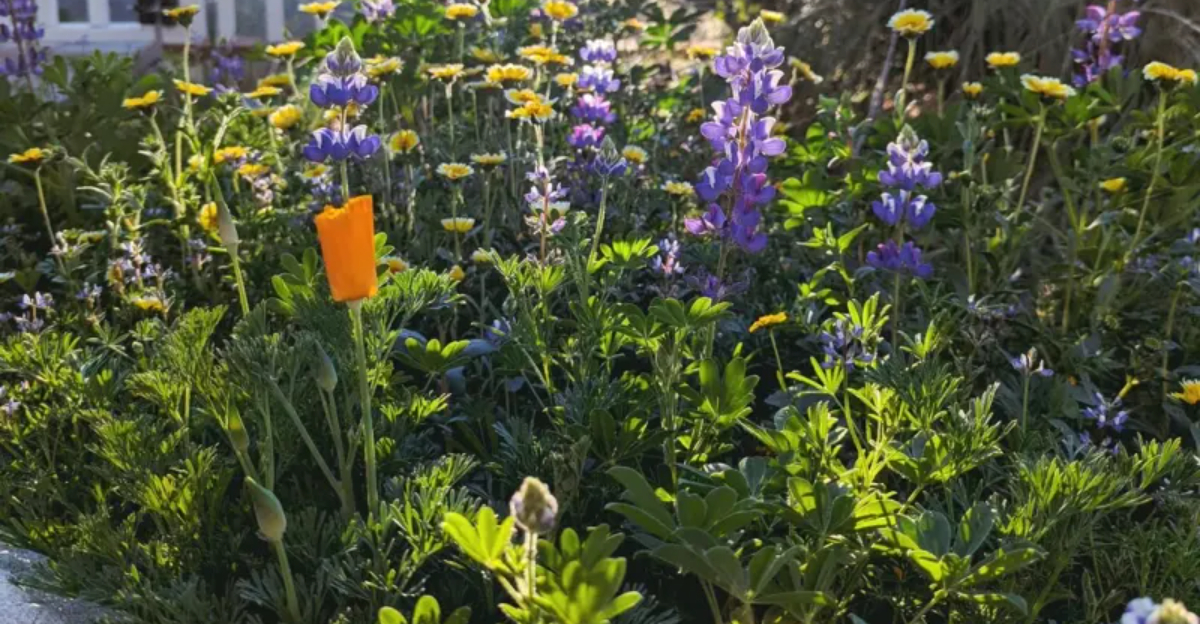
Texas gardeners keep buzzing about one thing lately, and it’s not the heat or the watering bills.
Everyone is suddenly planting Native Wildflower Pocket Gardens, and the excitement feels contagious in the best possible way.
I caught myself scrolling through neighborhood photos the other night and grinning at all the tiny pollinator patches popping up next to mailboxes and porch steps.
It’s wild how a small burst of color can make a whole yard feel alive again.
1. Water Bills Drop Dramatically
Native wildflowers evolved over thousands of years to survive Texas weather without constant watering.
Once established, these tough plants need minimal irrigation compared to traditional grass lawns that demand gallons daily.
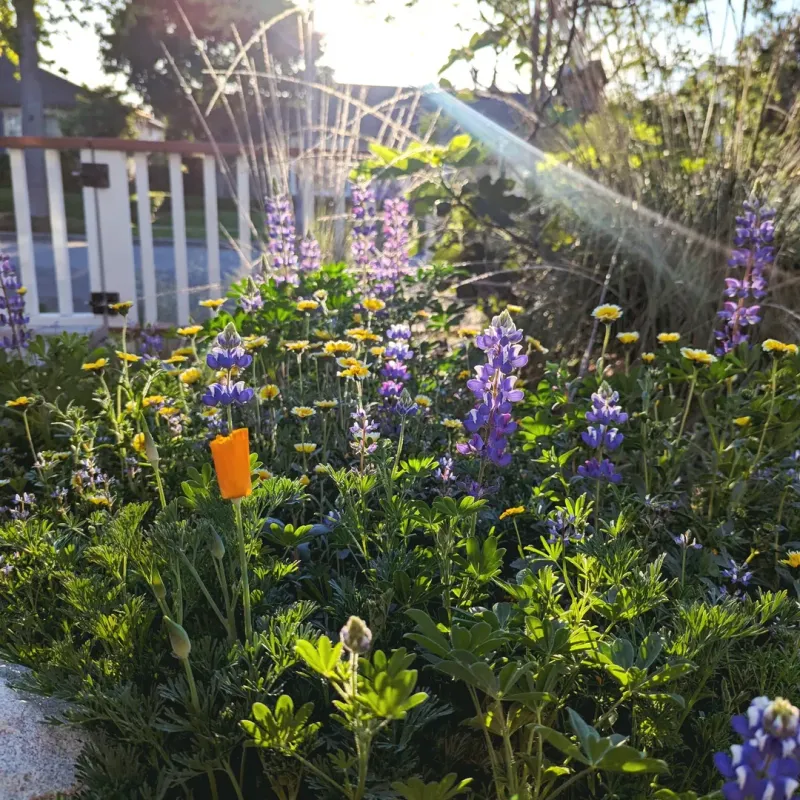
Bluebonnets, Indian paintbrush, and black-eyed Susans naturally adapt to seasonal rainfall patterns across the Lone Star State.
Your monthly water bill shrinks because these flowers develop deep root systems that reach underground moisture.
During summer droughts, native plants enter dormancy rather than requiring emergency watering to stay alive.
Texas homeowners report saving hundreds of dollars yearly by replacing thirsty grass with wildflower pockets.
Communities facing water restrictions find native gardens offer beautiful alternatives that comply with conservation rules.
Switching to wildflowers means less time dragging hoses around and more time enjoying your colorful yard.
Local water districts often provide rebates for homeowners who install native plant gardens.
Even small pocket gardens make measurable differences in household water consumption over time.
2. Butterflies and Bees Arrive in Abundance
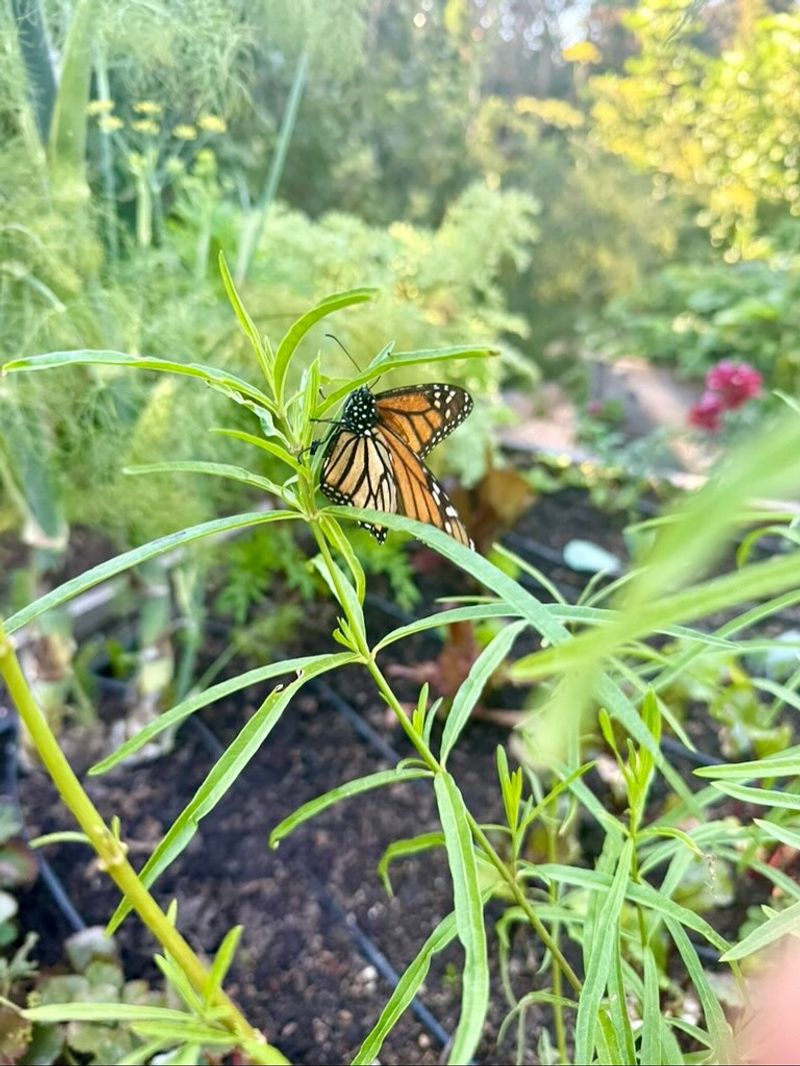
Pollinators struggle to find food sources in neighborhoods filled with non-native plants and manicured lawns.
Native wildflowers provide exactly what Texas butterflies and bees evolved to eat for millions of years.
Monarch butterflies specifically seek milkweed plants during their incredible migration journey through the state each spring and fall.
Planting coneflowers, salvias, and sunflowers creates feeding stations that support declining pollinator populations.
Children love watching colorful butterflies dance from bloom to bloom right outside their windows.
Bee populations benefit enormously because native flowers produce pollen and nectar at times when bees need them most.
Texas gardeners notice hummingbirds also visit wildflower pockets, especially those with tubular red blooms.
Creating pollinator habitat helps entire ecosystems function properly, from fruit production to healthy plant reproduction.
Your small garden becomes part of a larger wildlife corridor connecting green spaces across urban areas.
Watching nature unfold in your yard provides educational opportunities for families throughout the growing season.
3. Maintenance Takes Minutes Instead of Hours
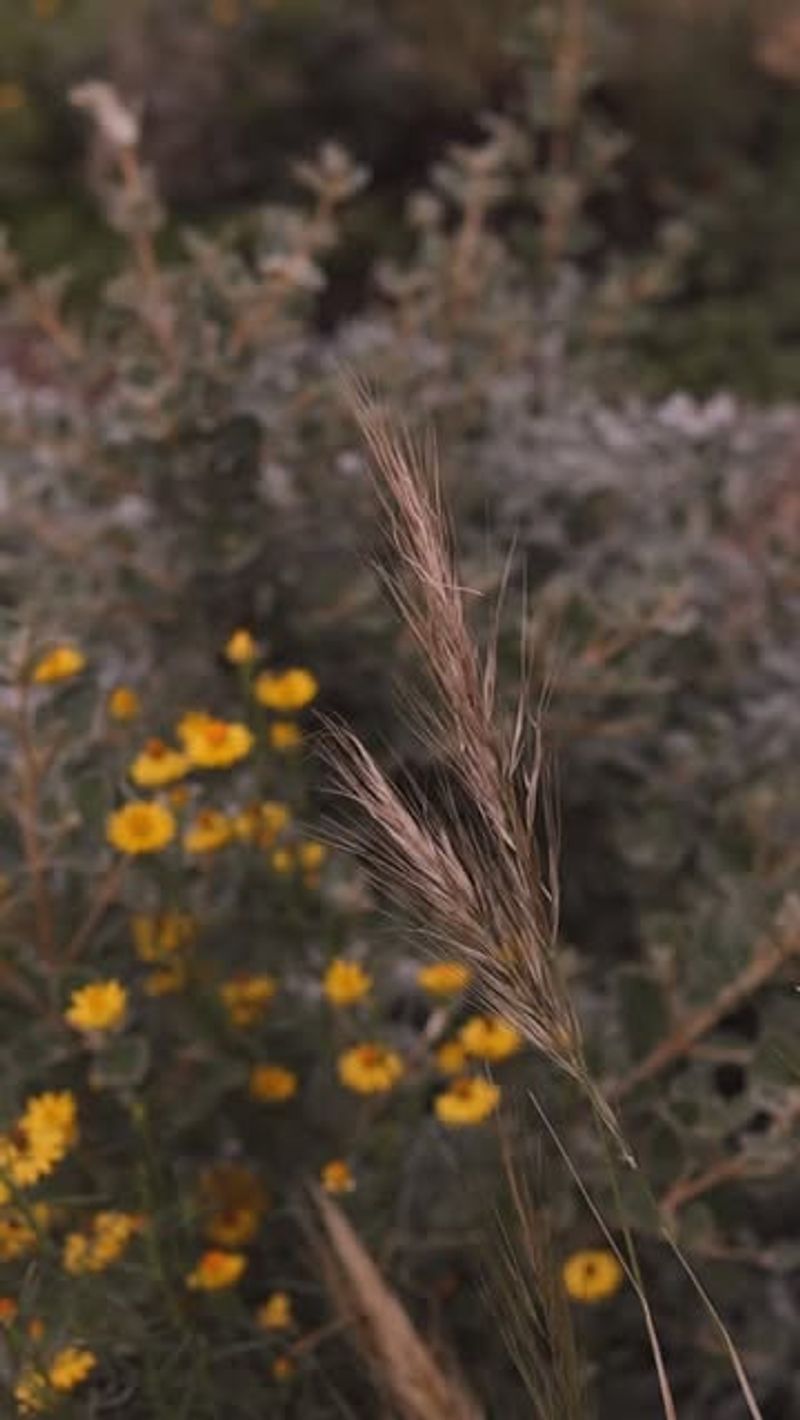
Traditional lawns demand weekly mowing, edging, fertilizing, and constant attention to look presentable throughout the year.
Native wildflower gardens practically care for themselves once roots establish during the first growing season.
Texas residents appreciate spending weekends relaxing rather than pushing mowers in scorching heat.
Wildflowers naturally reseed themselves, creating new blooms year after year without replanting efforts.
No chemical fertilizers are needed because native plants thrive in existing soil conditions found throughout the state.
Occasional weeding keeps gardens tidy, but native flowers quickly outcompete most unwanted plants once established.
Deadheading spent blooms extends flowering periods, though many gardeners leave seedheads for birds to enjoy.
Your Texas Garden Changes Every Week. Your Plan Should Too.
Gardening in Texas changes quickly throughout the season. Every Friday you’ll receive a simple weekly plan showing exactly what to plant, prune, fertilize, harvest, and protect so you never miss the right timing.
Older adults and busy families especially value landscapes that deliver beauty without demanding constant physical labor.
Pocket gardens fit easily into small spaces like corner yards, mailbox areas, or strips along driveways.
Reducing yard work means more time for hobbies, family activities, and simply enjoying outdoor spaces.
4. Soil Health Improves Naturally
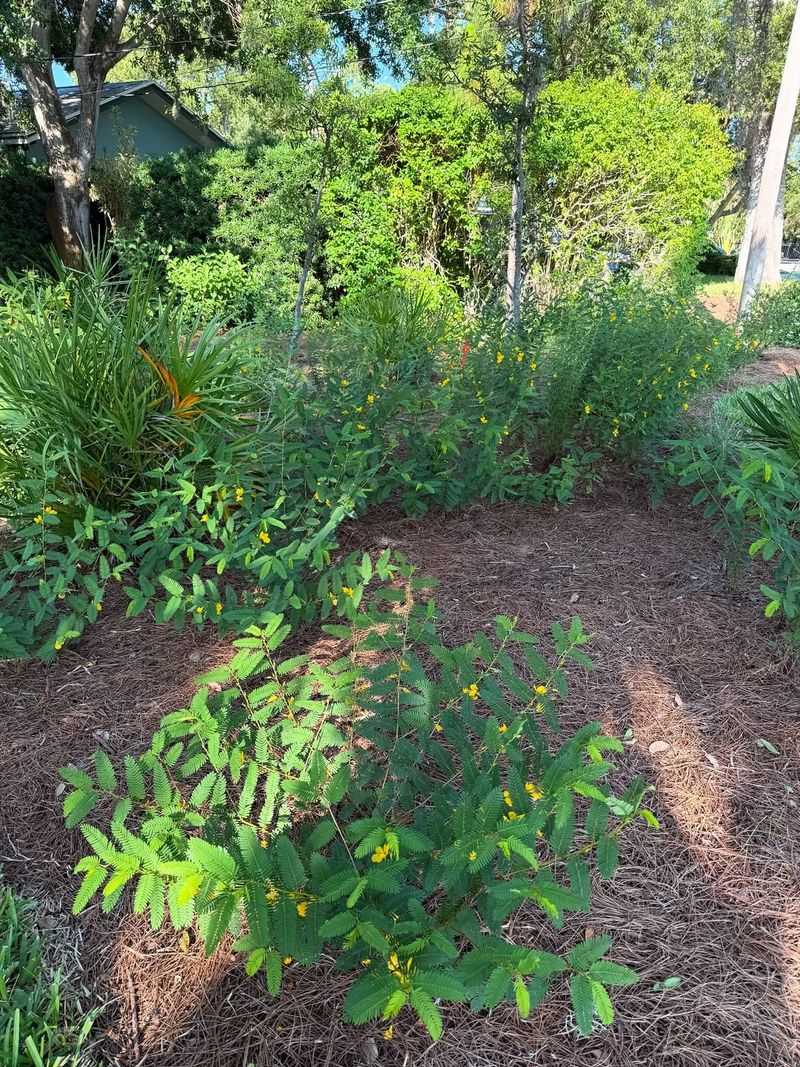
Grass lawns create shallow root systems that barely penetrate the surface, leaving soil compacted and lifeless over time.
Native wildflowers send roots several feet deep, breaking up hard clay and creating channels for air and water.
These deep roots bring nutrients from lower soil layers up to the surface where other organisms can use them.
Texas soils benefit from increased organic matter as wildflower leaves and stems decompose each season.
Earthworms and beneficial microorganisms multiply in gardens with diverse native plants, creating rich, crumbly earth.
Improved soil structure means better drainage during heavy rains and increased water retention during dry spells.
Chemical fertilizers become unnecessary because healthy soil naturally provides everything plants need to flourish.
Root systems from different wildflower species work together, creating underground networks that stabilize soil.
Erosion problems decrease significantly where native plants hold soil in place with their extensive root systems.
Healthier soil supports stronger plants that better resist pests and weather extremes common across the state.
5. Neighborhood Property Values Rise
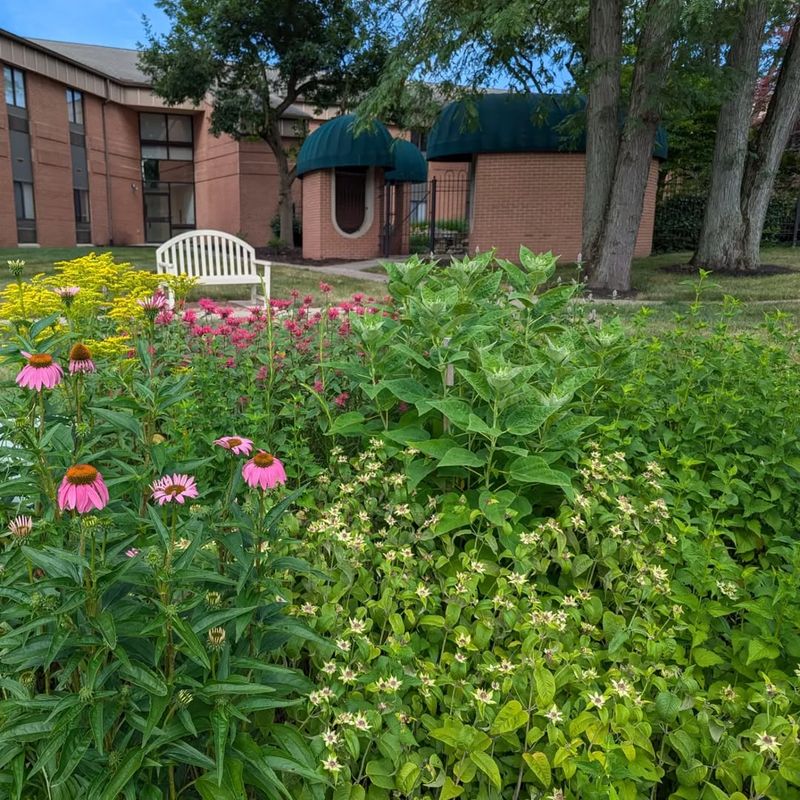
Curb appeal matters tremendously when potential buyers evaluate homes, and unique landscaping creates memorable first impressions.
Native wildflower gardens stand out from monotonous grass lawns, showcasing homeowner creativity and environmental awareness.
Real estate agents across Texas report that well-designed native landscapes attract buyers seeking low-maintenance outdoor spaces.
Colorful seasonal blooms provide visual interest that changes throughout the year, keeping properties looking fresh and inviting.
Buyers increasingly value sustainable features that reduce ongoing costs like water bills and landscape maintenance expenses.
Pocket gardens demonstrate thoughtful land use, especially in urban areas where every square foot counts.
Neighborhoods with multiple native gardens create a cohesive, attractive community aesthetic that benefits all residents.
Appraisers recognize quality landscaping as a tangible asset that adds monetary value to property assessments.
Texas homeowners investing in native gardens often recoup costs through increased home values when selling.
Beautiful wildflower displays become conversation starters that help homes stand out in competitive real estate markets.
6. Seasonal Color Changes Keep Yards Interesting
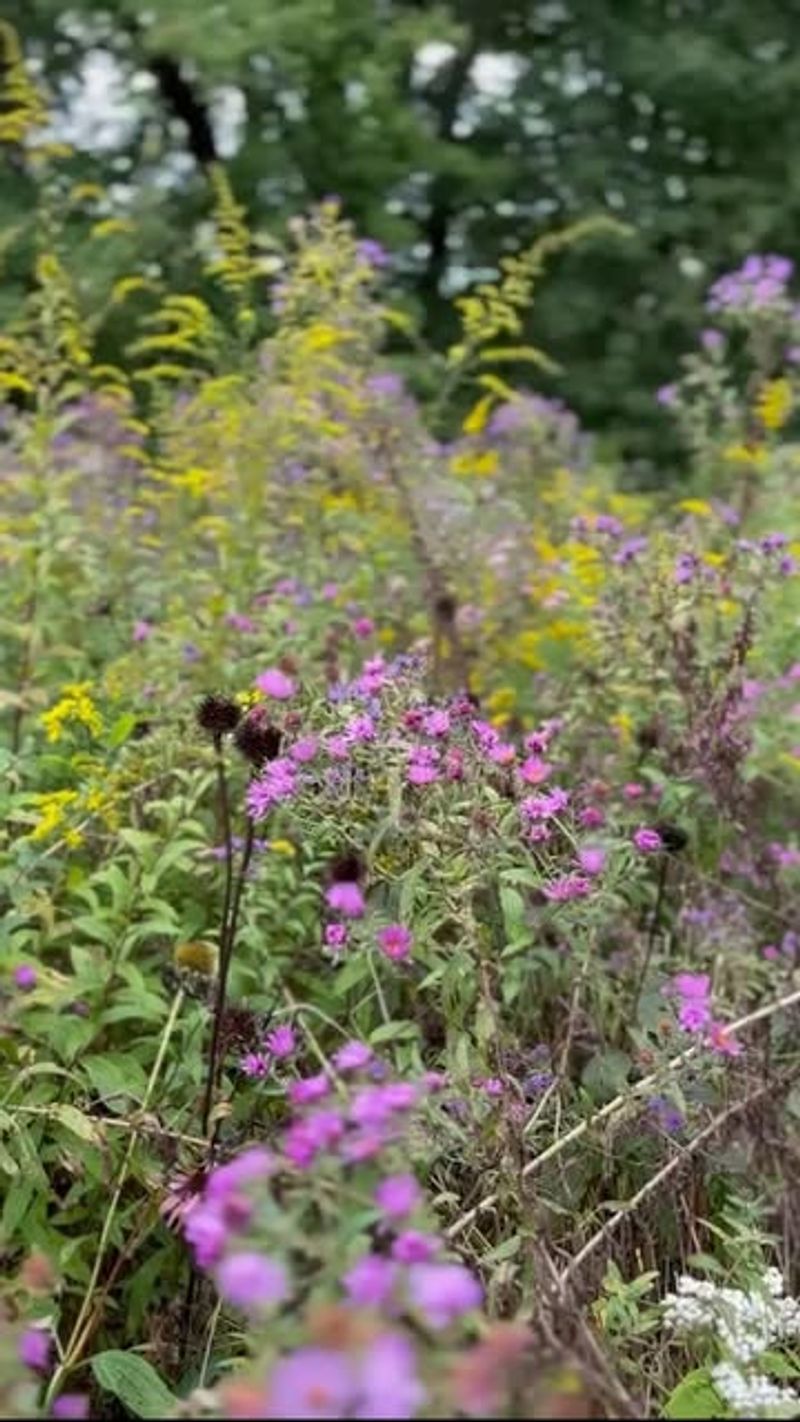
Grass lawns look essentially identical whether it’s March or October, offering little visual variety throughout the year.
Native wildflower gardens transform dramatically as different species bloom during their preferred seasons.
Spring brings iconic bluebonnets and Indian paintbrush that blanket Texas roadsides and yards in brilliant color.
Summer heat welcomes sunflowers, coneflowers, and black-eyed Susans that thrive when other plants struggle.
Fall introduces asters and goldenrods that provide late-season nectar for migrating butterflies passing through the state.
Even winter offers ornamental seedheads and evergreen foliage that add texture and interest to dormant landscapes.
Texas gardeners enjoy anticipating which flowers will appear next, creating year-round engagement with outdoor spaces.
Seasonal changes provide natural decorations that require no artificial additions or holiday-specific planting efforts.
Photographing garden transformations becomes a rewarding hobby as blooms shift from month to month.
Neighbors often stop to admire and ask questions about the ever-changing display of native beauty.
7. Chemical Use Becomes Unnecessary
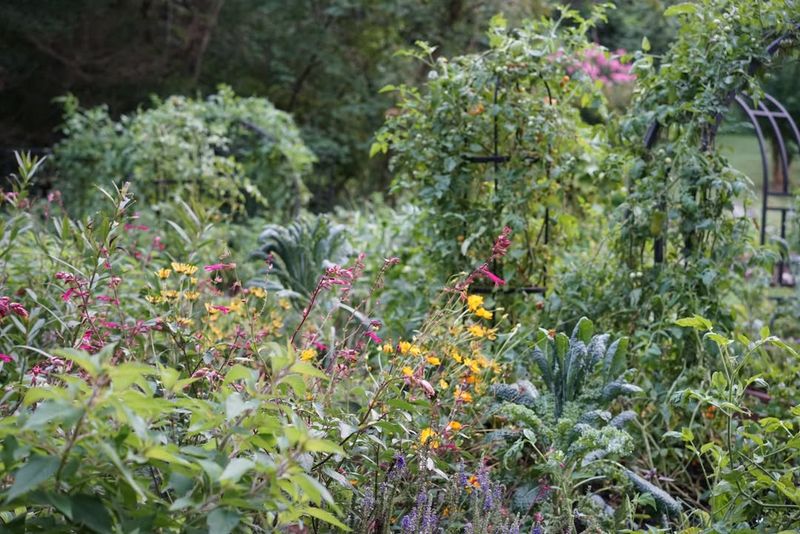
Traditional lawns often require multiple chemical applications yearly to control weeds, pests, and diseases that plague non-native grasses.
Native wildflowers evolved alongside local insects and diseases, developing natural resistance that eliminates chemical dependency.
Texas families with children and pets appreciate yards free from toxic substances that pose health risks.
Beneficial insects that control pest populations thrive in diverse wildflower gardens, creating natural balance without human intervention.
Groundwater stays cleaner when neighborhoods reduce chemical runoff from lawns into storm drains and local waterways.
Native plants attract birds that eat harmful insects, providing free pest control while adding wildlife entertainment.
Eliminating chemicals saves money while protecting the environment for future generations of Texans.
Organic gardening practices align with growing consumer awareness about environmental health and sustainability.
Children can safely explore wildflower gardens, learning about nature without exposure to dangerous lawn chemicals.
Communities benefit when collective chemical reduction improves air quality and reduces pollution in shared spaces.
8. Educational Opportunities Flourish
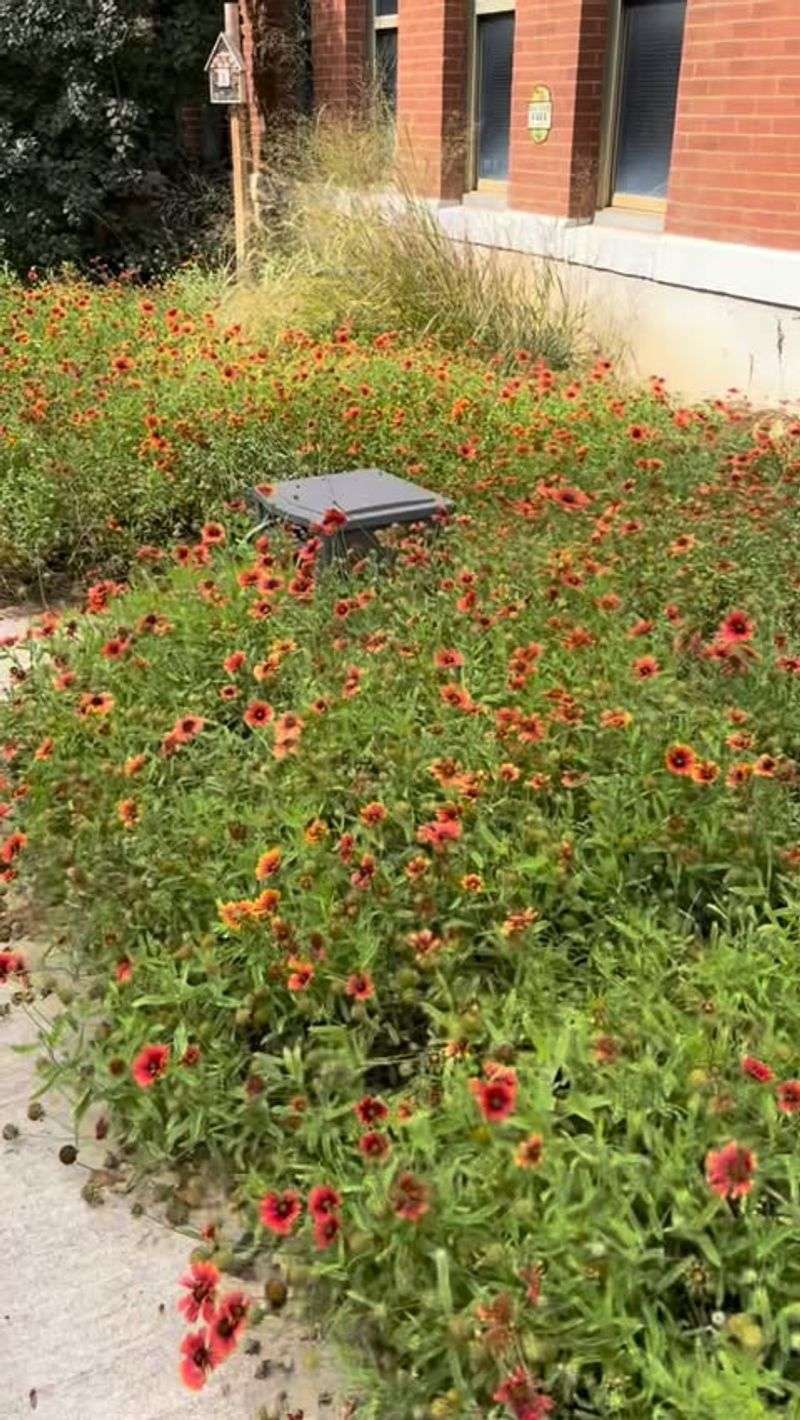
Pocket gardens become living classrooms where children observe plant life cycles, insect behavior, and seasonal changes firsthand.
Texas students learn to identify state flowers like bluebonnets while developing appreciation for local ecosystems.
Parents use garden time to teach responsibility as children help water, weed, and monitor plant growth.
Science concepts like pollination, adaptation, and food chains become concrete rather than abstract textbook ideas.
Homeschool families across the state incorporate native gardens into biology, ecology, and environmental science curricula.
Photography opportunities abound as families document butterflies, blooms, and seasonal transformations throughout the year.
Community gardens featuring native plants bring neighbors together for workshops and knowledge-sharing events.
Older generations pass down traditional knowledge about which wildflowers their grandparents grew in Texas.
Children who connect with nature through gardening often develop lifelong environmental stewardship values.
Schools increasingly install native gardens as outdoor learning spaces that support multiple subjects and grade levels.
9. Climate Resilience Strengthens
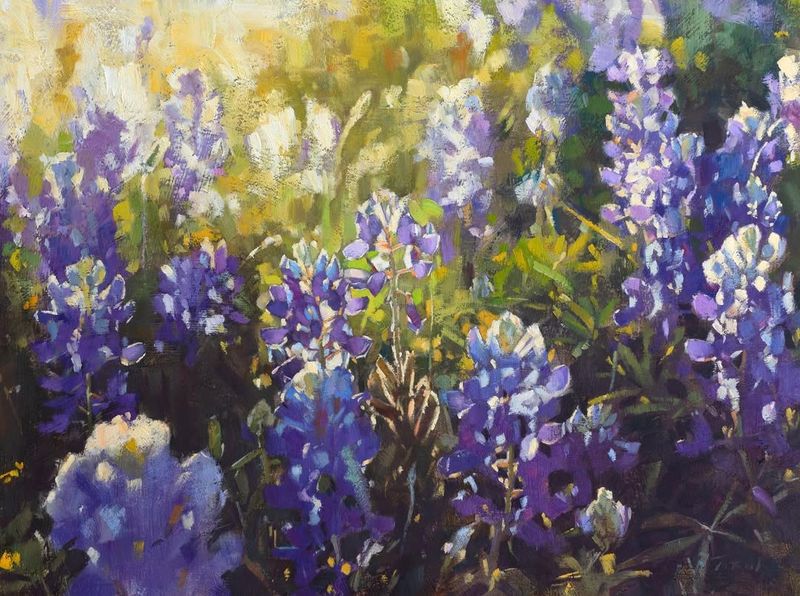
Extreme weather events including droughts, floods, and temperature swings are becoming more common across Texas.
Native wildflowers survived ice ages and centuries of climate variability, making them exceptionally adaptable to changing conditions.
Deep root systems allow native plants to access water during extended dry periods without irrigation.
During heavy rains, established wildflower gardens absorb water better than compacted lawns, reducing flooding risks.
Texas homeowners gain peace of mind knowing their landscapes can withstand unpredictable weather patterns.
Native plants bounce back quickly after storms, freezes, or heat waves that devastate non-native species.
Biodiversity in wildflower gardens creates resilience, as different species thrive under varying conditions.
Communities planting native gardens collectively increase urban green space that moderates local temperatures.
Sustainable landscaping reduces dependence on resources that become scarce during climate-related emergencies.
Future-proofing yards with native plants ensures beautiful outdoor spaces remain viable for decades to come.