Can You Legally Cut A Neighbors Tree Roots Growing Into Your Texas Garden

A Texas garden tells stories—rich soil, stubborn weeds, and sometimes a neighbor’s tree that acts like an uninvited guest.
One day you spot roots sneaking across the property line, pushing up dirt as if they own the place, and the question hits like a summer thunderclap: Can you take a shovel to those wanderers without stirring up a hornet’s nest of legal trouble?
In the Lone Star State, property rights run deep, but so do tree roots, and the line between good fences and good neighbors can blur faster than a mirage on a hot July road.
Before you roll up your sleeves, it pays to know how Texas law draws that boundary—because one wrong move turns a simple root problem into a full-blown feud.
Texas Follows The Self-Help Rule For Tree Roots
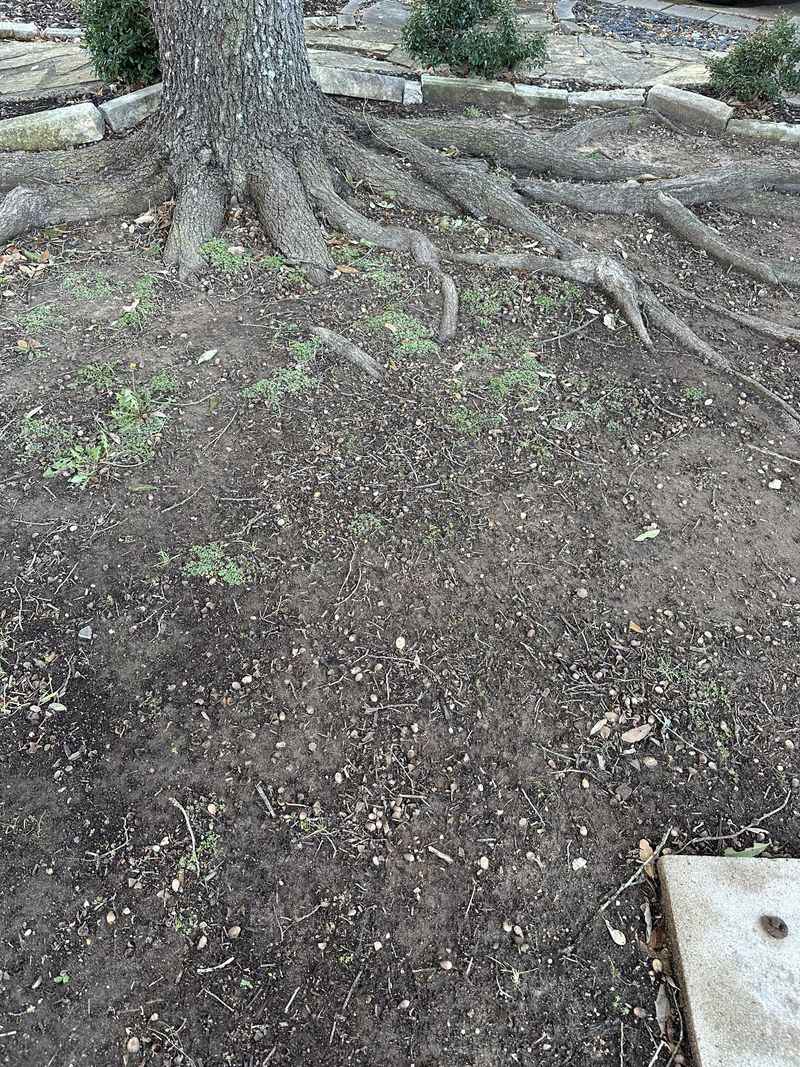
Texas law operates under what legal experts call the self-help rule when it comes to tree roots crossing property boundaries.
Property owners have the legal right to cut roots that extend onto their land without needing permission from the neighbor who owns the tree.
This rule applies specifically to roots that have crossed the property line and are causing issues on your side.
You can trim them back to the boundary without facing legal consequences, as long as you stay within your property limits.
However, exercising this right comes with responsibilities.
You must be careful not to damage the tree in a way that could harm its overall health or stability.
The self-help rule exists to give property owners control over what happens on their land.
It recognizes that waiting for a neighbor’s permission might lead to more damage to your garden, lawn, or structures.
Before you start cutting, document the roots and their location with photos.
This evidence can protect you if disputes arise later.
Remember that this rule balances your rights with the tree owner’s rights, so reasonable action is always the best approach.
You Must Stay Within Your Property Boundaries
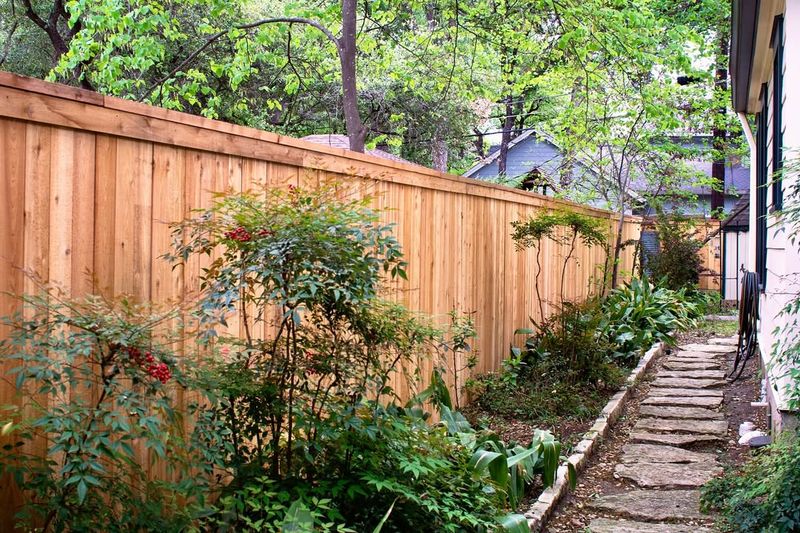
Knowing exactly where your property line sits is absolutely critical before you touch any tree roots.
Cutting roots on your neighbor’s side of the boundary could lead to legal trouble, even if those roots eventually grow into your yard.
Property surveys provide the most accurate information about boundaries.
If you don’t have a recent survey, consider hiring a professional surveyor to mark the exact line.
Many property disputes start because homeowners make assumptions about where their land ends.
Fences don’t always sit directly on property lines, so don’t use them as your only guide.
Once you know the exact boundary, you can legally trim any roots that have crossed onto your side.
Stay strictly within your property to avoid trespassing or damaging your neighbor’s tree unlawfully.
Some homeowners mark the property line with stakes or spray paint before starting work.
This visual guide helps prevent accidental crossing during the root removal process.
If boundary lines are unclear or disputed, resolve this issue before taking any action.
Your Texas Garden Changes Every Week. Your Plan Should Too.
Gardening in Texas changes quickly throughout the season. Every Friday you’ll receive a simple weekly plan showing exactly what to plant, prune, fertilize, harvest, and protect so you never miss the right timing.
The cost of a survey is much less than potential legal fees from a property dispute.
Damaging The Tree Could Make You Liable

While you have the right to trim roots on your property, causing significant harm to the neighbor’s tree can result in legal liability.
Texas courts have held homeowners responsible when their root cutting led to serious tree damage.
Trees depend on their root systems for stability, water, and nutrients.
Cutting too many roots or severing major structural roots can destabilize a tree or compromise its health.
If your trimming causes the tree to become unstable or unhealthy, your neighbor could sue you for damages.
The cost of tree replacement or removal could be substantial, especially for mature trees.
Exercise reasonable care when cutting roots.
Trim only what’s necessary to solve your problem, and avoid cutting large anchor roots close to the trunk.
Consider consulting an arborist before you start work.
A professional can identify which roots are safe to cut and which ones are critical to the tree’s survival.
Document your careful approach with photos and expert opinions.
This evidence shows you acted responsibly if your neighbor later claims you damaged their tree.
Being cautious protects both the tree and your wallet from potential legal consequences.
Hire An Arborist For Professional Guidance
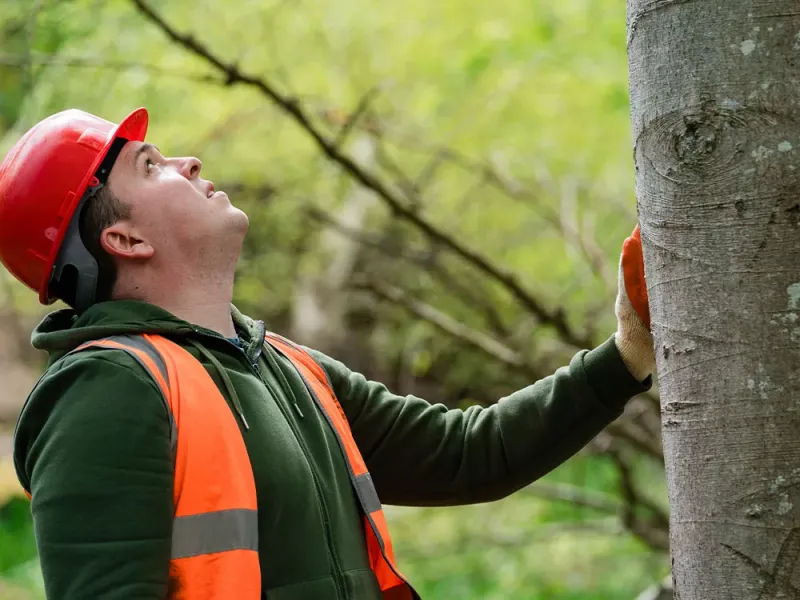
Bringing in a certified arborist before you start cutting roots can save you from costly mistakes.
These professionals understand tree biology and can identify which roots you can safely remove without harming the tree.
Arborists use their expertise to assess the root system and determine the tree’s health.
They can tell you if cutting certain roots might cause the tree to become unstable or stressed.
Having a professional opinion also provides legal protection.
If your neighbor later claims you damaged their tree, the arborist’s assessment proves you took reasonable precautions.
An arborist can also suggest alternative solutions.
Sometimes root barriers or careful trimming techniques can solve your problem without extensive cutting.
The cost of hiring an arborist is typically far less than potential legal fees or tree replacement costs.
Think of it as an insurance policy against future disputes.
Look for arborists certified by the International Society of Arboriculture.
These professionals have proven knowledge and follow industry standards.
Many arborists can also perform the actual root trimming work, ensuring the job is done correctly from start to finish.
Document Everything Before You Start Cutting

Creating a thorough record before you touch any roots is one of the smartest protective steps you can take.
Photographs, videos, and written notes establish the condition of the roots and the tree before your work begins.
Take clear photos showing where the roots cross your property line.
Include images of any damage they’re causing to your garden, pathways, or structures.
Document the tree’s overall health and appearance from multiple angles.
This evidence shows the tree’s condition was already established before you took action.
Date all your documentation and consider having timestamps on photos.
This proof can be crucial if disputes arise weeks or months later.
Write down your reasons for cutting the roots.
Note specific problems like cracked pavement, damaged irrigation lines, or struggling plants.
If you consulted with an arborist, keep copies of their reports and recommendations.
Professional opinions add credibility to your documentation.
After completing the work, take another set of photos showing what you cut and how carefully you worked.
This complete record demonstrates your reasonable and responsible approach to the situation.
Communication With Your Neighbor Prevents Disputes
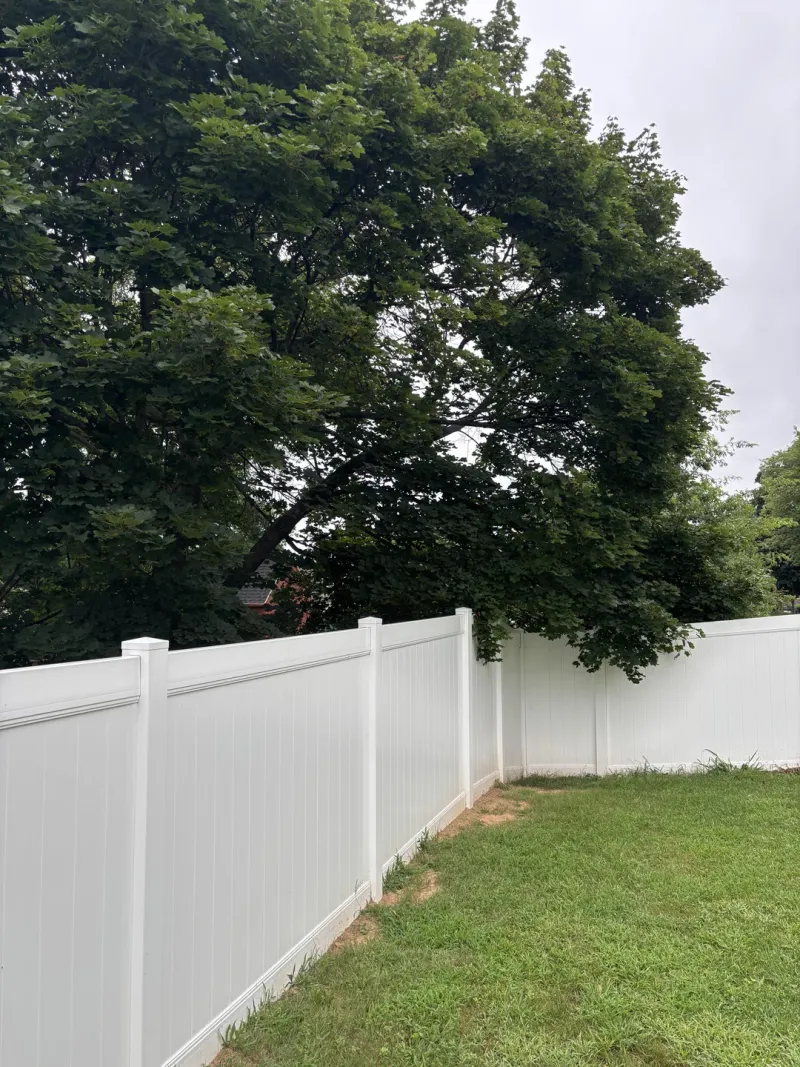
Talking to your neighbor before cutting roots can prevent misunderstandings and maintain good relationships.
Even though you have the legal right to trim roots on your property, courtesy goes a long way.
Explain the problem the roots are causing and show your neighbor the damage.
Most reasonable people will understand your need to protect your property.
Share your plan for addressing the issue, including any professional advice you’ve received.
This transparency shows you’re acting responsibly, not maliciously.
Your neighbor might offer to help with the cost or suggest alternative solutions.
Working together often leads to better outcomes than acting alone.
Keep records of your conversations, including dates and what was discussed.
Written communication like emails or text messages provides the best documentation.
If your neighbor objects, explain the self-help rule and your legal rights.
Sometimes people simply don’t understand property law and become more reasonable once informed.
Maintaining a friendly approach protects your relationship and your property.
Even if you have the legal right to act, keeping peace with neighbors makes daily life much more pleasant.
Root Barriers Offer Long-Term Prevention
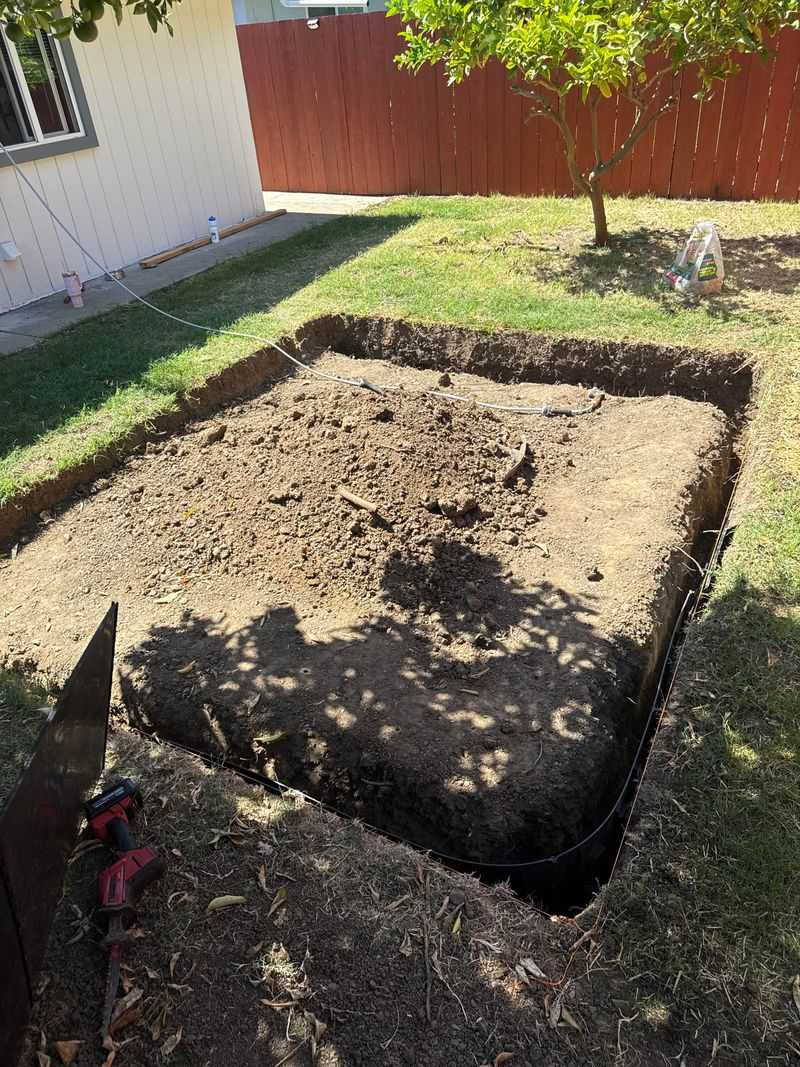
Installing root barriers provides a proactive solution that prevents future invasions after you’ve trimmed existing roots.
These physical barriers redirect root growth downward or back toward the tree, keeping them off your property.
Root barriers are typically made from durable plastic or metal materials that roots cannot penetrate.
They’re installed vertically along the property line, extending deep enough to block most root growth.
Professional installation ensures the barriers are placed correctly and at the proper depth.
Most barriers need to extend at least 18 to 24 inches below the surface to be effective.
While barriers require an upfront investment, they save you from repeated root trimming in future years.
This one-time solution protects your garden, pathways, and structures permanently.
Root barriers also protect the tree by guiding roots in appropriate directions.
The tree continues growing healthy roots on its own side of the property line.
Discuss barrier installation with your arborist during the initial consultation.
They can recommend the best type and placement for your specific situation.
Some homeowners coordinate with neighbors to share barrier installation costs, since both properties benefit from clear root boundaries.
Timing Your Root Trimming Matters For Tree Health

Choosing the right season to trim tree roots can minimize stress on the tree and reduce your liability risk.
Trees respond differently to root cutting depending on their growth cycle and the time of year.
Late fall and winter are generally the best times for root trimming in Texas.
Trees are dormant during these months, meaning they’re not actively growing and won’t be as stressed by root loss.
Avoid cutting roots during spring when trees are putting energy into new growth.
This timing can severely stress the tree and increase the chance of causing visible damage.
Summer root cutting during Texas heat can also be problematic.
Trees need their full root systems to access water during hot, dry periods.
An arborist can advise you on the best timing for the specific tree species involved.
Different trees have different growth patterns and stress tolerances.
Planning your root trimming for the optimal season shows you’re acting reasonably.
This consideration can be important if your neighbor later questions your actions.
Weather conditions also matter within the chosen season.
Avoid trimming roots right before predicted storms or extreme temperature swings that could further stress the tree.
Insurance Coverage May Apply To Root Damage Disputes
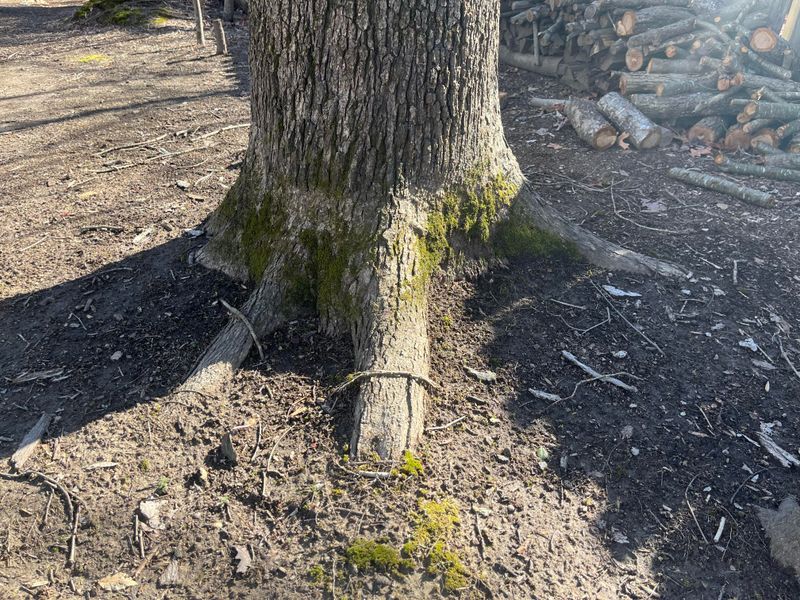
Checking your homeowner’s insurance policy before trimming roots can reveal important coverage details.
Some policies include liability protection if disputes arise over tree damage.
Your policy might cover legal defense costs if your neighbor sues you for damaging their tree.
This coverage can be valuable even if you followed all proper procedures.
Contact your insurance agent to discuss the situation before you start work.
They can explain your coverage limits and any exclusions that might apply.
Some policies also cover damage that tree roots cause to your property.
You might be able to file a claim for repair costs if roots have damaged your foundation, plumbing, or other structures.
Document all damage and keep receipts for any repairs.
This information supports insurance claims and shows the financial impact of the root intrusion.
Understanding your coverage helps you make informed decisions.
Knowing you have legal defense coverage might give you more confidence to address the root problem.
Your neighbor’s homeowner’s insurance might also be relevant.
If their tree’s roots caused significant property damage, their liability coverage could potentially apply to your losses.
Local Ordinances May Add Extra Requirements

Beyond state law, your city or county might have additional regulations about tree trimming and root cutting.
Some Texas municipalities have tree preservation ordinances that add requirements or restrictions.
Check with your local code enforcement office before starting work.
They can tell you if permits are required or if certain trees have protected status.
Some areas protect heritage trees or trees of certain sizes.
These regulations might limit your ability to cut roots even on your own property if the tree meets protected criteria.
Homeowners associations often have their own rules about tree work.
Review your HOA covenants to ensure your planned root trimming doesn’t violate community guidelines.
Violating local ordinances can result in fines or orders to stop work.
These complications add stress and expense to an already challenging situation.
Local regulations typically don’t override your basic property rights under state law.
However, they may require you to use specific methods or get approval before proceeding.
Working within local rules protects you from citations and shows your neighbor you’re following all proper procedures.
This compliance strengthens your position if disputes arise later about your actions.