Your December Garden Checklist For Florida And What To Do During The Mild Winter Season
Florida gardeners get to enjoy a special advantage during December while much of the country bundles up against freezing temperatures.
The mild winter season in the Sunshine State creates perfect conditions for growing vegetables, planting flowers, and maintaining a vibrant outdoor space.
December offers comfortable weather for working outside without the intense summer heat, making it an ideal time to tackle garden projects you may have postponed.
This checklist will guide you through essential tasks that keep your Florida garden thriving through the cooler months ahead.
Plant Cool-Season Vegetables For A Winter Harvest
December marks the prime planting window for cool-season crops that flourish in Florida’s gentle winter climate.
Lettuce, spinach, kale, and arugula thrive when temperatures drop into the comfortable range between 50 and 75 degrees.
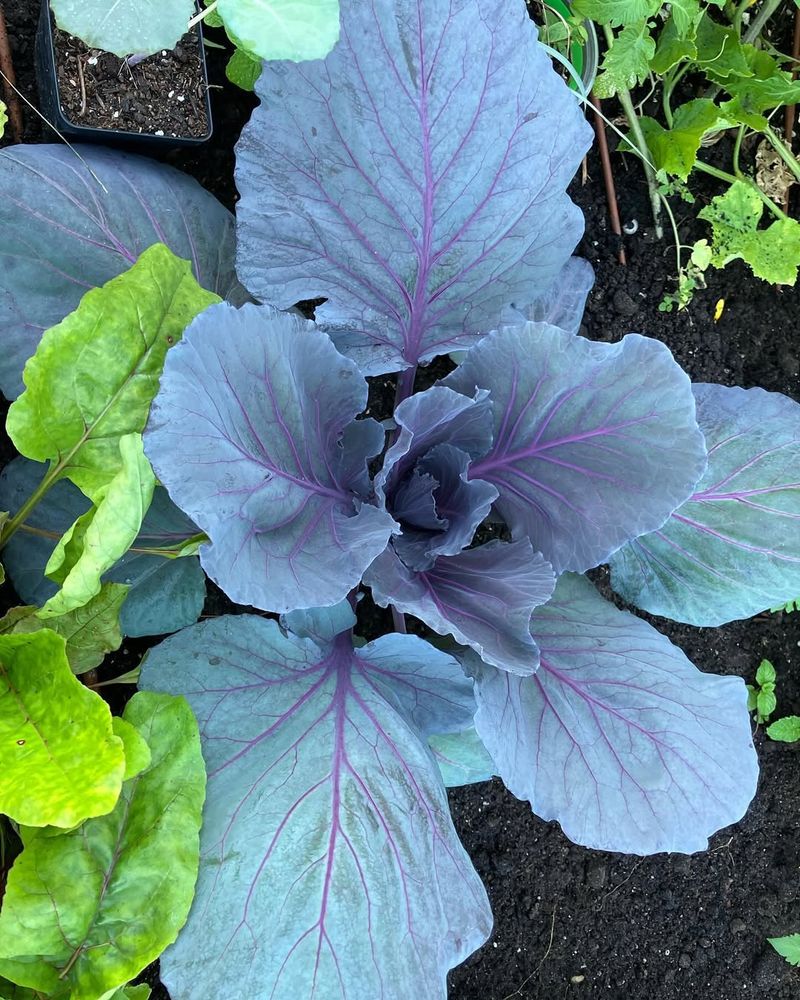
Broccoli, cauliflower, and cabbage also perform beautifully during this season, developing sweet flavors that summer heat would ruin.
Root vegetables like carrots, radishes, and beets appreciate the cooler soil, growing crisp and flavorful without becoming woody.
Many Florida gardeners discover that winter vegetables actually taste better than their spring or fall counterparts because the plants mature slowly.
Prepare your beds with compost or aged manure to give these hungry feeders the nutrients they need.
Water consistently but avoid overwatering, as cooler temperatures mean slower evaporation rates.
Space plants according to package directions to ensure good air circulation and reduce disease problems.
Within weeks, you’ll enjoy fresh salads and roasted vegetables straight from your backyard.
The satisfaction of harvesting homegrown produce during winter makes this task absolutely worthwhile for any Florida gardener.
Prune Dormant Trees And Shrubs Strategically
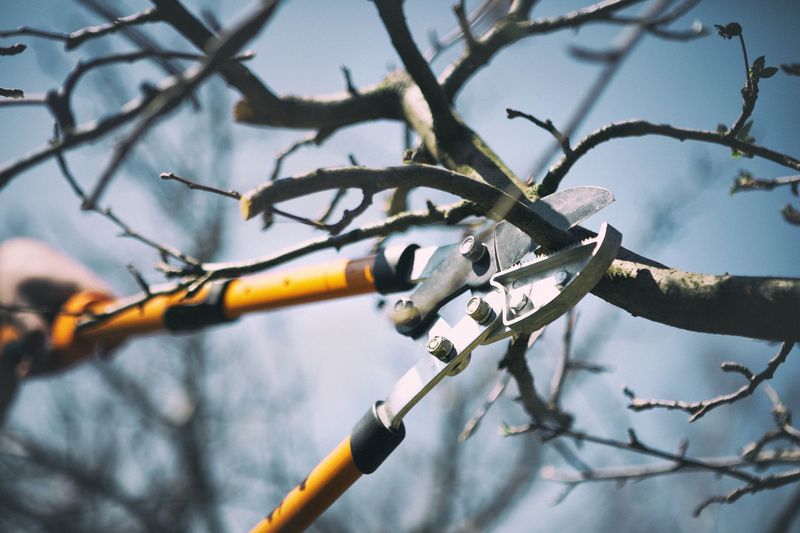
Cooler December weather signals the perfect opportunity to shape and trim many landscape plants before spring growth begins.
Deciduous trees that have dropped their leaves reveal their branch structure clearly, making it easier to identify crossing limbs or damaged wood.
Remove any branches that rub against each other, as these create wounds where pests and diseases can enter.
Fruit trees benefit greatly from winter pruning, which encourages better air circulation and sunlight penetration for next season’s crop.
Avoid pruning spring-blooming shrubs like azaleas now, as you’ll cut off developing flower buds and sacrifice the upcoming display.
Focus instead on summer-blooming plants and overgrown hedges that need reshaping.
Always use sharp, clean tools to make smooth cuts that heal quickly without leaving ragged edges.
Step back frequently to assess your work and avoid removing too much material at once.
Florida’s mild winters mean plants recover quickly from pruning stress compared to colder regions.
This maintenance task improves plant health, enhances garden appearance, and prevents future problems from developing unchecked.
Add Fresh Mulch To Garden Beds
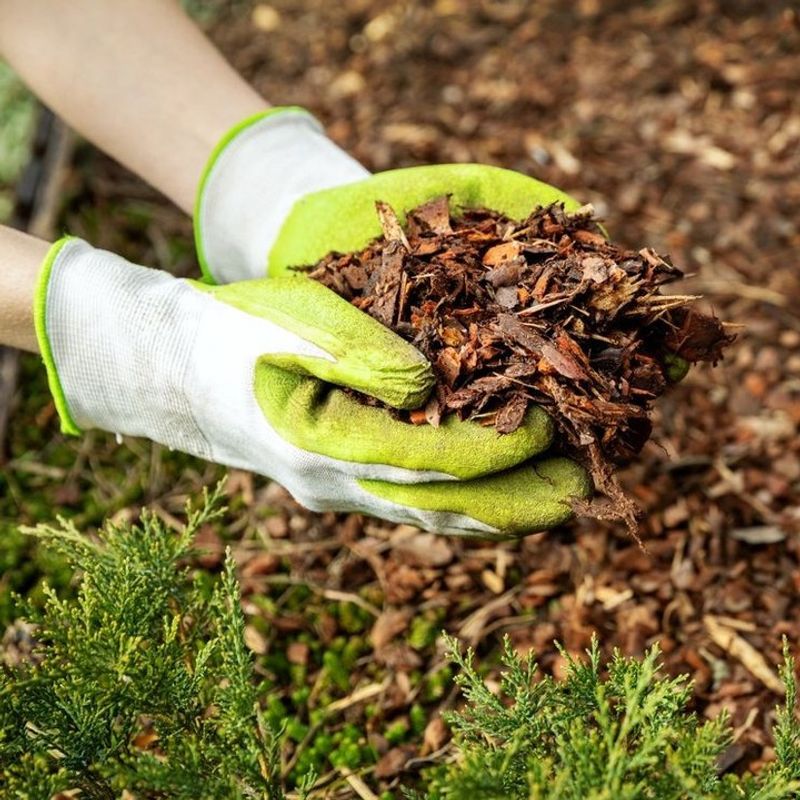
A fresh layer of mulch protects plant roots, conserves moisture, and gives your garden a polished appearance throughout winter.
Organic materials like pine bark, cypress mulch, or shredded leaves break down gradually, improving soil quality over time.
Apply mulch two to three inches deep around plants, keeping it pulled back slightly from stems and trunks to prevent rot.
Your Florida Garden Changes Every Week. Your Plan Should Too.
Gardening in Florida changes quickly throughout the season. Every Friday you’ll receive a simple weekly plan showing exactly what to plant, prune, fertilize, harvest, and protect so you never miss the right timing.
December’s comfortable temperatures make spreading mulch a pleasant outdoor activity without the exhaustion of summer heat.
Mulch suppresses weed growth by blocking sunlight from reaching dormant weed seeds in the soil below.
During occasional cold snaps, that insulating layer helps moderate soil temperature fluctuations that stress plant roots.
Choose mulch colors that complement your landscape design, from natural browns to reddish tones that add warmth.
Many Florida municipalities offer free mulch from recycled yard waste, making this an economical garden improvement.
Replenish mulch annually as older layers decompose and thin out from weather and foot traffic.
Your plants will reward this simple effort with healthier growth and reduced maintenance needs throughout the season.
Plant Colorful Cool-Season Annuals
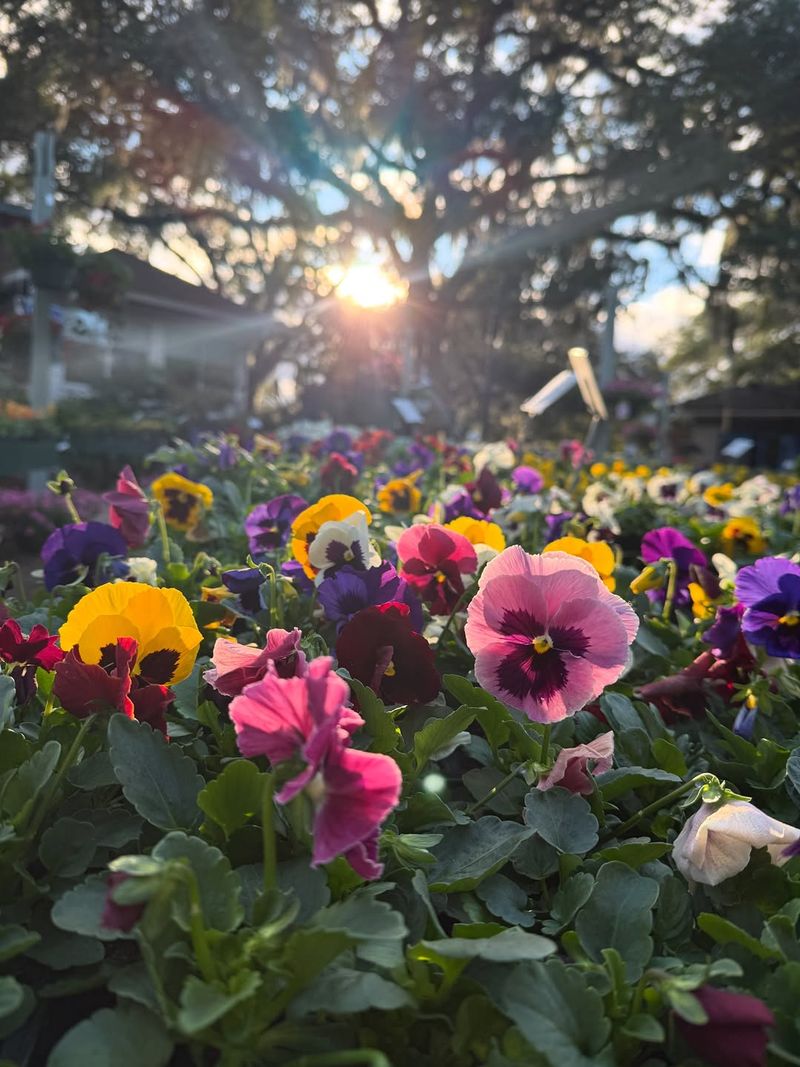
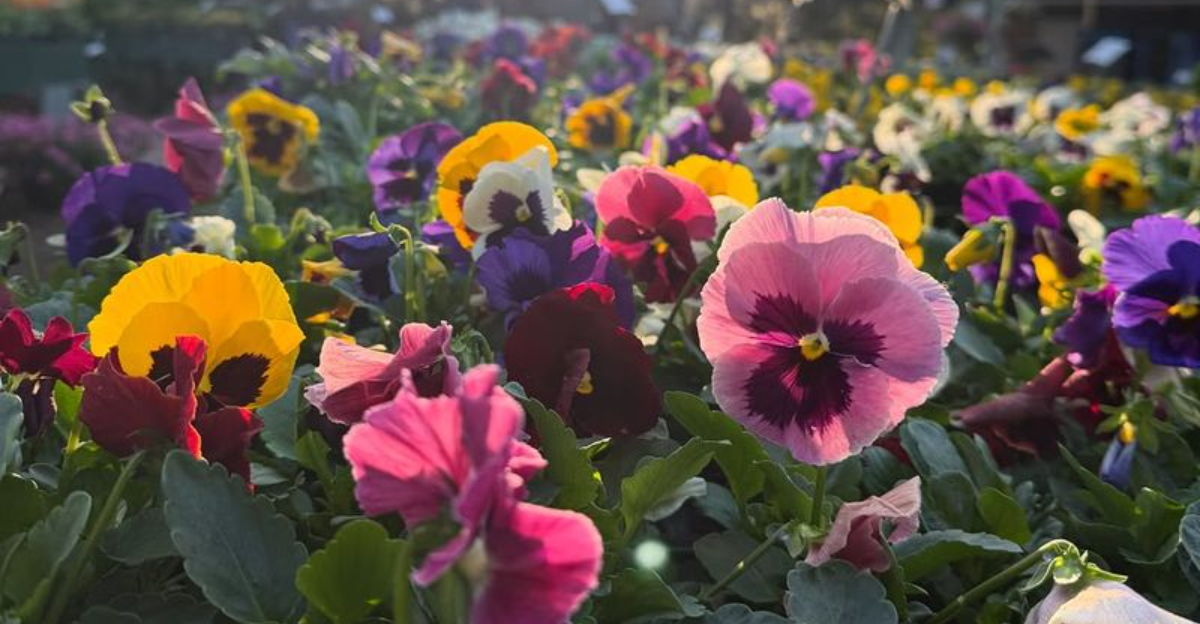
While northern gardens sleep under snow, Florida landscapes burst with color from cold-tolerant flowering annuals.
Pansies and violas offer cheerful faces in every imaginable color, blooming prolifically from December through spring.
Petunias, snapdragons, and dianthus create stunning displays that brighten dreary winter days with their vibrant petals.
Alyssum spreads into fragrant carpets of white, pink, or purple flowers that attract beneficial pollinators to your garden.
These annuals prefer full sun to partial shade and well-draining soil enriched with compost or organic matter.
Plant them in beds, containers, or hanging baskets for versatile color placement throughout your landscape.
Deadhead spent blooms regularly to encourage continuous flowering and prevent plants from setting seed prematurely.
Feed every two to three weeks with a balanced liquid fertilizer to support their heavy blooming habit.
December planting gives these flowers time to establish strong roots before their peak performance in January and February.
Visitors to Florida often marvel at the abundance of flowers during what they consider the dormant season back home.
Protect Sensitive Plants From Occasional Freezes
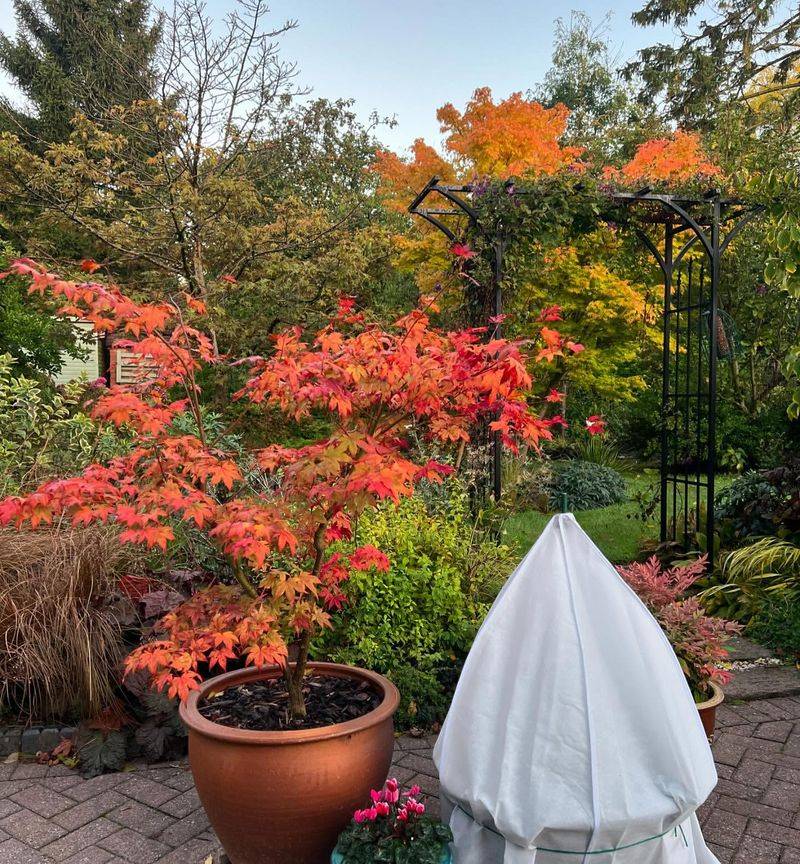
Even Florida experiences occasional cold fronts that threaten tender tropical plants and young seedlings during December nights.
Monitor weather forecasts carefully and prepare to act when temperatures are predicted to drop below 40 degrees.
Frost cloth, old sheets, or blankets draped over vulnerable plants trap warmth radiating from the soil underneath.
Remove coverings the next morning once temperatures rise above freezing to prevent overheating and moisture buildup.
Container plants can be moved into garages, covered patios, or other protected areas when frost threatens.
Water plants thoroughly before a freeze, as moist soil retains heat better than dry soil and provides insulation.
Avoid fertilizing tender plants in December, as new growth is more susceptible to cold damage than mature foliage.
String outdoor lights through plant canopies for both decoration and the slight warmth they generate overnight.
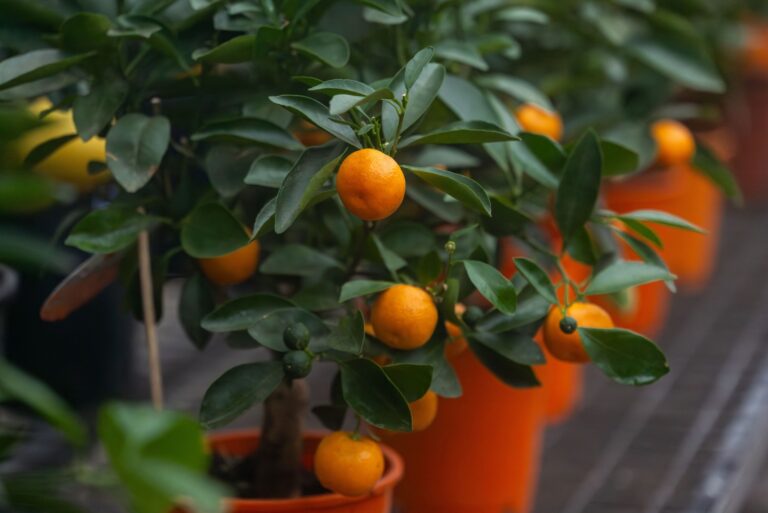
Young citrus trees especially benefit from protection, as freezing temperatures can set back their growth significantly.
Most cold snaps in Florida last only a night or two, so these temporary measures effectively safeguard your investment in tropical plantings.
Fertilize Your Lawn Lightly If Needed
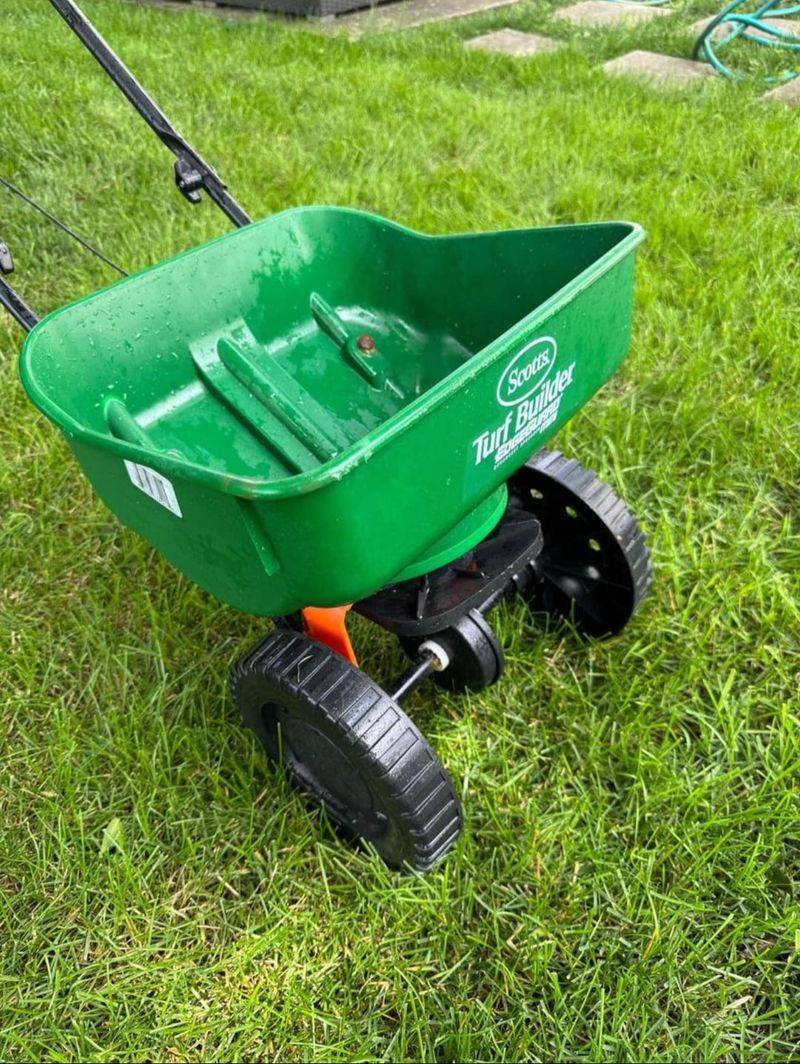
Florida lawns continue growing slowly through winter, though they need far less nutrition than during their active summer growth period.
St. Augustine, Bahia, and other warm-season grasses benefit from a light application of slow-release fertilizer in early December.
Choose a formula with lower nitrogen content to avoid encouraging excessive growth that cold snaps could damage.
Apply only if your lawn shows signs of yellowing or poor color, as over-fertilization wastes money and harms the environment.
Many experts recommend skipping fertilizer entirely if your grass looks healthy and green without intervention.
Water fertilizer in thoroughly after application to move nutrients into the root zone where grass can absorb them.
December fertilization should be your last application until spring growth resumes in March or April.
Keep fertilizer off driveways, sidewalks, and roads where rain can wash it into storm drains and waterways.
A well-maintained lawn entering winter handles stress better and greens up faster when warm weather returns.
The goal is maintaining health rather than pushing growth during this naturally slower season across Florida.
Divide And Transplant Perennials
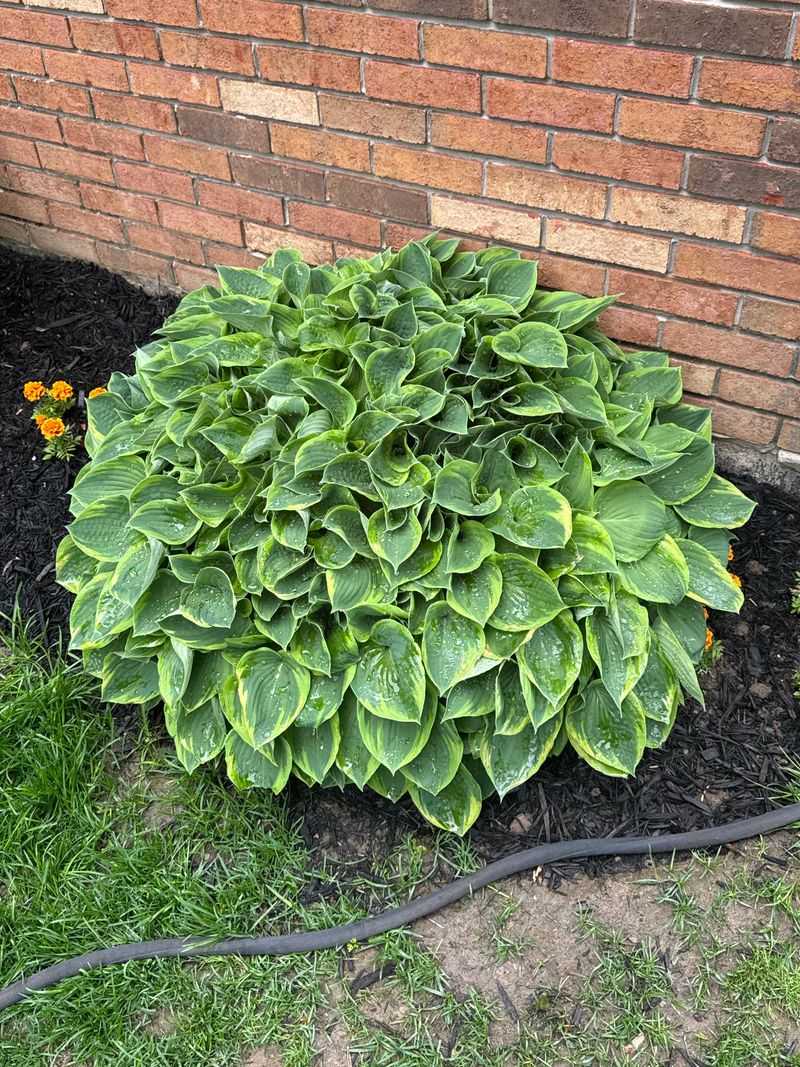
Cooler December temperatures create ideal conditions for dividing crowded perennials without shocking them into decline.
Daylilies, cannas, gingers, and ornamental grasses often form dense clumps that benefit from separation every few years.
Dig around the entire plant clump, lifting it carefully with a garden fork to preserve as many roots as possible.
Shake off excess soil so you can see natural divisions where the plant separates into individual sections.
Use a sharp spade or knife to cut through tough roots, creating divisions with at least three to five shoots each.
Replant divisions immediately at the same depth they grew originally, spacing them to allow for future growth.
Water thoroughly after transplanting and keep the soil consistently moist for several weeks while roots establish.
Share extra divisions with neighbors or plant them in new garden areas to expand your landscape.
Divided perennials often bloom more vigorously the following season than overcrowded clumps that competed for resources.
This rejuvenating process costs nothing but time and effort while multiplying your plant collection throughout your Florida property.
Clean And Organize Garden Tools
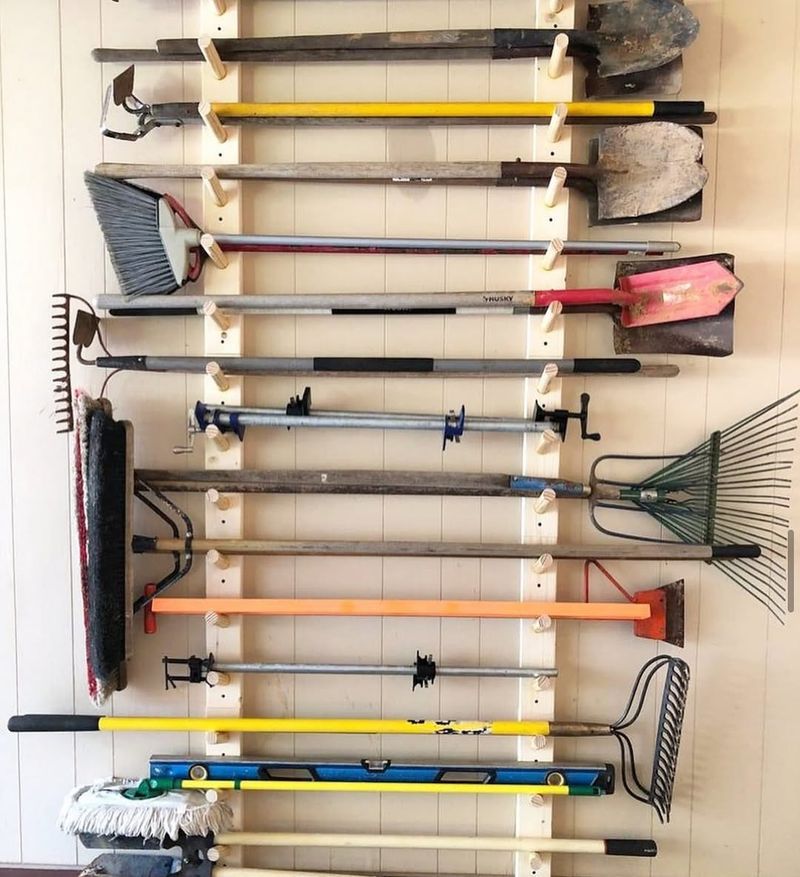
A December afternoon spent cleaning and sharpening your tools pays dividends in easier garden work throughout the coming year.
Scrape dried soil and plant residue from shovels, hoes, and trowels using a wire brush or putty knife.
Wipe metal surfaces with an oily rag to prevent rust from forming during storage between uses.
Sharpen pruning shears, loppers, and hedge trimmers with a file or sharpening stone for clean cuts that heal quickly.
Tighten loose bolts and screws, replacing any damaged handles or worn parts before they fail during important tasks.
Oil wooden handles with linseed oil to prevent cracking and splintering from Florida’s humidity fluctuations.
Organize tools in a shed or garage where you can find them easily rather than hunting through cluttered spaces.
Check power equipment like mowers and trimmers, performing any maintenance the manufacturer recommends.
Clean pots and containers with a bleach solution to eliminate disease organisms before next planting season.
Well-maintained tools work better, last longer, and make gardening more enjoyable than struggling with dull or damaged equipment.
Start A Compost Pile Or Refresh Existing Bins
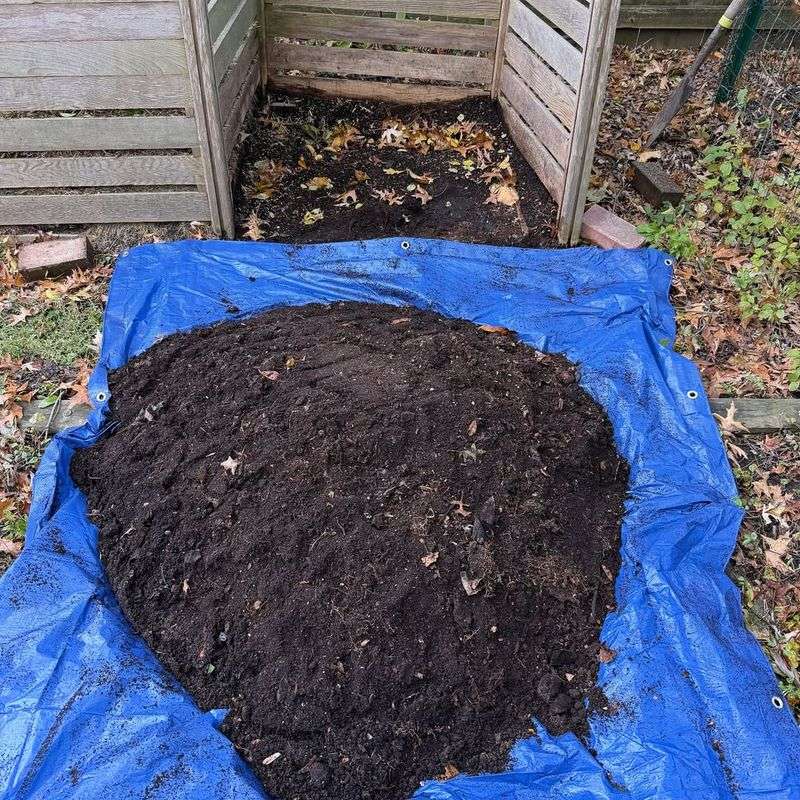
December’s moderate temperatures accelerate decomposition while making the physical work of building compost piles comfortable.
Fallen leaves, spent vegetable plants, and grass clippings provide excellent raw materials for creating nutrient-rich compost.
Layer brown materials like dried leaves with green materials like kitchen scraps and fresh plant trimmings.
Maintain roughly equal volumes of brown and green ingredients for proper carbon-to-nitrogen ratios that decompose efficiently.
Turn existing compost piles to introduce oxygen that beneficial microorganisms need for breaking down organic matter.
Keep compost as moist as a wrung-out sponge, adding water if materials seem too dry or brown matter if too wet.
Avoid adding meat, dairy, or oily foods that attract pests and create unpleasant odors in residential areas.
A properly managed compost pile generates heat even during Florida’s coolest months, speeding the transformation process.
Within months, you’ll have finished compost to enrich garden beds, improve soil structure, and feed plants naturally.
Composting reduces waste headed to landfills while creating the best possible soil amendment for your Florida landscape.
Plan Next Year’s Garden Layout
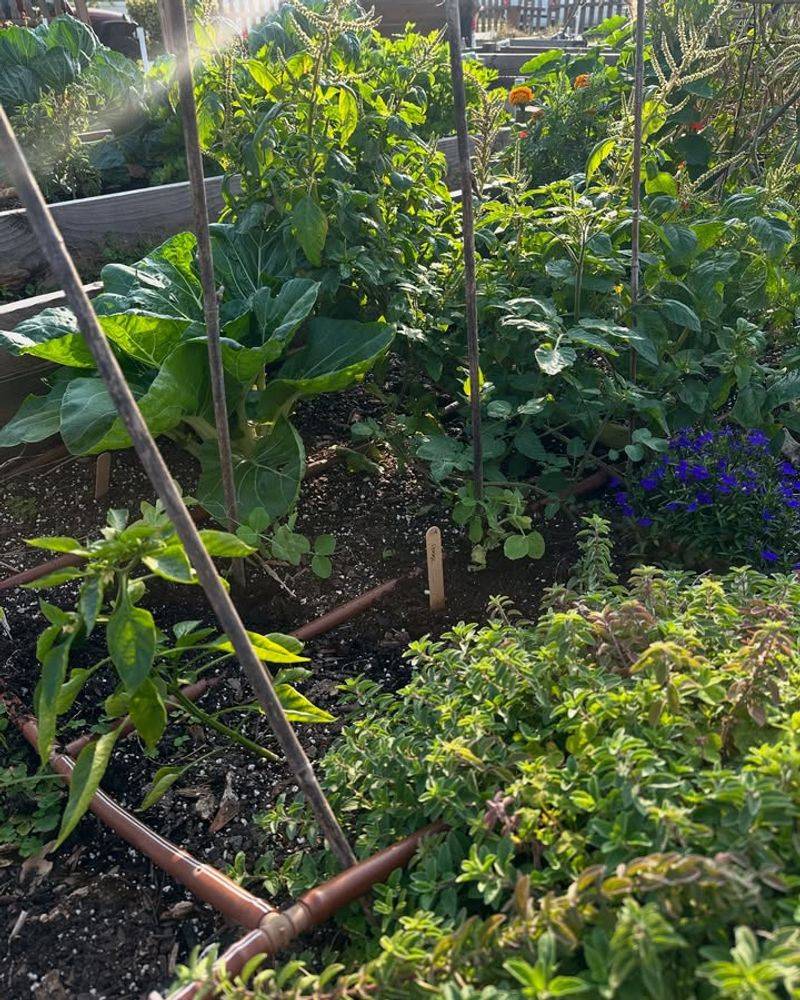
While your hands work on December garden tasks, let your mind wander through possibilities for the upcoming growing season.
Sketch rough layouts showing where you want to place vegetables, flowers, and new landscape features next year.
Review what worked well this past year and what disappointed, adjusting your plans accordingly.
Browse seed catalogs and nursery websites, marking varieties that intrigue you or solve problems you encountered.
Consider crop rotation if you grow vegetables, moving plant families to different beds to reduce pest and disease buildup.
Research companion planting combinations that benefit each other through pest control or growth enhancement.
Measure existing beds and calculate how many plants you’ll need to fill spaces without overcrowding.
Make lists of supplies to purchase like seeds, soil amendments, or support structures before spring planting rushes begin.
Planning during December’s quieter pace prevents impulse purchases and ensures you acquire exactly what your Florida garden needs.
A well-thought-out plan transforms random gardening efforts into a cohesive, productive landscape that reflects your personal style and goals.