New Lawn Regulations Texas Homeowners Must Follow In 2026
Texas lawns face a new sheriff in town, and 2026 turns the rulebook on its head.
Homeowners feel the heat as fresh regulations ride in like a dust storm, poised to separate the water-wise from the wasteful.
One glance at the updated standards and the message comes through loud and clear: the days of carefree sprinklers and anything-goes turf vanish like rain on hot pavement.
The Lone Star State now draws a firm line in the dirt, and anyone aiming for a lush yard must play by the book or wind up up a creek without a paddle.
Why Texas Is Tightening Lawn Rules In 2026
Water scarcity has become one of the biggest challenges facing Texas communities today.
The state has experienced increasingly severe droughts over the past decade, forcing officials to rethink how residents use water for outdoor landscaping.
Population growth in cities like Austin, Dallas, and Houston has put tremendous pressure on existing water supplies.
Climate scientists predict that Texas will face even hotter and drier conditions in the coming years.
These environmental realities have pushed state and local governments to take action before water shortages become critical.
The 2026 regulations represent a proactive approach to managing limited resources while maintaining livable communities.
Lawmakers consulted with environmental experts, water district managers, and homeowner associations before finalizing these rules.
The goal is to reduce residential outdoor water use by at least 30 percent statewide.
Homeowners who adapt early will find the transition much easier than those who wait until enforcement begins.
Understanding the reasoning behind these regulations helps residents appreciate their importance and comply more willingly with the new standards.
Mandatory Watering Schedules Homeowners Must Follow
Starting in 2026, Texas homeowners will no longer be able to water their lawns whenever they please.
Most cities are implementing strict schedules based on your street address and the day of the week.
Typically, homes with addresses ending in odd numbers can water on Tuesdays and Saturdays, while even-numbered addresses water on Wednesdays and Sundays.
Watering is only permitted during early morning hours, usually between 5 AM and 10 AM, or late evening hours after 7 PM.
These time restrictions exist because watering during the hottest parts of the day causes significant water loss through evaporation.
Violating the schedule can result in warnings for first offenses, followed by fines ranging from $100 to $500 for repeat violations.
Some cities are installing smart water meters that can detect when homeowners water outside their assigned times.
Exemptions may be granted for newly planted landscaping, but only for a limited period of 30 to 60 days.
Hand-watering with a hose equipped with an automatic shut-off nozzle may have different restrictions than automated sprinkler systems.
Checking with your local water utility will ensure you know the exact schedule for your specific area.
New Limits On Sprinkler Systems And Irrigation Runoff
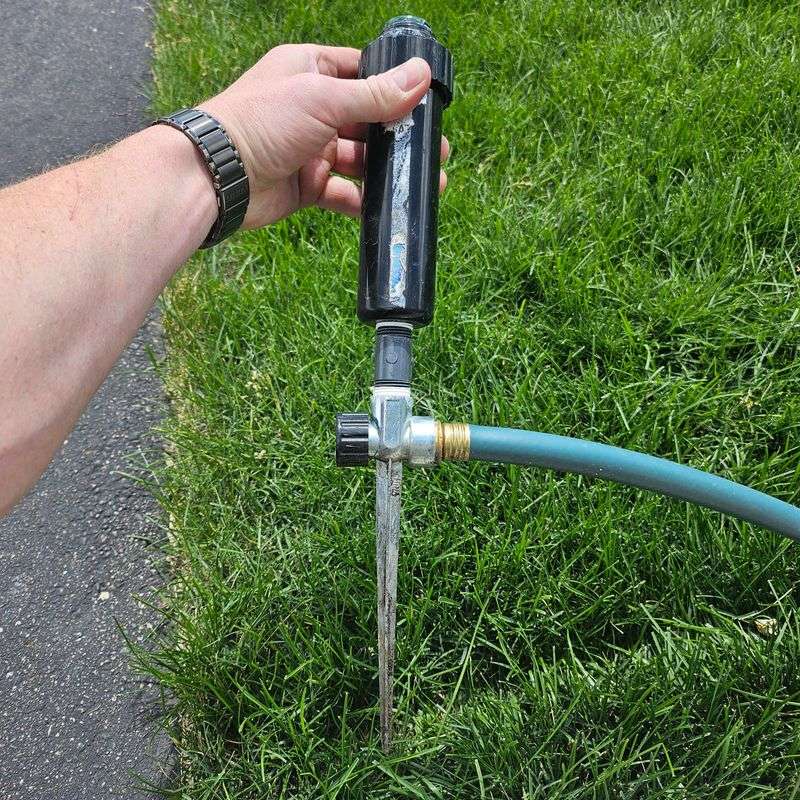
Sprinkler systems will face much stricter oversight under the 2026 regulations across Texas.
Homeowners must ensure their irrigation systems are properly calibrated to avoid wasteful overspray onto driveways, sidewalks, and streets.
Water runoff that flows beyond your property line is now considered a violation in most municipalities.
Your Texas Garden Changes Every Week. Your Plan Should Too.
Gardening in Texas changes quickly throughout the season. Every Friday you’ll receive a simple weekly plan showing exactly what to plant, prune, fertilize, harvest, and protect so you never miss the right timing.
Systems must include rain sensors that automatically shut off sprinklers when sufficient rainfall has occurred.
Smart irrigation controllers that adjust watering based on weather conditions and soil moisture are becoming mandatory in some areas.
Annual inspections by certified irrigation specialists may be required to maintain compliance with local codes.
Sprinkler heads must be adjusted so they only water landscaped areas and not paved surfaces.
Broken or malfunctioning sprinklers must be repaired within 72 hours of discovery or notification by authorities.
Some cities are offering free irrigation system audits to help homeowners identify problems and improve efficiency.
Fines for repeated runoff violations can reach $1,000 or more, and persistent offenders may face mandatory system upgrades at their own expense.
Proper maintenance not only keeps you compliant but also saves money on water bills throughout the year.
HOA Rules Are Changing—What Homeowners Can No Longer Be Fined For
Homeowner associations have historically enforced strict rules about lawn appearance, often requiring lush green grass year-round.
The 2026 regulations include provisions that limit what HOAs can demand from residents regarding landscaping.
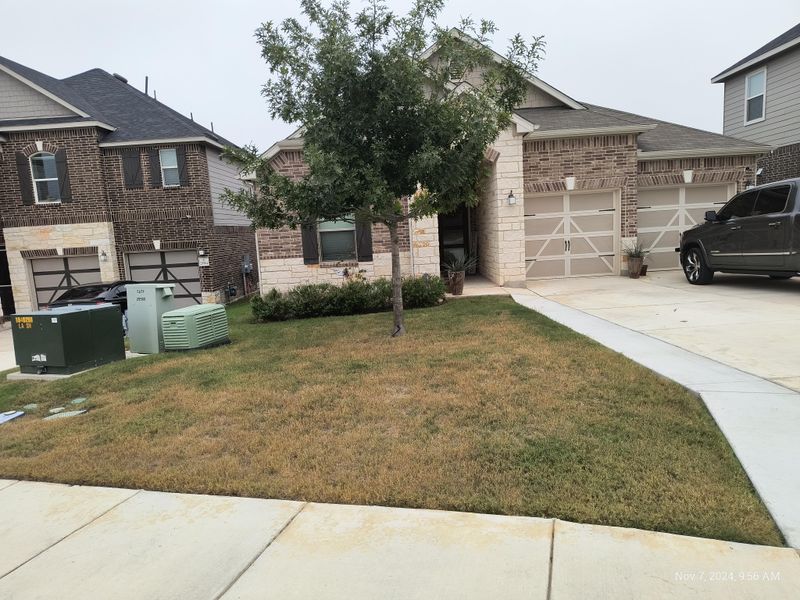
Associations can no longer fine homeowners for having brown or dormant grass during officially declared drought periods.
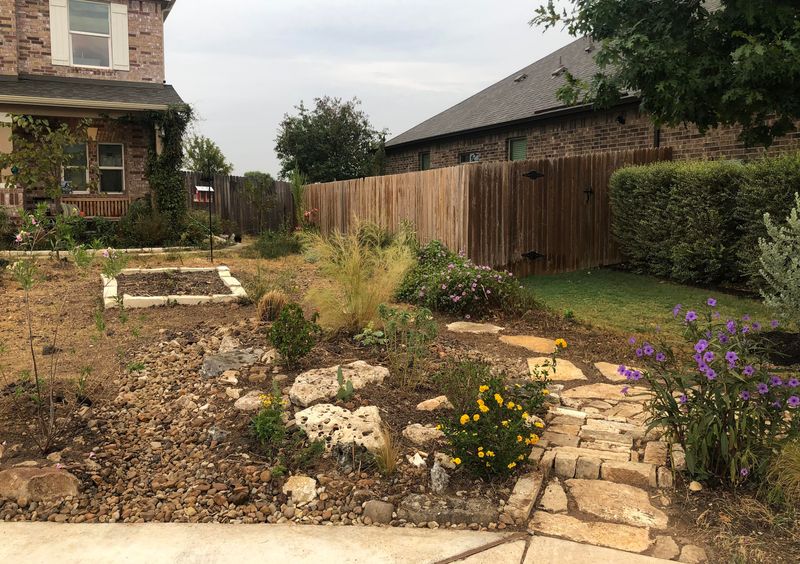
Residents now have the legal right to replace traditional turfgrass with drought-tolerant native plants and xeriscaping.
HOAs cannot prohibit the installation of efficient irrigation systems or rain barrels for water collection.
These changes represent a major shift in power between homeowner associations and individual property owners.
Many HOAs are updating their covenants to align with state water conservation goals rather than fighting the new regulations.
Homeowners who previously felt trapped by outdated aesthetic requirements can now make practical, water-saving choices.
Some associations are even offering design guidelines for attractive water-smart landscapes that maintain neighborhood appeal.
If your HOA attempts to fine you for complying with state water regulations, you have legal recourse to challenge those penalties.
Documentation of your compliance with state rules will be essential if disputes arise with your association.
The Rise Of Drought-Tolerant Landscaping In Texas Neighborhoods
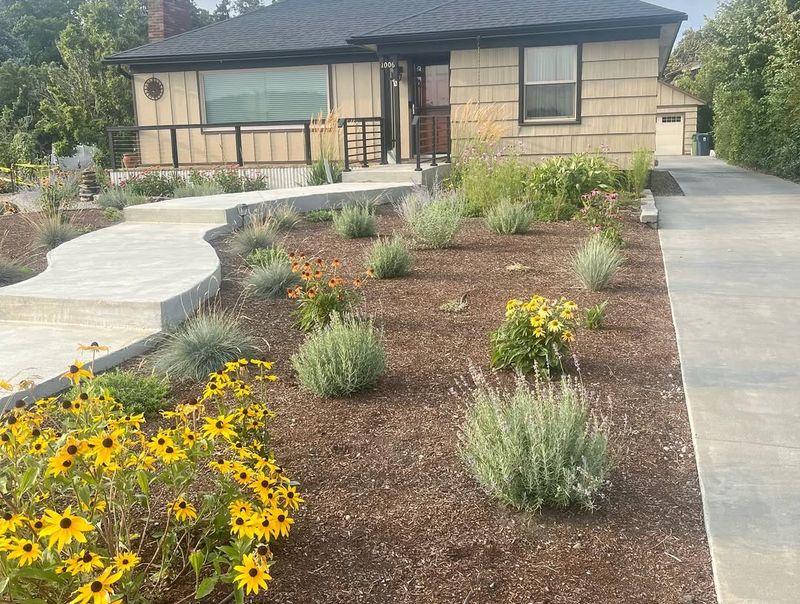
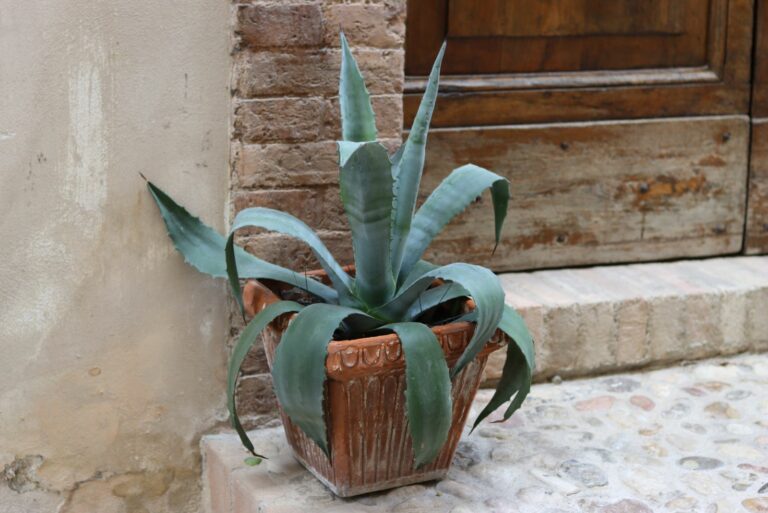
Drought-tolerant landscaping is quickly becoming the new standard for Texas yards as homeowners embrace water-wise gardening.
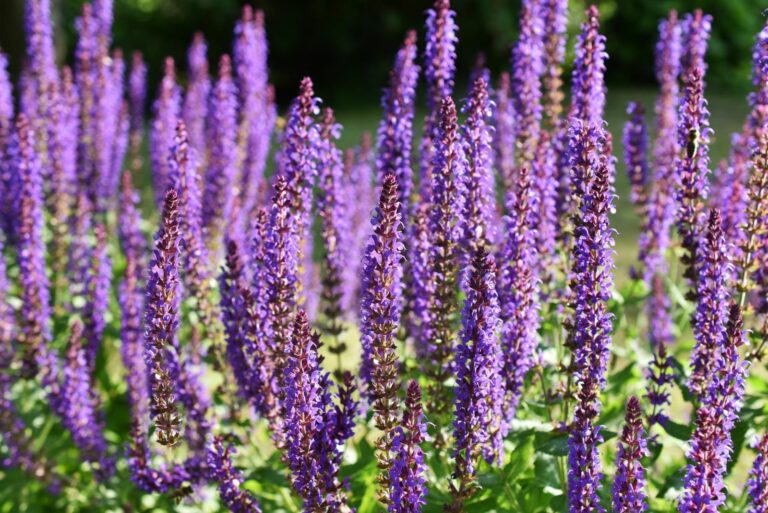
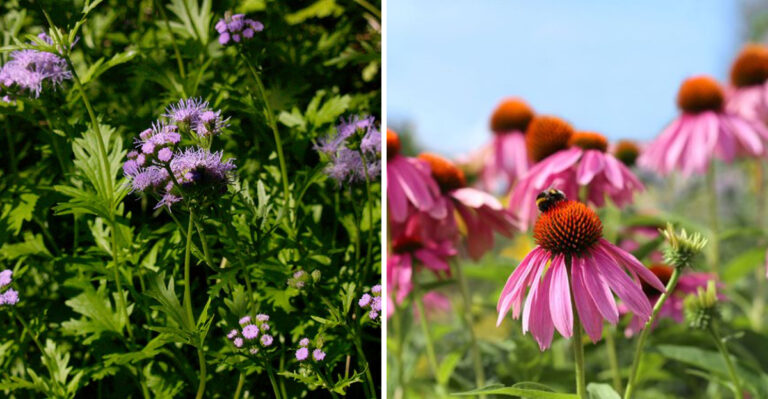
Native plants like Texas sage, black-eyed Susans, and Mexican feathergrass thrive in local conditions without constant irrigation.
These plants have evolved over thousands of years to survive Texas heat and periodic drought conditions.
Switching to native landscaping dramatically reduces water consumption while creating habitat for local pollinators and wildlife.
Many homeowners are discovering that drought-tolerant yards require less maintenance than traditional grass lawns.
Rock gardens, decorative gravel, and mulched beds are replacing water-hungry turf in front yards across the state.
Professional landscapers who specialize in xeriscaping are seeing tremendous demand for their services.
The initial investment in redesigning your landscape typically pays for itself within three to five years through reduced water bills.
Neighborhood aesthetics are evolving as more residents embrace colorful, textured landscapes that look beautiful year-round.
Local nurseries are expanding their inventory of native and adapted plants to meet growing customer interest.
Educational workshops on drought-tolerant gardening are being offered by extension services and water districts throughout Texas.
What The 2026 Restrictions Mean For Traditional Turfgrass Lawns
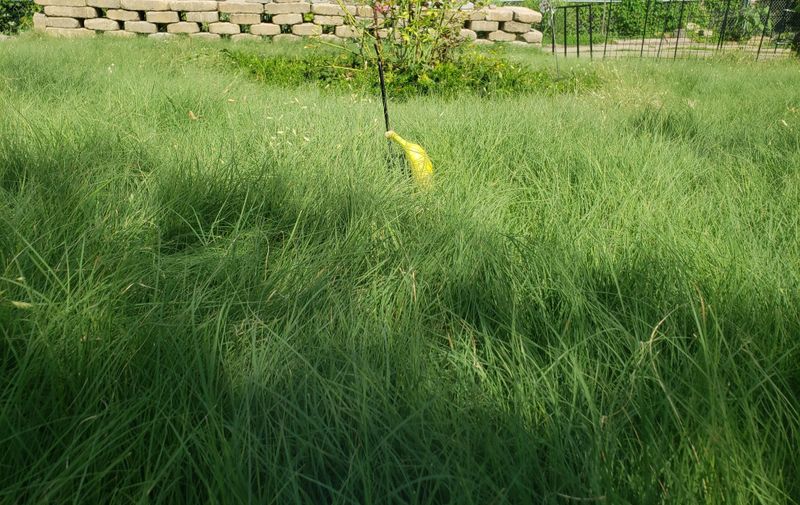
Traditional grass lawns are not being banned outright, but maintaining them will become more challenging and expensive under new regulations.
High-water-use grasses like St. Augustine will struggle to stay green with limited watering schedules.
Homeowners committed to keeping turfgrass should consider switching to more drought-tolerant varieties like buffalo grass or Bermuda grass.
These alternatives require significantly less water while still providing a green lawn appearance during growing seasons.
Accepting seasonal dormancy is becoming the new normal for Texas lawns rather than fighting natural cycles.
Overseeding with winter rye to maintain year-round green color will be impractical under restricted watering schedules.
Reducing the total square footage of turfgrass by creating mulched beds or hardscaped areas is a smart compromise.
Many homeowners are keeping small grass areas for children or pets while converting the rest of their yards to water-smart landscaping.
Proper soil preparation with compost and appropriate grass varieties can help lawns survive on less frequent watering.
Mowing height also matters—keeping grass slightly longer helps shade roots and retain soil moisture between watering days.
The era of perfectly manicured, emerald-green lawns is giving way to a more practical and sustainable approach to yard care.
Approved Vs. Prohibited Lawn Watering Methods
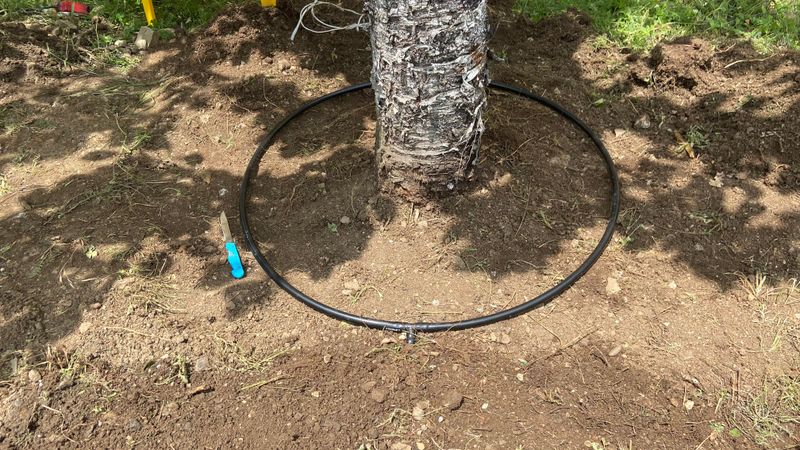
Not all watering methods are created equal under the new Texas regulations, and some techniques are being restricted or banned.
Drip irrigation systems that deliver water directly to plant roots are highly encouraged and may receive exemptions from certain restrictions.
Soaker hoses that slowly release water at ground level are also considered efficient and acceptable methods.
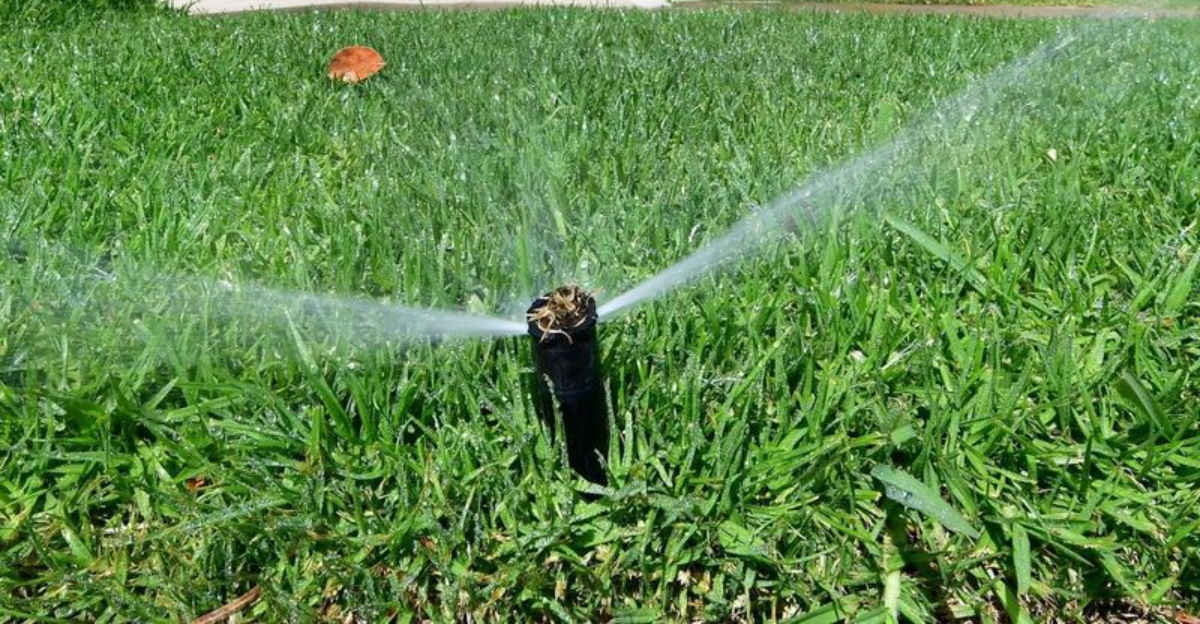
Traditional spray sprinklers that send water high into the air are being phased out in favor of more efficient technologies.
Handheld watering with a hose is permitted outside scheduled times only if the hose has an automatic shut-off nozzle.
Leaving hoses running unattended is prohibited and can result in immediate fines if observed by code enforcement.
Some municipalities are banning the use of sprinklers during windy conditions when water loss through drift becomes excessive.
Micro-spray systems designed for specific plant zones are acceptable if they minimize overspray and runoff.
Watering systems that use reclaimed or harvested rainwater may have different rules and more flexible schedules.
Residents should consult their local water utility website for a complete list of approved irrigation technologies.
Investing in efficient watering equipment now will save both water and money while ensuring compliance with evolving regulations.
How Local Cities Are Enforcing The New Water-Use Guidelines
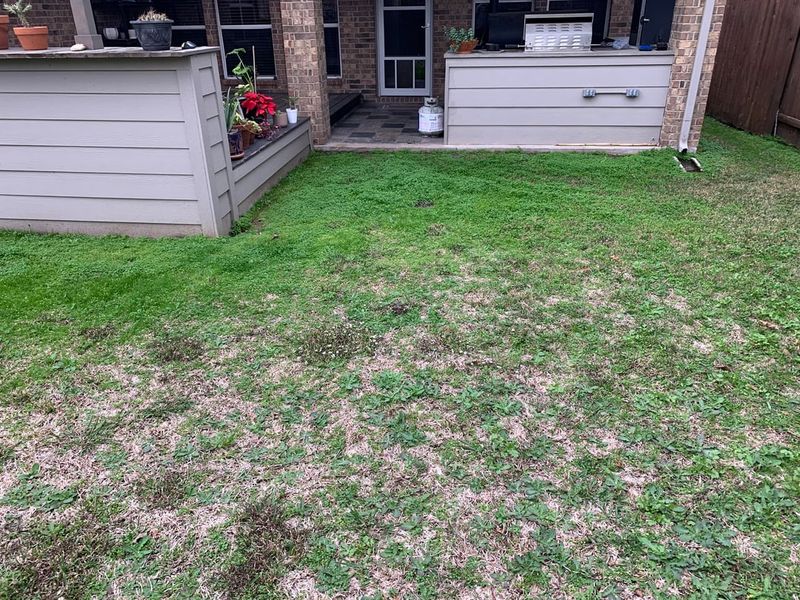
Enforcement of the 2026 water regulations will vary by city, but most municipalities are taking a progressive approach.
Initial violations typically result in educational warnings rather than immediate fines to give homeowners time to adjust.
Code enforcement officers are being trained to identify water waste and educate residents about compliance requirements.
Some cities are relying on neighbor reports through online portals or phone hotlines to identify violations.
Smart water meters provide detailed usage data that can flag unusual consumption patterns for investigation.
Aerial surveillance using drones or satellite imagery helps cities identify properties with excessive water use or runoff issues.
Repeat offenders face escalating fines that can reach thousands of dollars for persistent non-compliance.
In extreme cases, water service may be restricted or temporarily suspended for properties that repeatedly violate regulations.
Most cities are offering grace periods and assistance programs to help residents come into compliance before strict enforcement begins.
Working cooperatively with local authorities rather than ignoring warnings will help you avoid costly penalties.
Keeping records of your watering schedule, system maintenance, and any improvements you make will be helpful if questions arise.
Rebates And Incentives For Switching To Water-Smart Landscapes
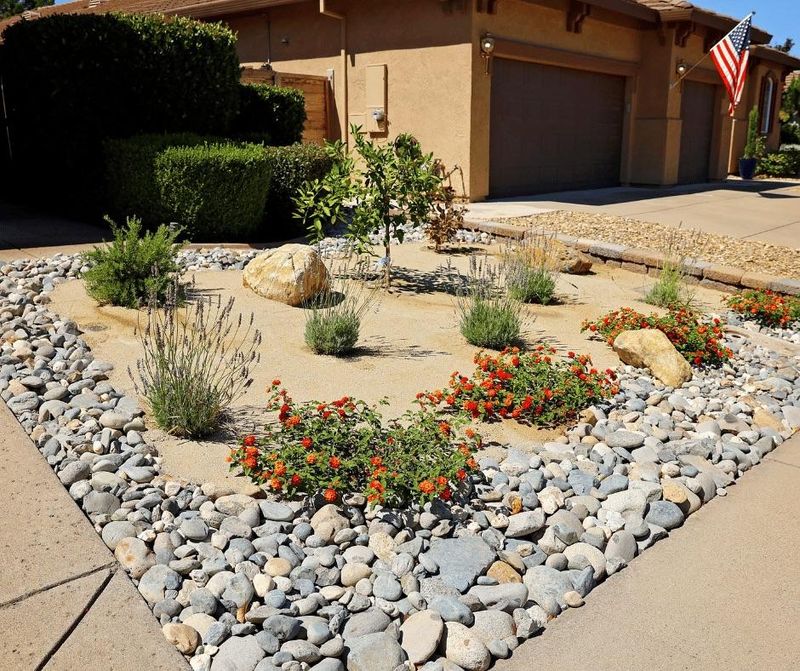
Financial incentives are making it easier and more affordable for Texas homeowners to transition to water-efficient landscaping.
Many water utilities offer rebates ranging from $500 to $3,000 for removing grass and installing drought-tolerant landscapes.
Smart irrigation controller rebates can cover 50 to 100 percent of the purchase and installation costs.
Rain barrel and rainwater harvesting system incentives help homeowners capture free water for landscape irrigation.
Some programs provide free landscape design consultations with certified water-wise gardening experts.
Turf replacement programs may include vouchers for native plants from participating nurseries.
Low-interest loans are available in some areas to help finance larger landscape renovation projects.
Property tax exemptions or reductions may apply to homes that meet certain water conservation standards.
Homeowners should check with their local water district, city government, and state programs for all available incentives.
Application processes typically require before-and-after photos and proof of completed work by qualified contractors.
Taking advantage of these programs can significantly reduce the upfront cost of making your landscape compliant and sustainable.
Acting sooner rather than later is wise, as funding for these programs may be limited and distributed on a first-come basis.
Preparing Your Yard For Texas’s Long-Term Water Conservation Future
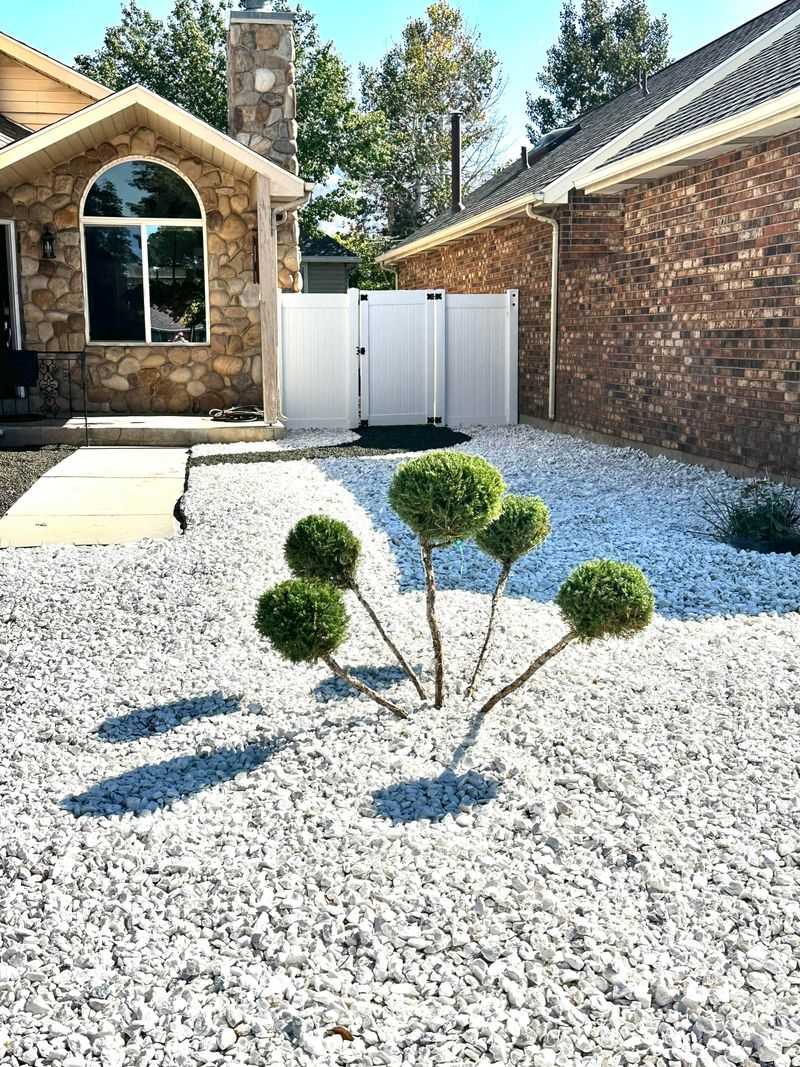
Forward-thinking homeowners are already taking steps to prepare their properties for increasingly strict water regulations beyond 2026.
Starting with a professional landscape assessment can identify the most water-intensive areas of your current yard.
Gradually transitioning to water-smart landscaping over several seasons makes the process more manageable and affordable.
Improving soil quality with organic matter helps retain moisture and reduces the frequency of watering needed.
Installing rain gutters and directing downspouts to landscape areas captures free irrigation water during storms.
Creating swales or rain gardens that capture and slowly release water prevents runoff while nourishing plants.
Mulching all planted areas with 3 to 4 inches of organic material dramatically reduces evaporation and suppresses weeds.
Choosing the right plant for the right place based on sun exposure, soil type, and water availability ensures success.
Grouping plants with similar water needs together makes irrigation more efficient and prevents waste.
Educating family members about the importance of water conservation helps everyone contribute to household efforts.
Staying informed about evolving regulations and best practices through local extension services keeps you ahead of requirements.
Embracing these changes now positions your property for long-term sustainability and resilience.