Invasive Shrub Laws In Texas And Why These Beauty Plants Are Off The List
Texas may love bold colors and big personality, but the state draws a hard line once certain shrubs begin to run wild.
Some plants flash charm at first glance, yet behind the pretty face sits a troublemaker ready to crowd neighbors, drain soil strength, and push native species off their own turf.
Lawmakers now place these shrubs on the no-go list, and the message hits with Texas-sized clarity: beauty loses its shine once it stirs up chaos on the range.
One look at the latest rules, and it becomes clear why these once-popular plants now stand on the wrong side of the fence.
1. Chinese Privet
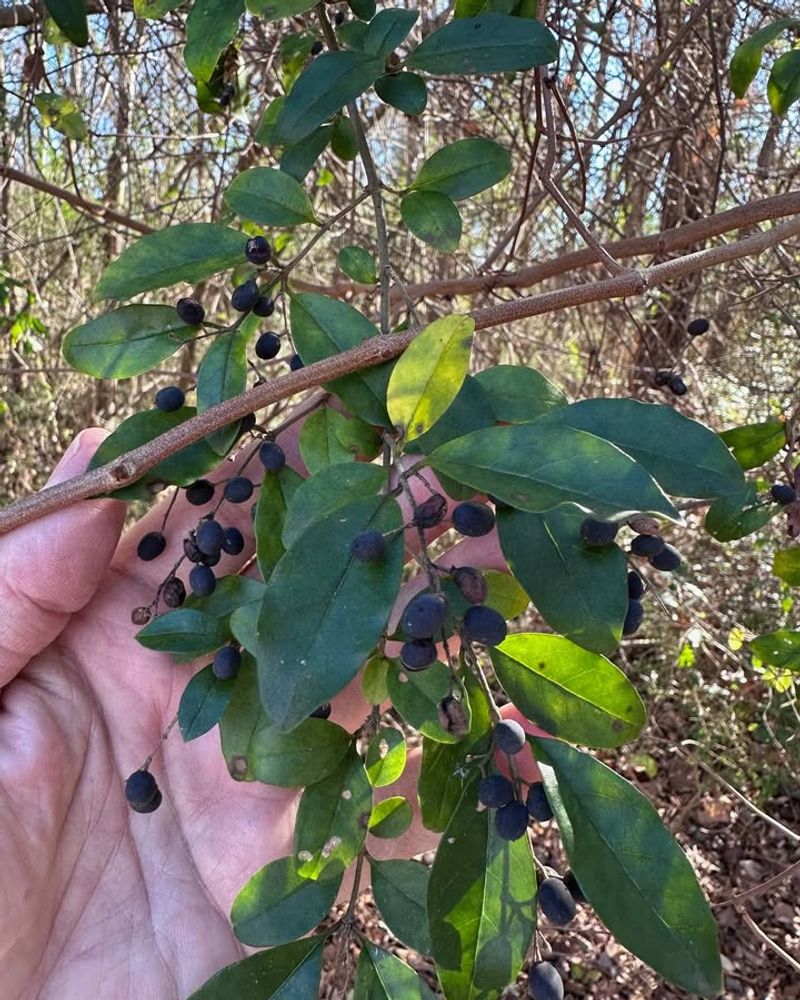
Brought to America as an ornamental hedge plant in the 1800s, Chinese privet seemed like a perfect addition to southern gardens.
Homeowners loved its fast growth and ability to create dense privacy screens quickly.
Unfortunately, this shrub escaped cultivation and now dominates forests, creek banks, and natural areas across Texas.
Birds eat the berries and spread seeds far and wide, creating thick stands that block sunlight from reaching the forest floor.
Native wildflowers and young trees cannot grow under these dense canopies, which changes entire ecosystems.
Texas landowners spend millions each year trying to control this aggressive invader.
The Texas Department of Agriculture lists Chinese privet as a noxious weed, making it illegal to sell or distribute in many counties.
Property owners must manage existing populations to prevent further spread.
Native alternatives like possumhaw holly or yaupon provide similar screening benefits without the environmental damage.
Removing established privet requires persistence since cut stumps resprout vigorously.
Many conservation groups organize volunteer removal events to help landowners tackle this stubborn plant.
Choosing native shrubs instead protects Texas wildlife and reduces maintenance headaches for gardeners.
2. Japanese Honeysuckle
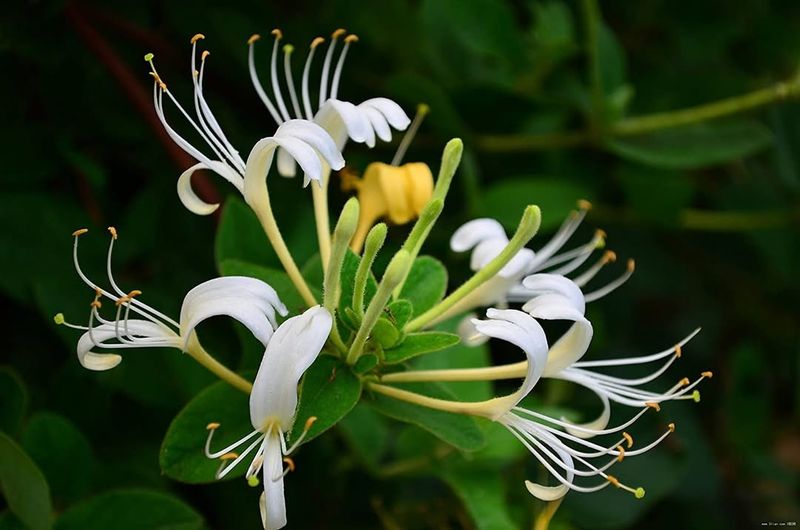
Few plants smell as heavenly as honeysuckle blooms on a warm spring evening, which explains why gardeners originally planted this Asian import throughout the South.
The sweet fragrance and attractive flowers made it a popular choice for fences and arbors.
However, this woody vine grows with alarming speed, smothering everything in its path.
Japanese honeysuckle climbs over shrubs, trees, and even buildings, blocking light and weighing down branches until they break.
Entire forest edges become tangled masses of honeysuckle that prevent native plants from thriving.
The vine spreads through underground runners and seeds, making it extremely difficult to control once established.
Texas lists this species as invasive, and many nurseries have voluntarily stopped selling it.
While not banned statewide, local ordinances in some counties prohibit planting or selling Japanese honeysuckle.
Coral honeysuckle, a native Texas species, offers similar beauty with bright red flowers that hummingbirds adore.
Landowners battling honeysuckle face years of management to reclaim their property.
The plant regrows from tiny root fragments left in the soil.
Prevention through smart plant choices saves countless hours of frustrating removal work later.
3. Nandina
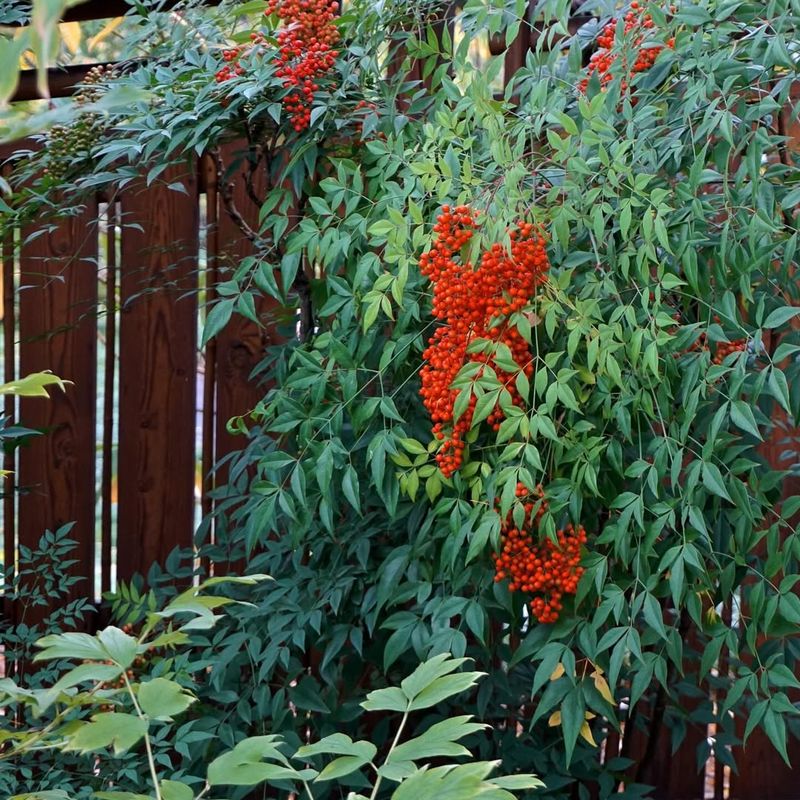
Garden centers across Texas stock nandina, also called heavenly bamboo, because customers love its year-round interest and low maintenance requirements.
The shrub displays lacy foliage that turns brilliant red in winter, plus clusters of bright berries.
Your Texas Garden Changes Every Week. Your Plan Should Too.
Gardening in Texas changes quickly throughout the season. Every Friday you’ll receive a simple weekly plan showing exactly what to plant, prune, fertilize, harvest, and protect so you never miss the right timing.
Many homeowners consider it the perfect foundation plant for easy landscaping.
Birds spread nandina seeds into natural areas where the shrub establishes dense thickets that crowd out native vegetation.
More concerning, the berries contain cyanide compounds that harm cedar waxwings and other birds when consumed in large quantities.
Wildlife experts have documented numerous bird fatalities linked to nandina berry consumption.
While Texas has not banned nandina outright, environmental groups strongly discourage planting it, especially near natural areas or parks.
Some cities have removed nandina from public landscapes and replaced it with safer alternatives.
Texas native options like flame acanthus or turks cap provide colorful foliage without threatening wildlife.
Gardeners who already have nandina can reduce problems by removing berries before they ripen or choosing sterile cultivars that produce no fruit.
Better yet, replacing nandina with native shrubs supports local ecosystems.
Healthy landscapes work with nature instead of against it.
4. Chinaberry Tree
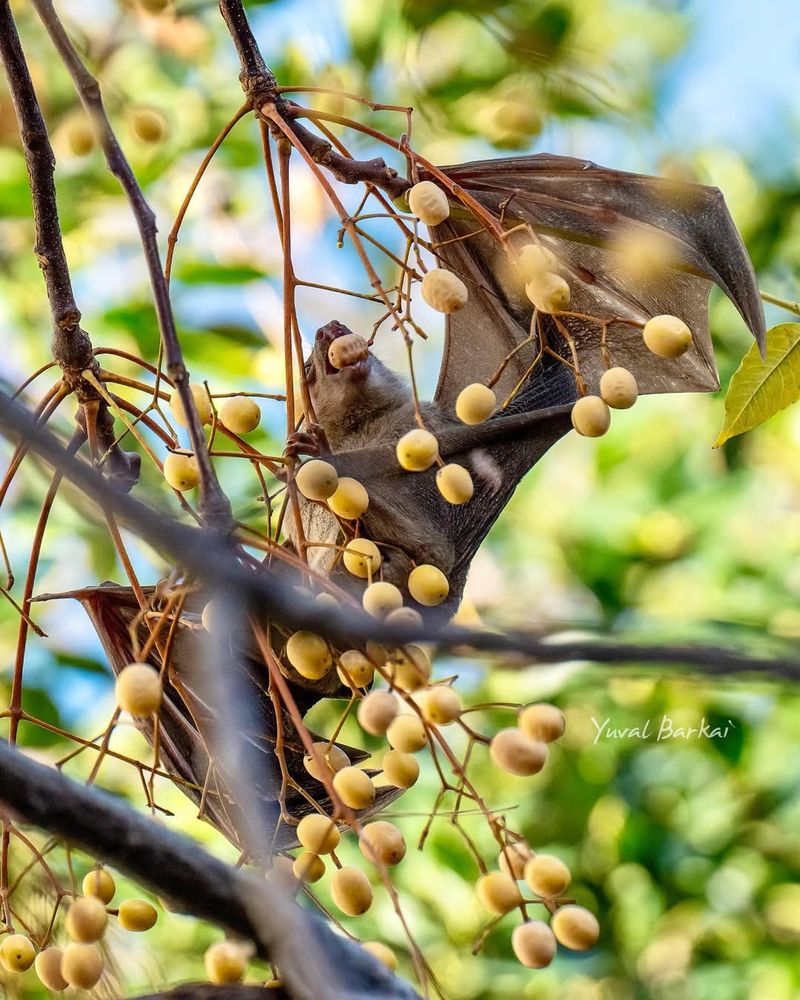
Pioneers brought chinaberry trees to Texas in covered wagons, valuing their fast growth and dense shade for homesteads on the treeless prairie.
Old farmsteads often feature massive chinaberries that have stood for generations.
These trees seemed like a practical solution for quick shade in harsh conditions.
Modern Texans recognize chinaberry as one of the most problematic invasive plants in the state.
Single trees produce thousands of seeds that sprout readily in pastures, roadsides, and natural areas.
The trees grow incredibly fast, reaching maturity in just a few years and outcompeting native species for water and nutrients.
Texas law classifies chinaberry as a noxious weed in many counties, prohibiting its sale and requiring landowners to control existing populations.
Ranchers particularly dislike chinaberry because livestock sometimes eat the toxic berries, causing serious health problems.
Native shade trees like cedar elm or bur oak provide better long-term value without invasive tendencies.
Removing chinaberries requires cutting trees and treating stumps to prevent regrowth.
Seedlings pop up constantly wherever birds have spread the berries.
Landowners committed to native landscapes face years of vigilant monitoring to eliminate this persistent invader completely.
5. Saltcedar
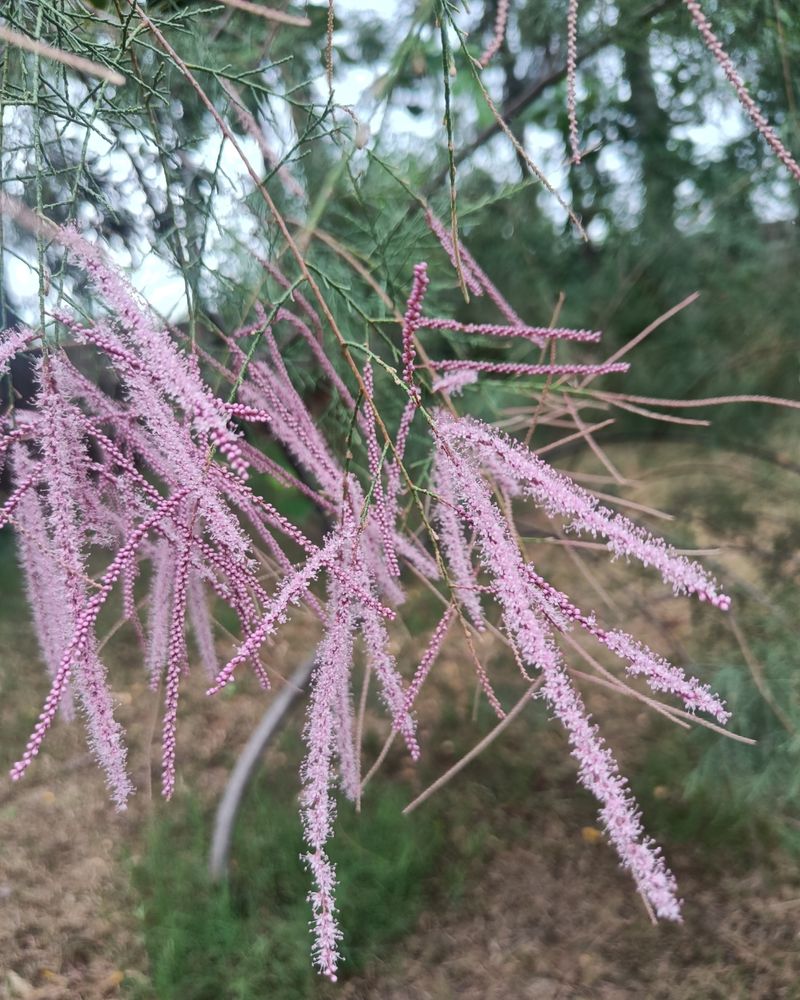
Along Texas rivers and streams, saltcedar creates forests of feathery pink blooms that look deceptively beautiful from a distance.
Government agencies actually planted this shrub in the early 1900s for erosion control along waterways.
Nobody predicted the ecological disaster that would follow.
Saltcedar consumes enormous amounts of water, far more than native riparian plants.
A single large plant can drink hundreds of gallons daily, lowering water tables and drying up springs that wildlife depends on.
The shrub also deposits salt in the soil, making it difficult for other plants to grow nearby.
Texas spends millions annually fighting saltcedar through mechanical removal, controlled burning, and biological control using imported beetles that feed on the plant.
State law prohibits planting or selling saltcedar, and restoration projects prioritize removing it from waterways.
Native alternatives like black willow or buttonbush provide erosion control without depleting water resources.
Landowners with creek frontage should monitor for saltcedar seedlings and remove them immediately before they establish deep root systems.
Restoring native vegetation along waterways benefits fish, birds, and entire aquatic ecosystems.
Protecting Texas water resources means choosing the right plants for riparian areas.
6. Glossy Privet
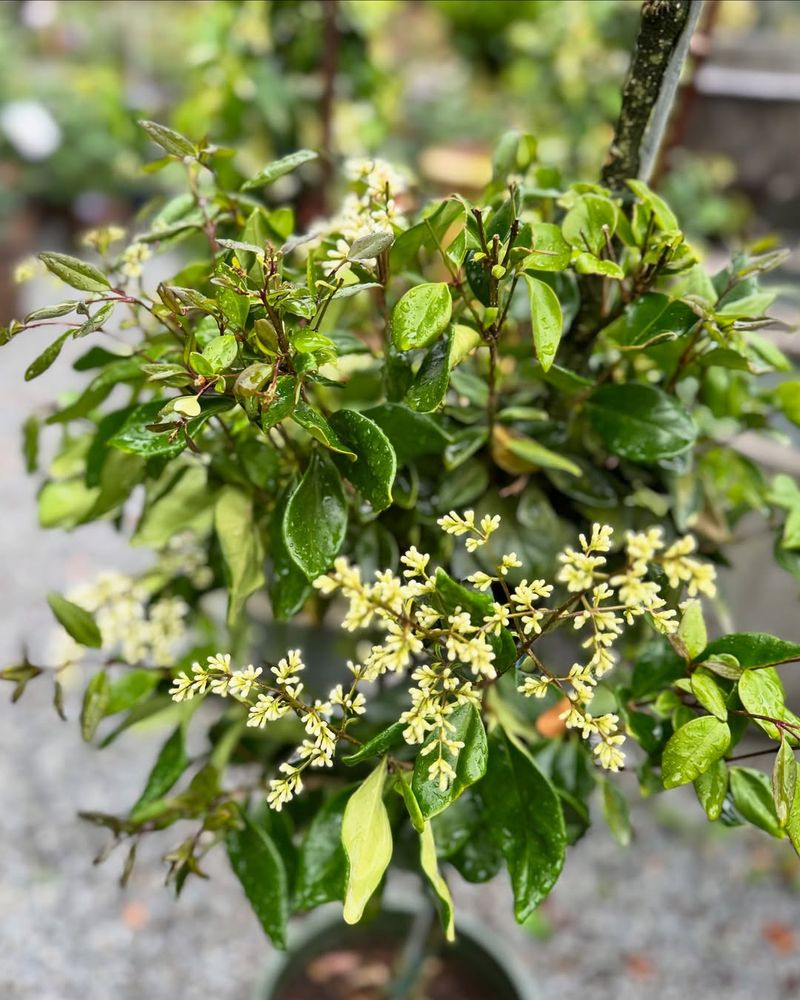
Landscape architects once specified glossy privet for commercial properties and upscale neighborhoods because of its polished appearance and formal look.
The shrub tolerates heavy pruning and shapes easily into hedges or topiaries.
Shiny evergreen leaves made it seem like an ideal foundation plant for year-round appeal.
Like its cousin Chinese privet, glossy privet escapes cultivation and invades natural areas throughout Texas.
The plant produces abundant berries that birds distribute widely, creating new infestations far from the original planting.
Dense stands form in forests and along waterways, blocking light and preventing native plant regeneration.
Several Texas counties have added glossy privet to their noxious weed lists, restricting sales and requiring management on private property.
Environmental regulations increasingly discourage using any privet species in landscaping projects.
Native evergreens like wax myrtle or yaupon holly offer similar aesthetic qualities without invasive behavior.
Property managers replacing aging privet hedges should consider native alternatives that support local wildlife instead of harming ecosystems.
The initial cost might seem higher, but native plants require less water and maintenance over time.
Sustainable landscaping choices benefit both property owners and the environment for decades to come.
7. Russian Olive
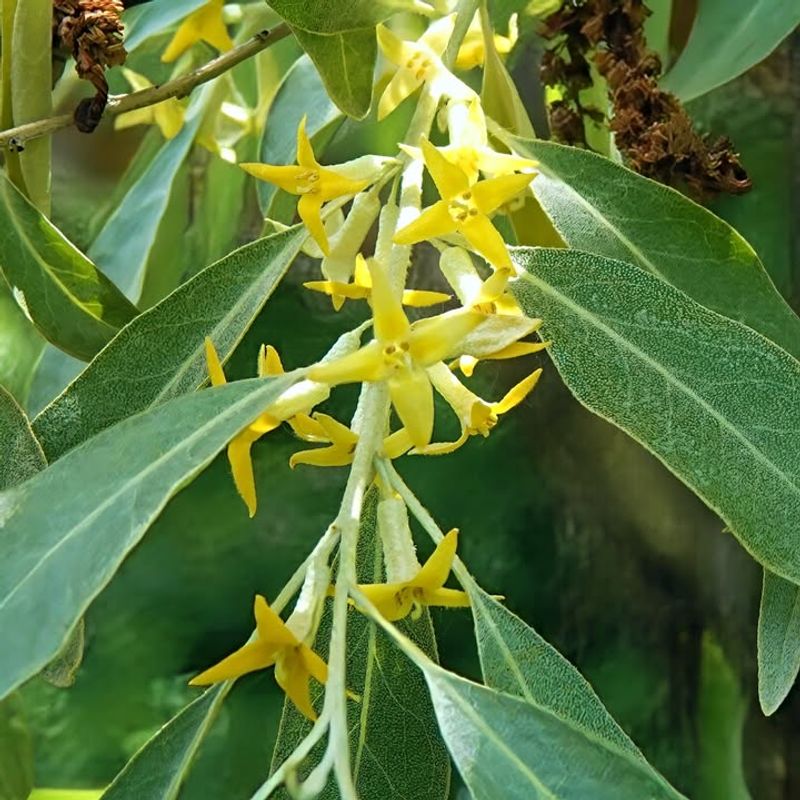
Silvery foliage makes Russian olive stand out in any landscape, which explains its popularity in xeriscaping and drought-tolerant gardens.
The shrub thrives in poor soil and requires minimal water once established.
Gardeners looking for tough plants that survive Texas heat often choose this hardy species.
Russian olive aggressively colonizes disturbed areas, roadsides, and riparian zones throughout western and central Texas.
Sharp thorns make thickets nearly impenetrable for wildlife and humans alike.
The plant fixes nitrogen in soil, altering nutrient cycles and giving it an advantage over native species that evolved in low-nitrogen conditions.
Texas Parks and Wildlife discourages planting Russian olive, and some counties prohibit its sale or distribution.
While not yet banned statewide, environmental agencies recognize it as a growing threat to native ecosystems.
Native drought-tolerant options like agarita or Texas sage provide similar toughness without invasive tendencies.
Landowners should remove Russian olive before it produces the olive-like fruits that spread prolifically.
Cutting alone proves ineffective since stumps resprout vigorously.
Proper management requires commitment, but preventing spread protects valuable rangeland and natural areas from this aggressive colonizer.
8. Mimosa Tree
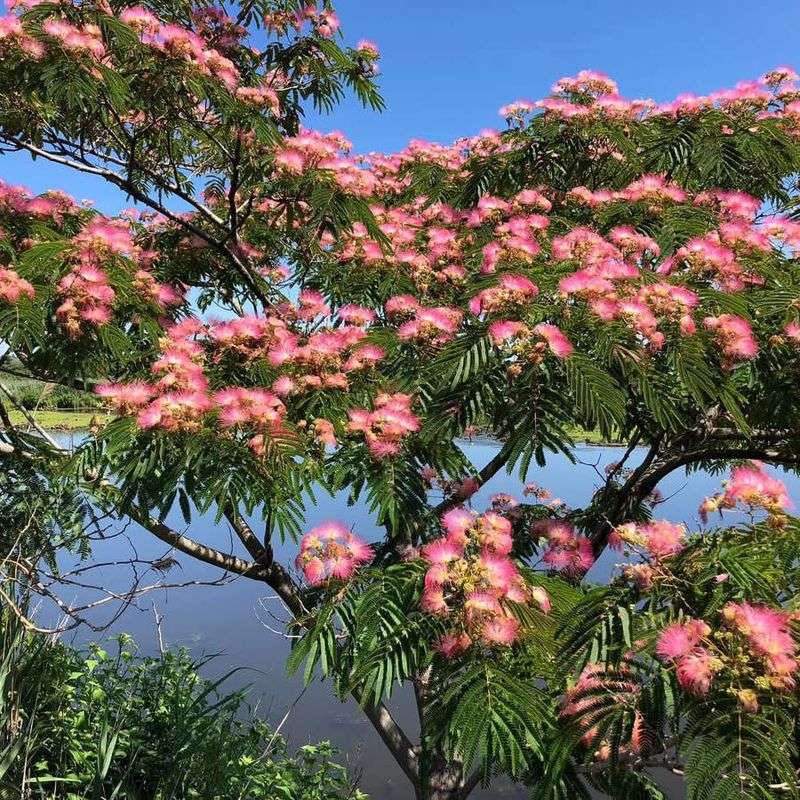
Nothing quite matches the charm of mimosa trees covered in pink powder-puff blooms that perfume summer evenings with sweet fragrance.
Nostalgic gardeners remember these trees from childhood and want to recreate those memories in their own yards.
The delicate foliage and exotic flowers seem perfect for romantic garden settings.
Mimosa spreads aggressively through prolific seed production, with each tree generating thousands of seeds that remain viable for years in soil.
Seedlings sprout everywhere, from flower beds to sidewalk cracks, becoming a constant maintenance problem.
The trees grow rapidly but live short lives, often becoming diseased or storm-damaged within ten to fifteen years.
While Texas has not formally banned mimosa, many counties classify it as invasive and discourage planting.
Progressive nurseries have stopped stocking mimosa in favor of better-behaved ornamental trees.
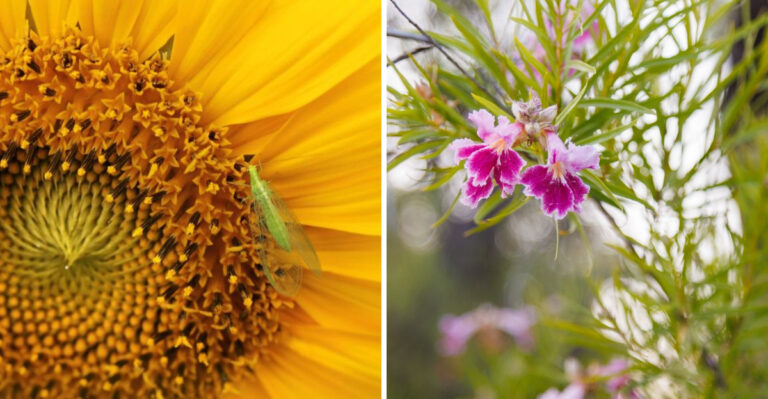
Native alternatives like desert willow offer similar feathery foliage and beautiful flowers without the invasive problems.
Homeowners who inherit mimosa trees on their property should consider gradual replacement with native species that provide longer-lasting beauty.
Removing seedlings promptly prevents establishment of new trees.
Creating landscapes that work with Texas ecology rather than against it leads to healthier, more sustainable gardens that require less effort to maintain.