10 Things To Do When A Bobcat Shows Up In Your Texas Yard
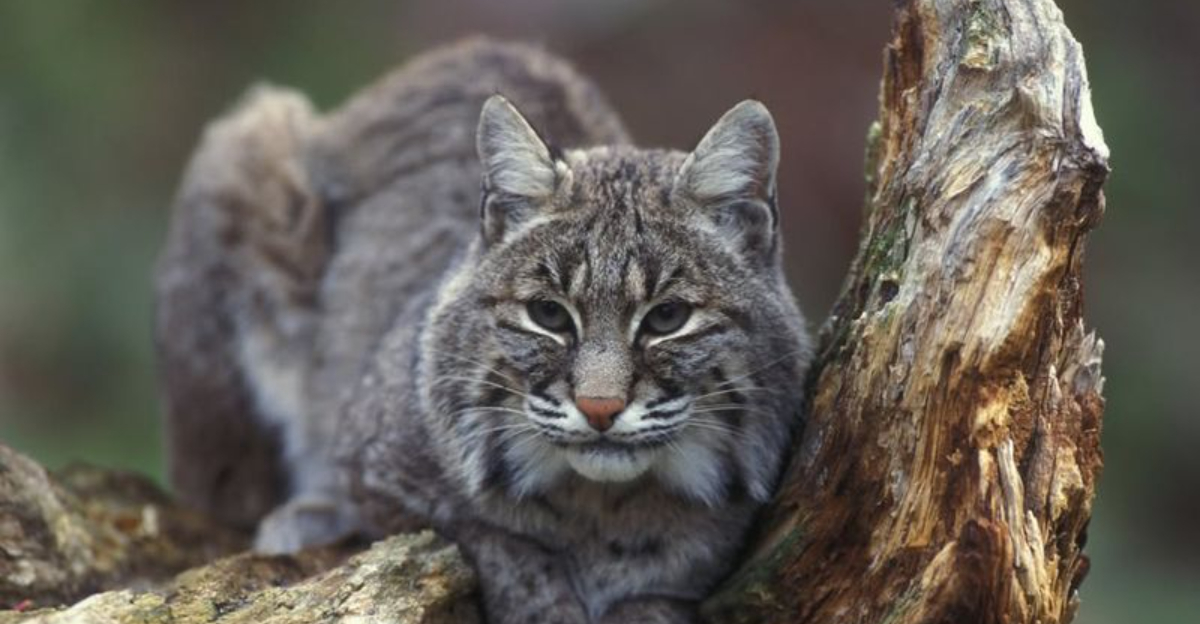
A bobcat sighting in a Texas yard can feel startling, but these wild cats slip through neighborhoods far more often than most residents realize.
Drawn by water sources, abundant prey, and quiet hiding spots, bobcats navigate suburban landscapes with confidence and rarely cause trouble unless provoked.
When one suddenly appears on a lawn, homeowners often freeze, unsure how close is too close or what steps keep pets and property safe.
Wildlife officials emphasize calm, deliberate action and a clear understanding of bobcat behavior.
Knowing how to respond during a sighting — and how to make your yard less attractive afterward — gives Texas homeowners the confidence to handle the encounter safely and prevent future visits.
1. Stay Calm And Keep Your Distance
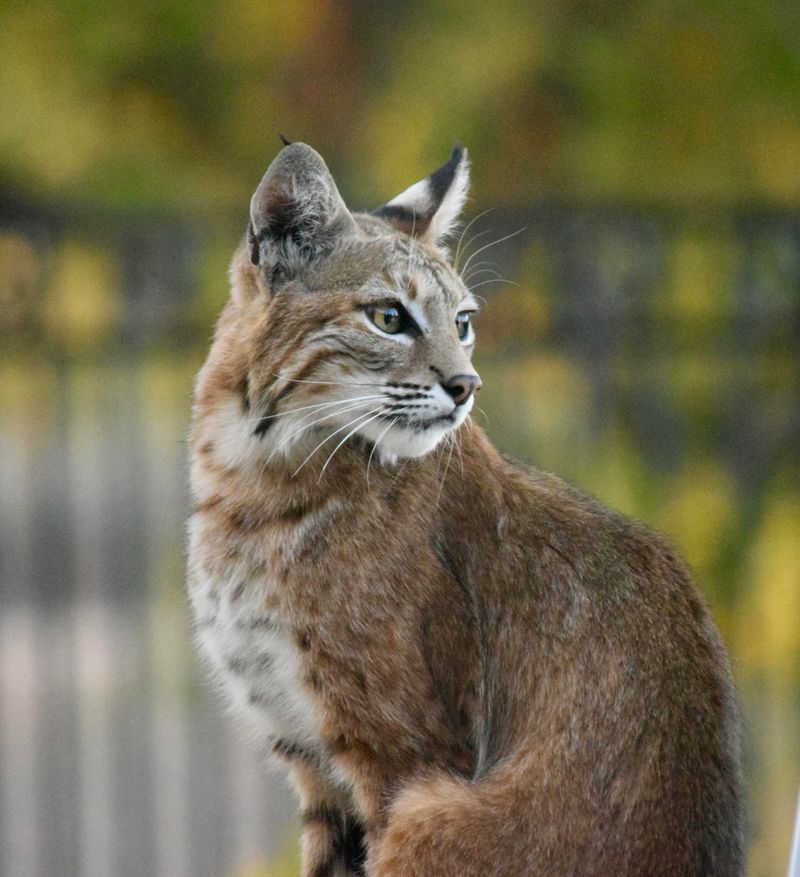
Your first reaction matters more than you might think when wildlife appears unexpectedly.
Bobcats rarely attack humans and prefer to avoid us entirely.
Panicking or making sudden movements could startle the animal and create an unpredictable situation.
Keep at least 50 feet between you and the bobcat whenever possible.
This distance gives the animal space to feel comfortable and choose its own path away from your property.
If you spot the bobcat through a window, stay inside and observe from that safe vantage point.
Children and other family members should be calmly brought indoors without shouting or running.
Most bobcat encounters last only a few minutes before the animal moves along naturally.
Your composed behavior helps the situation resolve peacefully.
Remember that bobcats are more afraid of you than you are of them.
They typically visit yards accidentally while hunting rabbits or searching for water sources during dry periods.
Maintaining your cool protects everyone involved and prevents unnecessary conflict with these beautiful native creatures.
2. Bring Pets Inside Immediately
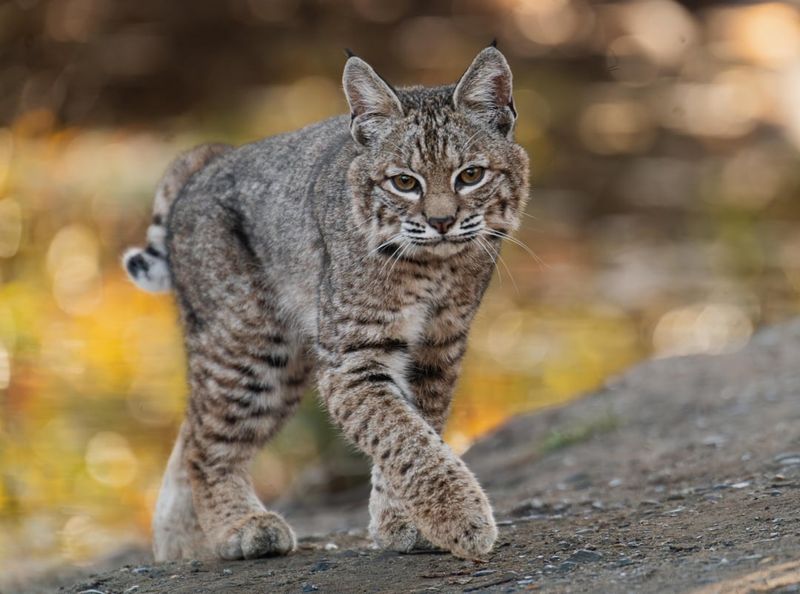
Small dogs and cats can look like prey to a hungry bobcat scanning your Texas yard.
Bobcats are skilled hunters that naturally pursue animals similar in size to rabbits, squirrels, and small rodents.
Your beloved pets could trigger their hunting instincts if left outside unsupervised.
Call your pets indoors using a calm but firm voice.
Avoid high-pitched squealing or frantic gestures that might attract the bobcat’s attention or excite your pet.
If your dog is on a leash outside, walk steadily toward your door while keeping yourself between your pet and the bobcat.
Never turn your back completely on the wild animal.
Cats that roam outdoors face particular risk since they move in ways that resemble prey behavior.
Consider keeping outdoor cats inside during dawn and dusk when bobcats are most active.
Even medium-sized dogs should be supervised, though bobcats typically avoid confrontation with animals close to their own size.
Prevention is always smarter than hoping for the best outcome.
Your quick action can prevent a dangerous encounter that neither your pet nor the bobcat wants.
3. Make Yourself Appear Larger
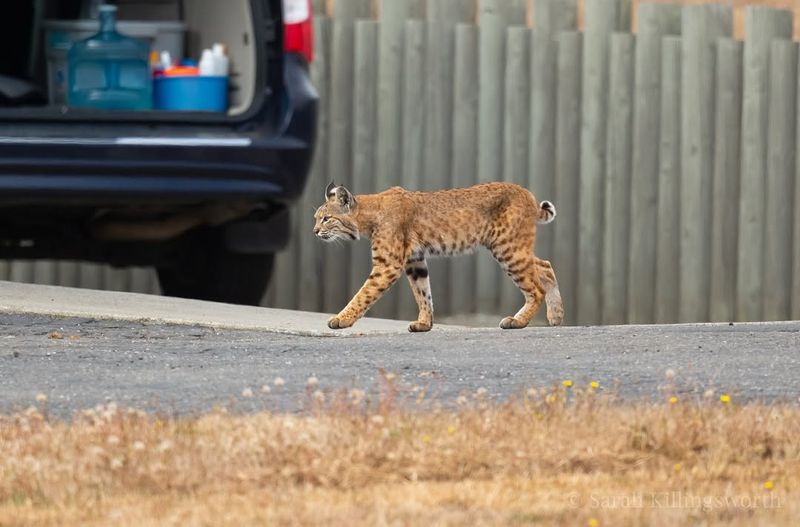
Size intimidation works wonders with wildlife that prefers easy targets over challenges.
If the bobcat seems to be lingering on your Texas property, stand tall and raise your arms above your head.
Your Texas Garden Changes Every Week. Your Plan Should Too.
Gardening in Texas changes quickly throughout the season. Every Friday you’ll receive a simple weekly plan showing exactly what to plant, prune, fertilize, harvest, and protect so you never miss the right timing.
Open your jacket wide or hold it above your shoulders to increase your visual size.
This technique taps into the bobcat’s natural instinct to avoid larger predators and potentially dangerous situations.
Animals in the wild constantly assess risk versus reward.
Wave your arms slowly and deliberately rather than making quick, jerky motions.
Controlled movements appear more threatening than frantic ones to wild animals.
You can also stand on a step, rock, or elevated surface to add extra height to your presence.
Every inch counts when you’re trying to appear formidable.
Avoid crouching down or making yourself smaller, as this could signal weakness or vulnerability.
Predators notice these subtle cues and may respond with increased curiosity or boldness.
Children should be picked up or positioned behind adults who can make themselves appear larger.
Protecting the smallest members of your group is essential during any wildlife encounter.
4. Make Loud Noises To Discourage Approach

Bobcats value their peace and quiet, so disrupting that comfort encourages them to leave.
Clap your hands sharply and repeatedly while speaking in a deep, firm voice.
Shout phrases like “Go away!” or “Get out of here!” with authority and confidence.
Banging pots and pans together — a trick many Texas homeowners rely on — creates an unpleasant racket that sends bobcats running.
Keep these items near your back door if bobcats have been spotted in your neighborhood recently.
Air horns provide an excellent portable option for creating sudden, startling sounds.
A single blast often sends bobcats running without requiring you to get any closer.
Whistles, especially the kind coaches use, produce sharp tones that carry well and effectively communicate “danger” to wild animals.
Keep one on your keychain for emergencies.
Avoid screaming in a high-pitched or panicked way, as this can sound like prey in distress.
Deep, loud, aggressive sounds work better for deterring predators.
Once the bobcat starts moving away, continue making noise until it’s completely out of sight.
This reinforces the message that your yard is not a welcoming place.
5. Never Turn Your Back Or Run Away
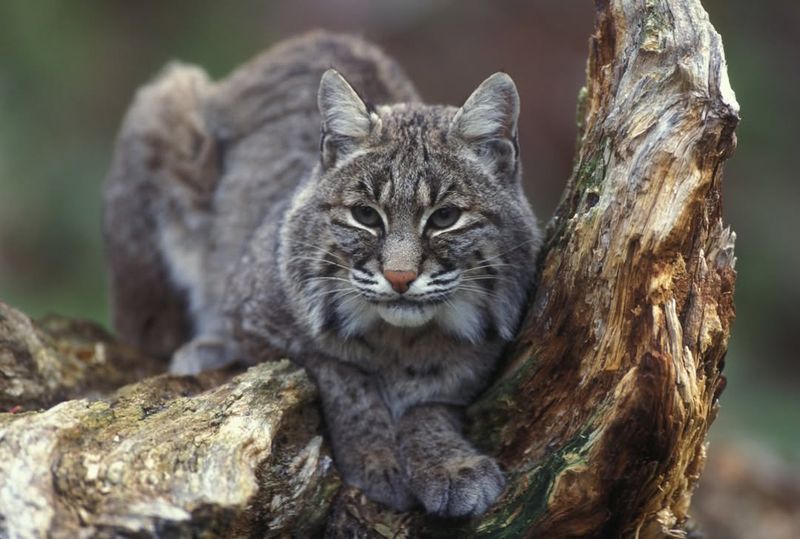
Running triggers the chase instinct in almost every predator species on Earth.
Bobcats are naturally programmed to pursue fleeing animals because that’s how they catch their food.
Even if the bobcat wasn’t initially interested in you, running could change that instantly.
Back away slowly while continuing to face the animal.
This shows you’re aware of its presence while also respecting its space by increasing distance.
Maintain eye contact without staring aggressively — a standard safety technique used throughout Texas wildlife guidance.
Brief glances show you’re monitoring the situation without issuing a direct challenge that some animals interpret as confrontational.
Your slow, deliberate movements communicate confidence rather than fear.
Predators can sense panic and may respond with increased curiosity or boldness.
If you need to move to safety, take measured steps backward or sideways.
Never sprint toward your house unless you’re absolutely certain you can reach it before the bobcat reacts.
Children naturally want to run when scared, so hold their hand firmly and guide them calmly.
Explain in simple terms that walking slowly keeps everyone safer than running would.
6. Spray Water If The Bobcat Lingers
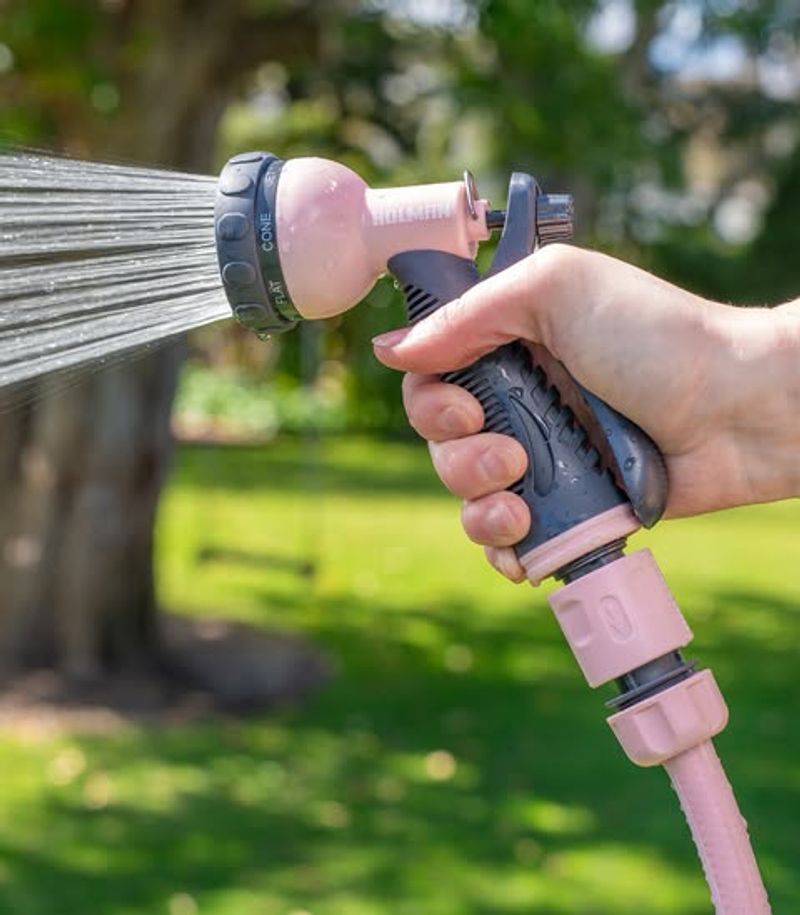
Most cats, wild or domestic, dislike getting wet and will retreat from water.
If you have a garden hose nearby, turn it on and spray in the bobcat’s direction.
You don’t need to hit the animal directly—the sight and sound of water is often enough.
Sprinklers can be turned on remotely if you have that capability, creating an instant deterrent across your entire yard.
The sudden spray startles bobcats and encourages them to seek drier territory.
Water is a harmless way to discourage wildlife without causing injury or distress.
This method respects the animal while firmly establishing boundaries around your property.
Keep your hose nozzle set to a strong stream rather than a gentle mist for maximum effectiveness.
The forceful spray communicates that your yard is not a comfortable place to hang around.
If the bobcat has been visiting regularly, consider installing motion-activated sprinklers.
These devices detect movement and automatically spray water, training wildlife to avoid your yard even when you’re not home.
This approach works especially well for persistent bobcats that seem comfortable around human spaces and need stronger encouragement to leave.
7. Secure All Food Sources Outside
Bobcats don’t visit yards randomly — they’re usually following their nose to an easy meal, especially in Texas cities and rural areas where food sources are plentiful.
Pet food left outside attracts not only bobcats but also the small animals they hunt.
Bird feeders draw rodents and rabbits, which in turn attract predators looking for a convenient buffet.
Bring pet food bowls inside immediately after feeding time.
Even empty bowls retain scents that can attract curious wildlife hours later.
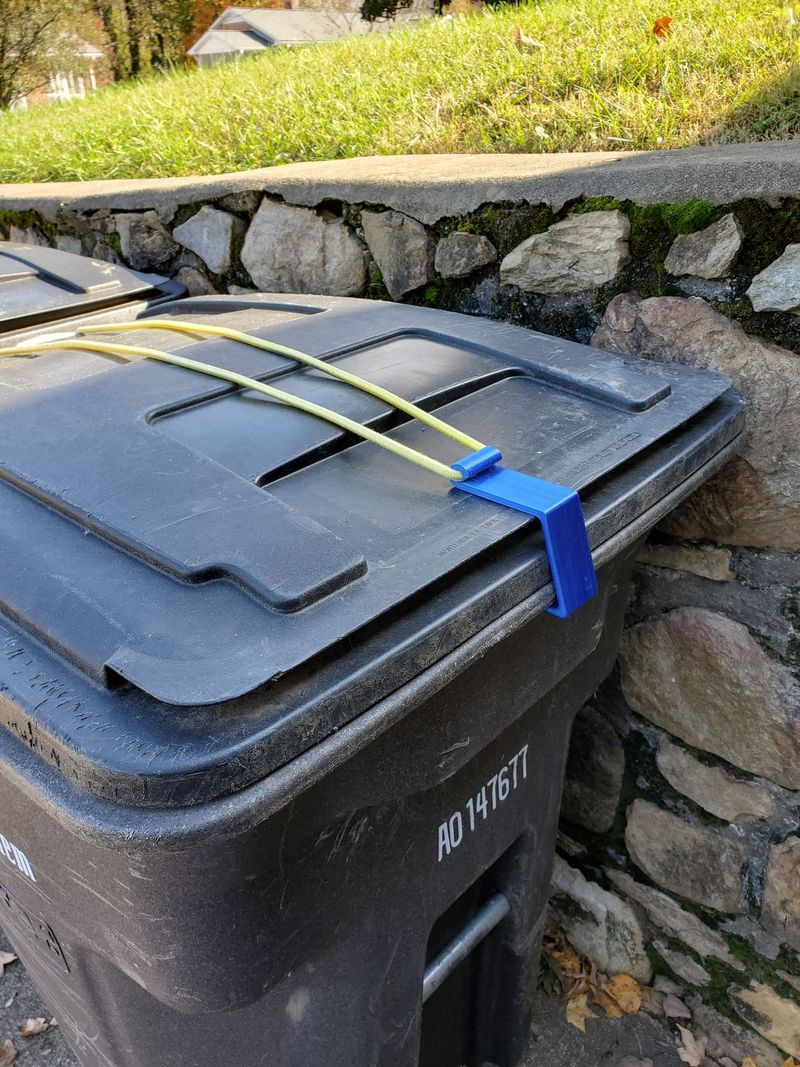
Garbage cans should have tight-fitting lids secured with bungee cords or locking mechanisms.
Bobcats are intelligent and can learn to knock over unsecured bins to access food scraps.
Fallen fruit from trees should be collected regularly during growing season.
Rotting fruit attracts insects and small mammals, which then attract bobcats and other predators.
Compost piles need proper enclosure in bins rather than open heaps.
The decomposing organic matter smells appealing to many animals and creates an unintentional wildlife magnet.
By eliminating food sources, you remove the primary reason bobcats have for visiting your property.
A yard with nothing to eat becomes much less interesting to hungry predators.
8. Check Your Yard Before Letting Kids Play
Prevention beats reaction every single time when it comes to wildlife safety.
Bobcats are most active during dawn and dusk, so these times require extra vigilance before outdoor activities.
Take a full lap around your yard, checking behind bushes, under decks, and near outbuildings.
Look for signs like tracks or scat, which are common indicators used by Texas homeowners to detect recent bobcat visits.
Fresh signs indicate the animal may still be nearby or visiting regularly.
Listen carefully for unusual sounds like low growls or the alarm calls of birds and squirrels.
Wildlife often alerts each other to predators, giving you advance warning.
If you spot a bobcat, wait at least 30 minutes after it leaves before allowing children outside.
This buffer time ensures the animal has moved well beyond your property boundaries.
Teach kids to scan the yard themselves and report any wildlife they notice.
Building awareness helps them develop good safety habits that extend beyond bobcat encounters.
Installing motion-sensor lights around your yard can help you spot nocturnal visitors before stepping outside.
These lights also deter many animals from lingering near your home.
9. Contact Local Wildlife Authorities If Needed
Sometimes professional help is the smartest choice for everyone’s safety.
If the bobcat appears injured, sick, or behaving abnormally, contact Texas Parks and Wildlife immediately.
Unusual behavior includes stumbling, excessive drooling, approaching humans without fear, or being active during midday heat.
Rabies is rare in bobcats but possible, making any strange behavior worth reporting.
Professionals can assess the situation and determine if intervention is necessary.
Bobcats that repeatedly return to your yard despite deterrent efforts may need relocation by trained wildlife officers.
Don’t attempt to trap or relocate the animal yourself—this is both dangerous and illegal in Texas without proper permits.
Local animal control can provide advice specific to your neighborhood and any recent bobcat activity patterns.
They may already be tracking the animal you’ve encountered.
Document your sighting with photos or video from a safe distance if possible.
This evidence helps authorities identify individual animals and track their movements across different properties.
Keep a record of each sighting including date, time, and behavior observed.
Patterns in these records can reveal important information about why the bobcat is visiting your area.
10. Educate Your Family About Bobcat Safety
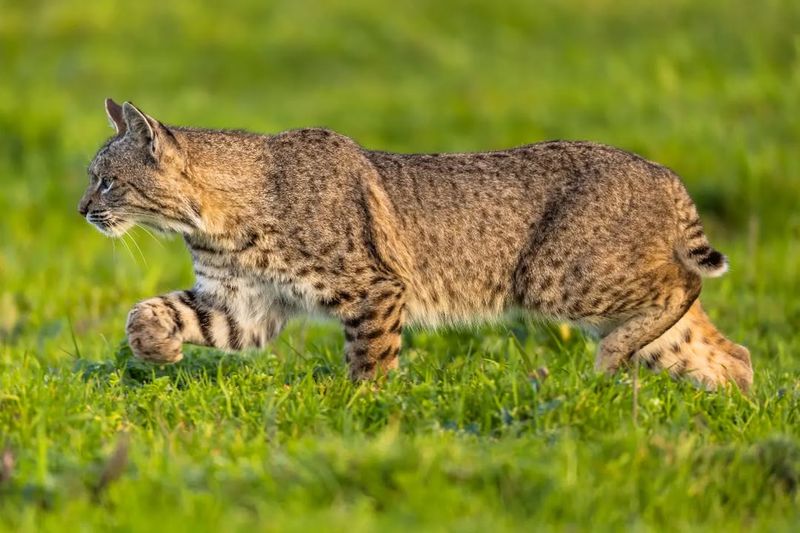
Knowledge turns fear into confidence when unexpected wildlife encounters happen.
Teach children what bobcats look like so they can identify them quickly.
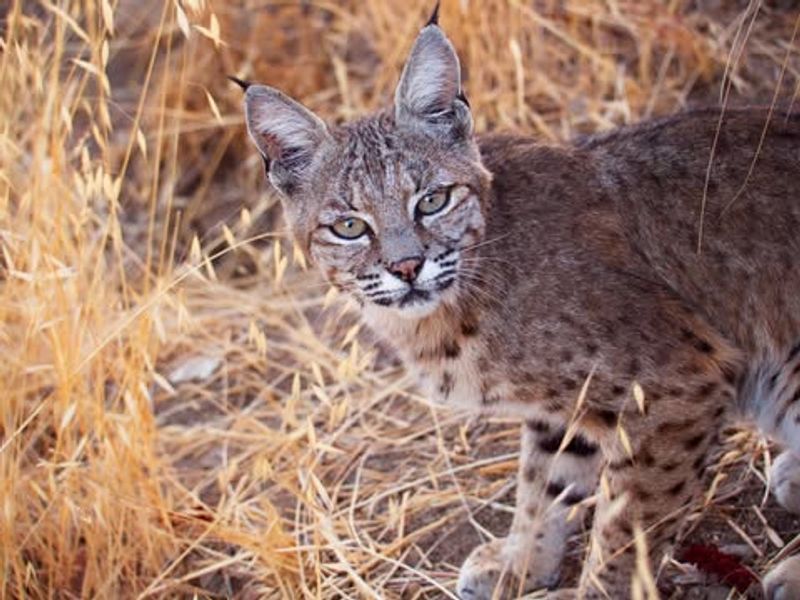
Show pictures highlighting the distinctive features like tufted ears, spotted coat, and short bobbed tail.
Explain that bobcats are wild animals deserving respect and space, not pets to approach or feed.
Kids need to understand that even cute wildlife can be dangerous when cornered or surprised.
Practice wildlife safety drills just like you would fire drills.
Have everyone rehearse calmly walking indoors and gathering in a safe room while someone monitors the animal.
Discuss what to do if someone encounters a bobcat while alone in the yard.
Clear, simple instructions like “back away slowly and come inside” work better than complex explanations during stressful moments.
Share information about bobcat behavior and habitat needs so your family understands why these animals occasionally visit neighborhoods.
Understanding breeds respect rather than unnecessary fear.
Keep emergency contact numbers posted where everyone can find them quickly.
Include Texas Parks and Wildlife, local animal control, and your nearest wildlife rehabilitation center.