Why Florida Gardeners Use Coffee Grounds Around Plants In December
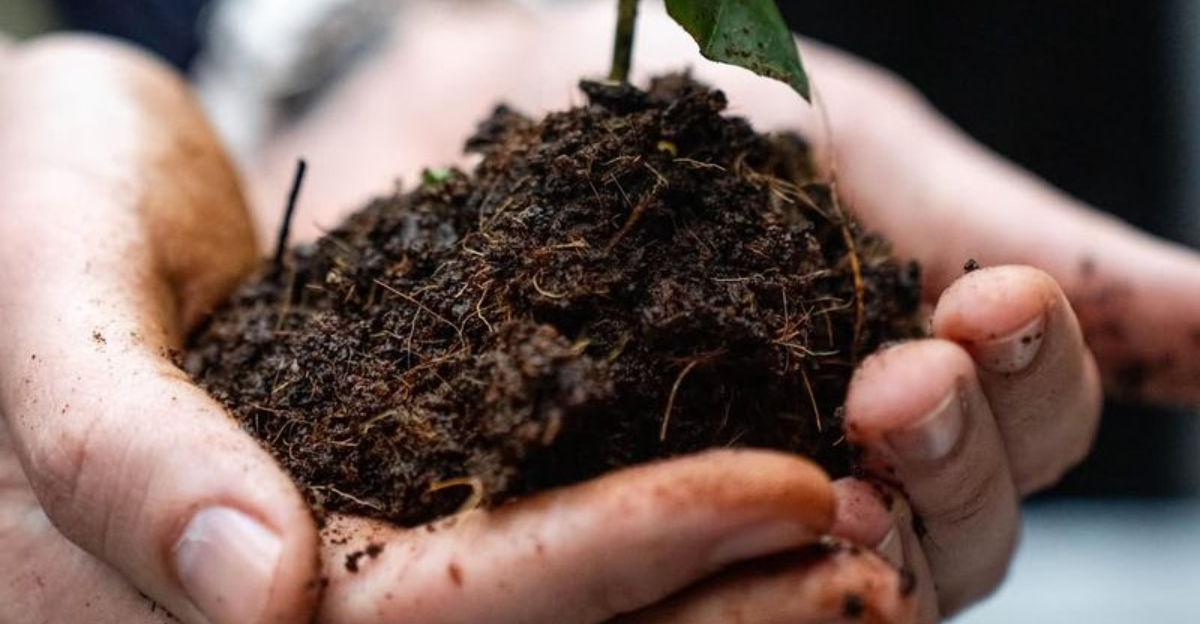
Florida gardeners have discovered a surprising winter secret hiding right in their kitchens—used coffee grounds.
As December brings cooler nights and unpredictable rain patterns, many plants benefit from an extra boost in soil structure, nutrients, and moisture balance.
Coffee grounds offer all three in a simple, free, and eco-friendly form.
They enrich sandy Florida soil, support beneficial microbes, and give acid-loving plants exactly what they crave during the winter slowdown.
Even better, they help suppress pests and improve drainage at a time when overwatering can easily become a problem.
It’s no wonder gardeners across the Sunshine State are stirring this humble household waste into their beds and container gardens.
What started as an old-school gardening hack has now become a trusted winter ritual for everyone from beginner plant parents to seasoned growers.
Here’s why coffee grounds belong in your December garden routine, too.
Slow-Release Nitrogen Boost During Mild Winters
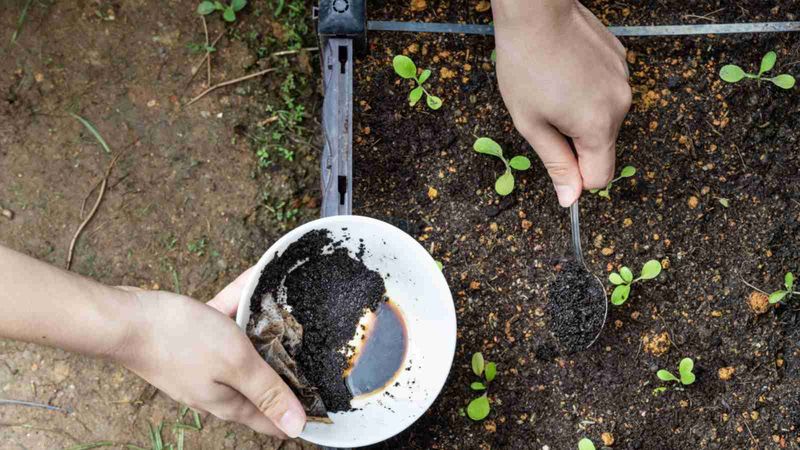
Florida’s December weather creates perfect conditions for gardeners who want to feed their plants without overwhelming them.
Cooler temperatures mean plants grow more slowly, so they need gentler nutrition than during summer’s intense heat.
Coffee grounds deliver nitrogen gradually over several weeks, matching the slower pace of winter growth.
Your ornamental plants, shrubs, and even some vegetables still need nutrients during these months, but heavy fertilizers can stress them out.
The nitrogen in coffee grounds breaks down slowly as soil microbes process the organic material.
This steady release prevents the nutrient burn that chemical fertilizers sometimes cause.
Camellias, azaleas, and roses particularly appreciate this gentle feeding method during December.
Many Florida gardeners notice improved leaf color and healthier overall appearance when they add coffee grounds in winter.
The grounds also contain small amounts of phosphorus and potassium, creating a balanced nutritional supplement.
Since December temperatures in Florida typically range from the 60s to low 70s, biological activity continues in the soil, allowing coffee grounds to work their magic.
Your morning coffee habit suddenly becomes a gardening advantage rather than just waste.
Spreading a thin layer every few weeks throughout December keeps your plants nourished without any chemical additives or expensive products from the garden center.
Organic Matter For Sandy Soil Improvement
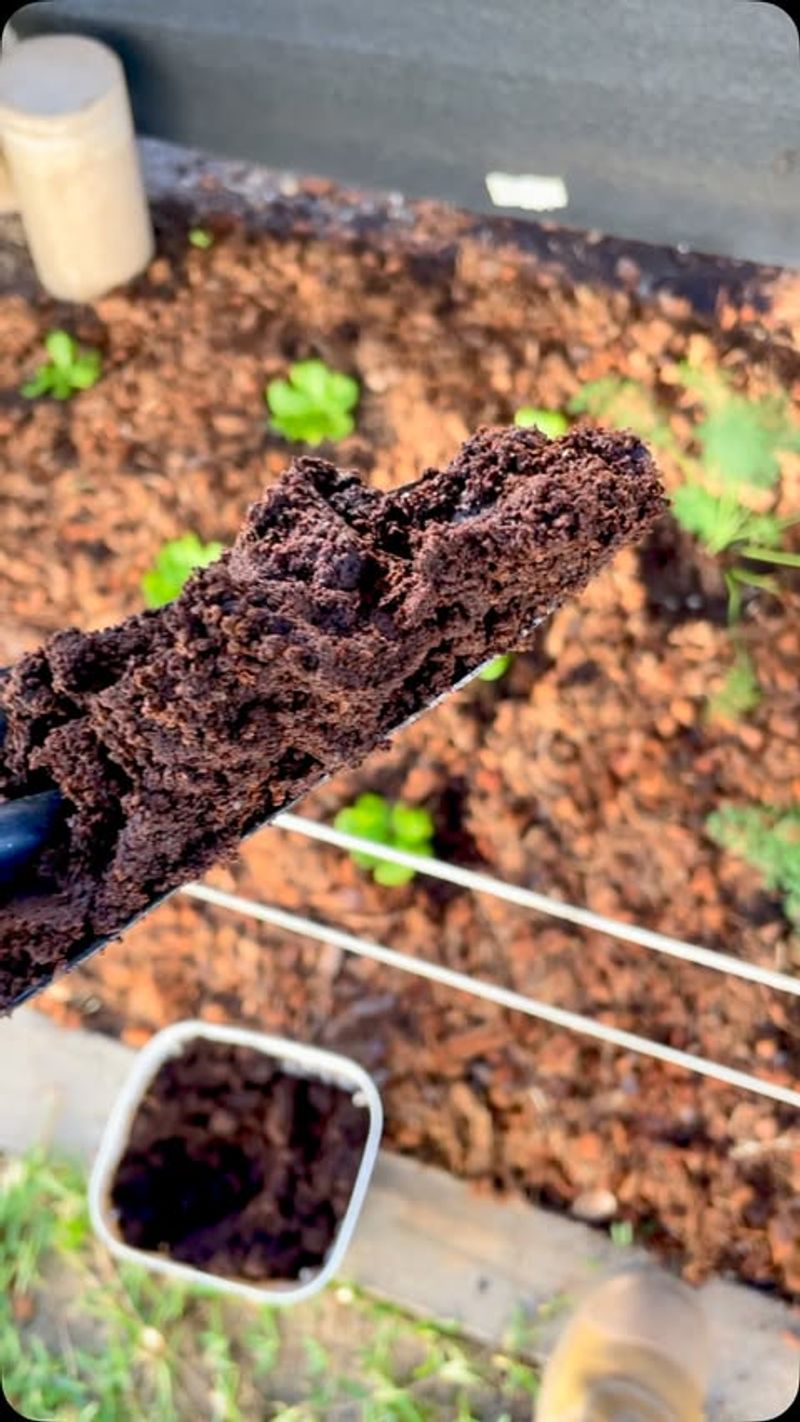
Anyone who gardens in Florida knows the challenge of working with sand instead of rich, loamy soil.
Most residential properties across the state sit on soil that drains faster than a colander, making it tough to grow anything without constant watering and feeding.
Coffee grounds transform this frustrating situation by adding precious organic matter that changes how soil behaves.
When you mix used grounds into sandy soil, they act like tiny sponges that catch and hold both water and nutrients.
The organic particles fill spaces between sand grains, creating a more complex soil structure.
This improved structure means fertilizers and amendments stay put instead of washing straight through to the groundwater below.
December offers ideal conditions for soil improvement because you can work the grounds in without disturbing active growing seasons.
Your Florida Garden Changes Every Week. Your Plan Should Too.
Gardening in Florida changes quickly throughout the season. Every Friday you’ll receive a simple weekly plan showing exactly what to plant, prune, fertilize, harvest, and protect so you never miss the right timing.
Many Florida vegetables and flowers go dormant or slow down significantly during winter months, giving you the perfect window for soil building.
The grounds also darken sandy soil, which helps it absorb more warmth from the winter sun.
Over time, regular applications create a richer growing medium that performs more like the garden soil people enjoy in other states.
Your plants develop stronger root systems in this improved soil, making them more resilient during Florida’s challenging summer conditions.
The transformation happens gradually, but consistent December applications set the foundation for spectacular spring growth.
Food For Beneficial Soil Microbes
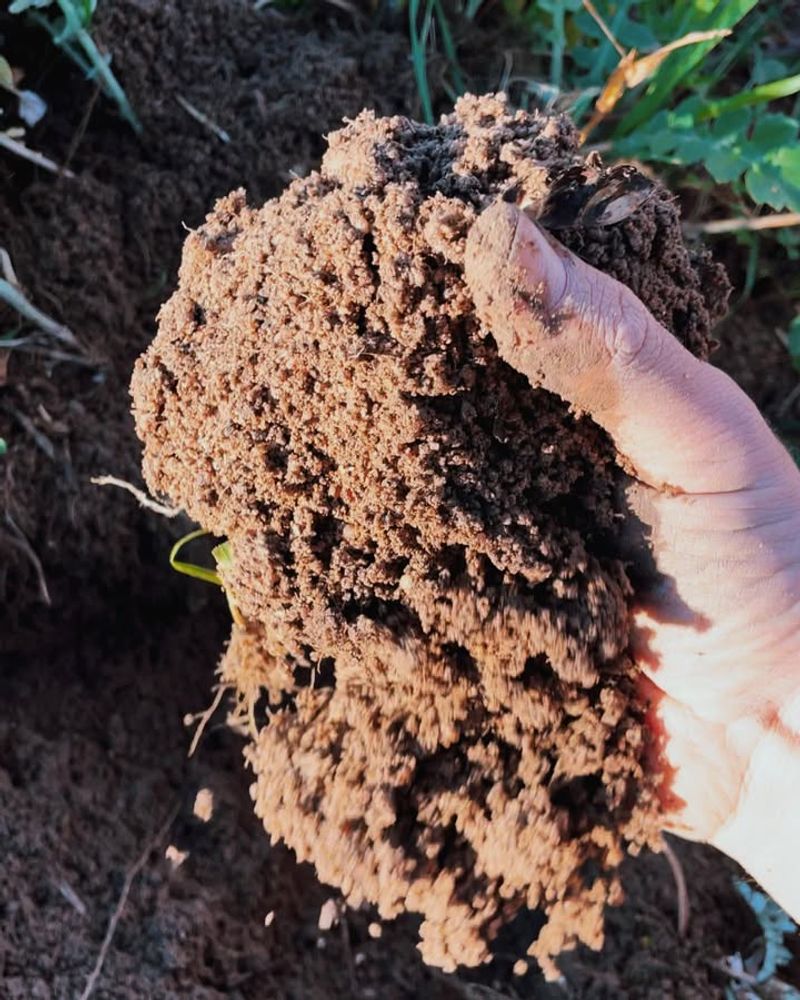
Underneath your Florida garden’s surface lives an invisible world of helpful organisms working around the clock for your plants.
These beneficial bacteria, fungi, and other microbes remain active year-round in Florida’s warm climate, unlike northern states where they go dormant.
Coffee grounds serve as a feast for these microscopic helpers, giving them the energy they need to continue their important work.
When microbes consume organic matter like coffee grounds, they break it down into nutrients that plant roots can actually absorb and use.
This biological process, called decomposition, transforms complex compounds into simpler forms of nitrogen, phosphorus, and other elements.
December’s moderate temperatures create ideal conditions for microbial activity without the stress of summer heat or humidity extremes.
The carbon in coffee grounds provides energy for bacterial populations, while the nitrogen supports their growth and reproduction.
As these populations flourish, they outcompete harmful organisms that might otherwise cause plant diseases or root problems.
Healthy microbial communities also improve soil structure through the sticky substances they produce, which bind soil particles together.
Many Florida gardeners report fewer pest and disease issues when they maintain active soil biology through organic additions like coffee grounds.
The grounds essentially act as a probiotic for your garden, promoting the good guys that keep plants healthy.
Adding them in December maintains this beneficial population through winter, ensuring your garden has a strong biological foundation when spring arrives.
Natural Soil Acidification For Acid-Loving Plants
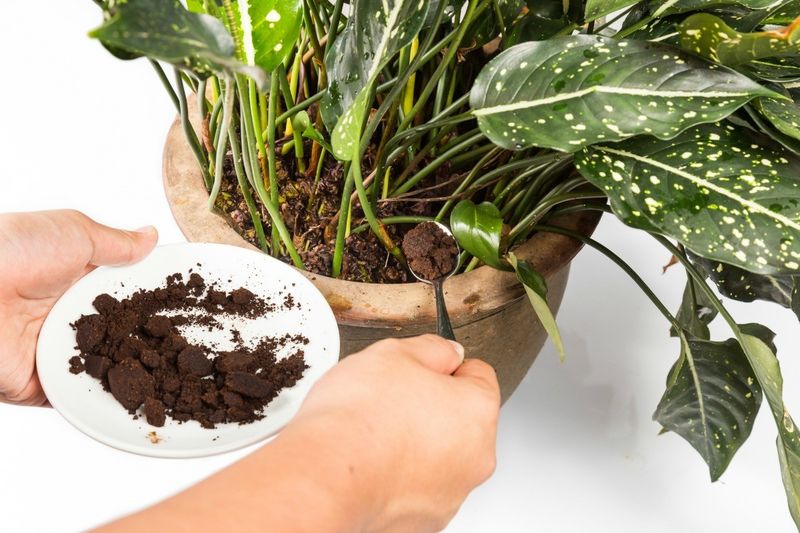
Some of Florida’s most beloved ornamental plants thrive when soil pH drops slightly below neutral into the acidic range.
Azaleas, blueberries, camellias, and gardenias all perform their best when the soil measures between 5.0 and 6.0 on the pH scale.
Coffee grounds naturally lean toward the acidic side, making them perfect for feeding these particular plants without expensive soil amendments.
Many Florida soils start out slightly alkaline or neutral, especially in coastal areas where shell fragments raise the pH.
Adding coffee grounds gradually shifts the pH downward, creating the conditions these acid-lovers need to absorb nutrients properly.
December applications give the grounds several months to work before spring’s major growth period begins.
Azaleas especially benefit from this treatment, producing more abundant blooms when their soil chemistry matches their preferences.
The effect remains gentle and gradual, preventing the shocking pH swings that can stress plants or damage roots.
Blueberry bushes grown in containers or raised beds particularly appreciate regular coffee ground applications throughout winter.
Gardenias show their gratitude through darker green leaves and more fragrant flowers when their soil acidity stays in the right range.
You can monitor the effect using an inexpensive pH test kit from any garden center, adjusting your application amounts based on results.
This natural method beats buying sulfur or other acidifying products, saving money while recycling kitchen waste into garden gold.
Perfect Winter Mulch For Container Plants
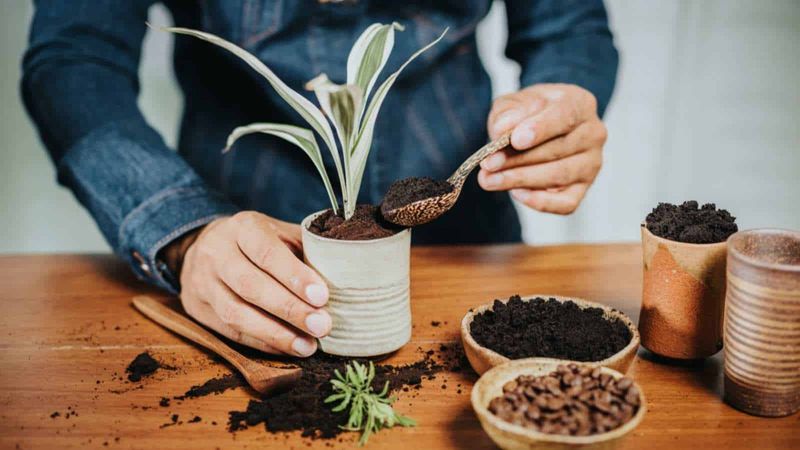
Container gardening dominates many Florida landscapes, from apartment balconies to elaborate patio displays.
Potted plants face unique challenges during December when temperatures can swing dramatically between warm afternoons and surprisingly chilly nights.
A thin layer of coffee grounds spread across the soil surface in containers acts as protective insulation against these temperature fluctuations.
The dark color absorbs solar heat during the day, keeping root zones warmer when evening temperatures drop into the 40s or 50s.
This mulch layer also slows moisture evaporation, reducing how often you need to water during December’s typically drier weather patterns.
Container soil dries out much faster than garden beds, making moisture retention especially important for potted plants.
Coffee grounds create a barrier that shields the soil surface from drying winds that sweep through Florida during winter cold fronts.
Many tropical plants grown in containers appreciate this extra protection, as they’re more sensitive to cold than native or adapted species.
The grounds gradually work their way into the potting mix as you water, continuously improving the growing medium’s quality.
This mulching technique works beautifully for herbs, ornamental tropicals, and even citrus trees grown in large containers.
You can refresh the layer every couple of weeks throughout December, using grounds from your daily coffee routine.
The practice combines moisture conservation, temperature moderation, and slow fertilization into one simple, cost-free gardening solution that container enthusiasts absolutely love.
Enhanced Water Retention During Dry Spells
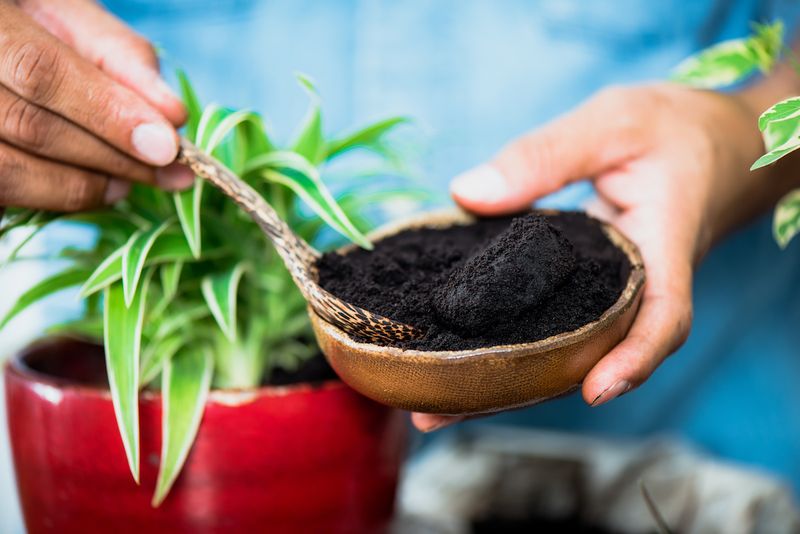
Winter drought catches many Florida residents by surprise, especially those who associate the season with rain and snow.
December through April typically brings the state’s driest weather, with weeks passing between significant rainfall events.
Coffee grounds mixed into the top few inches of soil dramatically improve its ability to hold onto water between irrigations.
The organic particles act like microscopic reservoirs, capturing moisture that would otherwise drain away through sandy soil.
This water-holding capacity becomes crucial when watering restrictions kick in during extended dry periods.
Many Florida counties limit irrigation to just twice weekly, making every drop of water count for gardeners trying to maintain healthy landscapes.
Plants grown in soil amended with coffee grounds show less drought stress, maintaining better leaf color and growth even when rainfall disappears.
The grounds also reduce surface crusting that sometimes develops on sandy soils, allowing water to penetrate more effectively when you do irrigate.
December applications prepare your garden for the typically dry months ahead, building water retention capacity before you really need it.
Vegetable gardens especially benefit from this improved moisture management, as crops like lettuce, broccoli, and carrots need consistent water for quality production.
Native Florida plants become more drought-tolerant with improved soil structure, requiring even less supplemental watering than usual.
This simple addition turns your garden into a more water-efficient landscape that thrives despite Florida’s challenging winter dry season.
Earthworm Attraction And Soil Aeration
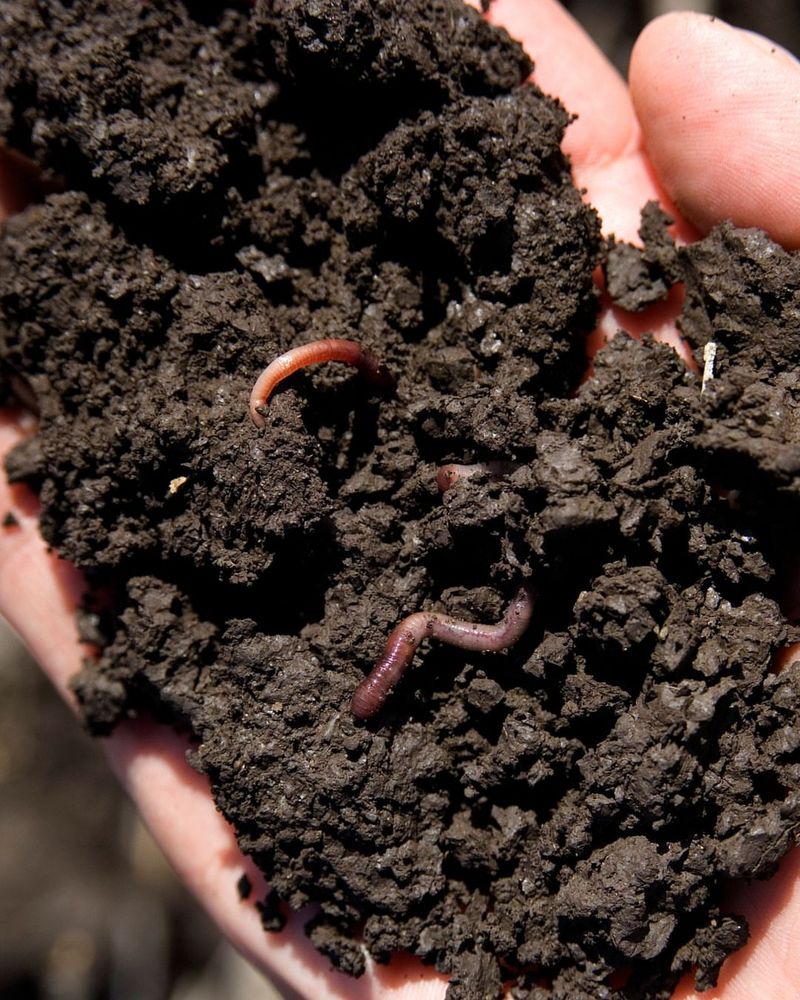
Earthworms rank among the gardener’s best friends, tirelessly working to improve soil quality without any supervision or payment required.
These beneficial creatures thrive in Florida’s mild winter temperatures, remaining active when their northern cousins burrow deep and go dormant.
Coffee grounds serve as an irresistible attractant for earthworms, drawing them into areas where you want their soil-improving services.
The worms consume the grounds along with other organic matter, processing it through their digestive systems and creating nutrient-rich castings.
These castings contain concentrated nutrients in forms that plant roots absorb easily, making them more valuable than the original coffee grounds.
As earthworms tunnel through soil searching for food, they create channels that improve aeration and water infiltration.
These tunnels allow plant roots to penetrate deeper into the ground, accessing moisture and nutrients beyond the surface layer.
December’s comfortable soil temperatures encourage earthworm activity, making this an ideal time to attract larger populations to your garden.
The worms also help mix coffee grounds and other amendments throughout the soil profile, distributing benefits more evenly than surface applications alone.
Gardens with healthy earthworm populations show improved drainage, better soil structure, and more vigorous plant growth compared to worm-free areas.
You might notice more earthworm castings on the soil surface after applying coffee grounds, a sign that your underground workforce is thriving.
This natural soil improvement happens automatically once you create the right conditions by providing the food source earthworms love most.
Natural Fungal Pathogen Suppression
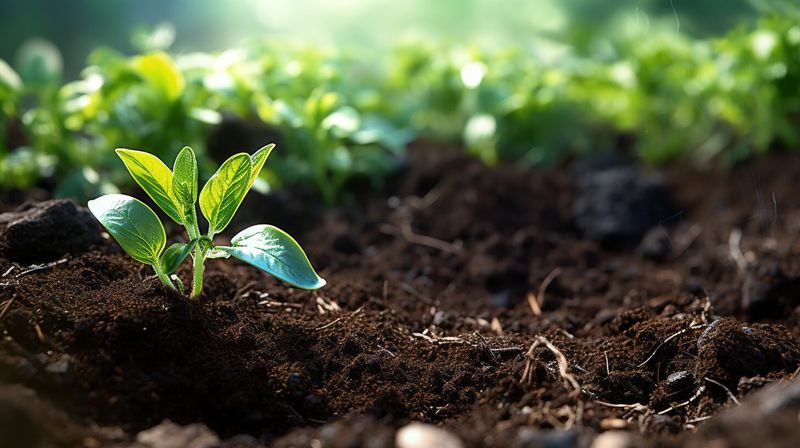
Florida’s humidity creates paradise for plant diseases, especially fungal pathogens that thrive in moist conditions year-round.
Even December brings enough moisture and warmth for fungi to attack susceptible plants, causing spots, blights, and root rots.
Research suggests that used coffee grounds may help suppress certain harmful fungi through compounds that remain after brewing.
The beneficial microbes that colonize coffee grounds also compete with pathogenic fungi for space and resources in the soil.
This biological competition creates a healthier soil environment where disease organisms struggle to gain a foothold.
Some gardeners report fewer fungal problems on plants growing in beds amended with regular coffee ground applications.
The grounds may work particularly well against soil-borne pathogens that attack roots and lower stems of vegetables and ornamentals.
December applications establish this protective effect before spring’s warm, humid conditions create ideal disease pressure.
The slight acidity of coffee grounds also creates less favorable conditions for certain fungi that prefer neutral or alkaline environments.
While coffee grounds shouldn’t replace proper sanitation and cultural practices, they add another layer of protection to your disease management strategy.
Plants growing in healthier soil with active beneficial microbes naturally resist diseases better than those in poor, depleted soil.
The antifungal effect combines with improved nutrition and soil structure to create an overall environment where plants thrive and diseases struggle to establish.
Sustainable Waste Reduction And Eco-Friendly Gardening
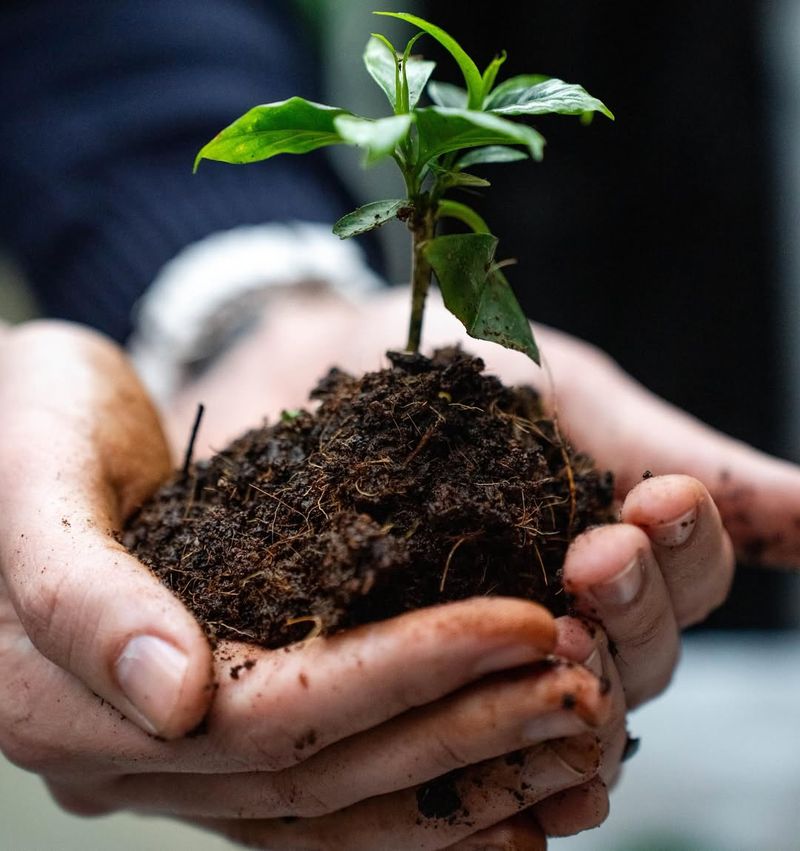
December brings holiday celebrations, house guests, and significantly increased household waste production across Florida.
Environmentally conscious gardeners look for ways to reduce their trash output while improving their landscapes at the same time.
Coffee grounds represent one of the easiest household items to divert from landfills into productive garden use.
The average coffee drinker generates several pounds of used grounds monthly, all of which would otherwise sit in a landfill producing methane.
Composting or directly applying these grounds closes the nutrient loop, returning organic matter to the soil instead of wasting it.
Many Florida municipalities encourage waste reduction through their sustainability programs, and coffee ground recycling aligns perfectly with these goals.
Some local coffee shops even save their used grounds for gardeners, providing free supplies for those who need more than their home coffee maker produces.
This practice embodies the principles of circular economy, where waste from one process becomes valuable input for another.
December’s focus on giving and gratitude makes it an appropriate time to adopt more sustainable gardening practices.
Your garden becomes more self-sufficient as you rely less on bagged fertilizers and amendments from garden centers.
Children learn valuable lessons about recycling and sustainability when they help collect and spread coffee grounds in the family garden.
The practice costs nothing, reduces waste, improves your garden, and lessens your environmental footprint all at once, making it a perfect example of win-win-win thinking.
Natural Pest Deterrent Properties
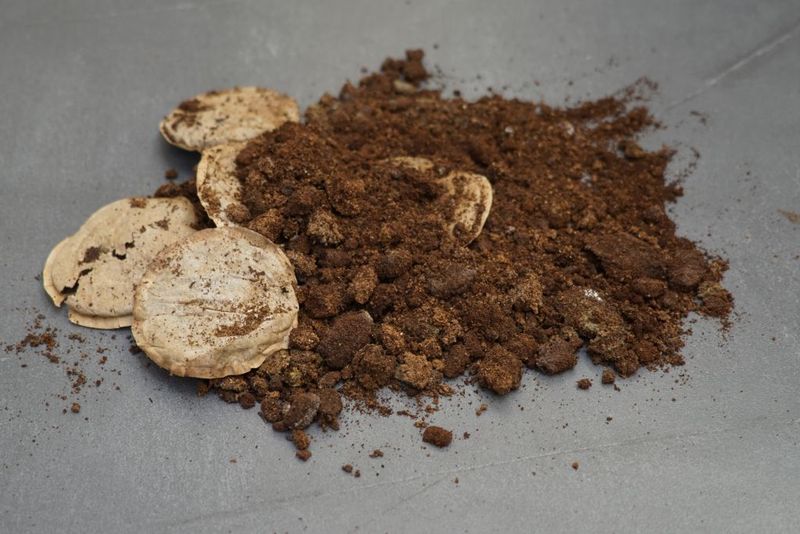
Garden pests don’t take vacations just because December arrives in Florida, continuing to munch on plants throughout the mild winter.
Slugs and snails particularly enjoy the cooler, damper conditions that December weather often brings to Florida gardens.
Coffee grounds create a protective barrier that these soft-bodied pests avoid crossing, thanks to the caffeine and rough texture.
The sharp edges of dried grounds irritate slug and snail bodies, discouraging them from crawling over coffee-ground-protected areas.
Caffeine itself acts as a natural toxin to these pests, affecting their nervous systems in ways that make them avoid treated zones.
Some gardeners report that cats also avoid areas where coffee grounds have been spread, protecting vegetable beds from unwanted feline attention.
December marks prime planting time for cool-season vegetables in Florida, and young seedlings need protection from pest damage.
A ring of coffee grounds around transplants creates a protective zone that helps them establish without pest interference.
The deterrent effect works best when grounds are refreshed regularly, as rain and irrigation wash away the protective compounds over time.
This natural pest control method beats using chemical baits or poisons that might harm beneficial insects, birds, or pets.
Winter ornamentals like pansies, petunias, and snapdragons stay more attractive when slugs can’t reach them to chew holes in the flowers.
Combining coffee grounds with other organic pest management strategies creates a comprehensive approach that keeps your December garden healthy and beautiful without harsh chemicals.