12 Container Plants That Thrive Beautifully In Florida Homes And Patios
Florida homes and patios can feel like tropical escapes with the right container plants in the mix.
Warm breezes, bright sun, and humid afternoons give many plants the perfect stage to shine.
Some burst with bold leaves, others bloom with colors that stop you in your tracks, all while asking for little more than a good pot and steady light.
These easygoing growers soak up the climate and return the favor with beauty that lasts through the seasons.
With the right choices, any corner of a home or patio can turn into a lush spot that feels alive from morning to night.
1. Hibiscus
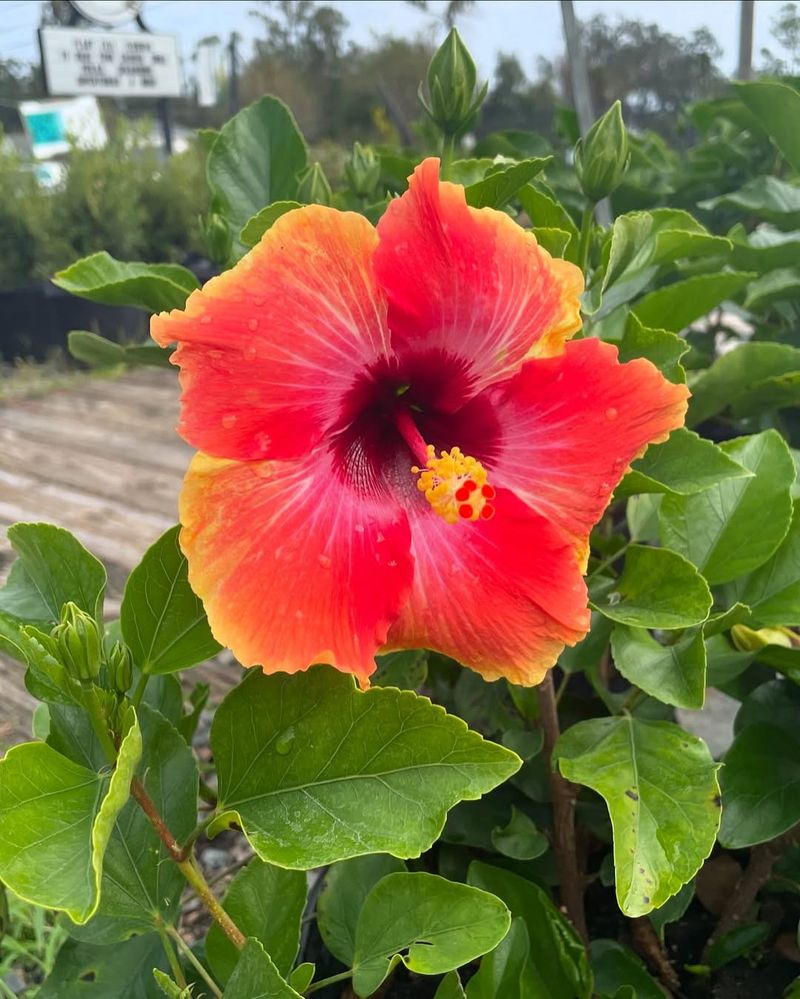
Nothing announces tropical paradise quite like a hibiscus bursting with dinner-plate-sized blooms in shades of red, pink, orange, and yellow.
These stunning flowers open fresh each morning and create an endless parade of color throughout Florida’s long growing season.
Gardeners across the state love how hibiscus transforms an ordinary patio into an instant vacation spot.
Container-grown hibiscus performs exceptionally well in Florida’s climate, especially when placed where they receive six hours of bright sunlight daily.
Choose a pot at least 14 inches wide with excellent drainage holes to prevent root problems.
Mix quality potting soil with some compost to keep your hibiscus happy and blooming.
Regular feeding makes a huge difference with these heavy feeders.
Apply a balanced fertilizer every two weeks during the growing season to encourage continuous flowering.
Water deeply when the top inch of soil feels dry, which might mean daily watering during hot summer months in Florida.
Watch for aphids and whiteflies, which sometimes visit hibiscus plants.
A strong spray from the hose usually handles minor pest issues naturally.
Prune lightly throughout the year to maintain shape and encourage bushier growth with even more spectacular blooms.
2. Croton
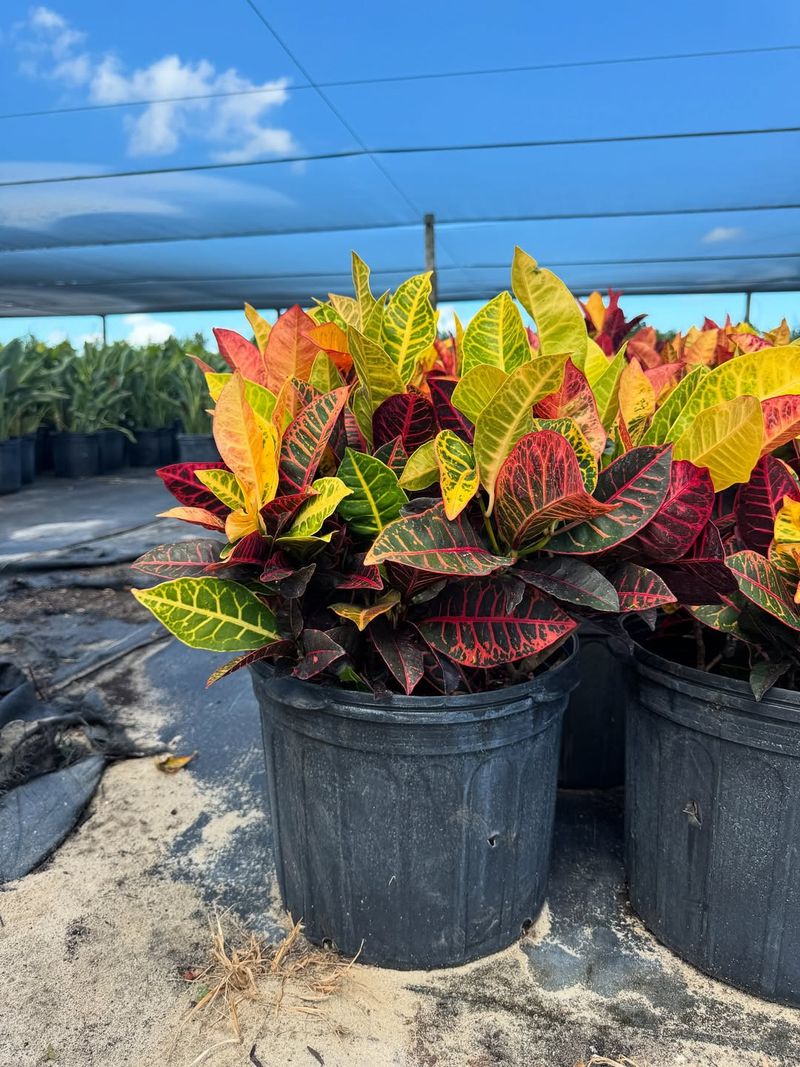
If flowers aren’t your thing, crotons deliver incredible color through their spectacular foliage alone.
The leaves showcase an artist’s palette of yellow, orange, red, green, and even purple.
All are swirled together in patterns that seem almost painted.
Each variety displays its own unique leaf shape and color combination, making them endlessly collectible for Florida plant enthusiasts.
Bright light brings out the most intense colors in croton leaves.
Position your container where it receives plenty of Florida sunshine.
Morning sun with some afternoon shade works beautifully, especially during the intense summer heat.
These plants absolutely love warmth and humidity, which makes them perfectly suited for Florida’s climate year-round.
Keep the soil consistently moist but never waterlogged, as crotons dislike both extremes.
A container with drainage holes is essential to prevent root rot.
Feed monthly with a balanced liquid fertilizer to maintain those gorgeous leaf colors.
Crotons can be sensitive to sudden changes, so avoid moving your container around frequently once the plant settles into a spot.
They might drop a few leaves when adjusting to a new location, but they’ll bounce back quickly in Florida’s favorable conditions with proper care and patience.
3. Pentas
Want to turn your patio into a butterfly sanctuary?
Your Florida Garden Changes Every Week. Your Plan Should Too.
Gardening in Florida changes quickly throughout the season. Every Friday you’ll receive a simple weekly plan showing exactly what to plant, prune, fertilize, harvest, and protect so you never miss the right timing.
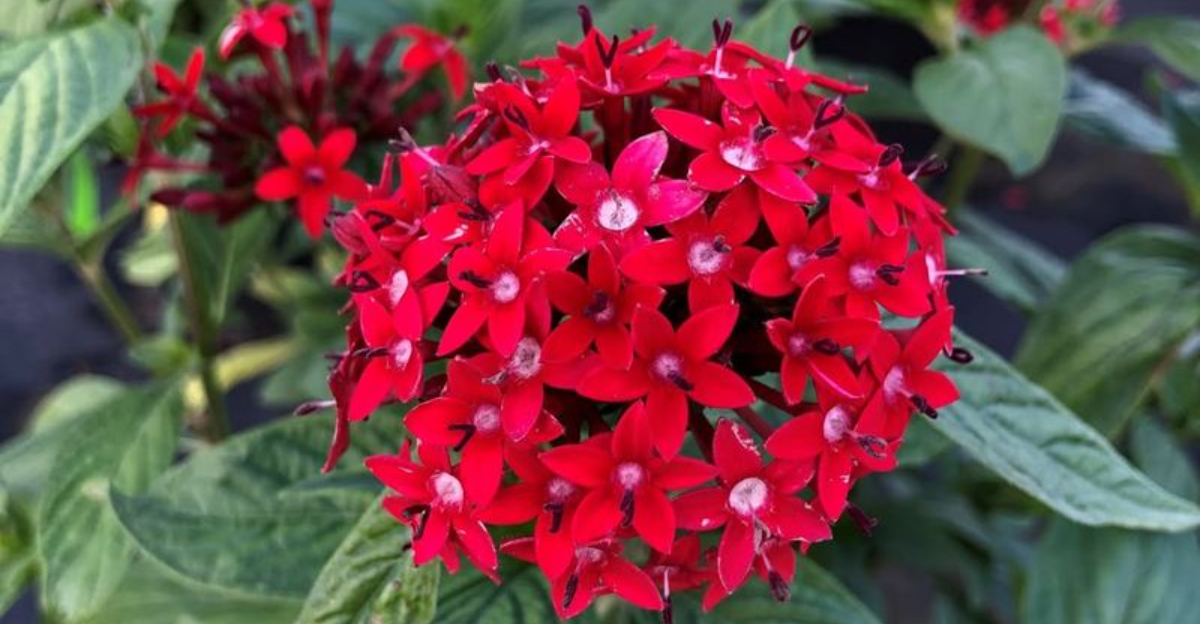
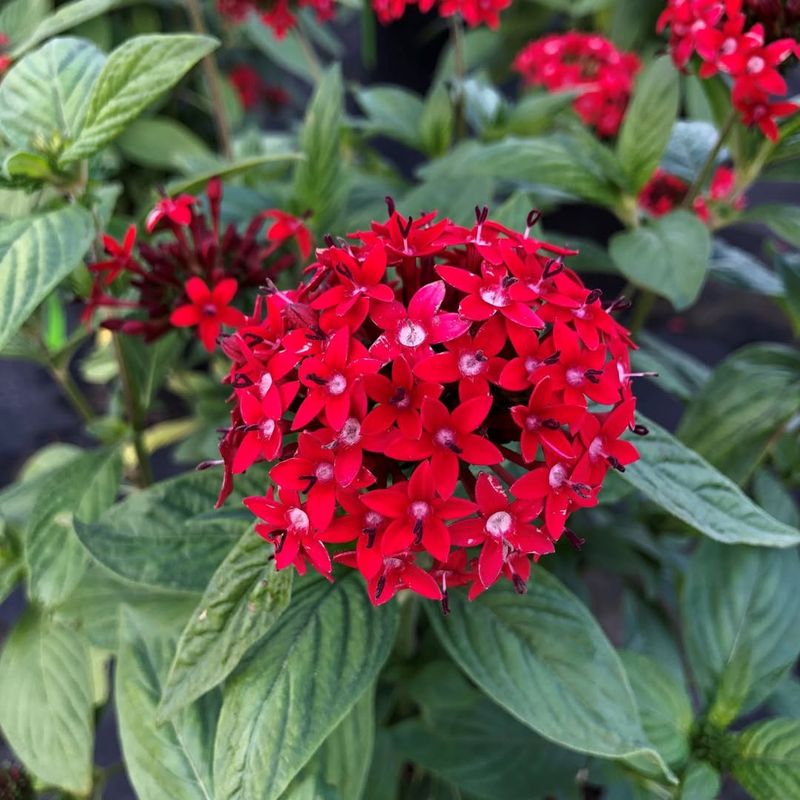
Pentas are your answer, with their star-shaped flower clusters that butterflies simply cannot resist.
These cheerful plants bloom continuously in Florida’s climate, offering colors ranging from soft pink and white to bold red and purple.
Watching monarchs and swallowtails visit your pentas becomes a daily entertainment that never gets old.
Heat and humidity don’t faze pentas one bit, making them absolute champions for Florida container gardens.
They actually thrive in the conditions that stress out many other flowering plants.
Place your container where it receives full sun to partial shade, and watch these beauties perform without complaint through summer’s toughest days.
Pentas grow quickly and bloom heavily, so they appreciate regular feeding every two to three weeks during the growing season.
Deadheading spent flower clusters encourages even more blooms, though it’s not strictly necessary.
Water when the soil surface dries out, which helps prevent fungal issues while keeping plants happy.
These plants reach about 18 to 24 inches tall in containers, creating substantial displays without overwhelming smaller spaces.
Pinch back young plants occasionally to encourage bushier growth and more flowering stems throughout the season.
4. Mandevilla
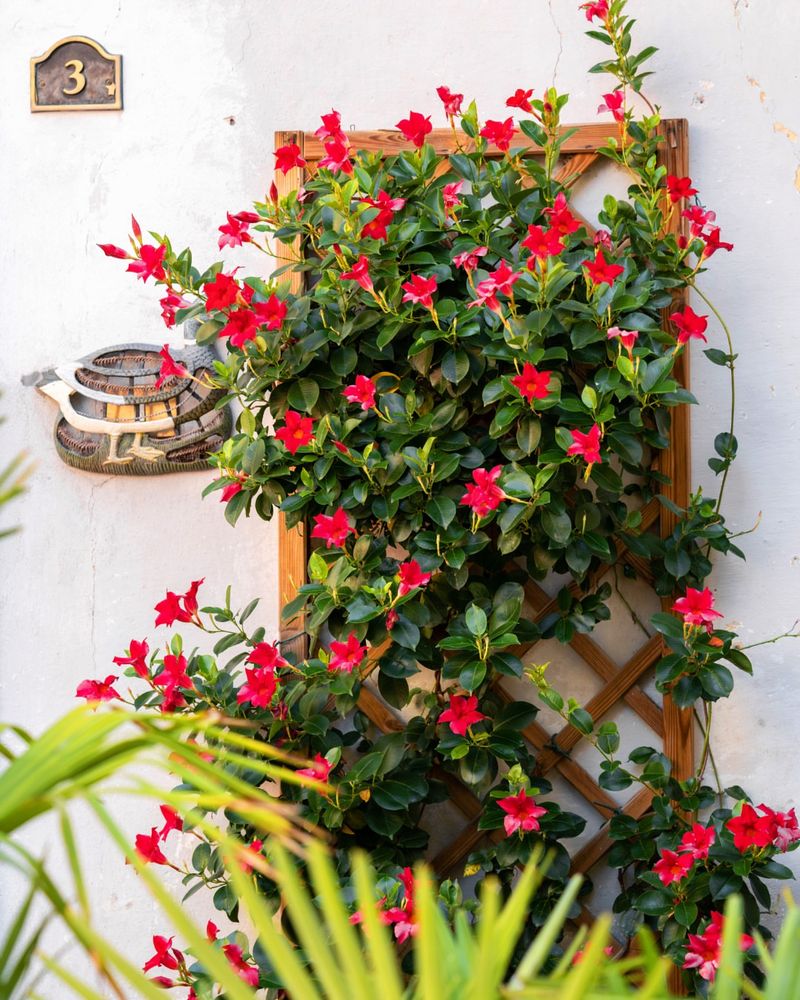
Picture a cascade of trumpet-shaped flowers in pink, red, or white tumbling from a container or climbing up a trellis on your Florida patio.
Mandevilla vines create exactly this romantic scene with minimal fuss.
Their glossy green leaves provide a lush backdrop for the continuous display of blooms that appear from spring through fall.
These tropical climbers love Florida’s warmth and will reward you with prolific flowering when given a sunny spot.
Provide a trellis, obelisk, or other support structure in your container for the vines to climb.
Some gardeners let them spill over the edges of hanging baskets for a different but equally stunning effect.
Well-draining soil is crucial for mandevilla success, so use a quality potting mix and ensure your container has adequate drainage holes.
Water regularly during the growing season, allowing the top inch of soil to dry between waterings.
Feed every two weeks with a bloom-boosting fertilizer to fuel all those gorgeous flowers.
Mandevillas can be sensitive to temperatures below 50 degrees, so Florida gardeners in northern parts of the state might need to protect them during occasional cold snaps.
Simply move containers to a protected spot or indoors temporarily when frost threatens.
5. Begonias
Not every Florida patio gets blazing sunshine all day, and that’s where begonias shine brightest.
These adaptable plants actually prefer some shade, making them perfect for covered patios, north-facing areas, or spots under trees.
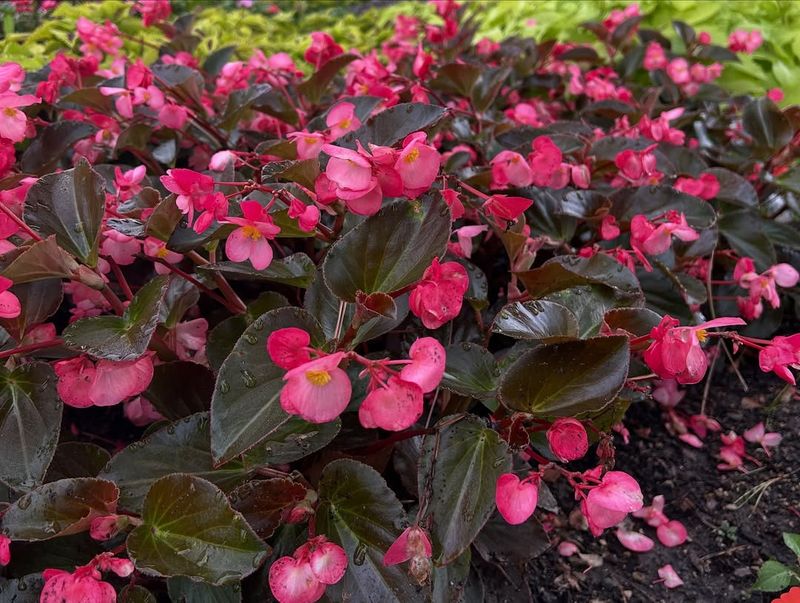
With hundreds of varieties available, you’ll find begonias with stunning flowers, incredible foliage, or both combined in one spectacular plant.
Wax begonias offer continuous blooms in pink, red, or white, while rex begonias showcase foliage so dramatic they barely need flowers at all.
Angel wing begonias combine both beautiful leaves and hanging clusters of delicate blooms.
Florida’s humidity suits begonias perfectly, helping them thrive where they might struggle in drier climates.
Use containers with excellent drainage and plant in loose, well-draining potting soil enriched with organic matter.
Water when the top inch of soil feels dry, being careful not to overwater, as begonias dislike soggy conditions.
Morning watering allows foliage to dry before evening, reducing potential disease issues.
Feed monthly with a balanced fertilizer during the growing season to maintain vigorous growth and flowering.
Pinch back leggy stems to encourage fuller, bushier plants.
Remove spent flowers regularly to keep plants looking tidy and to encourage continued blooming throughout Florida’s extended growing season.
6. Bougainvillea
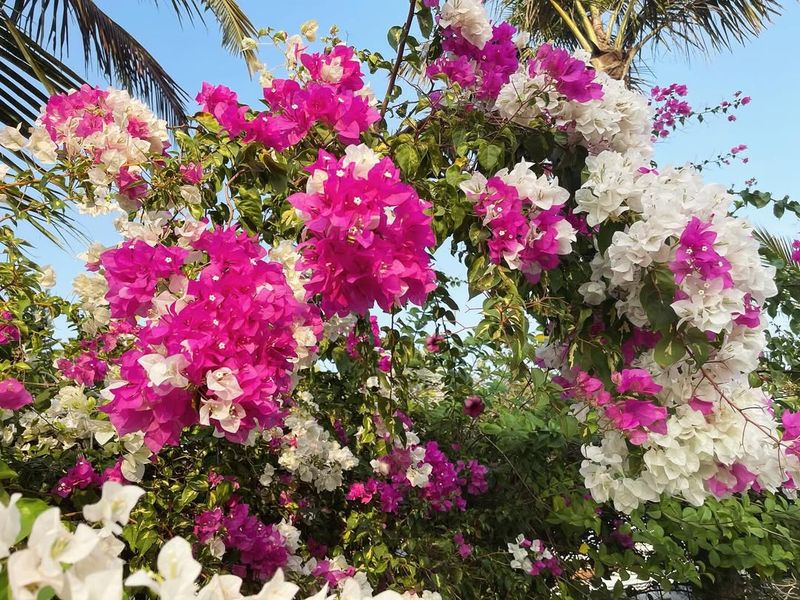
Few plants scream Florida sunshine quite like bougainvillea, with its explosions of hot pink, purple, orange, red, or white bracts that many people mistake for flowers.
The actual flowers are tiny and white, but the colorful paper-thin bracts steal the show for months on end.
Bougainvillea absolutely demands full sun to produce those incredible color displays, so choose your sunniest patio spot.
The more sunshine they receive, the more vibrant and abundant the bracts become.
These tough plants handle Florida’s heat without breaking a sweat and actually bloom more profusely when slightly stressed.
Allow the soil to dry out between waterings, as bougainvillea prefers being on the drier side rather than constantly moist.
This drought tolerance makes them forgiving if you occasionally forget to water.
Use a container with excellent drainage and avoid overfeeding, which encourages leafy growth at the expense of those stunning bracts.
Wear gloves when handling bougainvillea, as most varieties have sharp thorns.
Prune after major bloom cycles to maintain shape and size, and don’t worry about being aggressive with your cuts, these vigorous growers bounce back quickly in Florida’s favorable climate.
7. Caladiums
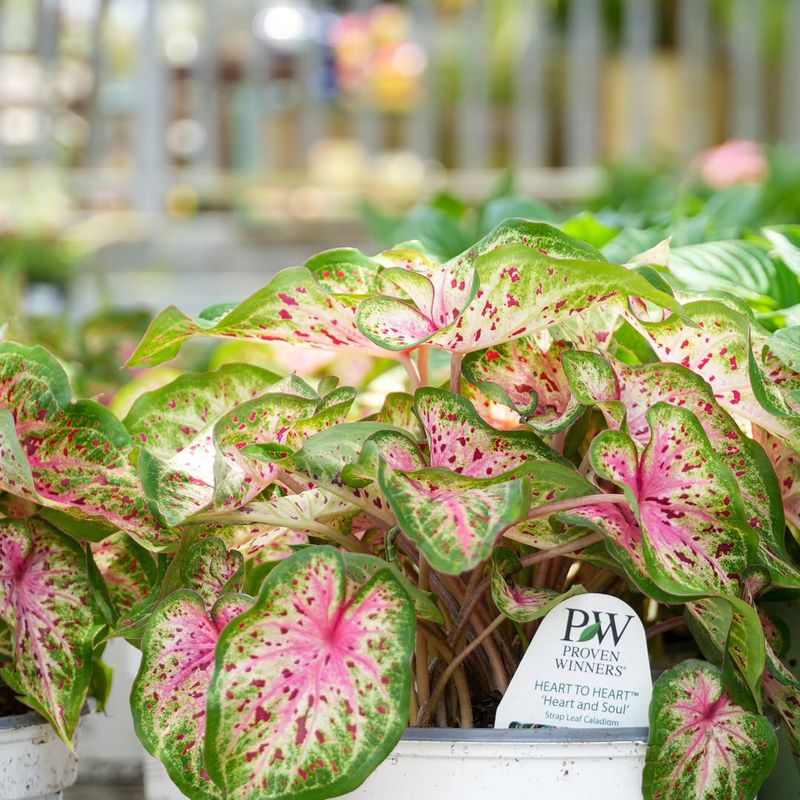
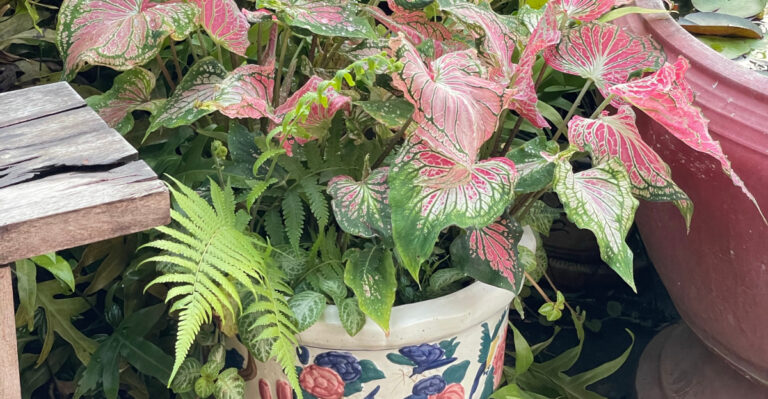
When summer temperatures soar across Florida, caladiums come alive with their incredible heart-shaped leaves painted in combinations of pink, white, red, and green.
Some varieties look like watercolor paintings, while others display bold patterns that seem almost artificial in their perfection.
These shade-loving beauties brighten areas where many flowering plants struggle to perform.
Florida’s warm, humid summers create ideal conditions for caladiums to reach their full potential.
Plant tubers in spring once temperatures consistently stay above 70 degrees, or purchase already-growing plants from nurseries throughout the state.
Partial to full shade works best, though some newer varieties tolerate more sun than older types.
Keep soil consistently moist but not waterlogged, as caladiums appreciate regular watering during their active growing season.
Use containers with drainage holes and rich, well-draining potting soil.
Feed monthly with a balanced fertilizer to maintain those spectacular leaf colors and encourage robust growth.
Caladiums naturally go dormant in fall as temperatures cool and daylight decreases.
The leaves will gradually fade and collapse, which is completely normal.
Florida gardeners can leave tubers in containers over winter in warmer regions, or dig them up and store them in a cool, dry place for replanting next spring when warm weather returns.
8. Plumeria
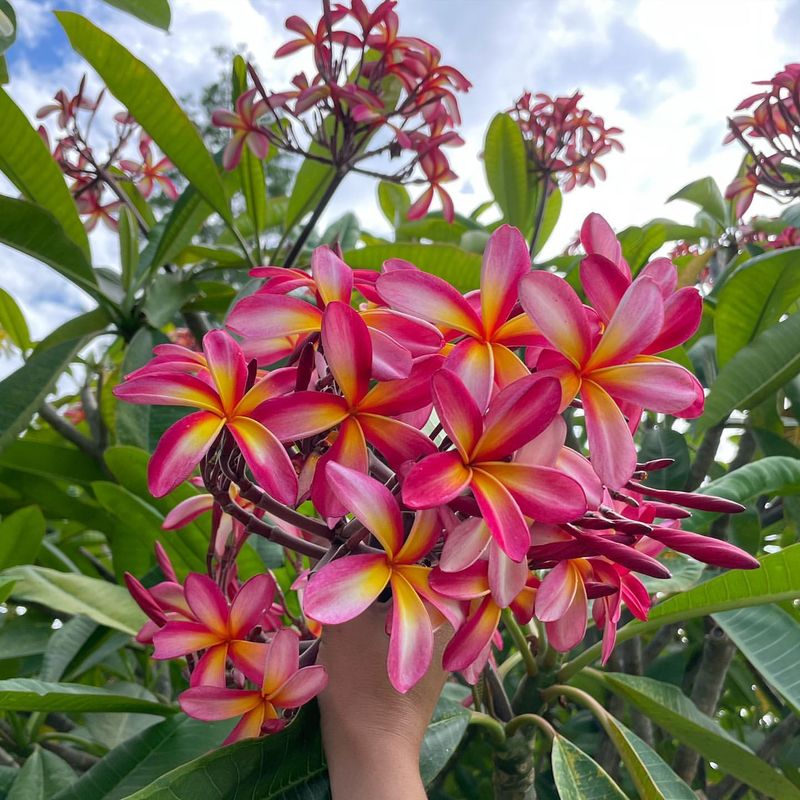
Close your eyes and breathe in the sweet, intoxicating fragrance of plumeria blooms, and you’ll instantly feel transported to a tropical island paradise.
These iconic flowers, also called frangipani, have been used in Hawaiian leis for generations.
Florida’s climate allows these beauties to thrive in containers, bringing that same island magic to your own patio or balcony.
Plumeria trees grow surprisingly well in large containers, making them accessible even for gardeners without yard space.
Their thick, sculptural branches create interest even when not in bloom, though the spectacular flowers are definitely the main attraction.
Colors range from pure white to yellow, pink, red, and multicolored combinations, all releasing that signature sweet scent.
Full sun is essential for plumeria to bloom abundantly, so position your container in the brightest spot available.
These plants are quite drought-tolerant once established and prefer to dry out between waterings.
Use a cactus or succulent potting mix for excellent drainage, as plumeria roots dislike staying wet.
Feed with a bloom-boosting fertilizer high in phosphorus during the growing season to encourage maximum flowering.
Plumeria naturally drop their leaves in winter across most of Florida, entering dormancy until spring warmth returns.
Reduce watering dramatically during this leafless period to prevent root problems.
9. Coleus
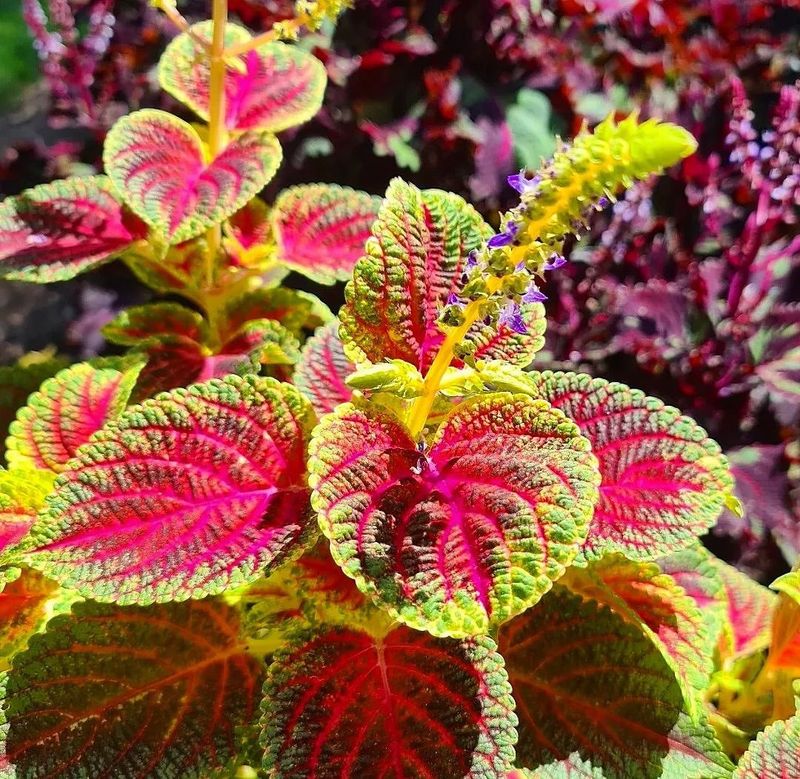
Think of coleus as nature’s answer to a kaleidoscope, with leaves displaying every color combination imaginable.
Burgundy and lime, purple and pink, chocolate and orange, the varieties seem endless and new ones appear every season.
These foliage superstars have transformed from old-fashioned shade plants into modern container garden essentials that work in various light conditions across Florida.
Modern coleus varieties handle more sun than their ancestors, though most still prefer some shade during Florida’s intense afternoon heat.
Morning sun with afternoon shade creates ideal conditions for the most vibrant leaf colors.
Some varieties labeled as sun-tolerant can handle full sun if given adequate water.
Coleus grows quickly in Florida’s warm climate, filling containers rapidly and creating lush displays in just weeks.
Pinch back growing tips regularly to encourage bushier, fuller plants with more of those gorgeous leaves.
Remove flower spikes when they appear, as flowering often signals the plant to slow down leaf production.
Keep soil consistently moist, as coleus wilts dramatically when thirsty, though it usually recovers quickly after watering.
Feed every two weeks during the growing season with a balanced fertilizer.
The best part?
Coleus roots easily from cuttings, so you can propagate your favorites and share them with friends throughout Florida’s year-round growing season.
10. Herbs
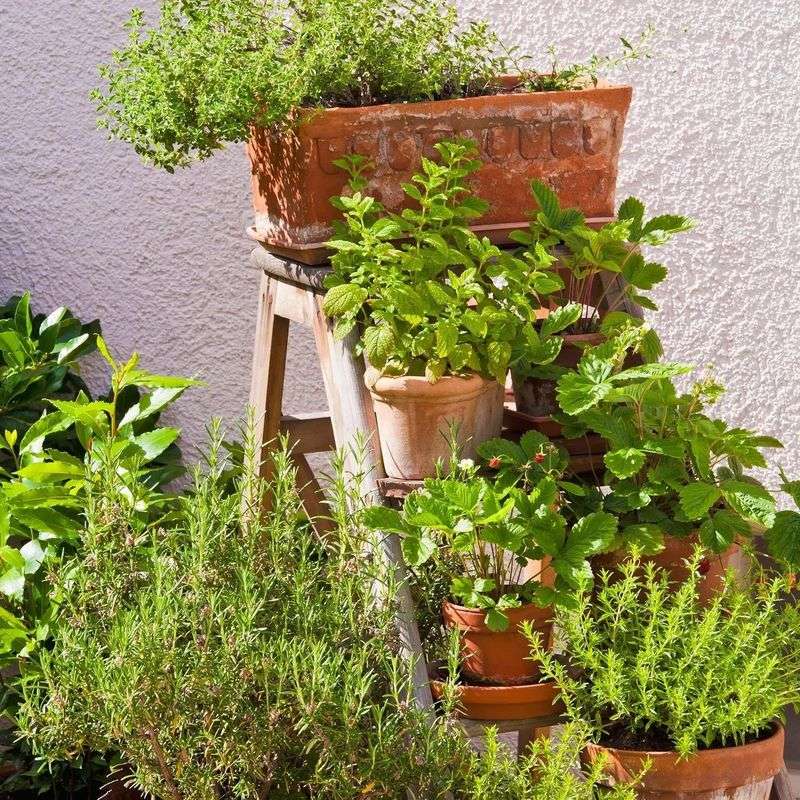
Imagine stepping onto your Florida patio to snip fresh basil for tonight’s pasta or grab some mint for your afternoon tea.
Growing herbs in containers puts fresh flavors literally at your fingertips while filling your outdoor space with wonderful fragrances.
Many culinary herbs thrive in Florida’s climate, making container herb gardening both practical and rewarding.
Basil absolutely loves Florida’s heat and grows like crazy during summer months.
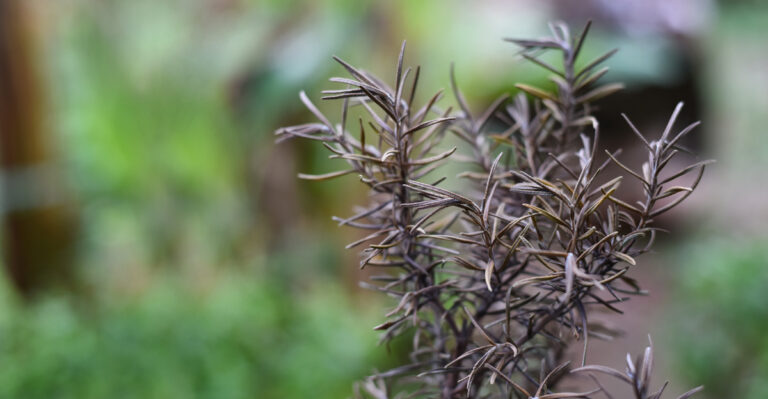
Rosemary, thyme, and oregano prefer drier conditions and excellent drainage, making them perfect container candidates.
Mint grows so vigorously that containers actually help control its spread.
Cilantro and parsley prefer cooler months, making them ideal for fall and winter growing across the state.
Position herb containers where they receive at least six hours of sunlight daily for best growth and flavor development.
Use well-draining potting soil and containers with adequate drainage holes.
Water when the top inch of soil dries out, adjusting frequency based on each herb’s specific needs.
Harvest herbs regularly to encourage bushier growth and prevent flowering, which can make leaves bitter.
Feed monthly with a balanced fertilizer, though herbs generally need less feeding than flowering plants.
Group herbs with similar water and light requirements together in larger containers for an attractive and functional kitchen garden right on your Florida patio.
11. Bromeliads
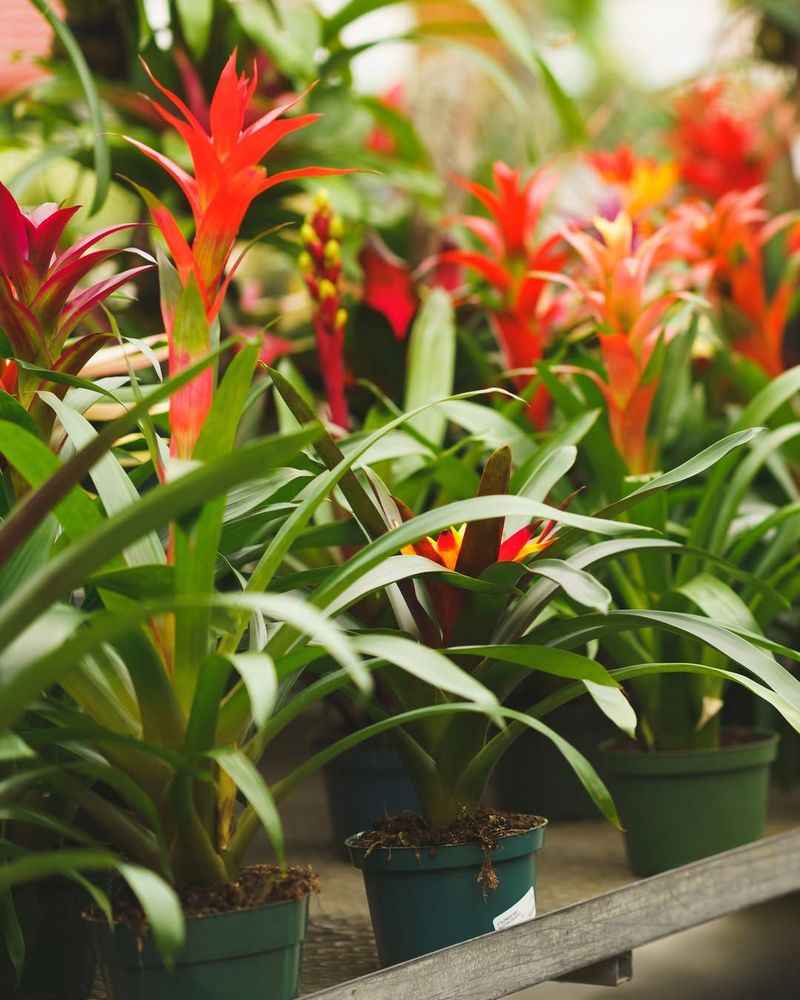
Bromeliads bring an exotic, almost alien beauty to Florida container gardens with their rosettes of colorful foliage and long-lasting flower spikes.
These relatives of the pineapple plant have adapted to life as epiphytes in tropical forests, which makes them surprisingly low-maintenance in containers.
Their architectural form adds instant sophistication to any patio or lanai across the state.
Florida’s humidity perfectly suits bromeliads, as they naturally absorb moisture through their leaves in addition to their roots.
Many varieties display vibrant colors in their central cups, which can last for months.
Place containers in bright, indirect light or dappled shade for best results, though some varieties tolerate more sun than others.
Use a very well-draining potting mix, often combining regular potting soil with orchid bark and perlite.
Water by filling the central cup of the plant and allowing excess to drain away.
Change this water weekly to prevent stagnation.
The soil itself should be kept barely moist, as bromeliads dislike wet roots.
Feed sparingly by adding diluted liquid fertilizer to the central cup monthly during the growing season.
After flowering, the main plant will slowly decline while producing offsets called pups around its base.
These pups can be separated and potted individually once they reach about one-third the size of the parent plant, giving you new bromeliads to enjoy.
12. Dwarf Citrus
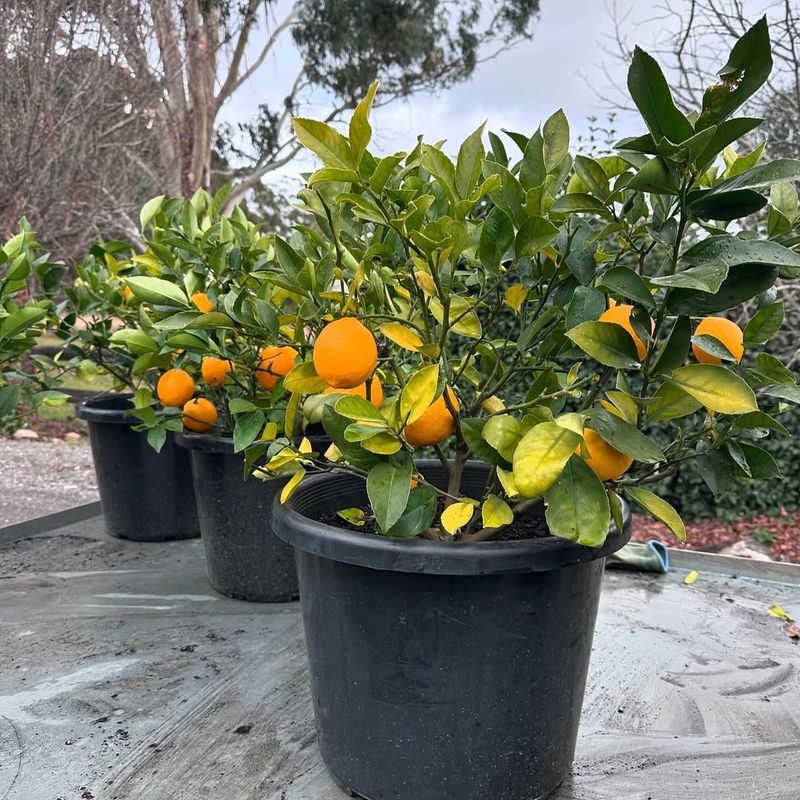
Nothing says Florida quite like fresh citrus, and dwarf varieties bring that experience to even the smallest patio spaces.
Imagine plucking a sun-warmed lemon or lime from your own tree for tonight’s dinner or morning beverage.
Dwarf citrus trees remain compact enough for container growing while producing full-sized, delicious fruit that tastes even better because you grew it yourself.
Popular varieties for Florida containers include Meyer lemons, key limes, kumquats, and calamondin oranges.
These trees not only provide fruit but also offer fragrant white blossoms that perfume your entire patio.
Their glossy evergreen leaves look attractive year-round, making them valuable ornamental plants even when not fruiting.
Choose the largest container practical for your space, at least 15 to 20 gallons, as citrus trees appreciate room for root growth.
Use a well-draining potting mix formulated for citrus or add extra perlite to regular potting soil.
Position in full sun for maximum fruit production and water deeply when the top two inches of soil feel dry.
Feed regularly with citrus-specific fertilizer following package directions, as these trees are heavy feeders.
Watch for pests like aphids and citrus leaf miners, which sometimes affect Florida citrus.
Prune lightly to maintain size and shape, removing any dry or crossing branches to improve air circulation and overall tree health.