Top Butterfly-Friendly Plants That Thrive In Florida Gardens
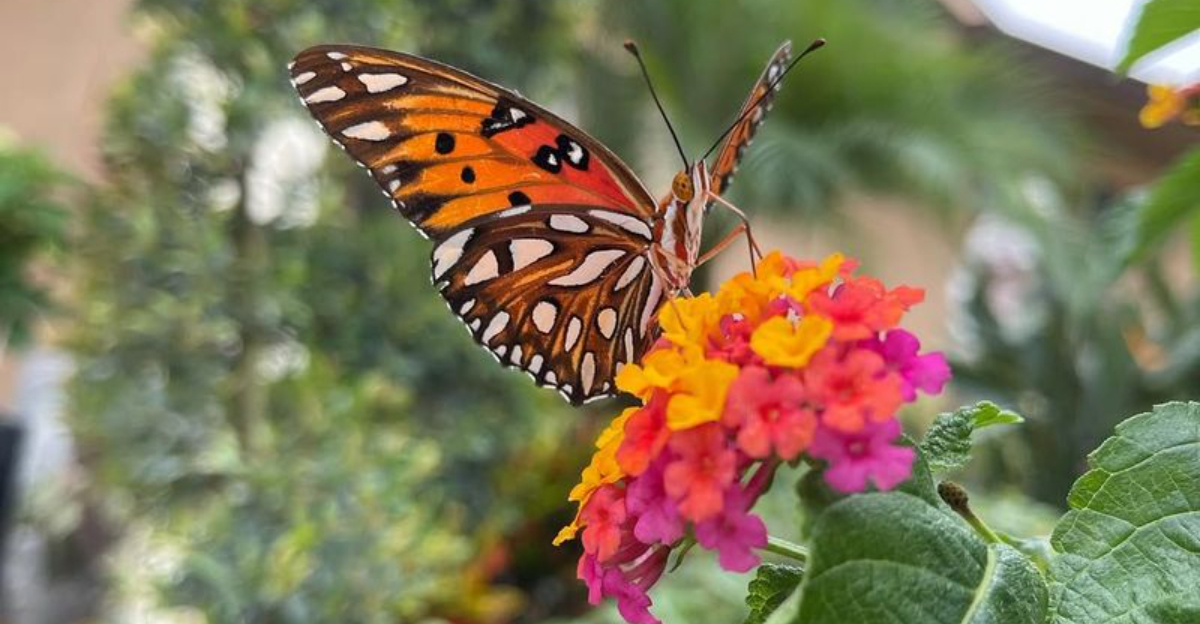
A Florida garden can feel like a slice of paradise, and butterflies only make it better.
Their bright wings drift through the air like living confetti, turning an ordinary yard into a colorful daydream.
To keep these visitors coming back, the right plants can work magic.
Florida’s warm sun and steady humidity create the perfect playground for blooms that feed, shelter, and attract butterflies from season to season.
Some plants serve up nectar like a five-star buffet, while others offer leafy spots for caterpillars to grow strong.
Together, they build a garden full of movement, color, and life.
A single cluster of blossoms can draw butterflies from across the yard, bringing energy that lifts the whole space.
With the right mix, a garden becomes a buzzing, fluttering haven that stays lively from morning to dusk.
These plants do more than look pretty, they help create a thriving ecosystem right outside the doorstep.
1. Milkweed
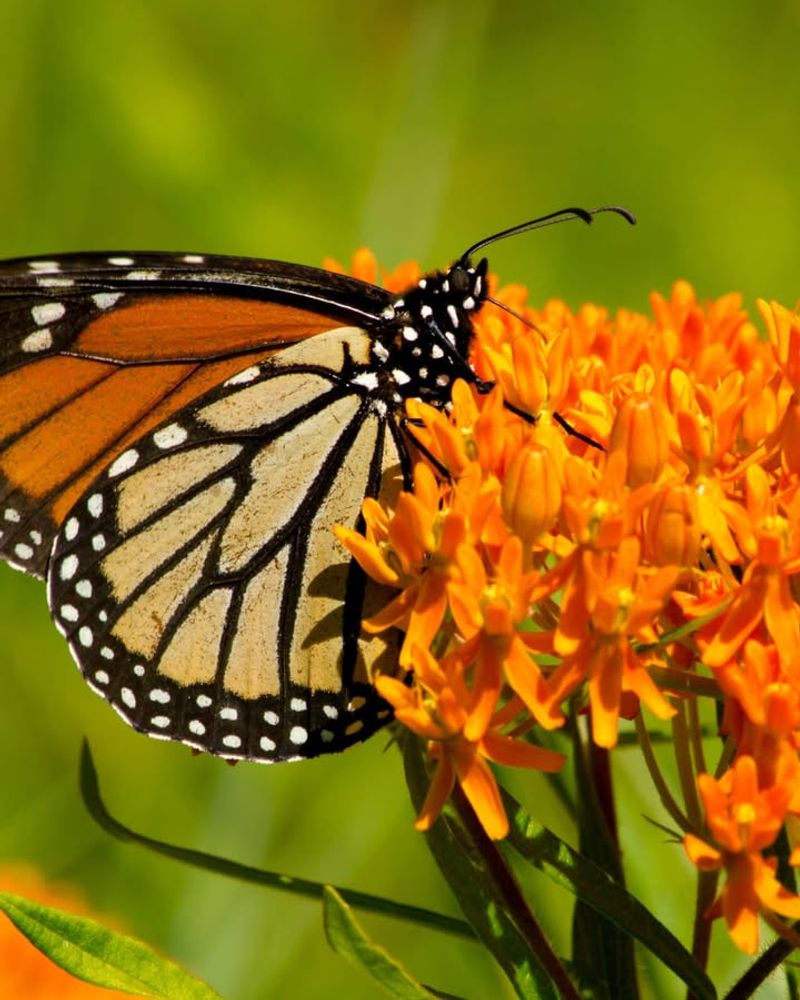
Monarch butterflies depend entirely on milkweed for their survival, making this plant absolutely essential for any Florida butterfly garden.
Female monarchs lay their eggs exclusively on milkweed leaves, and the caterpillars feed on nothing else as they grow.
Florida gardeners have several native milkweed varieties to choose from, including tropical milkweed, swamp milkweed, and butterfly weed.
Tropical milkweed produces stunning orange and yellow blooms that attract numerous butterfly species beyond just monarchs.
This variety grows well throughout Florida and blooms nearly year-round in warmer regions.
Swamp milkweed prefers wetter conditions and displays beautiful pink or white flower clusters that butterflies absolutely adore.
Butterfly weed features bright orange flowers and thrives in well-drained soil, making it perfect for drier areas of your Florida garden.
All milkweed varieties contain a milky sap that protects monarch caterpillars from predators by making them taste unpleasant.
Plant milkweed in sunny spots where it receives at least six hours of direct sunlight daily.
These plants spread naturally through seeds and underground roots, creating larger colonies over time.
Regular watering helps establish young plants, but mature milkweed tolerates Florida’s occasional dry spells quite well.
By including milkweed in your garden, you’re directly supporting monarch butterfly populations and contributing to conservation efforts across the state.
2. Pentas
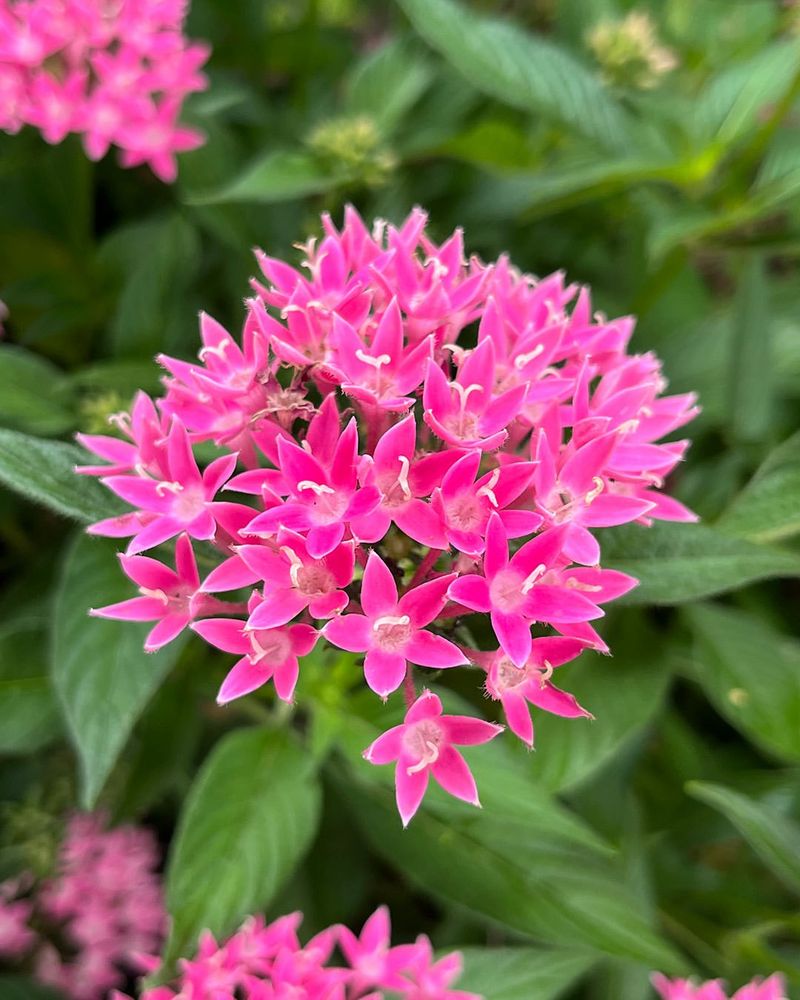
Gardeners throughout Florida love pentas for their continuous blooms and incredible ability to attract butterflies from spring through fall.
These star-shaped flowers come in shades of pink, red, white, and lavender, creating eye-catching displays in garden beds and containers.
Pentas handle Florida’s heat and humidity remarkably well, making them one of the most reliable choices for butterfly gardens in the region.
Butterflies find pentas irresistible because their tubular flowers provide easy access to abundant nectar.
Swallowtails, sulfurs, and skippers visit these plants regularly throughout the day, creating constant activity in your garden.
Pentas also attract hummingbirds, adding even more life and movement to your outdoor space.
Full sun exposure brings out the best blooming performance in pentas, though they tolerate partial shade in hotter areas of Florida.
Well-drained soil prevents root problems, especially during summer rainy seasons when moisture levels rise dramatically.
Your Florida Garden Changes Every Week. Your Plan Should Too.
Gardening in Florida changes quickly throughout the season. Every Friday you’ll receive a simple weekly plan showing exactly what to plant, prune, fertilize, harvest, and protect so you never miss the right timing.
Deadheading spent flowers encourages continuous blooming, but isn’t absolutely necessary for pentas to keep producing new blossoms.
These versatile plants work beautifully as border plants, in mass plantings, or as colorful additions to mixed containers.
Pentas reach heights between one and three feet depending on the variety you choose.
Their low-maintenance nature and reliable performance make them perfect for busy gardeners who want maximum butterfly attraction with minimal effort in their Florida landscapes.
3. Firebush
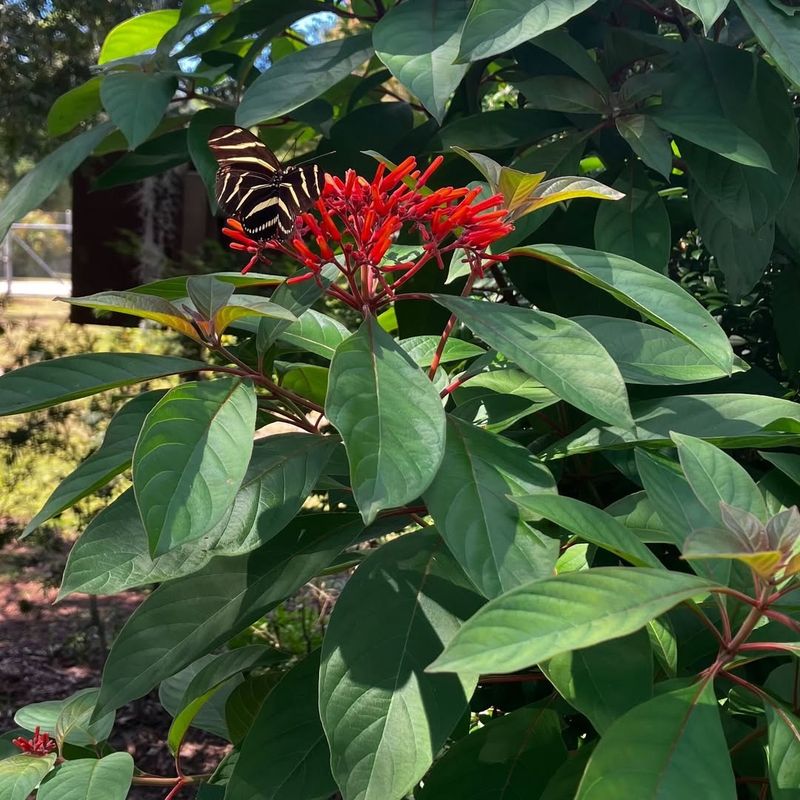
Native to Florida, firebush earns its name from the brilliant orange-red tubular flowers that seem to glow in the sunlight.
This fast-growing shrub can reach heights of six to eight feet, creating an impressive backdrop for smaller butterfly plants.
Zebra longwings, Florida’s state butterfly, particularly love visiting firebush along with many other species throughout the year.
Firebush blooms continuously from spring through fall, providing a reliable nectar source when butterflies need it most.
The plant’s tubular flowers are perfectly shaped for butterfly tongues to reach deep inside for sweet nectar.
Hummingbirds also frequent firebush, adding another dimension of wildlife interest to your Florida garden.
This tough native plant handles Florida’s challenging growing conditions with ease, tolerating both drought and occasional flooding.
Full sun brings out the most prolific flowering, though firebush adapts to partial shade in southern regions.
The plant’s leaves sometimes turn reddish in cooler months, adding seasonal color interest beyond just the flowers.
Firebush requires minimal maintenance once established, needing only occasional pruning to maintain desired size and shape.
Light freezes may damage the plant in northern Florida, but it typically recovers quickly when warm weather returns.
Use firebush as a specimen plant, in hedges, or as part of mixed butterfly borders throughout your landscape.
Its native status means it’s perfectly adapted to support local butterfly populations and other beneficial insects.
4. Lantana

Few plants match lantana’s ability to draw butterflies like a magnet while thriving in Florida’s toughest growing conditions.
The clusters of tiny flowers bloom in stunning color combinations, often changing hues as they age, creating a rainbow effect on a single plant.
Butterflies of all types flock to lantana from dawn to dusk, making it one of the most active spots in any Florida butterfly garden.
Lantana handles extreme heat, drought, and poor soil better than most flowering plants, making it incredibly forgiving for beginner gardeners.
Once established, this plant requires almost no supplemental watering except during the most severe dry periods.
The spreading varieties make excellent groundcovers, while upright types work well in containers or as border plants.
Colors range from pure white and soft pastels to vibrant oranges, reds, and purples, giving you endless design possibilities.
Some varieties feature multicolored blooms that shift from yellow to orange to pink as they mature.
Butterflies don’t seem to have color preferences and visit all lantana varieties with equal enthusiasm throughout Florida.
Regular light pruning keeps plants bushy and promotes even more blooming throughout the growing season.
Lantana blooms year-round in southern Florida and from spring through fall in northern parts of the state.
The plant self-seeds readily, so you may find new lantana plants popping up in unexpected areas.
This tough, beautiful plant delivers maximum butterfly attraction with minimal care requirements in any Florida landscape.
5. Passionflower Vine

Passionflower vines produce some of the most intricate and stunning blooms you’ll ever see in a Florida garden.
The unusual flowers feature purple and white petals surrounding a crown of delicate filaments that look almost alien in their complexity.
Beyond their beauty, passionflower vines serve as the exclusive host plant for gulf fritillary and zebra longwing butterfly caterpillars.
Female butterflies lay their eggs on passionflower leaves, and the emerging caterpillars feed exclusively on this plant as they grow.
Watching the complete butterfly life cycle unfold on your passionflower vine provides an incredible educational experience for children and adults alike.
The adult butterflies also visit the flowers for nectar, creating a complete butterfly habitat in one plant.
Several passionflower species grow well throughout Florida, with native varieties being the best choice for supporting local butterfly populations.
These vigorous vines can quickly cover fences, trellises, or arbors, providing both beauty and shade.
Purple passionflower and corkystem passionflower are two native Florida species that butterflies particularly favor.
Passionflower vines prefer full sun but tolerate partial shade in hotter regions of the state.
Well-drained soil and regular watering during establishment help these vines get off to a strong start.
The vines may look ragged when caterpillars are actively feeding, but this is exactly what you want in a butterfly garden.
Some passionflower species produce edible fruits called maypops, adding another benefit to growing these remarkable vines in your Florida landscape.
6. Salvia
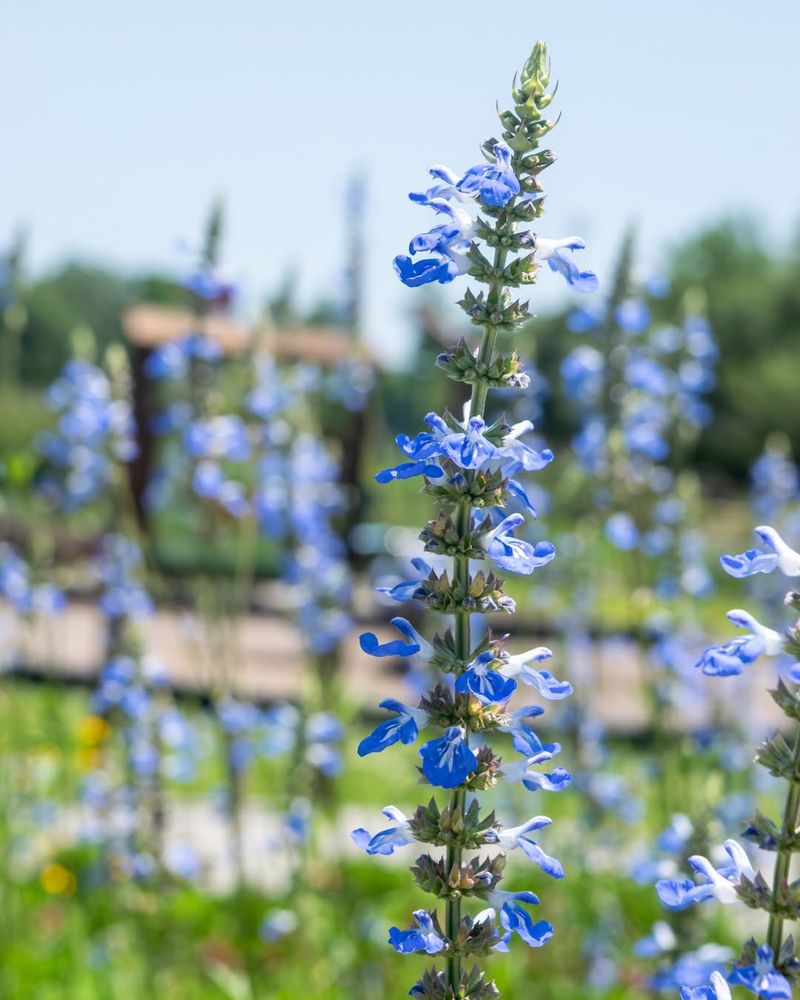
Salvia’s tall flower spikes create vertical interest while serving as butterfly magnets throughout the Florida growing season.
Dozens of salvia varieties thrive in Florida gardens, offering flower colors from deep purple and blue to red, pink, and white.
The tubular flowers provide easy access to nectar for butterflies while the tall spikes make it simple for gardeners to spot visiting pollinators.
Blue salvia varieties particularly attract butterflies, with their vibrant color acting as a beacon visible from great distances.
Butterflies have excellent color vision and seem especially drawn to blue and purple flowers across Florida landscapes.
Planting salvias in groups creates even more visual impact and draws larger numbers of butterflies to your garden.
Most salvia varieties prefer full sun and well-drained soil, conditions readily available in many Florida gardens.
These plants handle heat exceptionally well, continuing to bloom even during the hottest summer months when other flowers struggle.
Regular deadheading extends the blooming period and keeps plants looking tidy throughout the season.
Salvia works beautifully in formal garden beds, cottage gardens, or naturalistic meadow plantings throughout Florida.
The plants typically reach heights between two and four feet depending on the variety selected.
Some salvias are annuals in Florida while others act as perennials, returning year after year in the same location.
Their long blooming period and minimal maintenance requirements make salvias excellent choices for busy gardeners who want consistent butterfly activity without constant attention to their plants.
7. Porterweed
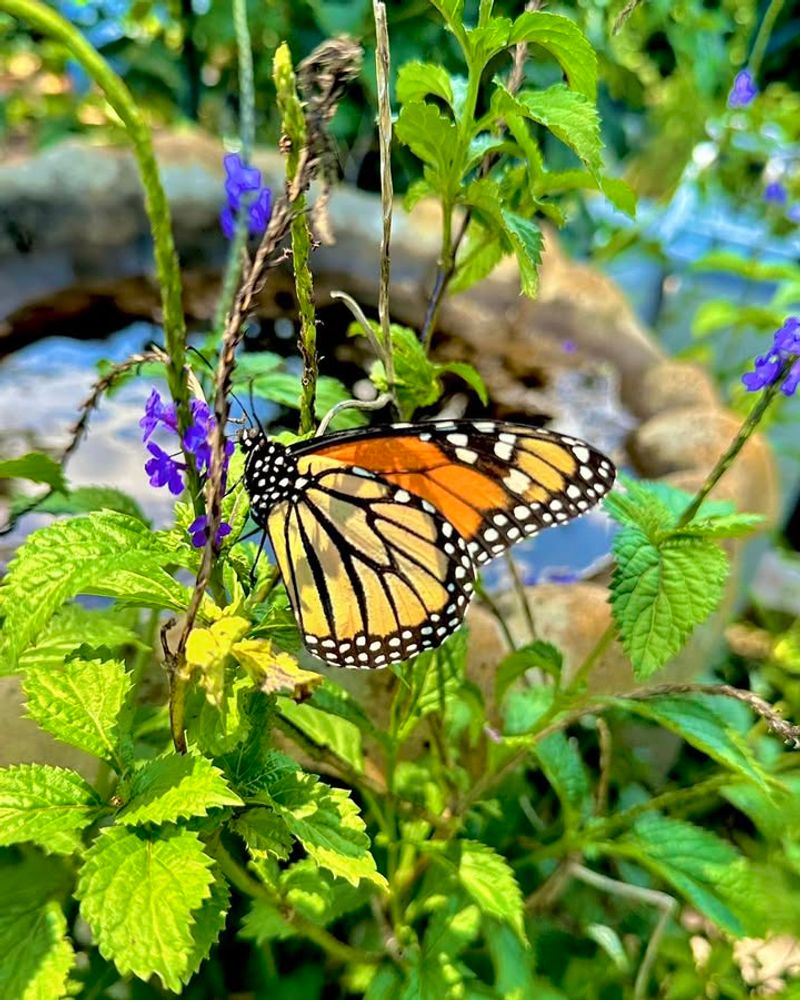
Blue porterweed stands out as one of Florida’s best native plants for attracting butterflies while requiring almost zero maintenance.
This tough shrub produces masses of small blue tubular flowers that butterflies find absolutely irresistible throughout the year.
Native to Florida, porterweed is perfectly adapted to local growing conditions and supports native butterfly populations better than many non-native alternatives.
The plant blooms continuously in southern Florida and from spring through fall in northern parts of the state.
Butterflies visit porterweed flowers constantly, often with multiple species feeding simultaneously on a single plant.
The small flowers grow in dense clusters along upright stems, creating easy feeding stations for butterflies of all sizes.
Porterweed handles full sun to partial shade and tolerates both wet and dry soil conditions once established.
This adaptability makes it useful in various garden locations throughout Florida, from boggy areas to well-drained beds.
The plant typically reaches three to four feet tall and wide, forming a rounded shrub shape.
Occasional pruning keeps porterweed compact and encourages fresh growth with even more flowers.
The plant self-seeds readily, so you may discover new porterweed plants appearing in your garden naturally.
Besides blue porterweed, pink and white varieties also grow well in Florida and attract similar numbers of butterflies.
This native plant requires no fertilizer and rarely experiences pest or disease problems, making it one of the easiest butterfly plants you can grow.
Including porterweed in your Florida garden supports local ecosystems while creating a reliable butterfly feeding station.
8. Ixora
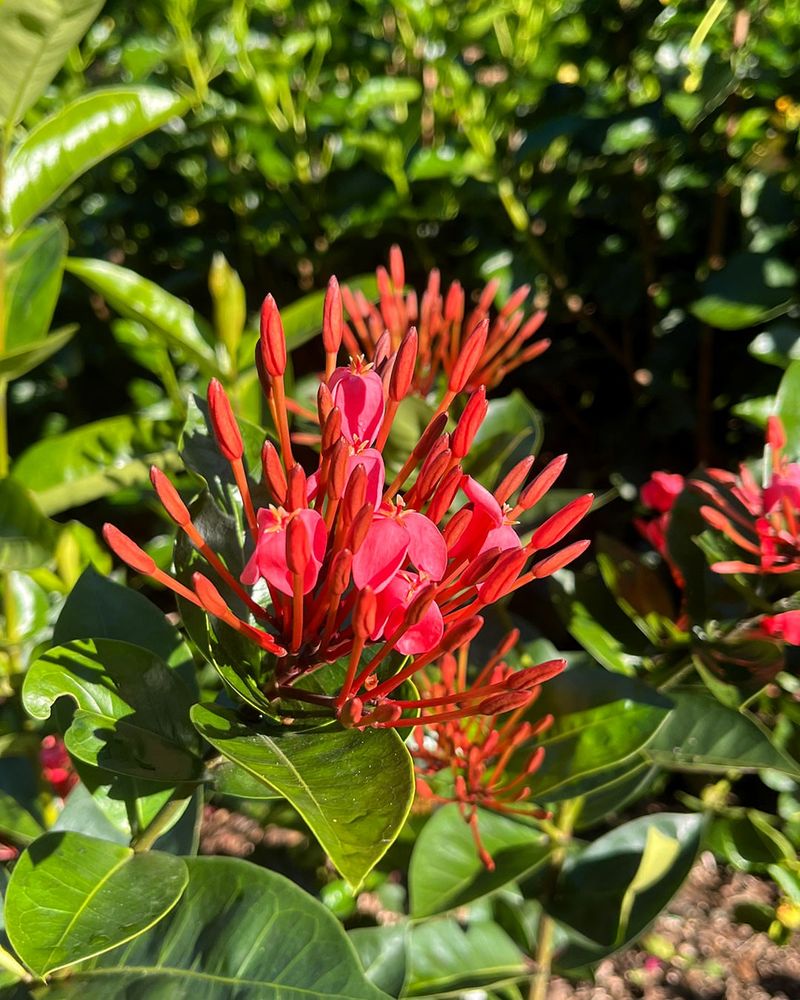
Tropical ixora brings a lush, exotic feel to Florida gardens while serving as a fantastic butterfly attractant throughout the warm season.
The dense flower clusters come in vibrant shades of red, orange, pink, yellow, and white, creating bold color statements in landscapes.
Each cluster contains dozens of small tubular flowers that butterflies can easily access for nectar, making ixora a popular feeding station.
Ixora shrubs grow best in central and southern Florida where freezing temperatures are rare or nonexistent.
These evergreen plants maintain their glossy green foliage year-round, providing structure even when not in bloom.
The dense growth habit makes ixora useful as a hedge, foundation plant, or specimen shrub in butterfly gardens.
Butterflies visit ixora flowers regularly, especially during peak blooming periods in warmer months across Florida.
The bright colors make it easy to spot visiting butterflies from a distance, adding movement and life to your landscape.
Ixora plants typically reach three to six feet tall depending on variety and pruning practices.
These tropical shrubs prefer acidic soil, which is naturally present in many parts of Florida.
Regular watering and occasional feeding with an acid-loving plant fertilizer keep ixora blooming prolifically throughout the season.
Partial shade works well in the hottest areas, though full sun produces the most abundant flowering.
Ixora’s combination of tropical beauty and butterfly-attracting power makes it a favorite among Florida gardeners who want to create a paradise for pollinators.
The plants work especially well in tropical-themed landscapes alongside palms and other exotic-looking Florida-friendly plants.