How To Care For Multiple Amaryllis Blooms In Texas Homes
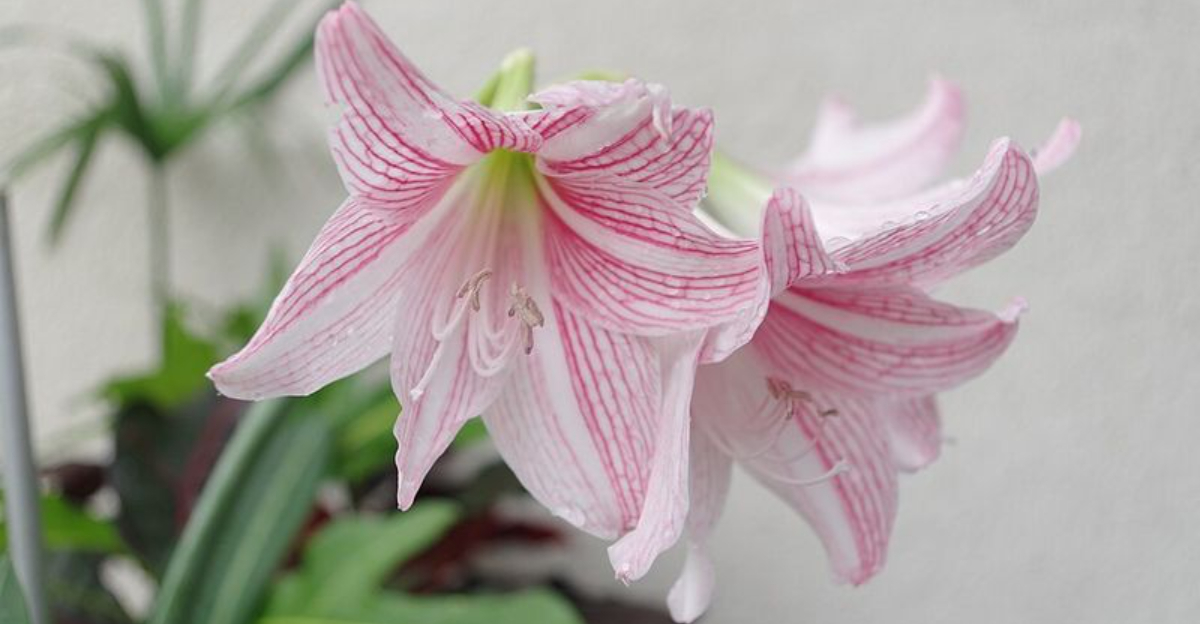
Amaryllis plants bring stunning color and elegance to homes across Texas, especially during the winter months when gardens are quieter.
These tropical beauties produce large, trumpet-shaped flowers that can brighten any room with their bold reds, whites, pinks, and striped patterns.
When you grow multiple amaryllis bulbs together, you create a dramatic display that transforms your indoor space into a vibrant oasis.
However, caring for several blooms at once requires some special attention to keep them healthy and blooming beautifully.
Texas homes present unique conditions—from varying humidity levels to temperature fluctuations—that affect how these plants thrive indoors.
Understanding the right techniques will help you enjoy weeks of gorgeous flowers while preventing common problems like drooping stems or fading petals.
Whether you are a seasoned gardener or just starting your indoor plant journey, these practical tips will guide you through successfully managing multiple amaryllis blooms in your Texas home.
Select The Right Location With Bright Indirect Light
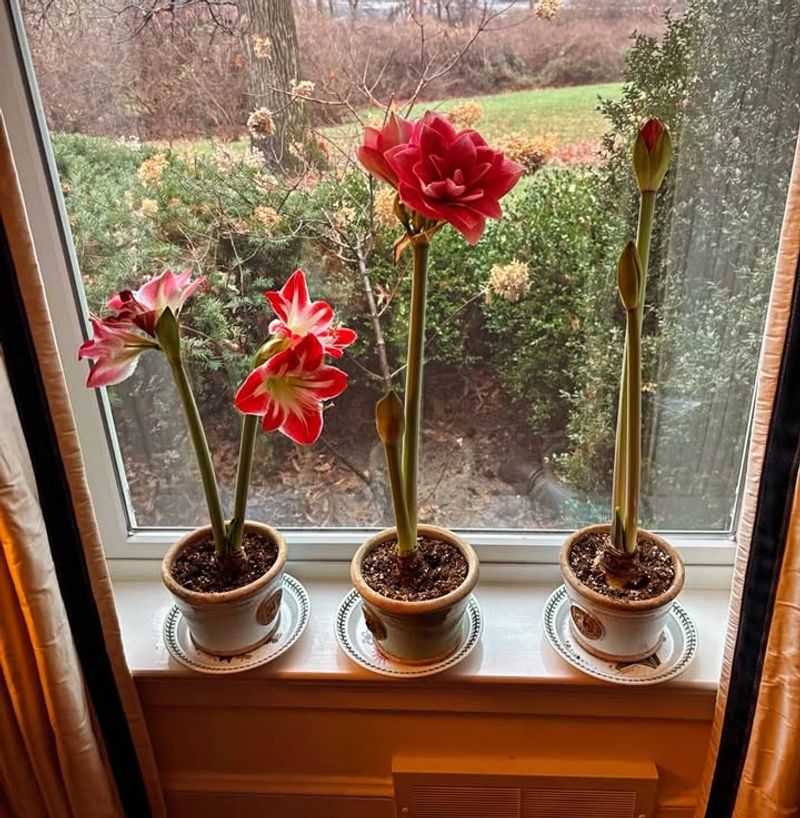
Finding the perfect spot for your amaryllis collection makes all the difference in how well they perform indoors.
These plants love bright light but can suffer when exposed to harsh, direct afternoon sun that streams through Texas windows.
Place your pots near east or west-facing windows where they receive plenty of gentle morning or evening rays without the intensity that causes leaf burn.
If you only have south-facing windows available, use sheer curtains to filter the strongest sunlight during midday hours.
Rotating each pot every few days helps all sides of the plant receive equal light exposure, preventing the stems from leaning heavily toward the brightest source.
Adequate lighting encourages sturdy stem growth and vibrant flower colors that last longer.
In darker rooms, consider supplementing with grow lights positioned about twelve inches above the foliage.
Consistent light conditions throughout the blooming period keep your amaryllis display looking balanced and healthy.
Avoid placing plants near heating vents or air conditioning units that create temperature swings.
Proper light management sets the foundation for spectacular blooms that will impress everyone who visits your Texas home.
Water Carefully To Prevent Root Rot And Overwatering
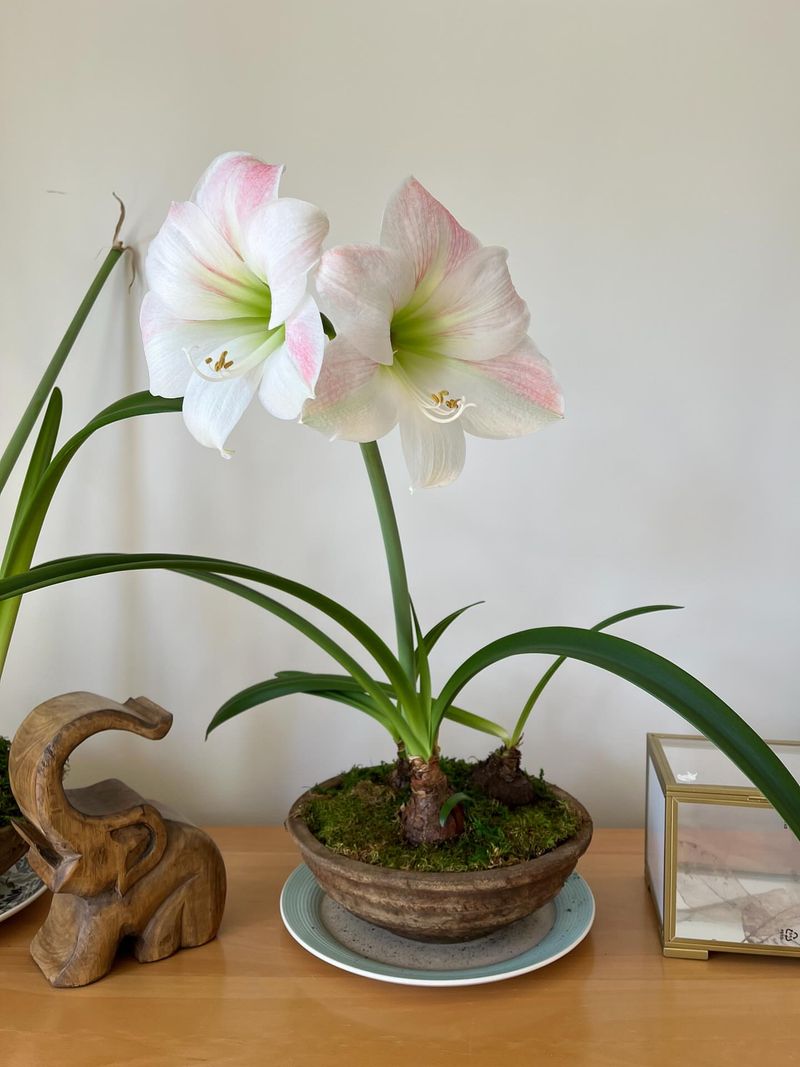
Amaryllis bulbs are surprisingly sensitive when it comes to moisture levels, making watering technique crucial for multiple plants.
Too much water leads to soggy soil that suffocates roots and encourages fungal growth, while too little causes wilting and weak blooms.
Check the top inch of soil with your finger before watering—if it feels dry, it is time to add moisture.
Pour water slowly around the base of each plant, avoiding the bulb itself to prevent rot at the crown.
Allow excess water to drain completely from the bottom of pots, and never let containers sit in standing water.
Texas homes often have low humidity, especially during winter when heaters run frequently, so monitor soil moisture more closely during these months.
Using room-temperature water prevents shocking the roots and helps nutrients absorb more effectively.
As flowers begin to fade, gradually reduce watering frequency to prepare bulbs for their natural rest period.
Your Texas Garden Changes Every Week. Your Plan Should Too.
Gardening in Texas changes quickly throughout the season. Every Friday you’ll receive a simple weekly plan showing exactly what to plant, prune, fertilize, harvest, and protect so you never miss the right timing.
Grouping your amaryllis together makes it easier to maintain a consistent watering schedule.
Proper hydration keeps foliage green and supports the energy storage process that ensures future blooming cycles.
Maintain Consistent Room Temperatures Between 65-75 Degrees
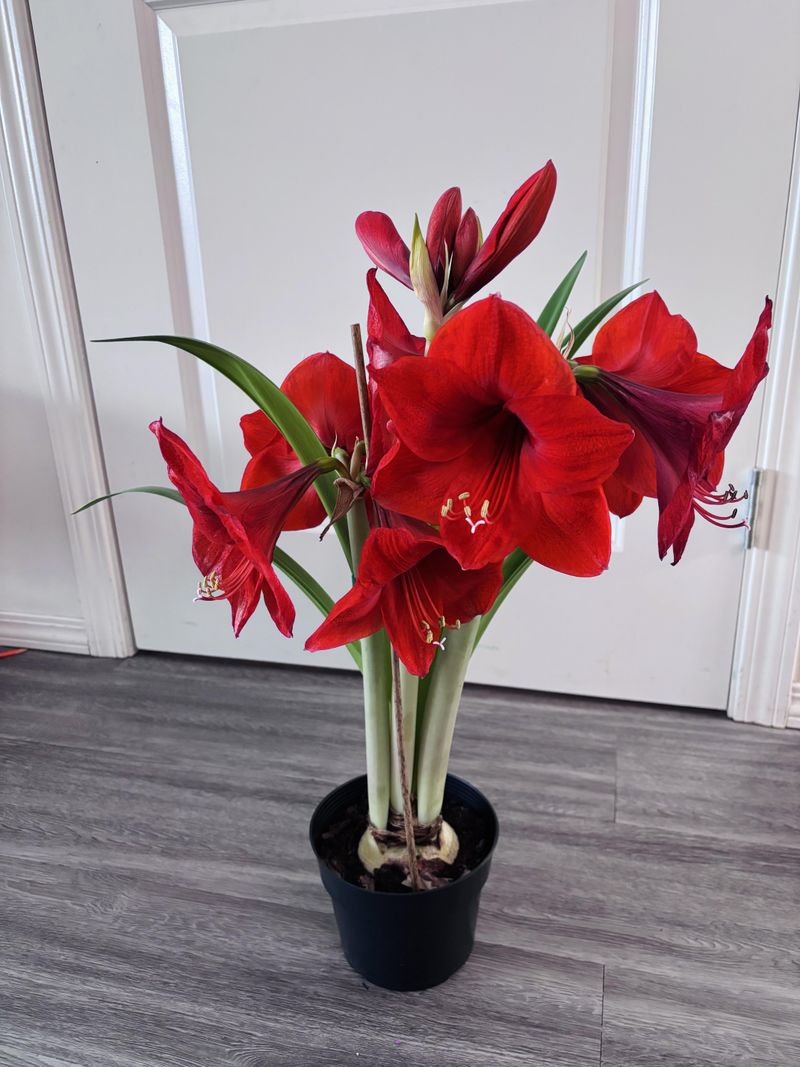
Temperature stability plays a major role in extending the lifespan of amaryllis flowers and keeping plants vigorous.
These tropical natives prefer moderate warmth similar to their original climate, thriving best when indoor temperatures stay between 65 and 75 degrees Fahrenheit.
Texas weather can be unpredictable, with sudden cold snaps or unseasonably warm days that affect indoor conditions.
Keep your amaryllis away from drafty doorways, poorly insulated windows, or areas where outdoor temperatures seep inside.
Rapid temperature changes stress the plants and can cause buds to drop before opening fully.
During cooler Texas evenings, make sure your plants are not touching cold windowpanes that might chill the foliage.
Similarly, avoid placing pots near fireplaces or space heaters that create hot spots.
Consistent warmth encourages steady growth and helps flowers open at a predictable pace across all your plants.
If you notice stems leaning or flowers wilting prematurely, temperature fluctuations might be the culprit.
Using a simple room thermometer helps you monitor conditions and make adjustments before problems develop.
Stake Tall Stems Early To Support Heavy Blooms
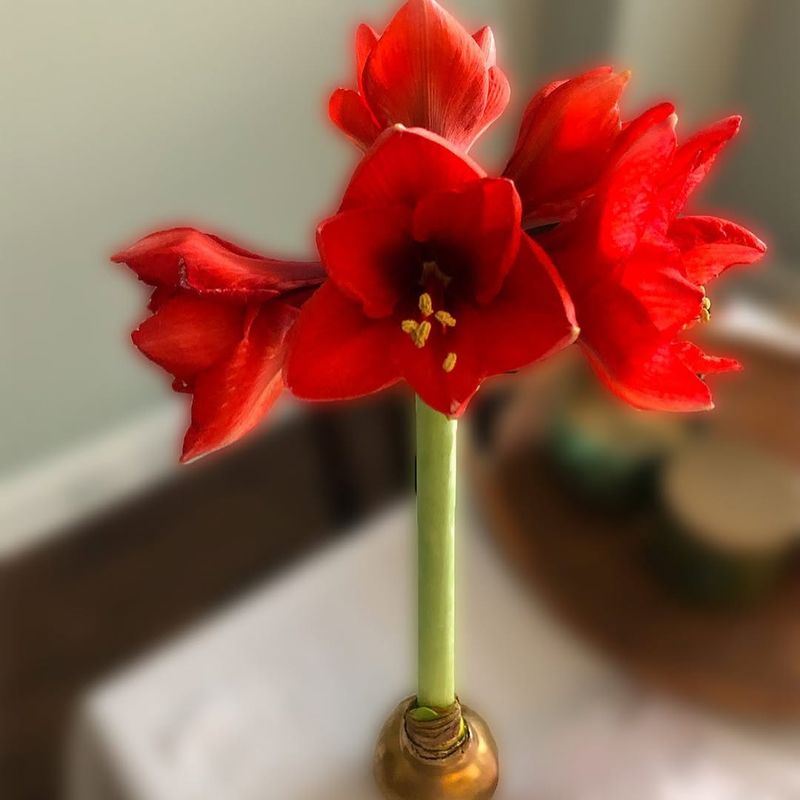
Amaryllis stems can grow surprisingly tall and produce massive flowers that weigh down the stalk, especially when you have multiple blooms opening simultaneously.
Without proper support, these top-heavy stems may bend, break, or topple over, damaging both the plant and your display.
Insert bamboo stakes or decorative plant supports into the soil when stems reach about ten inches tall, before buds begin to swell.
Gently tie the stem to the stake using soft plant ties, garden twine, or strips of fabric that will not cut into the tender tissue.
Position ties just below the flower cluster and at the midpoint of the stem for maximum stability.
Staking early prevents the need to wrestle with fully opened flowers that are delicate and easily damaged.
For a cohesive look across multiple plants, use matching stakes and ties that complement your decor.
In Texas homes where ceiling fans or open windows create breezes, staking becomes even more important to prevent accidents.
Check ties regularly as stems thicken, loosening them if they become too tight.
Properly supported amaryllis stand tall and proud, creating an impressive focal point in any room.
Fertilize Monthly With Balanced Liquid Plant Food
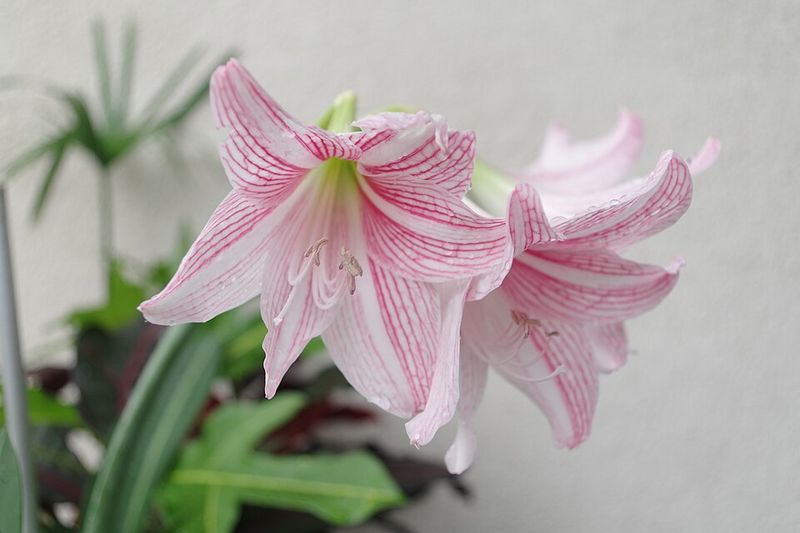
Feeding your amaryllis collection provides essential nutrients that support both current blooms and future growth cycles.
While these bulbs store considerable energy, they still benefit from regular fertilization, especially when producing multiple large flowers.
Choose a balanced, water-soluble fertilizer with equal parts nitrogen, phosphorus, and potassium, such as a 10-10-10 or 20-20-20 formula.
Mix the fertilizer according to package directions, typically diluting it to half strength to avoid burning tender roots.
Apply the solution once every three to four weeks during the active growing and blooming period.
Begin fertilizing when you first see green growth emerging from the bulb and continue until flowers fade completely.
Texas tap water sometimes contains high mineral content, so using filtered water for fertilizer solutions prevents salt buildup in the soil.
After blooming finishes, continue feeding to help leaves manufacture and store energy for the next season.
Stop fertilizing only when you begin the rest period by reducing water and allowing foliage to yellow naturally.
Consistent nutrition keeps your amaryllis healthy, encourages robust foliage, and improves the chances of repeat blooming in your Texas home.
Space Plants Adequately For Good Air Circulation
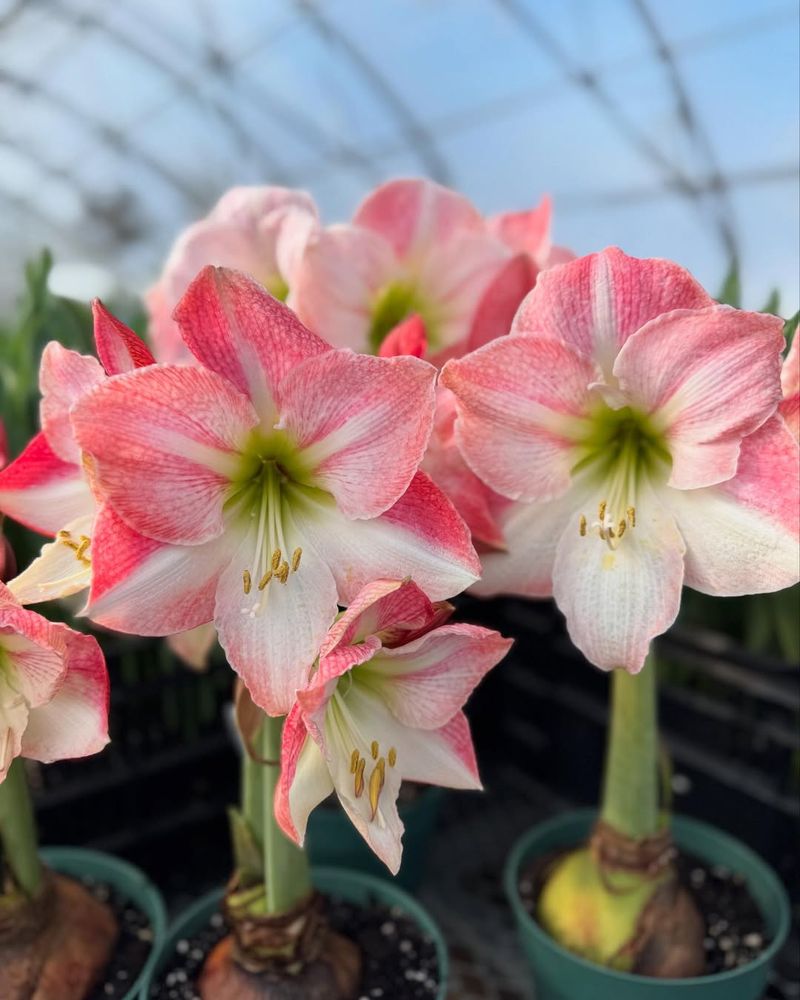
When displaying multiple amaryllis together, resist the temptation to crowd them too closely, even though grouped plants create visual impact.
Proper spacing between pots allows air to flow freely around leaves and stems, reducing the risk of fungal diseases and pest infestations.
Leave at least four to six inches between each container so that foliage does not overlap excessively or trap moisture.
Good airflow helps leaves dry quickly after watering and prevents the humid, stagnant conditions where mold and mildew thrive.
In Texas homes, especially during humid spring months or in bathrooms and kitchens, adequate spacing becomes even more critical.
Arrange your plants in a staggered pattern rather than a straight line to maximize both air circulation and visual appeal.
Avoid placing amaryllis in corners or against walls where air movement is restricted.
If you notice any yellowing leaves or spots developing, check whether plants are too close together and adjust accordingly.
Using plant stands at varying heights creates dimension while maintaining proper spacing.
Healthy air circulation keeps your entire amaryllis collection vibrant and reduces maintenance headaches throughout the blooming season.
Remove Faded Flowers Promptly To Redirect Energy
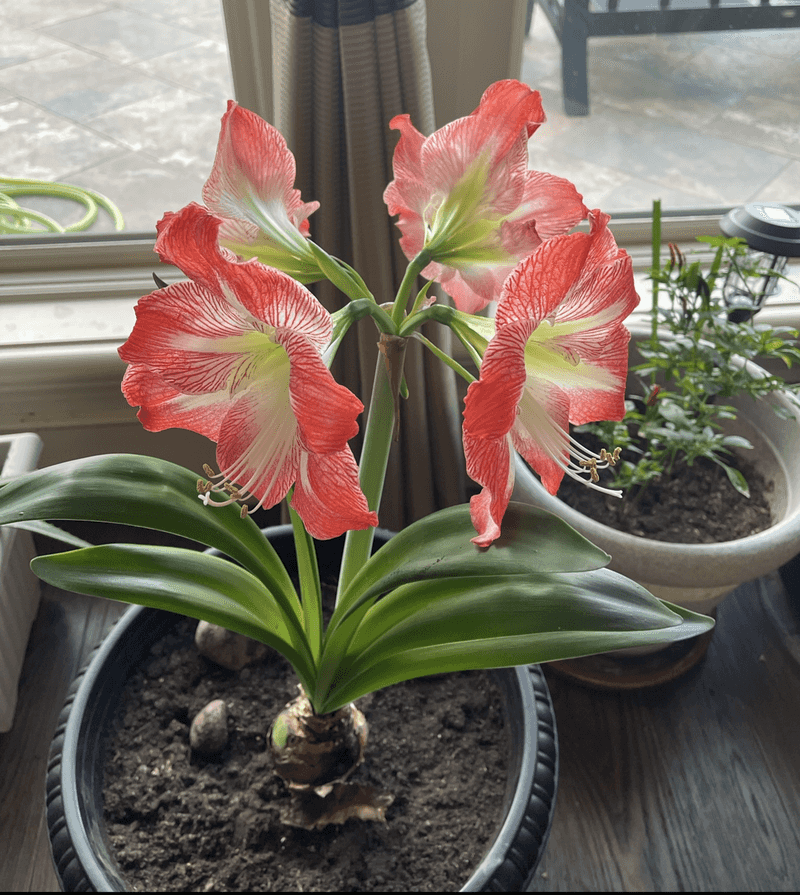
As individual amaryllis blooms begin to wilt and fade, removing them quickly helps the plant conserve valuable energy.
Flowers naturally produce seeds after pollination, a process that drains resources the bulb could use for strengthening itself instead.
Use clean, sharp scissors or pruning shears to snip off spent blooms just below the flower head, leaving the stem intact initially.
Once all flowers on a stem have finished blooming, cut the entire stalk down to about two inches above the bulb.
This prevents the plant from wasting energy on seed production and allows it to focus on leaf growth and nutrient storage.
Leave the foliage in place after flowers fade, as these green leaves continue photosynthesizing and feeding the bulb.
In Texas homes where you may have multiple amaryllis blooming at different times, staying on top of deadheading keeps your display looking fresh.
Dispose of removed flowers and stems rather than leaving them in pots where they might rot and attract pests.
Regular grooming also gives you a chance to inspect plants for any signs of problems.
Proper deadheading practices extend the productive life of your bulbs and improve their performance in future seasons.
Monitor For Pests Like Spider Mites And Mealybugs
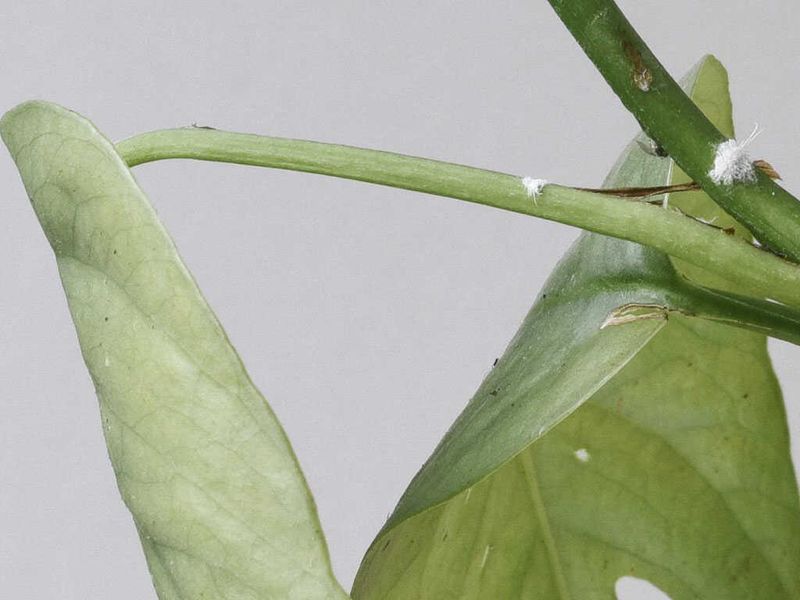
Indoor amaryllis plants occasionally attract common houseplant pests that can quickly spread among multiple plants kept together.
Spider mites appear as tiny specks on leaf undersides and create fine webbing, while mealybugs look like small cotton clusters in leaf joints.
Inspect your plants weekly, paying special attention to new growth and the undersides of leaves where pests often hide.
Early detection makes treatment much easier and prevents infestations from damaging your entire collection.
If you spot pests, isolate affected plants immediately to protect healthy ones nearby.
Wipe leaves gently with a damp cloth to remove visible insects, then spray with insecticidal soap or neem oil solution.
Texas homes with dry indoor air during winter heating season can encourage spider mite populations, so maintaining slight humidity helps deter them.
Repeat treatments every five to seven days until all signs of pests disappear completely.
Avoid using harsh chemical pesticides indoors, especially in living spaces where people and pets spend time.
Keeping plants healthy through proper care makes them naturally more resistant to pest problems and ensures your amaryllis display remains beautiful throughout the season.
Rotate Pots Regularly For Even Growth And Symmetry
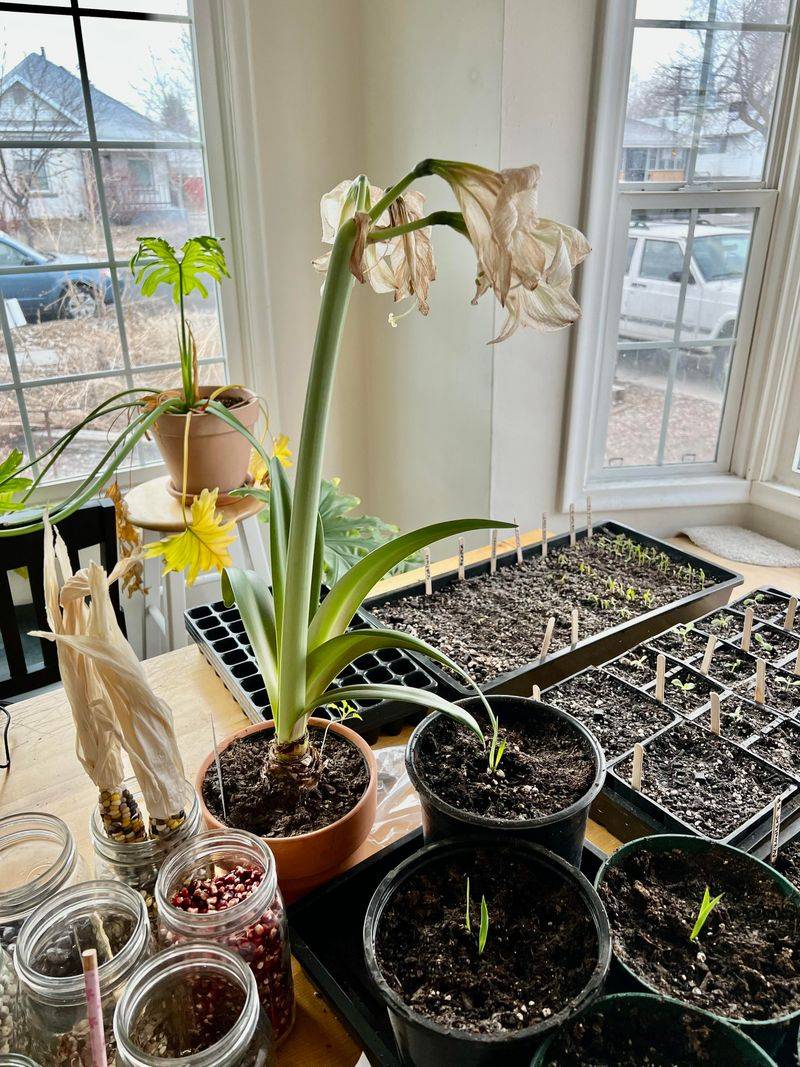
Amaryllis plants naturally grow toward their primary light source, which can cause stems and leaves to lean heavily in one direction.
This phototropic response creates lopsided plants that look unbalanced, especially when you have multiple specimens on display together.
Rotating each pot about a quarter turn every three to four days encourages straight, upright growth and symmetrical foliage development.
Mark your pots with a small sticker or marker to help remember which direction you last turned them.
Consistent rotation becomes particularly important as flower buds begin to develop and stems elongate rapidly.
In Texas homes where windows face specific directions, plants on the sunniest side may need more frequent turning than those in shadier spots.
This simple habit takes only a few seconds per plant but dramatically improves the overall appearance of your collection.
Rotating also helps you spot any developing problems on all sides of the plant during regular care routines.
For best results, rotate plants at the same time you check soil moisture or perform other maintenance tasks.
Well-balanced amaryllis with evenly distributed growth create a more professional-looking display that enhances any room in your home.
Plan Rest Periods After Blooming For Future Flowers
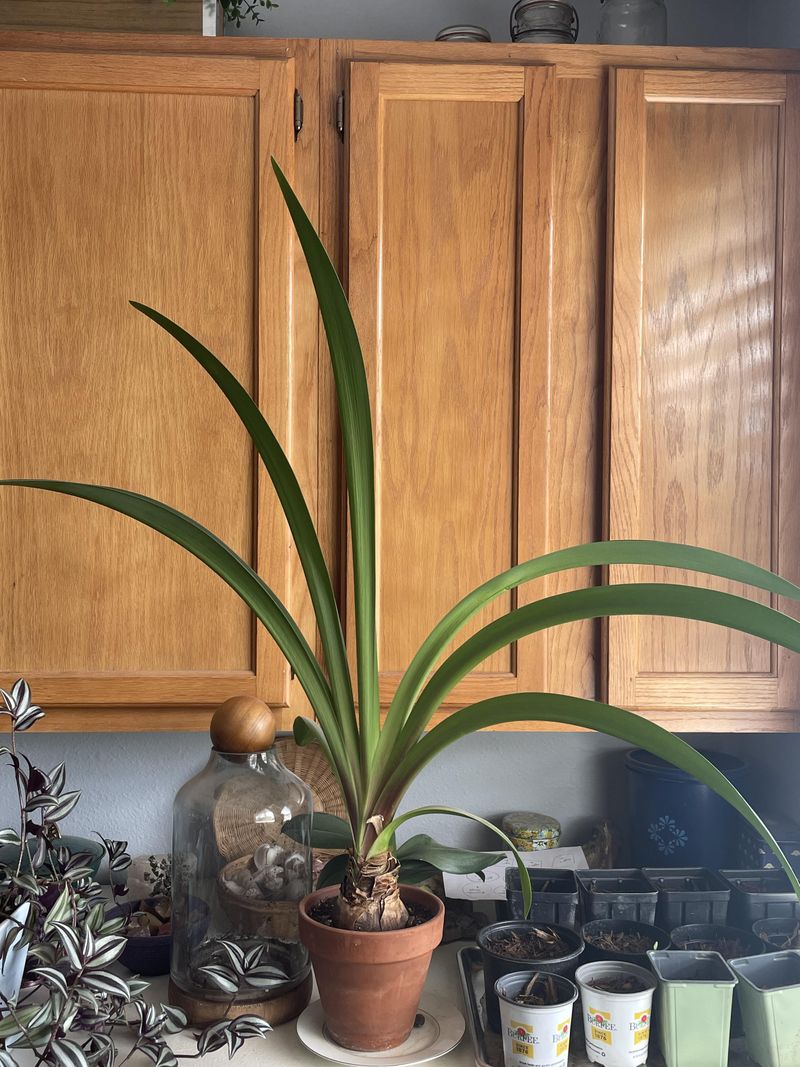
Many people discard amaryllis bulbs after flowering, not realizing these plants can bloom again year after year with proper rest periods.
After flowers fade and you remove the stems, continue caring for the foliage by watering and fertilizing for at least eight to twelve weeks.
This post-bloom period allows leaves to produce and store energy in the bulb for the next flowering cycle.
Once leaves begin yellowing naturally, gradually reduce watering until the soil dries out completely.
Cut back dried foliage to about two inches above the bulb and move pots to a cool, dark location like a garage or closet.
Bulbs need approximately eight to twelve weeks of dormancy in temperatures around 50-60 degrees Fahrenheit.
Texas gardeners can sometimes place dormant bulbs in air-conditioned rooms or unheated spaces during mild winters.
After the rest period, bring pots back into bright light and resume watering to trigger new growth.
Stagger rest periods among multiple plants to enjoy blooms at different times throughout the year.
With proper rest management, your amaryllis collection can provide beautiful flowers for many seasons in your Texas home.