What To Do When A Feral Hog Shows Up In Your Texas Yard And What To Avoid
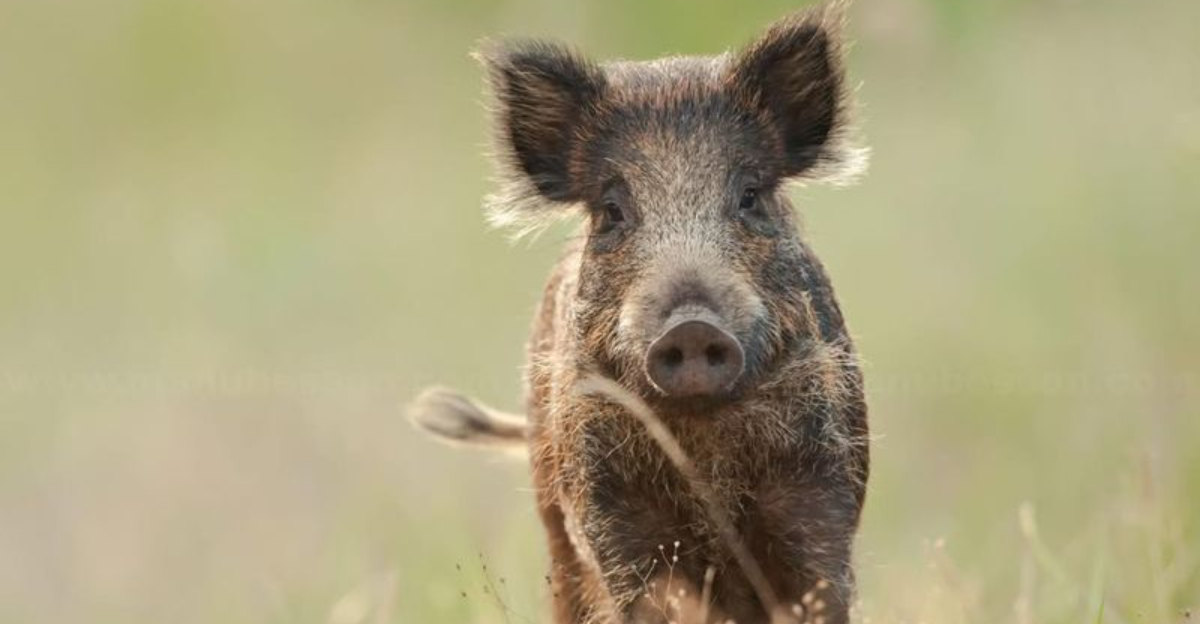
When a feral hog struts into your Texas yard, it can feel like the Wild West just showed up uninvited.
These burly rooters aren’t just passing through for a friendly howdy—they can tear up turf quicker than a summer twister and leave homeowners shaking their heads.
But before you grab the nearest shovel or holler at the top of your lungs, hold your horses.
Handling a feral hog the wrong way can create more trouble than a longhorn in a china shop.
The truth is, these animals are unpredictable, fast, and more than capable of defending themselves.
The good news? You don’t have to wrestle the situation alone.
With the right know-how, a level head, and a few tried-and-true safety tips, you can keep your yard, your pets, and yourself out of harm’s way.
Here’s the inside scoop on what Texans should do—and the big mistakes to steer clear of—when a hog shows up at the wrong time in the wrong place.
Back Away Slowly And Give The Hog A Clear Escape Route
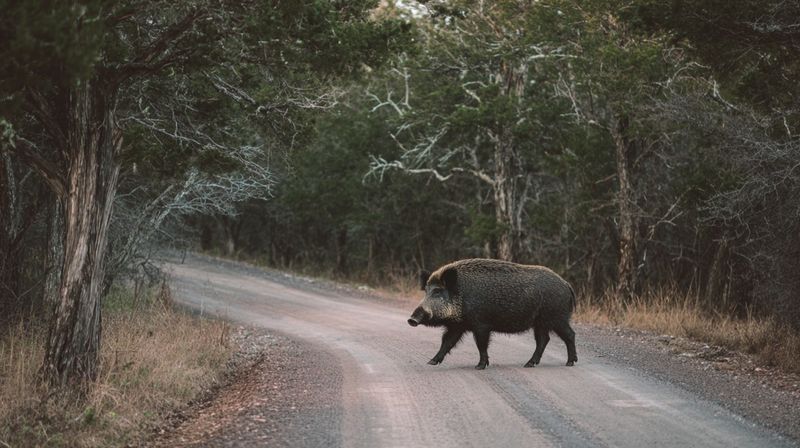
Wild hogs naturally prefer to avoid human contact whenever possible, and most encounters end peacefully when the animal has room to retreat.
Moving backward in slow, deliberate steps signals that you are not a threat while keeping your eyes on the hog so you can monitor its behavior.
Quick movements or turning your back might trigger a defensive response, especially if the animal feels trapped or startled.
Creating space between you and the hog reduces stress for both parties and lowers the chance of an aggressive charge.
Make sure doorways, gates, or open yard areas remain accessible so the hog can leave without feeling cornered.
Feral hogs have surprisingly good vision and hearing, so they will notice your retreat and often take the opportunity to exit on their own.
Avoid sudden gestures, loud yelling, or waving your arms during this process, as those actions can escalate tension.
Your goal is simply to give the animal confidence that it can leave safely.
Once you have backed up to a safe distance—ideally twenty feet or more—you can focus on getting indoors or calling for help.
Remember, hogs are powerful and fast, so distance is your best defense in any outdoor encounter.
Get Inside Or Reach A Secure Elevated Spot Before Making Any Phone Calls
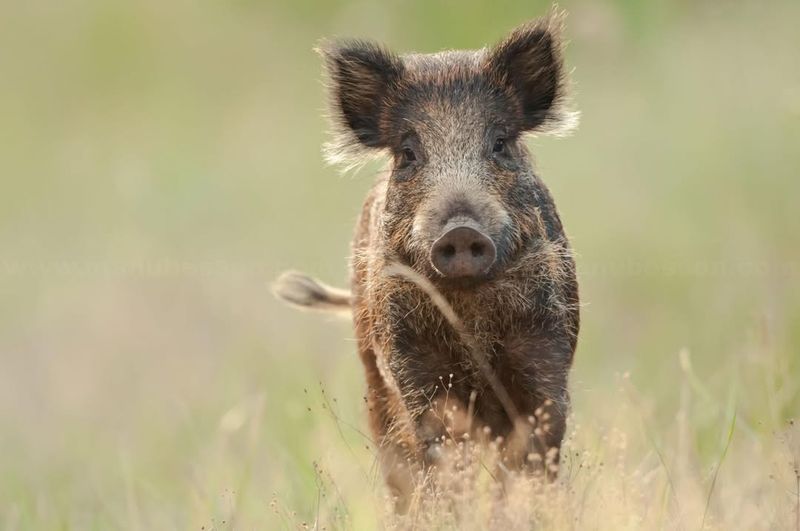
Your personal safety must come first, even before documenting the hog or contacting authorities.
Feral hogs can change direction quickly and cover ground faster than most people expect, so staying outdoors while distracted by a phone is risky.
Head straight for your house, garage, or vehicle, and close the door behind you before taking any further action.
If no building is nearby, climb onto a sturdy elevated surface like a porch railing, truck bed, or picnic table where the hog cannot easily reach you.
Hogs are not strong climbers, so even a modest height provides a significant safety advantage.
Once you are secure, you can safely observe the animal, take photos, or call Texas Parks and Wildlife, local animal control, or a neighbor for assistance.
Your Texas Garden Changes Every Week. Your Plan Should Too.
Gardening in Texas changes quickly throughout the season. Every Friday you’ll receive a simple weekly plan showing exactly what to plant, prune, fertilize, harvest, and protect so you never miss the right timing.
Trying to multitask outdoors can leave you vulnerable if the hog suddenly charges or if more hogs emerge from nearby brush.
Many people underestimate how aggressive a cornered or surprised hog can become, especially sows protecting piglets.
Taking those extra seconds to reach safety can prevent serious injuries.
After you are indoors, keep an eye on the hog through a window to track its movements and provide accurate information to responders.
Secure Pets Immediately—Bring Them Indoors Or Into A Locked Enclosure
Dogs and feral hogs are a dangerous combination, as barking and territorial behavior can provoke an otherwise passive hog into attacking.
Even well-trained pets may instinctively chase or bark at the unfamiliar animal, which can lead to injuries for both the dog and the hog.
Hogs have sharp tusks and powerful jaws, and they will defend themselves aggressively if they feel threatened by a pet.
Bring your dog or cat inside immediately, even if they are behind a fence, because hogs can damage or push through weak barriers.
If your pet is already outside and barking, call them to you calmly and lead them indoors without running, which could excite the hog further.
Cats are generally safer because they can climb and usually avoid ground confrontations, but indoor safety is still the best option.
Livestock like chickens, goats, or rabbits should also be secured if possible, as hogs may view them as threats or food sources.
Once pets are inside, keep them calm and away from windows or doors where they might continue barking and agitate the hog.
This simple step protects your animals and removes a major trigger that could escalate the situation.
Wait until the hog has left your property completely before allowing pets back outside.
Turn On Outdoor Lights Or Make Controlled Noise From Inside To Encourage The Hog To Leave
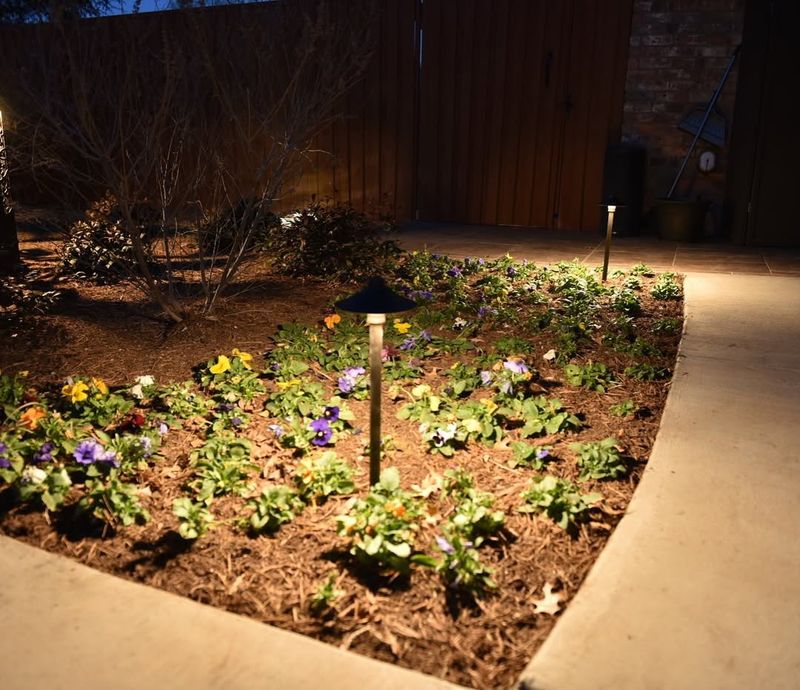
Feral hogs prefer to forage in quiet, low-light conditions where they feel hidden and safe from predators.
Flipping on porch lights, floodlights, or motion-activated fixtures can startle the hog and make your yard feel less inviting.
Bright light disrupts their sense of security and often encourages them to move on to a darker, more secluded area.
From inside your home, you can also create controlled noise by turning on a radio near a window, banging pots together, or even activating a car alarm remotely.
The key is to be loud and consistent without stepping outside, which keeps you safe while still applying pressure.
Avoid yelling directly at the hog or making sudden, erratic sounds that might confuse or anger the animal instead of scaring it away.
Some homeowners use motion-activated sprinklers or alarms specifically designed to deter wildlife, and these can be highly effective for repeat visitors.
The goal is to make your yard feel uncomfortable and unpredictable so the hog decides to leave on its own.
This method works best when combined with removing food attractants and maintaining a well-lit perimeter at night.
Once the hog has moved off your property, keep lights on for a while longer to discourage it from returning immediately.
Document Damage Or Sightings Safely From A Window For Reporting To Texas Parks And Wildlife Or County Animal Control
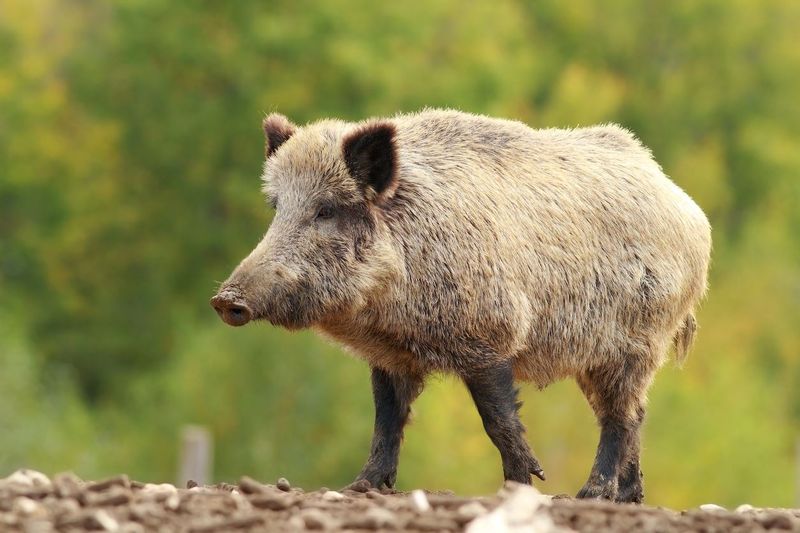
Accurate records help wildlife officials track hog populations, identify problem areas, and provide targeted advice or intervention.
Take clear photos or videos from inside your home, focusing on the hog itself, any visible damage to your lawn or garden, and the time of day.
Include shots of torn-up soil, damaged fences, overturned trash cans, or other evidence that shows how the hog has impacted your property.
Write down the date, time, and approximate size of the hog, along with any distinctive markings or behaviors you notice.
This information is valuable when you contact Texas Parks and Wildlife, your local game warden, or county animal control for guidance or assistance.
Some counties have special hog abatement programs or can connect you with licensed trappers who work in your area.
Providing detailed documentation speeds up the response process and helps authorities understand the severity of the situation.
Avoid stepping outside to get closer shots, as this puts you at unnecessary risk and may disturb the hog before it leaves naturally.
If the hog returns multiple times, keep a log of each visit to establish a pattern that officials can use to plan control measures.
Reporting sightings also alerts your neighbors and local community to the presence of feral hogs, which benefits everyone.
Do NOT Approach Or Try To Chase The Hog—It May Interpret This As A Threat And Charge
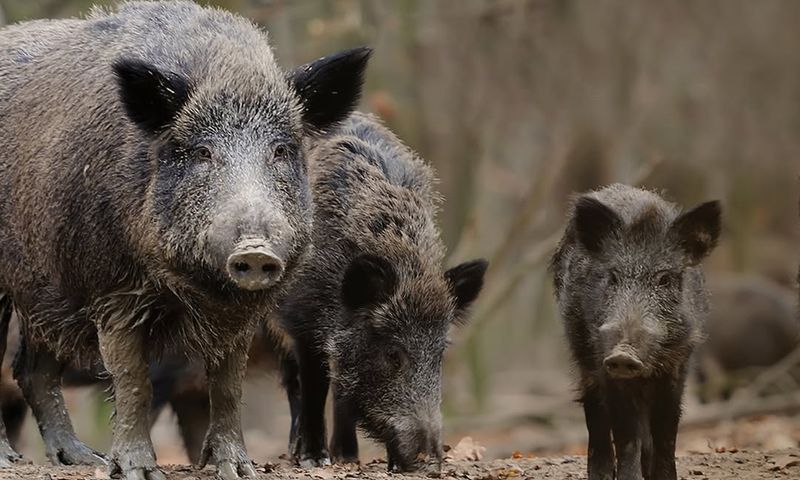
Chasing or confronting a feral hog can transform a calm situation into a dangerous one in seconds.
Hogs are surprisingly fast runners and can reach speeds of up to thirty miles per hour in short bursts, making it nearly impossible for a person to outrun them.
When a hog feels threatened or cornered, its natural response is to defend itself using its tusks, weight, and powerful head.
Even smaller hogs can cause serious injuries with sudden charges, and larger boars are especially dangerous due to their size and strength.
Approaching the animal also increases the chance that it will feel trapped, which triggers aggressive behavior even in hogs that would normally flee.
Some people mistakenly believe they can scare the hog away by running at it or waving objects, but this strategy often backfires.
Hogs have sharp senses and will read your body language as hostile, prompting them to stand their ground or attack.
Children and inexperienced adults are especially at risk because they may not recognize the warning signs of an agitated hog, such as raised hackles or huffing sounds.
Always maintain a safe distance and let the hog leave on its own terms.
Your safety is far more important than trying to drive the animal off your property quickly.
Never Attempt To Feed, Trap, Or Corner A Hog Unless You Are A Trained, Licensed Professional
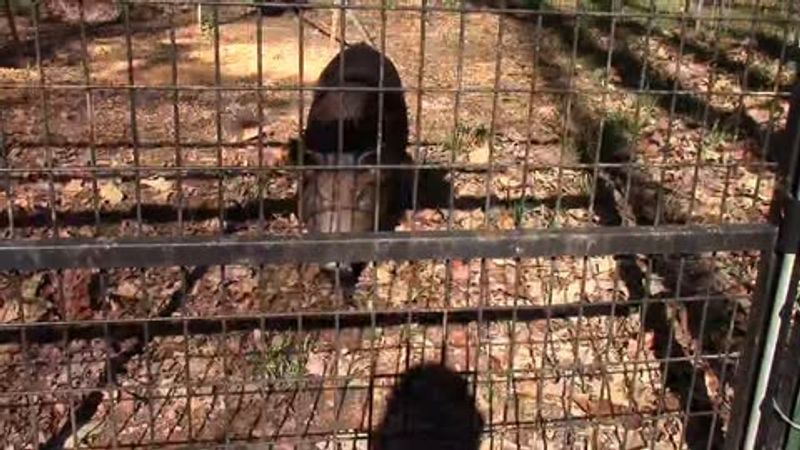
Trapping feral hogs requires specialized knowledge, equipment, and often a permit depending on your county and the method used.
Untrained individuals who attempt to trap hogs often injure themselves, damage property, or create legal problems if the trap harms other wildlife or pets.
Hogs can be extremely aggressive when cornered in a trap, and handling them safely requires experience and proper protective gear.
Feeding a hog to lure it closer or keep it around is illegal in many areas and creates a long-term problem by encouraging the animal to return repeatedly.
Once a hog associates your property with food, it will bring other hogs along, leading to larger groups and more extensive damage over time.
Professional trappers understand hog behavior, use humane and effective traps, and know how to handle captured animals in compliance with state and local regulations.
They also have the tools to relocate or manage hogs safely without putting you or your family at risk.
If you need help removing a hog, contact Texas Parks and Wildlife or a licensed nuisance wildlife control operator in your area.
Many counties offer free or low-cost trapping services as part of hog control initiatives.
Leave the trapping to the experts and focus on securing your property and family instead.
Avoid Leaving Food Sources Outside—Pet Food, Bird Seed, Compost, Or Unsecured Trash
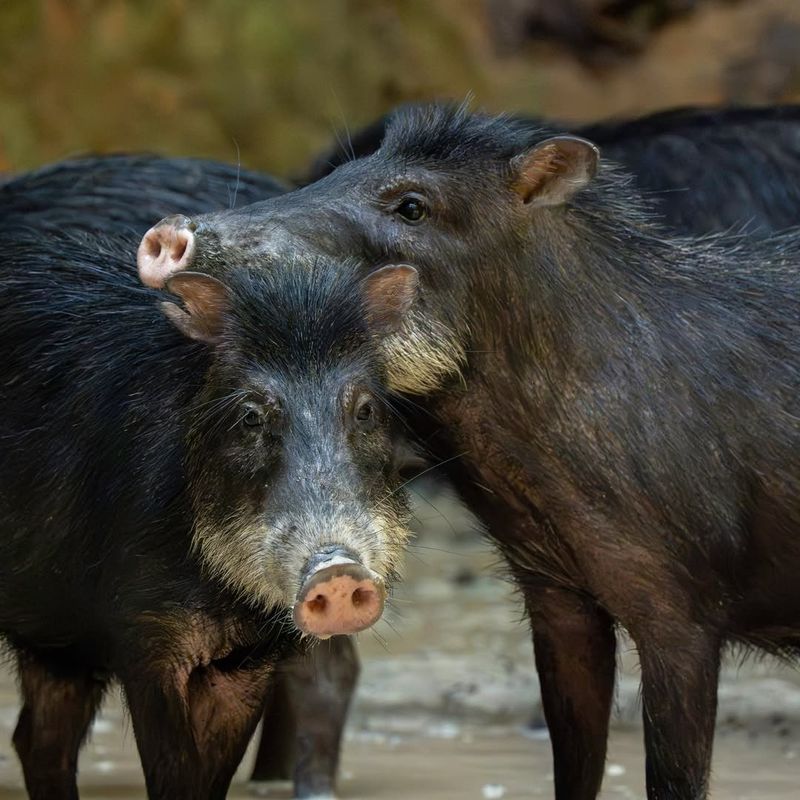
Feral hogs have an excellent sense of smell and will travel long distances to reach reliable food sources, making your yard a regular stop if attractants are present.
Pet food left outside overnight is one of the most common reasons hogs visit residential areas, as it provides easy calories with minimal effort.
Bird seed scattered on the ground or spilled from feeders also attracts hogs, especially during dry seasons when natural food is scarce.
Compost piles containing kitchen scraps, fruit peels, or vegetable waste emit strong odors that hogs can detect from hundreds of yards away.
Trash cans without secure lids are another major attractant, particularly if they contain food waste or grease.
Once a hog finds food in your yard, it will return repeatedly and often bring other hogs along, creating a persistent problem.
To prevent this, feed pets indoors or remove bowls immediately after meals, and store bird seed in sealed containers while cleaning up spills regularly.
Keep compost bins tightly closed or switch to enclosed tumbler-style composters that hogs cannot access.
Use trash cans with locking lids and take them to the curb only on collection day rather than leaving them outside permanently.
Eliminating food sources is the single most effective way to discourage hogs from visiting your property.
Don’t Let Children Or Visitors Near The Yard Until You Confirm The Hog Is Gone
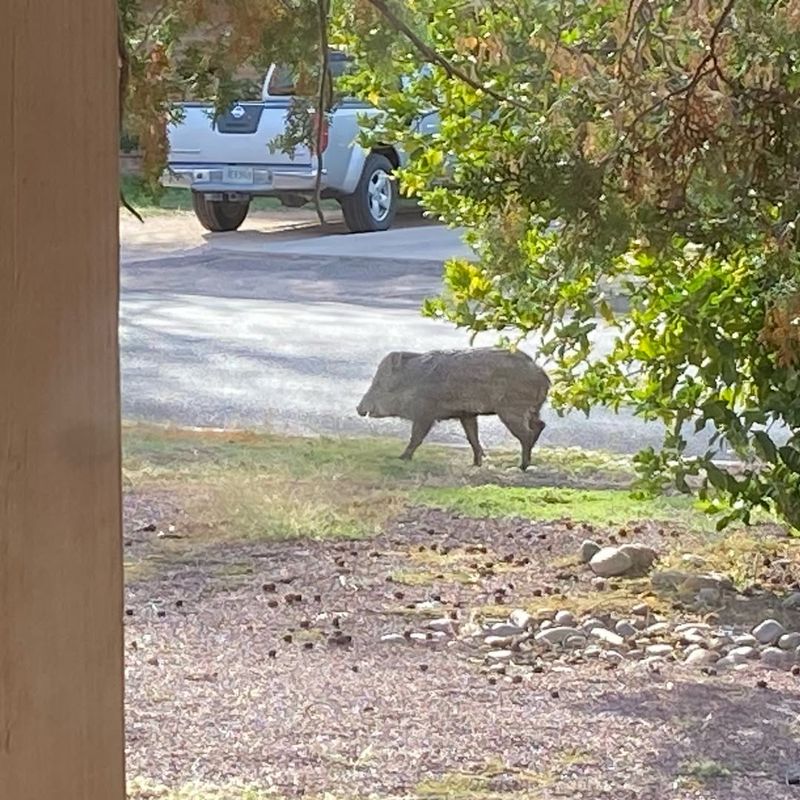
Children are naturally curious and may not understand the danger a feral hog poses, making supervision absolutely essential during and after a hog sighting.
Hogs often linger in nearby brush, drainage ditches, or shaded areas even after they leave your immediate view, so the threat may still be present.
Kids might want to explore, take photos, or even try to interact with the animal, which can lead to serious injuries.
Guests or visitors who are unfamiliar with feral hogs may also underestimate the risk and wander outside without realizing the animal is still nearby.
Keep everyone indoors until you have visually confirmed the hog has left your property and the surrounding area.
Walk the perimeter of your yard carefully, checking behind sheds, under decks, and in dense vegetation where hogs like to rest.
If you are unsure whether the hog is gone, wait at least thirty minutes and check again before allowing anyone outside.
Explain to children why hogs are dangerous and establish clear rules about staying inside when wildlife is present.
Even after the hog has left, remain vigilant for signs of return, such as fresh tracks, rooting damage, or droppings.
Your vigilance protects your family and ensures that everyone understands the importance of respecting wild animals and maintaining safe boundaries.