10 Common Mistakes Florida Homeowners Make When Caring For Holiday Poinsettias
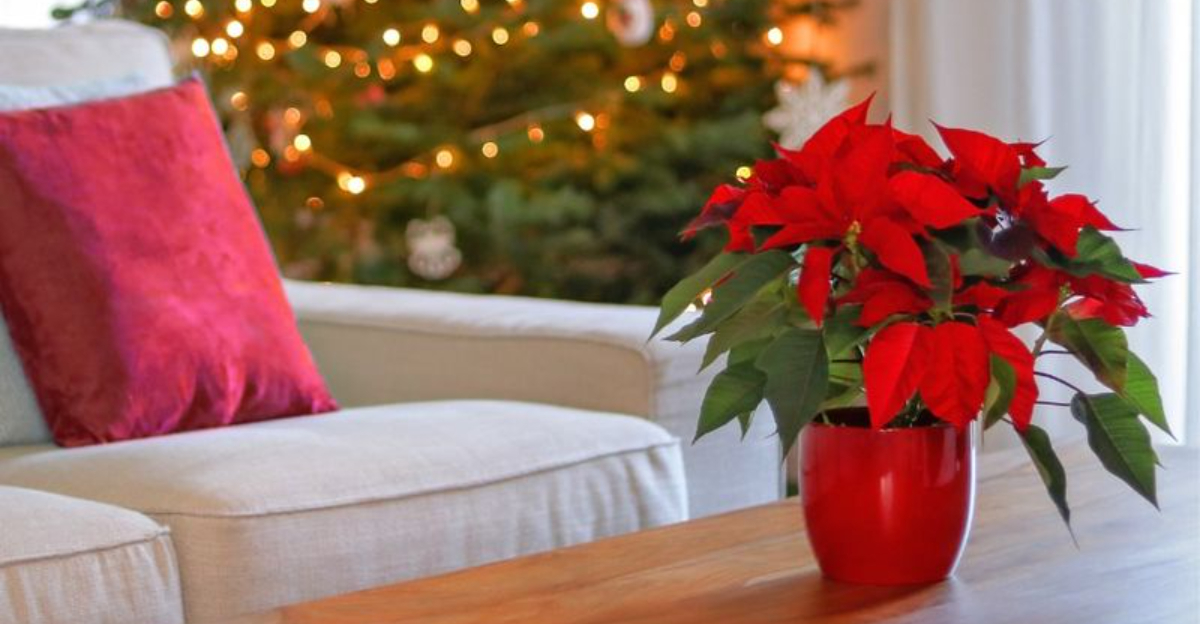
Holiday poinsettias and Florida weather go together like sweaters and sunshine—not exactly a natural match.
With warm temperatures, bright sun, and sudden humidity swings, these festive plants can throw in the towel long before the new year.
Many Florida homeowners unknowingly make simple mistakes that send poinsettias downhill fast.
One wrong move and those vibrant holiday bracts fade like a sunset on the Gulf.
But fear not—keeping your poinsettias merry and bright isn’t rocket science.
With a few small adjustments, you can keep these classics looking fresh all season long.
This guide highlights the mistakes to avoid and the easy fixes that make all the difference.
1. Overwatering In Florida’s Humid Climate
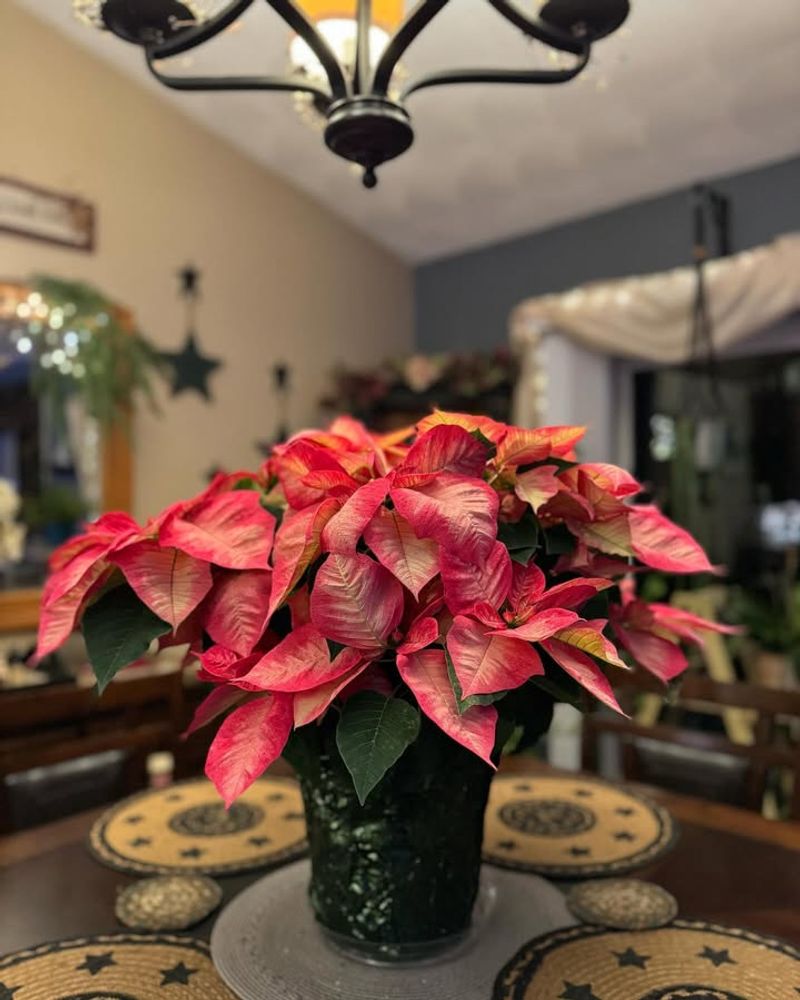
Florida’s naturally humid environment fools many homeowners into thinking their poinsettias need constant watering.
The reality is quite different since these plants prefer their soil to dry out slightly between waterings.
Too much moisture leads to root problems that show up as wilting leaves and a generally unhappy plant.
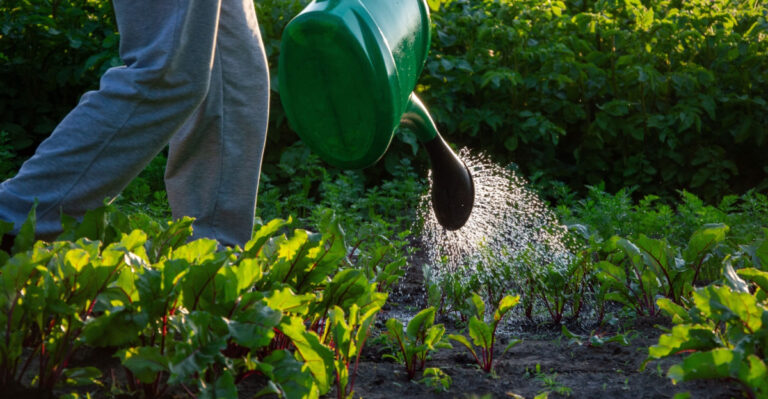
Check the soil with your finger before adding any water to your poinsettia.
The top inch should feel dry to the touch before you reach for the watering can.
When you do water, make sure excess liquid drains completely from the bottom of the pot.
Most Florida poinsettias only need watering every three to five days, depending on indoor conditions.
Yellow leaves that drop off unexpectedly often signal too much water rather than too little.
Remember that drainage holes in your pot are absolutely essential for preventing water from sitting around the roots.
Room temperature matters too since warmer spaces cause soil to dry faster than cooler areas.
Pay attention to your specific plant’s needs rather than following a rigid watering schedule.
Your poinsettia will reward careful observation with gorgeous, healthy foliage that lasts for months.
2. Placing Plants In Direct Afternoon Sunlight
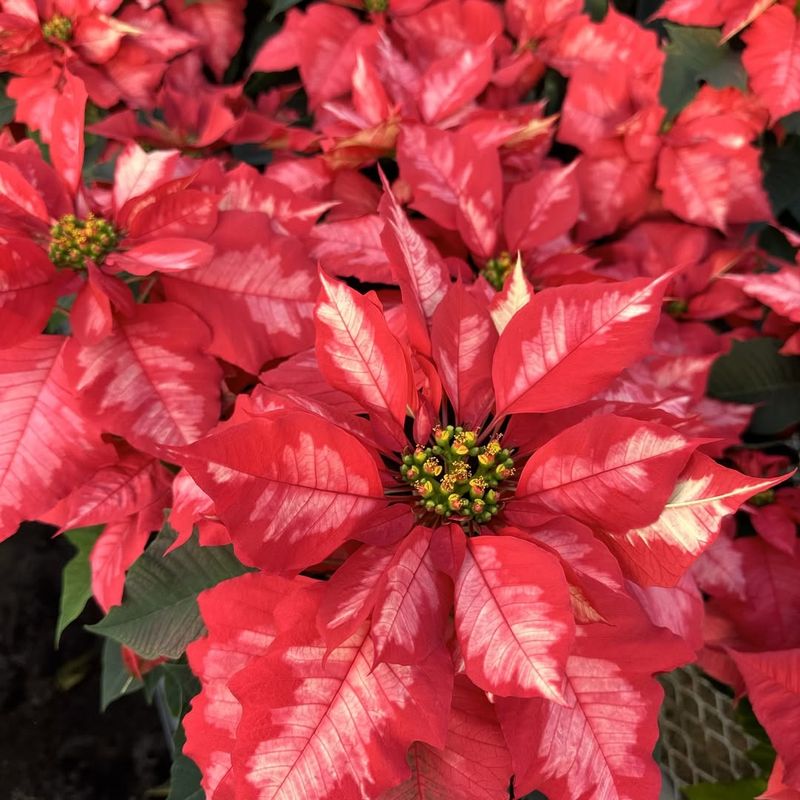
That west-facing window might seem like the perfect spot, but Florida’s intense afternoon sun can actually harm your poinsettia.
These plants enjoy bright light but become stressed when exposed to harsh, direct rays during the hottest part of the day.
Scorched leaves and faded bracts are telltale signs your plant is getting too much sun.
Morning sunlight from an east-facing window provides ideal conditions for healthy growth.
Filtered light through sheer curtains also works wonderfully if you only have south or west exposures.
Aim for about six hours of indirect bright light each day for the best results.
Florida’s powerful sunshine is much stronger than in northern states where poinsettias are also popular.
What works in Michigan might overwhelm your plant here in the Sunshine State.
Brown, crispy edges on leaves indicate your poinsettia has been sunburned and needs relocation immediately.
Consider the changing angle of winter sun when positioning your plant for the season.
A spot that seems perfect in December might become too intense by late January.
Rotating your poinsettia occasionally ensures all sides receive equal light exposure for balanced, attractive growth.
3. Ignoring Temperature Fluctuations From Air Conditioning
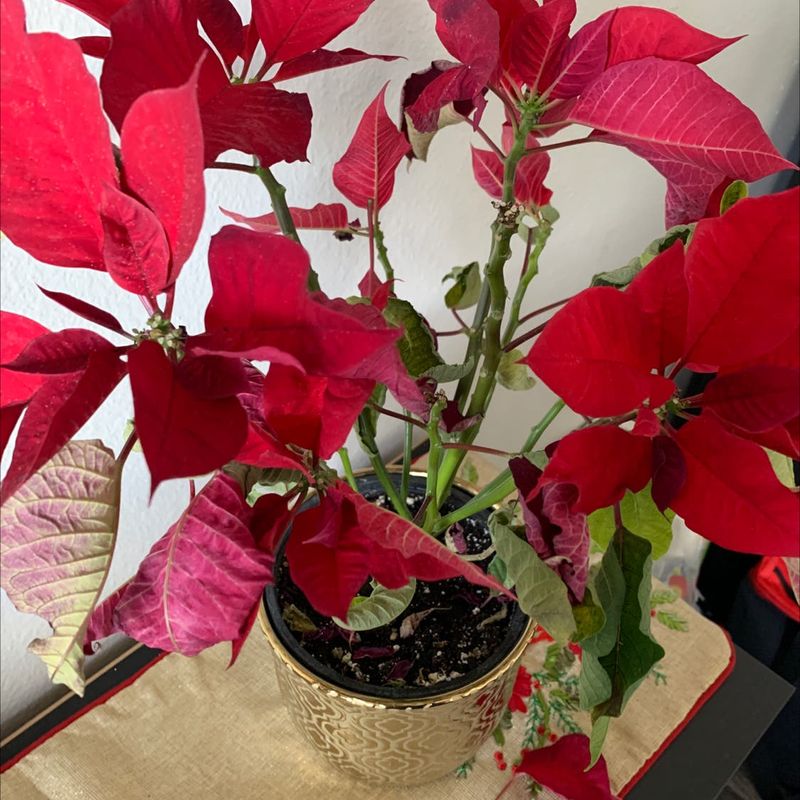
Air conditioning runs almost year-round in Florida homes, creating temperature challenges that poinsettias really dislike.
Your Florida Garden Changes Every Week. Your Plan Should Too.
Gardening in Florida changes quickly throughout the season. Every Friday you’ll receive a simple weekly plan showing exactly what to plant, prune, fertilize, harvest, and protect so you never miss the right timing.
These tropical plants prefer consistent warmth between 65 and 75 degrees Fahrenheit.
Sudden cold blasts from AC vents cause stress that manifests as dropping leaves and stunted growth.
Never position your poinsettia directly in the path of air conditioning airflow.
The constant temperature swings confuse the plant’s natural rhythms and weaken its overall health.
Even a few feet away from vents makes a significant difference in plant comfort and longevity.
Nighttime temperatures matter just as much as daytime conditions for poinsettia success.
Many Florida homeowners crank up the AC at night, dropping indoor temperatures below the comfortable range.
Your plant might look fine initially but will gradually decline if exposed to repeated cold stress.
Drafty areas near doors or windows that open frequently create similar problems.
Consistent temperatures help poinsettias maintain their colorful bracts much longer than plants in fluctuating conditions.
Think about your home’s climate zones and choose a stable location away from heating and cooling sources for best results.
4. Forgetting To Check For Proper Drainage
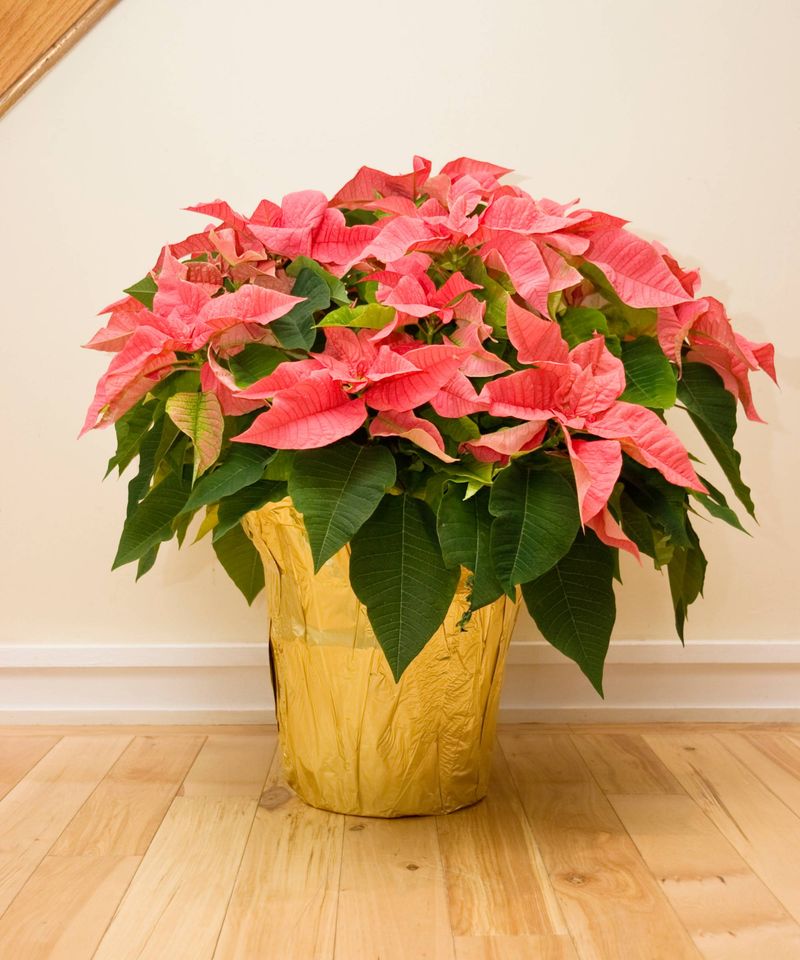
Decorative foil wrapping and fancy pot covers look festive but often hide a dangerous problem underneath.
Without proper drainage, water accumulates at the bottom of containers and suffocates poinsettia roots.
This mistake ranks among the top reasons these holiday favorites fail to thrive in Florida homes.
Always remove decorative wrapping or poke holes in the bottom before placing your poinsettia in its display location.
If you love the look of a cover pot, lift the inner container out for watering and let it drain completely.
Never allow your plant to sit in standing water for more than fifteen minutes after watering.
Many grocery store and garden center poinsettias come in plastic pots with adequate drainage already built in.
The problems start when homeowners transfer them to prettier containers without considering water flow.
Ceramic and metal pots without holes spell trouble unless you use them as decorative outer sleeves only.
Florida’s humidity makes proper drainage even more critical than in drier climates.
Soggy soil combined with high ambient moisture creates the perfect environment for root problems.
Taking a moment to ensure good drainage saves your plant from slow decline and keeps those colorful bracts looking fantastic.
5. Using Cold Water Straight From The Tap
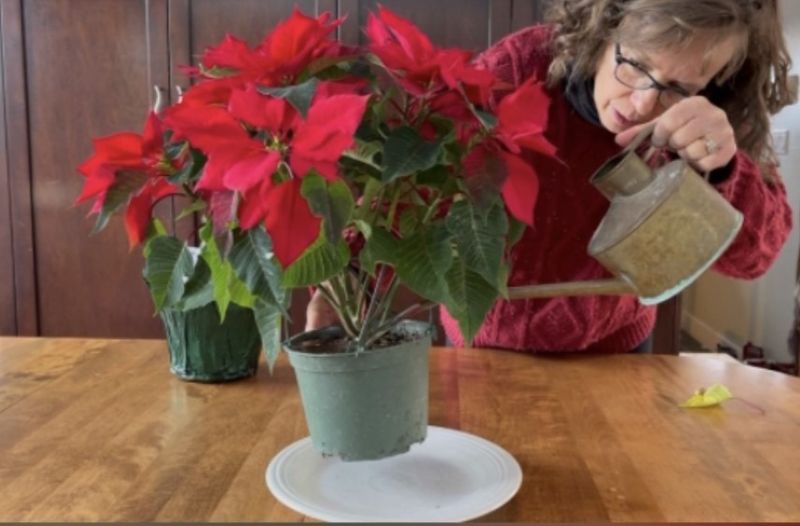
Rushing to water your poinsettia with whatever comes out of the faucet seems convenient but can shock the plant’s sensitive roots.
Cold tap water feels refreshing to us but represents a temperature jolt that stresses tropical plants.
Room temperature water allows roots to absorb moisture efficiently without the added challenge of temperature adjustment.
Fill your watering container and let it sit for several hours before using it on your poinsettia.
This simple step warms the water naturally and also allows chlorine to dissipate into the air.
Many Florida municipal water systems contain chlorine levels that some plants find less than ideal.
Early morning is the best time to water since your plant has the entire day to process moisture.
Evening watering can leave soil damp overnight, which combined with cooler temperatures creates unfavorable conditions.
Consistent watering practices help establish healthy routines that benefit your poinsettia tremendously.
Keep a dedicated watering pitcher near your plant display area for convenience.
The water will naturally reach room temperature and be ready whenever your poinsettia needs a drink.
This thoughtful approach demonstrates the kind of attention to detail that separates thriving plants from struggling ones throughout the holiday season.
6. Neglecting To Remove Damaged Leaves Promptly
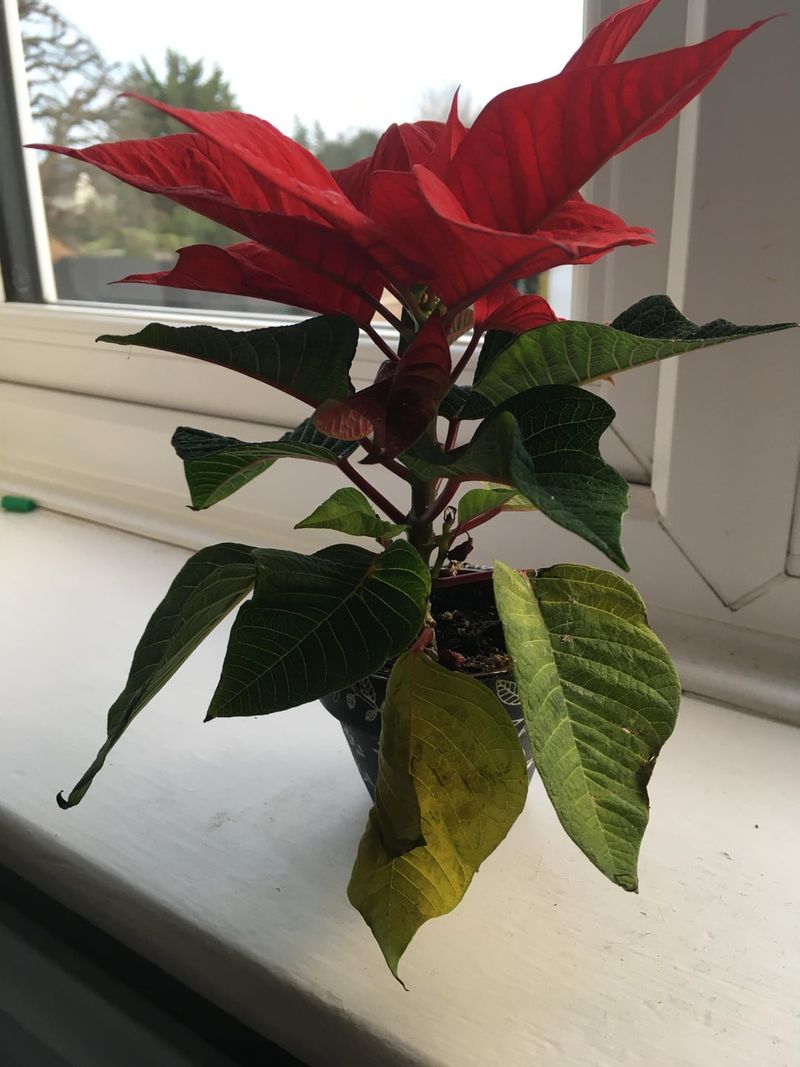
Yellow or brown leaves happen occasionally even with excellent care, but leaving them on the plant wastes valuable energy.
Your poinsettia continues trying to support damaged foliage instead of focusing resources on healthy growth.
Regular grooming keeps plants looking their best and promotes overall vigor during the holiday season.
Gently pinch off any leaves that show significant discoloration or damage as soon as you notice them.
Use clean fingers or small pruning shears to make neat removals without tearing surrounding tissue.
This quick maintenance task takes only seconds but makes a noticeable difference in plant appearance.
Some leaf loss is completely normal as poinsettias adjust to new environments after leaving the nursery.
The difference between normal adjustment and a serious problem lies in the quantity and speed of leaf changes.
A few lower leaves turning yellow is no cause for alarm, but rapid widespread changes signal deeper issues.
Removing spent leaves also improves air circulation around the plant base in humid Florida conditions.
Better airflow reduces the risk of fungal issues that thrive in damp, crowded environments.
Your poinsettia will look neater and healthier with regular attention to grooming throughout the entire holiday display period.
7. Fertilizing During The Holiday Display Period
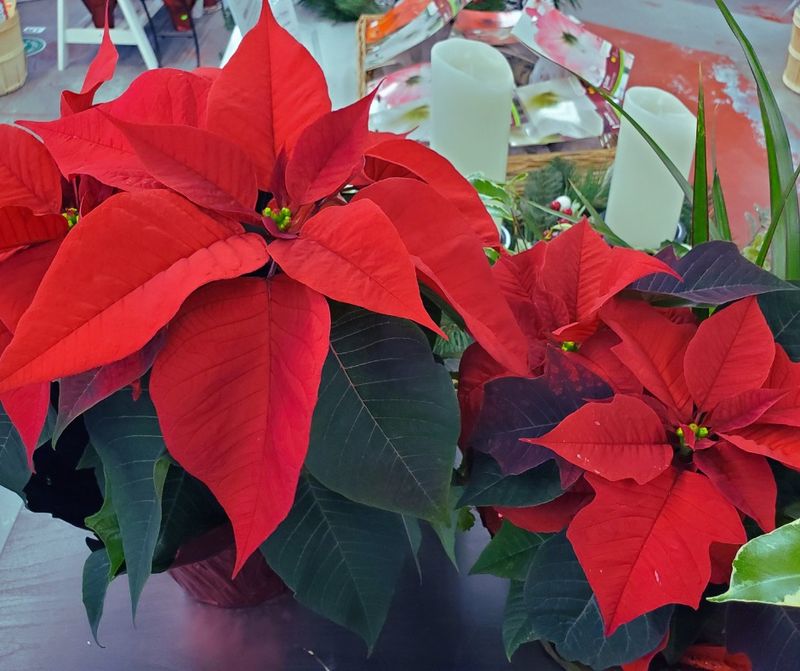
Garden centers and helpful neighbors might suggest feeding your poinsettia, but this advice actually backfires during the holiday season.
These plants are meant to be enjoyed as temporary decorations during their peak colorful period.
Adding fertilizer during this display phase provides no benefit and can actually shorten the time your plant looks its best.
Poinsettias develop their colorful bracts in response to specific light and temperature conditions at commercial greenhouses.
By the time they reach your Florida home, the growing process is essentially complete for the season.
Fertilizer encourages new green growth that detracts from the beautiful red, pink, or white bracts you purchased.
Wait until spring arrives if you plan to keep your poinsettia as a year-round houseplant.
Once new growth begins naturally, a balanced liquid fertilizer applied monthly supports healthy development.
During the winter display months, clean water and proper care are all your plant needs.
Many homeowners assume more care equals better results, but poinsettias prefer a simpler approach during their colorful phase.
Focus your energy on correct watering, appropriate lighting, and stable temperatures instead of unnecessary feeding.
Your plant will maintain its festive appearance much longer without the confusion of added nutrients during its rest period.
8. Exposing Plants To Cold Outdoor Temperatures
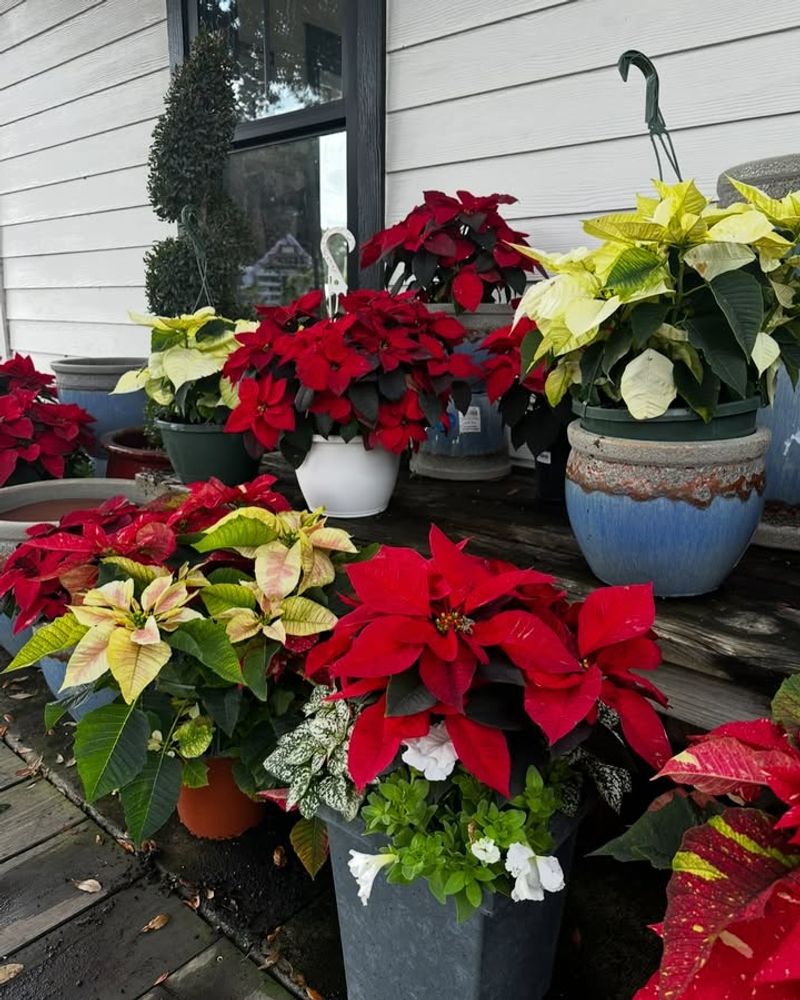
Florida winters feel mild compared to northern states, tempting homeowners to place poinsettias on porches and patios.
Even our relatively warm nights can drop below the 50-degree threshold where these tropical plants begin suffering damage.
A single chilly evening can cause irreversible harm that shows up as wilting and leaf drop days later.
Poinsettias originated in Mexico’s warm climate and have zero tolerance for cold exposure.
What feels like pleasant cool weather to Florida residents registers as dangerous cold to these sensitive plants.
Bring them indoors well before sunset if you’ve displayed them outside during warmer afternoon hours.
December and January nights in most Florida regions occasionally dip into the 40s or even 30s.
These temperatures spell disaster for poinsettias left unprotected outdoors.
Even covered porches and screened lanais offer insufficient protection when temperatures drop significantly.
Some Florida homeowners successfully grow poinsettias outdoors year-round in the southernmost tropical zones.
However, most of the state experiences at least occasional cold snaps that make outdoor placement risky.
Keeping your holiday poinsettia safely indoors ensures you’ll enjoy its beauty throughout the entire season without weather-related setbacks that could ruin your festive display.
9. Skipping The Acclimation Period After Purchase
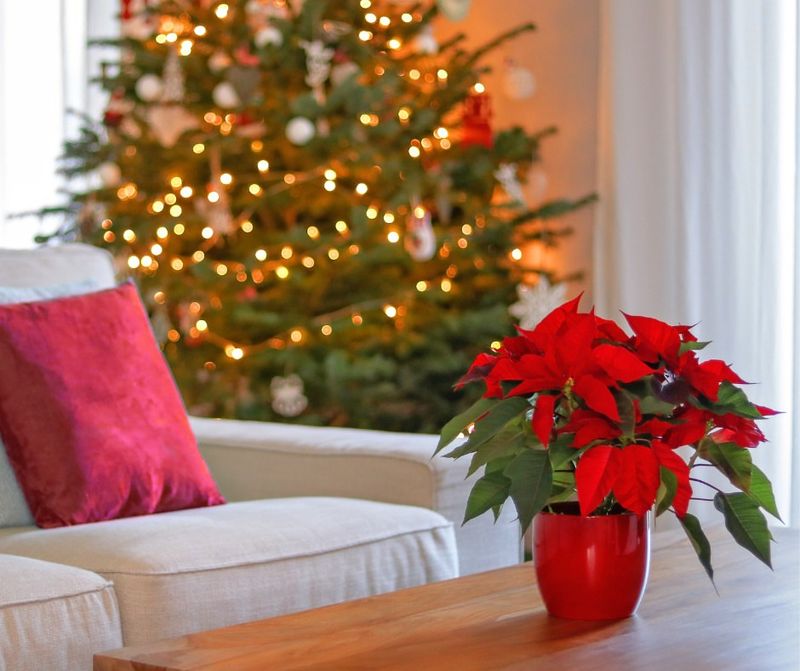
Excitement about your new poinsettia might have you rushing it straight from the car to its permanent display spot.
This abrupt transition from the controlled nursery environment to your home creates unnecessary stress.
Giving your plant a few days to adjust gradually prevents shock that manifests as sudden leaf drop.
Place your new poinsettia in a moderate location away from extreme temperatures and direct sun initially.
A spot with bright indirect light and stable temperatures around 70 degrees works perfectly for this transition period.
Observe how your plant responds over three to five days before moving it to its final holiday display location.
Transport stress affects poinsettias more than many people realize, especially during cooler weather.
Even the brief exposure to outdoor temperatures during the trip from store to car to house can cause hidden damage.
Protect your plant with a sleeve or bag during transport and get it indoors quickly.
Watch for any leaves that yellow or drop during the first week as your poinsettia settles into its new environment.
Some minor leaf loss is normal and expected during this adjustment phase.
Once your plant stabilizes, you can confidently move it to wherever you want to showcase its beautiful holiday colors throughout your Florida home.
10. Placing Plants Near Ripening Fruit
Your kitchen counter might seem convenient for displaying a poinsettia, but nearby fruit bowls create an invisible threat.
Ripening fruits release ethylene gas that causes premature aging in sensitive plants like poinsettias.
This odorless gas triggers leaf yellowing and drop that puzzles homeowners who think they’re providing excellent care.
Bananas, apples, and tomatoes produce especially high levels of ethylene as they ripen.
Even a small amount of this natural plant hormone affects poinsettias negatively over time.
Keep your holiday plant at least six feet away from fruit storage areas for best results.
Florida’s warm climate means many homeowners keep fruit on counters rather than in refrigerators.
This practice is perfectly fine for the fruit but creates challenges for nearby decorative plants.
Simply relocating your poinsettia to a different room solves this problem without requiring any changes to your kitchen habits.
Ethylene damage looks similar to other common problems, making it tricky to diagnose correctly.
If your plant seems otherwise healthy but continues losing leaves despite proper care, consider the proximity to ripening produce.
Moving your poinsettia away from fruit sources often results in dramatic improvement within just a few days as the plant recovers from this hidden stressor.