11 Places You Should Never Plant Tomatoes In North Carolina For A Healthy Harvest

Growing tomatoes in North Carolina can feel like riding a roller coaster—one moment thriving vines, the next a mystery wilt or disappointing fruit set.
Across the state’s patchwork of coastal humidity, Piedmont clay, and mountain chill, tomatoes can succeed spectacularly… or fail miserably depending on where you plant them.
And while most gardeners focus on soil quality and fertilizer, the secret to a productive harvest often lies in avoiding a handful of problem spots that sabotage tomato plants before they even begin.
From shady corners that stunt growth to areas with poor airflow that practically invite blight, these locations can turn even the most enthusiastic gardener into a frustrated onlooker.
North Carolina’s climate already throws enough curveballs—late frosts, scorching summers, and surprise storms—so planting in the wrong place only stacks the odds further against you.
Before sinking your next tomato seedling into the ground, learn the key spots to avoid so your summer harvest comes in full, flavorful, and frustration-free.
1. Shady Corners That Block Growth
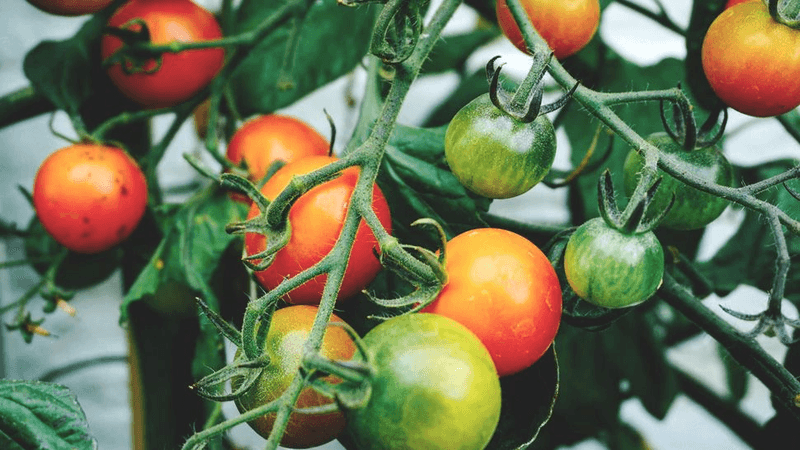
Sunlight fuels everything a tomato plant does, from photosynthesis to fruit ripening.
Without six to eight hours of direct sun each day, your vines will stretch toward whatever light they can find, becoming leggy and weak.
Shaded spots might seem cooler and more comfortable during hot Carolina summers, but tomatoes actually thrive in warmth and brightness.
When plants don’t receive enough light, they focus energy on survival rather than fruit production.
You’ll end up with tall, pale stems and only a handful of small, pale tomatoes that never fully ripen.
Leaves may also yellow and drop prematurely, leaving the plant vulnerable to pests and diseases.
North Carolina gardens often have mature trees, tall fences, or neighboring structures that cast long shadows throughout the day.
Before planting, observe your yard at different times to identify sunny zones.
Choose open areas away from buildings, large shrubs, or evergreens that create permanent shade pockets.
Even partial shade can cut your harvest in half.
Tomatoes are sun-loving crops that originated in warm, bright climates, so they simply cannot compromise on light.
Prioritize the sunniest real estate in your garden, and your plants will reward you with vigorous growth and abundant, flavorful fruit all season long.
2. Wet Low Spots That Stay Soggy
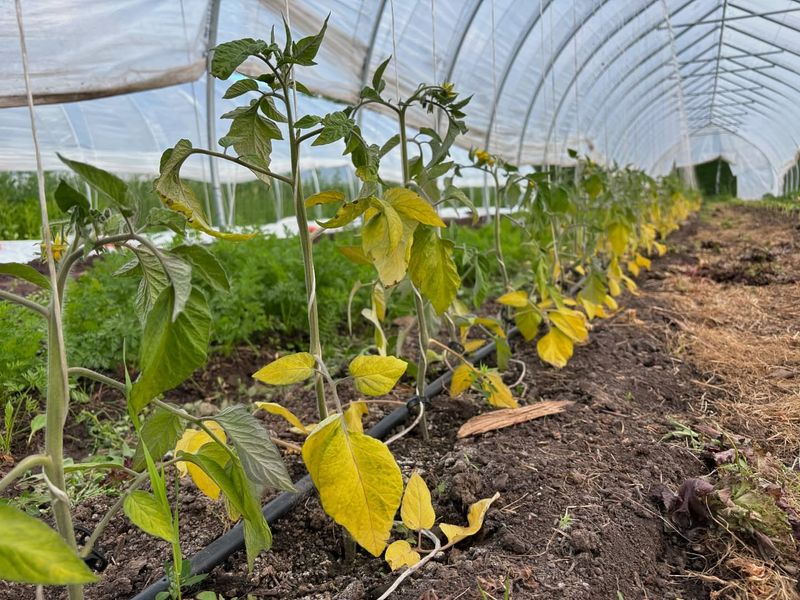
North Carolina summers bring sudden thunderstorms that can dump inches of rain in minutes.
Low-lying areas in your yard may look fine on sunny days, but they turn into mini swamps after heavy downpours.
Tomato roots need oxygen just as much as water, and soggy soil suffocates them quickly.
When roots sit in waterlogged ground, they cannot breathe or absorb nutrients properly.
This stress opens the door to root rot, a condition where beneficial soil organisms are replaced by harmful fungi and bacteria.
You’ll notice wilting leaves even though the soil is wet, along with stunted growth and yellowing foliage.
Fungal diseases like early blight and late blight also flourish in damp conditions.
These pathogens spread rapidly through splashing water and humid air, turning leaves brown and mushy.
Your North Carolina Garden Changes Every Week. Your Plan Should Too.
Gardening in North Carolina changes quickly throughout the season. Every Friday you’ll receive a simple weekly plan showing exactly what to plant, prune, fertilize, harvest, and protect so you never miss the right timing.
Once established, they can wipe out your entire crop in days.
Before planting, check your garden after a rainstorm to see where water pools or drains slowly.
Avoid these trouble zones entirely, or improve drainage by building raised beds filled with well-draining soil mix.
Elevating your tomatoes even six to twelve inches can make a huge difference in root health and overall plant vigor, especially during our unpredictable summer weather patterns across the state.
3. Clay Heavy Soil That Never Dries
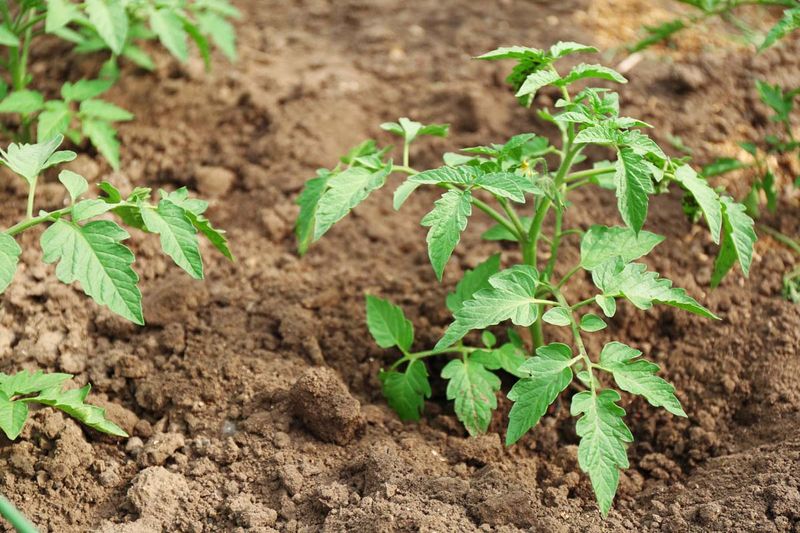
Much of North Carolina’s Piedmont region features heavy clay soil that sticks together like modeling dough.
When wet, it becomes slick and impenetrable; when dry, it hardens into brick-like chunks.
Tomato roots cannot push through this dense material, so they stay shallow and weak, unable to access deep moisture or nutrients.
Clay particles are extremely small and pack tightly, leaving little room for air pockets.
This creates an anaerobic environment where beneficial soil microbes struggle to survive.
Without these helpers, your plants miss out on natural nutrient cycling and disease suppression.
Heavy clay also drains poorly, holding water on the surface while staying dry just a few inches down.
This confuses tomato plants, which need consistent moisture levels to prevent blossom end rot and cracking.
You’ll see erratic growth patterns, with plants alternating between stress and brief spurts of vigor.
Amending clay soil takes effort but pays off tremendously.
Mix in generous amounts of compost, aged manure, or peat moss to break up the structure and improve drainage.
Consider raised beds filled with a custom blend of topsoil, compost, and perlite or vermiculite.
These modifications create the loose, crumbly texture tomatoes crave, allowing roots to spread freely and plants to reach their full productive potential in Carolina gardens.
4. Crowded Beds With Poor Airflow
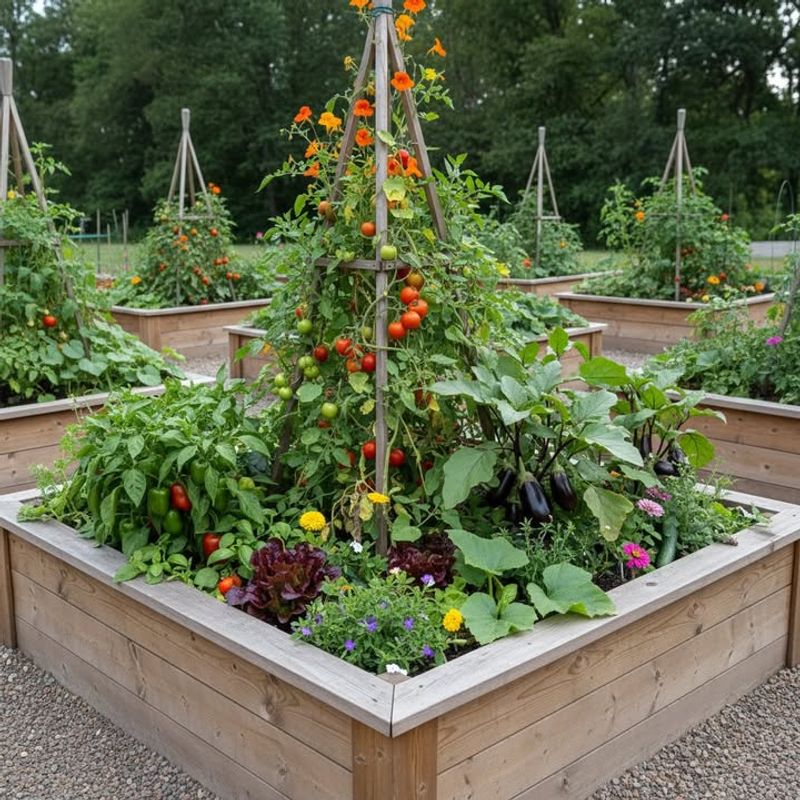
Enthusiasm can lead gardeners to cram too many tomato plants into a single bed, hoping for a bigger harvest.
Unfortunately, the opposite usually happens.
When leaves constantly touch and overlap, moisture gets trapped between them, creating a humid microclimate perfect for fungal spores to germinate and spread.
North Carolina’s summer humidity already challenges tomato growers, with levels often climbing above seventy percent.
Adding poor airflow to the mix practically invites early blight, late blight, and septoria leaf spot into your garden.
These diseases start as small spots but quickly consume entire leaves, weakening plants and reducing fruit quality.
Crowded plants also compete for nutrients, water, and light.
Even if they survive disease pressure, they’ll produce smaller tomatoes and fewer of them.
Stems become tangled, making it nearly impossible to prune, stake, or harvest without damaging neighboring plants.
Space your tomato plants at least twenty-four to thirty-six inches apart, depending on the variety.
Indeterminate types that grow tall need even more room.
Proper spacing allows breezes to flow through the foliage, drying leaves quickly after rain or morning dew.
It also makes it easier to inspect plants regularly for pests and diseases, catching problems before they spiral out of control and ensuring each plant has the resources it needs to thrive.
5. Old Tomato Or Pepper Patches
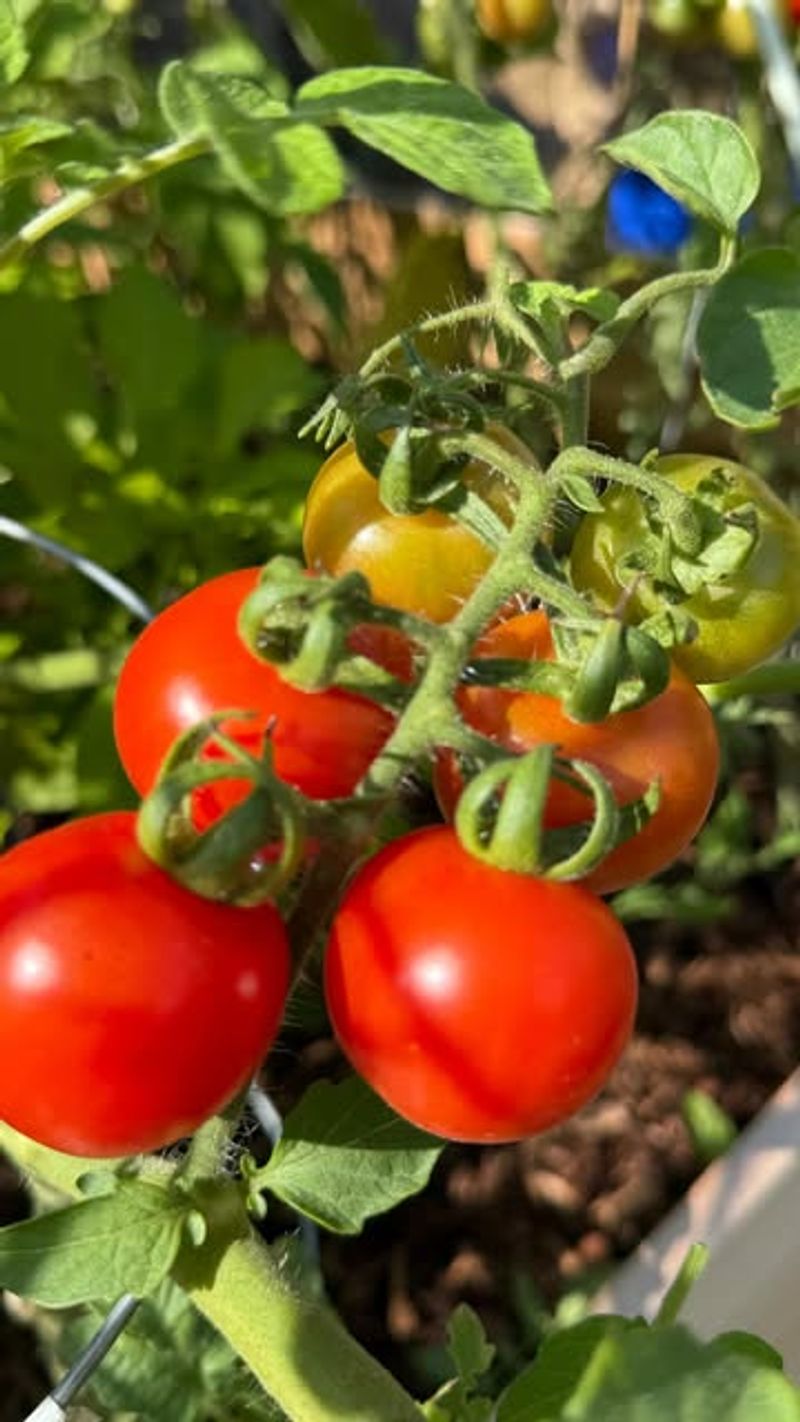
Crop rotation might sound like advanced farming jargon, but it’s actually a simple concept that protects your tomato harvest.
Tomatoes, peppers, eggplants, and potatoes all belong to the nightshade family, and they share many of the same pests and diseases.
Planting tomatoes where any of these crops grew recently allows pathogens to build up in the soil year after year.
Verticillium wilt, fusarium wilt, and root-knot nematodes can survive in soil for several years, waiting for a susceptible host.
When you plant tomatoes in the same spot repeatedly, these organisms multiply rapidly, overwhelming even healthy plants.
You’ll notice sudden wilting, yellowing leaves, and stunted growth that no amount of water or fertilizer can fix.
North Carolina’s warm soil temperatures accelerate the life cycles of these pathogens, making rotation even more critical here than in cooler climates.
Wait at least two to three years before planting tomatoes in a previous nightshade bed.
Use that space for crops like beans, lettuce, or squash instead, which won’t harbor tomato-specific diseases.
If your garden is small and rotation feels impossible, consider container gardening or building new raised beds with fresh soil.
This simple practice dramatically reduces disease pressure, giving your tomatoes a clean start and a much better chance of producing healthy, abundant fruit throughout the growing season.
6. Mulch-Free Bare Ground Next To Grass
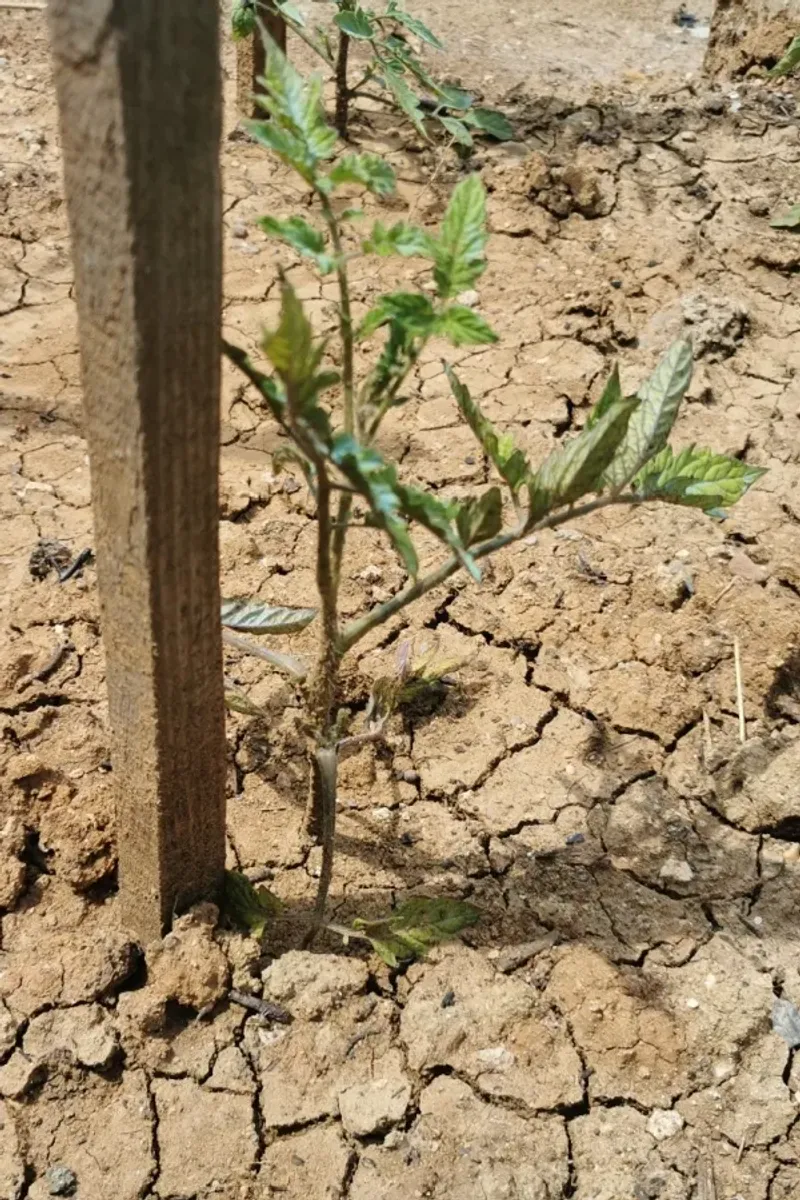
Grass edges might look neat and tidy, but they’re actually highways for pests heading straight toward your tomato plants.
Cutworms hide in grassy areas during the day, then crawl onto bare soil at night to chew through young tomato stems at ground level.
Tomato hornworms and other caterpillars also use grass as shelter before migrating into your garden beds.
Without mulch, there’s nothing to discourage these invaders or slow their progress.
Bare soil also dries out faster, forcing you to water more frequently and creating stress that makes plants more vulnerable to insect damage.
Weeds sprout easily in unmulched areas, competing with tomatoes for nutrients and providing additional hiding spots for pests.
Applying a three to four inch layer of organic mulch creates a physical barrier that many pests won’t cross.
Straw, shredded leaves, or wood chips work beautifully, keeping soil moist and cool while suppressing weeds.
Mulch also prevents soil from splashing onto lower leaves during rain, reducing the spread of soil-borne diseases.
In North Carolina gardens, mulching is especially valuable during our hot, dry spells in July and August.
It moderates soil temperature and conserves moisture, so roots stay happy and productive.
Make sure to pull mulch back slightly from tomato stems to prevent collar rot, and refresh the layer as it breaks down throughout the season for maximum protection and benefits.
7. Wind Tunnels Near Fences Or Buildings

Wind patterns around your property can create surprising challenges for tomato plants.
Gaps between buildings, narrow side yards, and fence lines often channel breezes into focused streams that hit with surprising force.
Coastal areas and mountain valleys in North Carolina are especially prone to these wind tunnel effects, where gusts accelerate as they squeeze through tight spaces.
Young tomato plants have tender stems that snap easily under wind stress.
Even mature plants can lose branches, especially when loaded with heavy fruit.
Constant wind also dries out soil rapidly, forcing roots to work overtime to replace lost moisture and leaving less energy for fruit production.
Leaves battered by wind develop tiny tears that serve as entry points for diseases.
Wind-blown dust and debris can scratch leaf surfaces, further compromising the plant’s natural defenses.
You might also notice flowers dropping off before they set fruit, a stress response triggered by mechanical damage and dehydration.
Before planting, observe how wind moves through your yard on breezy days.
Avoid narrow passages and exposed corners where plants will constantly struggle.
If your entire property is windy, install windbreaks like trellises covered with shade cloth or plant taller crops like corn or sunflowers on the windward side.
Staking tomatoes securely also helps, but prevention through smart site selection is always your best strategy for protecting plants from wind damage.
8. Roof Runoff Zones That Flood Easily

Downspouts seem like convenient water sources for garden beds, but they actually create serious problems for tomatoes.
During North Carolina’s intense summer storms, a single downspout can channel hundreds of gallons of water into a concentrated area within minutes.
This deluge overwhelms soil, washing away topsoil, mulch, and valuable nutrients while drowning roots in the process.
Tomatoes need consistent moisture, not feast-or-famine cycles.
Roof runoff zones alternate between flood conditions and bone-dry soil, stressing plants and triggering problems like blossom end rot and fruit cracking.
The physical force of rushing water can also expose roots, destabilize plants, and knock over stakes or cages.
Runoff water often carries contaminants from roof shingles, including heavy metals and chemical residues.
These substances accumulate in soil over time, potentially affecting plant health and fruit quality.
Gutters may also introduce algae, moss, or decaying organic matter that promotes fungal diseases in your tomato bed.
Redirect downspouts away from garden areas using extensions or rain barrels.
If you want to capture roof water for irrigation, store it in containers and apply it gradually through drip systems or watering cans.
Plant tomatoes at least six to eight feet from any downspout discharge point, ensuring they receive gentle, controlled watering instead of violent floods that compromise root health and overall plant performance throughout the season.
9. Rocky Soil That Restricts Root Spread

Mountain regions and certain Piedmont areas of North Carolina feature naturally rocky soil that poses real challenges for tomato cultivation.
Rocks create physical barriers that roots cannot penetrate, forcing them to grow sideways or stay near the surface.
Shallow root systems cannot anchor plants properly, making them prone to toppling, especially when heavy with fruit.
Limited root spread also means limited access to water and nutrients.
Tomatoes need deep, extensive root networks to support their vigorous growth and heavy fruit production.
When roots hit rock layers just inches down, plants become stunted and produce smaller, fewer tomatoes despite your best care efforts.
Rocky soil drains extremely fast, sometimes too fast for tomatoes to absorb adequate moisture.
You’ll find yourself watering constantly yet still seeing signs of drought stress like wilting leaves and slow growth.
Nutrients also leach away quickly through rocky soil, requiring frequent fertilization that can become expensive and time-consuming.
If your property has rocky soil, don’t plant tomatoes directly in the ground.
Build raised beds at least twelve inches deep, filled with a quality soil mix that’s loose, fertile, and rock-free.
Alternatively, grow tomatoes in large containers with at least five-gallon capacity.
These solutions give roots the depth and freedom they need to spread, anchor, and feed properly, transforming an impossible situation into a productive and successful tomato-growing environment.
10. Beds Close To Black Walnut Trees
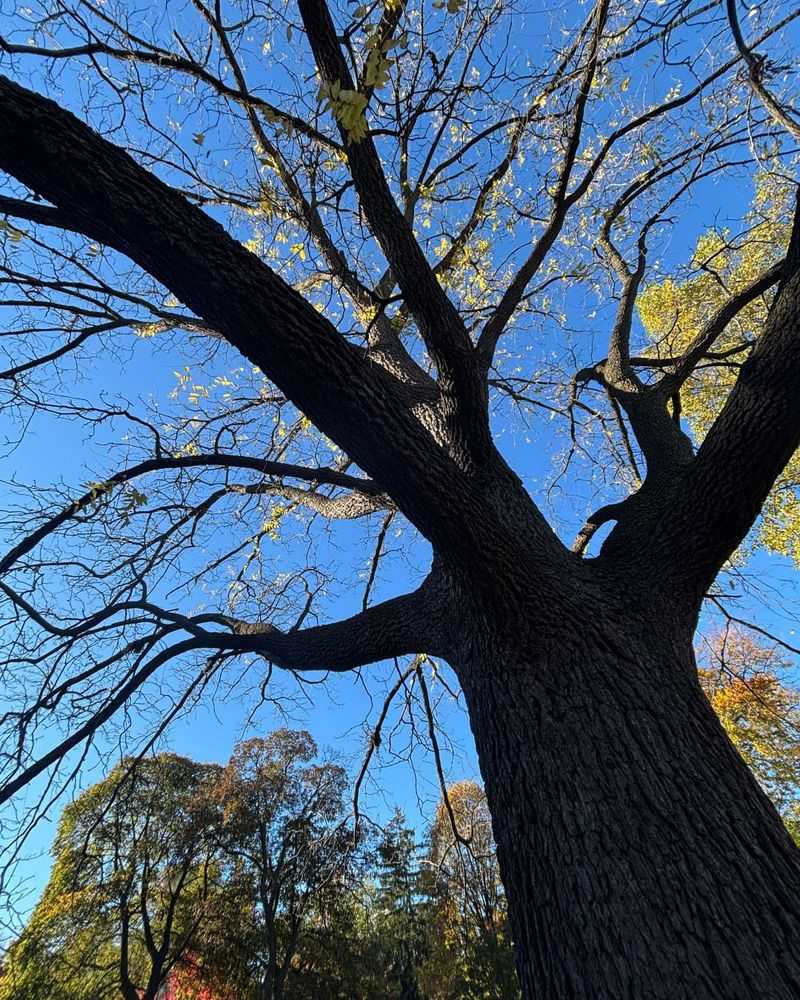
Black walnut trees are beautiful additions to North Carolina landscapes, but they’re terrible neighbors for tomato plants.
These trees produce juglone, a natural chemical compound that leaches from roots, leaves, and nut hulls into surrounding soil.
Juglone acts as a natural herbicide, helping walnut trees reduce competition from other plants, but it’s toxic to many garden vegetables, especially tomatoes.
When tomato roots absorb juglone, the chemical interferes with cellular respiration and nutrient transport.
Plants wilt suddenly, often within hours or days of exposure, and leaves turn yellow before browning completely.
This damage is irreversible; once affected, plants rarely recover no matter what treatments you try.
The toxin spreads through soil and can remain active even after a walnut tree is removed.
Juglone concentrations are highest within the tree’s dripline but can extend fifty to eighty feet from the trunk depending on root spread.
Rainwater dripping from walnut leaves also carries the compound, expanding the affected zone.
Survey your property carefully before planting tomatoes.
If you have black walnuts anywhere nearby, choose garden sites well beyond their reach.
Raised beds with fresh soil offer some protection but aren’t foolproof if roots extend underneath.
When in doubt, plant tomatoes as far from walnut trees as possible, preferably on the opposite side of your property where roots cannot reach and where you can enjoy a healthy, thriving harvest.
11. Spots Too Close To Heat Reflecting Surfaces
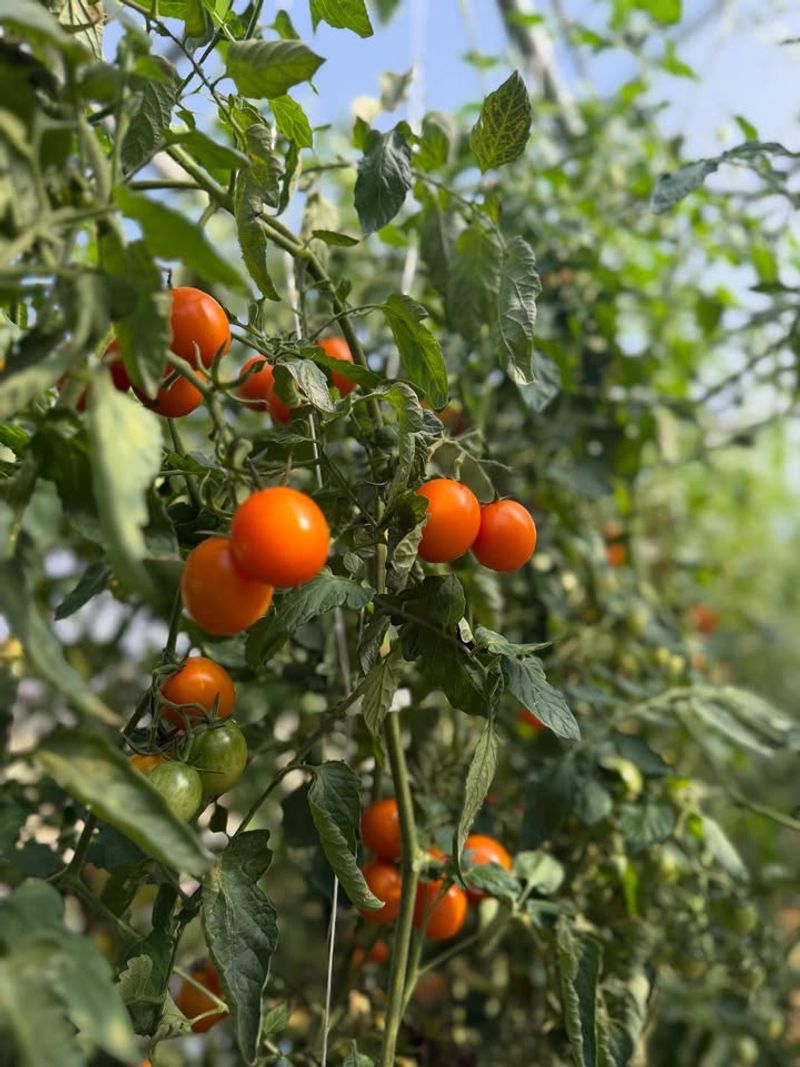
Brick walls, concrete driveways, and stone patios absorb tremendous amounts of heat during North Carolina’s blazing summer days.
They then radiate that stored heat back toward nearby plants, creating microclimates that can be ten to twenty degrees hotter than surrounding areas.
While tomatoes love warmth, excessive heat causes serious problems that limit fruit production.
When temperatures climb above ninety degrees, tomato pollen becomes sterile and flowers drop off without setting fruit.
This phenomenon, called blossom drop, is frustratingly common in Carolina gardens during July and August.
Planting near heat-reflecting surfaces intensifies the problem, extending the period of excessive heat stress and reducing your overall harvest.
Extreme heat also increases water demands dramatically.
Soil near hot surfaces dries out rapidly, and even frequent watering may not keep pace with evaporation rates.
Leaves curl and scorch, photosynthesis slows, and plants divert energy toward survival rather than fruit development.
Choose planting sites at least four to six feet away from heat-reflecting surfaces.
If your garden options are limited, create shade during the hottest part of the day using shade cloth mounted on stakes.
Mulching heavily also helps insulate roots from reflected heat.
Monitor soil moisture closely and water in early morning so plants are well-hydrated before afternoon temperatures peak, giving your tomatoes the best chance to thrive despite Carolina’s challenging summer heat.