Why Texas Residents Are Planting More Wildlife Zones
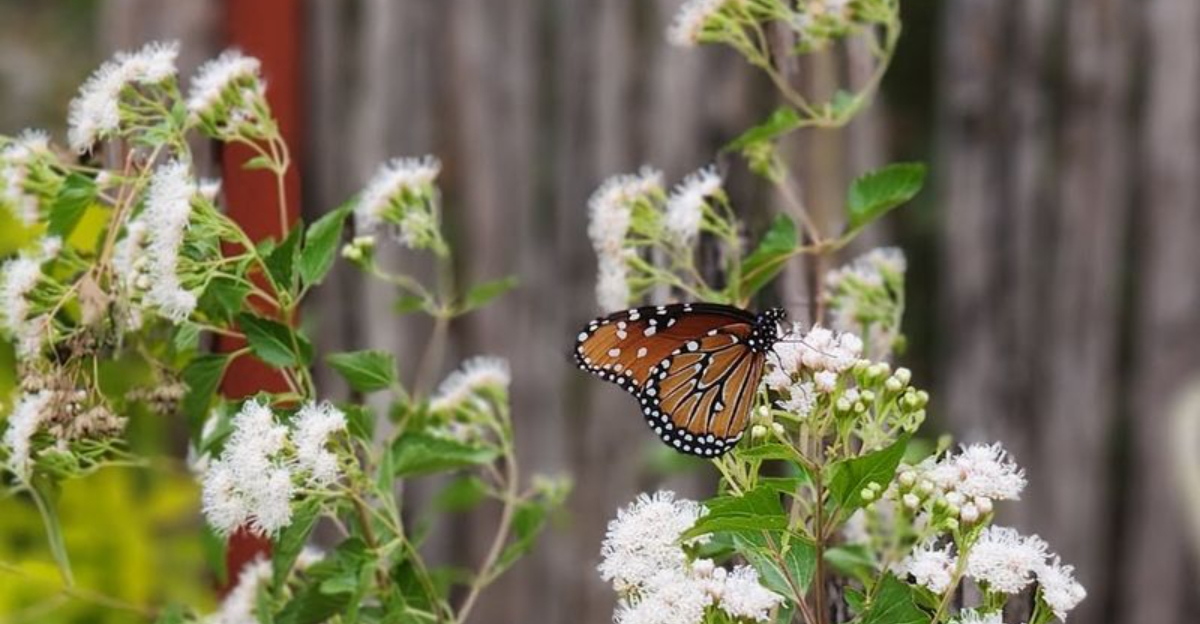
Texas landscapes are changing in remarkable ways as more homeowners transform their yards into thriving wildlife habitats.
From bustling cities to quiet rural areas, residents across the Lone Star State are ditching traditional lawns and embracing native plants that support local animals, birds, and insects.
This growing movement connects people with nature while addressing environmental challenges that affect communities statewide.
Discover the compelling reasons behind this green revolution and learn how creating wildlife zones benefits both Texas families and the creatures that share their home.
Supporting Native Pollinators Helps Gardens Flourish
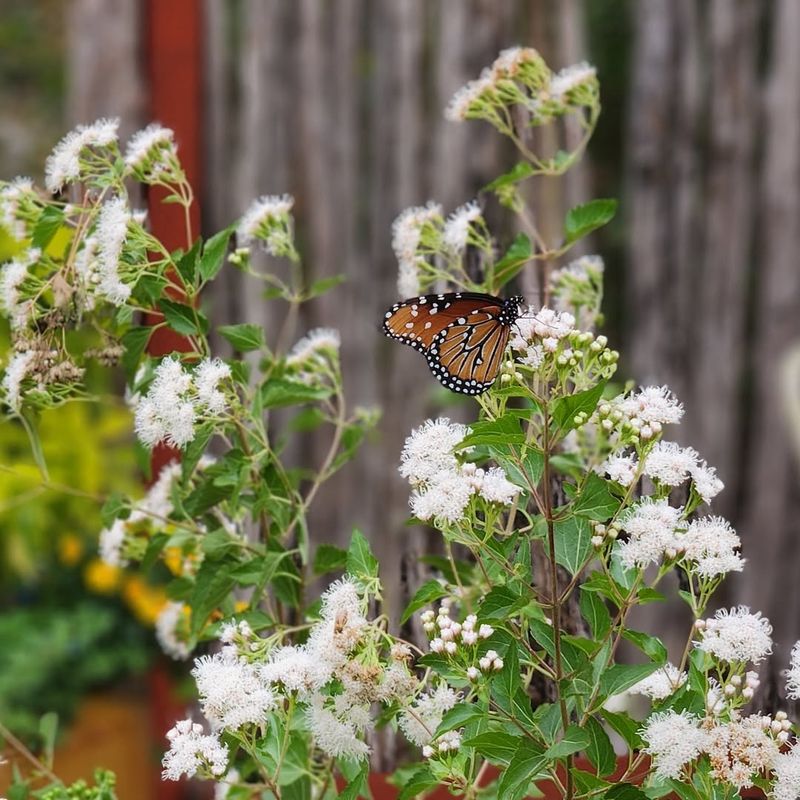
Pollinators like bees, butterflies, and hummingbirds play a crucial role in helping plants reproduce and gardens thrive throughout Texas.
When homeowners plant native wildflowers and shrubs, they create food sources that these important creatures desperately need.
Many pollinator populations have declined dramatically in recent years due to habitat loss and pesticide use.
Wildlife zones filled with plants like bluebonnets, black-eyed Susans, and milkweed provide nectar and pollen that keep pollinators healthy and active.
Texas gardeners who support pollinators often notice their vegetable gardens produce more fruits and vegetables than ever before.
Children enjoy watching colorful butterflies dance from flower to flower, learning about nature in their own backyards.
Creating pollinator-friendly spaces requires minimal effort once plants are established, as native species adapt well to local weather conditions.
Many Texas communities now offer free native plant seeds to residents interested in supporting pollinators.
These wildlife zones become living classrooms where families can observe the fascinating relationships between plants and insects.
Supporting pollinators through wildlife zones creates a healthier ecosystem that benefits everyone in Texas neighborhoods.
Water Conservation Becomes Easier With Native Plants
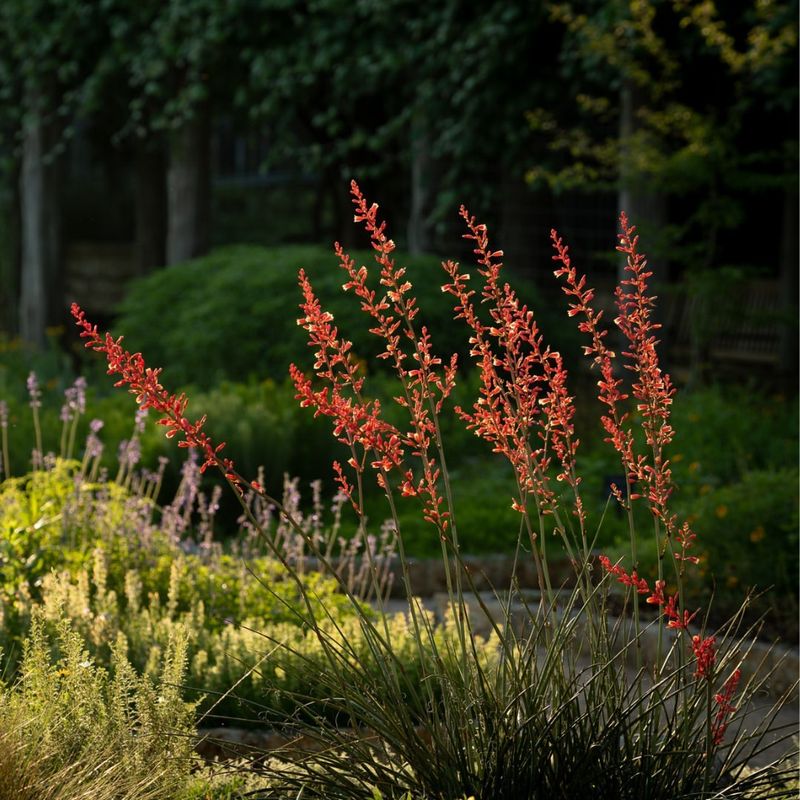
Traditional grass lawns consume enormous amounts of water, especially during Texas summers when temperatures soar and rainfall becomes scarce.
Native plants evolved over thousands of years to survive Texas climate conditions, requiring far less irrigation than imported species.
Homeowners who replace thirsty lawns with wildlife zones can reduce their water bills by hundreds of dollars annually.
During drought periods, native plants continue thriving while conventional landscapes turn brown and require constant watering to survive.
Texas water supplies face increasing pressure from population growth and climate variability, making conservation more important than ever.
Plants like Texas sage, yucca, and prairie grasses develop deep root systems that access moisture far below the surface.
Wildlife zones designed with native species need watering only during establishment, then flourish independently through natural rainfall patterns.
Many Texas cities now offer rebates to residents who convert traditional lawns into water-wise native landscapes.
Families appreciate spending less time dragging hoses around yards and more time enjoying outdoor spaces with visiting wildlife.
Conserving water through native plantings helps ensure adequate supplies remain available for future generations across Texas.
Property Values Increase With Attractive Native Landscapes
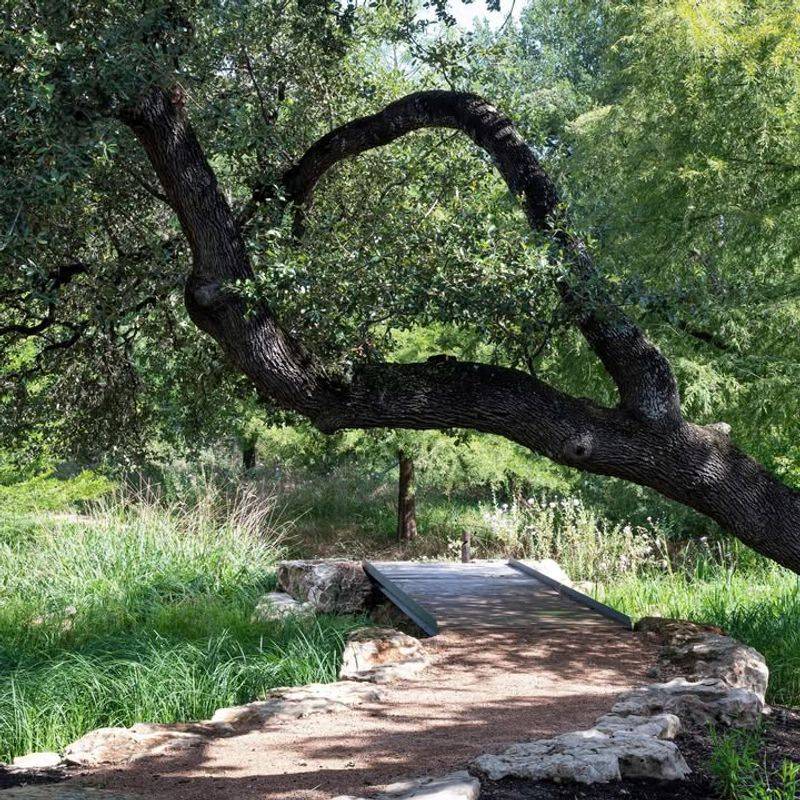
Real estate experts increasingly recognize that well-designed native landscapes boost home values and attract potential buyers throughout Texas.
Wildlife zones create year-round visual interest with seasonal blooms, interesting textures, and birds that bring movement and sound to properties.
Homebuyers today often seek low-maintenance yards that look beautiful without demanding endless weekend work and expensive upkeep.
Your Texas Garden Changes Every Week. Your Plan Should Too.
Gardening in Texas changes quickly throughout the season. Every Friday you’ll receive a simple weekly plan showing exactly what to plant, prune, fertilize, harvest, and protect so you never miss the right timing.
Native plant landscapes demonstrate environmental stewardship, appealing to buyers who value sustainability and ecological responsibility.
Professional landscape designers across Texas now specialize in creating stunning wildlife habitats that rival traditional ornamental gardens in beauty.
Properties featuring mature native plantings stand out in real estate listings, offering unique character that generic grass lawns cannot match.
Texas homeowners report receiving compliments from neighbors and passersby who admire their colorful, wildlife-friendly yards.
Investment in native landscaping pays dividends when selling homes, as buyers recognize reduced maintenance costs and water savings.
Wildlife zones that include attractive features like birdbaths, rock arrangements, and meandering paths create inviting outdoor living spaces.
As more Texas residents embrace native landscaping, properties without these features may seem outdated to environmentally conscious buyers.
Children Learn Valuable Environmental Lessons At Home
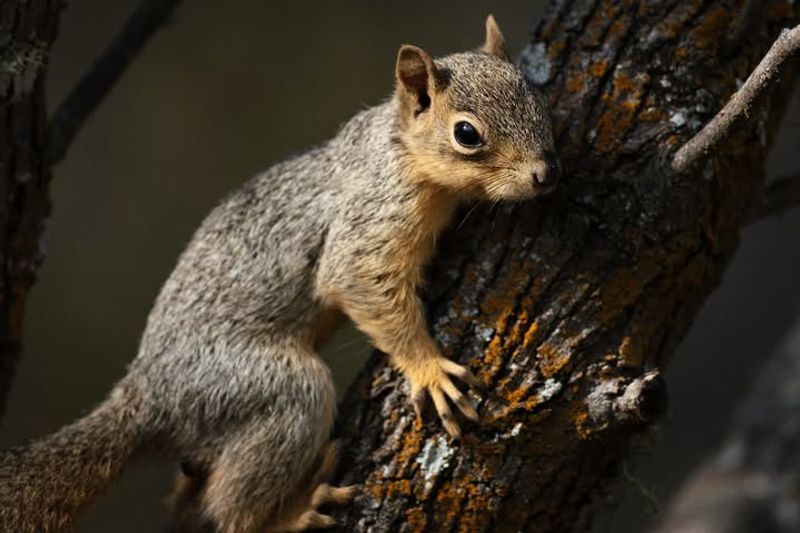
Wildlife zones transform ordinary backyards into outdoor classrooms where children discover nature through direct observation and hands-on experiences.
Kids who grow up watching birds, butterflies, and other creatures develop deeper appreciation for environmental protection and conservation.
Texas families find that wildlife habitats spark curiosity, leading children to ask questions about ecosystems, food chains, and animal behavior.
Gardening alongside parents in wildlife zones teaches responsibility as children help water plants, remove invasive species, and track seasonal changes.
Young people who connect with nature early often become environmental advocates who make sustainable choices throughout their lives.
Observing wildlife provides screen-free entertainment that encourages physical activity and reduces time spent on electronic devices.
Many Texas schools now incorporate outdoor learning, making home wildlife zones valuable extensions of classroom environmental education.
Children develop patience and observation skills while waiting quietly to spot visiting animals or watching caterpillars transform into butterflies.
Family projects like building birdhouses or creating butterfly puddles strengthen bonds while teaching practical skills.
Wildlife zones help Texas children understand their role in protecting local ecosystems for future generations.
Reducing Lawn Maintenance Frees Up Weekend Time
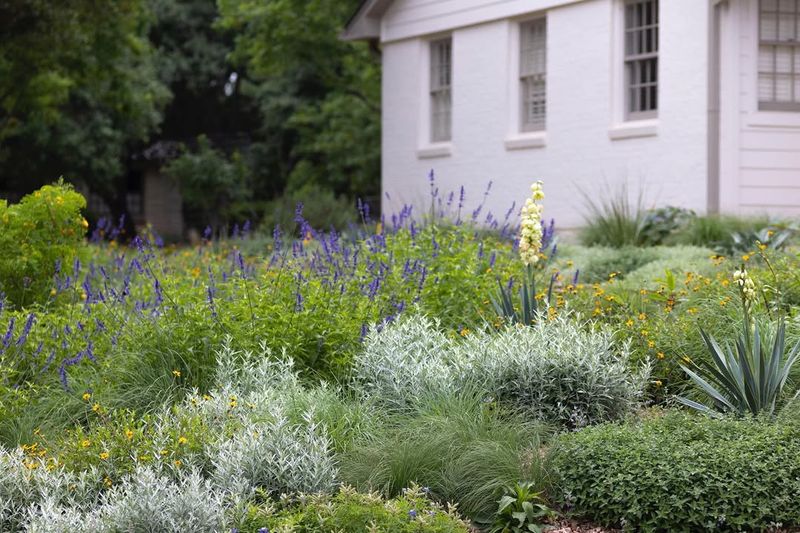
Traditional lawns demand constant attention with weekly mowing, edging, fertilizing, and battling weeds that never seem to disappear completely.
Texas homeowners who convert to wildlife zones reclaim countless hours previously spent on repetitive yard work and equipment maintenance.
Native plants require minimal pruning and naturally resist local pests, eliminating the need for constant chemical applications and interventions.
Families discover they can spend weekends hiking, fishing, or simply relaxing instead of pushing noisy mowers in scorching Texas heat.
Once established, native plant communities largely care for themselves, with occasional weeding and seasonal cleanup being the only requirements.
Homeowners save money on gasoline, lawn equipment repairs, and hiring professional maintenance services that conventional landscapes demand.
Wildlife zones look intentionally natural rather than overgrown, so neighbors understand the space serves an environmental purpose.
Many Texas residents report improved physical health and reduced stress after eliminating demanding lawn care routines from their schedules.
Older adults particularly appreciate native landscapes that remain beautiful without requiring physically challenging maintenance tasks.
Time saved through reduced maintenance allows families to actually enjoy their outdoor spaces rather than constantly working on them.
Creating Corridors Helps Wildlife Move Safely Through Neighborhoods
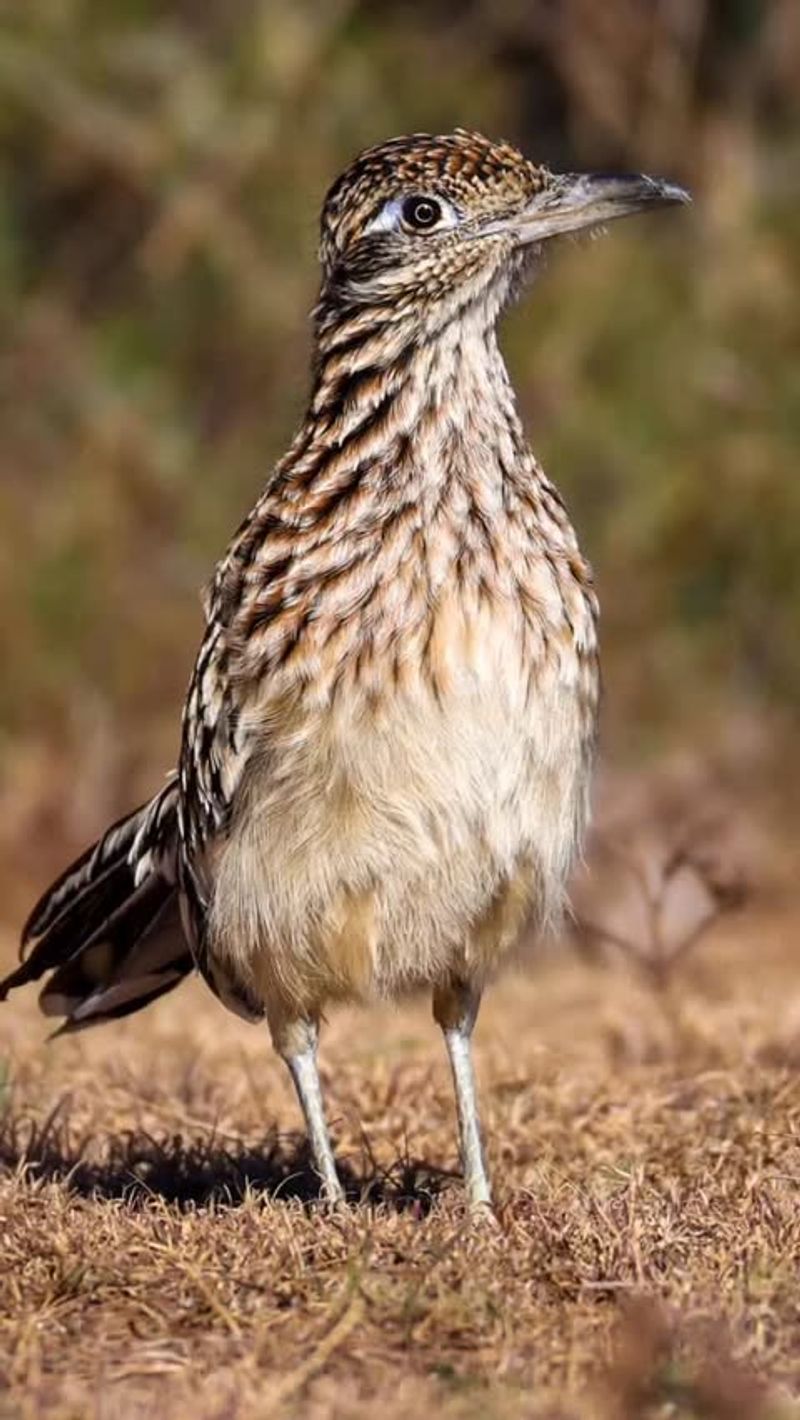
Urban development fragments natural habitats, forcing animals to navigate dangerous roads and hostile environments while searching for food and shelter.
When multiple Texas neighbors create wildlife zones, their yards connect to form corridors that allow safe movement between larger natural areas.
Birds, butterflies, and small mammals use these green pathways to travel, find mates, and access diverse resources across wider territories.
Connected habitats support healthier, more diverse wildlife populations than isolated patches surrounded by concrete and conventional lawns.
Texas communities with coordinated wildlife zone networks notice increased species diversity as animals discover safe routes through residential areas.
Corridor creation becomes especially important during migration seasons when birds and butterflies need rest stops along their lengthy journeys.
Neighborhood groups across Texas now organize native planting events where residents work together to establish connected wildlife-friendly landscapes.
Children enjoy tracking which animals visit their yards and sharing observations with neighbors who participate in corridor creation.
Wildlife corridors demonstrate how individual actions combine to create significant environmental benefits across entire communities.
Creating these pathways helps Texas residents feel connected to something larger than their individual properties.
Native Plants Require Fewer Chemicals And Fertilizers
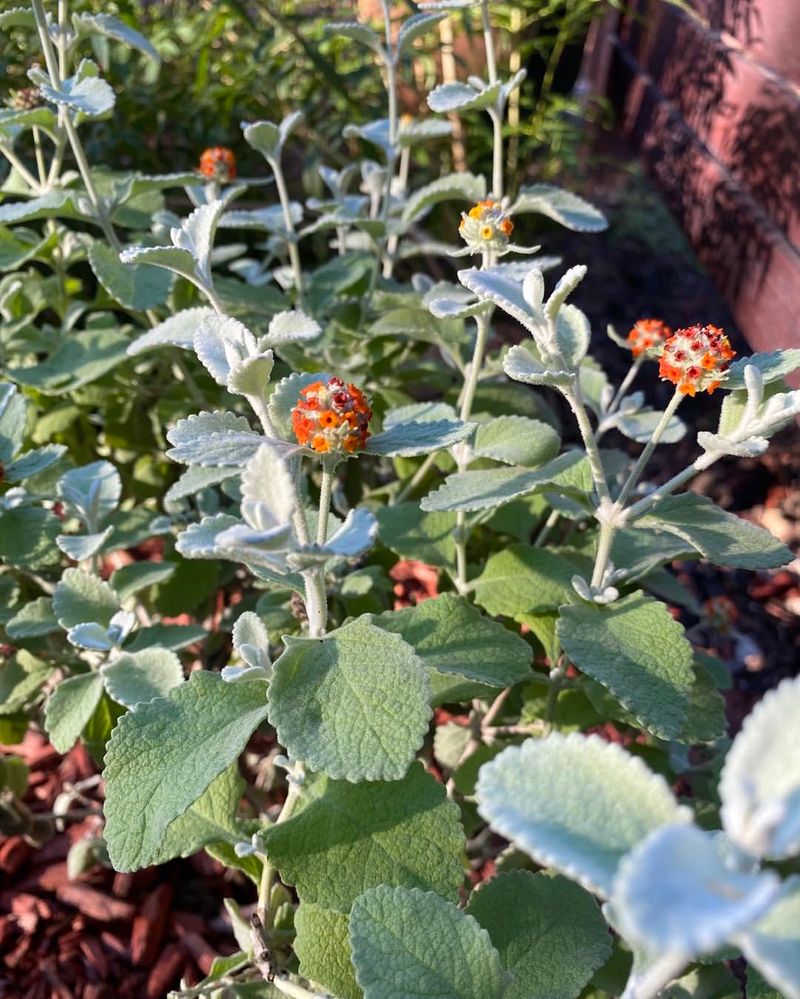
Conventional lawns and exotic plants often struggle in Texas conditions, requiring constant chemical inputs to maintain their unnatural appearance and health.
Native species evolved alongside local insects and diseases, developing natural defenses that eliminate the need for toxic pesticide applications.
Texas soil naturally provides the nutrients native plants need, making expensive fertilizer applications unnecessary and environmentally harmful.
Families with children and pets appreciate wildlife zones that remain safe for play without exposure to dangerous lawn chemicals.
Chemical runoff from traditional landscapes pollutes Texas waterways, harming aquatic life and contaminating drinking water sources downstream.
Wildlife zones support beneficial insects that naturally control pest populations, creating balanced ecosystems that regulate themselves.
Homeowners save substantial money by eliminating recurring purchases of fertilizers, pesticides, and soil amendments that conventional landscapes require.
Native plants contribute to healthier soil through natural processes, improving conditions over time rather than depleting nutrients.
Texas residents concerned about environmental health find that chemical-free landscapes align with their values and protect local ecosystems.
Reducing chemical use through native plantings helps preserve the quality of Texas groundwater that millions depend on daily.
Climate Adaptation Becomes Possible With Resilient Species
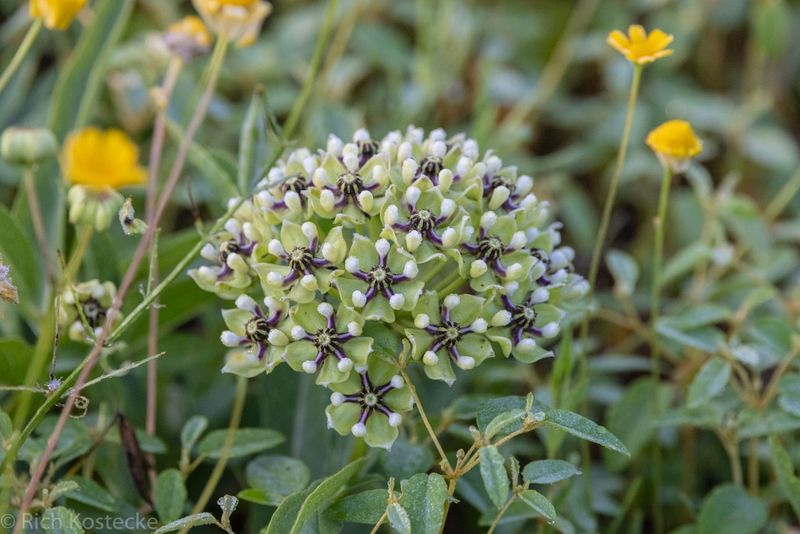
Texas weather grows increasingly unpredictable, with extreme heat, unexpected freezes, and irregular rainfall patterns challenging traditional landscaping approaches.
Native plants demonstrate remarkable resilience, having survived countless weather extremes throughout their evolutionary history in Texas environments.
Wildlife zones filled with adapted species continue looking healthy and supporting animals even when climate conditions become challenging.
Homeowners gain peace of mind knowing their landscapes can withstand whatever weather Texas throws at them without requiring emergency interventions.
Deep-rooted native plants prevent soil erosion during heavy rains while also surviving extended dry periods that stress shallow-rooted alternatives.
As climate patterns shift, gardens featuring diverse native species adapt more successfully than monoculture lawns that fail under stress.
Texas residents who plant wildlife zones invest in landscapes designed to thrive amid changing environmental conditions for decades ahead.
Native plant diversity ensures that even if some species struggle during particular years, others flourish and maintain habitat functionality.
Communities that embrace climate-adapted landscaping set examples for sustainable practices that help Texas cope with environmental changes.
Building resilient landscapes through native plantings represents practical preparation for an uncertain climatic future across Texas.
Mental Health Benefits Come From Nature Connection
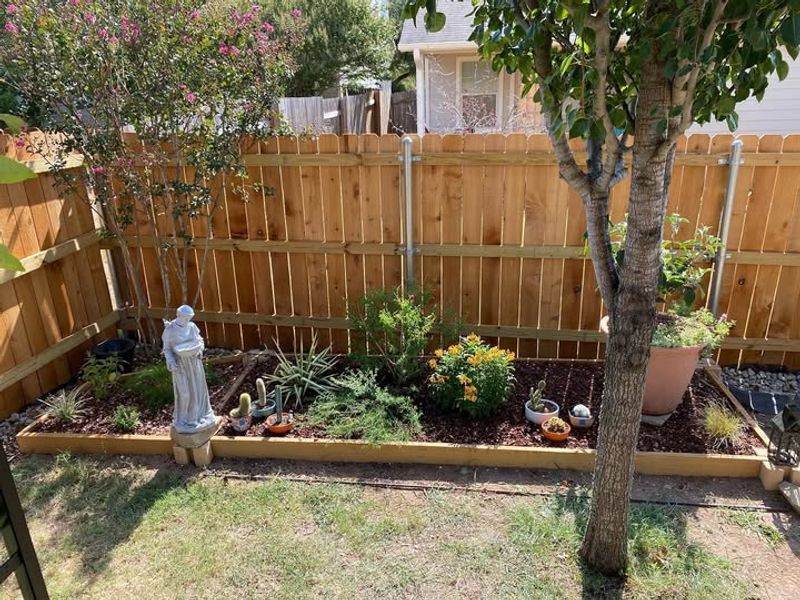
Research consistently shows that spending time in natural settings reduces stress, anxiety, and depression while improving overall mental wellbeing.
Texas homeowners with wildlife zones enjoy daily opportunities to step outside and experience nature without traveling to distant parks.
Watching birds visit feeders, listening to rustling grasses, and observing seasonal changes provides calming, meditative experiences that restore mental energy.
Gardening in wildlife zones offers gentle physical activity that boosts mood while creating a sense of accomplishment and purpose.
Families find that outdoor spaces filled with native plants become favorite spots for morning coffee, evening relaxation, and meaningful conversations.
The sounds, scents, and sights of thriving wildlife habitats engage senses in ways that indoor environments simply cannot replicate.
Texas residents report feeling more grounded and connected to their communities when participating in local native planting initiatives.
Children who play in wildlife zones develop stronger emotional regulation skills and reduced symptoms of attention difficulties.
Creating and maintaining wildlife habitats gives people meaningful projects that combat feelings of helplessness about environmental challenges.
Nature connection through backyard wildlife zones provides accessible mental health support that benefits all Texas family members.
Supporting Texas Heritage Preserves Regional Identity
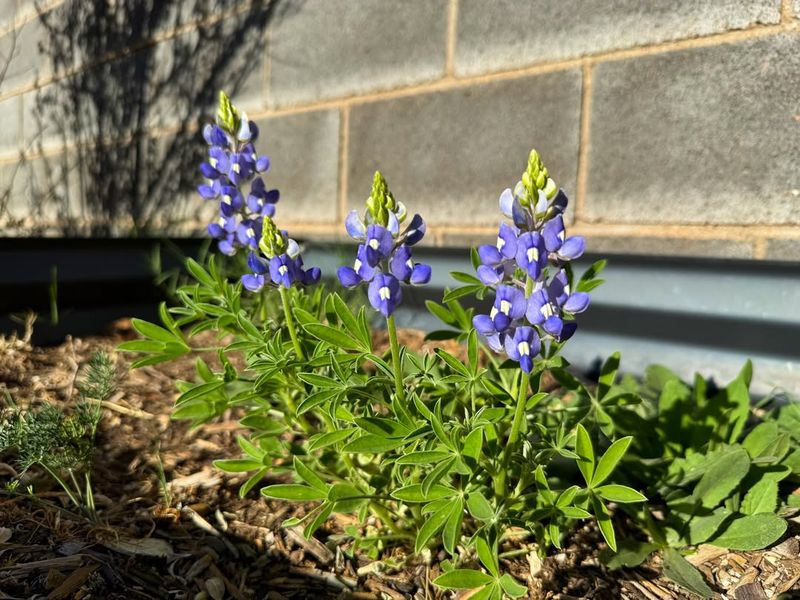
Texas possesses unique natural heritage featuring distinctive plants and animals found nowhere else, creating regional identity that residents cherish deeply.
When homeowners plant native species, they preserve living connections to Texas history and the landscapes that shaped state culture.
Iconic plants like bluebonnets, Indian paintbrush, and Texas sage represent regional pride that conventional landscaping ignores or replaces.
Wildlife zones celebrate what makes Texas special rather than copying generic suburban landscapes that could exist anywhere in America.
Older Texas residents remember childhood landscapes filled with native plants and wildlife that modern development has largely eliminated.
Restoring native habitats honors the natural systems that sustained Indigenous peoples and early settlers throughout Texas history.
Communities that embrace native landscaping maintain distinctive regional character that attracts tourists and strengthens local identity.
Texas children who grow up with wildlife zones learn to identify and appreciate plants and animals that define their home state.
Preserving native species ensures future generations can experience the authentic Texas landscapes that inspired state symbols and traditions.
Supporting regional heritage through wildlife zones demonstrates pride in Texas natural history and commitment to protecting it.