Why The Indianapolis Museum Of Art Gardens Stand Out Among Indiana’s Outdoor Spaces
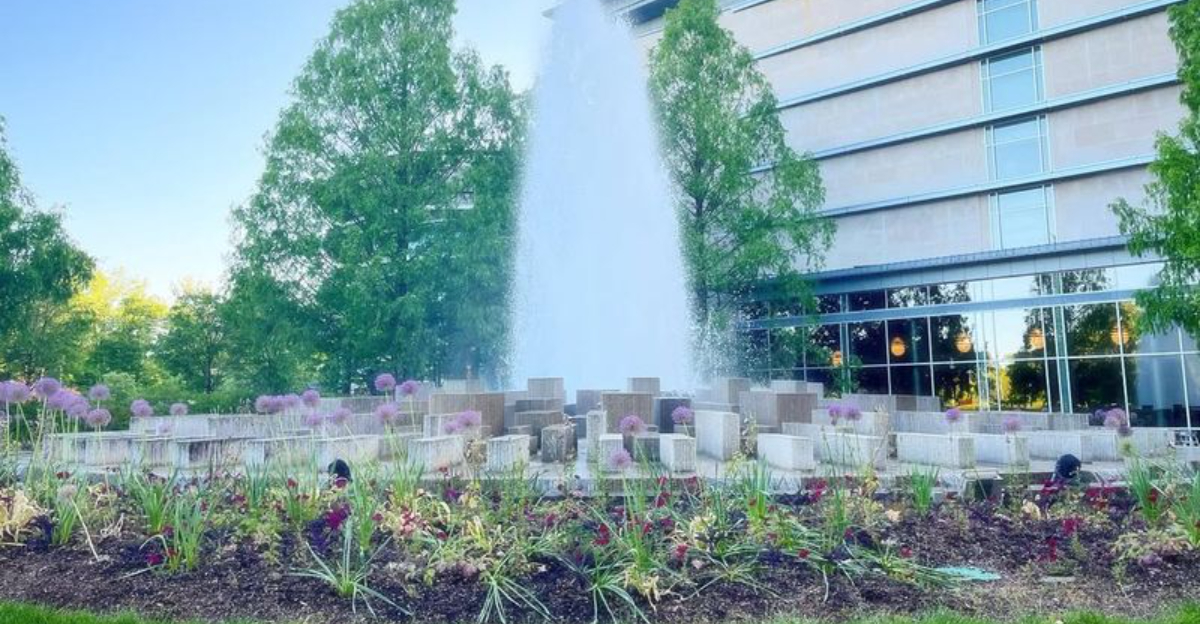
The Indianapolis Museum of Art Gardens stand out because Indiana packed this place with gorgeous paths, calm pockets of green, and views that feel special the moment you step in.
Every section shows a different mood, giving Indiana a way of blending art and nature that makes visitors slow down without even trying.
If you want an outdoor space that feels inspiring and easy to enjoy, Indiana’s museum gardens hit that sweet spot perfectly.
1. Historic Oldfields Estate Brings Timeless Elegance
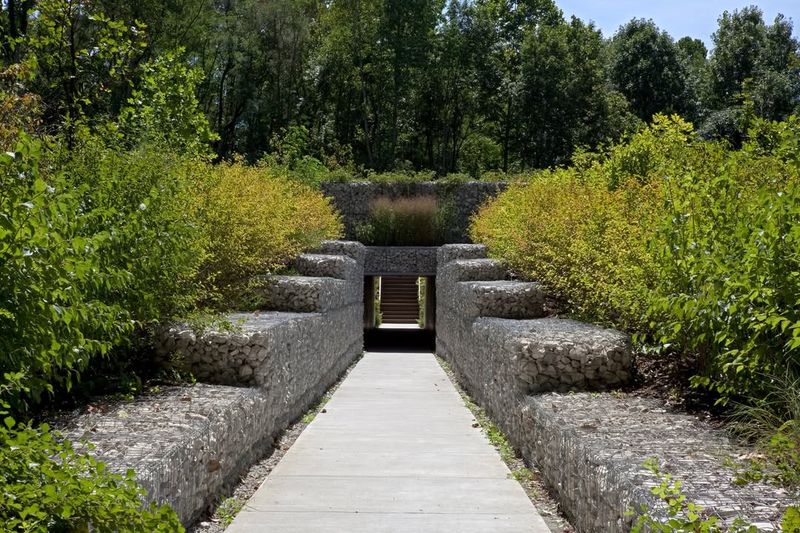
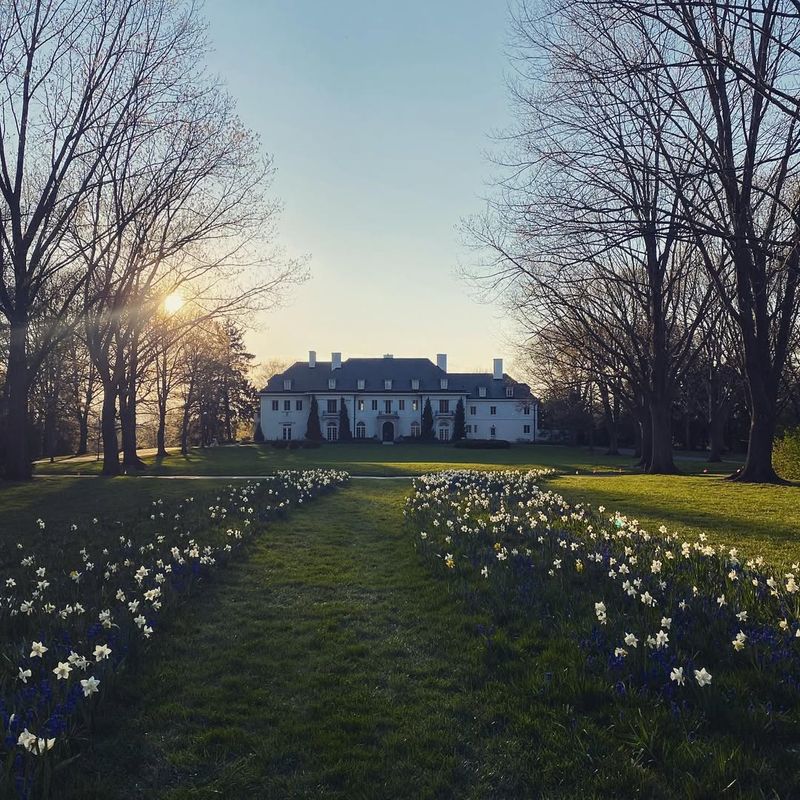
Walking through the historic Oldfields Estate feels like traveling back to an era when grand estates defined luxury and elegance throughout Indiana communities.
This stunning property once belonged to the Lilly family and showcases incredible architecture that captures attention from every possible angle you can imagine.
The formal gardens surrounding the mansion display carefully planned layouts that demonstrate how wealthy families once celebrated beauty through landscape design in Indiana.
Visitors can explore rooms filled with period furniture while imagining the lavish parties and gatherings that once took place within these elegant walls.
The estate’s preservation allows modern guests to experience history firsthand while appreciating the dedication required to maintain such spectacular grounds across many decades.
Strolling through manicured lawns and perfectly trimmed hedges reminds everyone why this location remains one of Indiana’s most treasured historical outdoor destinations.
Oldfields represents more than just a beautiful building; it symbolizes an important chapter in Indiana’s cultural development and architectural heritage that continues inspiring visitors.
2. Contemporary Art Installations Transform Natural Landscapes
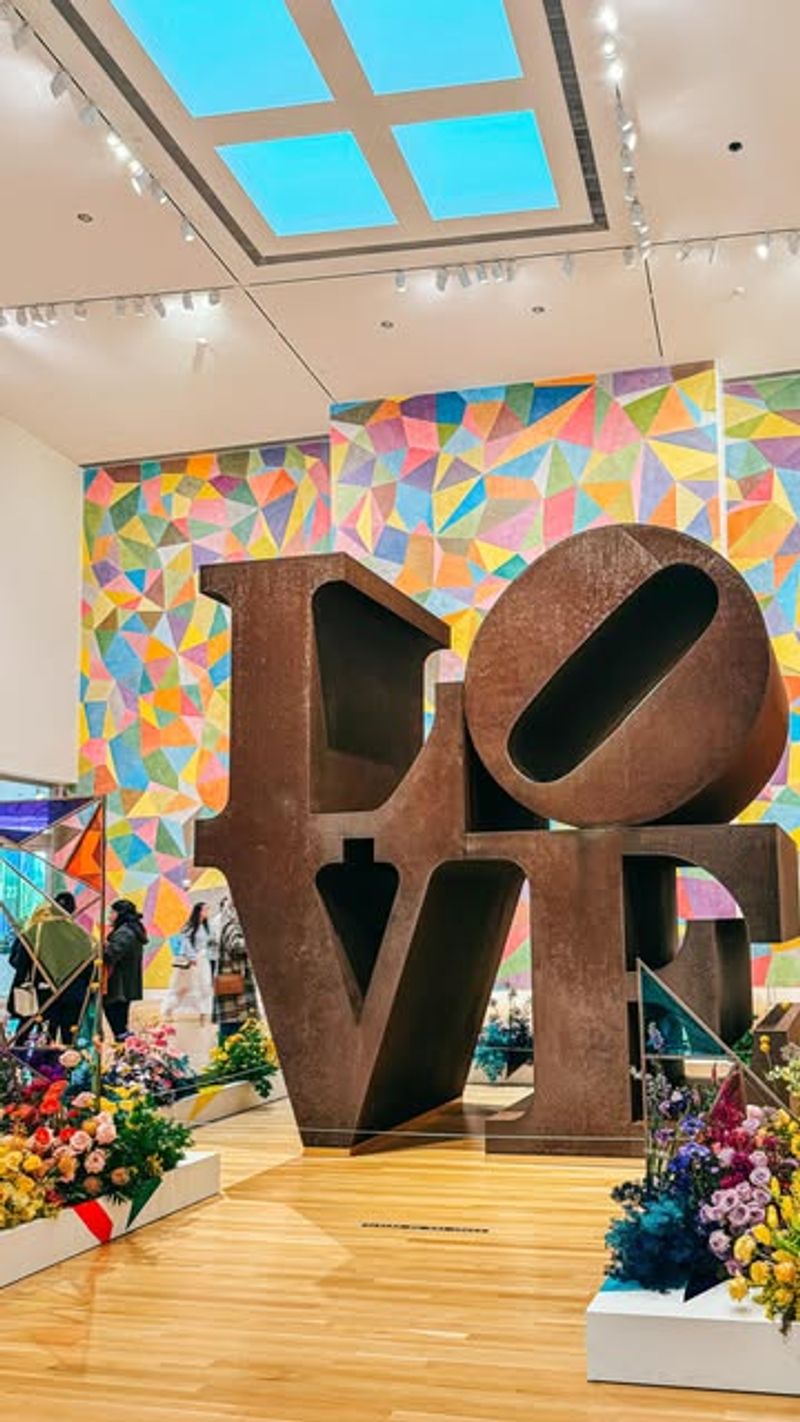
Art installations scattered throughout the gardens create surprising moments where creativity and nature blend together in ways that challenge traditional thinking about museums.
Large scale sculptures emerge from carefully selected locations, encouraging visitors to see familiar plants and trees through entirely new perspectives that spark imagination.
Some pieces reflect changing seasons while others stand as permanent fixtures that become beloved landmarks for regular visitors exploring Indiana’s unique cultural offerings.
Children especially enjoy interactive installations that invite touching, climbing, or walking through, making art accessible and fun rather than intimidating or overly serious.
The combination of natural beauty and human creativity demonstrates how outdoor spaces can serve multiple purposes beyond simple recreation or basic relaxation.
Artists from around the world contribute pieces that reflect diverse cultural backgrounds, ensuring the gardens celebrate global perspectives while remaining rooted in Indiana.
These installations prove that museums need not confine art to indoor galleries; outdoor exhibitions can create equally powerful experiences for curious minds.
3. Seasonal Blooms Provide Year Round Visual Interest
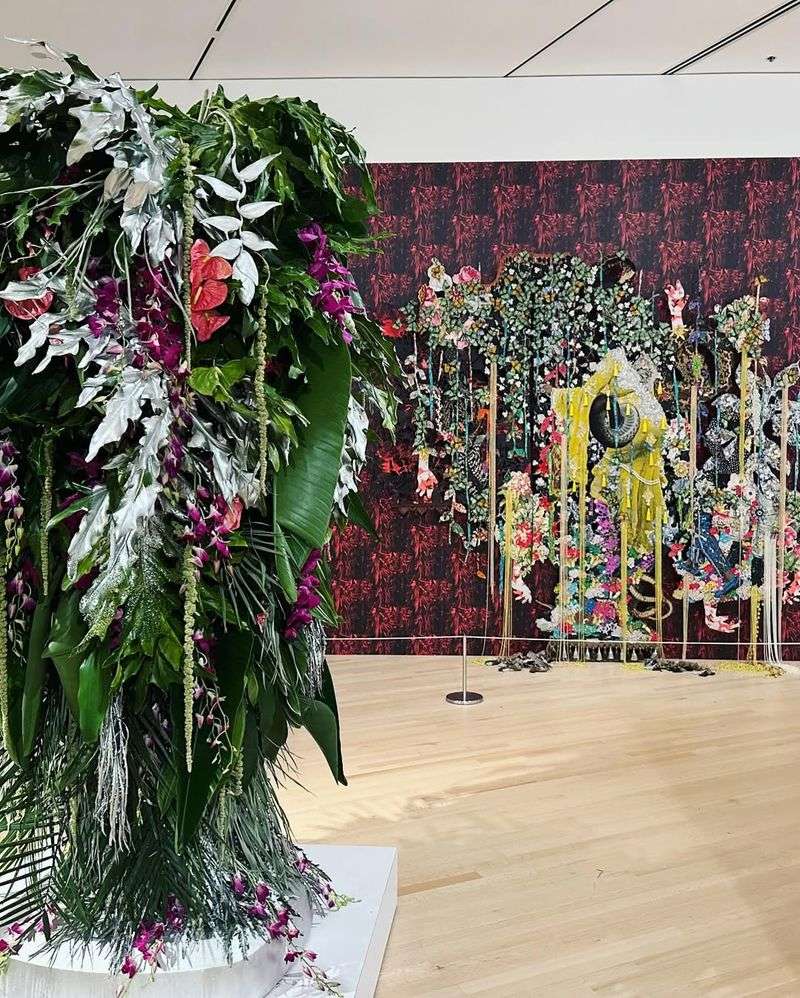
Gardeners working at the museum carefully plan plantings that ensure something beautiful blooms during every season, from early spring through late autumn months.
Spring brings waves of tulips and daffodils that carpet garden beds in cheerful yellows, reds, and purples that lift spirits after Indiana’s long winters.
Summer transforms the landscape with lush perennials and annuals that attract butterflies and hummingbirds, creating living ecosystems that educate visitors about native species.
Autumn showcases ornamental grasses and late blooming flowers that complement changing leaf colors, proving gardens remain interesting even as temperatures begin dropping.
Your Indiana Garden Changes Every Week. Your Plan Should Too.
Gardening in Indiana changes quickly throughout the season. Every Friday you’ll receive a simple weekly plan showing exactly what to plant, prune, fertilize, harvest, and protect so you never miss the right timing.
Even winter offers visual appeal through evergreen plantings and architectural elements that maintain structure and beauty when most plants enter dormant periods.
This commitment to year round interest distinguishes these gardens from typical Indiana parks that may look bare or uninviting during colder months.
Visitors can return multiple times throughout the year, discovering entirely different landscapes that reward repeated exploration with fresh perspectives and seasonal surprises.
4. Educational Programs Connect Visitors With Nature
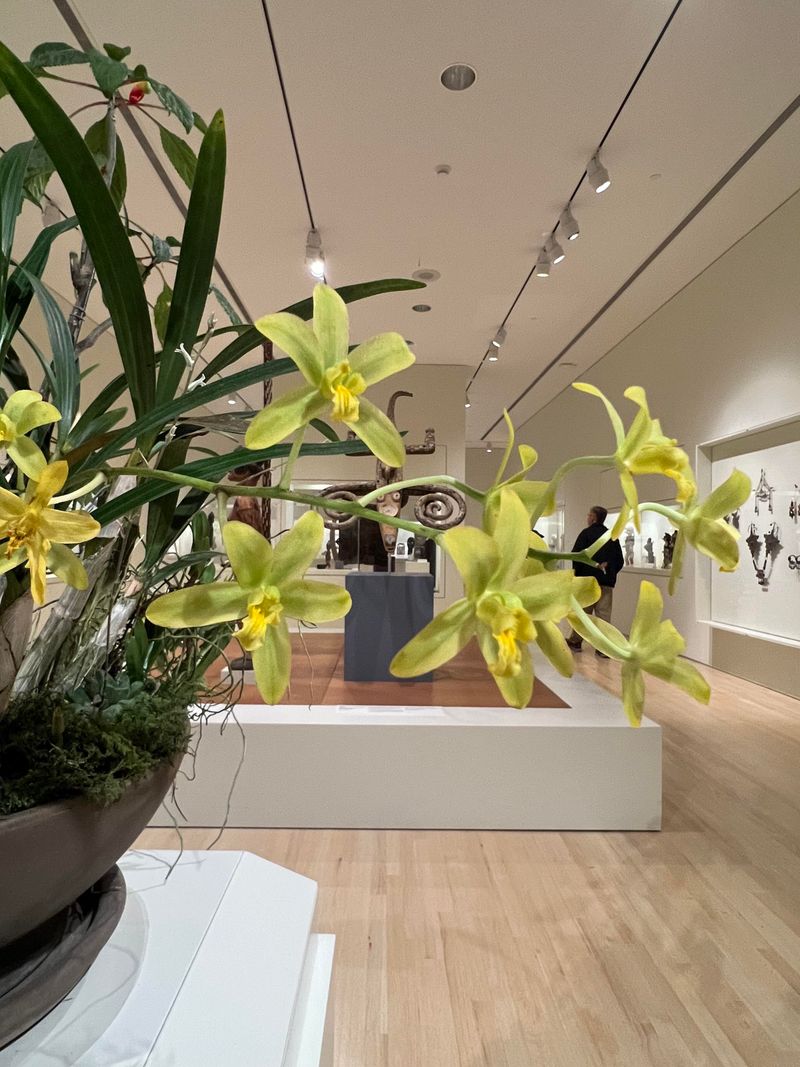
The museum offers numerous educational programs designed to help people of all ages develop deeper connections with plants, wildlife, and environmental stewardship.
Children participate in hands on activities that teach basic gardening skills while encouraging curiosity about how plants grow and why ecosystems matter.
Adults can attend workshops covering topics from sustainable landscaping to identifying native Indiana plants that support local birds, bees, and beneficial insects.
Seasonal classes align with current garden conditions, allowing participants to learn practical skills they can immediately apply in their own yards and communities.
Expert instructors share knowledge gained through years of experience, making complex horticultural concepts accessible and understandable for beginners without previous gardening background.
These programs transform passive viewing into active learning experiences that inspire visitors to become better environmental stewards throughout Indiana neighborhoods and beyond.
By combining education with recreation, the gardens fulfill a vital mission that extends far beyond simple aesthetic enjoyment or casual weekend entertainment.
5. Winding Paths Invite Peaceful Exploration and Discovery
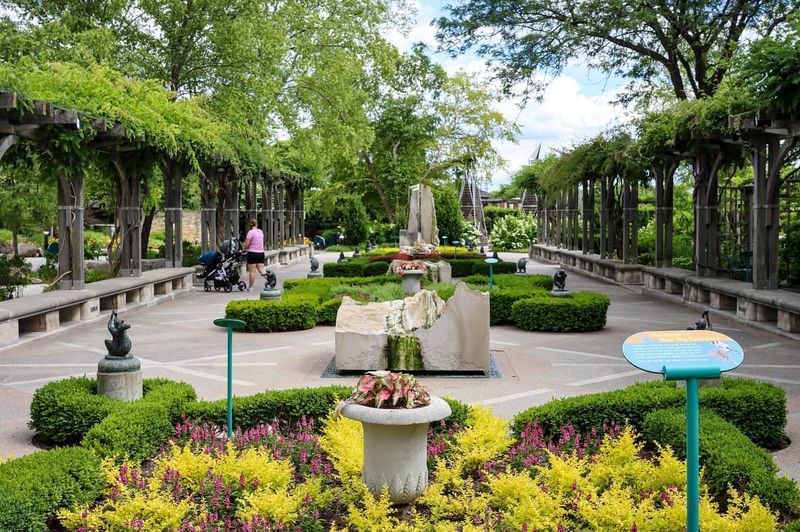
Miles of carefully maintained paths wind through diverse garden areas, encouraging visitors to slow down and notice small details often missed during rushed outings.
Some trails lead through wooded areas where dappled sunlight filters through tree canopies, creating peaceful environments perfect for quiet reflection and relaxation.
Other paths traverse open meadows filled with wildflowers that sway gently in breezes, offering expansive views that contrast beautifully with intimate garden rooms.
Strategic bench placement provides rest spots where tired walkers can pause while enjoying carefully framed views of sculptures, water features, or seasonal plantings.
The path system accommodates various mobility levels, ensuring visitors with different physical abilities can access and enjoy substantial portions of the Indiana gardens.
Clear signage helps prevent confusion while maintaining an unobtrusive presence that does not detract from the natural beauty surrounding explorers on their journeys.
This thoughtful design encourages extended visits where people lose track of time while wandering through landscapes that reveal new surprises around every corner.
6. Stunning Water Features Add Tranquil Soundscapes
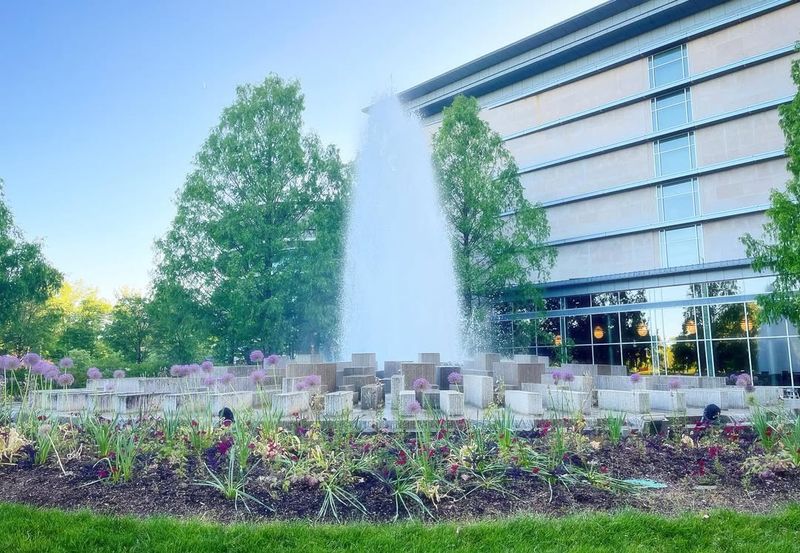
Water features throughout the gardens provide soothing sounds that mask city noise while creating peaceful atmospheres that help visitors feel transported far from urban stress.
Ponds support aquatic plants like water lilies and lotus flowers that add exotic beauty rarely seen in typical Indiana parks or public green spaces.
Fountains serve as focal points within formal garden areas, their splashing water catching sunlight and creating mesmerizing displays that draw eyes and cameras alike.
These water elements also support wildlife by providing drinking sources for birds and habitat for frogs, dragonflies, and other creatures that enhance biodiversity.
Sitting beside a quiet pond or active fountain offers meditative experiences that promote mental wellness and stress reduction through simple nature connection.
The museum’s maintenance staff ensures water features remain clean and functional, demonstrating the commitment required to preserve these complex landscape elements successfully.
Water adds another sensory dimension to garden visits, engaging hearing alongside sight and smell to create immersive experiences that feel truly complete.
7. Diverse Garden Rooms Offer Unique Experiences
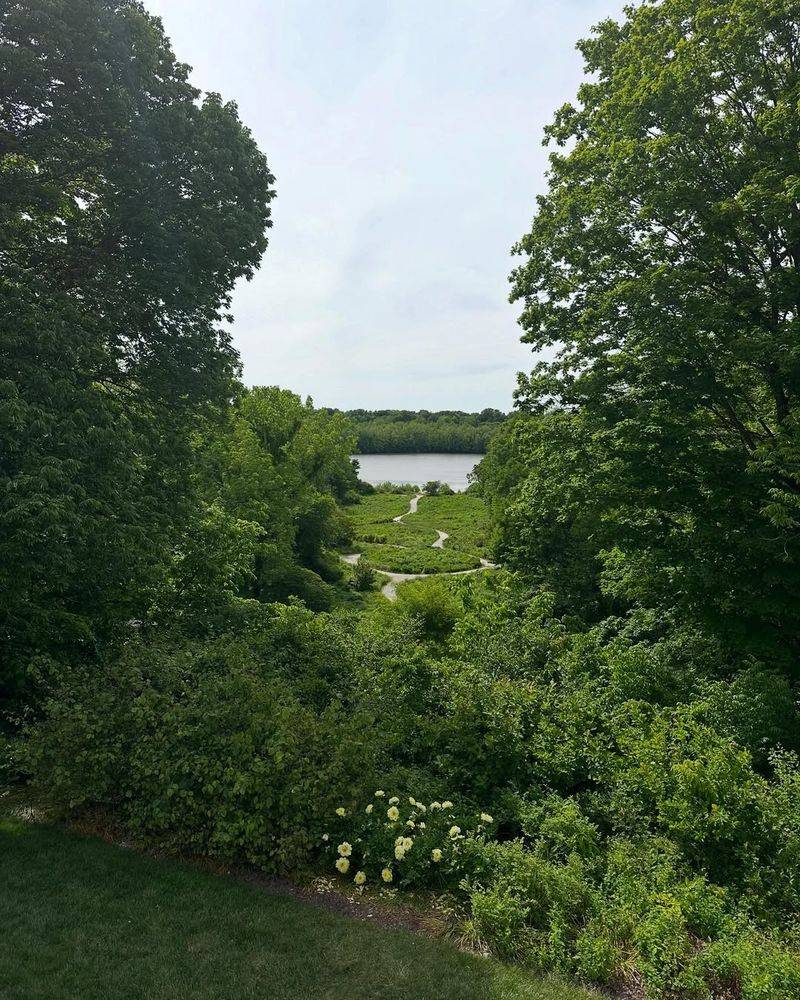
Rather than presenting one uniform landscape, the gardens divide into distinct rooms, each featuring different themes, plant palettes, and design philosophies that showcase variety.
Formal areas display symmetrical layouts with geometric beds that demonstrate classical garden design principles popular in European estates and American historical properties.
Informal sections embrace naturalistic plantings where native Indiana species mingle freely, creating ecosystems that feel wild yet remain carefully managed for visitor enjoyment.
Some rooms focus on specific plant types like roses or perennials, allowing enthusiasts to study particular species in depth while appreciating specialized collections.
This diversity means every visitor finds at least one area that resonates personally, whether preferring structured formality or relaxed natural landscapes.
Garden rooms also provide opportunities for comparison, helping visitors understand how different design approaches create vastly different moods and visual effects.
Exploring these varied spaces feels like visiting multiple gardens without leaving the property, maximizing value and interest for everyone who walks through.
8. Free Public Access Welcomes All Community Members
Unlike many premium attractions, the Indianapolis Museum of Art gardens welcome visitors without charging admission fees that might exclude families with limited budgets.
This commitment to accessibility ensures people from all economic backgrounds can enjoy world class landscapes and art installations typically reserved for wealthy communities.
Free access particularly benefits Indiana families seeking affordable weekend activities that provide educational value alongside outdoor recreation and physical exercise opportunities.
The museum believes cultural enrichment should not depend on ability to pay, reflecting values of inclusivity and community service that strengthen neighborhoods.
Open access policies also encourage repeat visits, allowing people to develop ongoing relationships with the gardens throughout changing seasons and personal life stages.
Local residents often incorporate garden walks into regular routines, using the grounds for morning jogs, lunch breaks, or evening strolls after work.
By removing financial barriers, the museum creates gathering spaces where diverse community members interact naturally, fostering connections that might not occur elsewhere.
9. Perfect Venue for Special Events and Photography
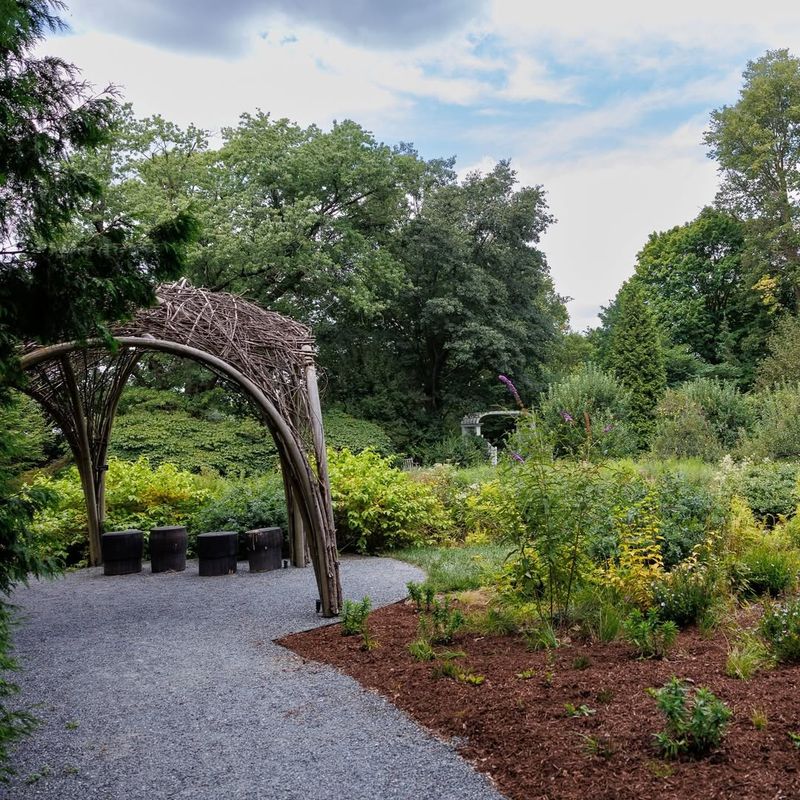
Beautiful landscapes and elegant architecture make the gardens highly sought after locations for weddings, parties, and professional photography sessions throughout Indiana and beyond.
Couples exchange vows beneath flowering trees or beside tranquil ponds, creating romantic memories framed by natural beauty that photographs capture for lifetime enjoyment.
Professional photographers appreciate diverse backdrops available within compact areas, allowing efficient session planning that maximizes variety without requiring extensive travel between locations.
The museum offers rental spaces for private events, providing revenue that supports ongoing maintenance and improvement projects that benefit all future visitors.
Families celebrate milestones like graduations and anniversaries in settings far more memorable than typical restaurants or generic banquet halls found throughout Indiana cities.
Even casual visitors benefit from the photogenic landscapes, leaving with smartphone images that rival professional shots taken in exotic destinations far from home.
This dual purpose as both public park and event venue demonstrates creative thinking about how cultural institutions can serve multiple community needs simultaneously.