Where To Plant Hydrangeas In Indiana So They Thrive Near Your Home
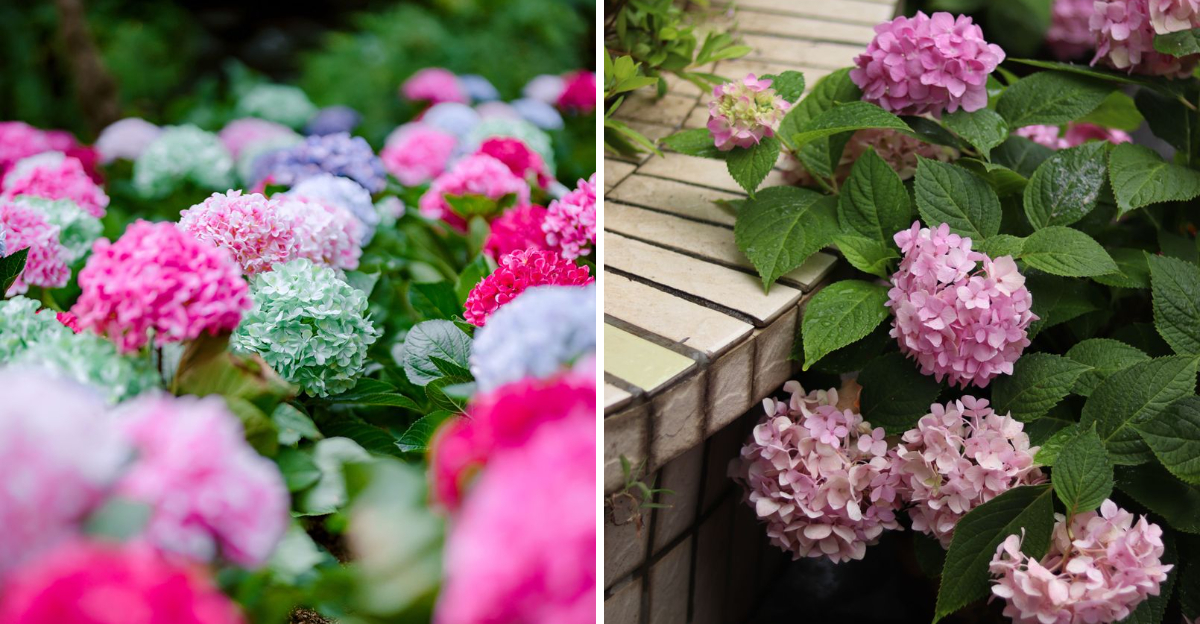
Placement affects hydrangea health more than most gardeners expect. Your soil in Indiana hides traps most gardeners overlook. Clay grabs water fast, weakening roots before blooms even form.
Sunlight shifts constantly, confusing plants in your garden bed. Morning rays fuel growth even during cool spring mornings. Afternoon heat stresses tender petals fast, without warning or mercy.
Wind exposure challenges shrubs planted near open, unprotected spaces. Drainage decides whether your hydrangea thrives or quietly declines. Roots struggle when soil stays soaked for days.
Temperature swings hit hard without shelter or smart positioning. Indiana delivers unpredictable weather, swinging from frost to sudden heat. Every decision shapes next season’s bloom count directly.
Placement choices ripple outward, shaping your root and flower size. Nothing about your hydrangea success happens through luck alone.
Success favors gardeners who plant with intention, not hope. Get this wrong, and you will chase blooms that never arrive.
1. Morning Sun Keeps Eastern Blooms Vibrant
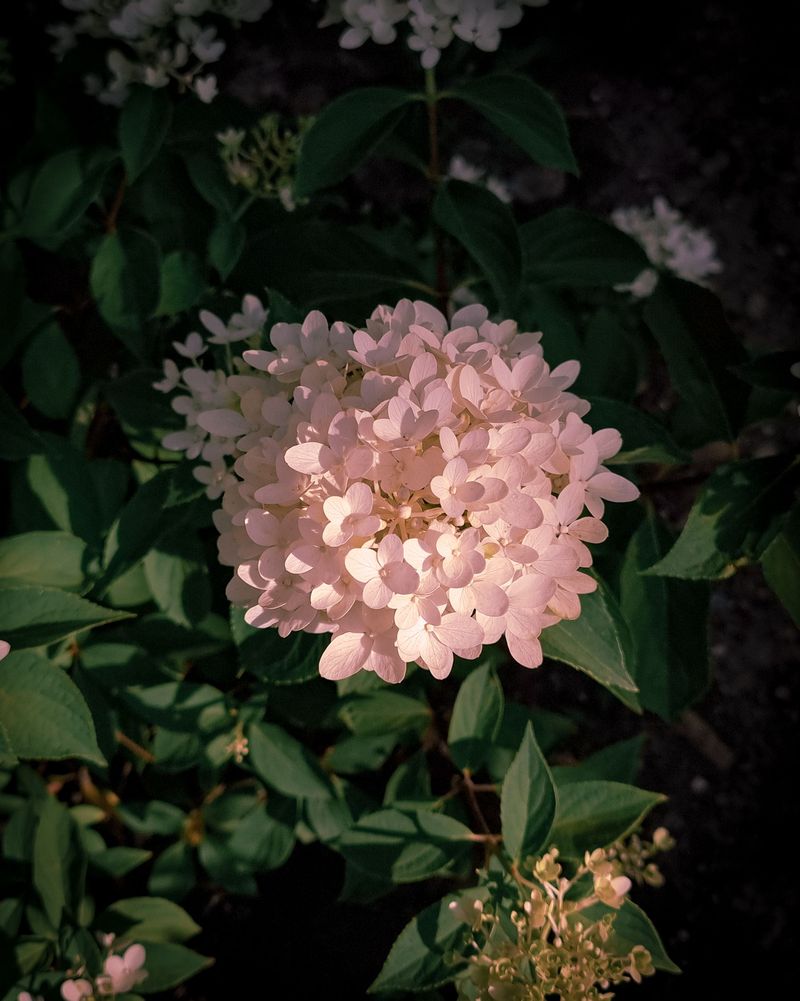
Few sights beat a hydrangea glowing in the early morning light. Planting on the east side of your home gives your shrubs that sweet spot of sun without the brutal afternoon heat.
Indiana summers can push temperatures past 90 degrees by early afternoon. Eastern exposure means your blooms soak up gentle rays before the harsh heat kicks in.
This setup is especially helpful for bigleaf hydrangeas, which are notorious for wilting under intense afternoon sun. Their large leaves need light but cannot handle scorching conditions for hours on end.
Morning sun also helps dry dew off the leaves quickly. Wet foliage sitting through a humid Indiana afternoon is a recipe for fungal problems.
An eastern bed along a fence or house wall creates a natural windbreak too. That added shelter keeps stems from snapping during summer thunderstorms that roll through the Midwest.
You do not need a huge yard to make this work. Even a narrow strip along the east-facing foundation can support a healthy row of hydrangeas.
Think about what already grows in that spot before you dig. Removing competing roots from old shrubs or trees will give your new plants the best possible start.
Eastern placement is one of the smartest moves you can make when planting hydrangeas near your Indiana home. Start here, and you set yourself up for blooms that last from early summer well into fall.
2. Western Exposure Increases Heat Stress On Blooms
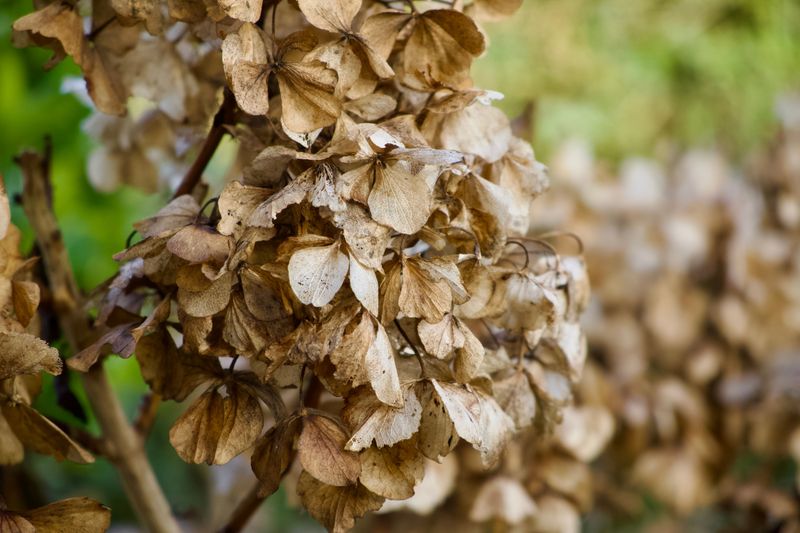
West-facing beds require extra care for hydrangeas in Indiana. The afternoon sun on that side is intense, and it hits plants when temperatures are already at their peak.
Bigleaf and smooth hydrangeas struggle most in western exposures. Their blooms can go from lush to crispy in just a few days of intense heat.
If a west-facing spot is your only option, choose panicle hydrangeas instead. They handle full sun far better than their more delicate cousins and still produce gorgeous cone-shaped flower clusters.
Mulching heavily around the base of any west-side planting is non-negotiable. A thick layer of wood chips or shredded bark keeps the soil cooler and holds moisture longer during scorching afternoons.
Your Indiana Garden Changes Every Week. Your Plan Should Too.
Gardening in Indiana changes quickly throughout the season. Every Friday you’ll receive a simple weekly plan showing exactly what to plant, prune, fertilize, harvest, and protect so you never miss the right timing.
Watering deeply in the early morning also helps plants survive western exposure. By the time the afternoon heat arrives, roots already have access to enough moisture to keep leaves from drooping.
Shade structures like pergolas or tall ornamental grasses can soften the western sun. Planting a row of ornamental grasses to the west of your hydrangeas creates a natural filter without blocking airflow.
Reflective heat from driveways or concrete patios on the west side makes things even worse. Keep hydrangeas at least four feet away from any hard surface that absorbs and radiates heat.
Western exposure does not automatically doom these plants, but it demands extra planning. Choose the right variety and give them extra care to pull it off successfully.
3. Shadier Northern Spots Suit Hardy Varieties
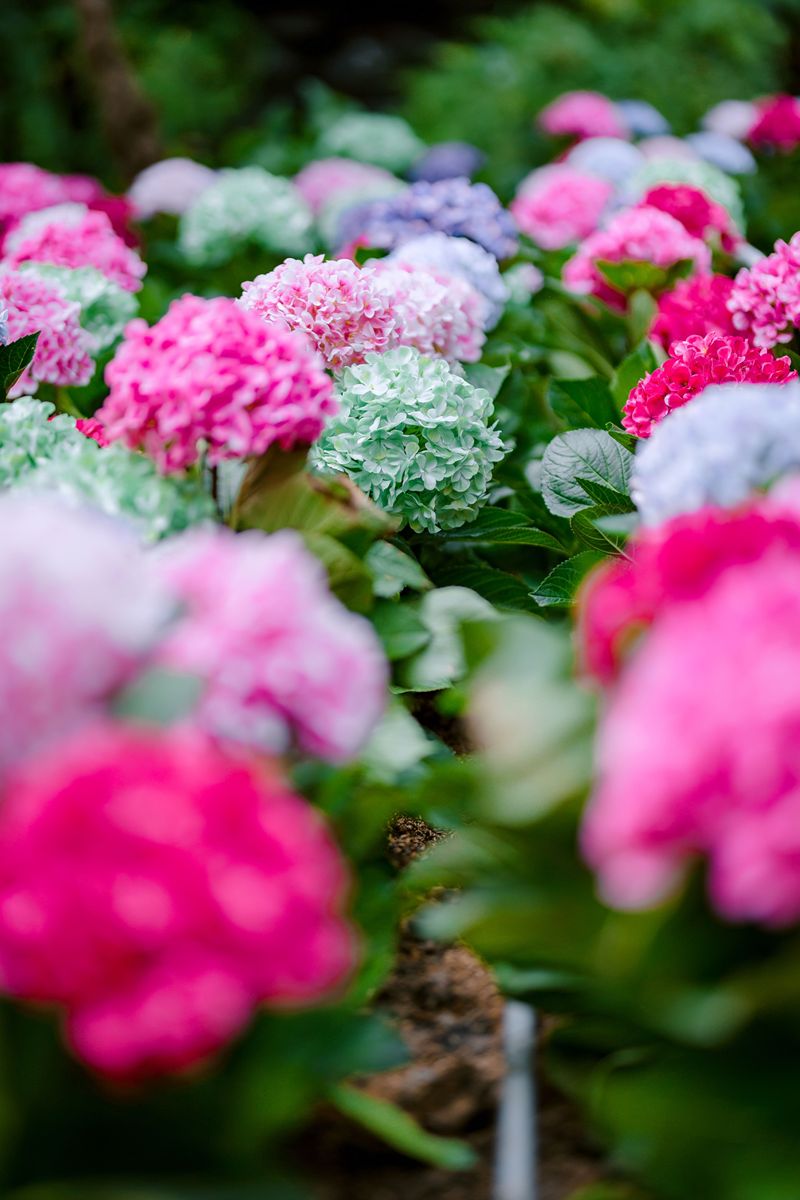
The north side of your home is the coolest, shadiest spot on the property. Most flowering shrubs struggle there, but certain hydrangeas actually prefer it.
Oakleaf hydrangeas are built for lower light conditions. Their bold, deeply lobed leaves and cone-shaped white blooms bring drama to spots that other plants simply ignore.
Smooth hydrangeas, like the popular Annabelle variety, also perform well in northern exposures. They bloom reliably even with limited direct sun, producing those iconic giant white flower heads that gardeners adore.
One thing to watch on the north side is soil moisture. Without afternoon sun to dry things out, the ground can stay wet longer, which creates conditions that some root systems dislike.
Amending the soil with compost before planting improves drainage while still holding enough moisture for healthy roots. A balanced mix gives plants the best of both worlds in a naturally cool environment.
The north side also means your hydrangeas are sheltered from the most intense summer sun. This reduces water stress and keeps blooms looking fresh longer than plants in sunnier spots.
Late spring frost can be a concern on the north side since cold air settles in shaded areas. Choose frost-tolerant varieties and avoid planting too close to low-lying ground where cold air pools overnight.
Northern beds are an underused gem for savvy gardeners planting hydrangeas near Indiana homes. With the right variety, that shady strip becomes one of the most rewarding spots in the yard.
4. Soil Moisture Outweighs Sunlight Needs
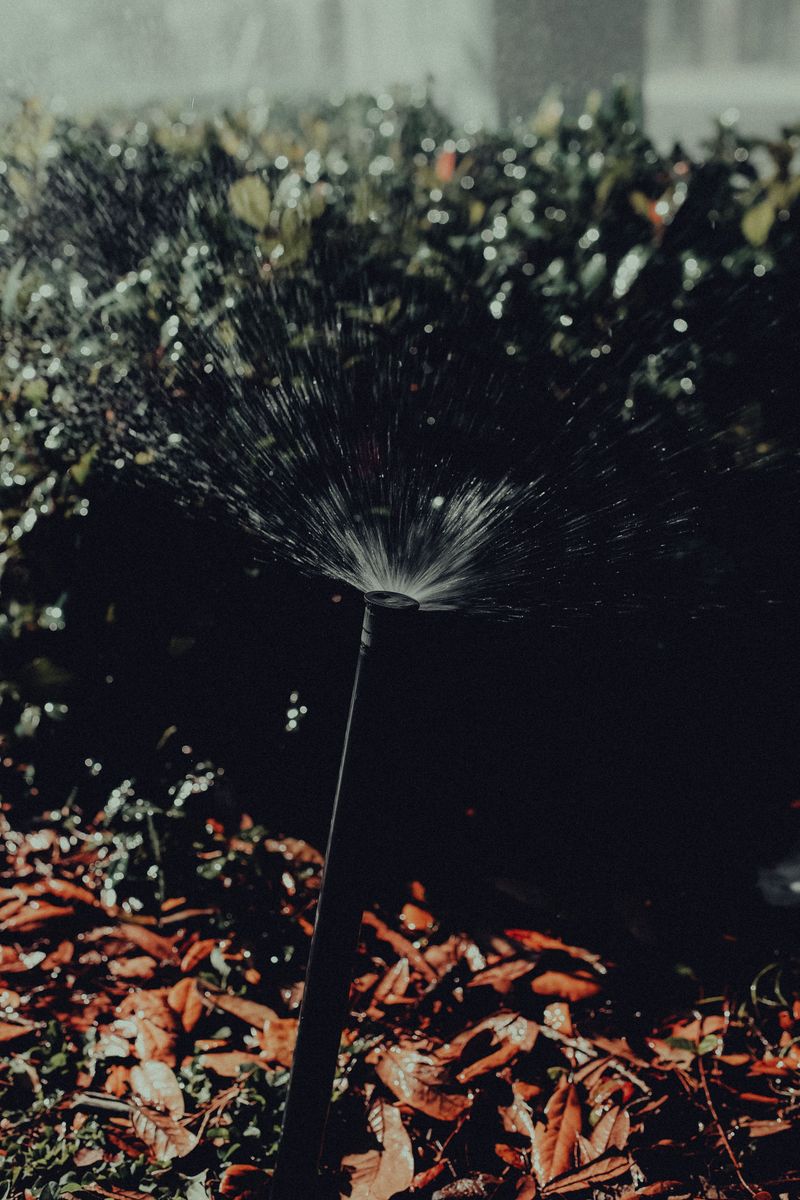
Most gardeners obsess over sun placement, but soil moisture is the real secret behind thriving hydrangeas. A plant in slightly less-than-ideal sun but consistently moist soil will outperform one in perfect light with dry roots.
Indiana soils vary widely across the state. Soil composition varies widely across Indiana. Clay-heavy stretches hold moisture well.
Sandy pockets near Lake Michigan and in the southwest drain too fast for hydrangeas to stay hydrated. Testing your specific soil is the best way to know which challenge you’re facing.
Amending clay soil with compost and coarse sand improves drainage without letting the bed dry out completely. That balance keeps roots oxygenated and well-watered at the same time.
Sandy soil needs a different approach, with generous amounts of compost worked in deeply. Organic matter acts like a sponge, slowing drainage and giving roots time to absorb what they need.
Mulching is your best tool for maintaining consistent soil moisture year-round. A two-to-three-inch layer of shredded hardwood bark slows evaporation dramatically during hot, dry Indiana summers.
Hydrangeas planted near downspouts often thrive without extra watering. The natural runoff from your roof keeps that zone consistently moist, essentially doing the irrigation work for you.
Avoid planting in spots where water puddles after heavy rain. Roots sitting in standing water for more than a day will develop rot, and the plant’s health will decline.
Nail the moisture balance, and your hydrangeas will surprise you with how much sun variation they can handle. Healthy roots are the foundation of every beautiful bloom.
5. Overhangs Protect Blooms During Storms
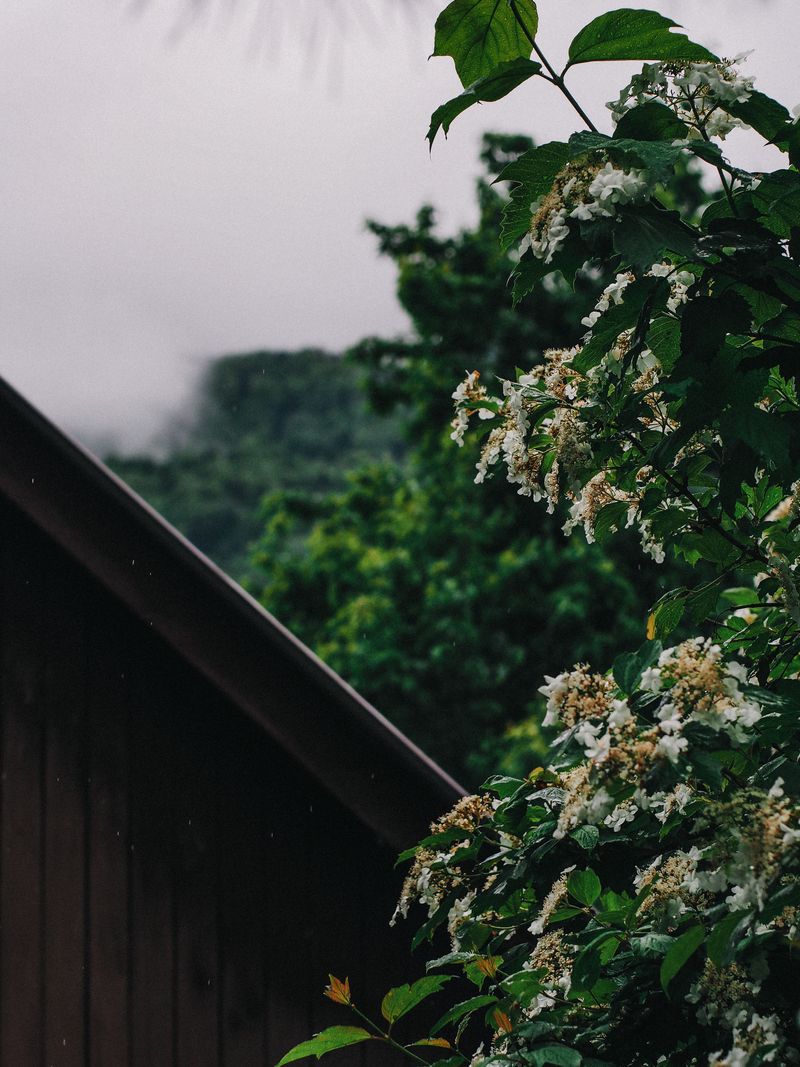
Indiana storms roll in fast and hit hard. Hail, heavy rain, and gusty winds can shred hydrangea blooms in minutes if plants are left fully exposed.
Planting beneath a wide porch overhang or roof eave gives your hydrangeas a natural shield. The structure above deflects the worst of the rain while still allowing indirect light to reach the plant.
Panicle and bigleaf varieties benefit most from this kind of placement. Their large flower heads act like sails in the wind, and a little overhead protection keeps stems from bending and breaking.
One important caveat is that overhangs also block rainfall. Plants beneath roof eaves often receive far less natural water than those in open beds, so supplemental watering becomes essential.
Installing a simple drip irrigation line under the overhang solves this problem efficiently. Drip systems deliver water directly to the root zone without wetting foliage, which also reduces disease risk.
Check the soil under overhangs more frequently than you check other garden beds. That zone can dry out surprisingly fast, especially during stretches of hot, dry weather in July and August.
Wide overhangs also create a microclimate that stays slightly cooler than the open yard. That temperature buffer helps blooms last longer and keeps colors more vibrant through the hottest weeks of summer.
Smart placement under a sturdy overhang is one of the easiest wins available to Indiana gardeners. Your blooms will look showroom-fresh even after a severe summer storm rolls through.
6. Airflow Helps Prevent Mildew Issues
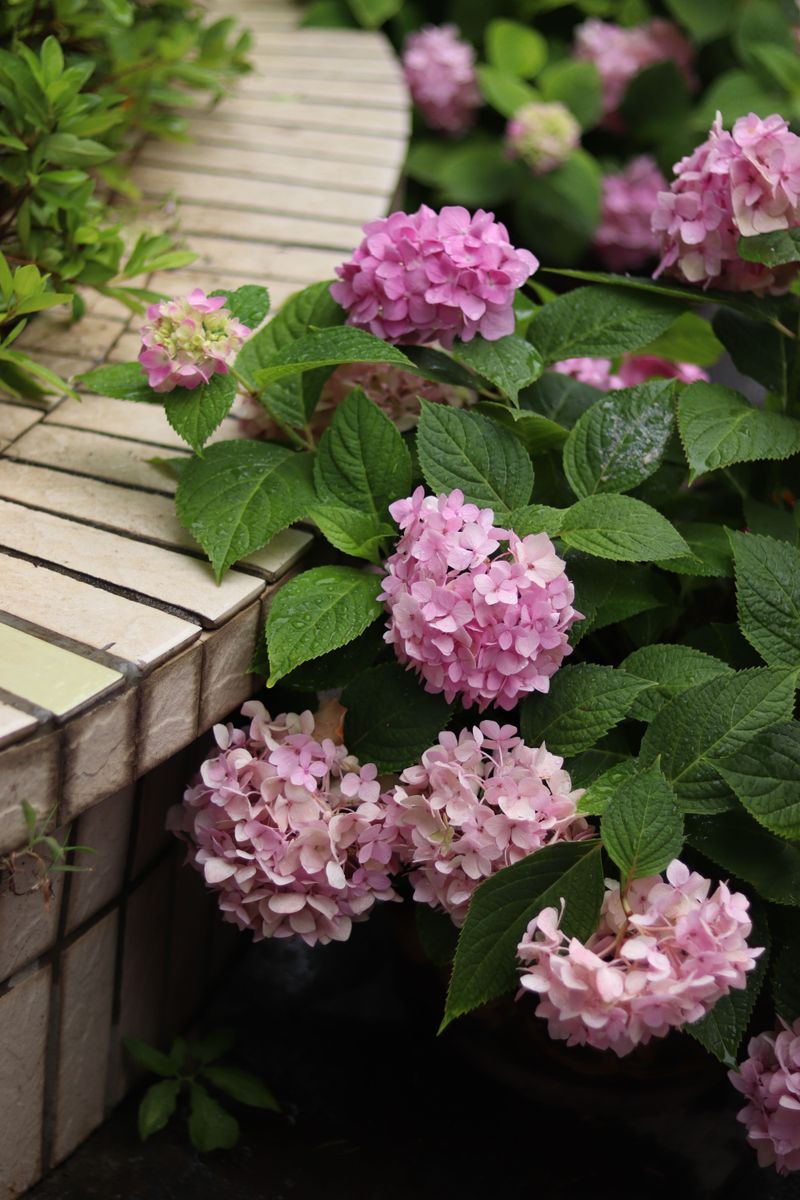
Powdery mildew is a common problem in many Indiana hydrangea gardens. It shows up as a chalky white coating on leaves, and once it spreads, it weakens the whole plant.
The fix is simpler than most gardeners realize: give your plants room to breathe. Spacing hydrangeas at least four to six feet apart allows air to move freely between stems and leaves.
Planting too close to fences, walls, or dense shrubs traps humid air around the foliage. Indiana summers are already humid enough without creating additional stagnant pockets right where your plants live.
A spot with a gentle, consistent breeze is ideal for hydrangea health. Open corners of the yard or beds along low fences often catch enough airflow to keep foliage dry between waterings.
Pruning the interior of each shrub every spring also improves air circulation. Removing crossing branches and thinning out the center lets wind move through the plant rather than around it.
Avoid overhead watering whenever possible, as wet leaves in humid conditions are mildew magnets. Water at the base of the plant early in the morning so any accidental splash has time to dry.
Choosing sturdy varieties like Incrediball or Limelight also helps stack the odds in your favor. These cultivars are known for strong stems and reliable, oversized blooms, and they generally handle Indiana’s muggy summers well with good airflow and care.
7. Foundation Soil Drains Differently Than Yards
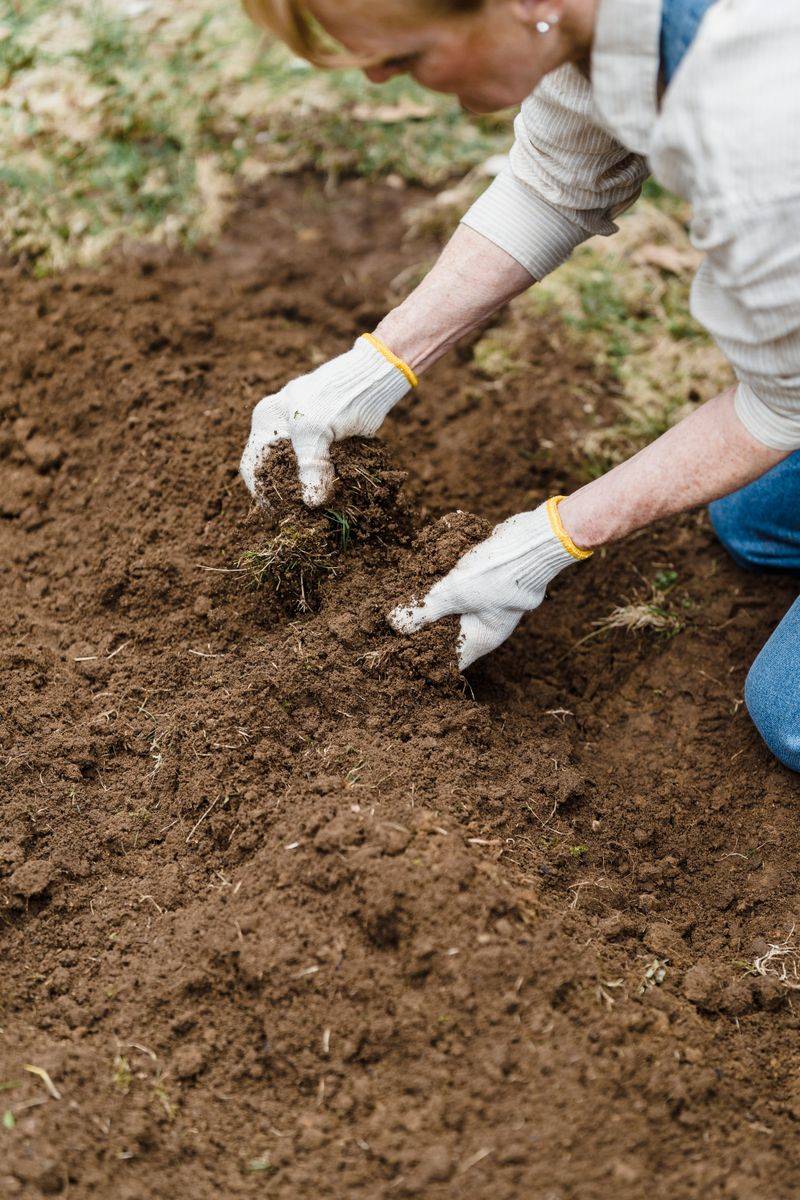
Here is something most new homeowners never think about: the soil right next to your foundation is not the same as the soil in your open yard.
Builders often backfill foundations with compacted subsoil or gravel, and that material drains very differently from natural topsoil.
Hydrangeas planted directly against a foundation often struggle because their roots hit compacted layers just a few inches down. Growth can slow and blooms may be smaller than expected.
The solution is to amend aggressively before you plant. Dig a hole at least twice as wide and deep as the root ball, and fill it with a mix of compost, native topsoil, and coarse sand.
Test drainage in foundation beds by filling the planting hole with water and watching how fast it disappears. If water sits for more than an hour, drainage is too poor for hydrangeas without further amendment.
Raised beds built along foundation walls solve drainage problems permanently. Adding just six to eight inches of quality soil above the existing grade creates the well-drained environment these shrubs demand.
Watch for alkaline soil conditions near concrete foundations too. Concrete leaches lime into surrounding soil over time, raising the pH and potentially shifting bloom color in bigleaf varieties.
Testing your soil pH with an inexpensive kit from a garden center takes about five minutes. Adjusting pH before planting saves months of troubleshooting later when blooms look off or growth stalls.
Foundation beds have huge potential once you understand their quirks. Fix the soil first, and your hydrangeas will thrive right up against the house.
8. Testing Sun Patterns Saves Future Stress
Before you dig a single hole, spend one full day watching how sunlight moves across your yard. Mark the shady spots at 9 a.m., noon, and 3 p.m., and you will have a reliable sun map for the entire growing season.
Many gardeners skip this step and plant based on guesses. Six weeks later, they wonder why their hydrangeas are struggling in a spot that seemed perfect at first glance.
A location that looks sunny in early spring may be heavily shaded by June when neighboring trees leaf out fully. Indiana’s deciduous trees create dramatically different light conditions between March and July.
Photograph your yard at different times of day to create a visual reference. These photos make it easy to compare light levels across seasons without relying on memory alone.
Apps like Sun Seeker or LightTrac let you visualize sun angles for any date and location. Plugging in your address gives you a year-round picture of exactly where light falls around your home.
Pay special attention to spots near large shade trees or neighboring structures. What looks like dappled shade in the morning could become deep shade by noon, which is too dark for most hydrangea varieties.
Ideal hydrangea placement receives three to four hours of direct morning sun followed by bright, indirect light for the rest of the day. That combination produces the strongest stems and most vibrant blooms.
Doing this homework upfront is the single best investment you can make when planting hydrangeas near your Indiana home. A little patience now prevents years of frustration later.