What Texas Gardeners Should Do When Wild Pigs Root Through Flower Beds

Wild hogs have become a major headache for gardeners across Texas.
These powerful animals can tear through flower beds overnight, leaving destruction in their wake.
Your carefully planted blooms and landscaping efforts can vanish in hours when these unwelcome visitors arrive.
Texas gardeners face unique challenges because wild pig populations have exploded in recent years, spreading to nearly every county.
Understanding how to respond when pigs damage your garden can save you time, money, and frustration.
The good news is that several practical strategies can help you recover from pig damage and prevent future raids.
From securing your property to choosing pig-resistant plants, you have options that work.
Taking action quickly after discovering damage makes a real difference in protecting your garden investment.
Assess The Damage Thoroughly Before Taking Action

Walking through your garden after a wild pig visit can feel overwhelming, but taking stock of the situation helps you plan your next moves.
Start by examining which areas suffered the most damage and identifying any plants that might be saved.
Pigs typically root through soft soil searching for grubs, roots, and bulbs, so your flower beds become prime targets.
Take photos of the damage for insurance purposes and to track patterns if pigs return to your Texas property.
Look for tracks, droppings, and wallowing spots that indicate how many animals visited and where they entered.
Check your fencing for weak spots, gaps under gates, or areas where pigs pushed through barriers.
Document the types of plants that were destroyed versus those left untouched, as this information guides future planting decisions.
Some flowers and ornamentals survive rooting better than others, so noting what remains standing provides valuable insights.
Contact your local Texas Parks and Wildlife office to report the incident, especially if pig activity in your neighborhood is increasing.
They often track wild pig movements and can offer location-specific advice for your county.
Install Sturdy Fencing Around Vulnerable Garden Areas

Barriers remain your best defense against future pig invasions, and proper fencing makes a significant difference.
Wild hogs can push through flimsy materials, so invest in heavy-gauge wire mesh or cattle panels at least four feet tall.
Bury the bottom edge of your fence at least twelve inches deep, or bend it outward underground to discourage digging.
Pigs are surprisingly strong and persistent, so secure your fence posts in concrete for maximum stability.
Electric fencing works exceptionally well in Texas, especially when combined with traditional barriers.
Place the lowest wire about six inches off the ground where pigs will touch it with their sensitive snouts.
Many gardeners use a two-wire electric system with one strand low and another at shoulder height for adult pigs.
Check your fence line regularly for damage, as determined hogs will test weak spots repeatedly.
Consider protecting just your most valuable flower beds if fencing your entire property seems too expensive.
Even a well-constructed barrier around prize roses or specialty gardens can prevent heartbreak when pigs return.
Remove Attractants That Draw Pigs to Your Property
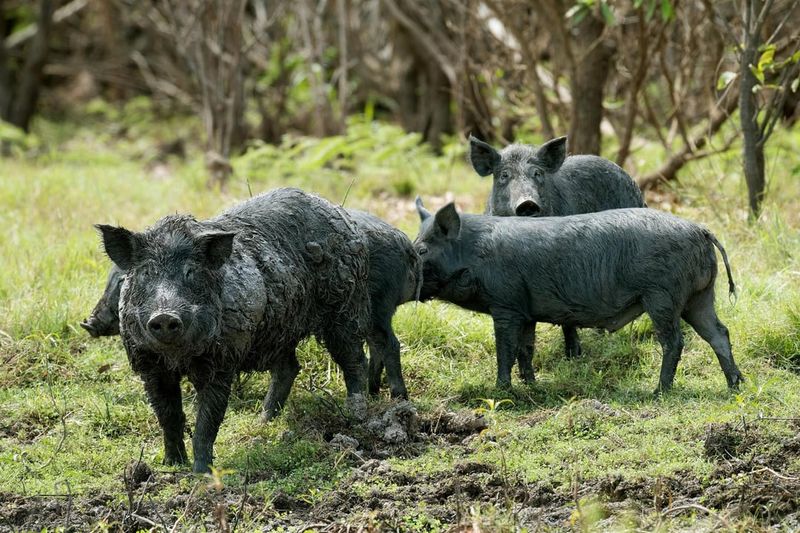
Pigs remember locations where they found food, so eliminating temptations reduces repeat visits to your Texas garden.
Your Texas Garden Changes Every Week. Your Plan Should Too.
Gardening in Texas changes quickly throughout the season. Every Friday you’ll receive a simple weekly plan showing exactly what to plant, prune, fertilize, harvest, and protect so you never miss the right timing.
Secure garbage cans with locking lids and store pet food indoors rather than leaving bowls outside overnight.
Fallen fruit from trees acts like a dinner bell for hungry hogs, so collect dropped produce promptly.
Compost piles need secure bins with tight-fitting lids since pigs can smell decomposing vegetation from remarkable distances.
Bird feeders also attract pigs because they enjoy the seeds that fall to the ground beneath feeding stations.
Consider suspending bird feeding during peak pig activity seasons if problems persist in your neighborhood.
Garden vegetables and ripening produce should be harvested quickly rather than left to rot on plants.
Even something as simple as acorns from oak trees can draw pigs to your yard during certain times of year.
Rake up nuts and seeds regularly if you have trees that produce them on your Texas property.
Standing water sources should be eliminated when possible, though pigs will travel far for moisture during dry spells.
Replant With Pig-Resistant Flora And Strategic Landscaping

Choosing plants that pigs naturally avoid can reduce future damage and save you from repeated replanting efforts.
Thorny or prickly plants like agave, yucca, and prickly pear cactus discourage rooting in Texas landscapes.
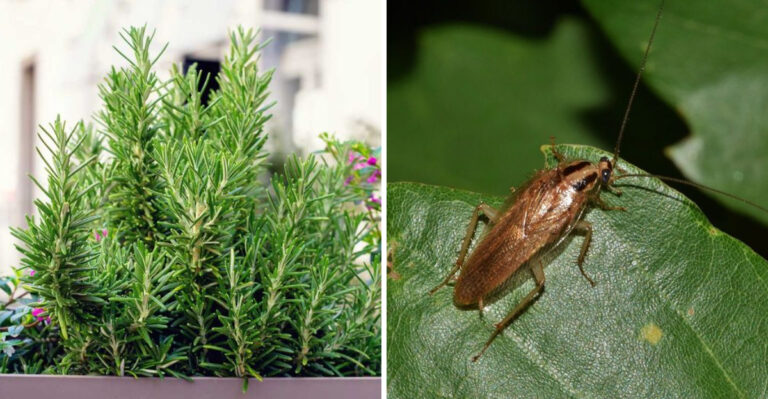
Strongly scented herbs such as rosemary, lavender, and sage seem less appealing to pigs than other garden plants.
Daffodils and other members of the narcissus family contain compounds that pigs find distasteful and usually avoid.
Deep-rooted native Texas wildflowers often survive rooting better than shallow-rooted annuals and delicate imports.
Consider creating raised beds with rock or timber borders that make rooting more difficult for determined pigs.
Gravel mulch instead of organic materials reduces the insect larvae that attract pigs to flower beds initially.
Grouping vulnerable plants in protected areas near your house allows easier monitoring and defense.
Native grasses and groundcovers establish strong root systems that recover quickly even after disturbance.
Consult with local Texas nurseries about which ornamentals hold up best in areas with wild pig pressure.
Set Up Motion-Activated Deterrents And Lighting Systems
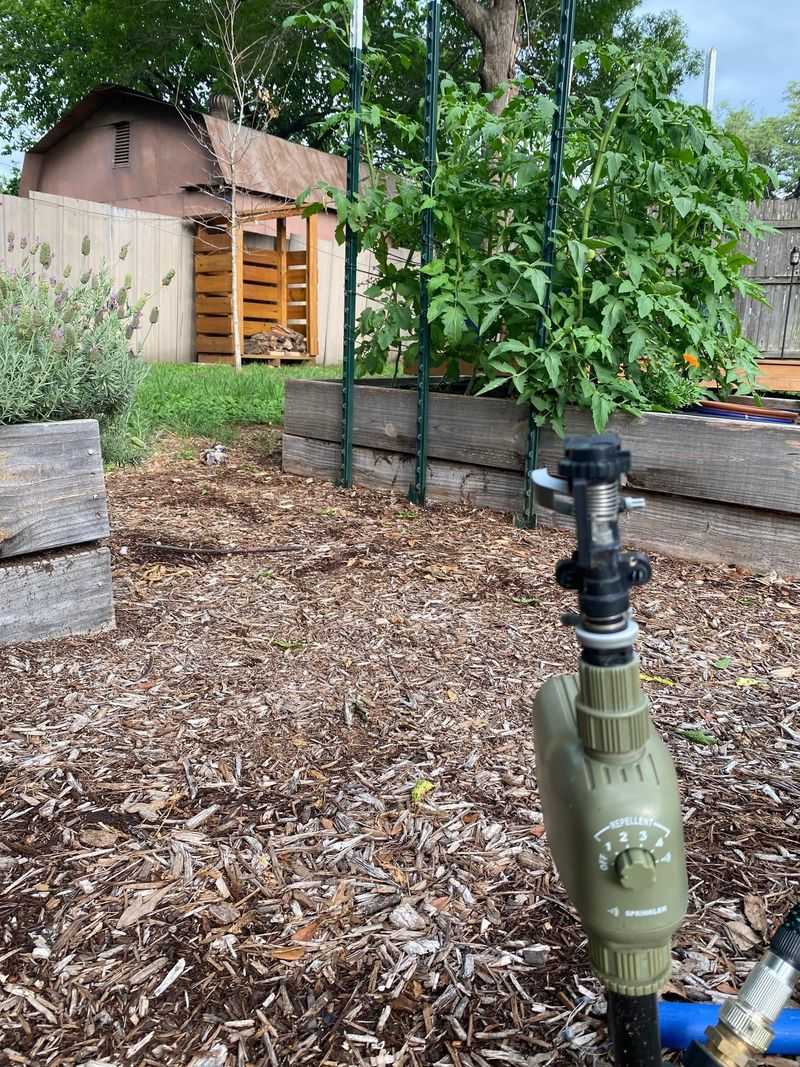
Technology offers effective ways to scare pigs away before they can damage your carefully tended Texas flower beds.
Motion-activated lights startle nocturnal pigs, who prefer working under cover of darkness.
Position bright LED floodlights to cover your most vulnerable garden areas and trigger when movement is detected.
Sprinkler systems that activate with motion send pigs running while watering your plants at the same time.
Some Texas gardeners report success with ultrasonic devices, though results vary depending on individual pig behavior.
Noise-making devices like wind chimes or aluminum pie pans may help temporarily but lose effectiveness as pigs adapt.
Radios playing talk shows or music through the night can create the impression of human presence.
Rotating different deterrent methods prevents pigs from becoming accustomed to any single strategy.
Trail cameras help you monitor when pigs visit and how they react to your deterrent systems.
Adjust placement and timing of devices based on camera footage to maximize effectiveness in your specific situation.
Contact Local Wildlife Authorities And Trappers For Assistance

Professional help exists throughout Texas for gardeners struggling with persistent wild pig problems.
Texas Parks and Wildlife Department staff can provide information about legal removal methods in your specific county.
Licensed trappers have experience capturing problem pigs and often work for reasonable fees or even free in some areas.
Some trappers will set up corral traps in your yard that capture entire groups of pigs at once.
Landowner permits allow property owners to take pigs without hunting licenses under certain conditions in Texas.
Your county extension agent can connect you with local resources and experienced pig management professionals.
Neighborhood groups sometimes pool resources to hire trappers for community-wide pig control efforts.
Document ongoing damage with photos and dates when contacting authorities to demonstrate the severity of your situation.
Some Texas counties have special pig abatement programs that provide technical or financial assistance to affected property owners.
Never attempt to handle or corner wild pigs yourself, as they can become aggressive when threatened.
Repair Damaged Soil And Restore Garden Health

Once you have addressed the pig problem, restoring your flower beds requires patience and proper soil management.
Rake out hoof prints and smooth the rooted areas before assessing what soil amendments are needed.
Wild pig activity often compacts soil severely, so loosening it with a garden fork improves drainage and root growth.
Add compost or aged manure to replace organic matter that pigs disturbed while rooting through your Texas garden.
Test your soil pH and nutrient levels, as pig activity can alter the balance your flowers need.
Consider applying a layer of quality topsoil to areas where pigs dug especially deep holes.
Water thoroughly after repairs to help soil settle and give any surviving plant roots better contact with moisture.
Some plants that appear destroyed may actually recover if you trim damaged foliage and provide proper care.
Wait a few weeks before replanting to ensure pigs have truly moved on from your property.
Mark areas that received the worst damage so you can monitor them for compaction issues as new plants establish.
Join Community Networks For Shared Pig Management Strategies
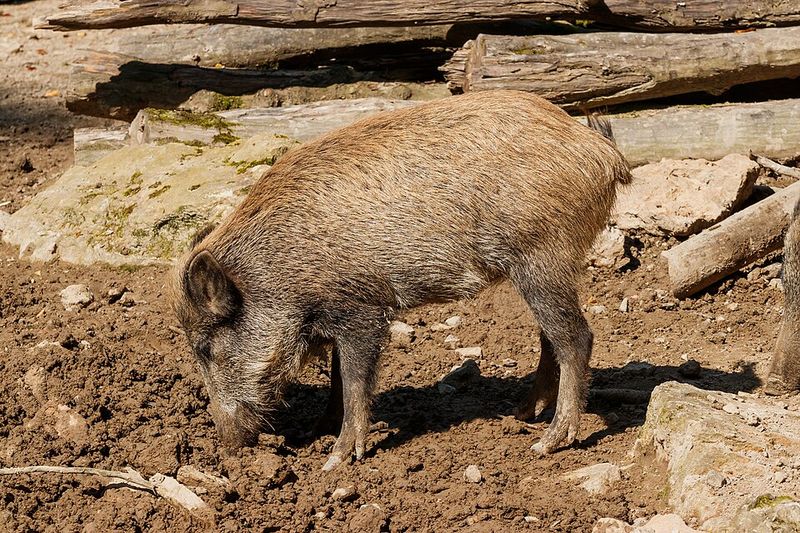
Wild pigs roam across multiple properties, so coordinating with neighbors creates more effective long-term solutions.
Community Facebook groups and neighborhood associations increasingly focus on pig management in affected Texas areas.
Sharing information about pig sightings helps everyone understand movement patterns and prepare accordingly.
Coordinated trapping efforts across several properties catch more pigs than individual attempts.
Some Texas communities organize group purchases of fencing materials or trapping equipment to reduce costs.
Neighborhood watch programs can include pig monitoring, with residents alerting each other to recent activity.
Local garden clubs often host speakers on wildlife management topics relevant to Texas gardeners.
Sharing trail camera footage helps identify specific pig groups and their preferred routes through your area.
Collective pressure on local government sometimes results in increased animal control resources for pig problems.
Experienced gardeners within your community can offer practical advice based on what worked in similar situations.
Maintain Vigilance And Adapt Your Defense Strategy

Protecting your flower beds from wild pigs requires ongoing attention rather than one-time fixes.
Pigs learn quickly and adapt to obstacles, so you must stay one step ahead with changing tactics.
Regular evening walks around your property help you spot fresh signs of pig activity before major damage occurs.
Keep a garden journal noting when pigs visit, what they damage, and which deterrents work best.
Seasonal patterns often emerge, with pigs more active during certain months in different parts of Texas.
Maintain your fencing with regular inspections and immediate repairs to any breaches or weak spots.
Replace batteries in motion-activated devices and ensure sprinkler systems function properly throughout the year.
Stay informed about pig population trends in your county through local wildlife agency reports.
Budget for ongoing pig management as part of your regular gardening expenses in affected Texas areas.
Remember that persistence pays off, and most gardeners find workable solutions through trial and patient adjustment of their strategies.