A Bright Orange Fungus Is Appearing In Florida Yards — Here’s Why Experts Aren’t Surprised
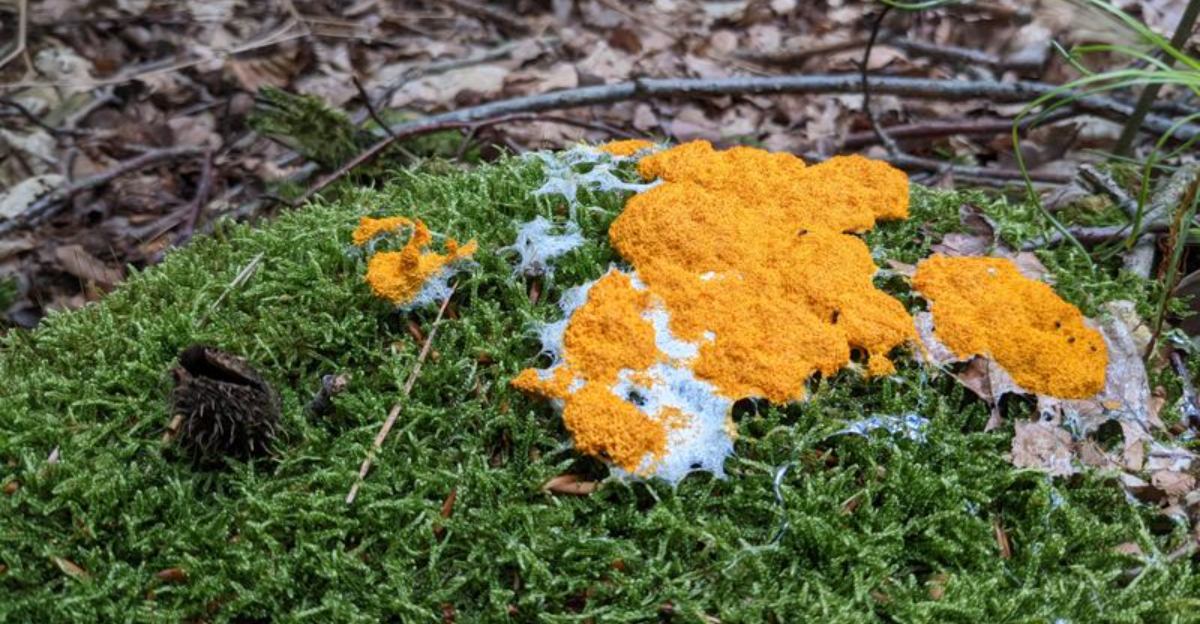
Florida homeowners are used to seeing all kinds of unusual things pop up in their yards—but this?
Patches of bright, almost neon orange growth suddenly appearing in the grass and mulched beds have been stopping people mid-stride.
It looks alarming, it spreads fast, and it seems to thrive in the exact warm, muggy weather most of us try to escape.
But while residents may be puzzled, experts aren’t surprised at all.
That vivid orange visitor has a name: Fuligo septica, a strange, slime-mold organism that flourishes in Florida’s heat and humidity.
And though it might look like something out of a sci-fi movie, there’s a perfectly normal explanation for why it’s showing up now—and why it’s more common than you think.
What Fuligo Septica Actually Is And Why It Confuses People
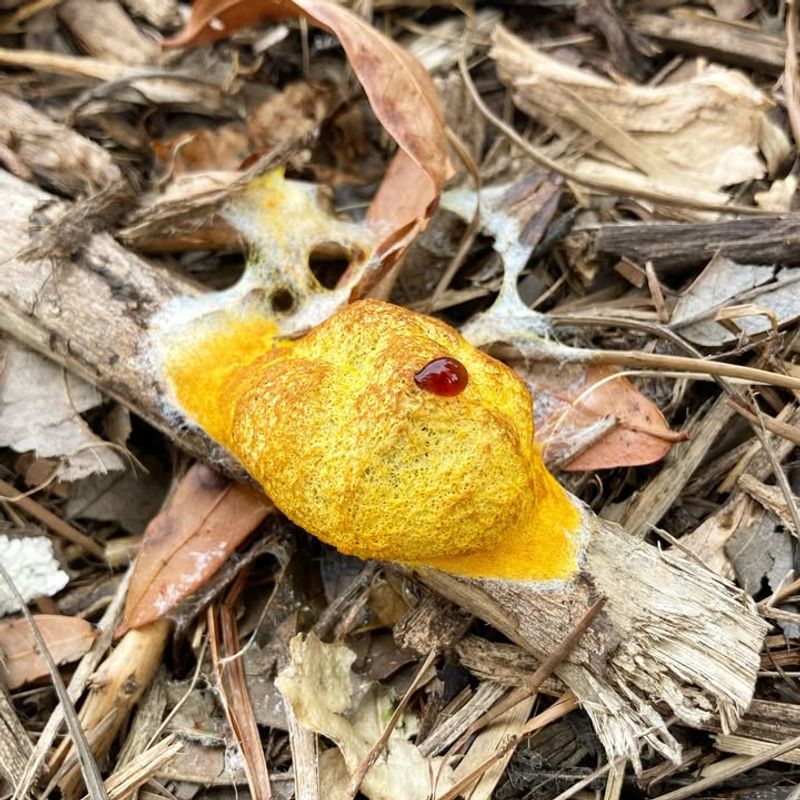
Fuligo septica isn’t technically a fungus at all, even though most people call it one.
Scientists classify it as a slime mold, which means it belongs to a completely different kingdom of organisms.
Slime molds can move slowly across surfaces, searching for food like bacteria and other tiny particles.
Many Florida residents panic when they first spot these orange masses because they assume something toxic has invaded their property.
The confusion is understandable since Fuligo septica can appear overnight and spread across wood chips or mulch rapidly.
Despite its alien appearance, this organism poses no threat to humans, pets, or plants in your yard.
Slime molds have been around for millions of years, long before fungi even evolved.
They play an important role in breaking down organic matter and recycling nutrients back into the soil.
Homeowners often mistake Fuligo septica for mold, fungus, or even chemical spills due to its bright coloring.
Learning the truth about what it really is can help ease concerns and prevent unnecessary removal efforts.
Once you understand its harmless nature, you might even appreciate its unique beauty and ecological contribution.
Florida’s Climate Creates Perfect Growing Conditions
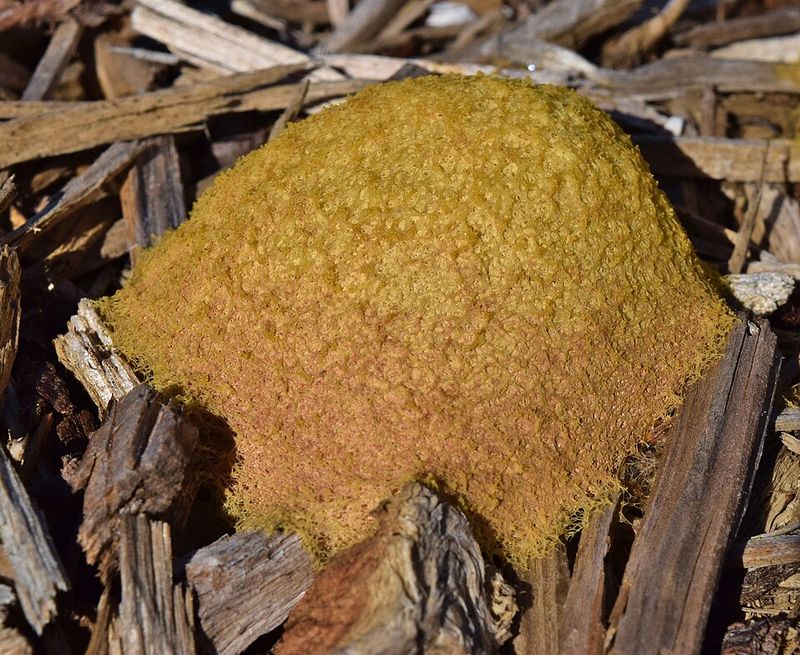
Warm temperatures combined with frequent rainfall make Florida an ideal home for Fuligo septica.
This slime mold thrives when humidity levels stay high and organic materials remain moist for extended periods.
Summer thunderstorms drench yards regularly, creating the damp environment that slime molds absolutely love.
Mulch beds, wood chips, and decaying leaves hold moisture exceptionally well, providing perfect habitats for these organisms.
Florida’s subtropical climate rarely experiences the freezing temperatures that would slow down or stop slime mold growth.
Experts point out that other states see Fuligo septica too, but Florida’s year-round warmth makes sightings more common.
The combination of heat and moisture accelerates the life cycle of slime molds, allowing them to appear and spread quickly.
Many homeowners notice these orange blobs after particularly rainy weeks when their yards stay soggy.
Landscaping choices popular in Florida, like thick mulch layers, inadvertently create welcoming environments for slime molds.
Understanding your local climate helps explain why certain organisms show up when they do.
Your Florida Garden Changes Every Week. Your Plan Should Too.
Gardening in Florida changes quickly throughout the season. Every Friday you’ll receive a simple weekly plan showing exactly what to plant, prune, fertilize, harvest, and protect so you never miss the right timing.
Rather than fighting nature, recognizing these patterns can help you anticipate and accept seasonal visitors like Fuligo septica.
How This Organism Benefits Your Garden Ecosystem
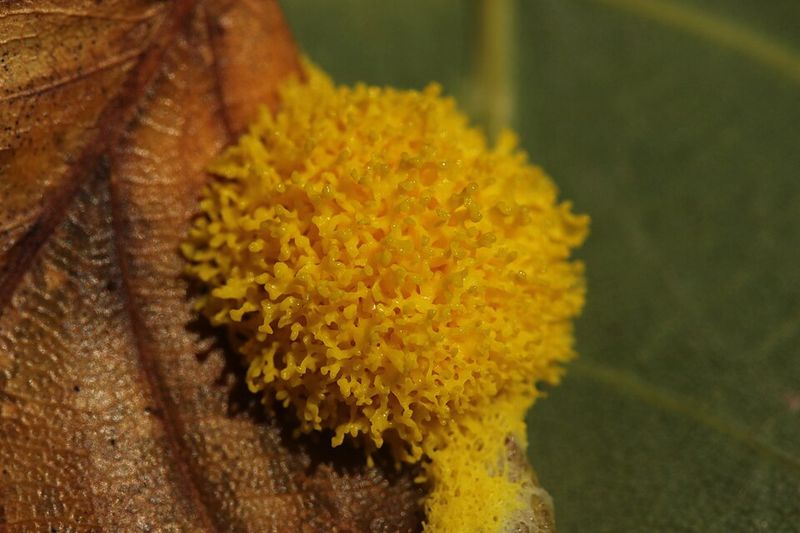
Fuligo septica actually helps your garden by breaking down deceased plant material and releasing nutrients.
As it moves through mulch and wood chips, it consumes bacteria, fungi, and decaying organic matter.
This natural recycling process enriches the soil and makes nutrients more available to your plants.
Gardens in Florida benefit from these decomposers because they speed up the breakdown of fallen leaves and wood.
Without organisms like slime molds, organic debris would pile up and take much longer to decompose.
The presence of Fuligo septica indicates that your yard has a healthy, functioning ecosystem with plenty of organic activity.
Many gardeners actually consider slime molds a positive sign rather than a problem that needs fixing.
Removing them offers no real benefit and might disrupt the natural balance of your garden’s soil community.
Think of slime molds as tiny cleanup crews working silently to keep your landscape healthy and thriving.
Their bright appearance might startle you initially, but their ecological role deserves appreciation and respect.
Embracing natural processes like decomposition leads to richer soil and more vigorous plant growth over time.
Why The Bright Orange Color Looks So Dramatic
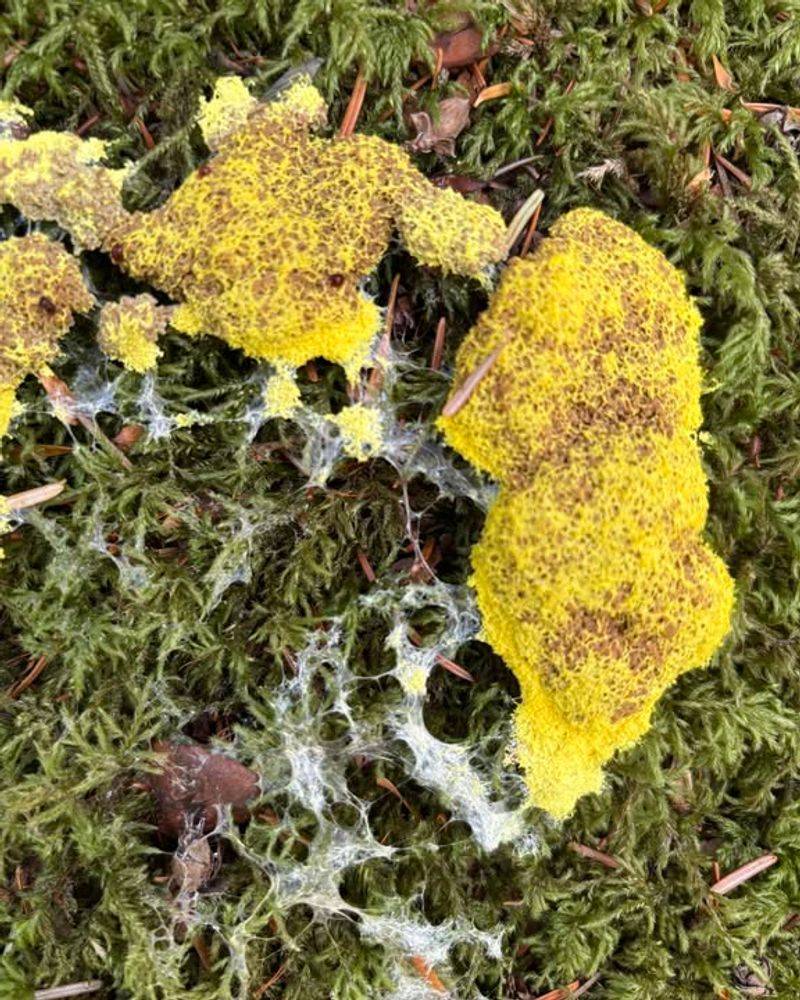
The shocking orange and yellow hues of Fuligo septica come from pigments called carotenoids.
These same compounds give carrots, pumpkins, and marigolds their warm, vibrant colors.
Scientists believe the bright coloring might help protect the slime mold from sunlight damage or deter certain predators.
When homeowners in Florida spot these neon blobs, the intense color often triggers alarm and immediate concern.
Our brains naturally associate bright colors in nature with danger, like poisonous frogs or warning signs.
However, Fuligo septica’s coloring serves biological purposes rather than signaling toxicity to humans.
The contrast between dark mulch and brilliant orange makes these organisms nearly impossible to miss in your yard.
Some slime mold species appear white, gray, or brown, but Fuligo septica stands out dramatically.
Photographers and nature enthusiasts often seek out these colorful specimens because they make stunning subjects.
Understanding the science behind the color can transform your reaction from fear to fascination.
Next time you see that bright orange blob, remember it’s just carotenoids doing their job in a harmless organism.
Common Misconceptions About Toxicity And Safety
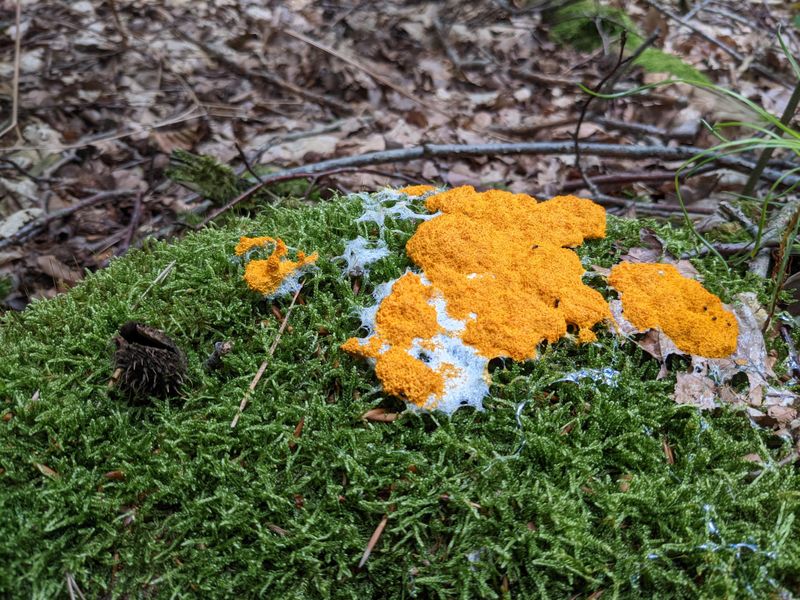
Many Florida residents worry that Fuligo septica might poison their children or pets, but this fear is unfounded.
Research shows that this slime mold is non-toxic and poses no health risks when touched or accidentally ingested.
Pets might sniff or even taste it out of curiosity, but they typically leave it alone after one encounter.
The organism has no poisonous compounds, stinging structures, or harmful spores that could cause illness.
Some people develop mild skin irritation from handling slime molds, but serious reactions are extremely rare.
Washing your hands after touching Fuligo septica is a good practice, just like after handling any outdoor material.
Parents can relax knowing that their kids playing near mulch beds won’t face danger from these orange blobs.
Veterinarians confirm that dogs and cats exploring yards with slime molds rarely experience any problems.
The biggest issue is usually the mess it might create if someone steps on it or touches it unknowingly.
Educating family members about what Fuligo septica is can prevent unnecessary panic and overreaction.
Knowing the facts helps you make informed decisions rather than responding to unfounded fears about yard organisms.
Simple Ways To Manage Or Remove It From Your Yard
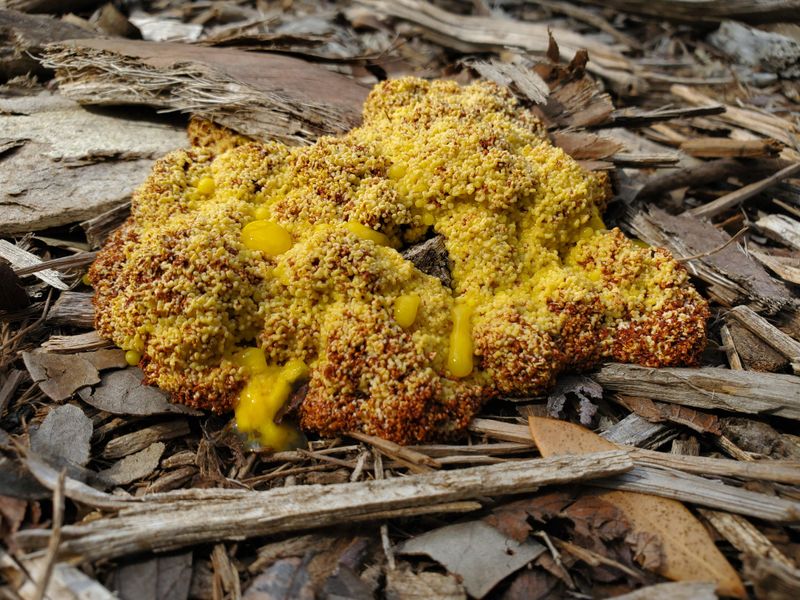
If the appearance of Fuligo septica bothers you, removal is straightforward and requires no special chemicals.
Simply scoop it up with a shovel or rake and dispose of it in your compost bin or trash.
The slime mold will eventually dry out on its own, turning into a crusty brown or gray powder that crumbles away.
Many homeowners in Florida choose to leave it alone since it disappears naturally within a few days or weeks.
Spraying it with water or breaking it apart speeds up the drying process if you want it gone faster.
Avoid using fungicides or pesticides because they won’t work on slime molds and might harm beneficial organisms.
Reducing moisture in problem areas by spreading out mulch or improving drainage can discourage future appearances.
Remember that removing Fuligo septica doesn’t prevent it from returning when conditions become favorable again.
Some people find the temporary nature of slime molds makes removal efforts unnecessary and wasteful.
Accepting these organisms as part of a healthy yard ecosystem saves time and avoids unnecessary work.
Choosing whether to remove or ignore Fuligo septica depends entirely on your personal preferences and comfort level.
When Slime Molds Appear And Disappear Throughout The Year
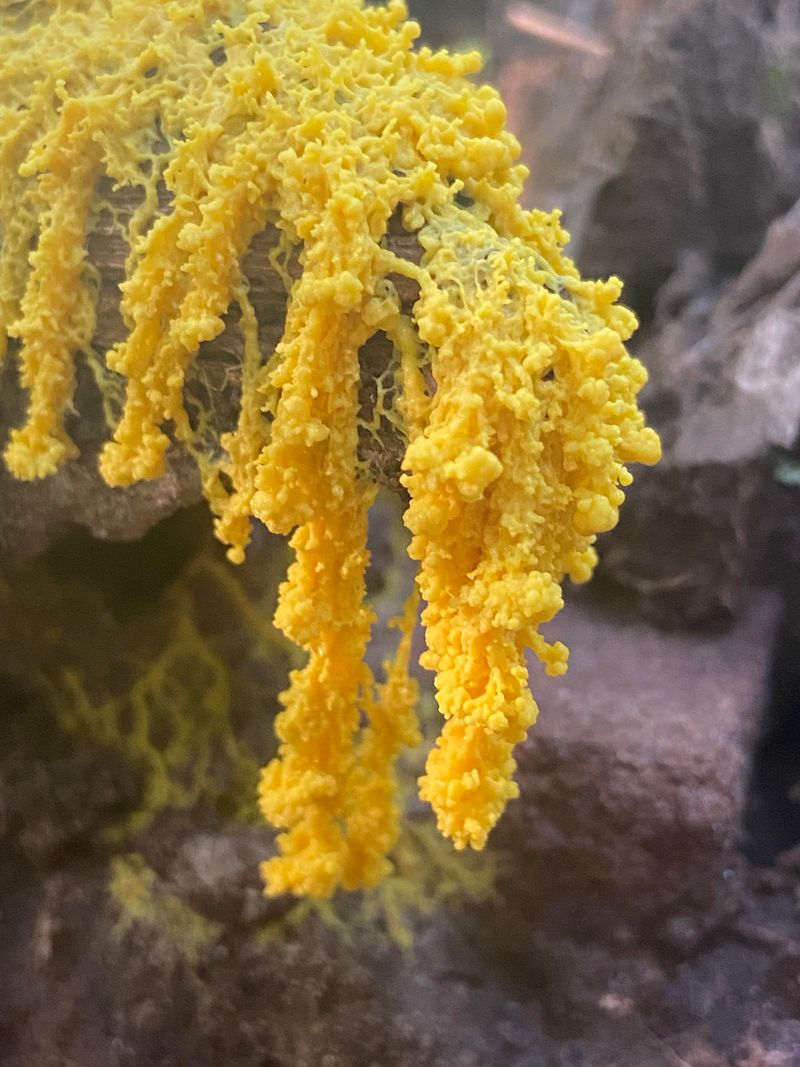
Fuligo septica typically shows up during Florida’s rainy season when moisture levels peak and temperatures stay warm.
Summer months bring frequent afternoon thunderstorms that keep yards damp for extended periods, triggering slime mold growth.
You might notice these orange blobs appearing suddenly after several days of rain or heavy morning dew.
As conditions dry out, the slime mold completes its life cycle and transforms into spore-producing structures.
These dried structures release microscopic spores that remain dormant until wet conditions return again.
Winter months in Florida tend to be drier, so slime mold sightings decrease significantly during that season.
However, unseasonably wet winters can still produce occasional appearances if temperatures stay mild enough.
Tracking when you see Fuligo septica helps you understand the seasonal patterns in your specific yard.
Some homeowners report seeing it in the same mulch beds year after year during predictable times.
Recognizing these cycles makes the organism feel less mysterious and more like a regular seasonal event.
Anticipating when slime molds might appear helps you prepare mentally and reduces surprise or concern when they show up.
Expert Perspectives On Why These Sightings Are Increasing
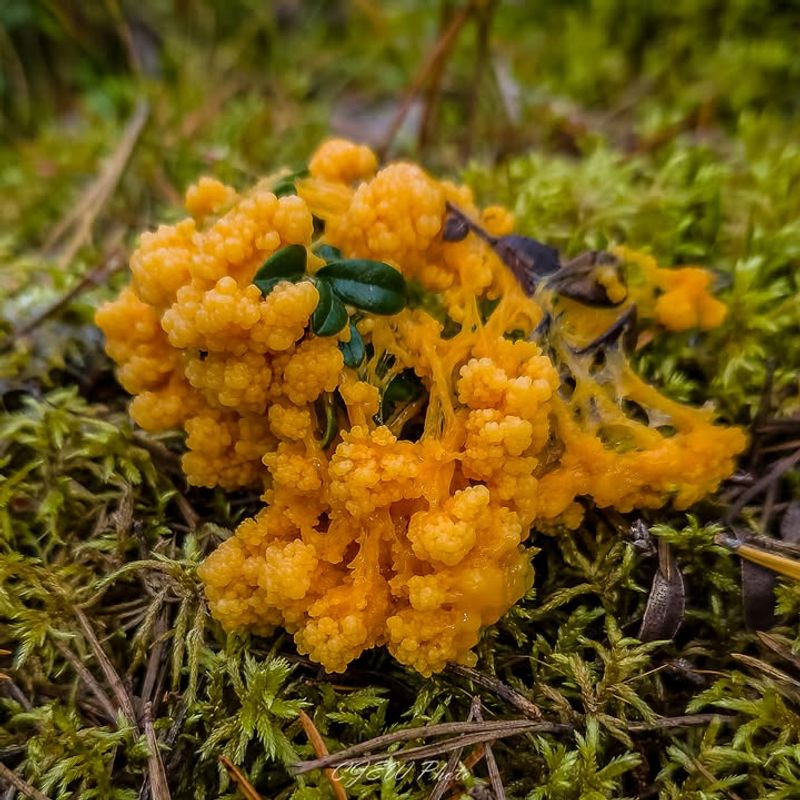
Scientists suggest that more people are noticing Fuligo septica simply because more homeowners are paying attention to their yards.
Social media allows residents to share photos instantly, creating the impression that sightings are becoming more frequent.
In reality, slime molds have always been present in Florida landscapes but often went unnoticed or unreported.
Increased use of mulch and wood chips in modern landscaping provides more habitat for these organisms to colonize.
Climate patterns showing wetter summers and more intense rainfall events may also support larger slime mold populations.
Experts emphasize that Fuligo septica is not invasive or spreading abnormally, just receiving more attention than before.
Better access to identification tools and online resources helps people recognize slime molds instead of dismissing them as mystery goo.
Extension offices across Florida report fielding more questions about slime molds, reflecting growing public awareness.
Rather than indicating an environmental problem, increased sightings show that people are engaging more with their local ecosystems.
Mycologists welcome this curiosity because it opens opportunities to educate communities about beneficial organisms.
Understanding expert perspectives helps separate genuine ecological changes from simple increases in public awareness and reporting.