Easy Gardening Tips To Prepare Your Texas Yard For 2026
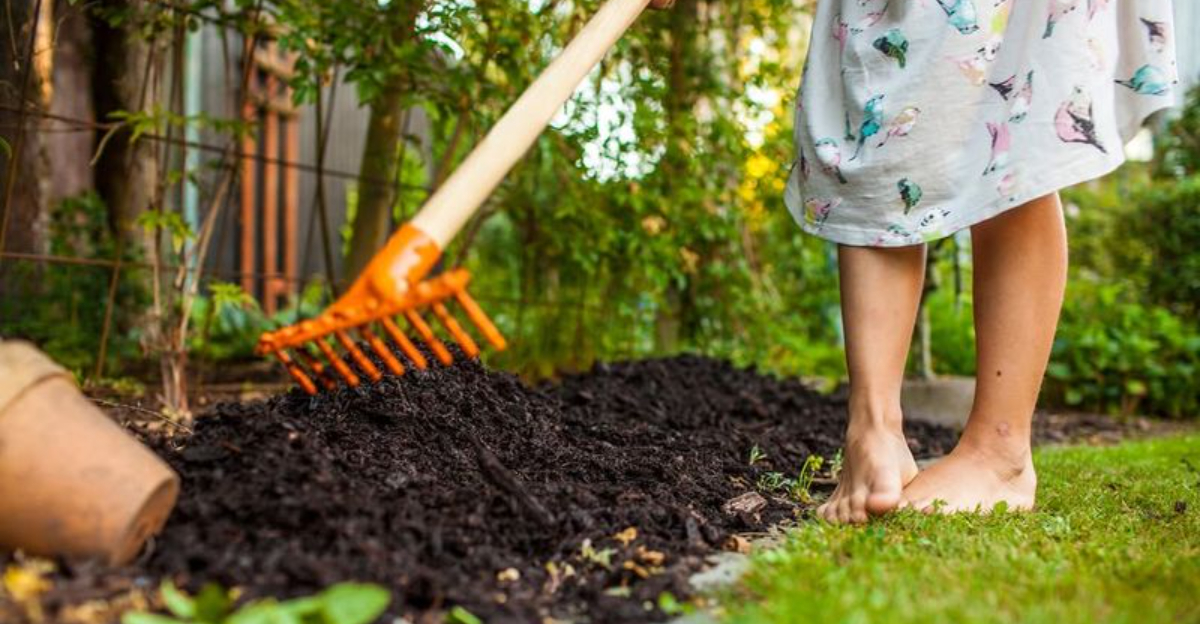
Getting a Texas yard ready for a new year can feel like gearing up for a marathon, not a quick jog around the block.
The climate keeps gardeners on their toes, throwing heat waves, hard freezes, dry spells, and sudden storms into the mix.
With 2026 on the horizon, a little early planning can make the difference between a yard that thrives and one that limps along all season.
Texas soil often needs a steady hand, and small steps taken now can pay off in spades once warmer months roll in.
A bit of cleanup, some smart watering habits, and attention to soil health can set the stage for stronger roots and healthier plants.
Even simple adjustments can shape how well gardens bounce back after winter and hold up through the long summer stretch.
Many homeowners find that preparing early keeps surprises to a minimum.
A yard with a good head start handles heat better, grows with more consistency, and demands less scrambling once the season kicks into high gear.
Getting ready for 2026 is all about working with Texas conditions instead of fighting them.
The right tips can help any yard look polished, resilient, and ready for whatever the new year brings.
1. Test Your Soil Before Planting Anything
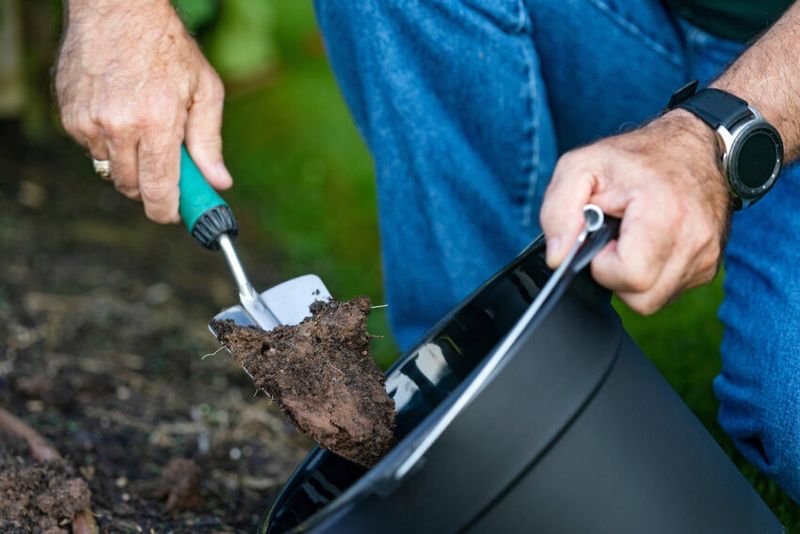
Understanding what’s actually in your ground is the foundation of successful gardening in Texas.
Soil testing reveals the pH level and nutrient content, which tells you exactly what your plants need to thrive.
Most Texas soils tend to be alkaline, especially in areas like Dallas and Austin, which affects how plants absorb nutrients.
You can pick up a simple testing kit from any garden center, or send a sample to your local Texas A&M AgriLife Extension office for detailed results.
The process takes just minutes, and the information you get back is incredibly valuable.
Once you know your soil’s makeup, you can add the right amendments like compost, sulfur, or lime to balance things out.
Think of it as giving your garden a health checkup before the growing season starts.
Plants growing in properly balanced soil develop stronger roots, resist pests better, and produce more flowers or vegetables.
Testing now means you’ll have time to adjust your soil chemistry before spring planting begins.
This one simple step prevents so many common gardening problems down the road.
Your plants will thank you with vibrant growth and better overall health throughout 2026.
2. Choose Native Texas Plants For Easy Care
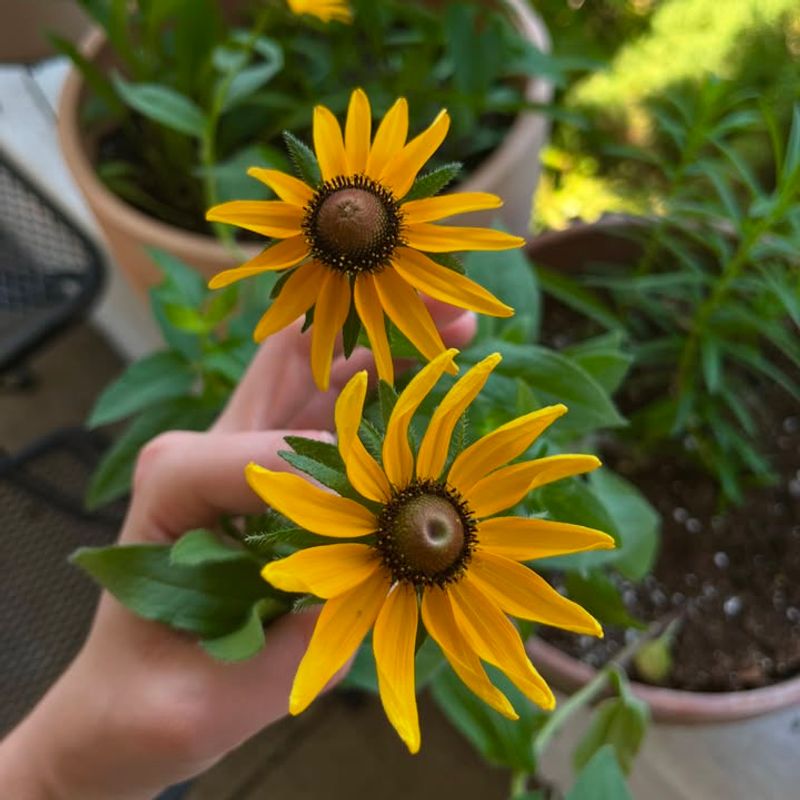
Native plants have spent thousands of years adapting to Texas conditions, making them the smartest choice for your yard.
These tough beauties need less water, fewer fertilizers, and can handle our extreme temperature swings without breaking a sweat.
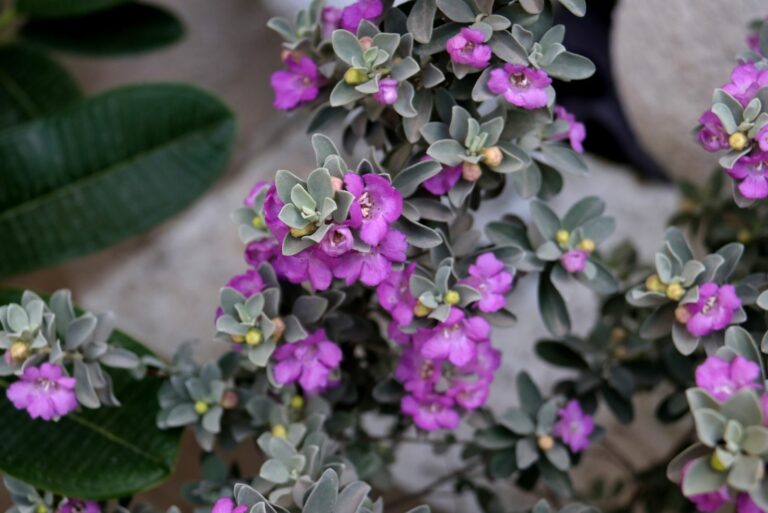
Bluebonnets, black-eyed Susans, and Texas sage are just a few examples that bring stunning color with minimal fuss.
When you plant natives, you’re working with nature instead of fighting against it.
They’ve already figured out how to survive droughts, clay soil, and our blazing summer heat.
Your Texas Garden Changes Every Week. Your Plan Should Too.
Gardening in Texas changes quickly throughout the season. Every Friday you’ll receive a simple weekly plan showing exactly what to plant, prune, fertilize, harvest, and protect so you never miss the right timing.
This means less time spent watering, weeding, and worrying about whether your plants will make it through the season.
Native plants also support local wildlife like butterflies, bees, and hummingbirds, turning your yard into a mini ecosystem.
Watching pollinators visit your garden adds an extra layer of enjoyment to your outdoor space.
Plus, many Texas natives bloom at different times, giving you color from spring through fall.
Garden centers across Texas now have dedicated native plant sections, making it easier than ever to find the right varieties for your area.
Starting with natives sets you up for gardening success with much less effort and expense throughout the year.
3. Install A Drip Irrigation System To Save Water
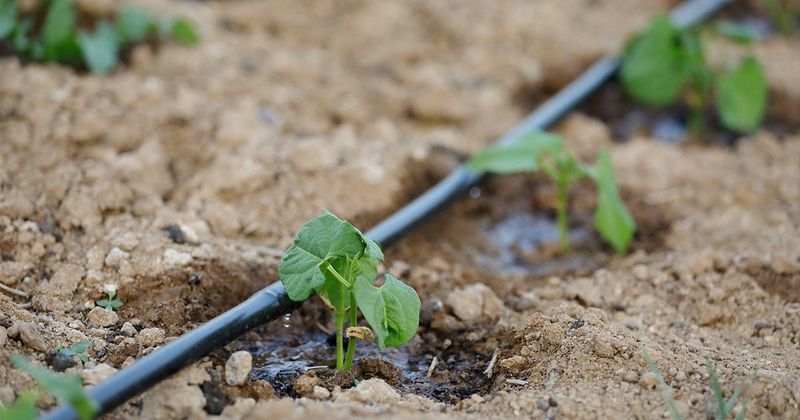
Water conservation matters everywhere, but in Texas, it’s absolutely essential for successful gardening.
Drip irrigation delivers water directly to plant roots, reducing waste and keeping your water bills reasonable.
This method uses up to 50 percent less water than traditional sprinklers while actually improving plant health.
Setting up a basic drip system is surprisingly straightforward, even if you’ve never done it before.
You’ll need tubing, emitters, and a timer, all available at hardware stores throughout Texas.
The tubing snakes through your garden beds, with small emitters placed near each plant to provide steady moisture.
Your plants grow stronger because they receive consistent watering without the stress of wet-dry cycles.
Drip systems also keep water off leaves, which helps prevent fungal diseases that love our humid Texas summers.
The soil stays evenly moist without becoming waterlogged or bone dry.
Many Texas cities offer rebates for installing water-efficient irrigation, so check with your local water utility before you buy.
A timer automates the whole process, meaning your garden gets watered even when you’re busy or away from home.
This investment pays for itself quickly through lower water bills and healthier, more productive plants that flourish all season long.
4. Add Compost To Improve Soil Quality
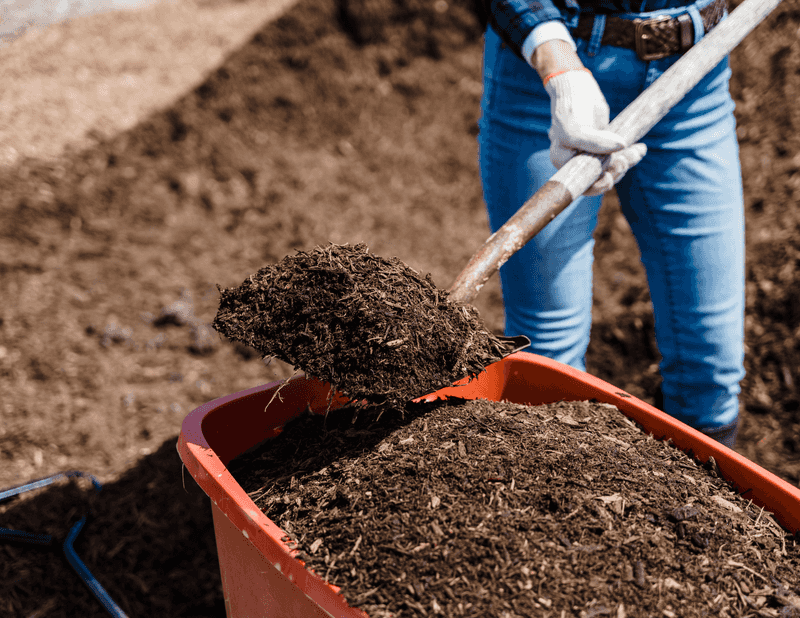
Compost works like magic for Texas gardens, transforming even the toughest clay soil into a plant-friendly environment.
This dark, crumbly material adds nutrients, improves drainage, and helps soil retain moisture during dry spells.
You can make your own from kitchen scraps and yard waste, or buy it by the bag or truckload from local suppliers.
Spreading a two to three inch layer of compost over your beds and working it into the top few inches creates an ideal growing medium.
The organic matter feeds beneficial microorganisms that break down nutrients for plant roots to absorb.
Clay soils, common across much of Texas, become lighter and easier to work with after regular compost additions.
Sandy soils benefit too, gaining the ability to hold onto water and nutrients instead of letting them drain away.
Plants growing in compost-enriched soil develop deeper root systems and show better resistance to pests and diseases.
The results become visible within weeks as your plants display richer color and more vigorous growth.
Making compost at home is budget-friendly and reduces household waste at the same time.
Texas heat actually speeds up the decomposition process, so your compost pile works faster than in cooler climates.
Adding compost now prepares your yard for a fantastic growing season ahead.
5. Mulch Garden Beds To Control Weeds And Temperature
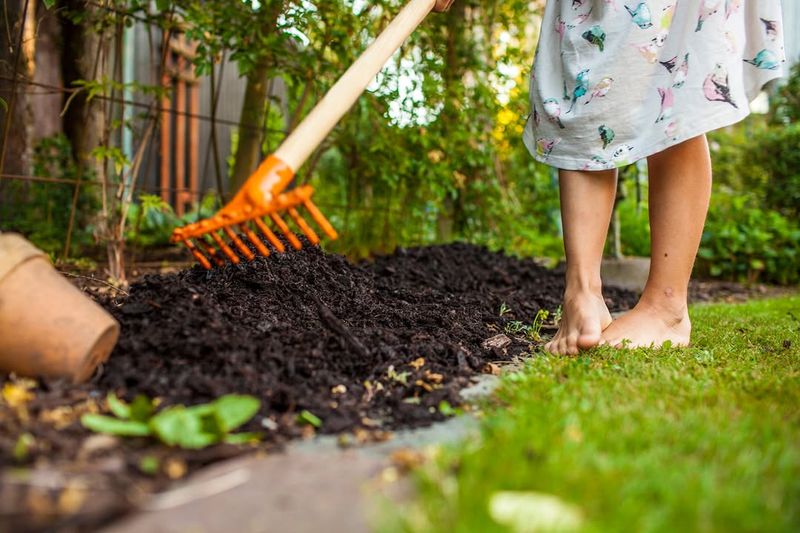
Mulch acts like a protective blanket for your Texas garden, solving multiple problems with one simple material.
A three to four inch layer keeps soil temperatures more stable, suppresses weeds, and locks in precious moisture.
Wood chips, pine needles, and shredded bark all work beautifully, breaking down slowly to add organic matter to your soil.
During scorching Texas summers, mulch keeps roots cooler by blocking direct sun from hitting the soil surface.
In winter, it provides insulation that protects plants from sudden temperature drops.
Weeds struggle to push through a good mulch layer, saving you countless hours of pulling and hoeing.
When rain or irrigation water hits mulched beds, it soaks in gradually instead of running off or evaporating quickly.
This means your plants get more benefit from every drop of water you provide.
Mulch also prevents soil from splashing onto leaves during heavy rains, reducing disease problems.
Many Texas cities offer free mulch made from chipped tree trimmings, making this an affordable improvement.
Apply mulch in early spring before weeds sprout and summer heat arrives.
Keep it pulled back a few inches from plant stems to prevent rot and pest issues.
Your garden will look neater, need less maintenance, and perform better throughout the entire year.
6. Prune Trees And Shrubs During Dormancy
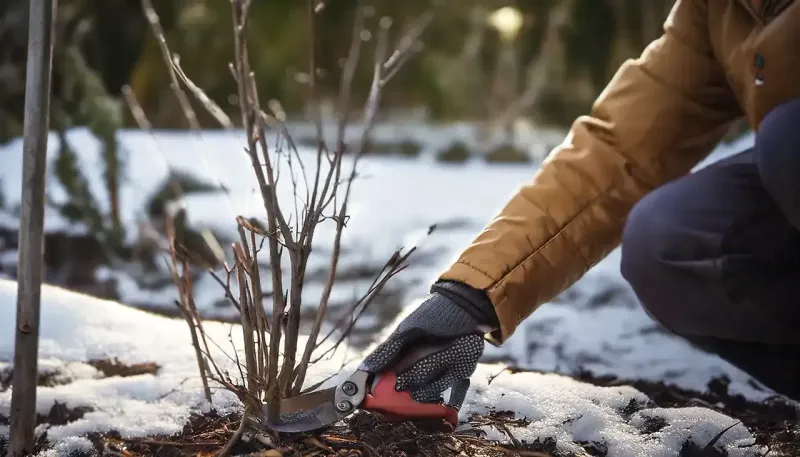
Late winter offers the perfect window for pruning most trees and shrubs in Texas yards.
Plants are dormant, which means they handle the stress of cutting much better than during active growth periods.
You can easily see the branch structure without leaves blocking your view, making it simpler to shape plants correctly.
Removing dry, damaged, or crossing branches improves air circulation and reduces disease problems.
Better airflow helps plants dry out faster after rain, which is especially important in humid Texas regions.
Proper pruning also directs energy toward healthy growth once spring arrives, resulting in fuller, more attractive plants.
Different plants have different pruning needs, so take a few minutes to research your specific varieties before you start cutting.
Spring-blooming shrubs like azaleas should wait until after they flower, but most other woody plants benefit from late winter trimming.
Use sharp, clean tools to make smooth cuts that heal quickly.
Remove no more than one-third of the plant at a time to avoid shocking it.
Step back frequently to check your progress and maintain a natural shape.
Well-pruned trees and shrubs grow stronger, look better, and produce more flowers or fruit.
Taking care of this task now prepares your Texas landscape for spectacular spring growth and sets the stage for a beautiful yard all year.
7. Plan For Shade In Hot Summer Areas

Texas summers bring intense heat that can stress both plants and people enjoying outdoor spaces.
Strategic shade planning makes your yard more comfortable and protects tender plants from scorching afternoon sun.
Trees, pergolas, shade cloth, and well-placed structures all contribute to creating cooler microclimates in your landscape.
Planting shade trees now gives them time to establish roots before the heat arrives.
Fast-growing options like Texas red oak or cedar elm provide relief within just a few years.
Position them on the west or southwest side of your home to block the most intense afternoon rays.
For vegetable gardens, consider temporary shade cloth that filters 30 to 50 percent of sunlight during peak summer months.
This simple addition can mean the difference between thriving tomatoes and stressed, unproductive plants.
Leafy greens especially appreciate some protection from our brutal midday sun.
Creating shaded seating areas encourages you to spend more time enjoying your garden instead of retreating indoors.
A pergola covered with climbing vines offers beauty along with practical cooling.
Even potted plants benefit from being grouped under taller specimens that provide natural shade.
Planning your shade strategy now ensures your Texas yard remains a pleasant, productive space even when temperatures soar into the triple digits.
8. Start A Vegetable Garden With Spring Crops
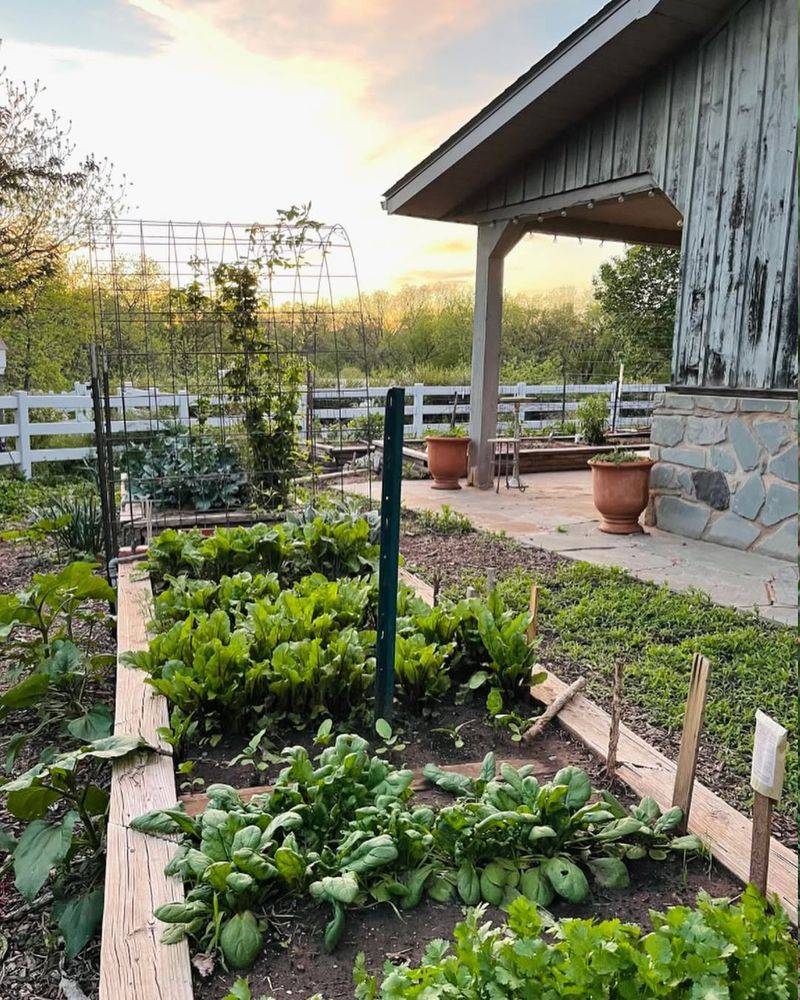
Growing your own vegetables in Texas is easier than you might think, especially when you start with spring favorites.
Tomatoes, peppers, squash, and beans all thrive in our long growing season and warm climate.
Fresh produce from your backyard tastes incredible and saves money at the grocery store throughout the year.
Preparing beds now means you’ll be ready to plant as soon as the last frost passes in your area.
North Texas gardeners typically wait until mid-March, while South Texas can start even earlier.
Raised beds work exceptionally well because they warm up faster and provide excellent drainage for vegetable roots.
Start with easy crops that forgive beginner mistakes and produce quickly.
Cherry tomatoes, zucchini, and herbs like basil practically grow themselves in Texas conditions.
Plant them in spots that receive at least six hours of sunlight daily for the best results.
Regular watering and occasional feeding with compost or organic fertilizer keep vegetables productive.
Many crops can be succession planted every few weeks, giving you continuous harvests rather than one big batch.
Kids love watching vegetables grow and taste better when they’ve helped with the planting.
Starting your vegetable garden this spring creates a rewarding hobby that provides fresh, healthy food for your family all season long.
9. Prepare For Pests With Natural Solutions
Texas gardens attract their fair share of hungry insects, but you don’t need harsh chemicals to keep them under control.
Natural pest management works with your garden’s ecosystem instead of disrupting it.
Encouraging beneficial insects, using physical barriers, and choosing resistant plant varieties all help maintain balance without toxic sprays.
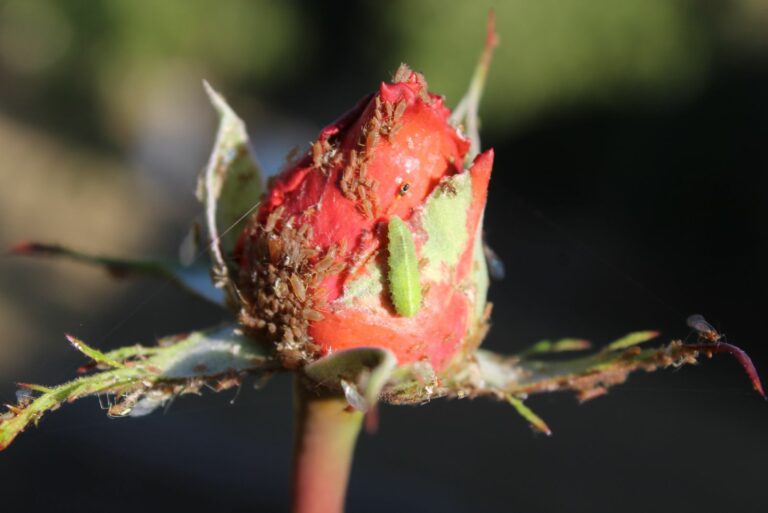
Ladybugs, lacewings, and praying mantises are garden superheroes that feast on aphids, caterpillars, and other troublemakers.
Planting flowers like yarrow, dill, and cosmos attracts these helpful bugs to your yard.
Once they move in, they provide free, ongoing pest control throughout the growing season.
Companion planting works surprisingly well in Texas gardens too.
Marigolds near vegetables repel certain insects, while strong-smelling herbs like rosemary confuse pests searching for their favorite plants.
Row covers protect young seedlings from beetles and other leaf-munchers until plants grow strong enough to handle some damage.
Handpicking larger pests like tomato hornworms takes just minutes and prevents significant damage.
Insecticidal soaps and neem oil offer effective solutions for serious infestations without harming beneficial creatures.
Healthy, well-fed plants naturally resist pests better than stressed ones.
Setting up these natural defenses now creates a balanced Texas garden where plants and beneficial insects work together, keeping problems manageable all year long.