Why Fire Ant Activity Is Increasing Around Texas Plants This Month
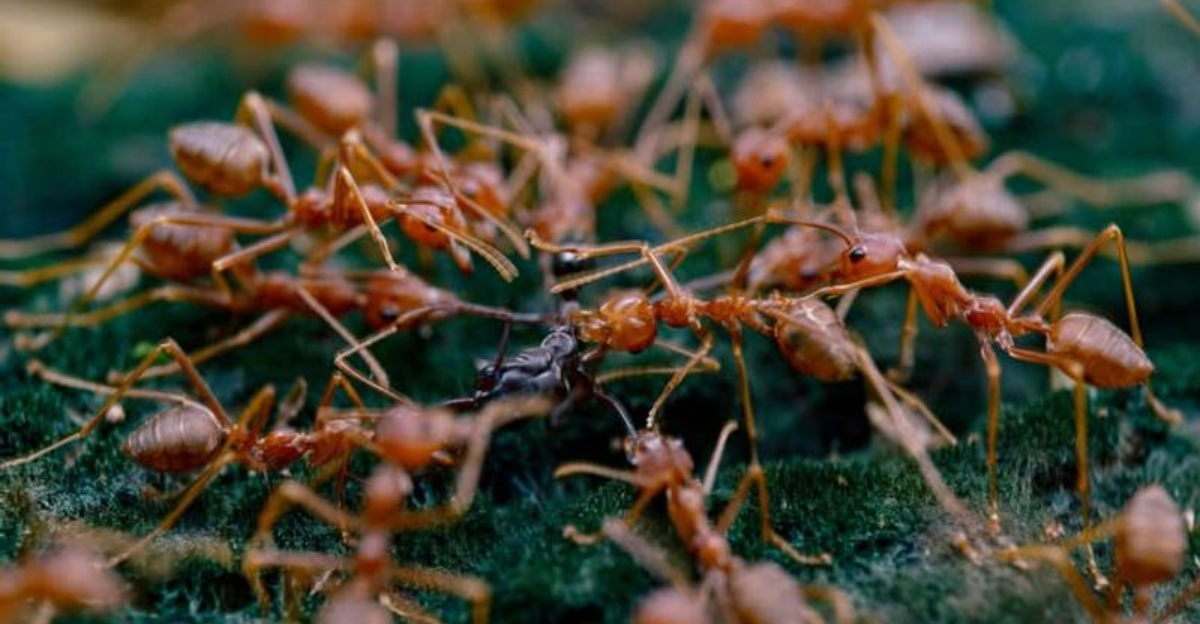
Fire ants have a way of turning quiet Texas gardens into high-alert zones overnight.
One week the soil looks smooth and calm, the next it’s dotted with fresh mounds popping up like unwanted speed bumps.
When fire ant activity ramps up around plants, it rarely happens without a reason.
Texas weather plays a big role in this sudden uptick.
Shifts in rain, temperature, and soil moisture can send ants scrambling to higher ground or closer to reliable food sources.
Garden beds, mulched areas, and well-watered plants often fit the bill.
To fire ants, these spots look like prime real estate with room to expand.
Homeowners notice faster movement, larger mounds, and ants climbing stems or circling roots.
This can feel unsettling, especially when plants start showing stress or people worry about painful stings.
Ignoring the problem often lets colonies grow stronger and more spread out.
Understanding why fire ant activity increases helps gardeners respond with a level head.
These ants follow patterns tied to seasonal changes, not chance.
Knowing what draws them in can help protect plants, reduce surprises, and keep Texas gardens from turning into battlegrounds during peak ant months.
1. Warmer Soil Temperatures Boost Colony Activity
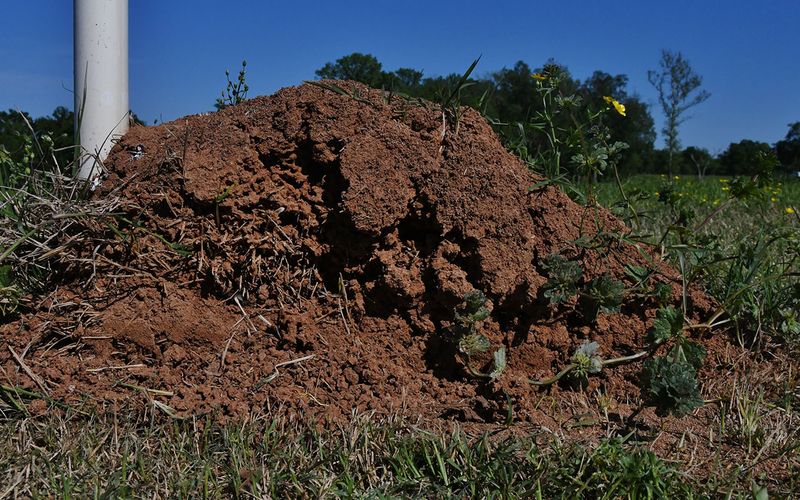
Spring temperatures in Texas create perfect conditions for fire ant colonies to wake up and get busy.
Soil that stayed cool during winter months now warms quickly under the bright sun, triggering increased activity throughout entire colonies.
Fire ants prefer soil temperatures between 70 and 95 degrees Fahrenheit, which Texas typically reaches during spring months.
When ground temperatures hit this sweet spot, worker ants become much more active in searching for food, expanding tunnels, and protecting their queen.
Your garden beds, which receive plenty of sunlight and retain heat well, become prime real estate for these insects.
Plants growing in these warm areas provide convenient landmarks for fire ant foraging trails.
The insects establish routes from their mounds to nearby vegetation where they hunt for other insects, collect plant nectar, and gather seeds.
Texas gardeners often notice increased mound building near roses, vegetable plants, and ornamental shrubs during this temperature shift.
Warmer soil also speeds up the development of fire ant eggs and larvae inside the colony.
Queens increase their egg-laying rates when conditions improve, leading to population explosions within just a few weeks.
A single colony can grow from a few thousand ants to over 200,000 members during peak activity periods.
Monitoring soil temperature helps predict when fire ant problems might worsen around your Texas property.
Using a simple soil thermometer in your garden beds gives you advance warning when conditions become ideal for these pests, allowing you to take preventive action before populations explode.
2. Increased Rainfall Creates Perfect Nesting Conditions
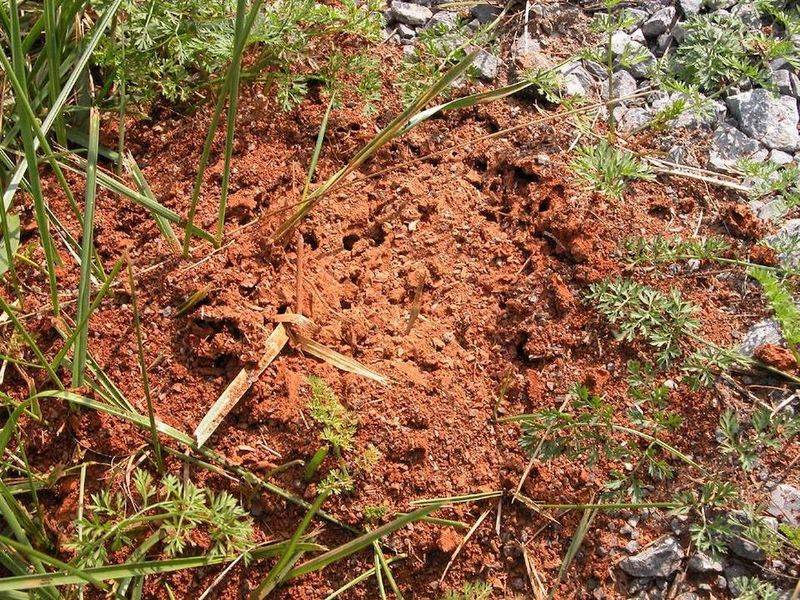
Recent rainfall patterns across Texas have created moisture levels that fire ants absolutely love for building and expanding their underground homes.
After dry winter conditions, spring showers saturate the soil just enough to make digging easier while still providing the drainage these insects need.
Your Texas Garden Changes Every Week. Your Plan Should Too.
Gardening in Texas changes quickly throughout the season. Every Friday you’ll receive a simple weekly plan showing exactly what to plant, prune, fertilize, harvest, and protect so you never miss the right timing.
Fire ants construct elaborate tunnel systems that can extend several feet underground, and moist soil allows them to excavate more efficiently than dry, hard-packed earth.
The insects move dirt particles more easily when moisture binds the soil together, helping them create stable tunnels and chambers.
Texas landscapes with good drainage near plant beds become especially attractive because water doesn’t pool and flood their nests.
Rainfall also brings fire ants closer to the surface and near your plants.
When heavy rains threaten to flood deep tunnels, entire colonies relocate upward, building new mounds right next to shrubs, trees, and flower beds where roots help stabilize the soil.
Homeowners throughout Texas often discover fresh mounds appearing overnight after spring storms.
The moisture supports plant growth, which in turn attracts more insects that fire ants prey upon.
Aphids, caterpillars, and other plant-feeding bugs become more abundant around well-watered vegetation, providing protein-rich food sources that support growing fire ant colonies.
This creates a cycle where plants, moisture, and prey insects all concentrate fire ant activity in garden areas.
Managing water application in your Texas yard can help reduce fire ant attraction.
Avoiding overwatering and ensuring proper drainage around plant beds makes these areas less appealing for nest construction while still keeping your vegetation healthy.
3. Spring Plant Growth Attracts Insect Prey
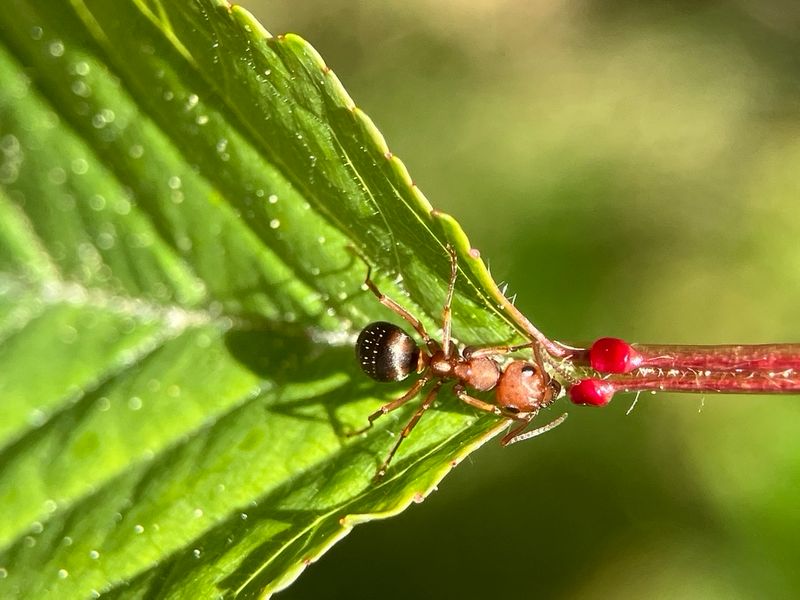
Your thriving spring garden becomes an all-you-can-eat buffet for fire ants as plants burst into new growth across Texas.
Fresh leaves, buds, and stems attract countless insects that fire ants hunt as their primary protein source, drawing these aggressive foragers directly to your prized plants.
Aphids cluster on tender new shoots, caterpillars munch on young leaves, and various beetles explore flowering plants during spring months.
Fire ants patrol plant stems and foliage searching for these soft-bodied insects, which they capture and carry back to feed developing larvae in their colonies.
A single fire ant colony can consume thousands of small insects each day when food sources are plentiful.
Texas vegetable gardens experience particularly heavy fire ant traffic because crops like tomatoes, peppers, and squash support large populations of plant-eating insects.
The ants establish permanent trails leading from underground nests directly up plant stems, creating highways of activity that gardeners notice immediately.
These trails can damage young plants when hundreds of ants repeatedly climb the same stems.
Fruit trees and ornamental plants also draw fire ant attention during bloom periods.
The insects collect nectar from flowers while simultaneously hunting for pollinators and other insects visiting the blossoms.
This dual attraction makes flowering plants in Texas landscapes especially prone to fire ant activity during peak spring growth.
Understanding this food-driven behavior helps explain why fire ant problems seem worse near healthy, thriving plants.
The same conditions that make your Texas garden beautiful also create abundant food resources that support larger, more active fire ant colonies in surrounding soil.
4. Colony Reproduction Cycles Peak This Season
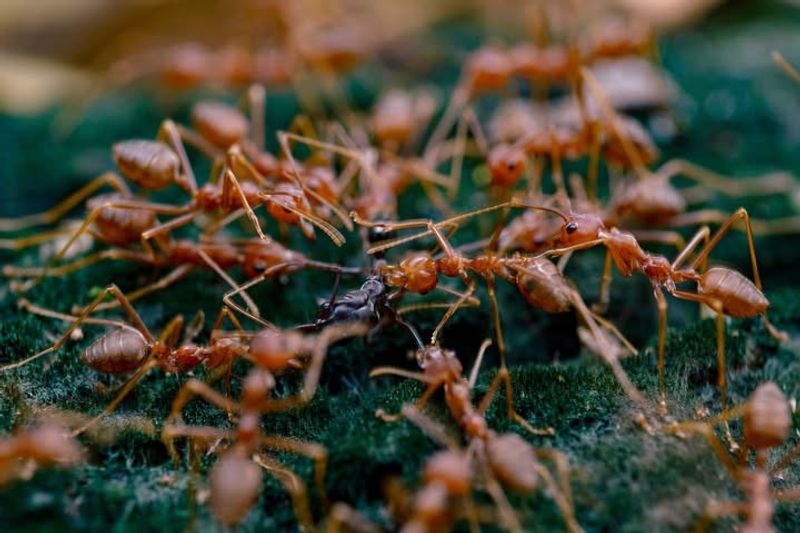
Fire ant colonies throughout Texas enter their busiest reproductive phase during spring months, causing dramatic increases in both ant numbers and aggressive behavior around your plants.
Queens ramp up egg production while colonies prepare to send out winged reproductives that will establish new nests nearby.
A mature fire ant colony can produce hundreds of winged males and females during peak reproductive season.
These special ants require extra food to develop properly, pushing worker ants to forage more aggressively around nearby vegetation.
Texas gardeners notice increased ant trails and more defensive behavior as colonies work overtime to support their growing populations.
Worker ants protect their expanding colonies more fiercely during reproduction periods, which explains why you might experience more stings when working near plants this month.
The insects perceive any disturbance as a threat to their precious developing queens and react with coordinated attacks.
Even minor vibrations from walking near a mound can trigger defensive swarms.
After mating flights occur, newly fertilized queens land throughout Texas landscapes looking for suitable spots to dig their first chambers.
Areas near established plants offer protection, moisture, and immediate access to food sources, making your garden beds prime targets for new colony establishment.
One property can quickly develop multiple fire ant problems as these new queens settle in.
Reproductive cycles also mean existing colonies grow exponentially in size.
A single queen can lay up to 1,500 eggs daily under optimal conditions, and with spring providing ideal temperatures and food availability, Texas colonies expand rapidly.
What started as a small mound near your roses can become a massive colony within weeks.
5. Honeydew Production From Plant Pests
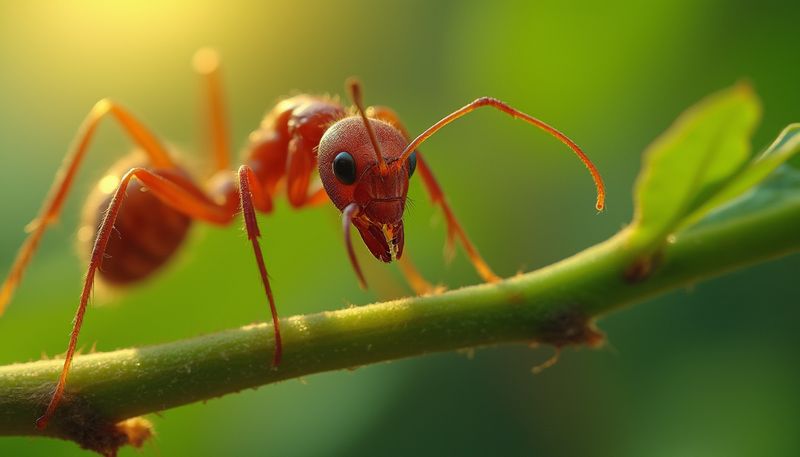
Many Texas gardeners don’t realize that fire ants actually farm certain plant pests for their sweet secretions, creating a symbiotic relationship that concentrates ant activity around infested vegetation.
Aphids, scale insects, and mealybugs produce honeydew, a sugary liquid waste that fire ants crave as their primary carbohydrate source.
Fire ants protect these honeydew-producing insects from predators like ladybugs and lacewings, essentially keeping their own livestock.
The ants stroke aphids with their antennae to stimulate honeydew production, then consume the sweet droplets immediately.
This behavior brings fire ants into direct contact with your plants multiple times daily as they tend their herds.
Spring growth in Texas coincides with explosive aphid populations on roses, crepe myrtles, vegetables, and many ornamental plants.
As aphid numbers increase, so does the amount of honeydew available, attracting larger numbers of fire ants to affected plants.
A heavily infested plant can support dozens of fire ants simultaneously, all competing for access to this valuable food source.
The relationship creates a vicious cycle for Texas plant owners.
Fire ant protection allows aphid populations to grow unchecked, causing more plant damage and producing even more honeydew.
Meanwhile, the abundant food source supports larger fire ant colonies that build mounds closer to infested plants for convenient access.
Controlling aphids and other honeydew-producing pests helps reduce fire ant attraction to your Texas plants.
Regular inspection of foliage, particularly new growth and undersides of leaves, allows you to spot pest problems early before they attract significant fire ant attention to your garden areas.
6. Disturbed Soil From Spring Gardening Activities
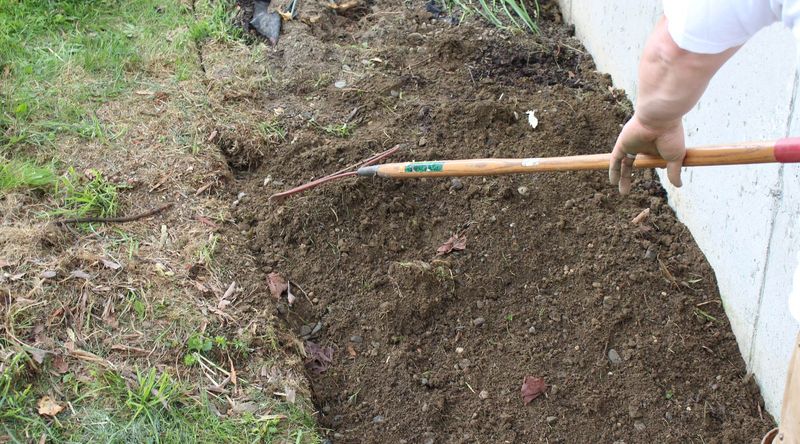
Your enthusiasm for spring planting and garden maintenance inadvertently triggers increased fire ant activity throughout Texas landscapes.
Tilling, digging, planting, and mulching all disturb established fire ant colonies, causing defensive responses and forcing the insects to relocate closer to your plants.
Fire ants build extensive underground tunnel networks that extend far beyond the visible mound on the surface.
When you dig a new flower bed or turn compost into your vegetable garden, you likely break into these hidden passages without even seeing the main nest.
The disruption sends alarm pheromones throughout the colony, bringing hundreds or thousands of aggressive workers to the surface within minutes.
Disturbed colonies don’t simply disappear after you finish your Texas gardening projects.
Instead, they often rebuild their mounds right next to your newly installed plants, taking advantage of the loosened, aerated soil you’ve prepared.
The soft earth makes excavation easy, and your plants provide immediate landmarks for reestablishing foraging trails.
Installing new landscape plants creates additional disturbance that attracts fire ant attention.
The planting holes, amended soil, and regular watering of new additions create ideal conditions for nest building.
Texas homeowners frequently discover fire ant mounds appearing within days of completing spring landscaping projects.
Even routine maintenance like edging beds, spreading mulch, or removing weeds can disturb satellite colonies or foraging ants.
The increased human activity around plants during spring months means more encounters with fire ants that are already more active due to seasonal conditions.
Wearing protective clothing and checking for mounds before starting yard work helps Texas gardeners avoid painful stings during spring maintenance activities.
7. Mulch And Organic Matter Provide Shelter

That fresh layer of mulch you spread around your Texas plants to conserve moisture and suppress weeds also creates five-star accommodations for fire ant colonies.
Organic mulches like wood chips, pine straw, and shredded bark provide insulation, moisture retention, and protection that fire ants find irresistible.
Mulch layers maintain more consistent soil temperatures and moisture levels than bare ground, creating stable conditions that fire ants prefer for raising their young.
The material shields the soil surface from temperature extremes while allowing adequate air circulation, essentially creating a perfect microclimate for colony development.
Texas fire ants quickly discover these premium nesting sites and move in.
Decomposing organic matter in mulch attracts numerous insects and other small creatures that fire ants prey upon.
Beetles, millipedes, earwigs, and springtails thrive in mulched areas, providing abundant protein sources right outside the colony entrance.
Your mulched flower beds and tree rings become hunting grounds where fire ants forage efficiently without traveling far from their nests.
Thick mulch layers also hide fire ant mounds from view, allowing colonies to grow large before Texas homeowners notice their presence.
The ants build their mounds underneath the mulch, with only small entrance holes visible on the surface.
By the time you discover the problem, the colony may contain tens of thousands of ants living inches from your plant stems.
Managing mulch application helps reduce fire ant problems around Texas plants.
Keeping mulch layers thin, pulling material back from plant stems, and regularly inspecting mulched areas for ant activity allows you to catch infestations early before they become established and threaten your garden.