8 Reasons To Apply Baking Soda Around Florida Lawns This Winter
Winter in Florida may not bring snowdrifts or icy sidewalks, but lawns still face their own set of seasonal curveballs.
Cooler nights, shifting moisture, and slower growth can leave grass looking tired around the edges.
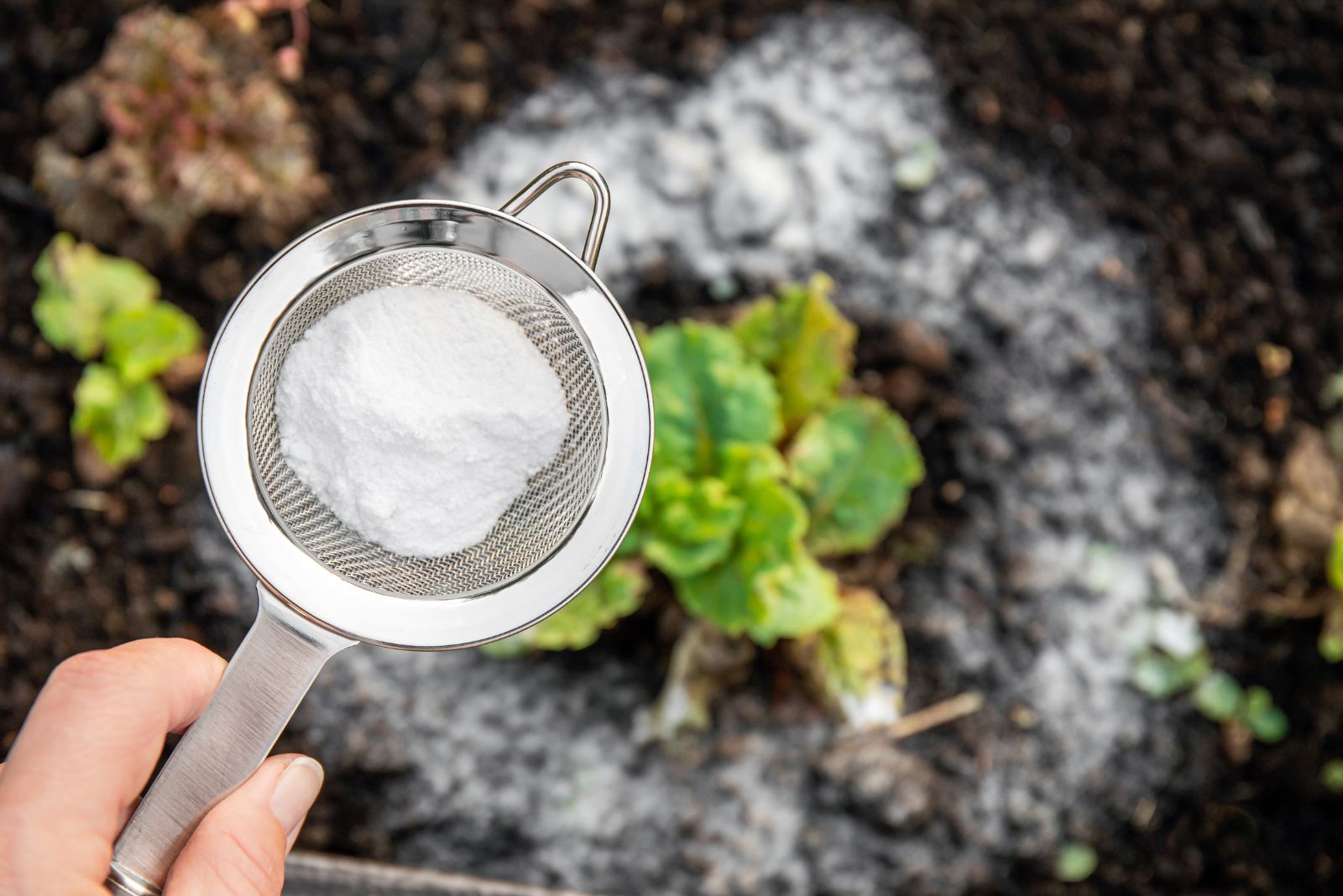
Many homeowners turn to simple, low-cost tricks to keep their lawns in fighting shape, and baking soda often ends up at the center of that toolbox.
It may sit quietly in a kitchen pantry most of the year, yet once winter rolls in, it can become a surprisingly handy ally.
Florida’s warm days and mild winters create a breeding ground for certain lawn troubles that like to sneak in when attention drops.
Grass can struggle with lingering moisture, stubborn spots, and issues that are easier to tame before spring growth kicks into high gear.
A pinch of baking soda can help tip the scales, giving turf a small push in the right direction.
The beauty of this approach is its simplicity.
No fancy equipment, no complicated mixtures, just a household staple used with care and purpose.
For Florida lawns that need a gentle nudge through the winter months, a little baking soda can go a long way in keeping grass healthy, steady, and ready for spring’s return.
1. Controls Fungal Growth In Humid Florida Conditions
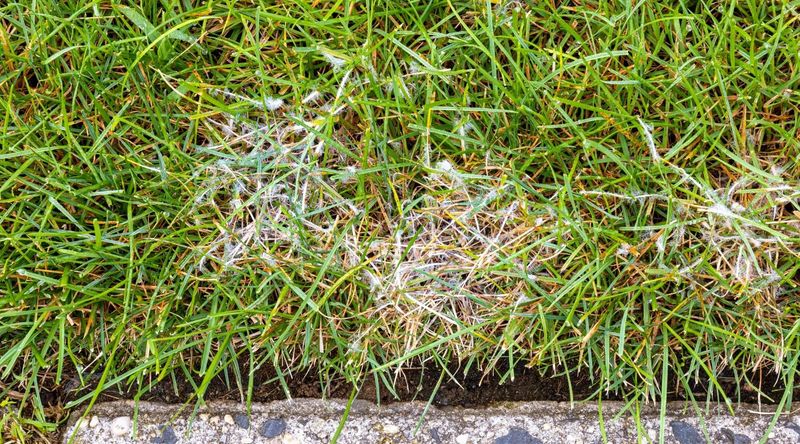
Fungal diseases thrive in Florida’s naturally humid climate, even during the cooler winter months when moisture lingers on grass blades longer than in summer.
Baking soda acts as a natural fungicide that disrupts the growth cycle of common lawn fungi without introducing toxic chemicals into your yard.
When mixed with water and sprayed on affected areas, it changes the pH level on the grass surface, creating an environment where fungi struggle to survive.
Many Florida homeowners notice brown patches, dollar spot, or powdery mildew appearing on their lawns during winter.
These fungal problems can spread quickly if left untreated, damaging large sections of your carefully maintained turf.
Applying a baking soda solution every two weeks helps prevent these issues before they become serious problems.
The treatment works particularly well in coastal Florida regions where salt spray and ocean breezes create additional moisture challenges.
Unlike commercial fungicides that may harm beneficial soil organisms, baking soda targets only the problematic fungi.
Your lawn stays healthier throughout winter, maintaining its rich green color instead of developing unsightly discolored spots.
Mix one tablespoon of baking soda per gallon of water for best results.
Spray during early morning hours when dew is present but temperatures are mild.
This simple practice protects your Florida lawn from fungal damage all winter long.
2. Neutralizes Acidic Soil Common In Florida Yards
Florida soils tend to be naturally acidic due to heavy rainfall and the decomposition of organic materials like pine needles and oak leaves.
Acidic soil prevents grass from absorbing essential nutrients, leading to weak growth and pale coloring even when you fertilize regularly.
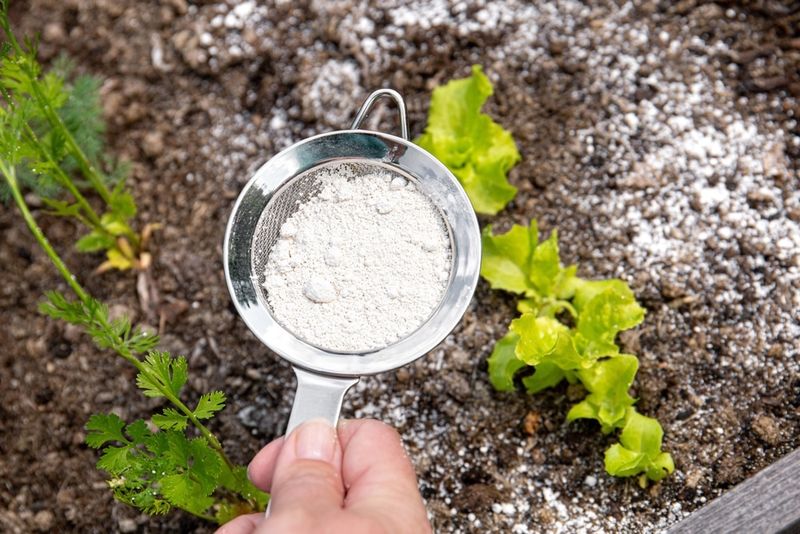
Baking soda contains sodium bicarbonate, which raises soil pH levels and creates better growing conditions for most lawn grass varieties.
Your Florida Garden Changes Every Week. Your Plan Should Too.
Gardening in Florida changes quickly throughout the season. Every Friday you’ll receive a simple weekly plan showing exactly what to plant, prune, fertilize, harvest, and protect so you never miss the right timing.
Testing your soil pH should be the first step in any winter lawn care routine across Florida.
If results show readings below 6.0, your grass is likely struggling to access nitrogen, phosphorus, and other vital nutrients.
A light application of baking soda can gradually bring pH levels into the ideal range of 6.5 to 7.0.
Homeowners in central and northern Florida often deal with more acidic conditions than those in southern regions.
The winter season provides an excellent opportunity to address this imbalance before spring growth begins.
Applying baking soda now means your lawn will be ready to flourish when warmer weather returns.
Spread baking soda evenly using a broadcast spreader at a rate of one pound per 500 square feet.
Water thoroughly after application to help the compound penetrate the soil.
Retest pH levels after six weeks to monitor improvement and adjust future applications accordingly for optimal Florida lawn health.
3. Reduces Weed Growth Without Harsh Chemicals
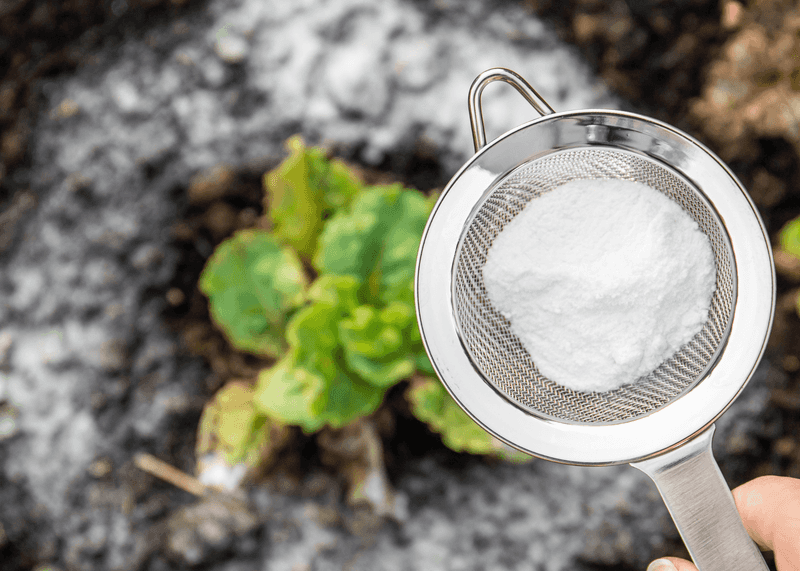
Winter weeds like chickweed, henbit, and annual bluegrass invade Florida lawns when temperatures drop and competition from warm-season grasses decreases.
These unwanted plants steal water, nutrients, and sunlight from your desirable turf.
Baking soda offers a targeted approach to managing weeds without resorting to synthetic herbicides that might damage your lawn or harm the environment.
Applying baking soda directly to weed foliage causes dehydration by drawing moisture from plant cells.
This method works best on young, actively growing weeds rather than established plants with deep root systems.
Florida homeowners appreciate this gentle approach, especially those with children and pets who use the yard regularly.
The key to success lies in precise application rather than broadcasting baking soda across your entire lawn.
Sprinkle small amounts directly onto weed leaves during dry weather for maximum effectiveness.
Avoid getting too much on surrounding grass, though established turf can tolerate occasional contact better than delicate weeds.
Repeat applications every few days until weeds begin to wither and brown.
This natural method takes slightly longer than chemical herbicides but provides peace of mind about what you’re putting on your Florida property.
Combining baking soda treatments with proper mowing height and adequate fertilization creates a thick lawn that naturally resists weed invasion throughout winter and beyond.
4. Deters Ants And Other Common Lawn Pests
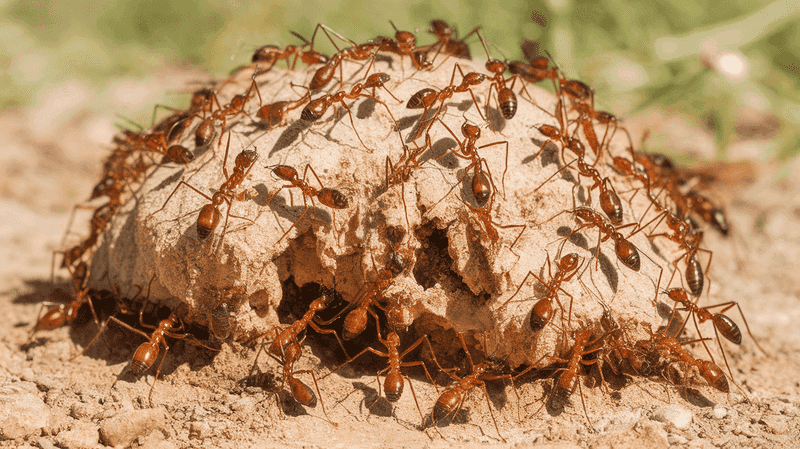
Fire ants remain active in Florida throughout winter, building unsightly mounds and delivering painful stings to unsuspecting homeowners.
These aggressive insects can quickly take over a yard if left unchecked during the cooler months.
Baking soda disrupts ant colonies by interfering with their digestive systems when they carry the powder back to their nests.
Mixing equal parts baking soda and powdered sugar creates an effective bait that attracts ants while addressing the infestation.
The sugar draws them in, while the baking soda works its magic once consumed.
This combination provides a safer alternative to toxic pesticides, particularly important for Florida families who enjoy outdoor activities year-round.
Other lawn pests like chinch bugs and sod webworms also respond to baking soda applications, though results vary by species.
The alkaline nature of the compound creates an inhospitable environment on grass surfaces where many pests prefer to feed.
Regular applications during winter help keep pest populations under control before they explode in spring.
Sprinkle baking soda directly on ant mounds and around their perimeter in the early morning.
Reapply after rain or heavy dew, as moisture washes away the treatment.
Many Florida homeowners report significant reduction in ant activity within days of starting this natural pest management approach for their winter lawn care routine.
5. Improves Water Absorption In Sandy Florida Soil
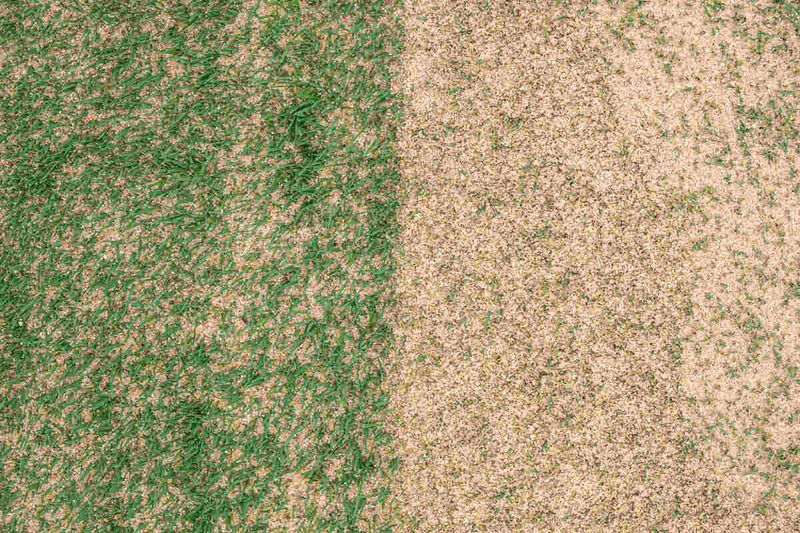
Sandy soil dominates much of Florida, particularly in coastal and central regions where water drains away quickly after irrigation or rainfall.
This rapid drainage means grass roots struggle to access moisture during dry winter spells that occasionally occur across the state.
Baking soda helps improve soil structure by encouraging the formation of stable aggregates that retain water more effectively.
When incorporated into sandy soil, sodium bicarbonate interacts with clay particles and organic matter to create better moisture-holding capacity.
Your lawn requires less frequent watering, which conserves resources and reduces your water bill during winter months.
Florida’s water restrictions in some counties make this benefit particularly valuable for environmentally conscious homeowners.
The compound also helps prevent water from pooling on the surface by improving soil permeability.
Proper drainage combined with better retention creates ideal conditions for healthy root development throughout winter.
Stronger roots mean your grass will be more resilient when summer heat and drought stress arrive.
Work baking soda into the top two inches of soil using a rake or aerator before winter planting or overseeding.
Use approximately two pounds per 1,000 square feet for sandy Florida soils.
Combine this treatment with organic compost for even better results, creating a lawn that stays greener with less maintenance throughout the entire year.
6. Eliminates Unpleasant Odors From Pet Areas
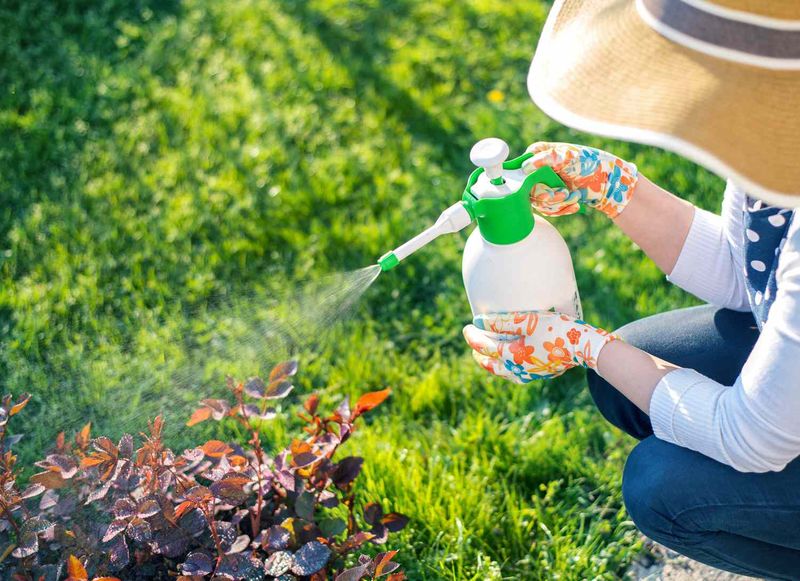
Pet owners across Florida know that dogs and cats create concentrated areas of urine that produce strong odors and brown spots on lawns.
Winter’s cooler temperatures and occasional rain help somewhat, but odor problems persist in frequently used pet areas.
Baking soda naturally absorbs and neutralizes these unpleasant smells rather than simply masking them with artificial fragrances.
The compound works by chemically binding with odor-causing molecules, rendering them neutral and eliminating the source of the smell.
This process happens quickly when baking soda comes into direct contact with affected soil and grass.
Florida’s mild winter weather allows pets to spend plenty of time outdoors, making odor control an ongoing concern for many homeowners.
Applying baking soda to pet areas also helps reduce the nitrogen burn that causes unsightly yellow patches in your lawn.
The alkaline properties help balance the highly acidic nature of pet urine before it damages grass roots.
Regular treatment keeps these high-traffic zones looking as healthy as the rest of your yard.
Sprinkle a generous layer of baking soda over pet areas twice weekly during winter months.
Water lightly after application to help the powder penetrate the soil surface.
Many Florida pet owners notice fresher-smelling yards and improved grass recovery in problem areas within just a few weeks of starting this simple maintenance routine.
7. Provides Safe Ice Alternative For Rare Cold Snaps
While freezing temperatures rarely occur in most of Florida, northern regions occasionally experience frost or light ice during winter cold fronts.
Traditional ice-melting products contain harsh salts that damage grass and plants along sidewalks and driveways.
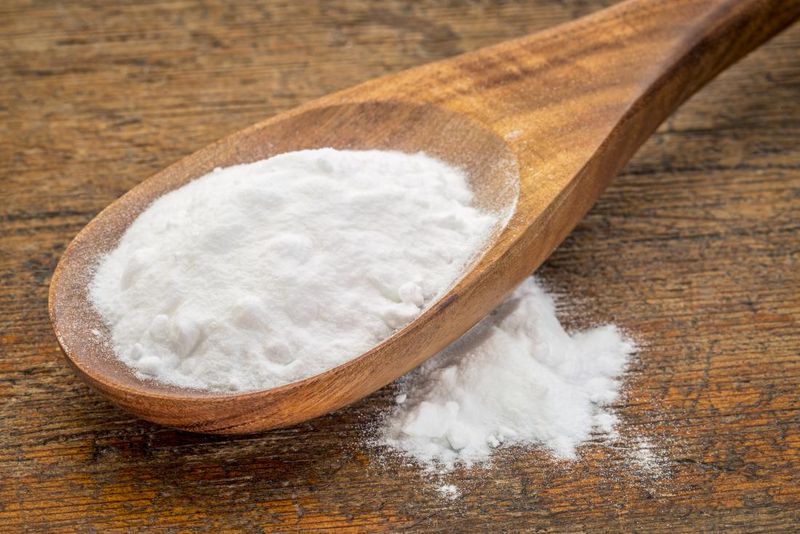
Baking soda provides a gentler alternative that improves traction without harming your carefully maintained lawn or surrounding vegetation.
Rock salt and calcium chloride leave behind residues that accumulate in soil and cause long-term damage to grass roots and beneficial organisms.
These chemicals also pose risks to pets who walk across treated surfaces and then lick their paws.
Florida homeowners who experience occasional freezing conditions appreciate having a safer option readily available in their homes.
Baking soda won’t melt ice as aggressively as commercial products, but it creates a rough surface that prevents slipping on frosty walkways.
The compound breaks down harmlessly in soil without contributing to salt buildup or pH problems.
This makes it ideal for areas where grass meets hardscaping throughout your Florida property.
Keep a container of baking soda near your door during winter months for quick application when unexpected cold weather arrives.
Spread it liberally on icy patches along lawn edges, walkways, and driveways.
Sweep or rinse away excess once temperatures rise, knowing you’ve protected both your family’s safety and your lawn’s health during Florida’s unpredictable winter weather patterns.
8. Enhances Compost Quality For Spring Lawn Feeding
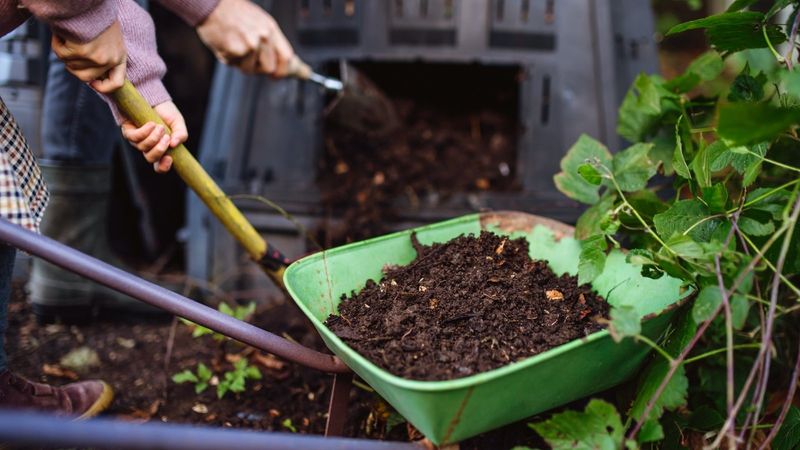
Winter provides the perfect opportunity to prepare compost that will nourish your Florida lawn when spring arrives and growth accelerates.
Adding baking soda to your compost pile helps control odors and speeds up the decomposition process during cooler months.
The compound neutralizes acidic conditions that can slow down beneficial bacteria responsible for breaking down organic materials.
Many Florida gardeners struggle with smelly compost bins, especially when adding kitchen scraps and grass clippings that produce strong odors as they decay.
Sprinkling baking soda between layers eliminates these unpleasant smells while maintaining the proper pH balance for efficient composting.
Your neighbors will appreciate the lack of odors drifting from your yard during winter months.
The finished compost contains residual baking soda that continues benefiting your lawn when you spread it as a top dressing.
This nutrient-rich amendment feeds grass naturally while improving soil structure and moisture retention.
Florida lawns respond beautifully to compost applications, showing deeper green color and stronger growth throughout the year.
Add one cup of baking soda for every six inches of new material in your compost pile.
Turn the pile regularly to incorporate the powder and accelerate decomposition during Florida’s mild winter.
By spring, you’ll have premium compost ready to spread across your lawn, giving it a healthy boost without expensive commercial fertilizers or chemical treatments.