Smart Reasons Why Texas Homeowners Leave Leaves On Garden Beds In Winter
When winter settles across Texas, most lawns go quiet, but smart gardeners know the season still has a few cards to play.
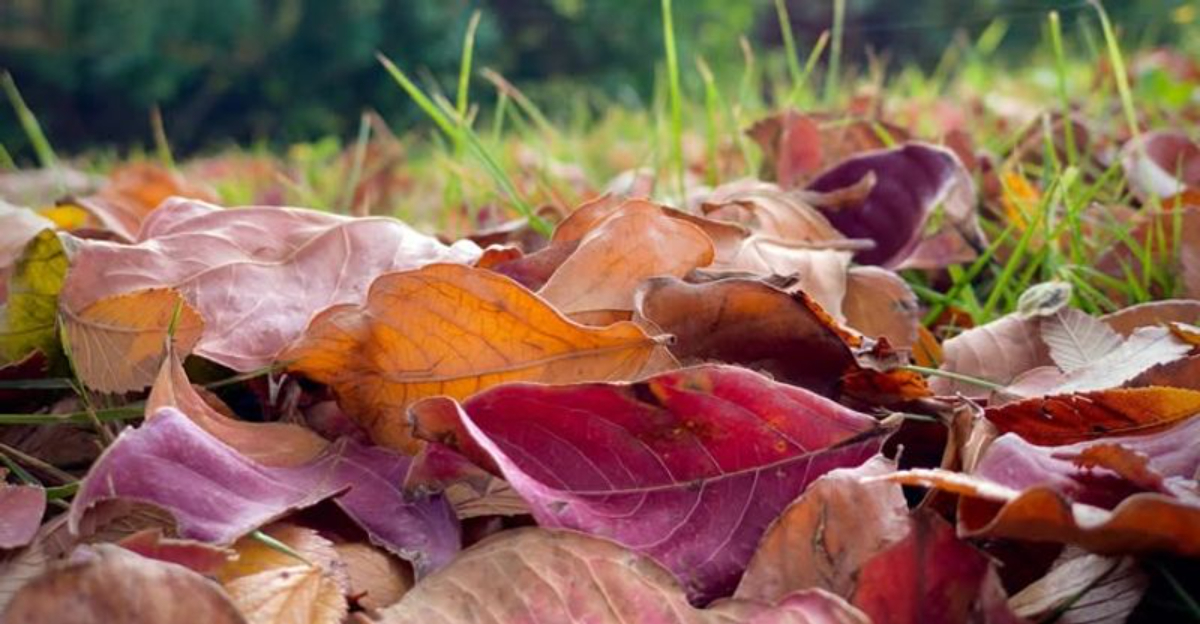
Instead of raking every last leaf into bags, many homeowners leave a blanket of fallen leaves right where they land on garden beds.
At first glance it can look untidy, yet there’s more method than madness behind the choice.
Leaves act like nature’s quilt, helping soil hold warmth during cold snaps and shielding delicate roots from sudden temperature swings.
Texas weather can change on a dime, and this extra layer offers steady protection when winter nights dip lower than expected.
As time passes, those leaves break down, feeding the soil bit by bit without lifting a finger.
Garden beds also benefit from better moisture control.
Leaves slow evaporation during dry stretches and soften the impact of heavy rain, keeping soil from washing away.
Helpful insects and earthworms even tuck in underneath, staying active when they might otherwise disappear.
Leaving leaves behind saves time, cuts yard waste, and works in step with nature.
Texas homeowners who resist the rake discover that this simple habit builds healthier soil, stronger plants, and garden beds ready to hit the ground running once spring rolls back around.
1. Natural Insulation Protects Plants From Texas Cold Snaps
Winter weather in Texas can be unpredictable, swinging from mild sunny days to sudden freezing temperatures that catch plants off guard.
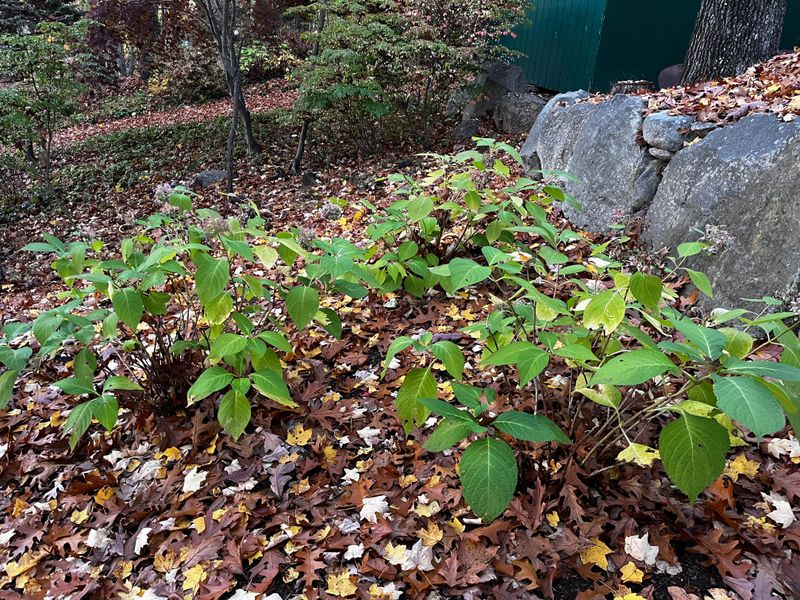
A thick blanket of fallen leaves acts like a cozy quilt for your garden beds, providing crucial protection when those unexpected cold fronts roll through.
The air pockets trapped between the leaves create an insulating layer that moderates soil temperature fluctuations.
Plants with shallow root systems especially benefit from this natural shield.
When temperatures plummet overnight, exposed soil can freeze quickly, potentially damaging delicate roots.
Leaves slow down this freezing process, giving plants a better chance to withstand the cold.
Texas gardeners from Houston to Dallas have noticed that perennials covered with leaf mulch emerge healthier in spring compared to those left exposed.
The insulation works both ways too.
During those warm winter afternoons common across Texas, the leaf layer prevents soil from heating up too much, which could trick plants into breaking dormancy too early.
This temperature buffering is particularly valuable for recently planted shrubs and flowers that haven’t established strong root systems yet.
Even native Texas plants appreciate the extra protection during harsh winter conditions.
The leaf blanket maintains more consistent soil conditions, reducing stress on plants throughout the unpredictable winter season.
Homeowners who skip the fall cleanup often find their spring gardens bursting with vigorous growth, thanks to this simple protective measure that costs absolutely nothing.
2. Free Nutrient-Rich Fertilizer Forms Naturally Over Winter
Mother Nature has perfected the recycling process over millions of years, and fallen leaves play a starring role in this amazing system.
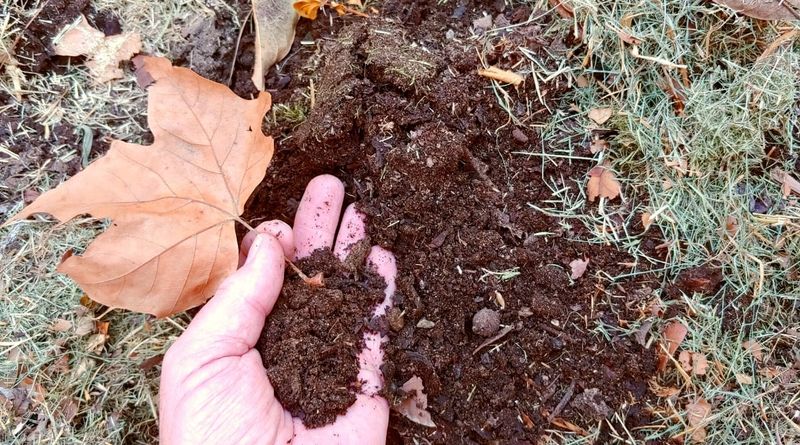
As leaves gradually break down throughout the Texas winter months, they release valuable nutrients back into the soil that your plants desperately need.
Your Texas Garden Changes Every Week. Your Plan Should Too.
Gardening in Texas changes quickly throughout the season. Every Friday you’ll receive a simple weekly plan showing exactly what to plant, prune, fertilize, harvest, and protect so you never miss the right timing.
This natural composting happens right where your plants can use it most, without any extra work on your part.
Leaves contain important elements like nitrogen, phosphorus, and potassium, along with trace minerals that trees pull up from deep in the ground.
When these nutrients decompose, they become available to your garden plants in forms they can easily absorb.
It’s like getting free, slow-release fertilizer delivered straight to your flower beds and vegetable gardens.
The decomposition process also feeds beneficial soil organisms that improve overall soil health.
Earthworms love munching on decaying leaves and their activity aerates the soil while adding nutrient-rich castings.
Beneficial bacteria and fungi break down the leaf material into humus, that dark, crumbly stuff that makes soil so fertile.
Texas gardeners who embrace this natural fertilization method often notice their soil becoming darker, richer, and easier to work with each passing year.
Chemical fertilizers can be expensive and sometimes harm beneficial soil life, but leaf mulch improves soil structure while feeding plants gently over time.
By spring, much of that leaf layer will have transformed into valuable organic matter that enriches your garden beds.
Plants growing in this naturally fertilized soil typically show stronger growth, better drought resistance, and improved overall health throughout the growing season.
3. Moisture Retention Helps Gardens Survive Dry Texas Winters
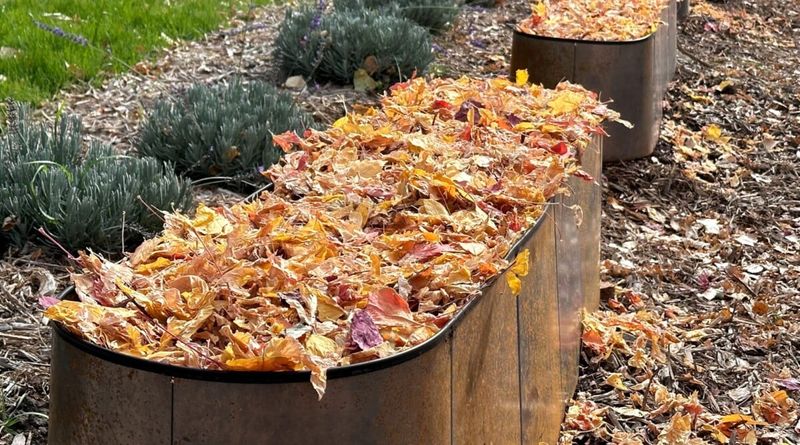
Many folks assume that winter means plenty of moisture, but Texas winters can actually be surprisingly dry, especially in the western and central regions of the state.
Extended periods without rain combined with winter winds can leave garden soil parched and plants stressed.
Leaving leaves on your garden beds creates an effective moisture barrier that significantly reduces water evaporation from the soil surface.
This protective covering works like a shield, blocking drying winds and reducing direct sun exposure that pulls moisture out of the ground.
Even during those sunny winter days that Texas is famous for, the leaf layer keeps soil beneath it consistently moist.
Plants with covered root zones don’t experience the same moisture stress as those in exposed beds.
Water conservation becomes increasingly important across Texas, where drought conditions frequently challenge gardeners.
By reducing evaporation, leaf mulch helps you use less supplemental irrigation during dry winter stretches.
The money you save on water bills adds up over the season.
When winter rains do arrive, leaves help the water soak in gradually rather than running off or evaporating quickly.
The organic material acts like a sponge, holding moisture and releasing it slowly to plant roots.
This steady moisture supply keeps plants healthier and more resilient.
Texas homeowners who maintain leaf mulch through winter often find their spring gardens require less frequent watering as well.
The improved soil structure created by decomposing leaves continues benefiting moisture retention long after the original leaf layer has broken down completely, making this practice valuable year after year.
4. Beneficial Wildlife Finds Essential Winter Habitat

Your garden ecosystem includes far more than just plants, and many helpful creatures desperately need safe places to spend the cold months.
Leaf-covered garden beds in Texas provide critical winter shelter for beneficial insects, spiders, and other small animals that will repay your hospitality by controlling pests come spring.
Ladybugs, lacewings, ground beetles, and native bees all seek out leaf litter for overwintering.
These beneficial insects would struggle to survive harsh weather without protected spaces to hibernate.
When you remove all the leaves from your garden, you’re essentially evicting these helpful allies.
By contrast, leaving leaves in place welcomes them to stay and work for you when warmer weather returns.
Toads, lizards, and small snakes also appreciate the cover that leaf-mulched beds provide.
These creatures are excellent pest controllers, consuming slugs, grubs, and insects that might otherwise damage your plants.
Creating habitat for them means you’ll need fewer chemical pesticides to keep your garden healthy.
Native pollinators, including various bee species found throughout Texas, depend on undisturbed leaf litter for their survival.
Many solitary bees nest in or near the ground and need the insulation and protection that leaves offer.
Supporting these pollinators ensures better fruit and vegetable production in your garden.
Butterflies and moths often overwinter as pupae tucked into leaf litter or attached to plant stems hidden beneath leaves.
Clearing away all the leaves can accidentally destroy these delicate life stages.
Gardeners across Texas who maintain leaf mulch typically enjoy more butterflies visiting their spring and summer flowers, creating a more vibrant and balanced garden ecosystem.
5. Weed Suppression Reduces Spring Garden Maintenance
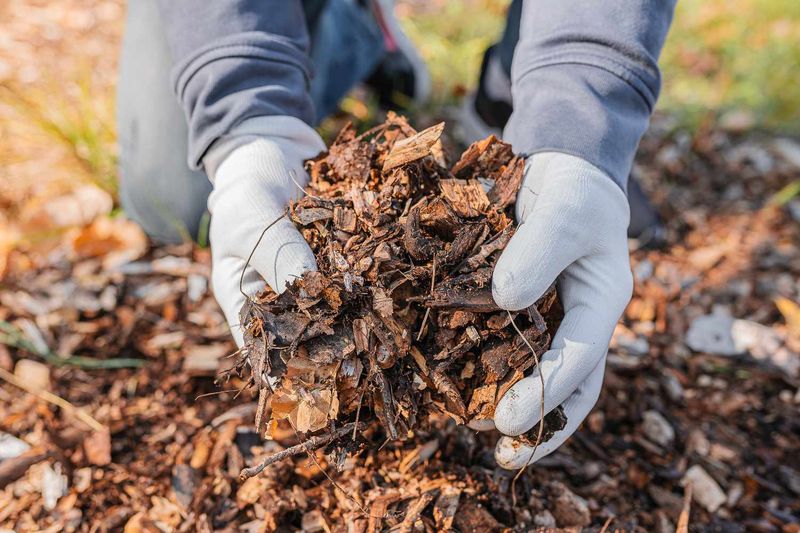
Weeds don’t take vacations, and many troublesome species actually germinate during the cooler months in Texas’s mild winter climate.
However, a substantial layer of leaves on your garden beds acts as an effective weed barrier that blocks light and makes it difficult for weed seeds to reach the soil.
This natural weed control method works surprisingly well without any chemicals or constant vigilance.
Most weed seeds need light exposure to germinate and sprout.
When you cover garden beds with several inches of leaves, you create darkness that prevents weed seeds from getting the signal to grow.
Even windblown seeds that land on top of the leaf layer struggle to establish themselves without direct soil contact.
Winter annual weeds like henbit, chickweed, and annual bluegrass commonly plague Texas gardens during the cooler months.
These persistent invaders can be exhausting to manage, but leaf mulch significantly reduces their emergence.
Fewer winter weeds mean less competition for your desirable plants and less work for you.
When spring arrives, gardens that spent winter under leaf protection typically have far fewer weeds than those with bare soil.
The decomposing leaves create a dense mat that’s difficult for weeds to penetrate, giving your ornamental plants and vegetables a head start without unwanted competition.
Texas homeowners who use leaf mulch for weed control often find they spend less time pulling weeds and more time enjoying their gardens.
The money saved on herbicides and the hours saved on weeding make this one of the most practical reasons to leave leaves in place throughout the winter season.
6. Soil Erosion Prevention Protects Valuable Topsoil
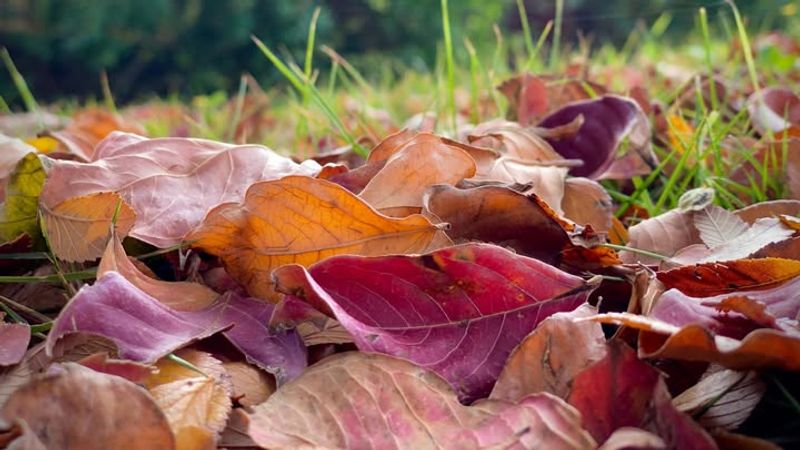
Topsoil represents one of your garden’s most valuable assets, taking nature centuries to create just a few inches of this nutrient-rich growing medium.
Winter storms across Texas can bring heavy rains that wash away exposed soil, especially on sloped areas or beds with loose, freshly worked earth.
Leaves create a protective armor that holds soil in place during these weather events.
When raindrops hit bare soil directly, they dislodge particles and create runoff that carries away your precious topsoil.
A leaf covering absorbs the impact of falling rain, allowing water to percolate gently into the ground rather than running across the surface.
This protection becomes especially important during the intense thunderstorms that occasionally sweep through Texas during winter months.
Garden beds near driveways, sidewalks, or foundations particularly benefit from this erosion control.
Without leaf protection, soil washes onto paved surfaces, creating muddy messes and potentially causing drainage problems.
The leaf barrier keeps soil where it belongs while still allowing beneficial water infiltration.
Wind erosion also threatens Texas gardens, particularly in areas with sandy soil or during dry, windy periods.
Leaves weigh down the soil surface, preventing it from blowing away during those notorious Texas wind events.
Coastal areas and regions of West Texas especially appreciate this wind-blocking benefit.
Homeowners who protect their garden beds with leaves maintain deeper, richer topsoil over the years.
This accumulated soil wealth translates directly into healthier, more productive gardens.
Replacing lost topsoil costs money and effort, making erosion prevention through leaf mulch a smart investment in your garden’s long-term success and sustainability.
7. Time And Money Savings Make Gardening More Enjoyable
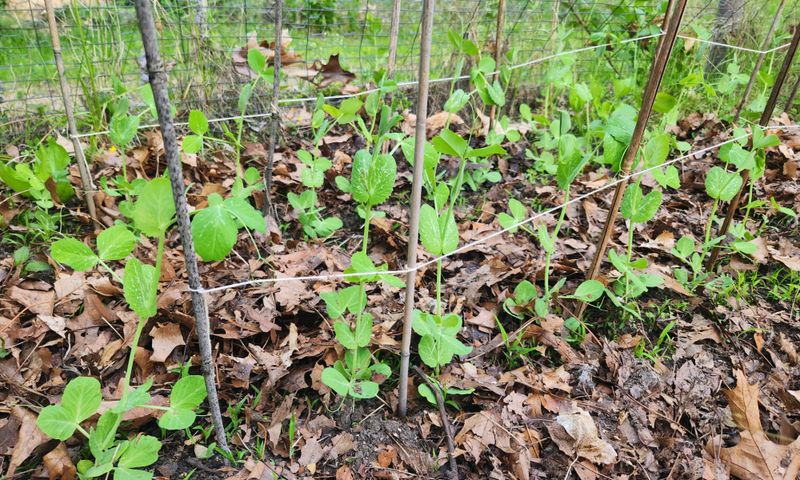
Gardening should bring joy and relaxation, not endless hours of tedious maintenance tasks.
Choosing to leave leaves on your Texas garden beds eliminates the time-consuming chore of fall cleanup while providing all the benefits mentioned above.
Those hours you would have spent raking, bagging, and hauling leaves to the curb can instead be used for activities you actually enjoy.
Consider the physical effort involved in traditional leaf removal: raking burns calories but strains your back, shoulders, and arms.
Stuffing leaves into bags tests your patience, and dragging those heavy bags to the street for collection feels like punishment.
Why put yourself through all that when leaving them in place actually improves your garden?
The financial savings add up quickly too.
You won’t need to buy as many bags of commercial mulch come spring since the decomposed leaves provide natural mulch already in place.
Reduced need for fertilizers, pesticides, and supplemental watering throughout the year puts more money back in your pocket.
Even the water savings from improved moisture retention translate to lower utility bills.
Many Texas municipalities charge for yard waste collection or require special bags, adding another expense to leaf removal.
By keeping leaves in your garden beds, you avoid these costs entirely.
The environmental benefits of reducing waste hauling and landfill use are just bonus points.
Homeowners who adopt this low-maintenance approach often discover they enjoy gardening more when it feels less like work.
The extra time and energy you save can be invested in planning exciting new plantings, enjoying your outdoor space, or simply relaxing while your garden practically takes care of itself through the winter.