12 Garden Plants That Are Illegal Or Soon To Be Banned In Texas
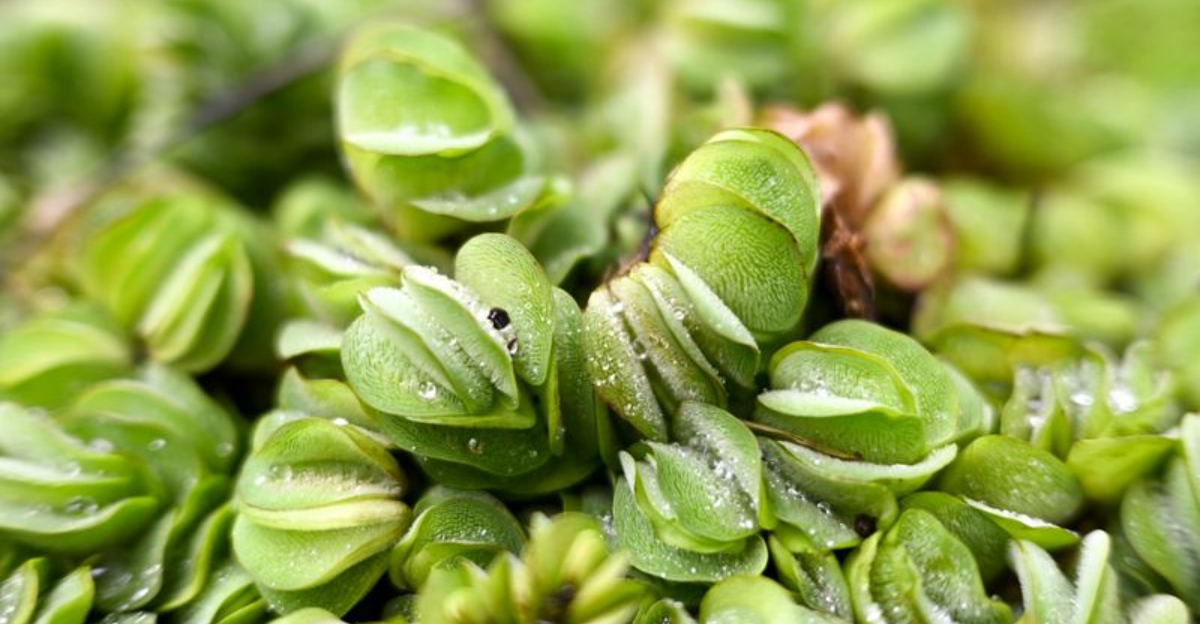
Texas gardeners love filling their yards with beautiful plants, but not every species is welcome in the Lone Star State.
Some plants might look harmless or even stunning, yet they can cause serious problems for local ecosystems, agriculture, and water resources.
State authorities have banned certain species or are considering restrictions to protect Texas environments from invasive threats.
Understanding which plants to avoid helps you create a garden that’s both gorgeous and responsible.
1. Giant Salvinia
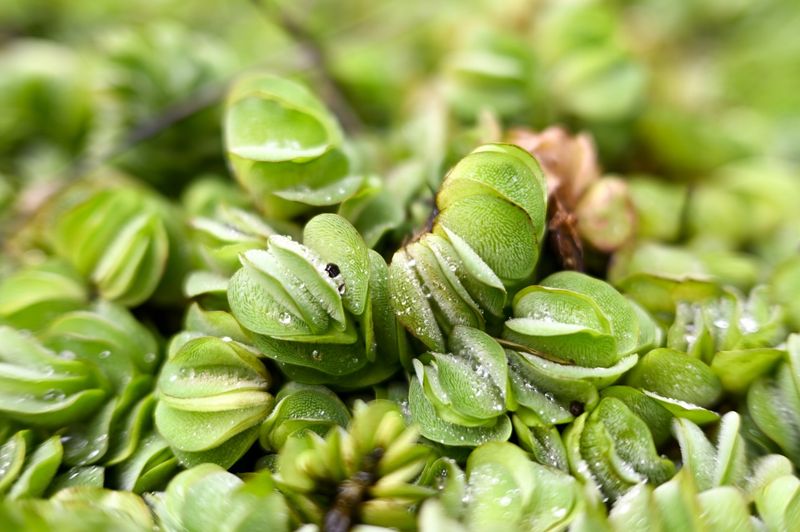
Floating menacingly across Texas waterways, Giant Salvinia creates thick mats that suffocate everything beneath.
This aquatic fern grows so rapidly that it can double its coverage in just a few days under ideal conditions.
Oxygen levels plummet when sunlight cannot penetrate the water, harming fish populations and native aquatic plants.
Recreational activities like boating and fishing become nearly impossible when this invasive species takes over.
Texas law strictly prohibits possessing, selling, or transporting Giant Salvinia anywhere within state borders.
Authorities have invested millions in removal efforts, yet new infestations continue appearing in lakes and rivers.
Property owners face hefty fines if they knowingly allow this plant to spread from their ponds.
Even small fragments can establish new colonies, making containment incredibly challenging for environmental agencies.
Water treatment facilities also struggle when Giant Salvinia clogs intake pipes and filtration systems.
Gardeners with decorative ponds should verify all aquatic plants before purchase to avoid accidental introduction.
Texas Parks and Wildlife maintains detailed identification guides to help residents spot and report infestations immediately.
Preventing this plant’s spread protects both natural habitats and the state’s valuable water resources for future generations.
2. Water Hyacinth
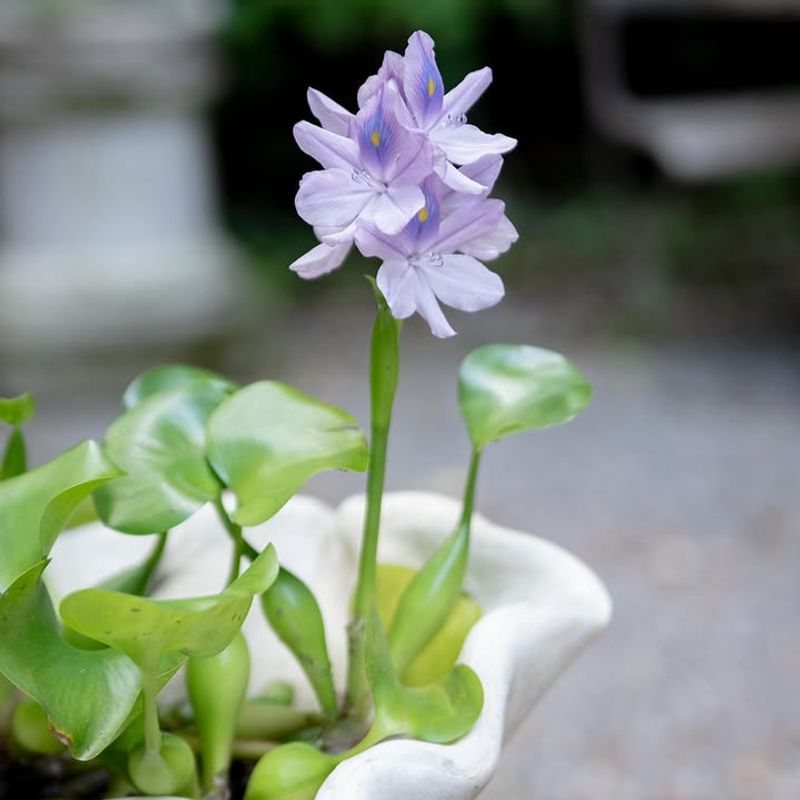
Beautiful purple blooms might tempt gardeners, but Water Hyacinth ranks among Texas’s most destructive aquatic invaders.
Originally introduced as an ornamental pond plant, it escaped cultivation and now threatens countless waterways.
Growth rates exceed belief, with populations doubling every two weeks during warm Texas summers.
Dense mats block sunlight and deplete oxygen, creating conditions where native species cannot survive.
Navigation channels become impassable, stranding boats and disrupting commercial shipping operations.
Texas agriculture suffers when irrigation systems get clogged with masses of this persistent plant.
Mosquito populations explode in stagnant water trapped beneath Water Hyacinth mats, increasing disease risks.
State regulations ban all sale, distribution, and cultivation throughout Texas territory.
Removal costs taxpayers enormous sums annually, yet complete eradication remains frustratingly out of reach.
Homeowners with private ponds must inspect regularly and remove any suspicious floating vegetation immediately.
Biological control methods using specialized weevils show promise but require ongoing monitoring and management.
Reporting sightings to local agricultural extension offices helps authorities track and respond to new outbreaks quickly.
3. Eurasian Watermilfoil
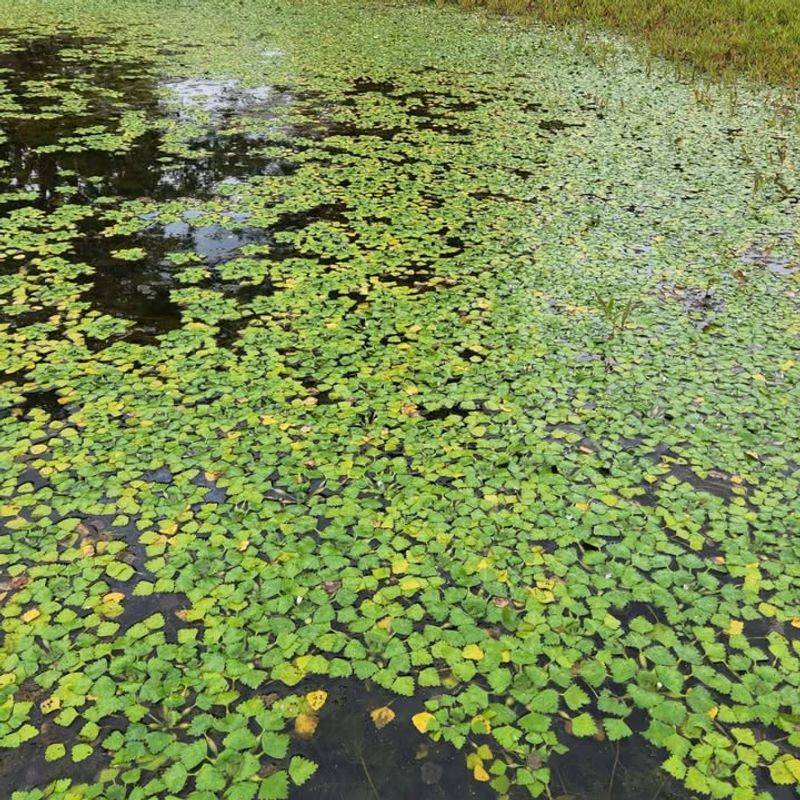
Silent but devastating, Eurasian Watermilfoil spreads beneath the surface of Texas lakes and reservoirs, forming thick underwater canopies.
This invasive aquatic plant grows rapidly, often reaching the surface and creating dense mats that block sunlight from native species below.
Fish populations suffer as oxygen levels decline and spawning habitats disappear beneath tangled stems.
Fragments break off easily and cling to boats, trailers, and fishing gear, allowing the plant to spread from one waterbody to another in a single outing.
Your Texas Garden Changes Every Week. Your Plan Should Too.
Gardening in Texas changes quickly throughout the season. Every Friday you’ll receive a simple weekly plan showing exactly what to plant, prune, fertilize, harvest, and protect so you never miss the right timing.
Texas classifies Eurasian Watermilfoil as a harmful aquatic species, and transporting it—intentionally or accidentally—is prohibited.
Once established, eradication is extremely difficult, requiring costly mechanical removal or long-term chemical management.
Recreational activities such as boating, swimming, and fishing become increasingly difficult as infestations expand.
Municipal water systems also face challenges when intake pipes clog with vegetation.
Public education campaigns encourage boaters to “clean, drain, and dry” equipment to prevent further spread.
Early detection remains the most effective defense against new infestations.
Protecting Texas waterways from Eurasian Watermilfoil preserves both recreational access and ecological balance.
4. Water Lettuce
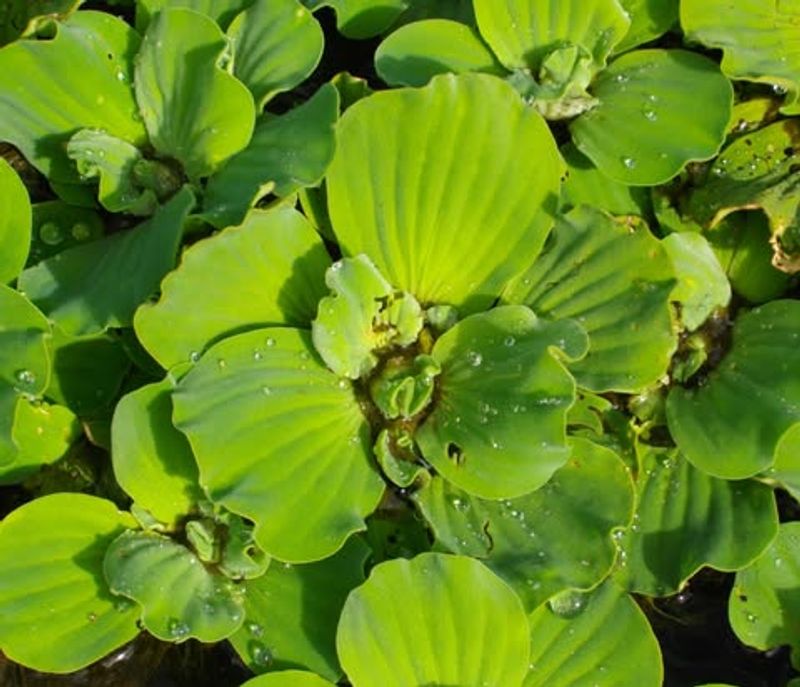
Floating like rosettes of pale green velvet, Water Lettuce may appear ornamental—but it poses a serious threat to Texas waterways.
This fast-growing aquatic plant reproduces rapidly, forming dense surface mats that block sunlight and restrict oxygen exchange.
Native aquatic plants wither beneath the floating blanket, while fish and invertebrates suffer from declining oxygen levels.
Infestations clog drainage canals, irrigation systems, and flood-control structures, increasing maintenance costs statewide.
Texas law prohibits possessing, selling, or transporting Water Lettuce anywhere within the state.
Even small populations can explode during warm months, covering entire ponds or canals in a matter of weeks.
Fragments are easily moved by waterfowl, floods, and boating activity.
Mechanical removal is labor-intensive and often temporary unless followed by continued monitoring.
Chemical controls must be carefully applied to minimize harm to non-target species.
Decorative pond owners are urged to verify plant legality before purchase.
Preventing introduction is far easier than attempting eradication once Water Lettuce becomes established.
5. Chinese Tallow Tree
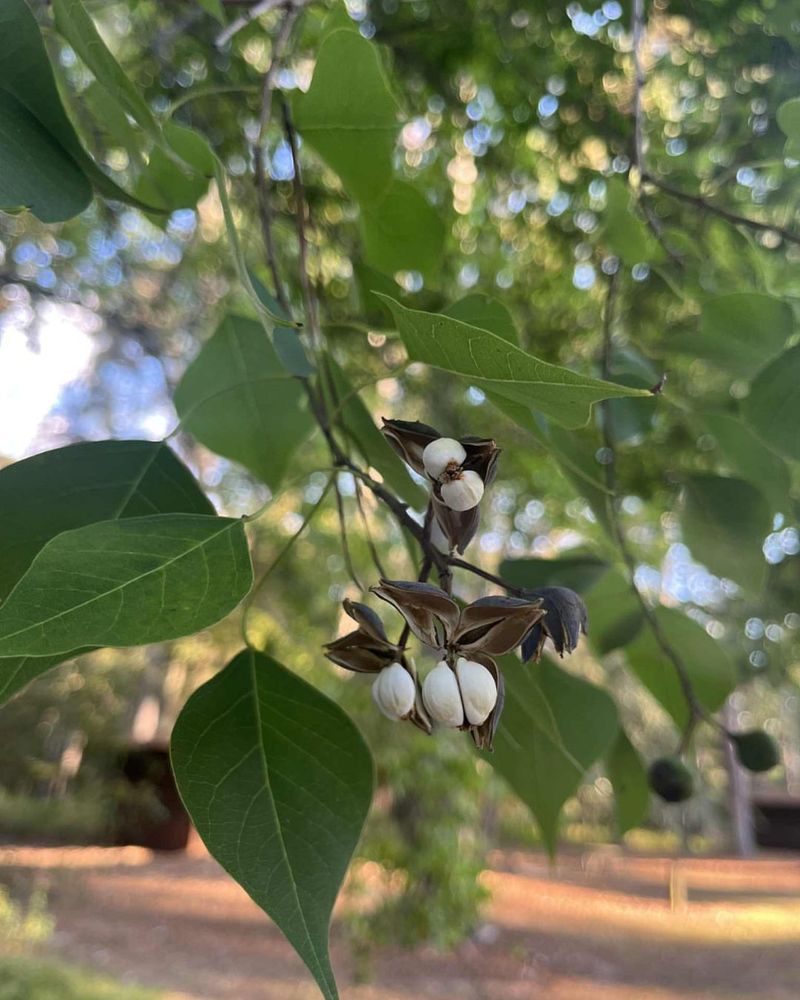
Stunning autumn colors initially made Chinese Tallow Tree popular across Texas landscapes decades ago.
Regret followed quickly as this Asian import began invading prairies, forests, and coastal wetlands with alarming speed.
Seeds spread by birds germinate readily, creating dense thickets that crowd out native hardwoods and grasses.
Coastal ecosystems suffer particularly severe impacts as Chinese Tallow alters soil chemistry and hydrology.
Texas ranchers lose valuable grazing land when this tree converts open pastures into impenetrable forests.
Wildlife finds little food value in Chinese Tallow compared to native trees that support diverse insect populations.
State law now prohibits selling or distributing this species anywhere within Texas boundaries.
Existing trees on private property should be removed to prevent further seed production and spread.
Cutting alone proves ineffective since stumps resprout vigorously, requiring herbicide treatment for complete control.
Restoration projects spend considerable resources removing Chinese Tallow and replanting native species.
Homeowner associations increasingly require removal from residential properties to protect community natural areas.
Choosing native alternatives like Texas Red Oak provides beautiful fall color without threatening surrounding ecosystems and habitats.
6. Kudzu
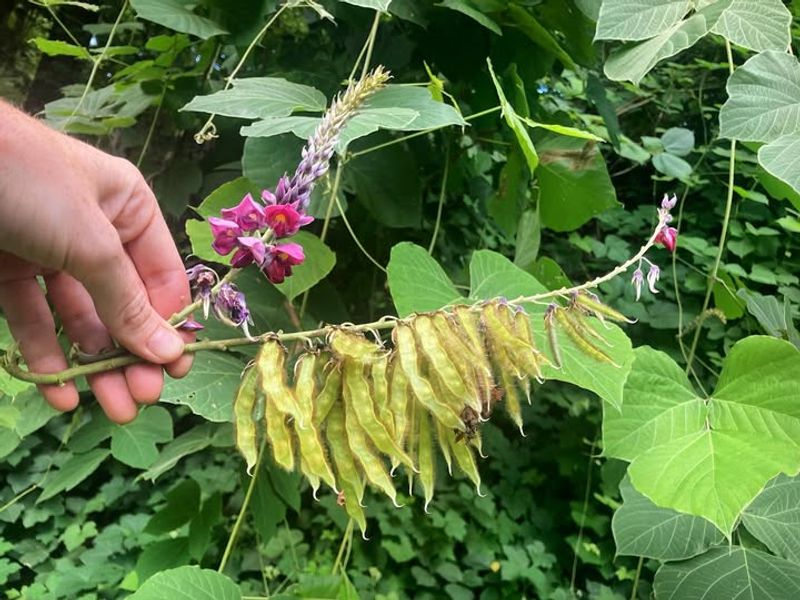
Southern legends describe Kudzu as the vine that ate the South, and Texas fights to prevent that nightmare scenario.
Growing up to a foot per day during peak season, this aggressive climber swallows everything in its path.
Trees suffocate under heavy blankets of foliage, eventually collapsing under the accumulated weight.
Buildings, fences, and utility poles disappear beneath relentless green waves that advance daily.
Texas regulations ban all introduction, possession, and transport of Kudzu throughout the state.
Eastern counties remain most vigilant since infestations from neighboring states could easily spread westward.
Root systems extend deep underground, storing energy that allows vines to regrow after repeated cutting.
Eradication requires years of persistent effort combining mechanical removal and strategic herbicide applications.
Economic losses mount when Kudzu reduces property values and damages infrastructure across affected regions.
Early detection programs train citizens to recognize and report any suspicious vine growth immediately.
Agricultural lands face devastation if Kudzu gains a foothold, smothering crops and rendering fields unusable.
Maintaining Kudzu-free status protects Texas ecosystems and economy from one of America’s most notorious invasive plants.
7. Salt Cedar
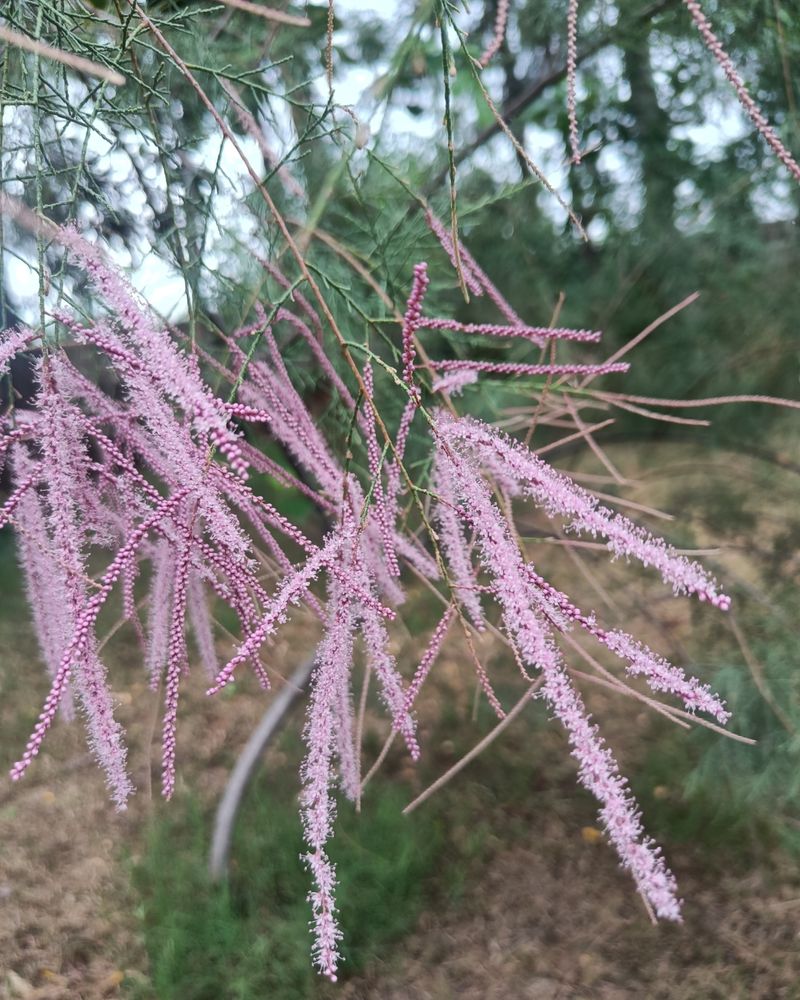
Delicate pink blooms and feathery foliage seem innocent, yet Salt Cedar devastates Texas water resources.
Each mature plant consumes hundreds of gallons daily, draining rivers and aquifers across already water-scarce regions.
Native cottonwoods and willows cannot compete for moisture, leading to their displacement along waterways.
Wildlife habitat quality declines dramatically as diverse riparian forests transform into Salt Cedar monocultures.
Texas river systems have lost significant flow capacity due to dense thickets that increase evapotranspiration rates.
Agricultural irrigation becomes more expensive when available water supplies shrink because of this invasive species.
State agencies have implemented control programs costing millions to remove Salt Cedar from priority watersheds.
Fire risk increases in areas dominated by this highly flammable plant, threatening both property and lives.
Seeds spread easily by wind and water, establishing new populations far from parent plants.
Biological control using specialized beetles shows promise but requires careful monitoring to ensure effectiveness.
Landowners along rivers and streams should prioritize removal and replacement with native vegetation.
Protecting Texas water resources for future generations demands vigilance against Salt Cedar expansion throughout the state.
8. Hydrilla
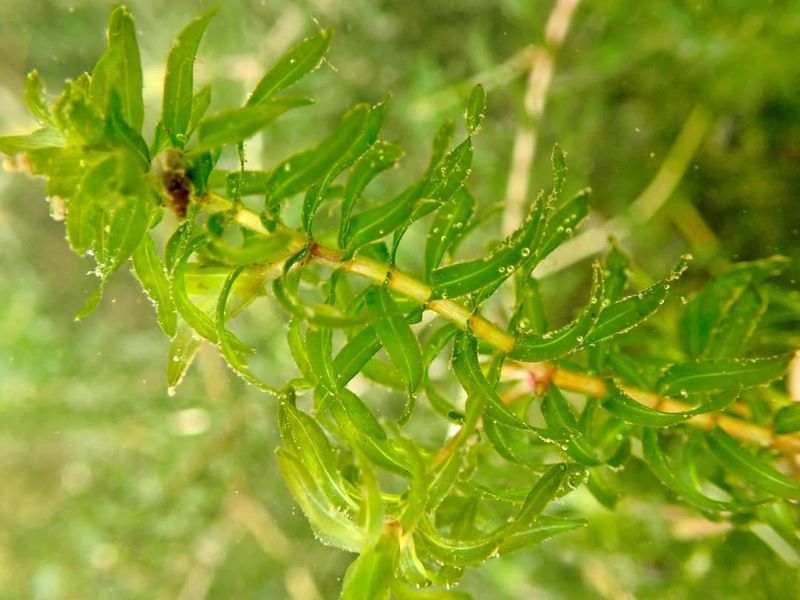
Lurking beneath the surface, Hydrilla creates underwater jungles that strangle Texas lakes and reservoirs.
Stems grow up to an inch per day, quickly forming dense mats that reach from bottom to surface.
Recreational boating becomes hazardous when propellers tangle in thick vegetation and engines overheat.
Fish populations struggle as oxygen levels drop and spawning habitats disappear beneath impenetrable growth.
Texas law classifies Hydrilla as a noxious species, prohibiting all possession, sale, and transportation.
Tiny plant fragments can establish new colonies, making containment extraordinarily difficult once infestations occur.
Specialized tubers buried in sediment survive for years, allowing populations to rebound after control efforts.
Water intake structures for municipal supplies and power plants face operational problems from Hydrilla blockages.
Property owners with lakefront access must inspect regularly and report any suspicious submerged vegetation.
Control costs exceed millions annually across affected Texas water bodies, straining public resources.
Cleaning boats and trailers thoroughly before moving between lakes helps prevent accidental spread to new locations.
Vigilance and rapid response remain essential for protecting Texas aquatic ecosystems from this persistent invader.
9. Cogongrass
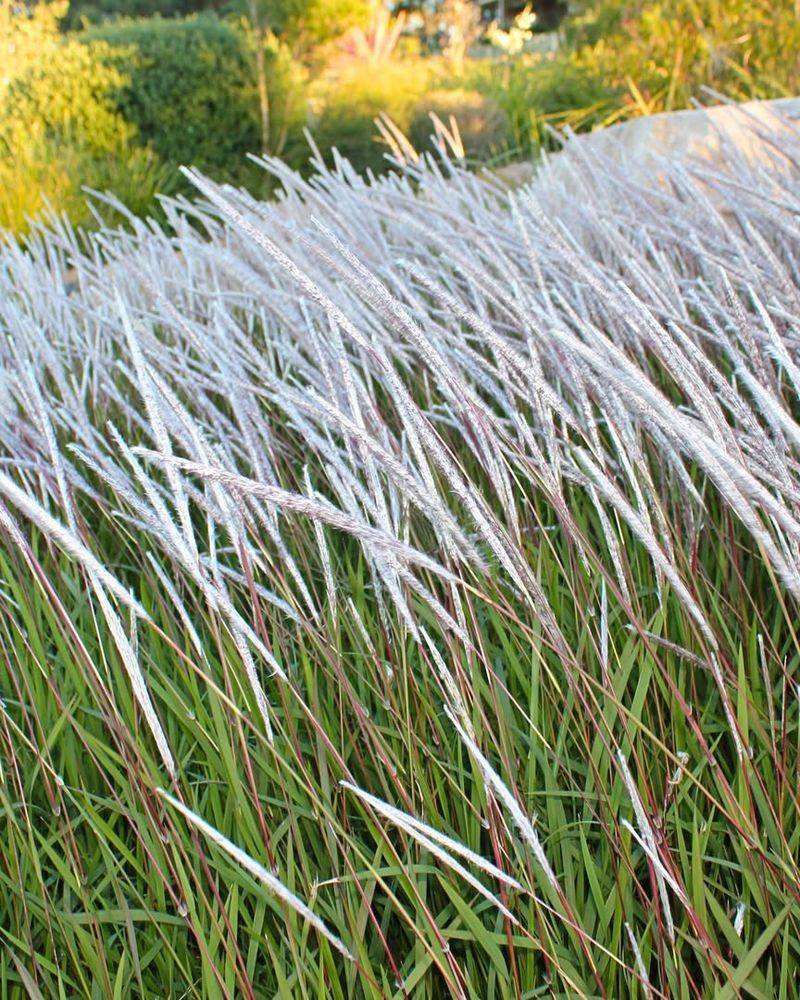
Razor-sharp leaves and explosive fire behavior make Cogongrass one of Texas’s most feared invasive plants.
Spreading through underground rhizomes, this aggressive grass forms dense stands that exclude all other vegetation.
Fire intensity increases dramatically in Cogongrass-infested areas, threatening homes and natural habitats alike.
Native wildlife avoids this plant since it provides virtually no food value compared to indigenous grasses.
Texas regulations prohibit all sale, distribution, and cultivation to prevent further establishment within state borders.
Agricultural productivity plummets when Cogongrass invades pastures and renders land unsuable for grazing livestock.
Forestry operations face substantial losses as this grass prevents tree regeneration and increases fire risk.
Root systems extend several feet deep, making eradication extremely challenging even with repeated herbicide treatments.
Early detection offers the best hope for successful removal before infestations become unmanageable.
Highway departments monitor roadsides carefully since vehicles can transport rhizome fragments to new locations.
Landowners should learn to identify Cogongrass and report any sightings to county agricultural agents immediately.
Preventing establishment protects Texas ecosystems, agriculture, and communities from this dangerous invasive grass species.
10. Tropical Soda Apple
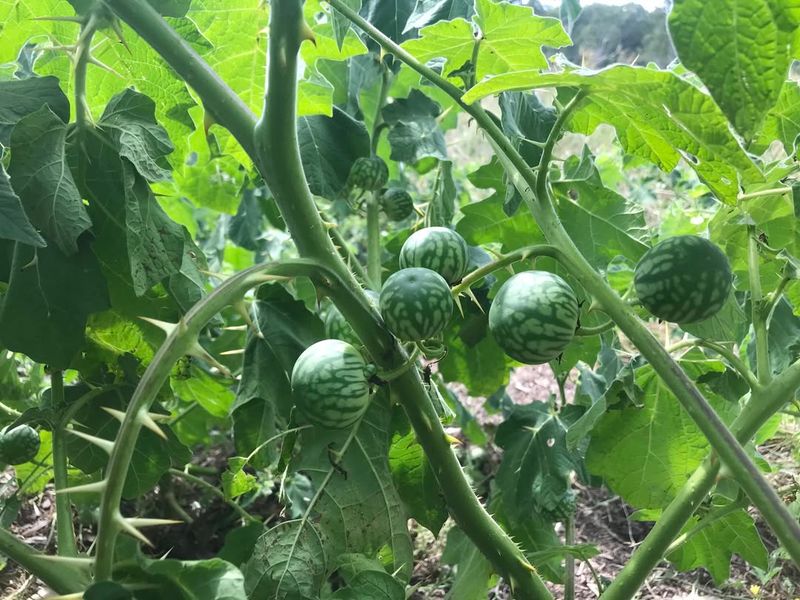
Armed with sharp spines and rapid growth, Tropical Soda Apple represents a serious threat to Texas agriculture and natural areas.
This invasive shrub spreads aggressively across pastures, roadsides, and disturbed lands, forming dense, impenetrable thickets.
Livestock avoid the plant due to its spines, reducing available grazing land and lowering pasture productivity.
Bright, fruit-like berries conceal thousands of seeds that are readily spread by wildlife and livestock.
Texas classifies Tropical Soda Apple as a noxious weed, making its possession and spread illegal.
Once established, infestations expand quickly and are extremely difficult to control without coordinated management.
Mechanical removal alone is rarely effective, as plants readily regrow from remaining roots.
Herbicide treatments often require repeated applications over multiple seasons.
Unchecked populations can spread from agricultural land into adjacent natural ecosystems.
Early detection and rapid removal are critical for preventing widespread establishment.
Keeping Tropical Soda Apple out of Texas protects both ranching economies and native plant communities.
11. Benghal Dayflower
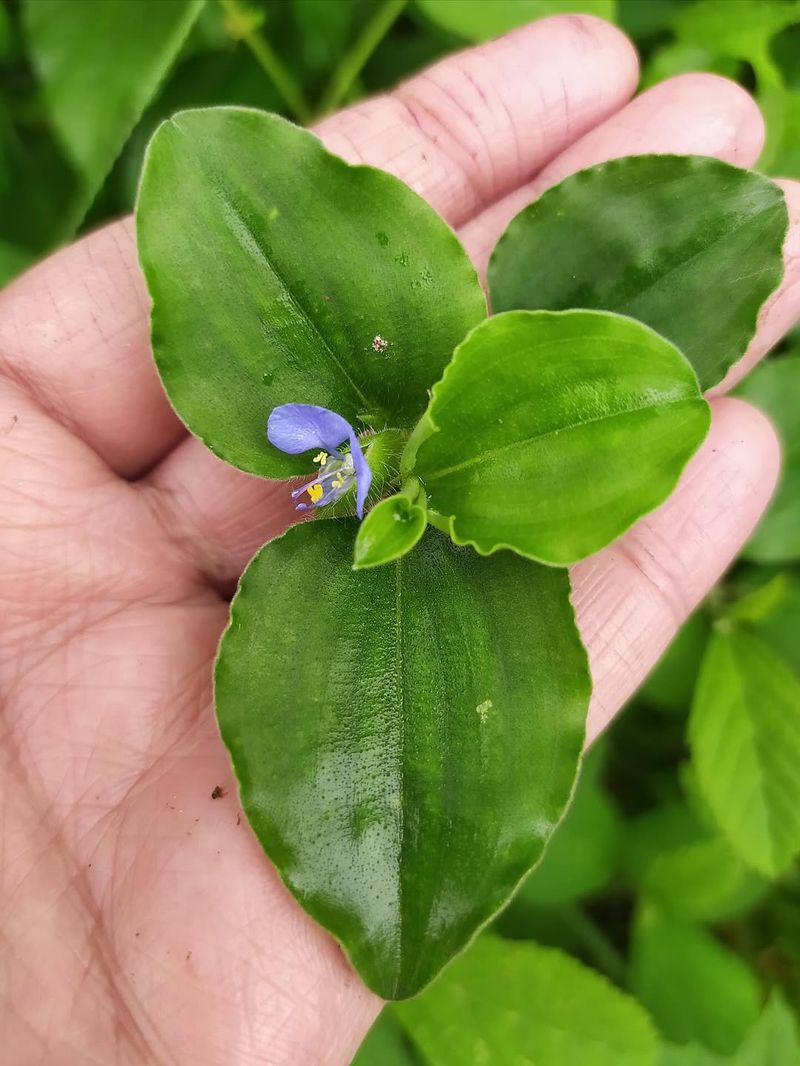
Often mistaken for a harmless groundcover, Benghal Dayflower is one of the most aggressive invasive plants in Texas.
Unlike many weeds, this species reproduces both above and below ground, giving it a remarkable ability to survive removal attempts.
Thick mats quickly overtake gardens, lawns, agricultural fields, and natural habitats.
Underground seeds remain viable for years, allowing infestations to rebound even after surface plants are removed.
Texas law prohibits the possession, sale, or distribution of Benghal Dayflower due to its agricultural impact.
Crop yields decline where this weed competes for water, nutrients, and sunlight.
Mechanical control often spreads the plant further by breaking underground stems into new growth points.
Chemical control is challenging and must be timed precisely for effectiveness.
The plant thrives in both wet and dry conditions, increasing its invasion potential.
Once established, Benghal Dayflower is among the most difficult weeds to eradicate.
Strict prevention measures are essential to keep this species from spreading further across Texas.
12. Purple Loosestrife
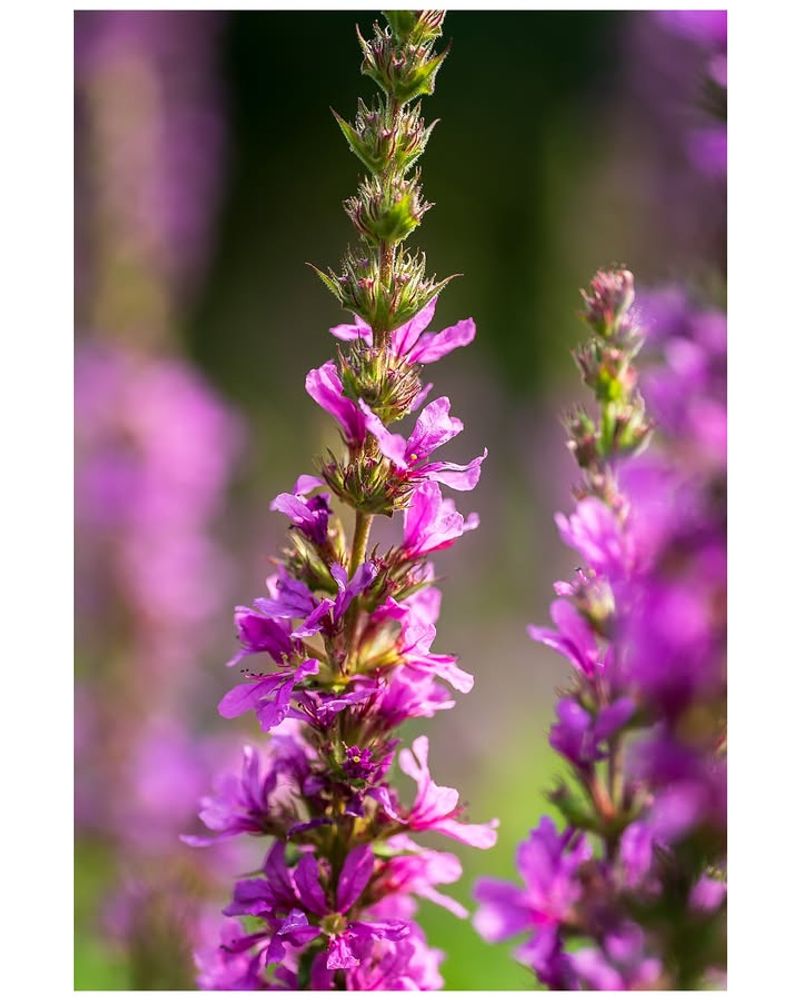
Tall spikes of vivid purple flowers make Purple Loosestrife deceptively attractive—and dangerously invasive.
This wetland plant rapidly forms dense stands that crowd out native grasses, sedges, and flowering plants.
Waterfowl and native wildlife lose critical habitat as diverse wetlands transform into monocultures.
Each mature plant can produce millions of seeds annually, allowing infestations to spread quickly downstream.
Texas prohibits the sale, possession, and introduction of Purple Loosestrife statewide.
Once established, infestations are extremely difficult and costly to remove.
Wetlands invaded by Purple Loosestrife experience reduced biodiversity and altered water flow patterns.
Mechanical removal is labor-intensive and often insufficient without follow-up treatments.
Biological control programs have shown promise but require long-term monitoring.
Preventing introduction remains the most effective strategy.
Protecting Texas wetlands from Purple Loosestrife preserves critical ecosystems and the wildlife that depend on them.