A Bright Orange Fungus Is Appearing In Florida Yards — Here’s Why Experts Aren’t Surprised
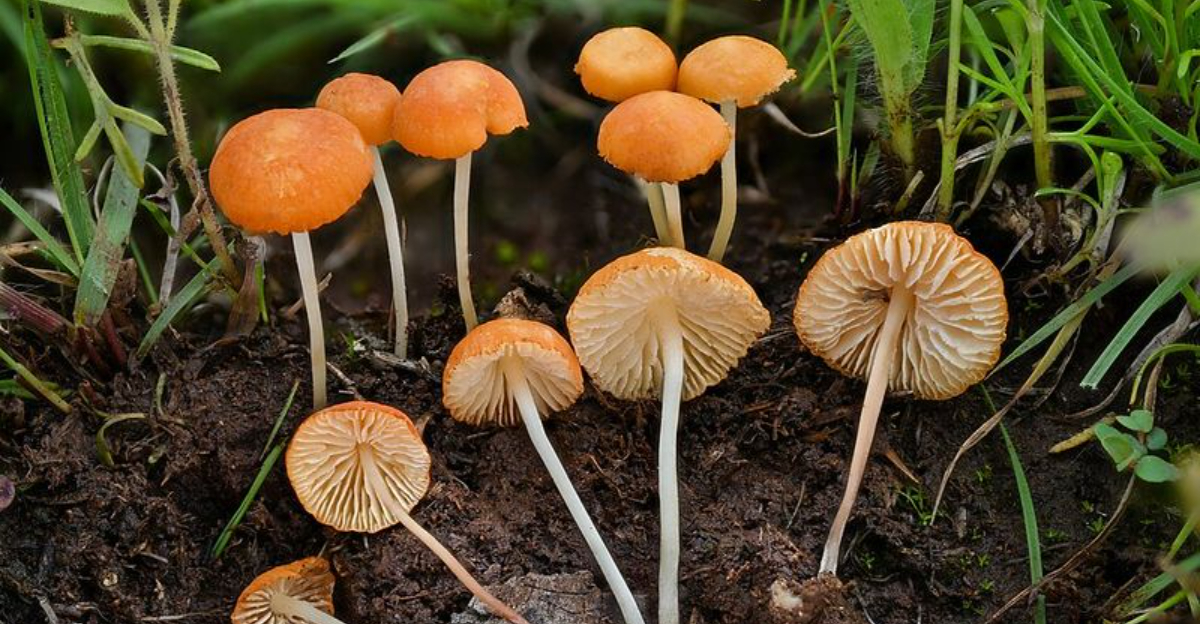
If a mysterious burst of electric orange has suddenly popped up in your Florida yard, you’re not imagining things — and you’re definitely not alone.
Homeowners across the state are spotting clusters of bright, tangerine-colored caps pushing through mulch beds and lawns, creating equal parts curiosity and concern.
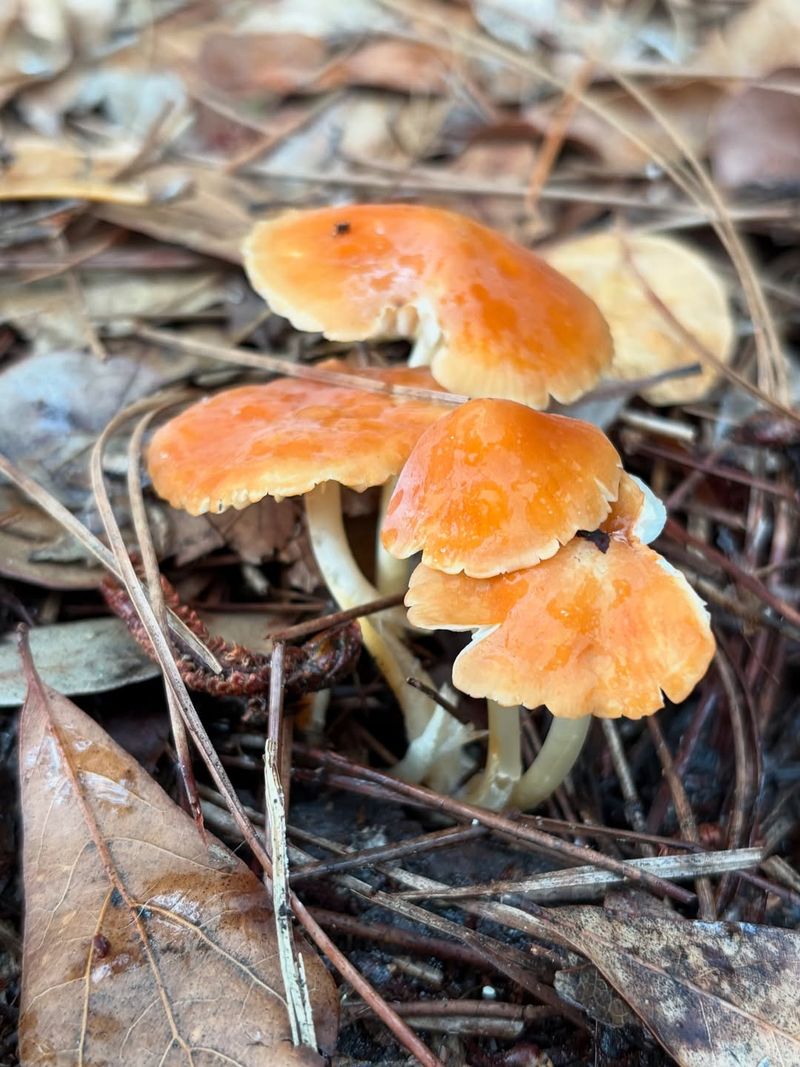
Meet Marasmius vagus, the vivid little fungus behind the show.
While its neon glow may look alarming, experts say this eye-catching guest is far from unexpected.
In fact, Florida’s warm, humid climate is practically a luxury resort for fungi, and recent weather patterns have only encouraged species like Marasmius vagus to flourish.
What appears sudden to us is simply nature doing what it does best: breaking down organic matter and recycling nutrients right under our noses.
So before you panic — or take a rake to those tiny orange umbrellas — here’s why scientists aren’t surprised at all.
What Makes Marasmius Vagus Stand Out
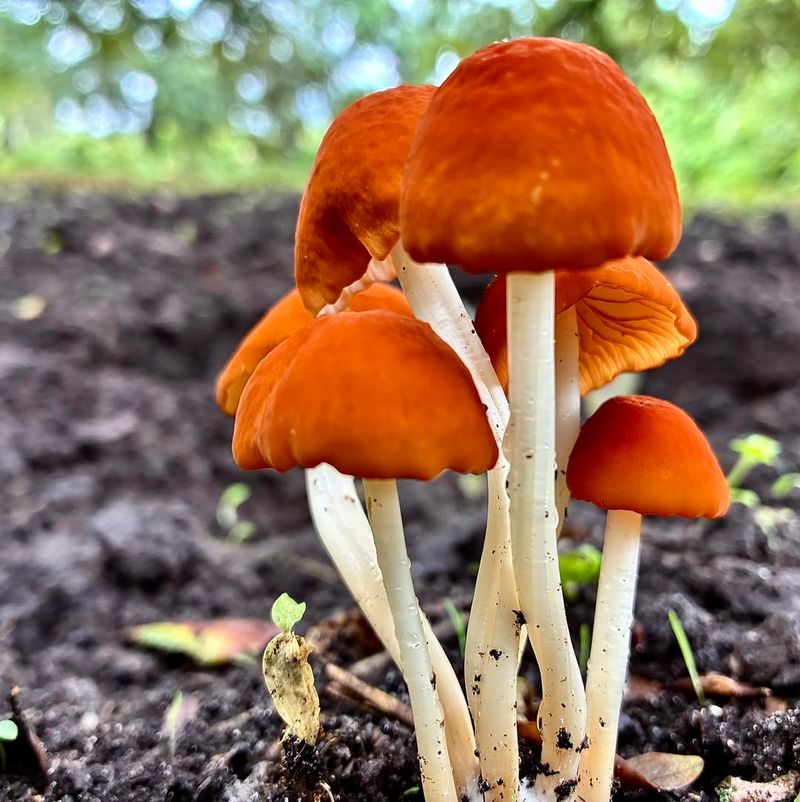
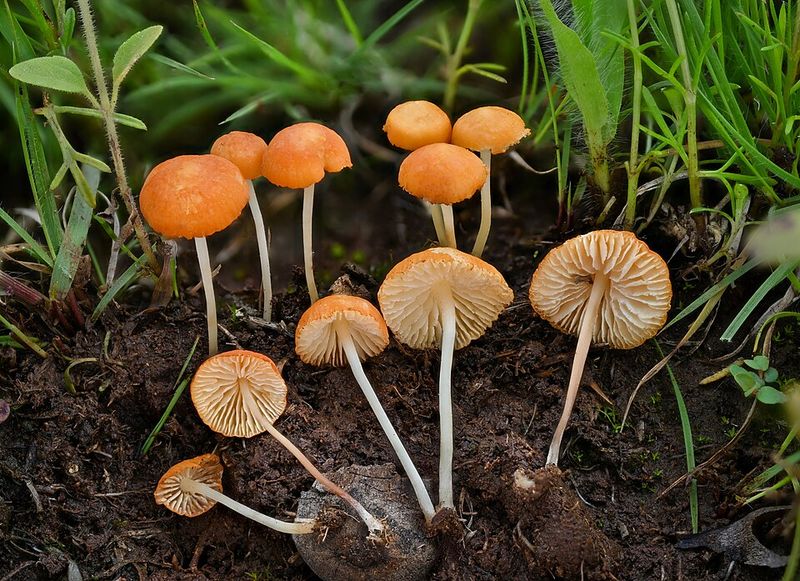
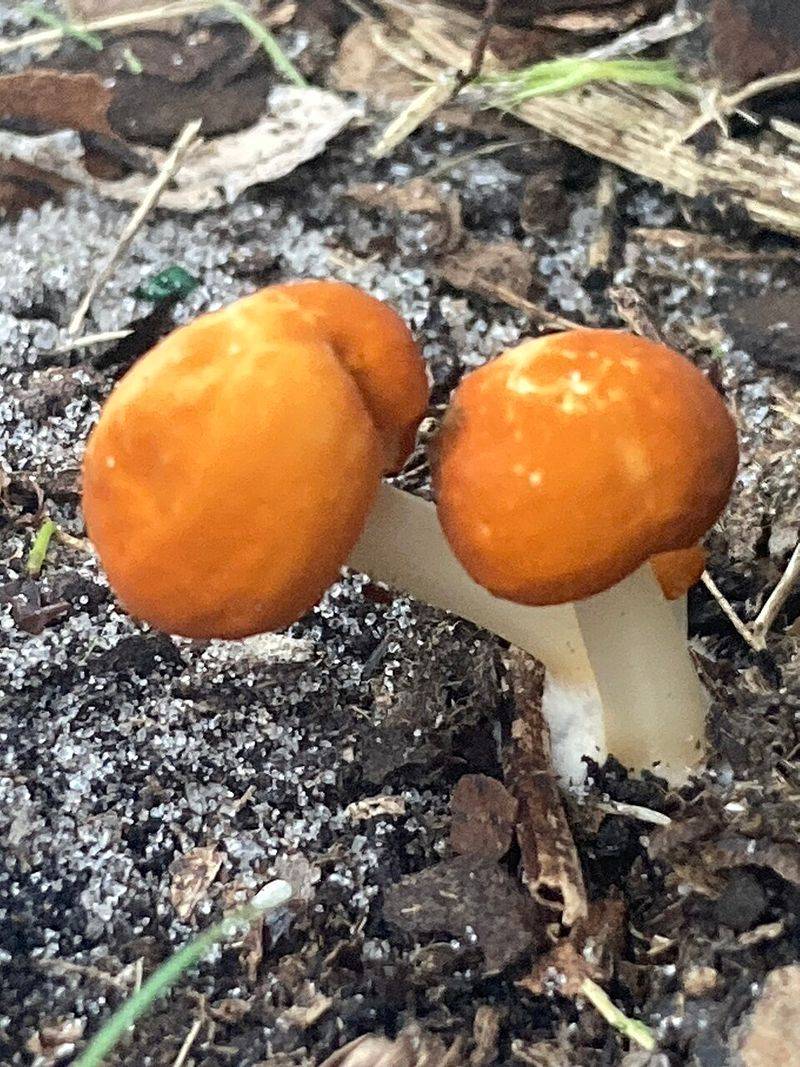
Marasmius vagus catches your eye immediately with its brilliant orange color that seems almost neon against green grass.
These tiny mushrooms rarely grow taller than an inch or two, making them look like little orange dots scattered across your lawn.
The caps are smooth and rounded, sometimes appearing slightly bell-shaped when young.
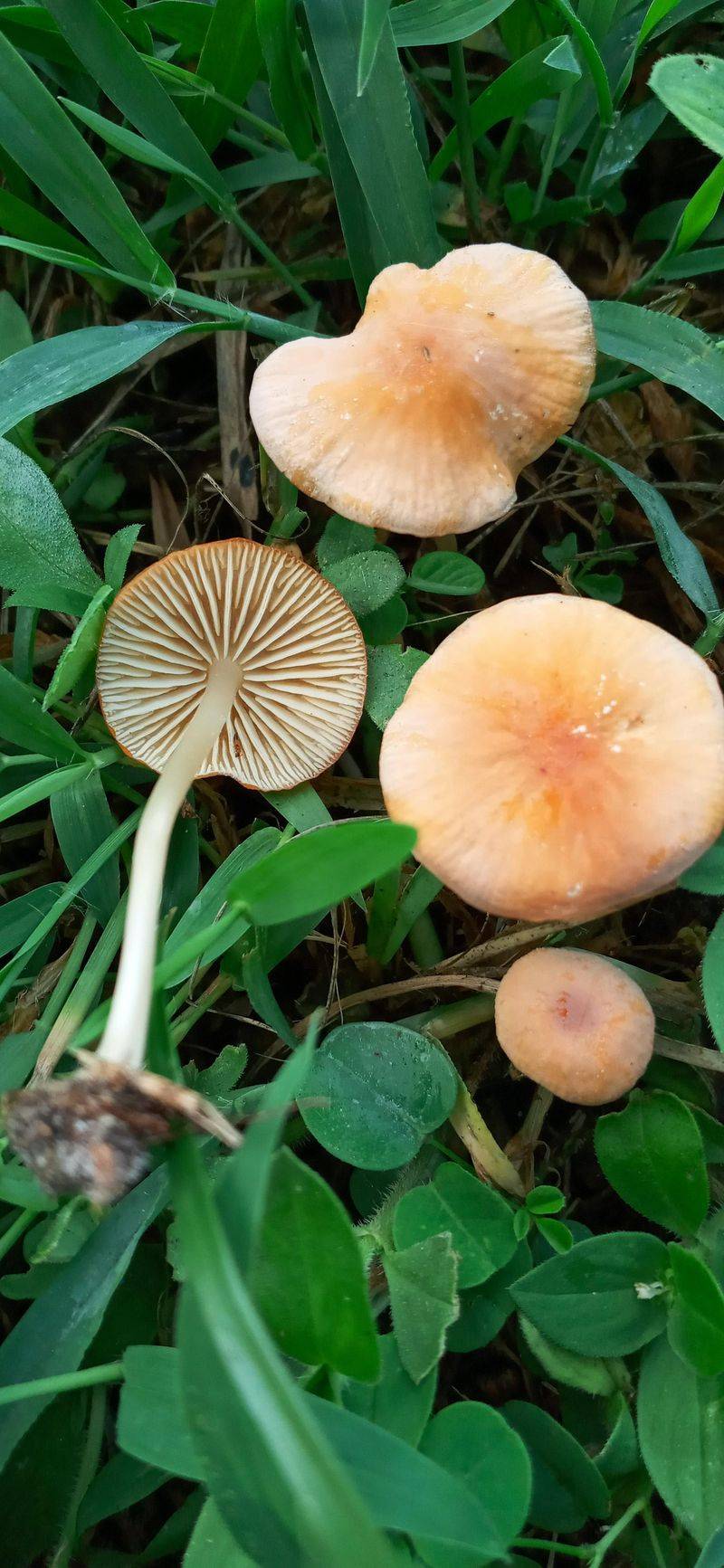
As they mature, the caps may flatten out a bit while keeping that striking orange hue.
Their thin stems are equally delicate, often matching the cap color or appearing slightly lighter.
Unlike some mushrooms that feel slimy or sticky, Marasmius vagus has a dry, almost papery texture.
Florida residents who spot these fungi often describe them as looking like tiny umbrellas or miniature parasols.
The mushrooms typically appear in clusters rather than alone, creating patches of orange across yards.
Their small size means they can easily hide among grass blades, so you might not notice them until you look closely.
Despite their bright appearance, they blend surprisingly well with fallen leaves and other organic matter.
Many homeowners find them charming once they learn these mushrooms pose no threat to lawns or pets.
Why Florida’s Climate Creates Perfect Growing Conditions
Florida’s subtropical climate offers everything Marasmius vagus needs to flourish in residential yards.
High humidity levels throughout much of the year provide the moisture these fungi require for growth.
Temperatures in Florida rarely drop low enough to discourage mushroom development, especially during summer and fall months.
Frequent afternoon thunderstorms saturate the soil, creating ideal conditions for fungal spores to germinate.
The combination of warmth and wetness acts like a natural incubator for these orange mushrooms.
Even during winter months, Florida’s mild temperatures allow fungi to remain active when northern states see none.
Morning dew adds another layer of moisture that helps sustain mushroom growth between rainstorms.
Soil in many Florida yards stays consistently damp, providing the perfect foundation for fungal networks underground.
Experts point out that Florida’s climate hasn’t changed dramatically, which explains why these mushrooms appear predictably.
The state’s position between the Atlantic Ocean and Gulf of Mexico ensures steady humidity year-round.
Your Florida Garden Changes Every Week. Your Plan Should Too.
Gardening in Florida changes quickly throughout the season. Every Friday you’ll receive a simple weekly plan showing exactly what to plant, prune, fertilize, harvest, and protect so you never miss the right timing.
Coastal breezes carry moisture inland, benefiting fungi even in areas away from the shore.
How Organic Matter Feeds These Fungi
Marasmius vagus doesn’t grow from nothing—it feeds on decaying organic material hidden beneath your grass.
Old leaves, withered grass clippings, and bits of wood create a buffet for these decomposer fungi.
Every time you mow your lawn and leave clippings behind, you’re potentially providing food for mushroom growth.
Fallen branches, even small twigs you might not notice, break down slowly and support fungal networks.
Florida yards often contain layers of organic matter that have built up over months or years.
The fungi send out thin threads called mycelium that spread through soil, breaking down this material.
This process actually benefits your lawn by recycling nutrients back into the earth.
Without fungi like Marasmius vagus, organic debris would pile up and take much longer to decompose.
Homeowners who use organic mulch around trees and gardens may notice more mushrooms in those areas.
The fungi essentially act as nature’s cleanup crew, converting waste into usable nutrients.
Understanding this relationship helps explain why removing all organic matter isn’t necessary or even beneficial for your yard.
Recent Weather Patterns Explain The Timing
The sudden appearance of orange mushrooms often follows specific weather events that create perfect growing conditions.
A stretch of rainy days can trigger mushroom fruiting, causing them to pop up seemingly overnight.
Florida’s summer rainy season brings daily afternoon showers that keep soil consistently moist for weeks.
Tropical storms and hurricanes dump enormous amounts of water, supercharging fungal activity across the state.
Warm temperatures following these rain events encourage rapid mushroom development.
Experts note that mushrooms are simply the visible part of fungi that exist underground year-round.
When conditions align perfectly, the fungus produces these fruiting bodies to spread spores.
Many Florida residents notice mushrooms appearing within 24 to 48 hours after heavy rainfall.
The timing seems sudden, but the fungal network has been growing beneath the surface for much longer.
Drought periods followed by rain create especially dramatic mushroom blooms as the fungi respond to renewed moisture.
Understanding this pattern helps homeowners anticipate when these colorful visitors might show up in their yards.
Safety Concerns For Pets And Children
Parents and pet owners naturally worry when unfamiliar mushrooms appear where kids and animals play.
Marasmius vagus is generally considered non-toxic, though eating any wild mushroom is never recommended.
The small size of these fungi means they’re less likely to attract attention from curious toddlers or pets.
Dogs sometimes investigate mushrooms by sniffing or mouthing them, but rarely consume them in quantity.
Most animals find the taste unappetizing and will spit them out if they do take a bite.
Experts advise removing mushrooms from play areas as a precaution, even when they’re not considered dangerous.
Teaching children never to touch or eat wild mushrooms creates good safety habits for life.
If a pet does consume mushrooms, watch for signs of distress like vomiting or lethargy.
Contact your veterinarian immediately if you suspect your animal has eaten unknown fungi.
Taking a photo of the mushroom can help experts identify it quickly if medical attention becomes necessary.
Florida poison control centers can provide guidance if a child accidentally ingests yard mushrooms.
The Underground Network You Cannot See
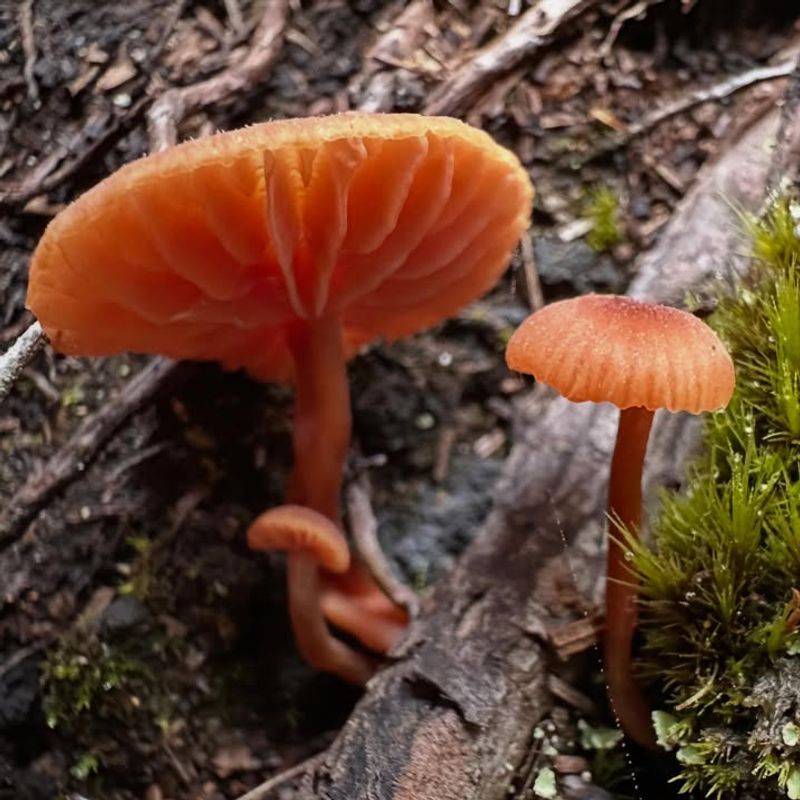
Those orange mushrooms visible on your lawn represent just a tiny fraction of the actual fungus.
Beneath the surface, an extensive network of thread-like structures called mycelium spreads through the soil.
This underground web can extend for several feet in all directions from where you see mushrooms.
The mycelium acts like roots, absorbing nutrients and water from decomposing organic matter.
Fungi spend most of their life cycle in this hidden form, only producing visible mushrooms under certain conditions.
The mushrooms themselves are simply reproductive structures designed to release spores into the air.
Once the mushrooms release their spores, they often shrivel up and disappear within days.
The mycelium network remains alive underground, ready to produce more mushrooms when conditions are right.
This explains why mushrooms can appear in the same spots year after year in Florida yards.
Removing visible mushrooms doesn’t eliminate the fungus since the mycelium continues growing below.
Understanding this hidden network helps explain why fungi are so persistent and widespread in suitable environments.
Natural Methods To Manage Lawn Mushrooms
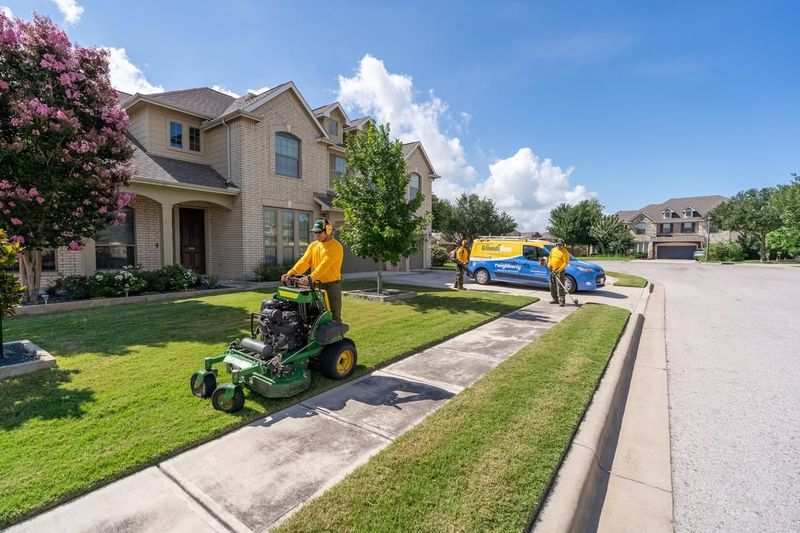
Homeowners who prefer fewer mushrooms in their yards can take simple steps without using harsh chemicals.
Raking up excess leaves and grass clippings reduces the organic material that feeds fungal growth.
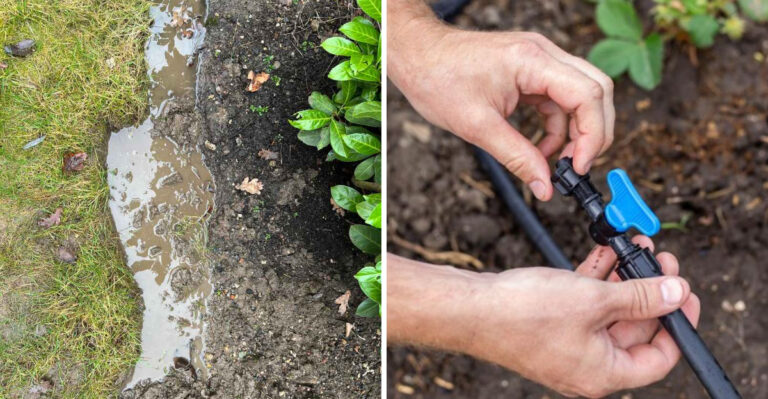
Improving drainage in soggy areas helps lower moisture levels that mushrooms need to develop.
Aerating compacted soil allows water to drain more efficiently rather than pooling on the surface.
Adjusting sprinkler schedules to water less frequently but more deeply can reduce surface moisture.
Morning watering gives grass time to dry during the day, creating less favorable conditions for fungi.
Simply picking mushrooms by hand when they appear keeps yards looking tidy without affecting the lawn.
Bagging grass clippings instead of leaving them on the lawn removes a food source for decomposer fungi.
Removing old tree stumps and buried wood eliminates major food sources that support large fungal networks.
Many Florida residents find that mushrooms come and go naturally, requiring no intervention at all.
Accepting occasional mushrooms as part of a healthy lawn ecosystem represents the most environmentally friendly approach.
Why Experts Consider This A Healthy Sign
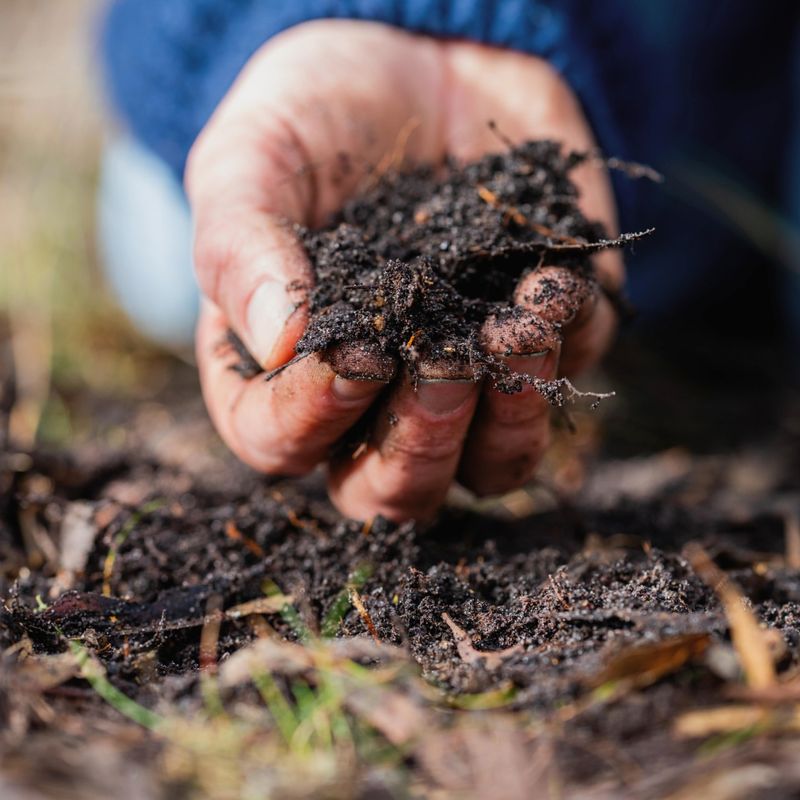
Scientists view mushroom growth as evidence of active, healthy soil ecosystems rather than a problem to solve.
Fungi play crucial roles in breaking down organic matter and recycling nutrients that plants need.
The presence of Marasmius vagus indicates that your soil contains enough organic material to support diverse life.
Healthy fungal activity improves soil structure, making it better at retaining moisture and nutrients.
Mycologists explain that fungi form partnerships with plant roots, helping grass access water and minerals.
Lawns with active fungal communities often show better drought resistance and overall vigor.
The decomposition work that fungi perform prevents organic matter from building up into thick, problematic layers.
Florida’s rich biodiversity includes thousands of fungal species, most of which benefit the environment.
Experts encourage homeowners to view mushrooms as temporary visitors rather than invaders.
Chemical treatments that target fungi can disrupt beneficial soil organisms and harm overall lawn health.
Embracing the natural cycles that include occasional mushroom appearances leads to more sustainable landscaping practices.
Observing Nature’s Cycle In Your Own Backyard
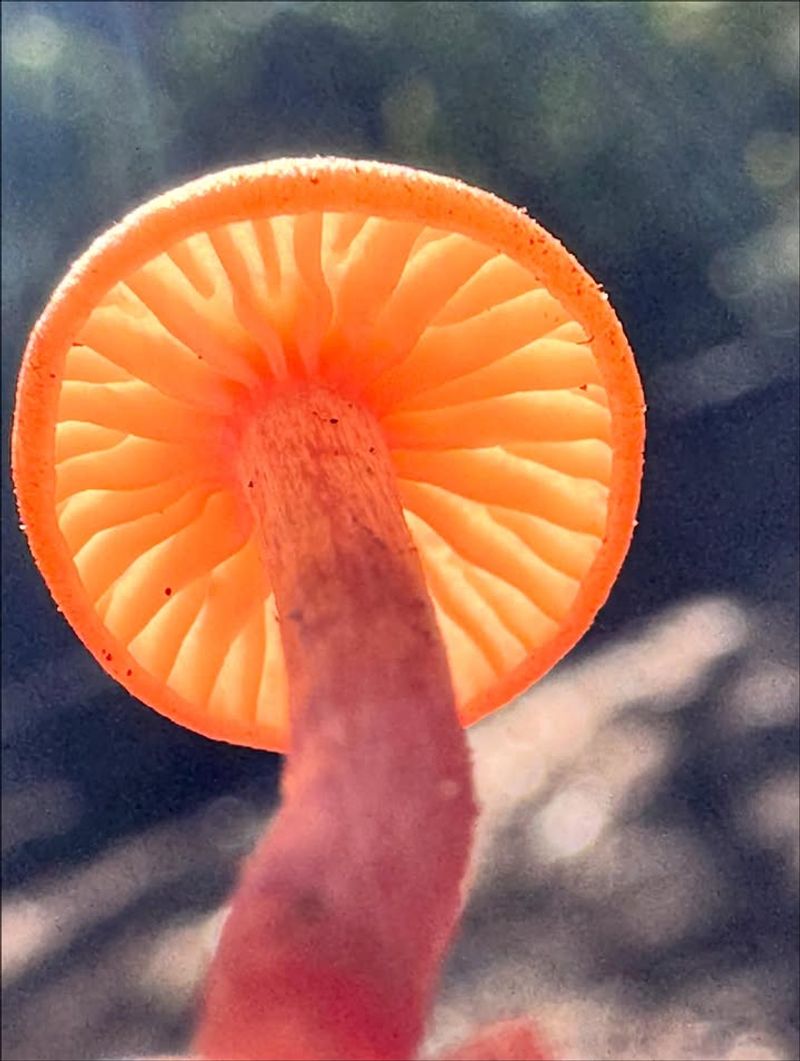
Watching these orange mushrooms appear, grow, and eventually fade away offers a fascinating lesson in natural cycles.
Children and adults alike can learn about decomposition, reproduction, and ecosystem health through simple observation.
The mushrooms typically last only a few days before releasing their spores and withering away.
Taking photos of mushrooms at different stages creates a visual record of their rapid life cycle.
Many Florida families find that mushroom watching becomes an unexpected hobby during rainy seasons.
Field guides and smartphone apps can help identify different fungal species that appear throughout the year.
Documenting when and where mushrooms appear in your yard reveals patterns related to weather and seasons.
This hands-on connection with nature helps people appreciate the complex processes happening beneath their feet.
Educators often use mushroom appearances as teaching moments about decomposition and nutrient cycling.
Rather than viewing these fungi as nuisances, homeowners can celebrate them as signs of a living, breathing landscape.
Florida’s climate makes it an ideal outdoor classroom for learning about fungi and their important ecological roles.