9 Things That Could Earn You A Fine In Your Florida Garden
Florida gardens often shine with bold colors, tropical flair, and lush growth that seems to spring up overnight.
Still, even the prettiest yard can bring trouble if certain items get left out for too long.
In a state known for strong winds, curious wildlife, and strict local rules, a simple slip can turn into a fine before you know it.
Something as small as a forgotten bin or broken pot can stick out like a sore thumb and catch the wrong kind of attention.
Many homeowners learn the hard way that a tidy garden keeps more than weeds in check.
A clean, well kept space also keeps inspectors, neighbors, and HOAs from raising eyebrows.
Some items attract pests, some pose safety risks, and others just create clutter that towns aim to prevent.
One stray object can snowball into bigger issues that chip away at time and money.
Staying ahead of the game brings peace of mind.
A few smart habits protect the wallet and keep a garden looking sharp enough to make passersby stop and stare.
By knowing which items spell trouble, homeowners can enjoy their Florida paradise without red tape creeping in like an uninvited guest.
1. Japanese Knotweed That Spreads To Neighbours
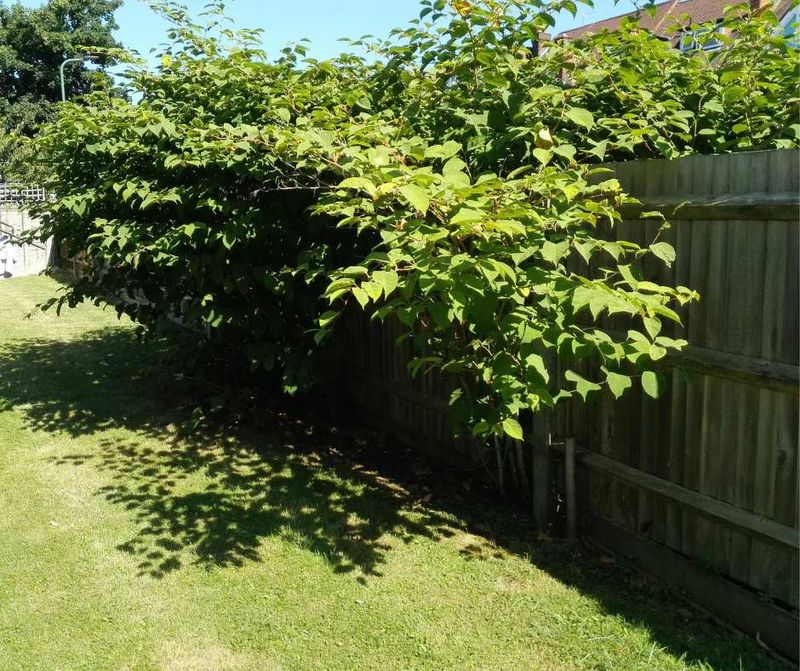
Many Florida residents don’t realize that allowing invasive plants to spread beyond their property line can result in serious fines.
Japanese knotweed grows incredibly fast and can damage foundations, driveways, and underground pipes with its aggressive root system.
Once it takes hold, this plant becomes nearly impossible to control without professional help.
Your neighbors can file complaints if your knotweed crosses into their yard, and local authorities take these violations seriously.
Florida municipalities often require property owners to remove invasive species within a specific timeframe once notified.
Failing to act quickly can lead to fines starting at several hundred dollars and increasing with each day of non-compliance.
The plant spreads through tiny root fragments, so even small pieces left behind can regenerate into new growth.
Professional removal services can be expensive, but they’re often necessary to completely eradicate the problem.
Some Florida counties maintain lists of prohibited plants that homeowners must keep off their properties.
Checking with your local code enforcement office helps you stay informed about which plants might cause legal trouble.
Prevention is always easier than removal, so research any new plants before adding them to your Florida garden.
2. Old Furniture And Rubbish In Your Front Garden

That broken patio set you’ve been meaning to haul away could be costing you more than just curb appeal.
Florida homeowner associations and municipal codes typically prohibit storing junk, debris, or old furniture in visible areas of your property.
What you consider temporary storage might look like an eyesore to neighbors and code enforcement officers.
Most Florida communities have strict regulations about maintaining a neat appearance from the street.
Violations can result in warnings followed by daily fines that accumulate quickly if you don’t remove the offending items.
Your Florida Garden Changes Every Week. Your Plan Should Too.
Gardening in Florida changes quickly throughout the season. Every Friday you’ll receive a simple weekly plan showing exactly what to plant, prune, fertilize, harvest, and protect so you never miss the right timing.
Front yards are held to higher standards than backyards because they affect the entire neighborhood’s appearance.
Even items you plan to donate or sell should be kept out of sight until pickup day.
Code enforcement officers regularly patrol neighborhoods looking for violations, and complaints from neighbors often trigger inspections.
Fines in Florida can range from fifty dollars to several hundred depending on your location and the severity of the violation.
If you need to temporarily store items outside, check whether your community allows screened enclosures or requires everything to stay in garages.
Keeping your front garden clear of clutter protects both your wallet and your relationship with neighbors.
3. Bright Security Lights That Disturb Neighbours

Security is important, but your super-bright motion lights might be creating problems you haven’t considered.
Florida communities often have light pollution ordinances that restrict how bright your outdoor lighting can be and where it can shine.
Lights that spill onto neighboring properties or shine directly into windows can trigger complaints and fines.
Your neighbors have a right to enjoy their property without constant glare disrupting their peace.
Many Florida municipalities require outdoor lights to be shielded and directed downward rather than outward.
Motion-activated lights should be positioned carefully to avoid triggering from activity on adjacent properties.
Some homeowner associations have specific wattage limits or require approval before installing exterior lighting.
Complaints about light nuisance can lead to inspections and mandatory modifications to your lighting setup.
Fines typically start with a warning but can escalate to daily penalties if you don’t make the required changes.
Consider using lower-wattage bulbs with motion sensors that only activate when someone approaches your property.
Properly aimed lighting can provide security without bothering neighbors or violating Florida ordinances.
Consulting with your HOA before installing new outdoor lights helps you avoid costly mistakes and neighborhood disputes.
4. A Fence That’s Too Tall
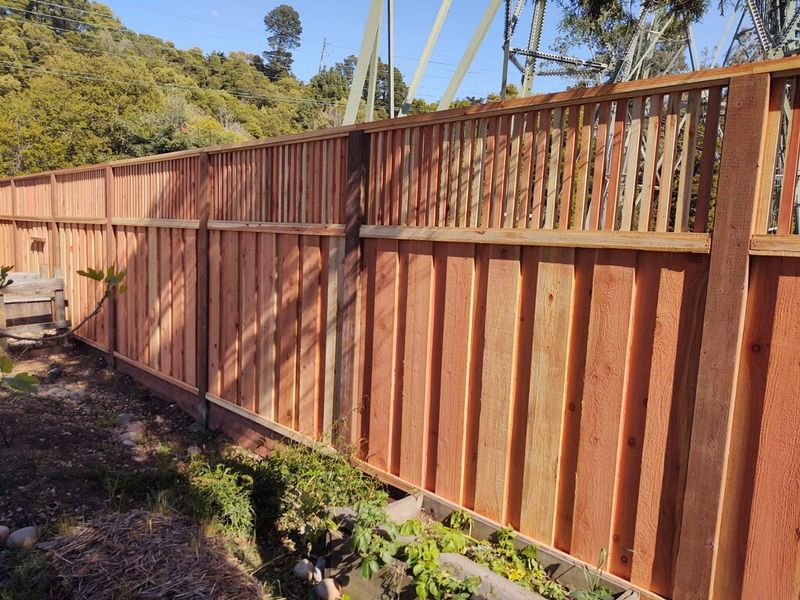
Building a fence seems straightforward until you discover that Florida has strict height regulations you must follow.
Most residential areas limit front yard fences to around three or four feet, while backyard fences can typically reach six feet.
Exceeding these limits without proper permits can result in fines and orders to modify or remove your fence entirely.
Different Florida municipalities have varying rules, so what’s allowed in one city might be prohibited in another.
Homeowner associations often impose even stricter requirements than local building codes.
Installing a fence without checking regulations first can lead to expensive mistakes that require professional correction.
Code enforcement officers measure fences from ground level, and even a few inches over the limit can constitute a violation.
Some areas require special permits for fences over a certain height, which involve applications and approval processes.
Neighbors can file complaints if they believe your fence violates local ordinances or blocks their views.
Fines for illegal fences can start at a few hundred dollars and increase if you don’t take corrective action promptly.
Before building any fence on your Florida property, contact your local building department and review your HOA guidelines.
Proper planning saves you from the headache and expense of dealing with violations after construction.
5. Bonfires That Cause Smoke Nuisance

Gathering around a fire pit sounds relaxing, but in Florida, outdoor burning is heavily regulated for good reasons.
Many counties prohibit recreational fires during certain times of year or require permits even for small bonfires.
Smoke drifting into neighboring properties can trigger complaints and immediate visits from code enforcement or fire officials.
Florida’s dry seasons create serious fire hazards, making authorities particularly strict about outdoor burning.
Air quality concerns also drive regulations, especially in densely populated areas where smoke affects multiple households.
What you consider a small fire might produce enough smoke to violate nuisance ordinances.
Complaints about smoke can result in fines ranging from hundreds to thousands of dollars depending on the severity and frequency.
Some Florida communities ban outdoor fires entirely except in approved fire pits with specific safety features.
Even where fires are allowed, you must ensure smoke doesn’t create a nuisance for neighbors.
Wind direction matters greatly, and fires that seemed fine can quickly become problems when conditions change.
Before lighting any outdoor fire in Florida, check local ordinances and current burn bans.
Contacting your fire department helps you understand what’s allowed and how to avoid violations that could ruin your evening and empty your wallet.
6. Waste You’ve Burned Illegally
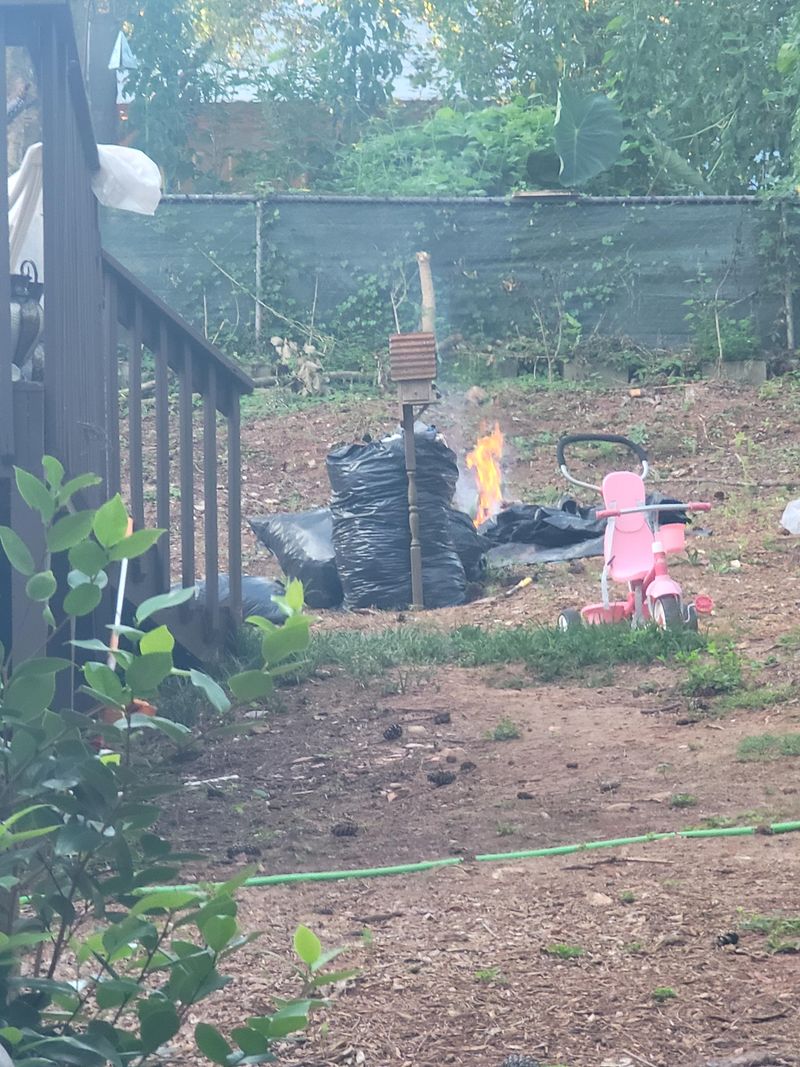
Burning yard waste might seem like an easy disposal method, but Florida law treats this very seriously.
Most residential areas prohibit burning household trash, construction debris, or treated wood entirely.
The smoke from burning plastics, treated lumber, and other materials releases toxic chemicals that harm air quality and public health.
Florida’s Department of Environmental Protection enforces strict rules about what can and cannot be burned.
Even in rural areas where some burning is permitted, you must follow specific guidelines about materials and methods.
Neighbors who smell unusual or noxious smoke often report violations to authorities immediately.
Burning prohibited materials can result in substantial fines from both local code enforcement and state environmental agencies.
Penalties often start at several hundred dollars but can reach thousands for repeat offenses or particularly harmful violations.
Some items like tires, plastics, and chemically treated wood are never legal to burn anywhere in Florida.
Proper disposal through municipal services or approved facilities is always the safer and legal choice.
If you’re unsure whether burning something is allowed, assume it isn’t and find an alternative disposal method.
Florida takes environmental protection seriously, and burning violations can lead to legal consequences beyond simple fines.
7. Overhanging Branches Causing Problems
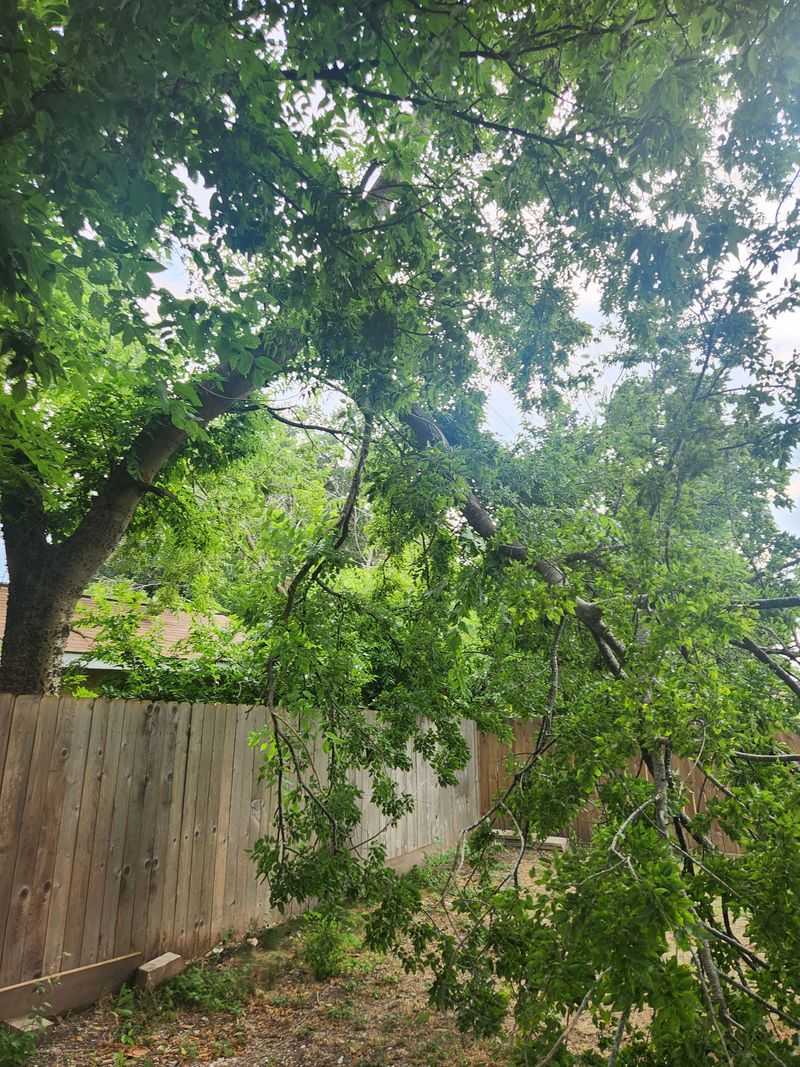
Your beautiful oak tree might be causing legal headaches if its branches extend beyond your property boundaries.
Florida law generally allows neighbors to trim branches that cross property lines, but you’re responsible for preventing problems in the first place.
Branches hanging over sidewalks can create hazards for pedestrians and violate municipal right-of-way ordinances.
Most Florida cities require property owners to maintain clearance above public walkways, typically around eight feet.
Limbs that touch power lines create serious safety risks and utility companies may trim them at your expense.
If your branches drop leaves, fruit, or debris onto neighboring properties, you could face nuisance complaints.
Damage caused by your overhanging branches to a neighbor’s roof, gutters, or structures can make you liable for repairs.
Code enforcement officers often issue warnings first, but repeated violations or failure to trim can result in fines.
Some municipalities will trim the branches themselves and bill you for the service plus administrative fees.
Hurricane season makes overhanging branches especially problematic in Florida, as they become dangerous projectiles in high winds.
Regular tree maintenance protects you from liability and keeps your property in compliance with local ordinances.
Hiring a licensed arborist ensures proper trimming that won’t harm your trees or violate any Florida regulations.
8. An Oversized Shed Without Permission

That convenient storage shed seemed like a great solution until you discovered it violates multiple regulations.
Florida building codes limit shed sizes based on whether you obtain permits, with unpermitted structures typically restricted to around 100-200 square feet.
Larger sheds require building permits, inspections, and compliance with setback requirements from property lines.
Homeowner associations often have additional restrictions about shed sizes, styles, and placement that differ from municipal codes.
Installing an oversized shed without permission can result in orders to remove it entirely or obtain expensive after-the-fact permits.
Setback violations occur when sheds are placed too close to property boundaries, fences, or other structures.
Code enforcement typically discovers unpermitted sheds through neighbor complaints or during inspections for other issues.
Fines for building without permits can be substantial and continue accruing until you achieve compliance.
Some Florida counties charge double or triple the normal permit fees for structures built without authorization.
In extreme cases, you might be required to demolish an unpermitted shed at your own expense.
Before building any outdoor structure in Florida, research local building codes and HOA requirements thoroughly.
Obtaining proper permits upfront costs less than dealing with violations and ensures your shed meets safety standards and legal requirements.
9. Items Left On The Pavement Outside
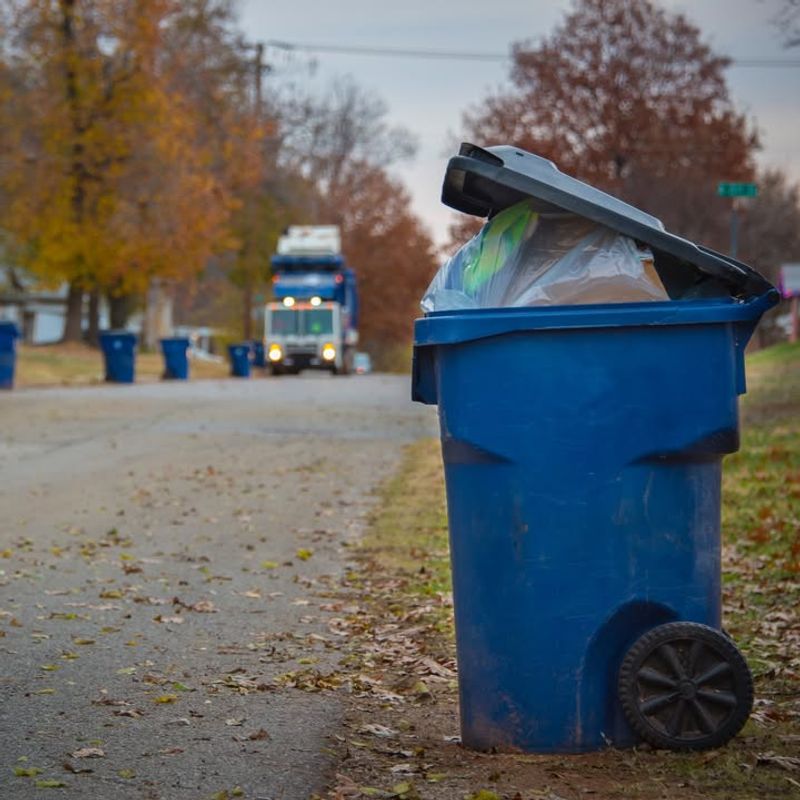
Sidewalks and public rights-of-way must remain clear, even when they run directly in front of your Florida home.
Placing trash cans, planters, signs, or any personal items on public pavement can violate municipal ordinances.
Most Florida cities allow trash containers on the curb only on designated collection days, requiring removal within hours after pickup.
Items left on sidewalks create obstacles for pedestrians, especially those using wheelchairs, strollers, or mobility devices.
The Americans with Disabilities Act requires clear pathways, and violations can result in both local fines and federal complaints.
Decorative items you think enhance your property might actually constitute illegal obstructions of public space.
Code enforcement officers patrol regularly and can issue citations for items blocking sidewalks or extending into roadways.
Fines typically start around fifty dollars but increase for repeat violations or if items cause accidents.
Some Florida communities have specific rules about where you can place items for bulk trash pickup.
Garage sale items, moving boxes, or renovation materials must stay on your private property, not public pavement.
Even temporary placement can trigger complaints from neighbors or passersby who find the obstruction inconvenient.
Keeping public walkways clear protects everyone’s safety and helps you avoid unnecessary fines in Florida.