Helpful Things To Do When You Find A Turtle Visiting Your Florida Yard
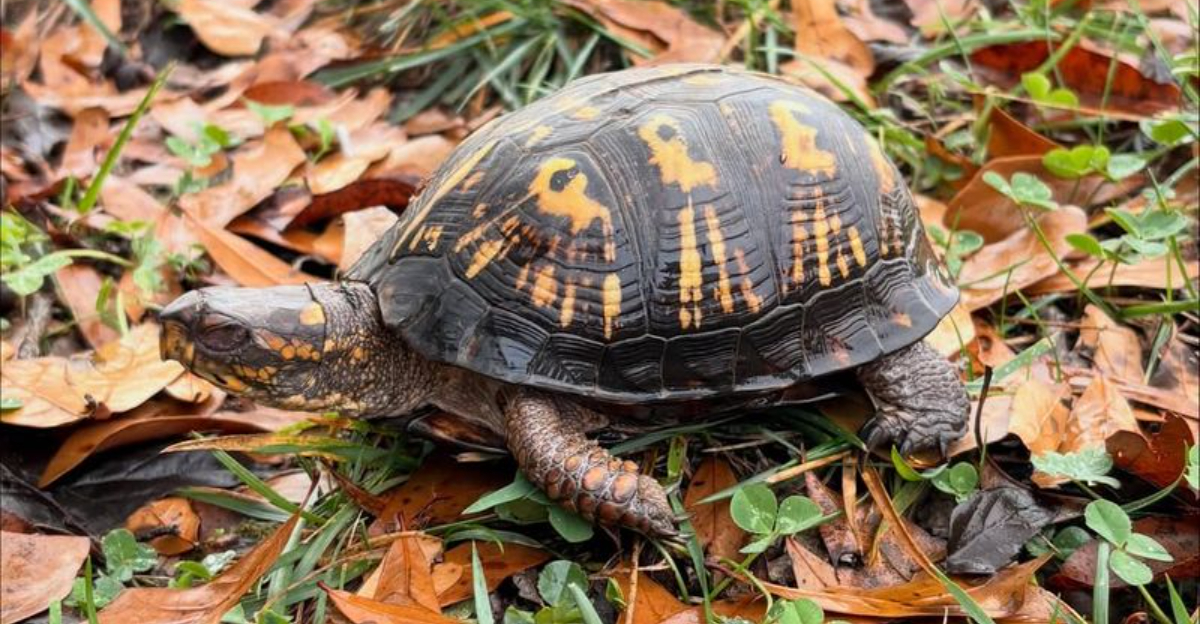
A turtle wandering into a Florida yard is more common than many people realize.
With wetlands, ponds, canals, and lakes woven throughout the state, turtles frequently cross neighborhoods as they search for nesting sites, food, or new habitat.
When one shows up in the yard, most homeowners instinctively want to help—but knowing the right way to do so is important.
Turtles are delicate travelers, easily stressed by handling or relocation, and often have strong homing instincts that pull them back toward familiar territory.
Sometimes a turtle is simply passing through; other times, it may be preparing to lay eggs.
Understanding their behavior makes it easier to support their journey without interfering.
A few simple actions—keeping pets indoors, giving the turtle space, or guiding it across a driveway—can ensure its safety.
These calm, ancient creatures are part of Florida’s natural charm, and helping one move along safely is a small but meaningful act of stewardship.
How To Help A Turtle Cross Safely Without Picking It Up
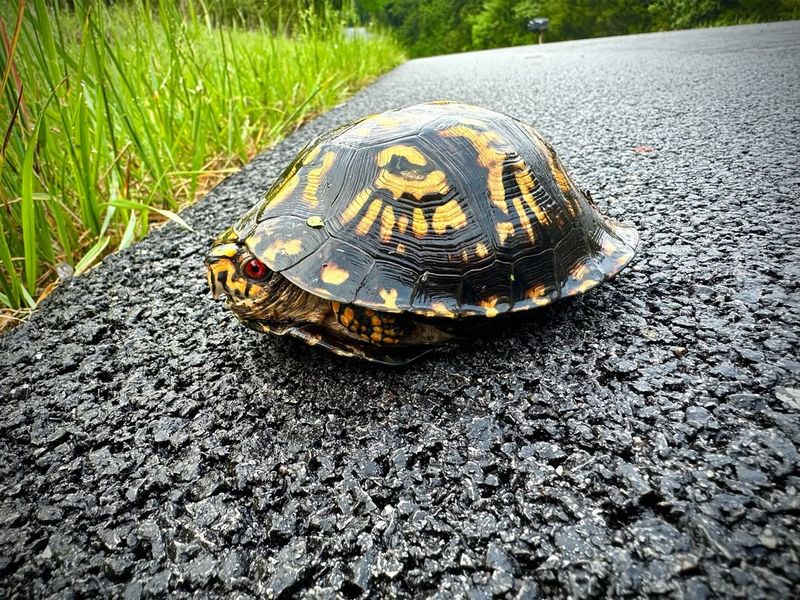
Most turtles traveling through your yard know exactly where they’re headed, and your job is simply to make their journey easier.
Instead of lifting the turtle, walk slowly behind it to encourage movement in the direction it was already going.
Keep a respectful distance so you don’t startle or stress the animal.
If the turtle seems hesitant or stops moving, give it time and space.
Turtles move at their own pace and will continue when they feel safe.
Only pick up a turtle if it’s in immediate danger, like heading toward a busy road or a pool.
When you must lift one, support the shell from both sides near the middle and keep it low to the ground.
Always move the turtle in the direction it was traveling, not where you think it should go.
Changing its course can confuse the animal and disrupt important activities like nesting or finding water.
Remember that some species, like snapping turtles, can bite if they feel threatened.
Use caution and keep your hands away from the head and tail.
By guiding rather than grabbing, you help the turtle complete its journey without unnecessary stress or harm.
Why You Should Never Move A Turtle Far From Where You Found It
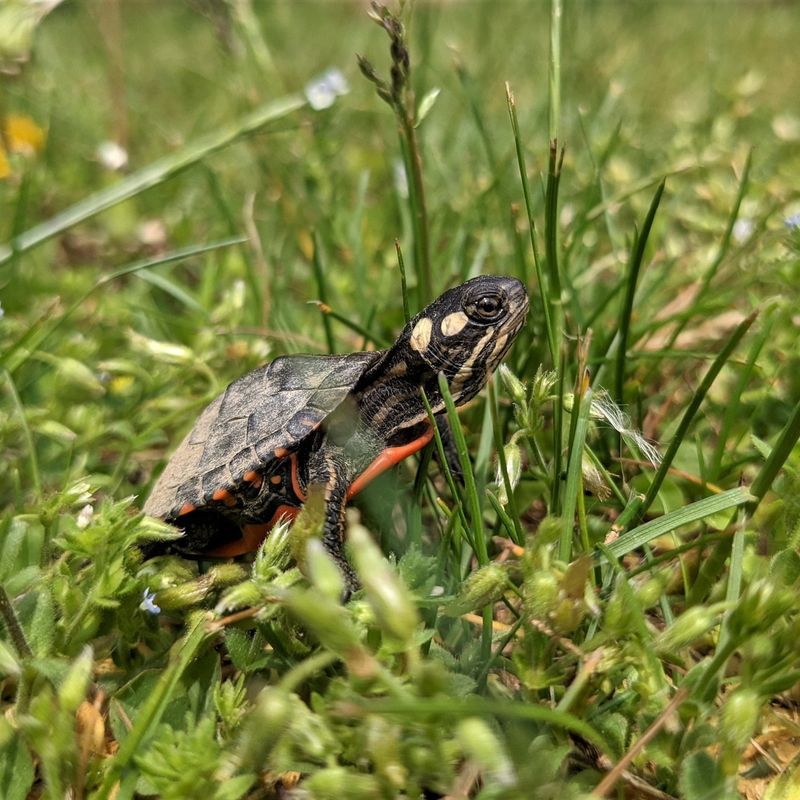
Relocating a turtle to a pond or park might seem helpful, but it can actually put the animal in serious danger.
Turtles have home ranges they know well, including where to find food, shelter, and mates.
Moving them even a short distance can leave them disoriented and struggling to survive in unfamiliar territory.
Female turtles often travel far from water to find the perfect nesting spot.
If you move her before she finishes, she may not be able to find her way back or complete the nesting process.
Relocated turtles also face increased risks from predators, traffic, and other hazards they haven’t learned to navigate.
They may spend weeks trying to return to their original home range, crossing dangerous areas repeatedly.
Your Florida Garden Changes Every Week. Your Plan Should Too.
Gardening in Florida changes quickly throughout the season. Every Friday you’ll receive a simple weekly plan showing exactly what to plant, prune, fertilize, harvest, and protect so you never miss the right timing.
Additionally, moving turtles can spread diseases to new populations or introduce species into habitats where they don’t belong.
This can harm local ecosystems and native wildlife.
If a turtle is in your yard, it’s there for a reason.
Let it continue on its path naturally.
The best thing you can do is simply observe from a distance and allow the turtle to move through your property without interference.
Simple Ways To Protect A Turtle From Cars And Pets
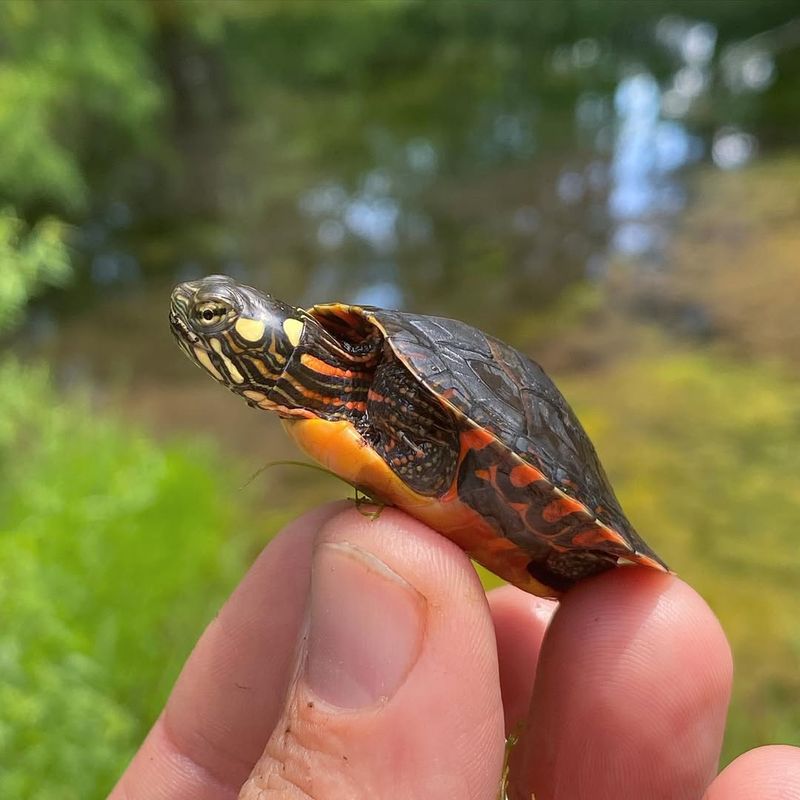
When a turtle enters your yard, it may need to cross driveways or areas where pets roam freely.
Taking a few quick precautions can prevent accidents and keep the turtle safe.
Start by bringing your dogs and cats indoors until the turtle has passed through completely.
Even friendly pets can injure turtles out of curiosity or playfulness.
Their sharp teeth and claws can crack shells or cause wounds that become infected.
If you notice the turtle near your driveway, place a temporary marker like a small cone or bucket nearby to remind yourself and family members to watch carefully before backing out.
Check under your vehicle before starting the engine, as turtles sometimes rest in shaded spots.
You can also create a safe buffer zone by gently blocking off areas with lightweight garden fencing or chairs until the turtle moves along.
Avoid loud noises or sudden movements that might scare the turtle into hiding in a dangerous spot.
Keep garage doors closed if the turtle is nearby, as they sometimes wander into dark spaces and become trapped.
Check your yard again before letting pets back outside.
These simple steps take just minutes but can save a turtle’s life.
What It Means When A Turtle Is Digging In Your Yard
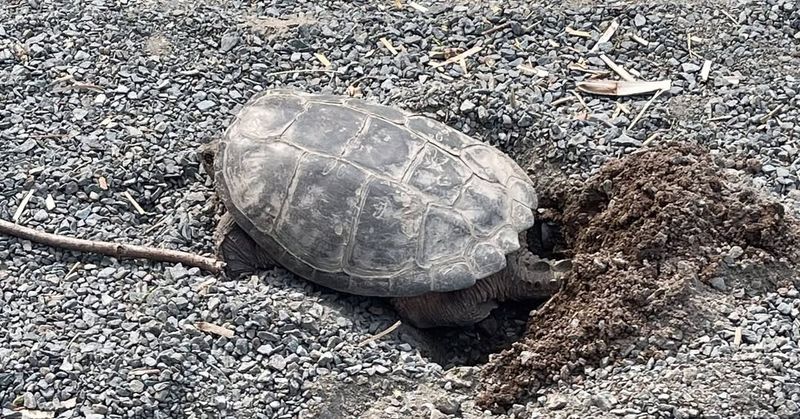
Spotting a turtle digging in your yard during spring or early summer is a special sight.
Female turtles seek out sandy or loose soil to lay their eggs, and your yard may have been chosen as the perfect nesting site.
This behavior is completely natural and should be left undisturbed.
Once the turtle finishes digging and laying her eggs, she’ll cover the nest and leave.
The eggs will incubate underground for several weeks or months, depending on the species and temperature.
Resist the urge to mark the nest with flags or decorations, as this can attract predators.
Instead, make a mental note of the location and avoid mowing, digging, or placing heavy objects in that area.
Keep pets away from the nest site, as dogs especially may try to dig up the eggs.
If you must work in your yard, give the nesting area a wide berth.
It’s illegal in Florida to disturb turtle nests without proper permits, so hands-off observation is the best approach.
Watching this process from a distance is a wonderful educational opportunity, especially for children.
When the hatchlings emerge, they’ll instinctively head toward water or cover, so keep pathways clear and let nature take its course.
When You Should Call Wildlife Experts Instead Of Handling A Turtle
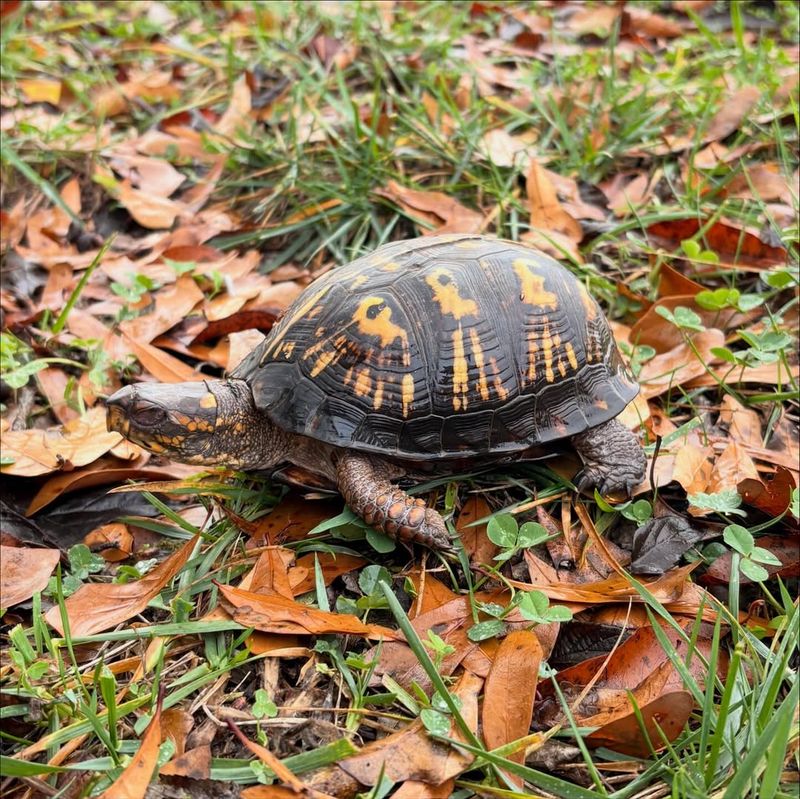
Not every turtle situation can be handled by a homeowner alone.
Certain signs indicate that professional help is needed to ensure the turtle’s safety and recovery.
If you notice visible injuries like cracks in the shell, bleeding, or limbs that appear broken, contact a licensed wildlife rehabilitator immediately.
Turtles that seem lethargic, have discharge from the eyes or nose, or appear unable to walk properly may be sick or injured and need medical attention.
Don’t attempt to treat these issues yourself, as improper care can make things worse.
If you find a species you suspect is protected or endangered, such as a gopher tortoise, it’s important to call the Florida Fish and Wildlife Conservation Commission (FWC) for guidance.
Handling these species without authorization is illegal.
Turtles trapped in unusual places like storm drains, pools, or fences may also require expert assistance to safely remove them without causing harm.
Wildlife professionals have the training and tools to handle delicate situations.
Keep the turtle’s location secure and quiet while you wait for help to arrive.
Avoid handling the animal unless absolutely necessary.
Quick action and the right phone call can give an injured or at-risk turtle the best chance for survival and recovery.
How To Create A Turtle-Safe Pathway In Your Yard
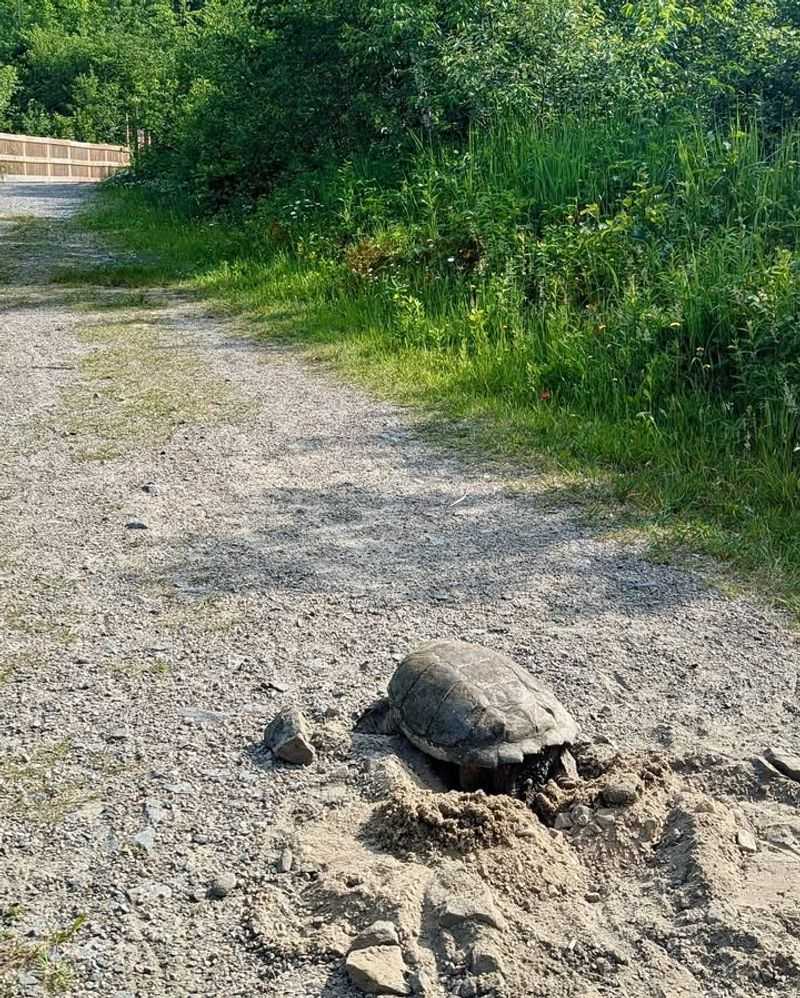
Making your yard easier for a turtle to navigate doesn’t require major landscaping changes.
Small adjustments can help the turtle move through safely and quickly.
Start by clearing away any obstacles like garden tools, hoses, or lawn decorations that might block its path.
Turtles can become stuck or stressed when they encounter barriers they can’t easily climb over or go around.
Check for low spots in fences or gaps where the turtle might try to squeeze through and become trapped.
If you’re doing yard work, pause activities like mowing, edging, or using loud equipment until the turtle has left the area.
The noise and vibrations can frighten turtles and cause them to hide in unsafe places.
Avoid using chemicals like fertilizers or pesticides near the turtle’s path, as these substances can be absorbed through their skin or ingested.
Natural yard care methods are safer for all wildlife.
If the turtle seems to be heading toward a fence line, you can gently create a clearer route by moving plants or debris aside.
Never force the turtle to change direction.
Once the pathway is clear, step back and let the turtle continue at its own pace.
Patience and minimal interference are the keys to helping turtles pass through your property safely.
Why Feeding Wild Turtles Does More Harm Than Good
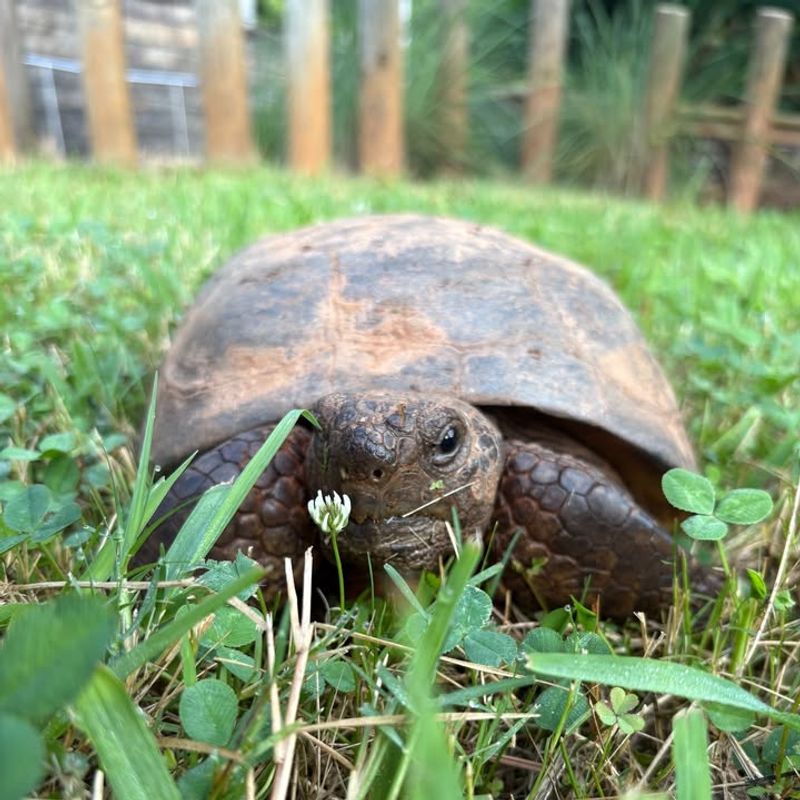
It might be tempting to offer food to a turtle passing through your yard, but feeding wild turtles can actually cause serious problems.
Turtles have specific dietary needs that vary by species, and human food often lacks the nutrients they require.
Offering the wrong foods can lead to malnutrition or digestive issues.
Feeding wild turtles also changes their natural behavior.
They may begin to associate humans with food and lose their instinct to forage on their own.
This dependency can make them vulnerable if they stop finding food in the wild.
It can also cause them to linger in areas where they face increased risks from traffic, pets, or other dangers.
Additionally, food left out for turtles can attract unwanted wildlife like raccoons, rats, or ants, creating problems for your yard and neighborhood.
Moldy or spoiled food can make turtles sick.
Florida’s native turtles are perfectly capable of finding their own meals, whether that’s insects, plants, or aquatic prey.
They’ve been doing it successfully for millions of years without human help.
By resisting the urge to feed, you’re allowing the turtle to maintain its natural behaviors and stay healthy.
Observation and respect are far more valuable than a handful of lettuce or bread.
Signs The Turtle Is Just Passing Through And Doesn’t Need Help
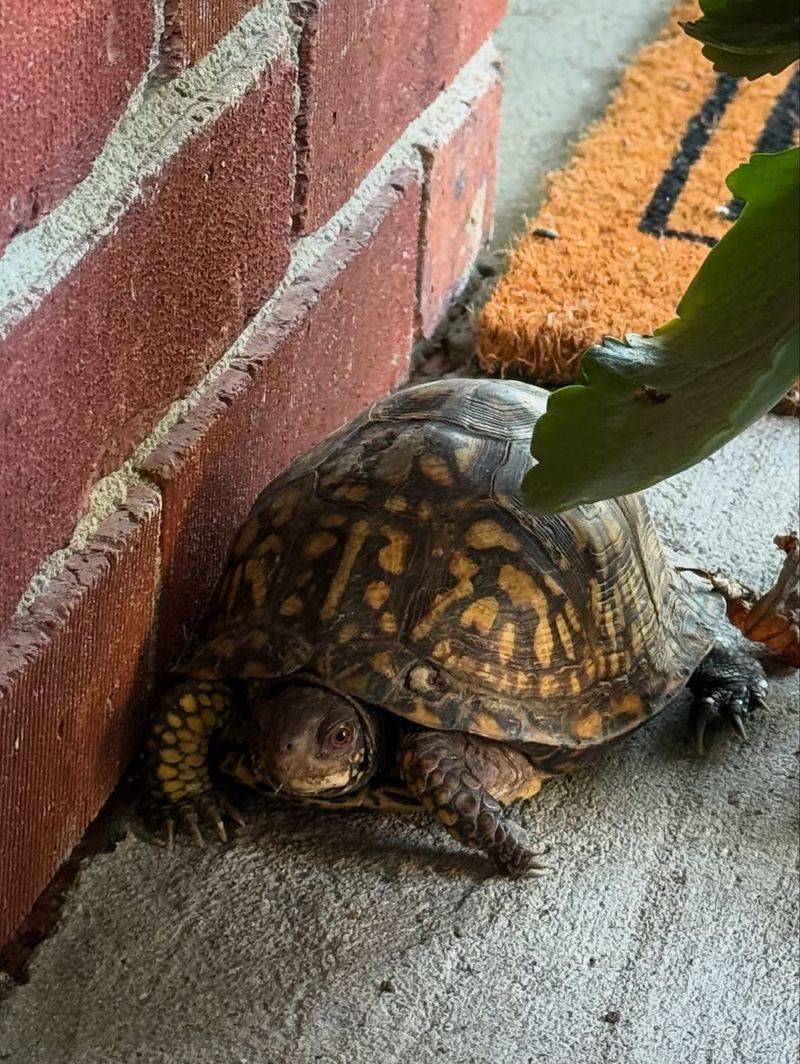
Most turtles you encounter in your Florida yard are simply going about their daily routines.
Understanding normal turtle behavior can help you determine when it’s best to leave them alone.
A turtle walking steadily in one direction with its head up and legs moving smoothly is likely just traveling between locations.
Turtles regularly move between feeding areas, water sources, and nesting or basking sites.
These journeys are a natural part of their life cycle and don’t require human intervention.
If the turtle appears alert and aware of its surroundings, it’s probably healthy and knows where it’s going.
Healthy turtles will pull their head and legs into their shell if they feel threatened, which is a normal defensive behavior.
Turtles may pause to rest in shaded spots or under bushes, especially during hot weather.
This is completely normal and not a sign of distress.
As long as the turtle isn’t in immediate danger from traffic, pets, or other hazards, the best thing you can do is simply watch and enjoy the experience.
Take photos from a distance if you like, but avoid getting too close.
Most turtles will move through your yard within a few hours and continue on their way without any help needed.
What To Do If You Find Baby Turtles In Your Florida Yard
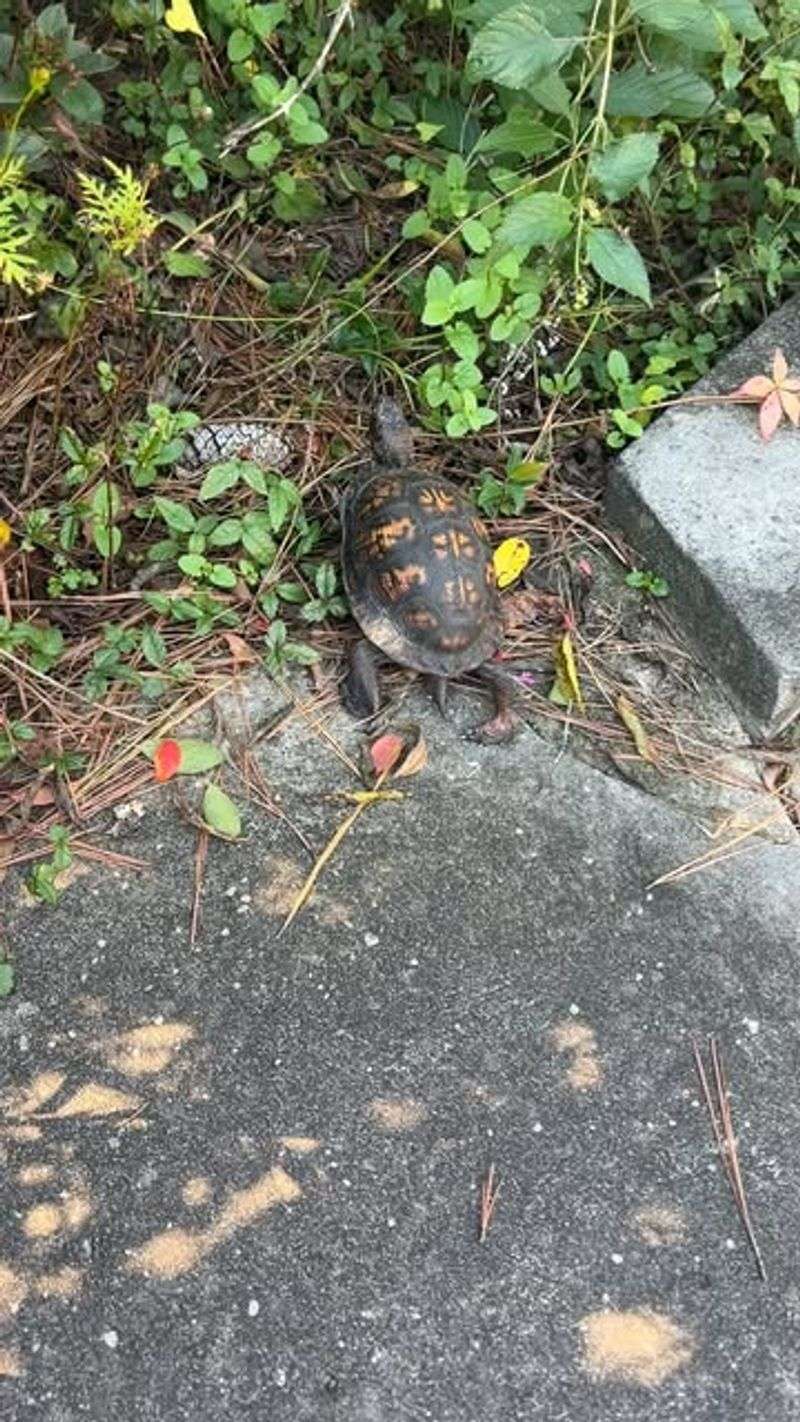
Discovering tiny hatchling turtles emerging from a nest in your yard is an unforgettable experience.
These miniature reptiles are incredibly vulnerable, and your actions can greatly impact their chances of survival.
The most important rule is to observe without touching.
Baby turtles have a natural instinct to head toward water or protective cover, and they need to make this journey on their own.
Picking them up can disorient them or cause stress that affects their health.
Keep the area as quiet as possible while the hatchlings are active.
Loud noises, bright lights, and sudden movements can confuse them or attract predators.
Make sure pets are kept indoors and that outdoor lights are turned off at night, as artificial lighting can lead hatchlings in the wrong direction.
If the hatchlings are heading toward danger like a pool or busy road, you can create gentle barriers using boards or garden edging to redirect them toward safer routes.
Never attempt to relocate the entire nest or move hatchlings to a different area.
Contact Florida FWC if you’re concerned about their safety.
Watching these tiny turtles begin their journey is a privilege, and giving them space is the best gift you can offer.