Simple Florida Gardening Tips To Start Prepping Your Yard For 2026
Getting a Florida yard ready for 2026 doesn’t have to feel overwhelming or expensive, even if your space has been ignored for a while.
Small, smart changes made now can save time later and help plants handle heat, storms, and long growing seasons better.
I like starting early, tweaking one area at a time, and letting the yard slowly come together without pressure.
These simple gardening tips focus on preparation, not perfection, so progress feels realistic.
With a little planning and steady habits, your yard can head into 2026 stronger, healthier, and far easier to manage before winter planning deadlines sneak up faster than expected yearly.
1. Test Your Soil Before Planting Anything New
Understanding what’s happening beneath the surface makes all the difference when you’re trying to grow healthy plants in your Florida garden beds.
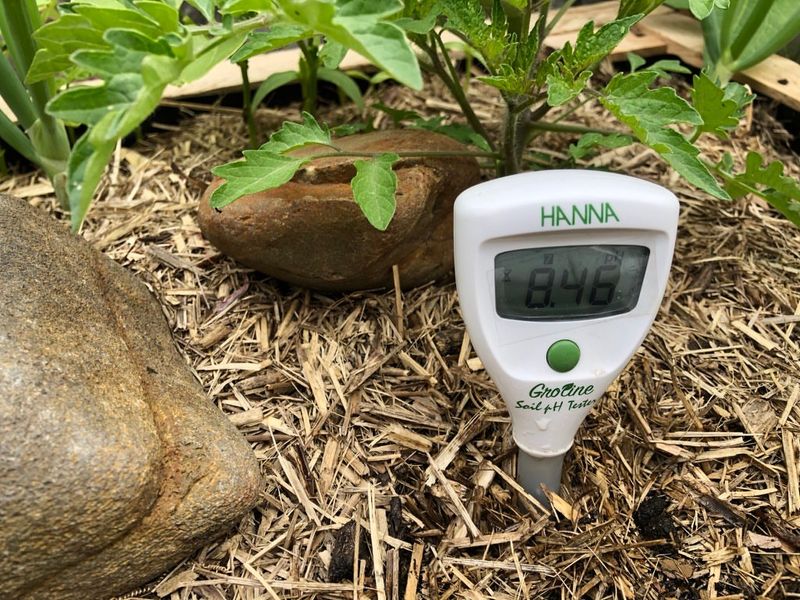
Soil testing reveals important information about pH levels, nutrient content, and any deficiencies that might prevent your plants from reaching their full potential outdoors.
Most Florida soils tend to be sandy and lack the organic matter that vegetables and flowers need to produce strong roots consistently.
You can purchase affordable testing kits at local garden centers or send samples to your county extension office for detailed professional analysis.
Once you know what your soil needs, you can add the right amendments like compost, peat moss, or specific fertilizers tailored perfectly.
Adding organic material improves water retention in sandy Florida soils, which helps your plants stay hydrated during those long, hot summer months ahead.
Proper soil preparation now saves you time, money, and frustration later when your garden starts producing beautiful blooms and delicious vegetables for everyone.
Healthy soil also supports beneficial microbes that quietly break down nutrients and make them easier for plant roots to absorb throughout the growing season.
Taking the time to improve your soil now creates a stronger foundation that helps Florida gardens handle heavy rains, intense heat, and changing conditions with far less stress.
2. Choose Native Plants That Thrive in Heat
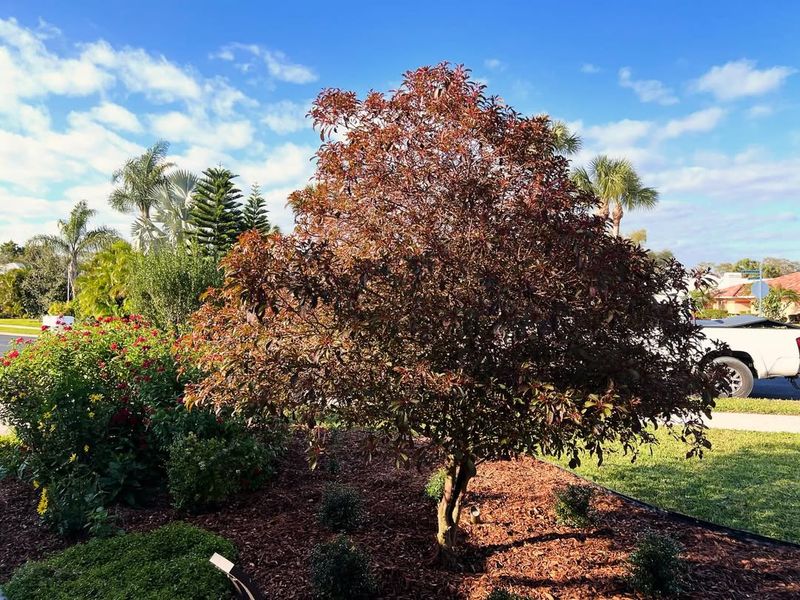
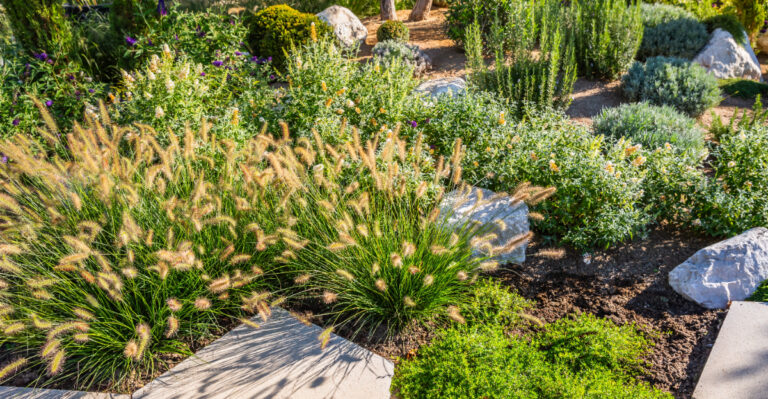
Native plants have adapted over centuries to handle Florida’s intense heat, humidity, and occasional drought conditions without requiring constant attention from gardeners daily.
Selecting species like firebush, coontie, and beautyberry means you’ll spend less time watering, fertilizing, and worrying about whether your plants will survive.
These hardy varieties attract beneficial pollinators like butterflies and bees, which helps create a balanced, thriving ecosystem right in your own backyard space.
Local nurseries across Florida carry excellent selections of native plants, and staff members can offer advice based on your specific growing zone.
Native plants also resist pests and diseases better than exotic species, reducing the need for chemical treatments that can harm beneficial insects nearby.
Incorporating natives into your landscape design creates a low-maintenance garden that looks beautiful year-round while supporting local wildlife populations and conserving water.
Start by replacing a few high-maintenance plants with native alternatives, and you’ll quickly notice the difference in how easy gardening becomes here.
Native plants naturally fit Florida’s seasonal rhythms, so they continue performing well even when weather patterns shift unexpectedly.
Your Florida Garden Changes Every Week. Your Plan Should Too.
Gardening in Florida changes quickly throughout the season. Every Friday you’ll receive a simple weekly plan showing exactly what to plant, prune, fertilize, harvest, and protect so you never miss the right timing.
Over time, these plants help improve soil health and reduce overall maintenance, making your garden more resilient and enjoyable to care for.
3. Set Up an Efficient Watering System Early
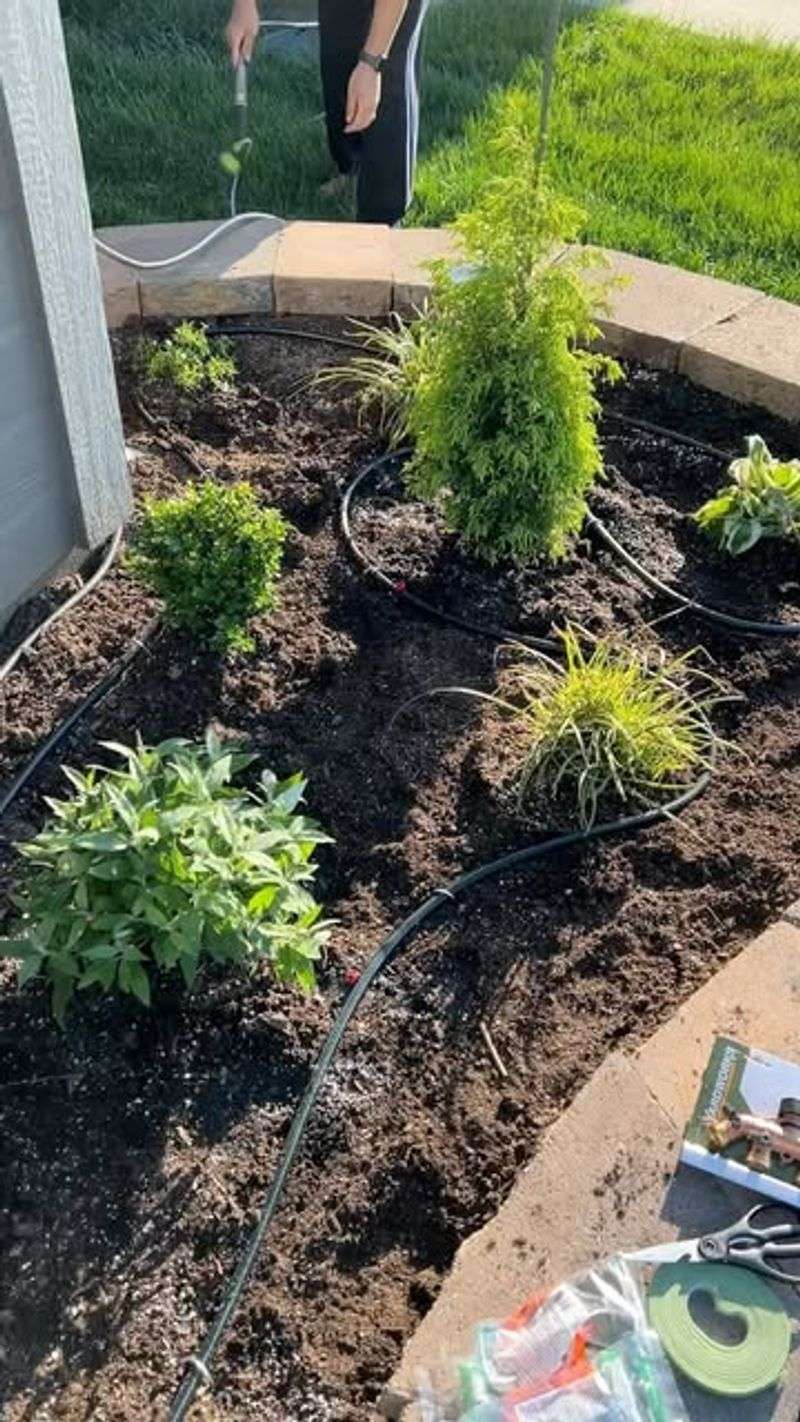
Watering by hand every day becomes exhausting quickly, especially during Florida’s scorching summer months when plants need consistent moisture to stay healthy and strong.
Installing a drip irrigation or soaker hose system ensures your plants receive steady, deep watering that encourages strong root development over time.
These systems deliver water directly to the root zone, minimizing evaporation and reducing water waste, which is important in Florida’s sandy soil conditions.
You can set timers to automate watering schedules, giving you more free time to enjoy your garden instead of constantly monitoring moisture levels.
Drip systems also help prevent fungal diseases by keeping foliage dry, which is crucial in Florida’s humid climate where mildew spreads rapidly among plants.
Many affordable kits are available at hardware stores, and installation is straightforward enough for beginners to complete in just a few weekend hours.
Investing in proper irrigation now means healthier plants, lower water bills, and less stress for you throughout the entire growing season ahead successfully.
Consistent watering also helps nutrients stay available in the soil, so plants can absorb what they need without stress during extreme heat spells.
With a reliable system in place, your Florida garden stays productive and vibrant even when summer temperatures make daily hand watering unrealistic.
4. Mulch Generously to Protect Roots and Retain Moisture
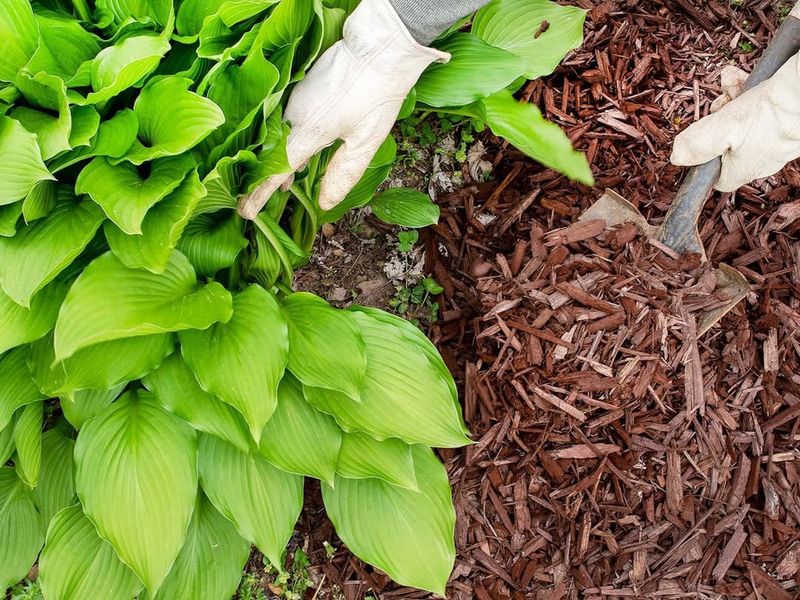
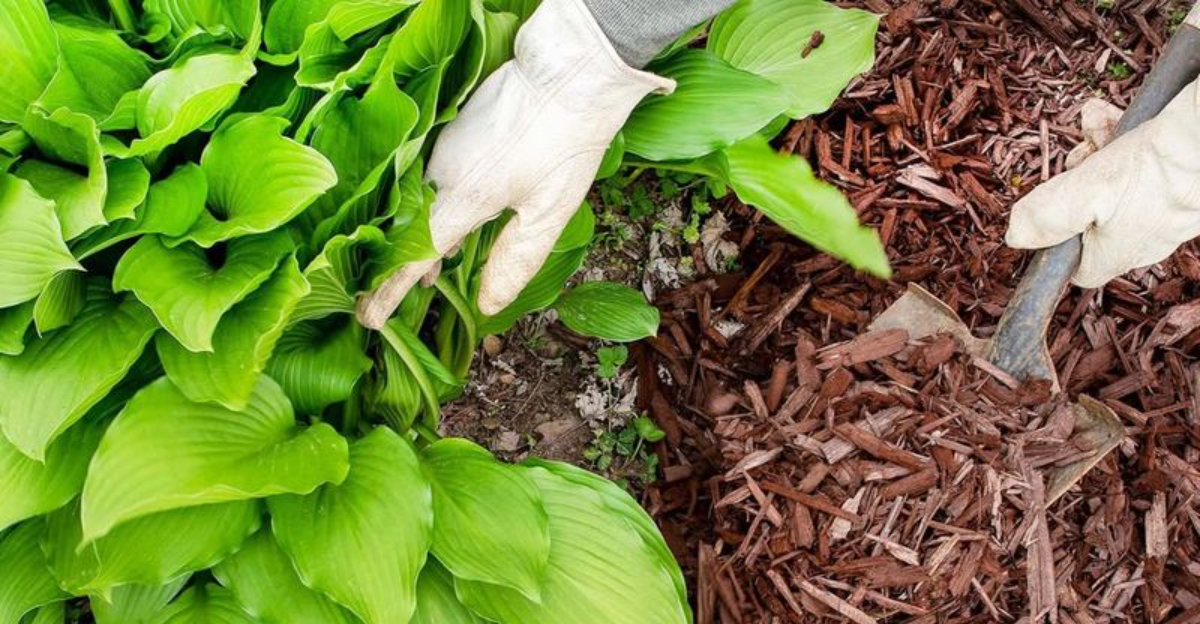
Mulch acts like a protective blanket for your garden, shielding plant roots from Florida’s intense sun while helping soil retain precious moisture longer.
Applying a three to four inch layer of organic mulch around plants reduces weed growth, keeps soil temperatures stable, and slowly adds nutrients back.
Materials like pine bark, cypress mulch, or shredded leaves work wonderfully in Florida gardens and break down gradually to enrich the soil naturally.
Mulching also prevents soil erosion during heavy rainstorms, which are common throughout the state, especially during the summer and early fall hurricane season.
Keep mulch a few inches away from plant stems and tree trunks to prevent rot and discourage pests from making homes too close.
Refreshing your mulch layer once or twice a year maintains its effectiveness and keeps your garden beds looking neat, tidy, and professionally maintained.
This simple step dramatically reduces watering needs and weeding time, making Florida gardening much more enjoyable and far less labor-intensive for busy homeowners.
5. Prune Trees and Shrubs Before Hurricane Season Arrives
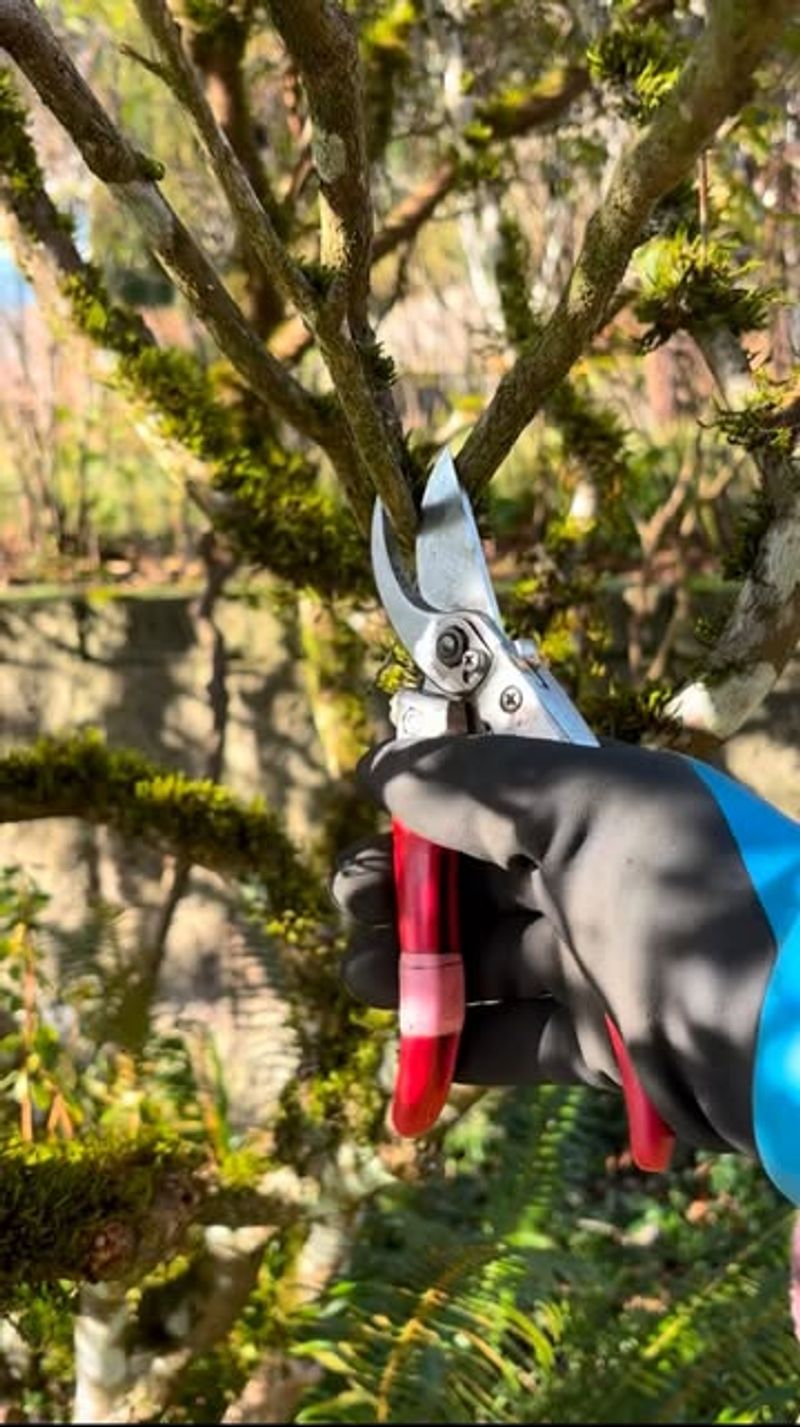
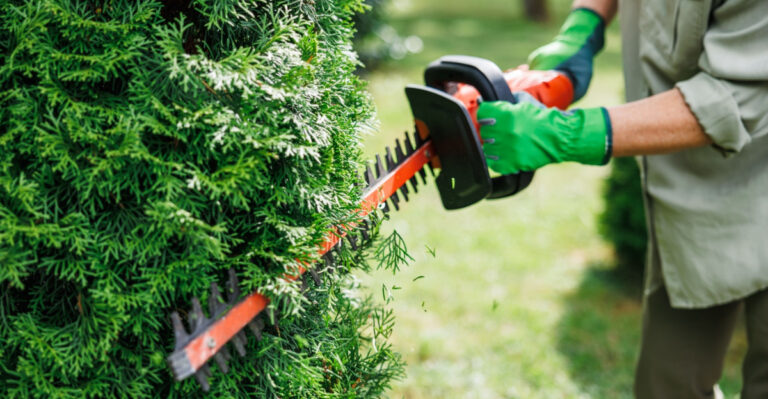
Regular pruning keeps your trees and shrubs healthy while reducing the risk of damage during Florida’s unpredictable and sometimes severe hurricane season storms.
Removing dead, diseased, or crossing branches improves air circulation, which helps prevent fungal infections that thrive in the state’s humid, tropical environment.
Strong, well-maintained trees are less likely to lose large limbs during high winds, protecting your home, vehicles, and family from potential costly damage.
Late winter or early spring is the ideal time to prune most Florida plants before new growth begins and before storm season starts.
Always use clean, sharp tools to make smooth cuts that heal quickly, and avoid removing more than one-third of a plant’s foliage.
For large trees or complicated pruning jobs, consider hiring a certified arborist who understands Florida’s unique tree species and local weather patterns thoroughly.
Proper pruning not only improves safety but also encourages fuller, more attractive growth that enhances your property’s curb appeal and overall landscape value significantly.
6. Start Composting Kitchen Scraps and Yard Waste Now
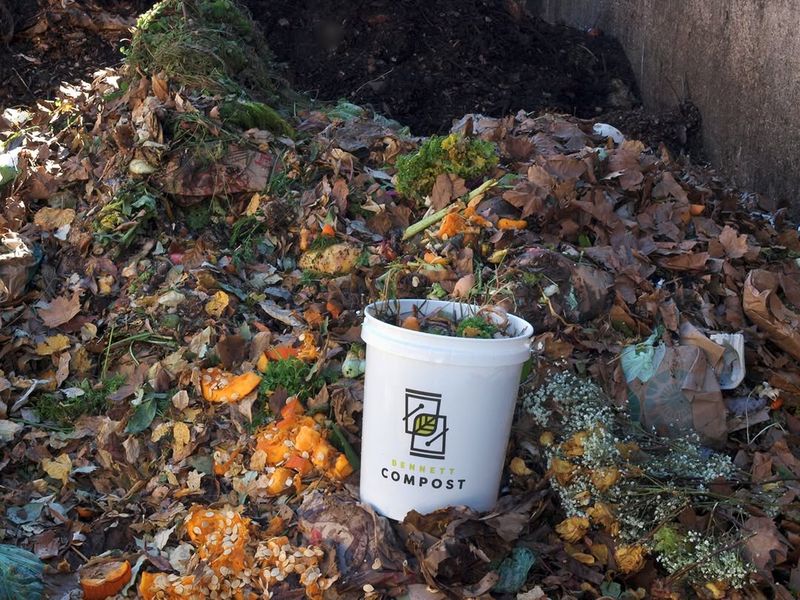
Composting transforms everyday kitchen scraps and yard clippings into nutrient-rich soil amendment that Florida gardens absolutely love and benefit from tremendously over time.
Creating your own compost reduces household waste, saves money on store-bought fertilizers, and improves soil structure in sandy Florida yards naturally and sustainably.
Start with a simple bin or pile in a shady corner of your yard, layering green materials like vegetable peels with brown materials.
Florida’s warm temperatures speed up decomposition, meaning you’ll have finished compost ready to use in your garden beds within just a few months.
Turn your compost pile regularly to add oxygen, which helps beneficial microorganisms break down materials faster and prevents unpleasant odors from developing nearby.
Avoid adding meat, dairy, or oily foods to your compost, as these attract pests and slow down the decomposition process significantly in home systems.
Using homemade compost enriches your soil, promotes healthy plant growth, and creates a sustainable gardening cycle that benefits both your yard and environment greatly.
Compost also improves moisture retention, which helps Florida plants cope better with heat while reducing how often you need to water during dry stretches.
As your soil improves year after year, you’ll notice stronger plants, better harvests, and a garden that feels easier to manage overall.
7. Plan Your Planting Calendar Around Florida’s Unique Seasons
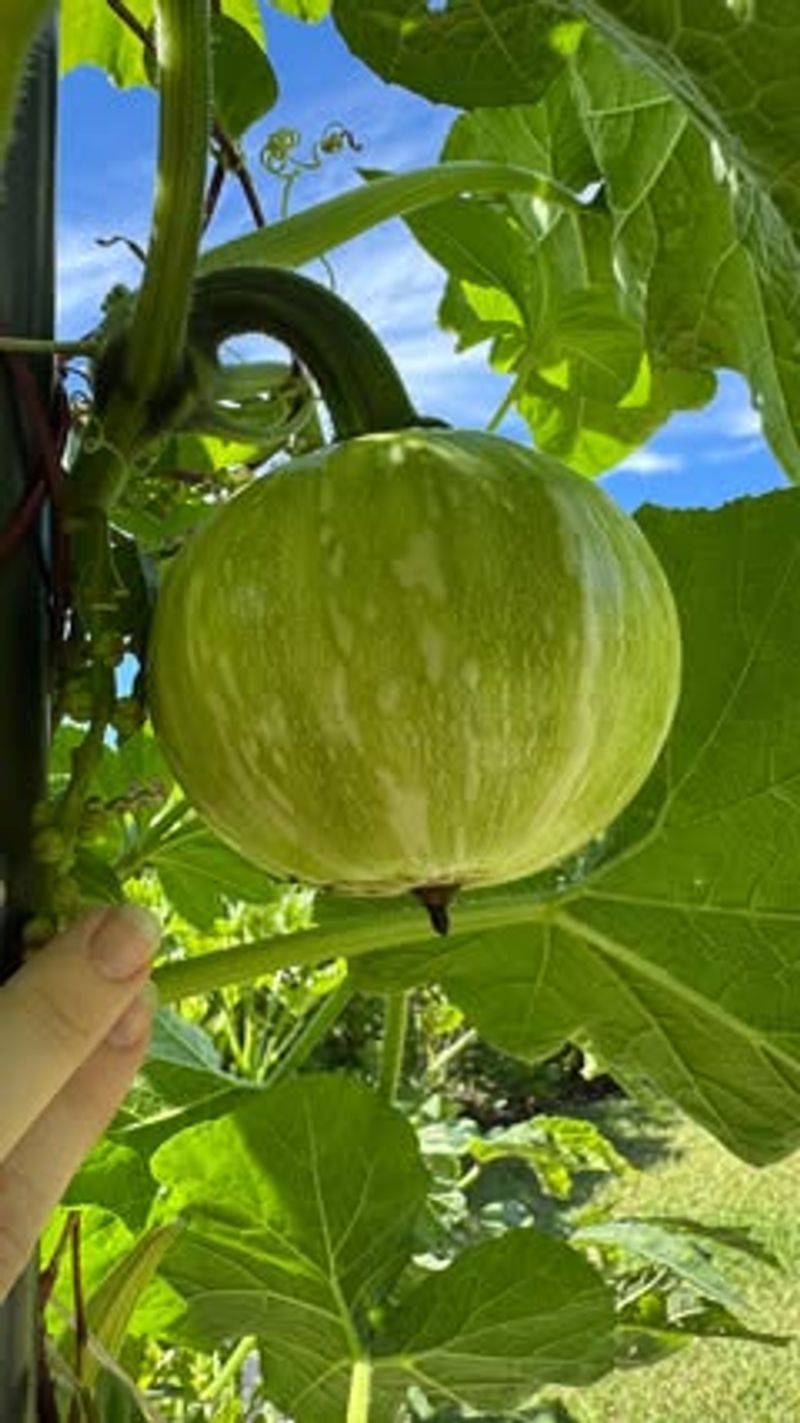
Florida’s growing seasons differ dramatically from the rest of the country, so planning your planting schedule carefully ensures success with vegetables and flowers.
Cool-season crops like tomatoes, peppers, and lettuce thrive during Florida’s mild winters, while summer heat can cause these plants to struggle significantly.
Warm-season plants such as okra, sweet potatoes, and tropical flowers flourish during the hot, humid months when other regions can’t grow them.
Creating a planting calendar based on your specific Florida zone helps you know exactly when to start seeds or transplant seedlings outdoors safely.
Your local county extension office provides free planting guides tailored to your area, taking the guesswork out of timing your garden activities correctly.
Succession planting, where you plant small amounts every few weeks, extends your harvest season and prevents being overwhelmed with too much produce.
Understanding Florida’s unique climate patterns allows you to maximize your garden’s productivity and enjoy fresh homegrown food throughout most of the year.
Paying attention to heat tolerance and frost dates helps you avoid common planting mistakes that lead to poor growth or disappointing harvests.
With a well-planned schedule, your Florida garden stays productive longer and feels far more rewarding to manage season after season.
8. Control Pests Naturally to Protect Beneficial Insects
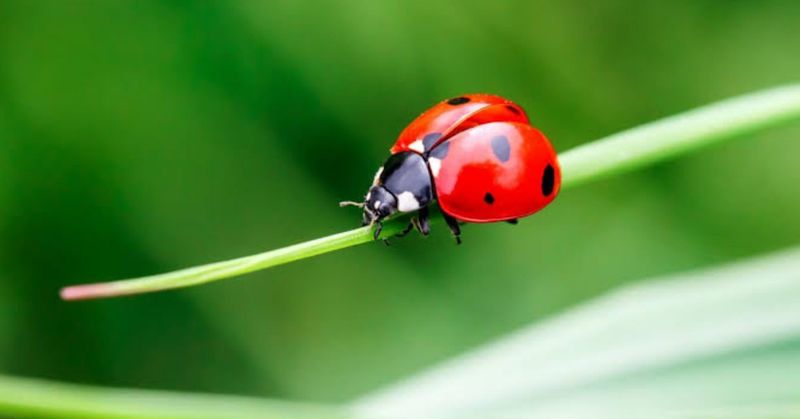
Florida’s warm climate attracts a wide variety of garden pests, but harsh chemical pesticides can harm beneficial insects that help keep your garden balanced.
Encouraging natural predators like ladybugs, lacewings, and parasitic wasps helps control aphids, caterpillars, and other common pests without using toxic chemicals around plants.
Companion planting, where certain plants are grown together, naturally repels pests while attracting helpful pollinators to your Florida garden beds and containers.
Marigolds, basil, and nasturtiums are excellent companion plants that deter many insect pests while adding beauty and fragrance to your outdoor growing spaces.
Handpicking larger pests like hornworms or using organic solutions like neem oil or insecticidal soap provides effective control without harming the environment unnecessarily.
Regular garden inspections help you catch pest problems early before they become overwhelming, making treatment easier and more successful in Florida’s challenging conditions.
Creating a healthy, balanced ecosystem in your yard reduces pest pressure naturally and promotes a thriving garden that produces abundantly throughout the seasons.