Why Planting A Crabapple Tree Is A Smart Choice For Wisconsin Yards
Wisconsin’s long winters and short growing seasons can be tough on many trees, but crabapples are built to handle the challenge.
These hardy, ornamental trees thrive in cold climates and reward homeowners with year-round beauty.
In spring, crabapples burst into clouds of blossoms.
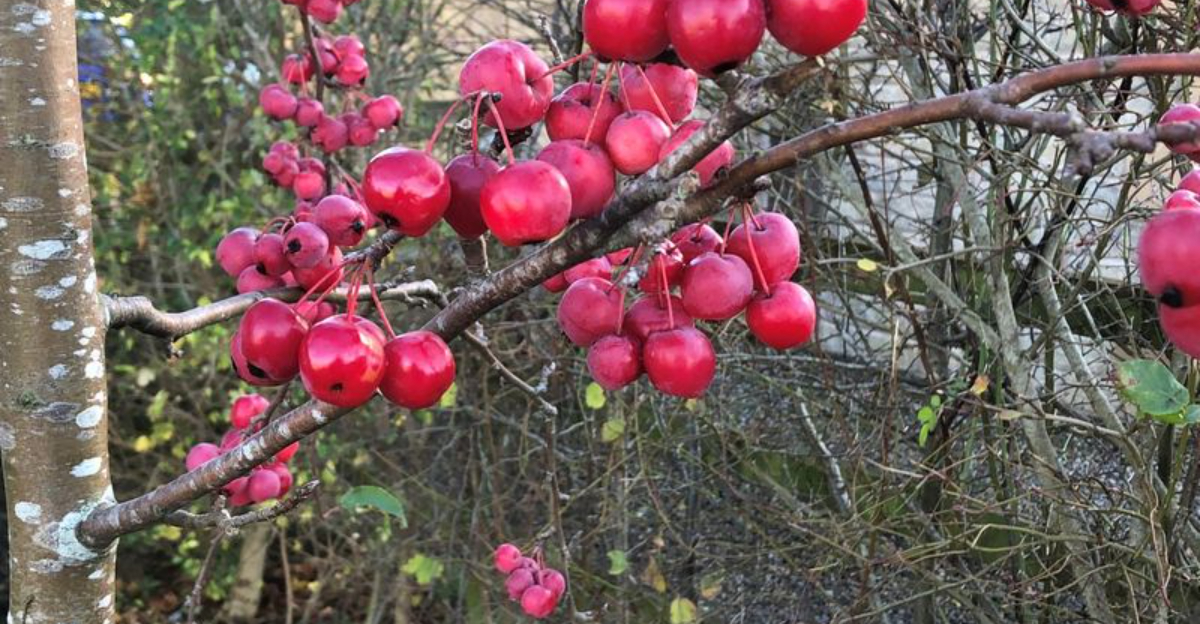
In fall and winter, many varieties hold onto colorful fruit that feeds birds and adds interest long after leaves have fallen.
Unlike larger shade trees, crabapples stay compact, making them ideal for residential yards and urban spaces.
Modern cultivars are also bred to resist common diseases, reducing maintenance and frustration.
Beyond their visual appeal, crabapples support pollinators and wildlife, strengthening the local ecosystem.
For Wisconsin homeowners looking for a tree that offers reliability, beauty, and lasting value, crabapples check every box.
They’re not just decorative—they’re practical, resilient, and rewarding for decades.
Crabapples Are Extremely Cold Hardy
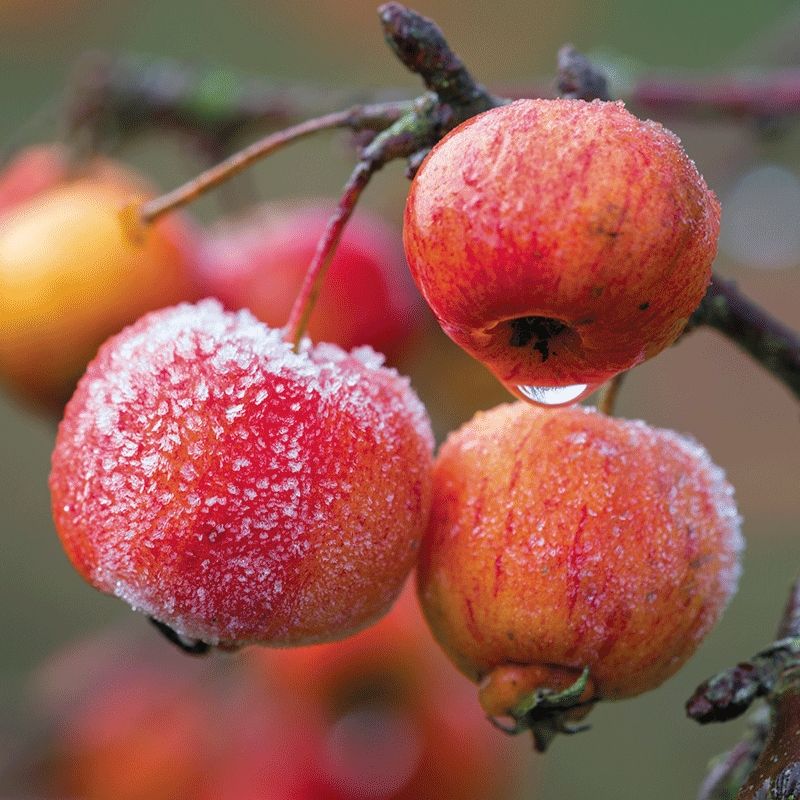
Winter in Wisconsin can be brutal, with temperatures plunging well below zero and wind chills that test every living thing.
Crabapple trees laugh in the face of these harsh conditions.
These remarkable trees evolved to handle the kind of cold that sends other ornamentals into shock.
Most crabapple varieties thrive in USDA hardiness zones 3 through 8, which means they can survive temperatures as low as negative 40 degrees Fahrenheit.
That kind of resilience makes them perfect for Wisconsin’s unpredictable climate.
You won’t wake up after a particularly nasty cold snap worrying about whether your tree survived the night.
The secret lies in their cellular structure and dormancy patterns.
Crabapples enter a deep winter rest that protects their tissues from freeze damage.
Their bark and wood contain natural antifreeze compounds that prevent ice crystals from rupturing cells.
Unlike more tender ornamental trees that suffer branch dieback or bark splitting during extreme cold, crabapples emerge from winter ready to grow.
This means less pruning, fewer repairs, and more confidence in your landscape investment.
For Wisconsin homeowners tired of replacing trees that can’t handle the climate, crabapples offer a refreshing solution that actually gets stronger with each passing year.
They Bloom Reliably After Long Winters
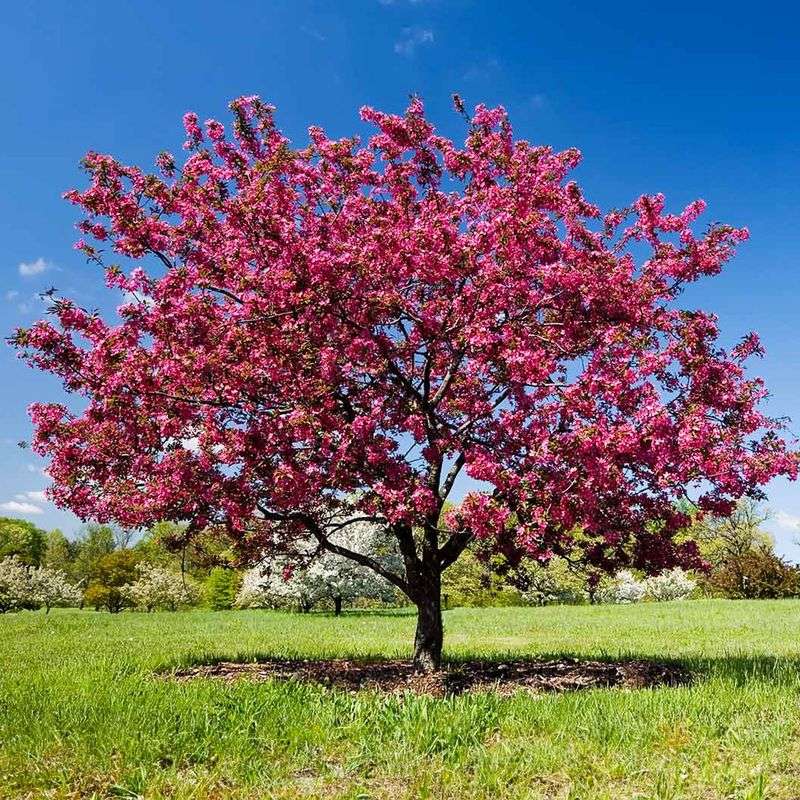
After months of gray skies and frozen ground, Wisconsin springs bring a hunger for color that only flowering trees can truly satisfy.
Crabapples deliver exactly what your yard needs when it needs it most.
Even after the harshest winters, these trees produce clouds of blossoms that transform entire neighborhoods.
The blooming period typically arrives in late April or early May, depending on your location within the state.
Flowers range from pure white to deep pink and even burgundy red.
Some varieties produce single blossoms, while others showcase double flowers that look almost like tiny roses.
What makes crabapples especially valuable is their consistency.
While other flowering trees might skip a year after a tough winter, crabapples set their flower buds the previous summer and protect them through the coldest months.
This means you get a spectacular show year after year without fail.
The blooming period usually lasts two to three weeks, creating a window of beauty that marks the true arrival of spring.
Your Wisconsin Garden Changes Every Week. Your Plan Should Too.
Gardening in Wisconsin changes quickly throughout the season. Every Friday you’ll receive a simple weekly plan showing exactly what to plant, prune, fertilize, harvest, and protect so you never miss the right timing.
Bees and other pollinators emerge from dormancy just in time to take advantage of this nectar bonanza.
Neighbors will stop to admire your tree, and you’ll find yourself spending more time outdoors simply enjoying the transformation from bare branches to floral masterpiece.
Many Varieties Resist Apple Scab
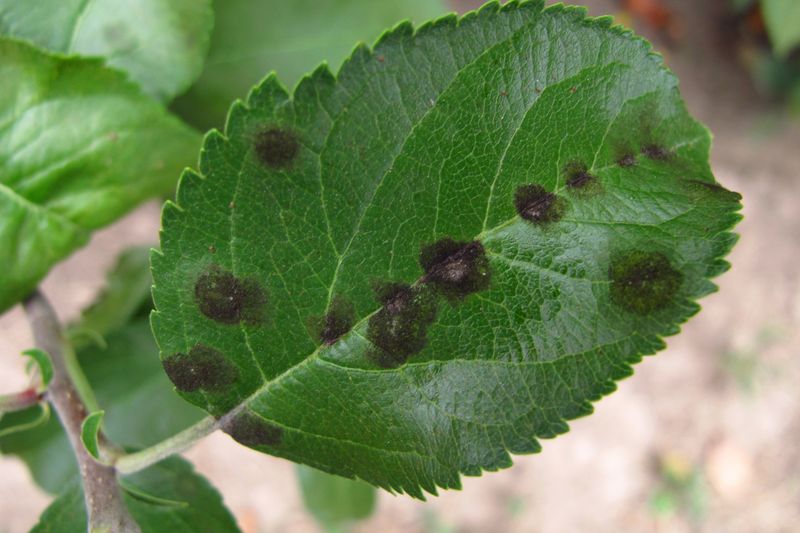
Apple scab used to be the biggest headache for anyone growing crabapples in the Midwest.
This fungal disease causes dark spots on leaves and fruit, leading to premature leaf drop and unsightly trees.
Fortunately, plant breeders have spent decades developing varieties that laugh off this common problem.
Modern cultivars like ‘Prairifire,’ ‘Royal Raindrops,’ and ‘Spring Snow’ possess genetic resistance to apple scab.
These trees maintain their healthy green foliage throughout the growing season without chemical sprays.
You won’t find yourself raking up diseased leaves in July or staring at a half-bare tree by August.
The difference between old and new varieties is dramatic.
Older crabapples often lost most of their leaves by midsummer, leaving homeowners frustrated and embarrassed.
Resistant varieties keep their canopy full and attractive from spring through fall.
When shopping for a crabapple, always ask about disease resistance ratings.
Look for varieties rated as highly resistant or immune to apple scab, powdery mildew, fire blight, and cedar apple rust.
Many garden centers in Wisconsin now stock only improved varieties because they understand local growing conditions.
This breeding progress means you can enjoy all the benefits of crabapples without the maintenance headaches that plagued earlier generations of these beautiful trees.
They Provide Year-Round Visual Interest
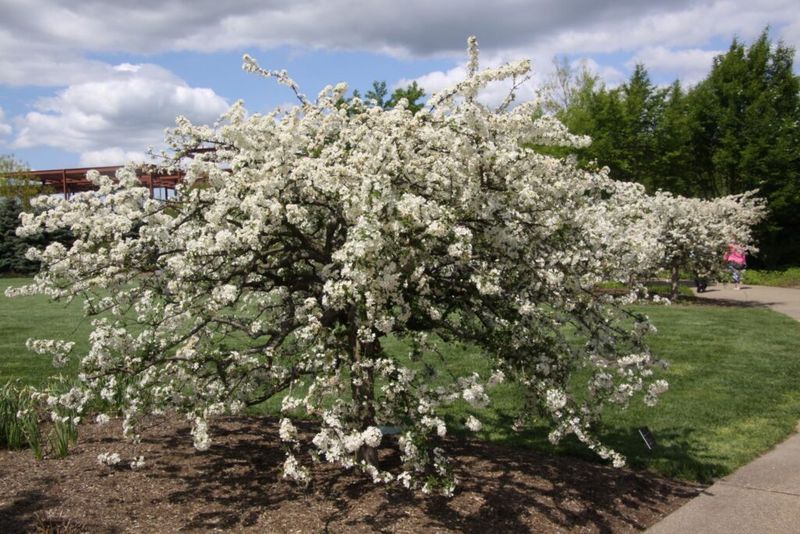
Most trees offer one season of glory and then fade into the background.
Crabapples refuse to be boring at any time of year.
From the first spring blossom to the last winter berry, these trees constantly give your yard something worth looking at.
Spring brings the obvious flower show that stops traffic and draws compliments.
Summer follows with a dense canopy of glossy green leaves that provide cooling shade.
Some varieties feature burgundy or purple foliage that adds dramatic contrast to surrounding greenery.
Fall arrives with a fruit display that ranges from bright red to golden yellow, depending on the variety.
Many crabapples also develop autumn leaf colors in shades of orange, red, and yellow before the foliage drops.
This double feature of colorful fruit and changing leaves creates a harvest season spectacle.
Winter might seem like downtime, but crabapples shine even when bare.
Their branching structure creates interesting silhouettes against snow and sky.
Persistent fruit clings to branches, providing bright spots of color that contrast beautifully with white snow.
This four-season performance makes crabapples one of the hardest-working trees you can plant, delivering constant returns on your investment and ensuring your yard never looks dull or lifeless regardless of the month.
Birds Depend On Crabapple Fruit In Winter
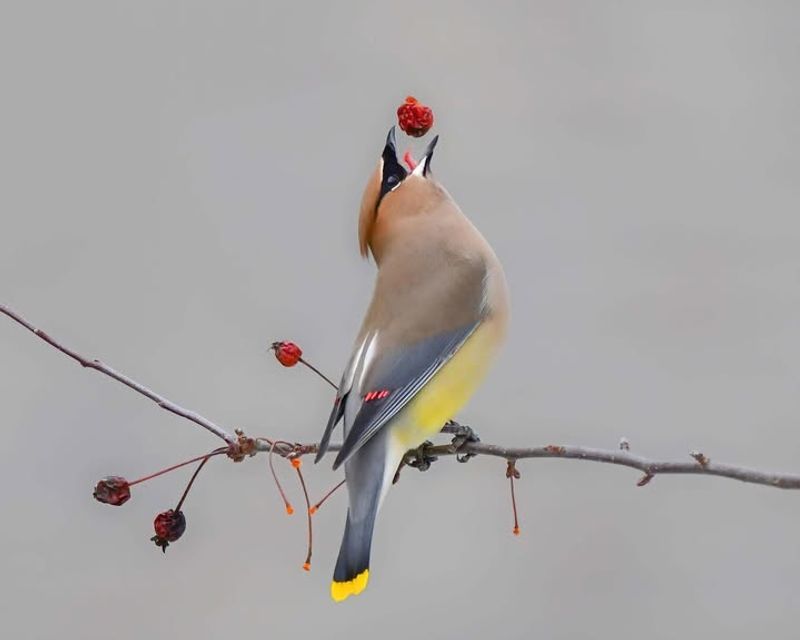
When snow blankets Wisconsin and natural food sources disappear, birds face a serious challenge.
Crabapple trees become lifesaving cafeterias that keep feathered friends fed through the harshest months.
The small fruits that persist on branches provide critical nutrition when insects and seeds are buried under ice.
Cedar waxwings arrive in flocks, stripping branches of fruit in coordinated feeding frenzies.
Robins that overwinter in Wisconsin depend heavily on crabapples to survive until spring.
Woodpeckers, blue jays, and even occasional grosbeaks visit regularly throughout the cold season.
The fruit itself is perfectly sized for bird consumption.
Unlike larger apples, crabapples measure between one-quarter inch and two inches in diameter, making them manageable for medium and small birds.
The flesh contains sugars and nutrients that provide quick energy during cold weather when birds burn calories rapidly just to stay warm.
Watching winter birds feast on your crabapple creates entertainment that beats any television show.
You’ll find yourself keeping binoculars near the window to identify visitors.
Kids love observing the action and learning about different species.
By planting a crabapple, you’re not just beautifying your yard—you’re creating a wildlife habitat that supports the local ecosystem and gives birds a fighting chance when nature turns harsh and unforgiving.
Crabapples Stay A Manageable Size
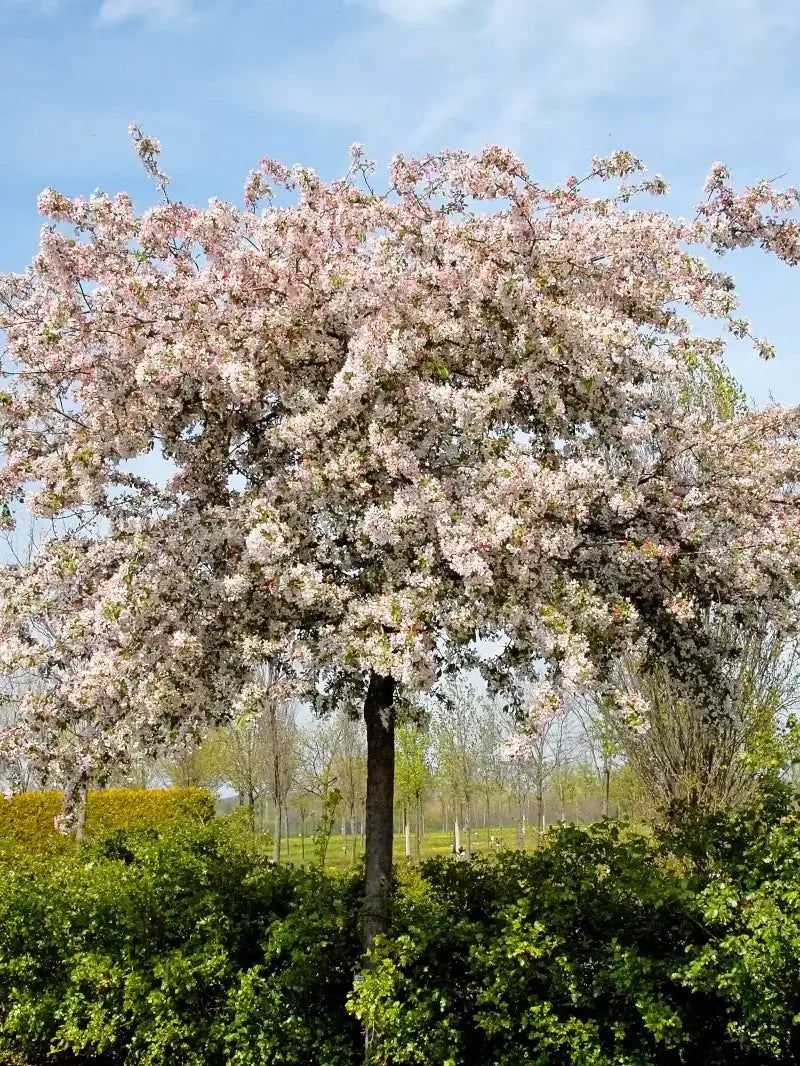
Big trees might seem impressive, but they often become problems as they mature.
Crabapples offer the perfect compromise between impact and practicality.
Most varieties reach heights between 15 and 25 feet with similar spreads, making them ideal for typical residential lots.
This manageable size means you won’t spend decades worrying about branches hitting your house or roots cracking your driveway.
Utility companies won’t show up demanding to hack away at your tree because it’s threatening power lines.
You can actually reach most of the canopy with a standard ladder if pruning becomes necessary.
Smaller trees also mean less fall cleanup compared to massive maples or oaks.
The leaf drop is substantial enough to know you have a tree but not so overwhelming that you need professional help.
Many homeowners handle all the maintenance themselves without special equipment or professional services.
Urban and suburban lots particularly benefit from crabapple dimensions.
They fit comfortably in front yards without overwhelming the house facade.
Backyards accommodate multiple trees without creating a forest feel.
Even townhomes and properties with limited space can host a crabapple successfully.
The controlled size also makes them excellent choices for planting near patios, decks, and sitting areas where you want shade and beauty without feeling enclosed or dealing with massive branches overhead that could pose safety concerns.
They Improve Pollination For Nearby Apple Trees
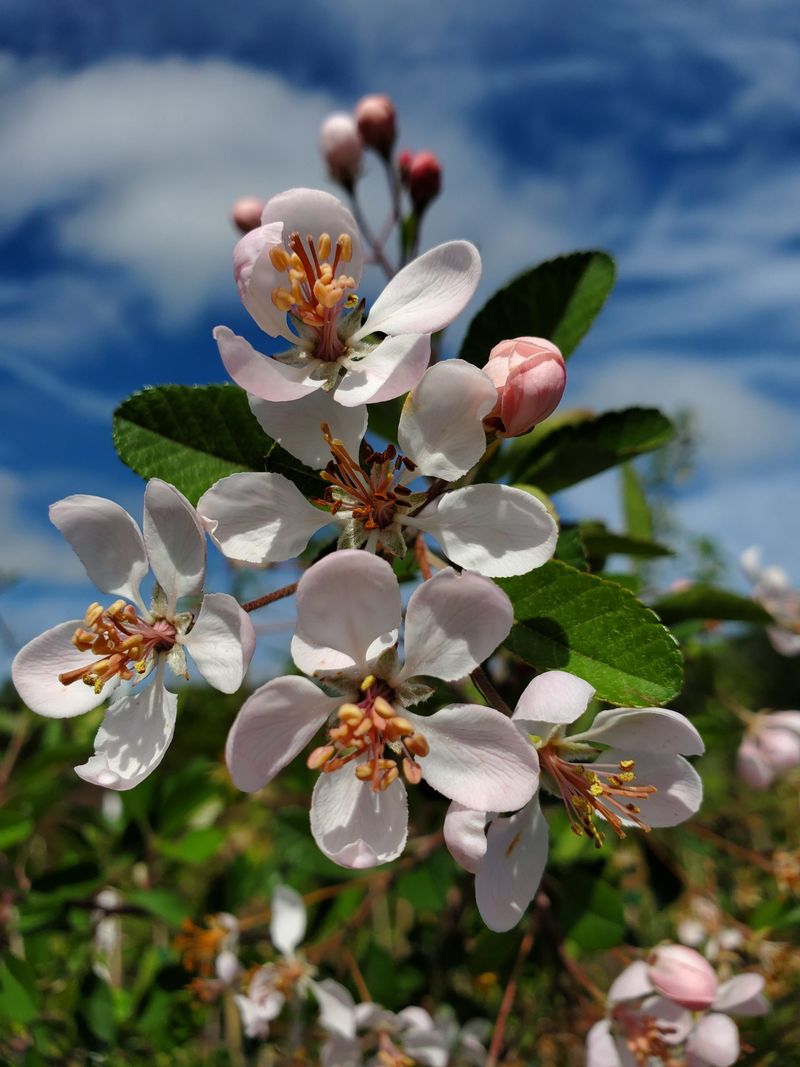
Anyone growing apple trees for fruit knows that pollination can be tricky.
Many apple varieties need pollen from a different variety to produce a decent crop.
Crabapples solve this problem elegantly while adding ornamental value to your property.
Crabapple flowers produce abundant pollen that’s compatible with most apple varieties.
They bloom at the same time as standard apples, ensuring pollen is available exactly when it’s needed.
Bees and other pollinators visit crabapple blossoms enthusiastically, then carry that pollen to your fruit trees.
The result is dramatically improved fruit set on your eating apples.
Orchardists have known this trick for generations, which is why you’ll often see crabapples scattered throughout commercial apple plantings.
Home gardeners can use the same strategy on a smaller scale.
Even if you only have one or two apple trees, adding a crabapple nearby can transform your harvest.
Apples that previously produced sparse, inconsistent crops suddenly bear heavily and reliably.
The crabapple essentially acts as a pollination insurance policy.
Beyond the practical benefits, you get a beautiful flowering tree that requires no special care.
The crabapple doesn’t need to produce edible fruit to earn its place in your yard.
Its job is simply to look gorgeous and help your other trees succeed, which it accomplishes without complaint or extra effort on your part.
They Adapt Well To Wisconsin Soil Types
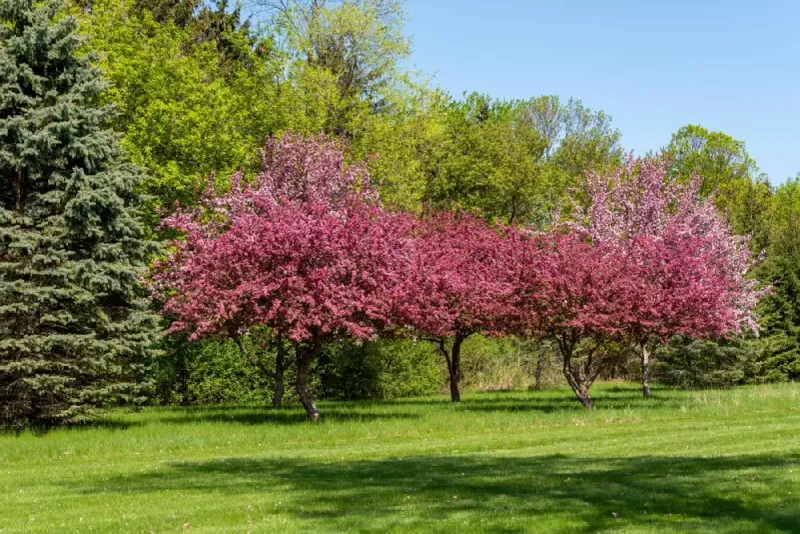
Wisconsin soils vary considerably depending on where you live in the state.
Many areas feature heavy clay that drains poorly and challenges plant roots.
Crabapples handle these conditions far better than many ornamental trees, making them reliable choices regardless of your soil situation.
Clay soils compact easily and stay wet in spring, creating oxygen-poor conditions that suffocate sensitive roots.
Crabapples tolerate these less-than-ideal circumstances without developing root rot or growth problems.
Their root systems adapt to available oxygen and moisture levels.
In areas with better drainage and loamy soils, crabapples thrive even more vigorously.
They’re not picky about soil pH either, performing well in anything from slightly acidic to slightly alkaline conditions.
This flexibility means you probably won’t need soil amendments or special preparations before planting.
The main requirement is avoiding standing water for extended periods.
If your planting site holds water for days after rain, consider building a slight mound to elevate the root zone.
Otherwise, crabapples establish quickly and develop strong root systems that anchor them against Wisconsin’s sometimes fierce winds.
This soil adaptability makes crabapples accessible to gardeners across the entire state.
You don’t need perfect conditions or expensive soil modifications.
Just dig a proper hole, plant correctly, and let the tree do what it does best—adapt and flourish in real-world conditions that challenge less versatile species.
Many Cultivars Require Minimal Pruning
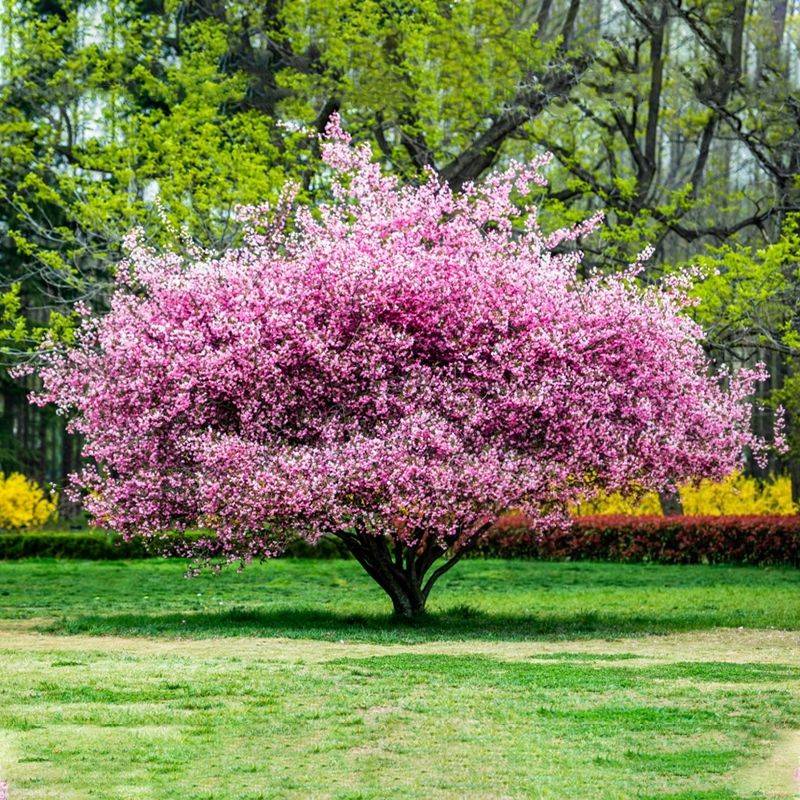
Pruning represents one of the biggest maintenance challenges with landscape trees.
Many species require annual trimming to maintain shape and prevent problems.
Crabapples, particularly modern cultivars, naturally develop attractive forms with minimal intervention.
Varieties like ‘Adirondack’ grow in narrow, upright columns perfect for tight spaces.
‘Louisa’ forms a graceful weeping shape without any training.
‘Prairiefire’ develops a rounded, symmetrical canopy that looks professionally shaped even if you never touch it.
This natural good behavior saves you time, money, and the hassle of learning proper pruning techniques.
You might remove an occasional broken branch or crossing limb, but major pruning sessions aren’t necessary.
The tree simply grows into its mature form and maintains that shape year after year.
Compare this to trees that send up water sprouts, develop weak crotches, or grow unevenly without constant attention.
Those species demand regular professional pruning that costs hundreds of dollars annually.
Crabapples let you skip those expenses while still enjoying a well-shaped tree.
The low-maintenance nature extends beyond structure.
Disease-resistant varieties don’t require spraying programs.
Their manageable size means you’re not constantly cleaning up massive amounts of debris.
For busy homeowners who want beauty without becoming slave to yard work, crabapples deliver exactly the right balance of impact and ease that makes tree ownership a pleasure rather than a burden.
They Support Local Pollinators
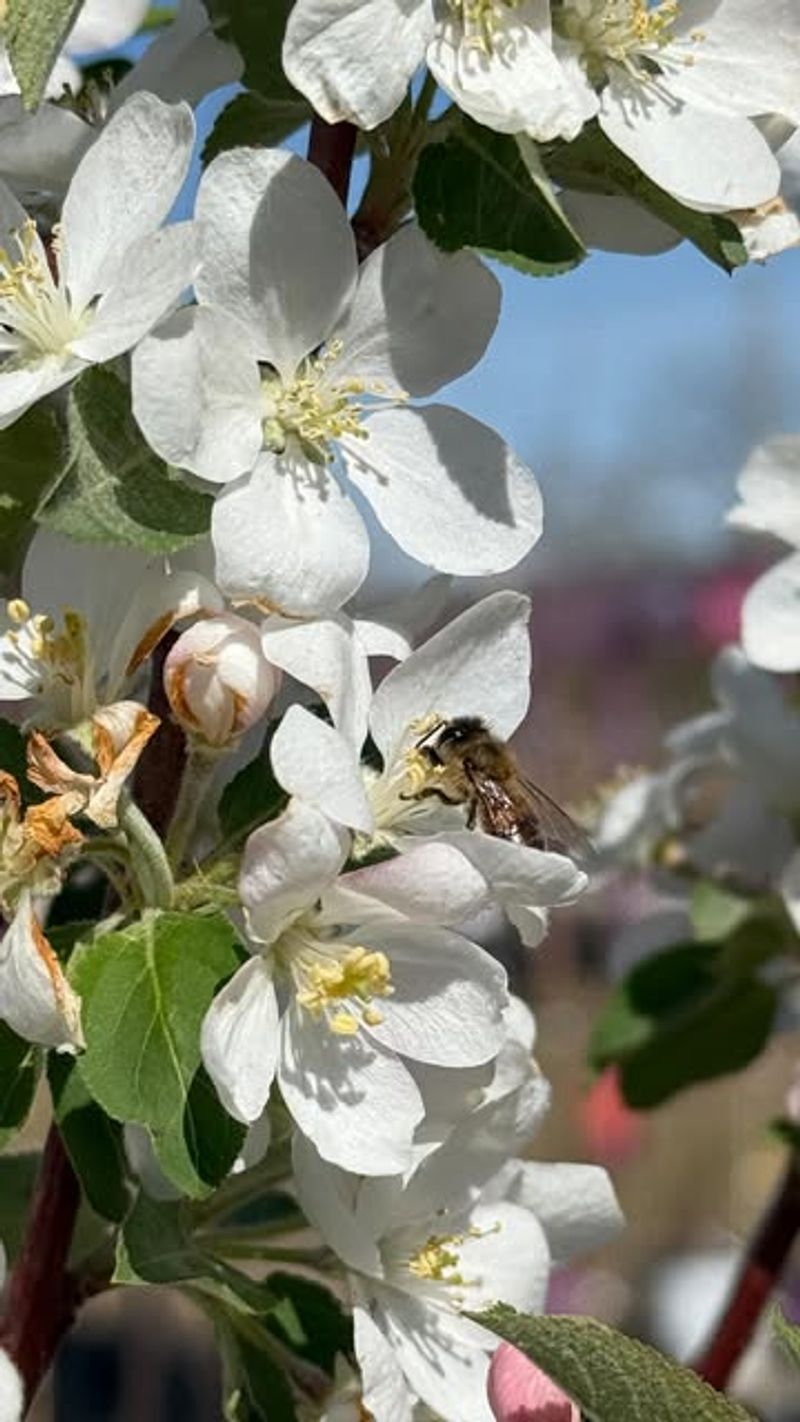
Pollinator populations face serious challenges across North America.
Habitat loss, pesticides, and climate changes have put pressure on bees, butterflies, and other beneficial insects.
Planting a crabapple gives these essential creatures a much-needed resource exactly when they need it most.
Crabapple blooms arrive in early to mid-spring when pollinators emerge from winter dormancy hungry and desperate for nectar.
Natural food sources are still limited at this time of year.
Your crabapple becomes an oasis that helps bees build strength and begin their seasonal work.
Both honeybees and native bees visit crabapple flowers enthusiastically.
You’ll see everything from tiny mason bees to fuzzy bumblebees working the blossoms.
Each flower offers both nectar for energy and pollen for protein, providing complete nutrition.
The pollinator activity benefits your entire garden.
Well-fed bees stick around to pollinate your vegetables, berries, and other flowering plants.
By supporting pollinators early in the season, you’re investing in better harvests and more beautiful blooms throughout summer.
Watching the pollinator parade offers educational opportunities for children and adults alike.
You can observe different bee species, learn about their behaviors, and understand the critical role they play in food production.
In an era when pollinator health matters more than ever, planting a crabapple represents a simple action with meaningful environmental impact that extends far beyond your property lines.
Fall Fruit Often Persists Through Snow
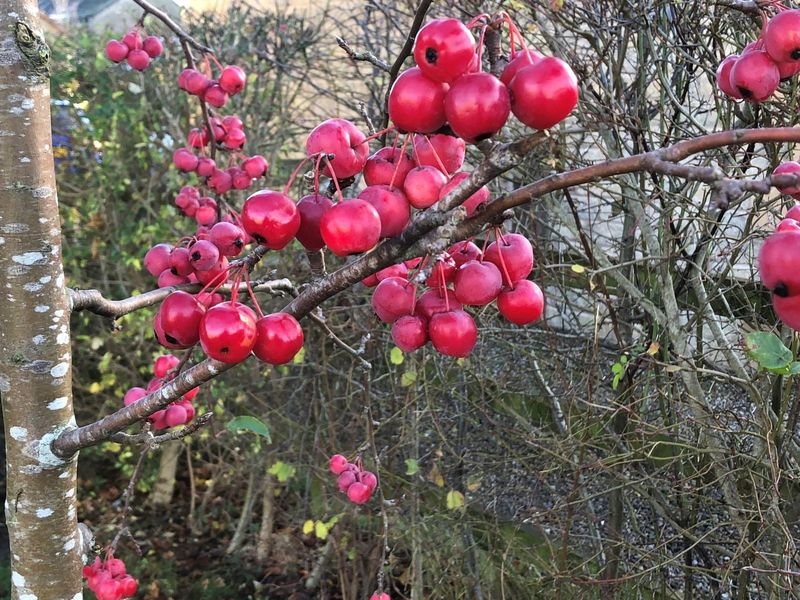
Most ornamental trees finish their show by late autumn and then offer nothing but bare branches until spring.
Crabapples continue performing well into winter thanks to fruit that refuses to drop.
This persistence creates visual interest during the bleakest months when color is scarce.
The small fruits develop in late summer and ripen to their final colors by fall.
Depending on variety, they might be bright red, golden yellow, orange, or burgundy.
Many cultivars hold these fruits firmly on the branches even as snow accumulates and temperatures plunge.
Snow-covered branches dotted with colorful fruit create a scene straight from a holiday card.
The contrast between white snow and bright fruit catches the eye from across the yard.
Streetside plantings become neighborhood landmarks that people point out during winter walks.
The persistence serves a practical purpose beyond aesthetics.
As mentioned earlier, birds depend on this winter food source.
The fruit gradually softens through freeze-thaw cycles, making it more palatable and digestible for wildlife.
By late winter, the fruit has usually fermented slightly, creating a high-energy food that helps birds survive until spring.
Some varieties hold fruit better than others, so ask about this characteristic when selecting your tree.
If winter interest is important to you, choose cultivars specifically noted for persistent fruit.
This single feature can transform your winter landscape from drab to delightful with minimal effort on your part.
Crabapples Have Long Lifespans In Cold Climates
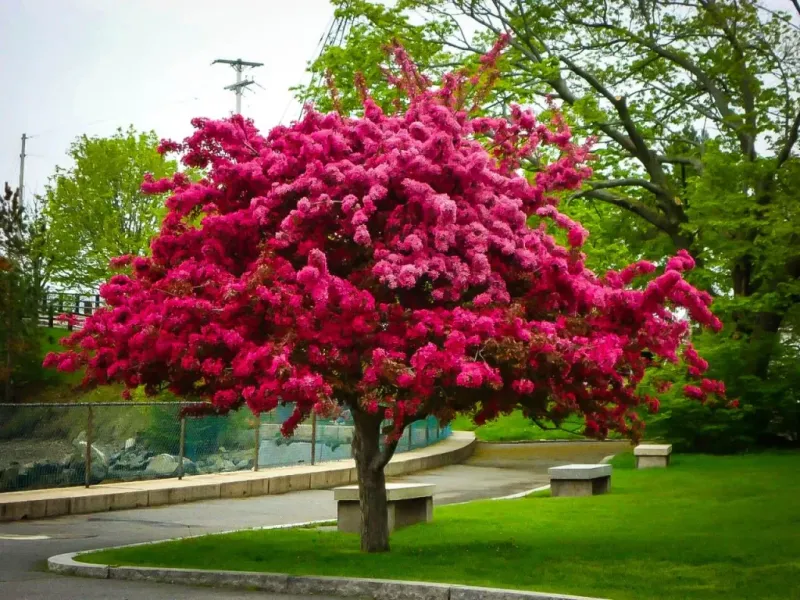
Planting a tree represents a long-term investment in your property and future.
You want something that will still be thriving decades from now, not a short-lived specimen that declines after a few years.
Crabapples deliver impressive longevity when planted properly and given basic care.
In Wisconsin’s cold climate, crabapples commonly live 40 to 60 years or more.
Some exceptionally well-sited specimens reach 80 years.
This lifespan far exceeds many faster-growing ornamental trees that flame out after 20 or 30 years.
The key to longevity starts with proper planting.
Dig a wide hole that allows roots to spread easily.
Plant at the correct depth with the root flare visible at the soil surface.
Water consistently during the first two years while the tree establishes.
After that, crabapples become remarkably self-sufficient.
Disease-resistant varieties live longer because they don’t suffer the stress and decline that plagues older, susceptible cultivars.
Choosing the right variety for your site conditions also extends lifespan.
A tree that fits its environment naturally experiences less stress and fewer problems.
As your crabapple matures, it becomes a defining feature of your landscape.
Children grow up climbing its branches and enjoying its shade.
The tree witnesses family milestones, neighborhood changes, and passing seasons.
Few landscape investments offer this kind of enduring value, making crabapples true heirlooms that you can pass along to future generations with pride.