Can You Legally Prune A Neighbor’s Shrub Branches On Your Property In Florida
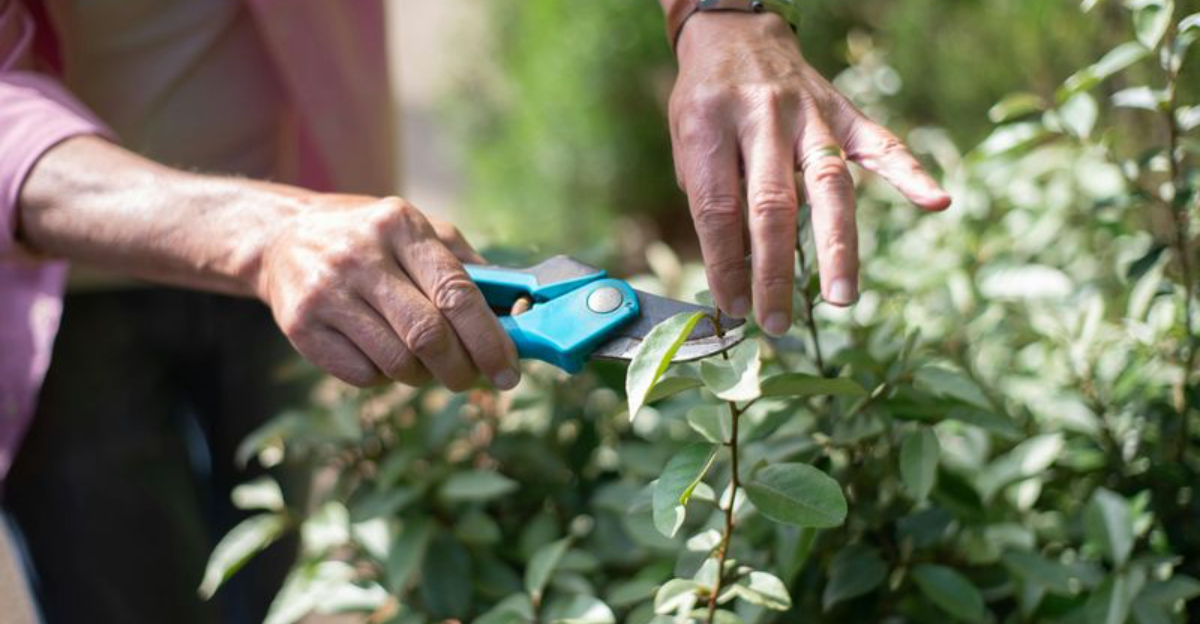
A shrub that crosses a property line can turn a peaceful neighborhood into a source of tension overnight.
In Florida, fast growth and year-round greenery make boundary disputes especially common, with branches pushing past fences and hedges spilling into neighboring yards.
What seems like a simple trim can quickly raise legal questions and spark conflict.
Homeowners often assume they can cut anything that enters their space, but property law draws careful limits around that idea.
One wrong move with pruning shears can damage a plant, strain neighbor relations, or even lead to legal trouble.
State rules, local ordinances, and long-standing legal principles all play a role in what is allowed. Before making a cut, clarity matters.
Florida law provides specific guidance on where rights begin, where they end, and how to protect both property and peace.
Knowing these boundaries can save time, money, and unnecessary disputes when a neighbor’s shrubs cross the line.
Understanding Florida’s Property Line Rights
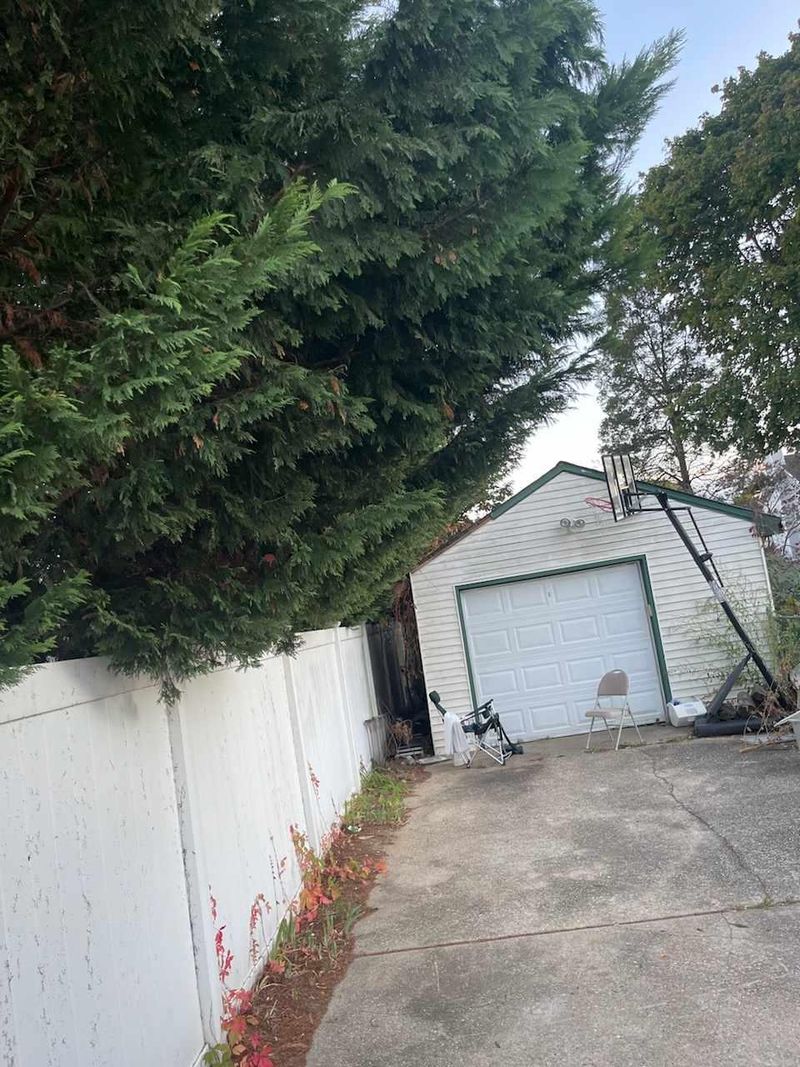
Florida law gives homeowners certain rights when plants from a neighboring property cross over onto their land in the Sunshine State.
Property owners can trim branches and roots that extend beyond the boundary line, but they must follow specific guidelines carefully.
The right to trim applies only to the portion of the plant that actually enters your property, not the entire shrub.
You cannot go onto your neighbor’s property to perform any trimming work without their explicit permission, even if it seems more convenient.
Florida courts have consistently upheld the principle that property owners control what happens within their boundaries regarding overhanging vegetation from adjacent lots.
However, this right comes with important responsibilities that homeowners must understand before picking up pruning shears or calling a landscaping company.
Many people assume they can do whatever they want with branches on their side, but Florida law includes restrictions.
The trimming must be done carefully to avoid harming the overall health of the plant, which remains your neighbor’s property.
The Self-Help Doctrine In Florida
Florida follows what legal experts call the self-help doctrine, which allows property owners to take matters into their own hands regarding encroaching plants.
This doctrine means you don’t need to ask permission or file a lawsuit before trimming branches that cross onto your property line.
Courts in Florida have recognized this right for decades, understanding that waiting for legal proceedings would be impractical for most homeowners facing issues.
The self-help approach saves time and money compared to going through the court system for every overhanging branch or invasive root system.
Florida judges have ruled that neighbors must tolerate reasonable trimming when plants cross boundaries, as long as the work follows proper guidelines.
This doctrine balances the rights of both property owners, letting you protect your space while respecting your neighbor’s ownership of their plants.
However, the self-help doctrine doesn’t give you unlimited power to cut whatever you want however you want without any consequences whatsoever.
Misusing this right by damaging a neighbor’s plant unnecessarily could result in liability for the harm you cause to their property.
Your Florida Garden Changes Every Week. Your Plan Should Too.
Gardening in Florida changes quickly throughout the season. Every Friday you’ll receive a simple weekly plan showing exactly what to plant, prune, fertilize, harvest, and protect so you never miss the right timing.
Restrictions On Trimming Methods
Florida law requires that any trimming you do must not harm the overall health or stability of your neighbor’s shrub or tree.
You must use proper horticultural techniques when cutting branches, making clean cuts that allow the plant to heal and continue growing healthily.
Cutting too much at once or using improper methods could weaken the plant, making you liable for damages to your neighbor’s property.
The law expects you to trim only what is necessary to protect your property rights, not to reshape or reduce their plants.
If your trimming causes the shrub to become diseased, unstable, or unable to survive, you could face a lawsuit for property damage.
Florida courts have awarded damages to property owners whose trees or shrubs were harmed by overzealous neighbors who went beyond reasonable trimming.
Professional arborists recommend researching the specific plant species before cutting to understand how much trimming it can tolerate without suffering long-term harm.
When in doubt, hiring a certified arborist ensures the work follows best practices and reduces your risk of accidentally damaging property.
What To Do With Trimmed Material
After you trim branches from your neighbor’s shrub, Florida law considers those cuttings to still belong to your neighbor, not to you.
You cannot simply throw the trimmed branches and leaves into the trash without considering your neighbor’s rights to their own property.
Technically, you should offer to return the trimmed material to your neighbor since it remains their property even after you cut it.
Most neighbors won’t want piles of branches back, but offering shows good faith and respects the legal principle of property ownership.
If your neighbor declines to take the cuttings, you can then dispose of them according to your local waste management regulations.
Many Florida municipalities have specific rules about yard waste disposal, including designated pickup days or requirements to use special bags for plant materials.
Some homeowners choose to compost the material or use it as mulch, which is generally acceptable once the neighbor has refused it.
Keeping a record of your offer to return the material can protect you if any dispute arises later about the trimming.
When You Might Be Liable For Damages
Florida homeowners can face legal liability if their trimming goes beyond what is reasonable and causes significant harm to a neighbor’s plants.
Courts will look at whether your trimming was necessary to protect your property or if you cut excessively out of spite or carelessness.
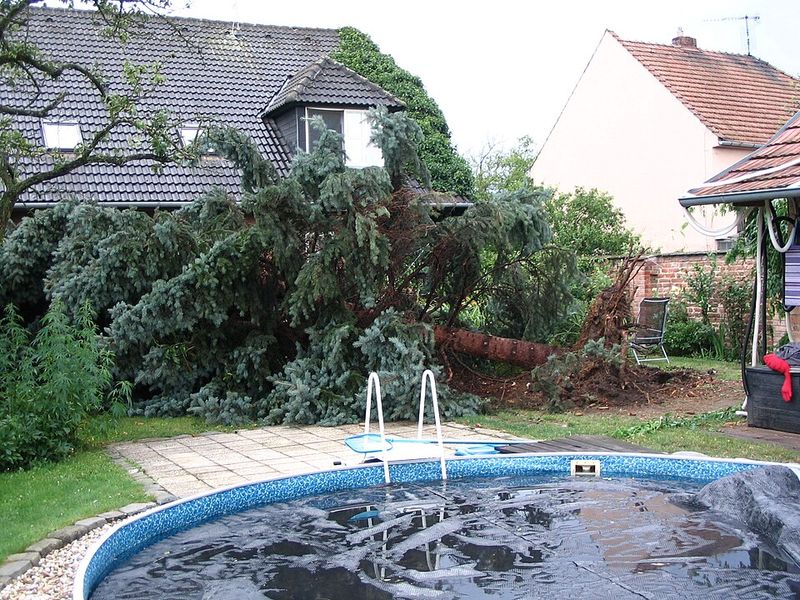
If a tree or shrub becomes unstable after your trimming and later falls, you could be held responsible for any resulting damage.
The value of mature trees and established shrubs can be substantial, sometimes worth thousands of dollars, making damages in these cases quite serious.
Florida law recognizes that plants are valuable property, and destroying or significantly damaging them can result in financial consequences for the person responsible.
Intentionally harming a neighbor’s plant out of anger or to retaliate for some other dispute could even lead to punitive damages in court.
Before trimming, consider taking photographs of the encroachment to document why the trimming was necessary for protecting your property from actual harm.
Consulting with a professional before doing major trimming work can provide evidence that you took reasonable steps to avoid causing unnecessary damage.
Dealing With Roots Crossing Property Lines
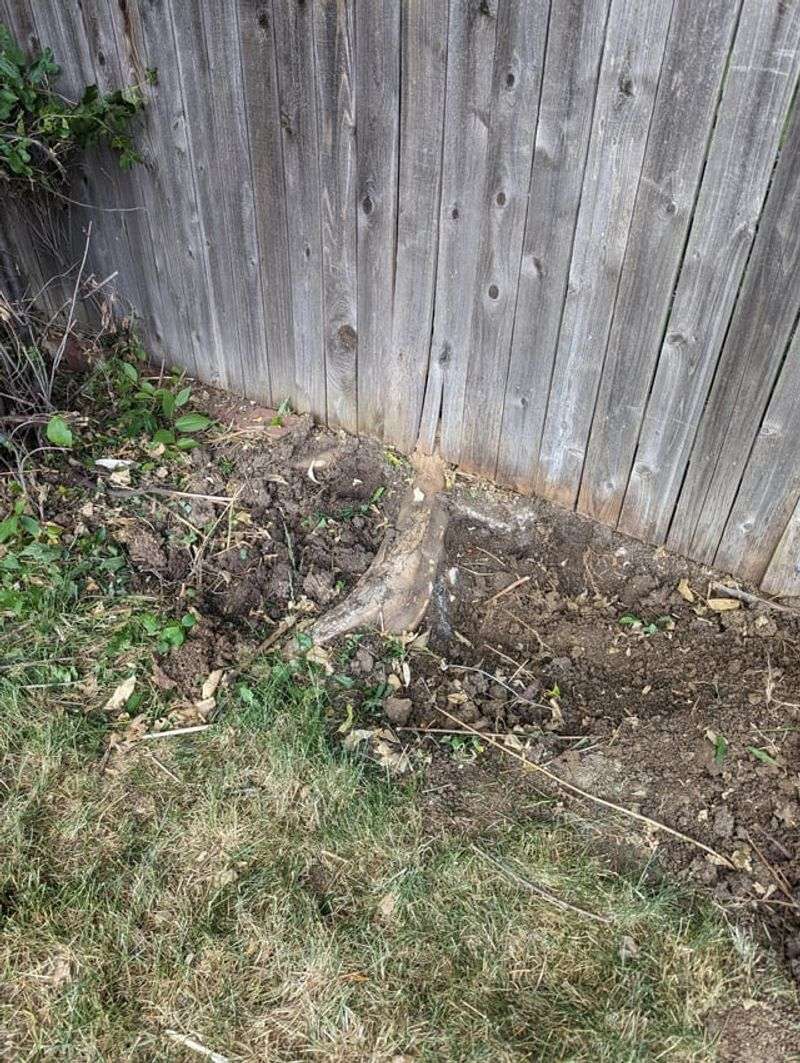
Roots from a neighbor’s shrubs or trees can cause serious problems when they grow under your property, cracking foundations or damaging underground utilities.
Florida law generally allows you to cut roots that have crossed onto your property, just as you can trim branches above ground.
However, cutting major roots can destabilize a tree or large shrub, potentially causing it to fall and creating liability for you if it happens.
Before cutting significant roots, consider having an arborist evaluate whether the cutting will harm the plant’s stability or health in ways you’d be responsible for.
Roots that damage your driveway, sidewalk, or foundation give you a stronger legal position for cutting them since they’re causing actual harm to your property.
Documentation of the damage caused by the roots, including photographs and repair estimates, can support your position if a dispute arises later.
Some Florida homeowners install root barriers along property lines to prevent future encroachment without having to repeatedly cut invasive roots from neighboring plants.
Communication with your neighbor before cutting major roots can sometimes lead to cooperative solutions that avoid conflict and potential legal issues later.
The Importance Of Communication
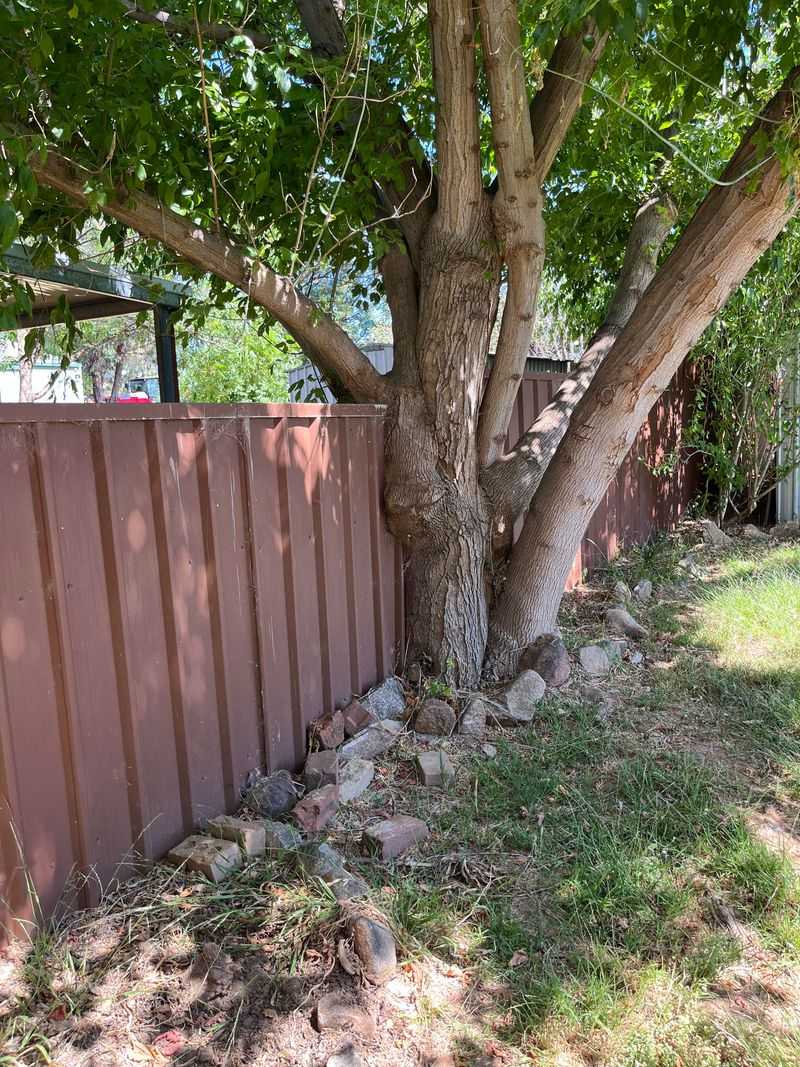
Although Florida law gives you the right to trim without permission, talking to your neighbor first often leads to better outcomes for everyone.
Your neighbor might not even realize their shrubs are encroaching on your property and may be willing to trim them themselves once informed.
A friendly conversation can prevent misunderstandings that might escalate into legal disputes or damage the relationship between neighbors who must live near each other.
Some neighbors appreciate the heads-up and might even offer to share the cost of professional trimming to ensure the work is done properly.
Explaining your concerns and showing respect for their property can go a long way toward maintaining peace while still protecting your property rights.
If your neighbor becomes hostile or refuses to discuss the issue, you can proceed with your legal right to trim without their permission.
Documenting your attempt to communicate, such as through a polite letter or email, can demonstrate your good faith if the situation later requires legal involvement.
Most property disputes in Florida are resolved through conversation rather than lawsuits, making communication the most practical first step in almost every situation.
When To Hire A Professional
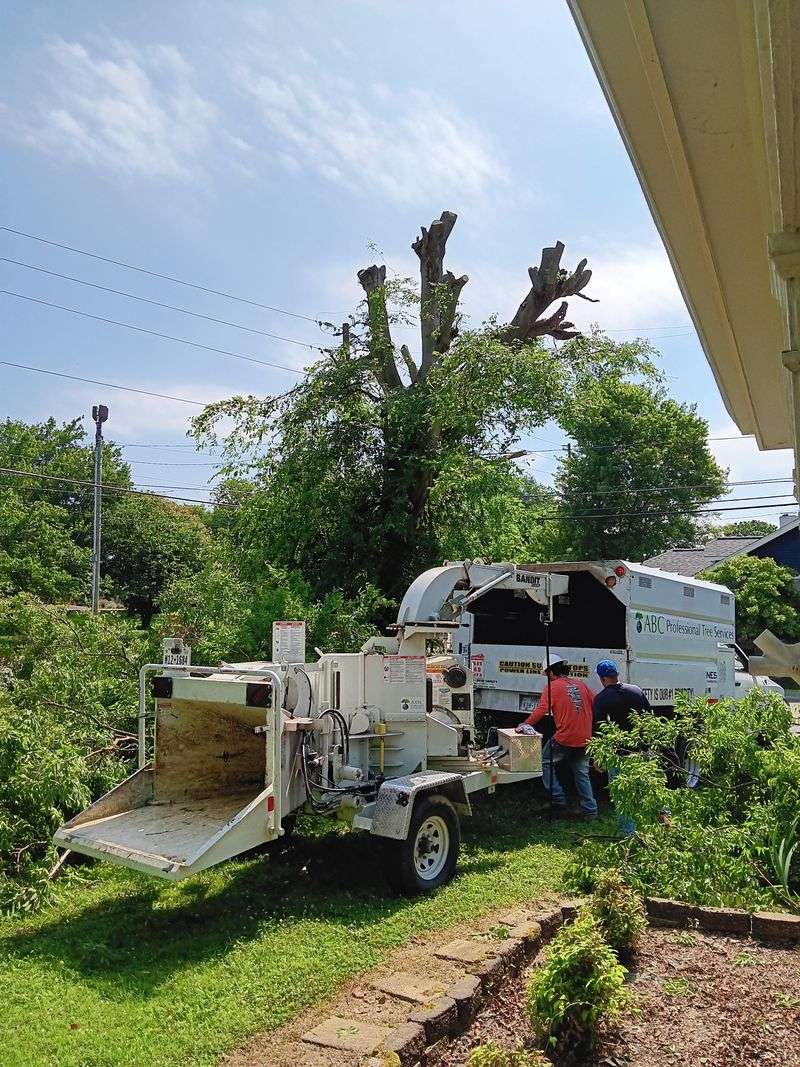
Large branches or extensive root systems often require professional expertise to trim safely and in accordance with Florida’s legal requirements for plant care.
Certified arborists understand proper pruning techniques that minimize harm to plants while effectively protecting your property from encroachment and potential damage from overgrowth.
Professionals carry insurance that protects you if something goes wrong during the trimming process, such as accidental damage to the plant or surrounding property.
Hiring experts also provides documentation that you took reasonable steps to avoid harming your neighbor’s property, which can help if disputes arise later.
The cost of professional trimming is often worth it compared to the potential liability you might face if improper trimming causes thousands of dollars in damage.
Arborists can also advise you on whether the plant poses actual risks to your property or if the encroachment is minor and harmless.
For particularly valuable or rare plants, professional assessment ensures you don’t accidentally create liability by damaging something worth far more than typical landscaping shrubs.
Many Florida tree service companies offer free estimates, allowing you to understand the costs before committing to professional help for your situation.
Local Ordinances And HOA Rules
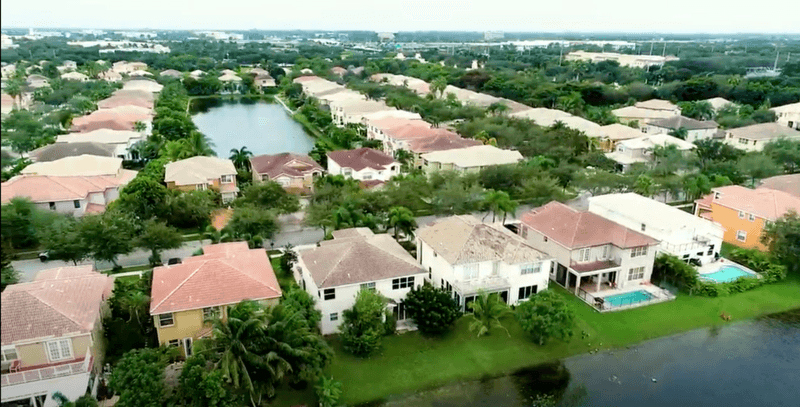
Beyond state law, many Florida communities have local ordinances or homeowners association rules that affect what you can do with encroaching plants from neighbors.
Some municipalities require permits for trimming trees over a certain size, even when they’re on your property or hanging over from next door.
Homeowners associations often have specific landscaping standards that both you and your neighbor must follow, which might address boundary issues between properties comprehensively.
Violating HOA rules could result in fines or other penalties, even if your trimming was legal under Florida state law regarding property rights.
Checking your HOA’s governing documents before trimming can save you from unexpected consequences that might have been easily avoided with advance research.
Local code enforcement offices can tell you whether your city or county has specific regulations about tree and shrub trimming near property lines.
Some Florida communities have heritage tree ordinances that protect certain species or sizes of trees, potentially limiting your right to trim even encroaching branches.
Understanding all applicable rules before you start cutting ensures you stay in compliance with every level of regulation that might apply to the work.
Alternatives To Trimming
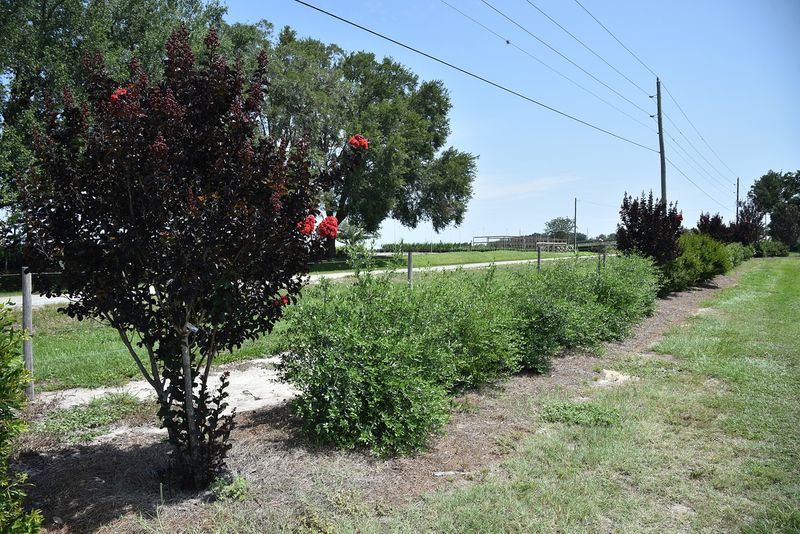
Sometimes the best solution isn’t trimming at all but finding alternative ways to deal with plants that cross onto your Florida property.
Installing a fence along the property line can create a clear boundary and may discourage future plant growth in your direction as a practical matter.
Planting your own shrubs or trees can create a buffer that blocks the view of your neighbor’s overgrown plants without requiring confrontation or legal action.
If branches are blocking sunlight to your garden, repositioning your plants to a sunnier spot might be easier than ongoing battles over tree trimming.
For roots causing minor issues, installing barriers or simply working around them might be more practical than cutting them and risking plant instability.
Sometimes tolerating minor encroachment maintains better neighbor relations, which can be valuable when you need cooperation on other issues in the future with them.
Mediation services, available in many Florida counties, can help neighbors find creative solutions that satisfy both parties without resorting to legal action or confrontation.
Weighing the actual harm caused by the encroachment against the potential costs and conflicts of addressing it helps you make the most practical decision.