9 Fruit Trees That Are Not A Good Fit For Florida
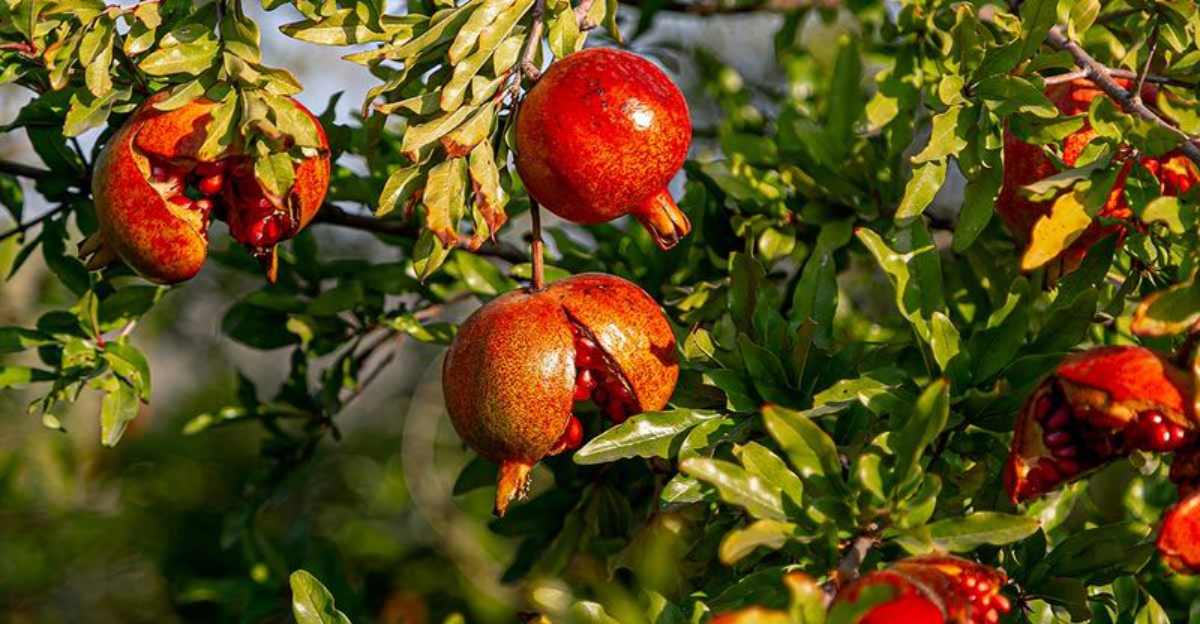
Florida sunshine and sandy soil tempt homeowners to dream big, yet not every fruit tree rises to the occasion.
Some varieties promise heavy harvests but fall short once heat, humidity, and surprise cold snaps take control.
What thrives in cooler regions or dry air often hits a wall in this climate.
As the saying goes, you cannot force a square peg into a round hole.
Many fruit trees depend on long winter chill, low moisture levels, or rich loam that Florida rarely provides.
Without those conditions, trees weaken, fruit fails to form, and pests move in like uninvited guests.
Extra water or fertilizer rarely changes the outcome.
Effort drains away, and expectations take a hit.
Homeowners often face disappointment after seasons of care that lead nowhere.
Clear knowledge helps protect time, money, and patience.
Smart garden choices start with respect for local limits rather than wishful thinking.
When trees suit the land, rewards follow with fewer setbacks and steadier results.
When they do not, frustration shows up fast.
Steering clear of poor matches opens the door to better options that suit Florida conditions, deliver reliable harvests, and turn backyard plans into long-term success instead of hard-earned lessons.
1. Apple Trees
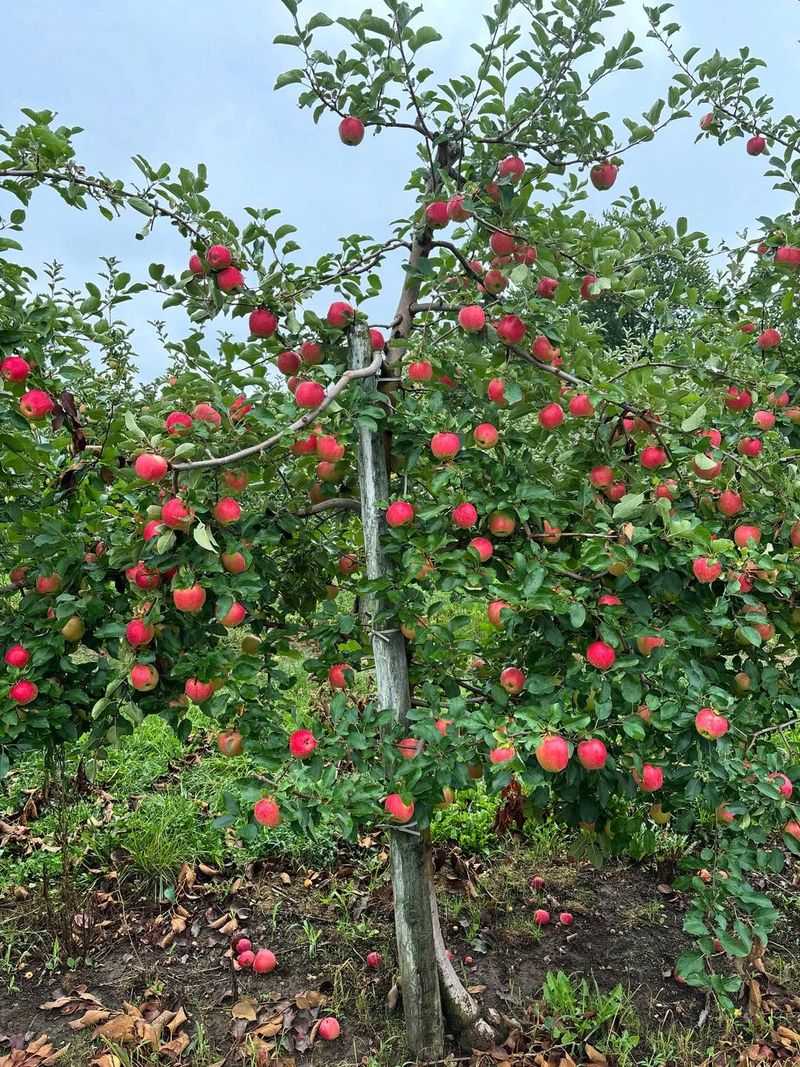
Most apple varieties require something Florida simply cannot provide: a long, cold winter.
Apple trees need hundreds of hours below 45 degrees Fahrenheit to set fruit properly.
This process, called chilling hours, triggers the tree to bloom and produce apples.
Without enough cold weather, apple trees in Florida will grow leaves but produce very few apples.
The fruit that does appear often tastes bland and develops poorly.
Even low-chill apple varieties bred for warmer climates struggle in most Florida regions.
Humidity presents another major obstacle for apple cultivation in Florida.
Fungal diseases spread rapidly in moist conditions, attacking leaves and fruit.
Apple scab, fire blight, and powdery mildew become constant problems that require intensive spraying.
The pests that bother apple trees also love Florida’s year-round warmth.
Insects multiply quickly without winter freezes to reduce their populations.
Managing these pests becomes a full-time job that most home gardeners find overwhelming.
While a few experimental low-chill varieties exist, they rarely match the quality of apples grown in traditional regions.
Your efforts are better spent on tropical fruits that naturally thrive in Florida’s climate.
Apples belong in cooler states where they can reach their full, crisp potential.
2. Cherry Trees

Sweet cherries demand even more chilling hours than apples, making them nearly impossible to grow in Florida.
Standard cherry varieties need up to 1,000 hours of cold temperatures to produce fruit.
Florida’s mild winters provide only a fraction of this requirement, even in the northern counties.
Beyond the cold issue, cherry trees face serious disease pressure in humid climates.
Brown rot, a fungal infection, spreads like wildfire when conditions stay warm and wet.
This disease can destroy an entire crop before the cherries even ripen.
Cherry trees also need well-drained soil with specific pH levels to thrive.
Florida’s sandy soils drain too quickly and often lack the nutrients cherries require.
Your Florida Garden Changes Every Week. Your Plan Should Too.
Gardening in Florida changes quickly throughout the season. Every Friday you’ll receive a simple weekly plan showing exactly what to plant, prune, fertilize, harvest, and protect so you never miss the right timing.
Constant fertilization becomes necessary, adding expense and effort to an already challenging situation.
Pollination presents yet another hurdle for Florida cherry growers.
Many cherry varieties need a second tree nearby for cross-pollination.
Since cherries bloom poorly without cold winters, getting adequate pollination becomes extremely difficult.
Commercial cherry production exists only in regions with distinct seasons and cold winters.
Florida gardeners who attempt cherries usually end up with beautiful trees that never bear fruit.
Save yourself the disappointment and choose fruit trees bred for subtropical success instead.
3. Pear Trees
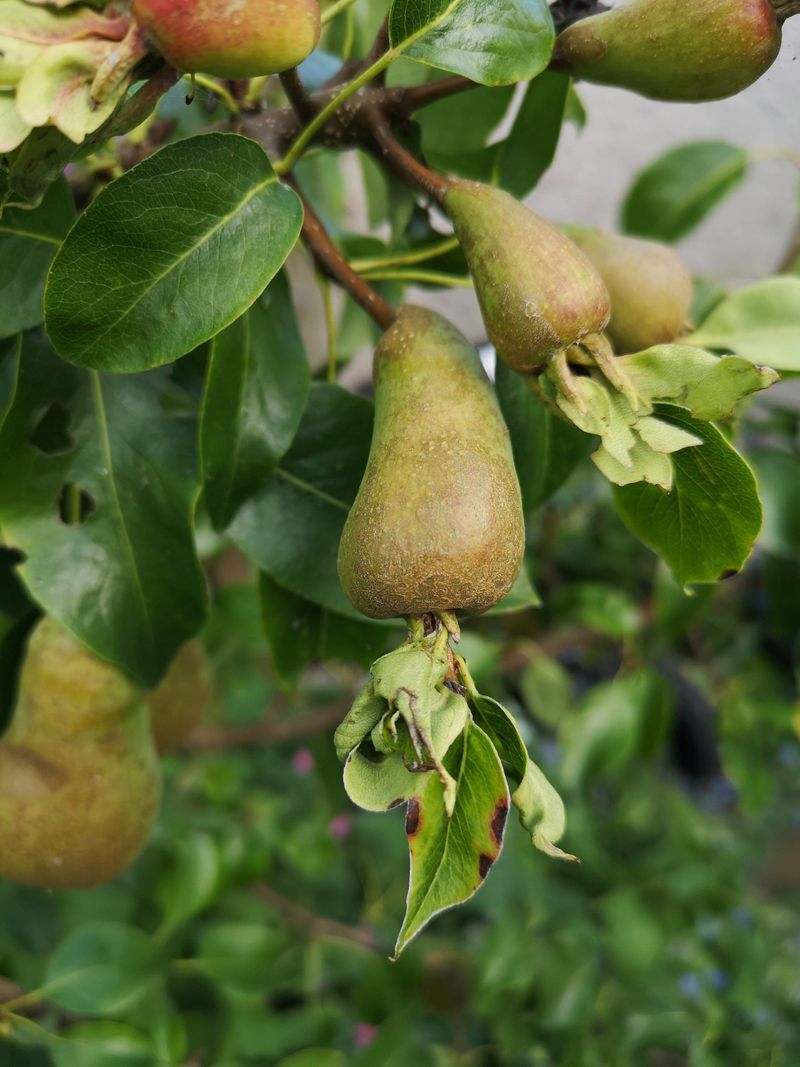
Pears suffer from the same chilling hour problem that plagues apples in Florida.
European pears, the crisp varieties you find in grocery stores, need substantial winter cold to fruit properly.
Without this cold period, pear trees produce sparse blooms and even fewer pears.
Fire blight poses a devastating threat to pear trees, especially in warm, humid regions.
This bacterial disease spreads rapidly during Florida’s frequent spring and summer rains.
Infected branches blacken and wither, often spreading to the entire tree before you can control it.
Asian pear varieties tolerate heat slightly better than European types, but they still struggle in Florida.
The humidity encourages fungal problems that mar the fruit and weaken the tree.
Constant vigilance and chemical treatments become necessary, making pear growing more trouble than reward.
Pear trees also take several years to begin producing fruit under ideal conditions.
In Florida’s challenging environment, you might wait five to seven years only to harvest a handful of poor-quality pears.
The investment of time and resources rarely pays off.
Professional orchards in pear-growing regions employ sophisticated disease management systems.
Home gardeners in Florida lack these resources and face constant disappointment.
Focus instead on tropical fruits that reward your patience with abundant harvests.
4. Plum Trees
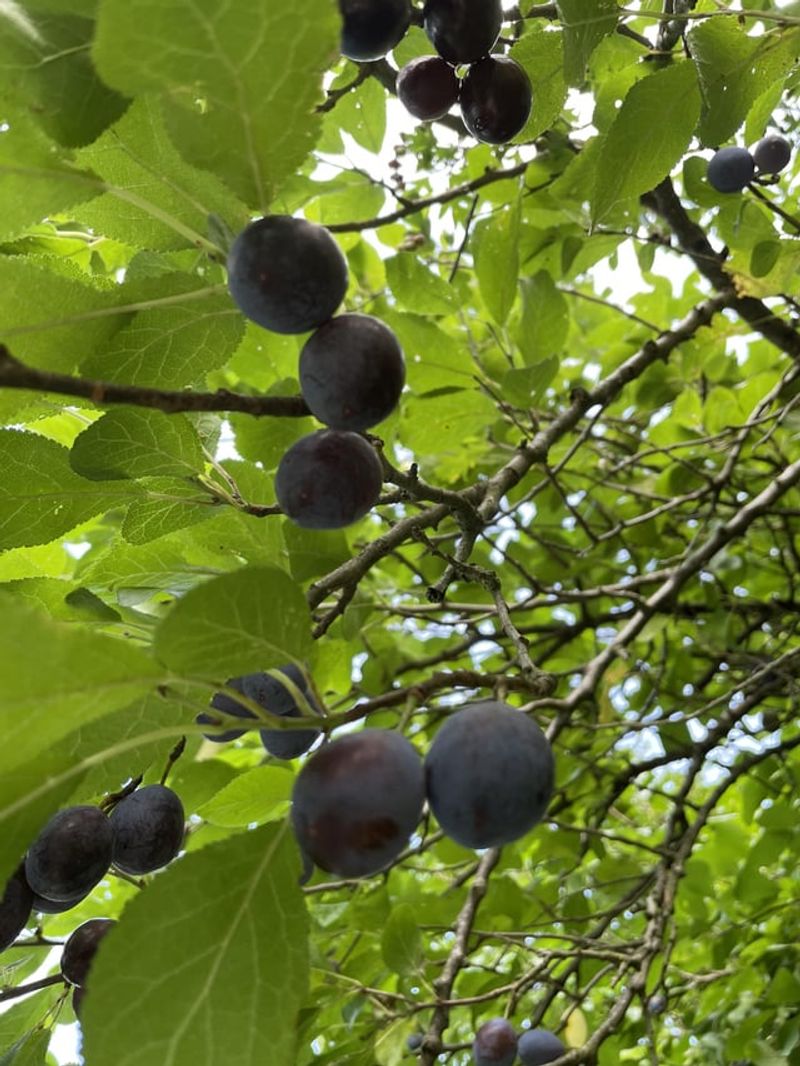
Japanese and European plum varieties need moderate to high chilling hours that Florida winters cannot deliver.
While some low-chill plum varieties exist, they perform inconsistently across most of the state.
North Florida gardeners might see occasional fruit, but central and south Florida remain too warm year-round.
Plum curculio, a beetle pest, causes extensive damage to developing plums in humid regions.
The insect lays eggs inside young fruit, creating wormy, inedible plums.
Without hard winter freezes to reduce pest populations, this beetle thrives in Florida.
Fungal diseases also plague plum trees in Florida’s moisture-rich environment.
Black knot, brown rot, and bacterial spot spread easily from tree to tree.
These diseases disfigure fruit and weaken branches, requiring constant monitoring and treatment.
Plum trees bloom early in spring, which sounds advantageous for Florida’s mild climate.
However, the warm weather that triggers blooming also brings unpredictable temperature swings.
A sudden cold snap can destroy all the blossoms, eliminating any chance of fruit that year.
Even when plums do develop in Florida, they often lack the sweetness and flavor of fruit grown in proper climates.
The trees expend energy fighting diseases instead of developing quality fruit.
Your gardening efforts will yield better results with fruit trees adapted to subtropical conditions.
5. Apricot Trees

Apricots bloom extremely early in the season, often during late winter.
In traditional growing regions, this timing works because trees remain dormant until the right moment.
Florida’s warm winters confuse apricot trees, causing them to bloom erratically or not at all.
When apricot trees do bloom in Florida, the flowers face immediate threats.
High humidity during bloom time encourages blossom blight and other fungal infections.
These diseases destroy flowers before they can develop into fruit, leaving you with empty branches.
Apricots originated in dry, continental climates with cold winters and hot, dry summers.
Florida’s combination of humidity, frequent rain, and mild winters creates the opposite environment.
The tree’s natural defenses cannot cope with these conditions, making it vulnerable to countless problems.
Brown rot fungus, which thrives in moisture, attacks apricot fruit as it ripens.
Entire crops can rot on the tree within days during Florida’s humid summer months.
Preventing this disease requires frequent fungicide applications that many gardeners prefer to avoid.
Commercial apricot production concentrates in California and similar dry regions for good reason.
The fruit simply cannot develop properly in humid climates.
Florida gardeners should skip apricots entirely and explore tropical stone fruits like mangoes instead.
6. Peach Trees (Most Varieties)
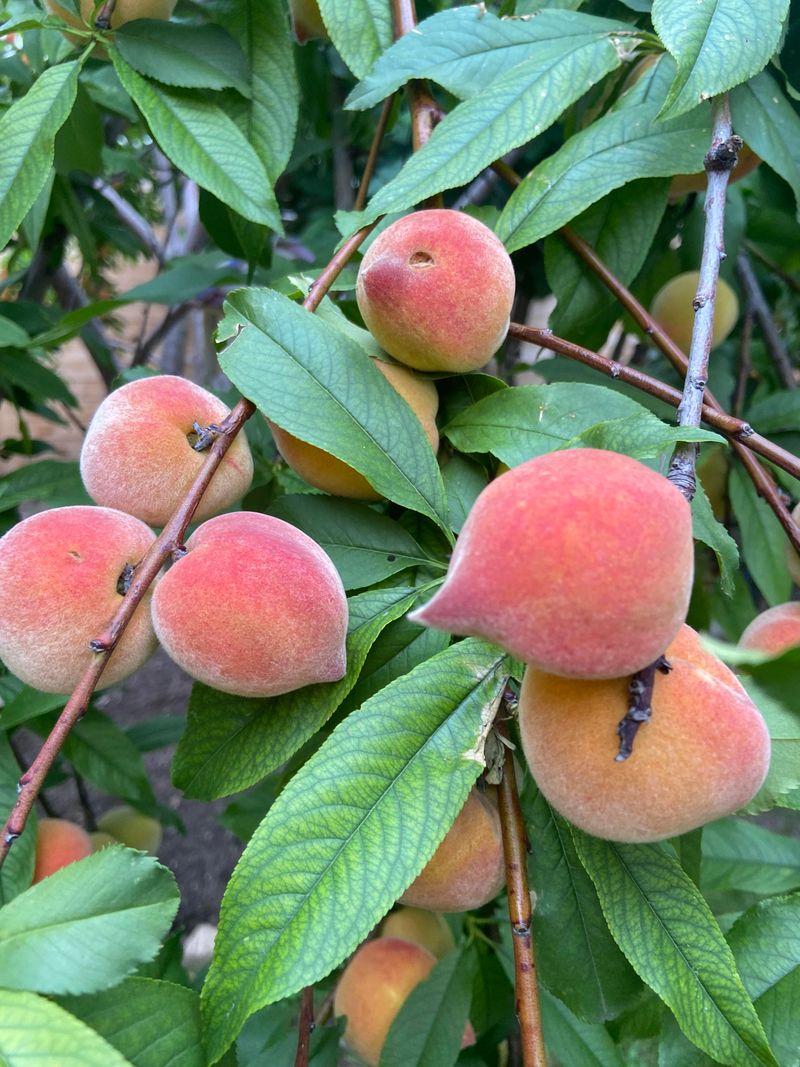
Standard peach varieties need substantial chilling hours that most of Florida cannot provide consistently.
While low-chill varieties exist for Florida, even these face significant challenges.
Success depends heavily on your specific location and microclimate within the state.
Peach leaf curl, a fungal disease, spreads rapidly in humid conditions.
This infection causes leaves to pucker, redden, and drop from the tree.
Repeated infections weaken peach trees, reducing fruit production and shortening their lifespan.
Root-knot nematodes, microscopic worms in the soil, attack peach tree roots in warm climates.
These pests thrive in Florida’s sandy soils and mild winters.
Infected trees show stunted growth, yellowing leaves, and poor fruit development despite adequate water and fertilizer.
Peach trees in Florida typically produce fruit for only three to five years before declining.
In proper climates, peach trees remain productive for 12 to 15 years or more.
The constant battle against pests and diseases exhausts Florida peach trees prematurely.
If you insist on trying peaches, choose varieties specifically bred for Florida, like Tropic Beauty or Tropic Snow.
Plant them in north or north-central Florida for the best chance of success.
Even then, expect more challenges than you would face with truly tropical fruit trees.
7. Almond Trees
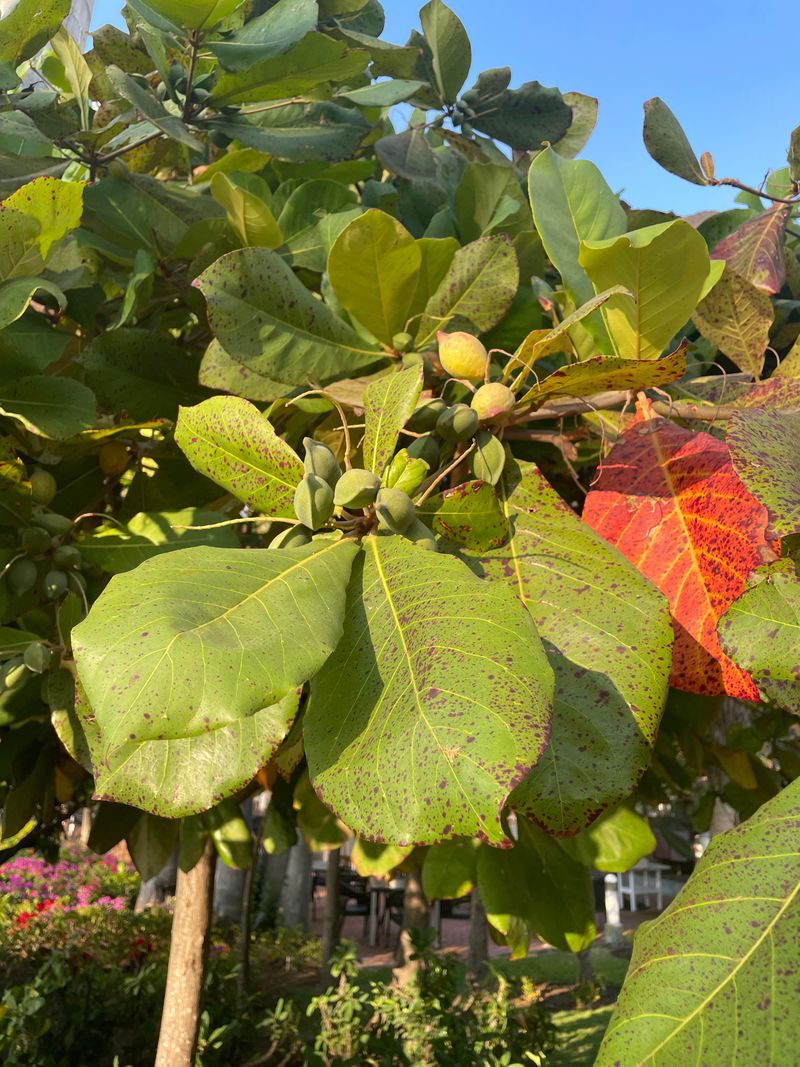
Almonds require a very specific climate that Florida cannot replicate.
Commercial almond production exists almost exclusively in California’s Central Valley for good reason.
The trees need cold winters, hot dry summers, and very low humidity—conditions Florida never experiences.
Almonds bloom extremely early, making them vulnerable to late winter weather fluctuations.
Florida’s unpredictable winter temperatures confuse the trees’ natural cycles.
Blooms may appear too early or fail to develop properly, resulting in no nut production.
Fungal diseases ravage almond trees in humid environments.
The nuts themselves rot in their shells when exposed to Florida’s frequent summer rains.
Successful almond cultivation requires dry conditions during nut development and harvest, which Florida cannot provide.
Almond trees also demand specific soil types with excellent drainage.
Florida’s sandy soils drain too quickly and lack the nutrient-holding capacity almonds prefer.
Constant amendments and fertilization become necessary, adding expense and effort.
Pollination presents another challenge, as almond trees require cross-pollination from different varieties.
You would need multiple trees and adequate bee populations during the brief bloom period.
Given all these obstacles, almonds remain one of the most impractical fruit trees for Florida gardens.
Stick with macadamia nuts if you want a tree nut crop in Florida.
8. Walnut Trees
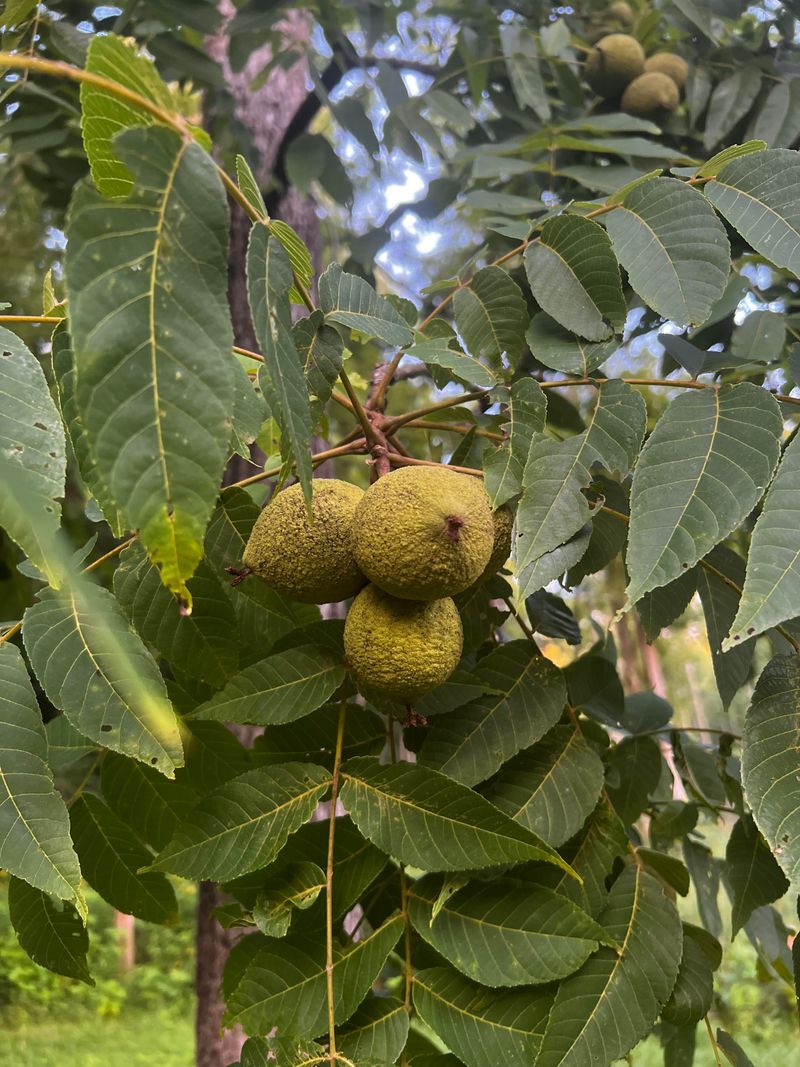
Black walnuts and English walnuts both require cold winters and specific soil conditions that Florida lacks.
Walnut trees need several hundred chilling hours to break dormancy and produce nuts.
Florida’s mild winters leave walnut trees confused, resulting in poor growth and no nut production.
Walnut trees produce a chemical called juglone that inhibits the growth of many other plants nearby.
In traditional growing regions, gardeners work around this by careful plant selection.
In Florida, where space is often limited, this allelopathic effect creates additional landscaping challenges.
The trees grow best in deep, fertile soils with good moisture retention.
Florida’s sandy soils dry out quickly and lack the depth walnut roots prefer.
Creating suitable soil conditions for walnuts in Florida requires extensive amendments and ongoing maintenance.
Humidity and warmth encourage fungal diseases that attack walnut leaves and developing nuts.
Anthracnose and walnut blight spread rapidly in moist conditions.
These diseases cause nuts to blacken and drop before they mature.
Walnut trees also take many years to begin producing nuts, even in ideal conditions.
In Florida’s challenging environment, you might wait a decade without seeing a single harvestable walnut.
The investment simply doesn’t make sense when so many better-suited trees exist for Florida gardens.
9. Pomegranate Trees (Some Varieties)

Pomegranates thrive in hot, dry climates with low humidity and distinct seasons.
While some varieties can tolerate Florida’s heat, the humidity creates serious problems.
The fruit splits and rots when exposed to heavy rainfall during ripening, which happens frequently in Florida.
Fungal diseases attack pomegranate trees relentlessly in humid environments.
Leaf spot, fruit rot, and bacterial blight spread quickly during Florida’s rainy season.
Even if fruit develops, it often becomes infected and inedible before reaching full maturity.
Pomegranates need well-drained soil and actually prefer drier conditions once established.
Florida’s frequent summer thunderstorms provide far more water than pomegranates want.
Overwatering and poor drainage lead to root problems that weaken or destroy the tree.
Some Florida gardeners report limited success with pomegranates in drier, well-drained locations.
However, fruit quality rarely matches that of pomegranates grown in Mediterranean or desert climates.
The constant moisture affects flavor development and causes textural problems.
If you want to attempt pomegranates in Florida, choose the driest, best-drained spot in your yard.
Plant in raised beds and provide overhead protection during heavy rains if possible.
Even with these precautions, expect inconsistent results and ongoing disease management challenges throughout the growing season.