11 Poisonous Creatures In Florida Every Homeowner Should Recognize
Florida’s warm climate and lush landscapes make it a paradise for homeowners—and a perfect habitat for dangerous wildlife.
Poisonous creatures thrive in yards, garages, sheds, and nearby outdoor spaces, often hiding in plain sight.
Many encounters happen close to home, not deep in swamps or remote wilderness.
Some of these animals deliver painful stings or bites, while others inject venom that can cause serious medical emergencies.
Children and pets face the highest risk, especially during warmer months when outdoor activity increases.
A routine task like mowing the lawn, reaching into storage, or stepping outside at night can turn hazardous without warning.
These creatures adapt easily to human environments, taking shelter under debris, near water sources, or along fences and foundations.
Awareness plays a critical role in safety.
These eleven poisonous creatures live across Florida, and every homeowner should recognize them to reduce risk and protect their household year-round.
1. Eastern Diamondback Rattlesnake
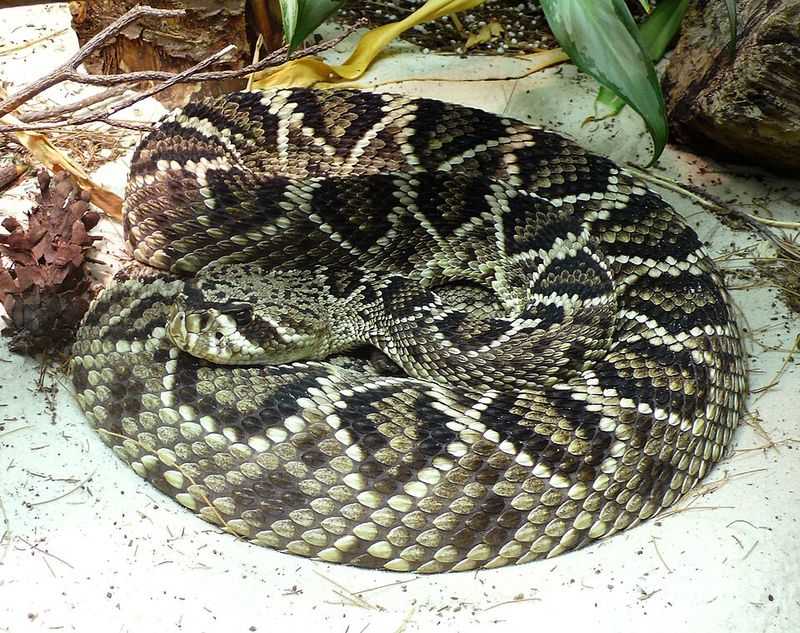
Florida’s largest venomous snake commands respect with its impressive size, sometimes reaching over seven feet in length and weighing more than ten pounds.
The distinctive diamond-shaped patterns running down its back make identification easier, while the rattle at its tail serves as nature’s warning system.
These snakes prefer dry, sandy areas like pine forests and palmetto flatwoods, though they occasionally wander into residential yards seeking food or shelter.
Their venom is extremely potent and can cause severe tissue damage, so keeping a safe distance is absolutely critical for your wellbeing.
Rattlesnakes typically avoid humans and will rattle their tails before striking, giving you a chance to back away slowly and carefully.
Never attempt to handle or corner one of these reptiles, as they can strike with lightning speed when they feel threatened.
If you spot one near your home in Florida, contact wildlife removal professionals who have the proper training and equipment for safe relocation.
Keeping your lawn trimmed and removing brush piles reduces the chances of attracting these snakes to your property throughout the year.
2. Cottonmouth (Water Moccasin)
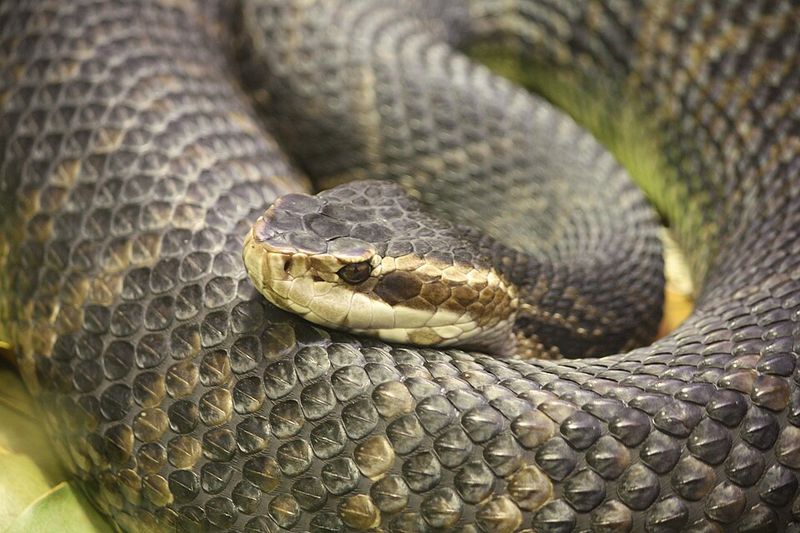
Cottonmouths earned their nickname from the startling white interior of their mouths, which they display as a defensive warning when feeling cornered.
These semi-aquatic snakes thrive around Florida’s lakes, rivers, marshes, and even drainage ditches, making encounters more likely than you might expect.
Their thick, muscular bodies and dark coloration help them blend into murky water and muddy banks where they hunt for fish and frogs.
Unlike many water snakes that flee quickly, cottonmouths often hold their ground and may even approach if they perceive a threat nearby.
Their venom destroys blood cells and tissue, causing painful swelling and potentially serious complications that require immediate medical attention from trained professionals.
Watch carefully where you step near any body of water in Florida, especially during warmer months when these snakes are most active.
Children playing near ponds or canals should always be supervised, as curious kids might not recognize the danger these reptiles pose.
Your Florida Garden Changes Every Week. Your Plan Should Too.
Gardening in Florida changes quickly throughout the season. Every Friday you’ll receive a simple weekly plan showing exactly what to plant, prune, fertilize, harvest, and protect so you never miss the right timing.
Installing snake-proof fencing around water features on your property provides an extra layer of protection for your family and visiting guests.
3. Eastern Coral Snake
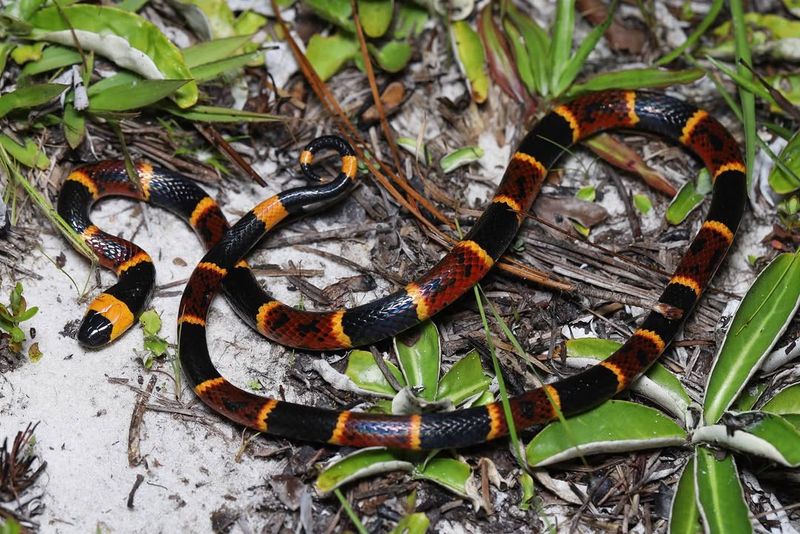
Bright bands of red, yellow, and black make the coral snake one of Florida’s most beautiful yet dangerous reptiles you might encounter.
Remembering the rhyme red touches yellow can harm a fellow helps distinguish venomous coral snakes from harmless mimics like the scarlet kingsnake.
These shy, secretive snakes spend most of their time underground or hidden beneath leaf litter, rarely showing themselves during daylight hours.
Coral snakes possess powerful neurotoxic venom that affects the nervous system, though they rarely bite unless accidentally grabbed or stepped on directly.
Their small mouths and short fangs mean they usually need to chew to inject venom, giving you a better chance to escape unharmed.
Most bites occur when people try to pick up or move these snakes without realizing the serious danger they present to humans.
If you discover one in your yard, simply leave it alone and give it plenty of space to move away naturally.
Wearing closed-toe shoes and gloves while gardening or working outdoors significantly reduces your risk of accidental contact with these colorful but venomous creatures.
4. Black Widow Spider
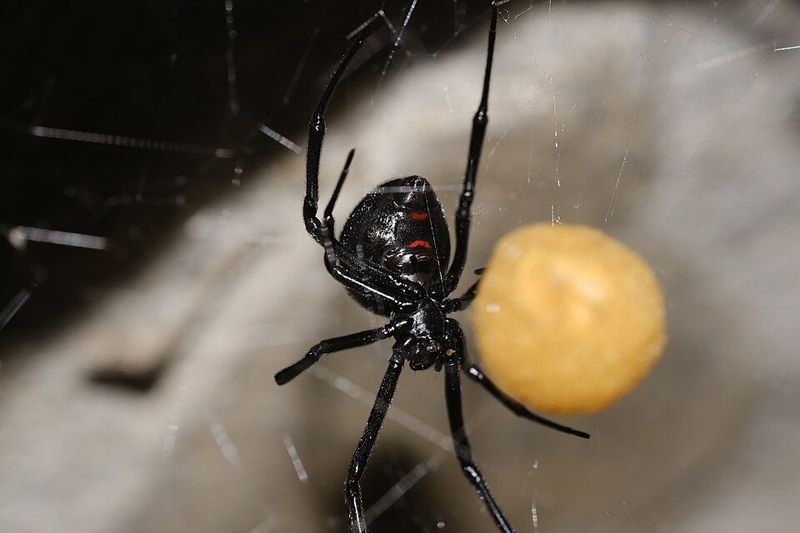
Shiny black bodies and the telltale red hourglass marking underneath make female black widows easy to identify once you know what to look for.
These spiders love dark, undisturbed spaces like garages, sheds, woodpiles, and outdoor furniture that sits unused for extended periods of time.
Only female black widows pose a danger to humans, as males are much smaller and lack venom potent enough to cause harm.
Their neurotoxic venom can cause severe muscle pain, cramping, and other uncomfortable symptoms that may require medical treatment from healthcare professionals.
Black widows build messy, irregular webs close to the ground where they wait patiently for insects to become trapped in the sticky strands.
Shaking out shoes, gloves, and clothing before wearing them prevents accidental encounters with these spiders hiding in dark, cozy spots around your home.
Regular cleaning of storage areas and removing clutter eliminates the perfect hiding spots these spiders seek for building their webs.
While their bite is painful and concerning, fatalities are extremely rare, especially with prompt medical care available throughout Florida’s healthcare system.
5. Brown Recluse Spider
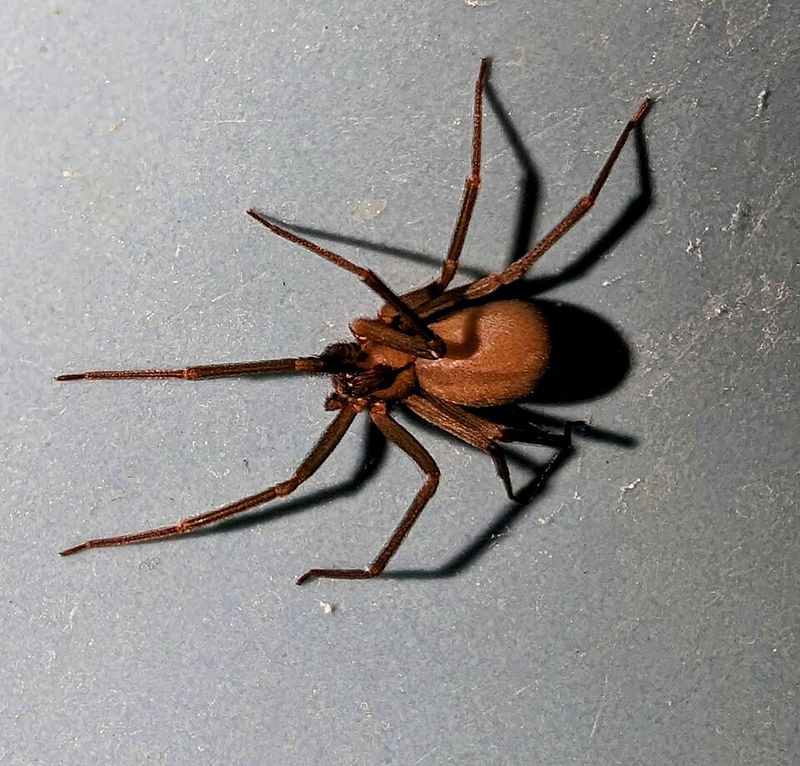
A violin-shaped marking on the back distinguishes brown recluse spiders from other common house spiders you might find crawling around your home.
These spiders prefer warm, dry, undisturbed areas like attics, closets, and cardboard boxes that remain untouched for weeks or months at a time.
Brown recluses are not aggressive and typically bite only when trapped against skin, such as when putting on clothing or shoes.
Their venom contains enzymes that destroy tissue, potentially creating slow-healing wounds that require careful monitoring and sometimes medical intervention from trained doctors.
Most bites occur at night when these nocturnal hunters leave their hiding spots to search for prey like other insects and small spiders.
Reducing clutter in your home and sealing cracks in walls eliminates the hiding places these spiders need to establish themselves successfully.
Sticky traps placed along baseboards help monitor spider activity and can catch brown recluses before they become a bigger problem for residents.
Despite their scary reputation, serious complications from brown recluse bites are relatively uncommon, though medical attention is always recommended for proper treatment.
6. Florida Bark Scorpion
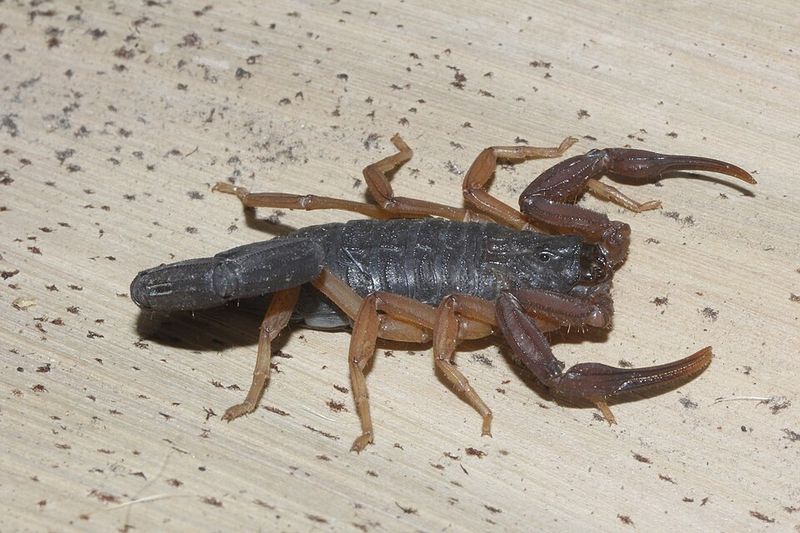
Slender bodies and pale coloring help Florida bark scorpions blend perfectly into tree bark where they hunt for insects during warm summer nights.
These scorpions are the most common species found throughout Florida, often surprising homeowners by appearing indoors after climbing through small cracks and gaps.
Their sting causes immediate sharp pain similar to a bee sting, followed by localized swelling and discomfort that usually subsides within hours.
While painful, Florida bark scorpion stings are rarely dangerous to healthy adults, though young children and elderly individuals should receive medical evaluation.
Scorpions glow bright green under ultraviolet light, making a blacklight flashlight an excellent tool for locating them around your property at night.
They prefer hiding under rocks, logs, loose bark, and debris during daylight hours, emerging after sunset to hunt for their preferred prey.
Sealing entry points around doors, windows, and utility lines helps prevent these nocturnal creatures from wandering into your living spaces unexpectedly.
Shaking out bedding and checking shoes before use provides simple protection against accidental stings from scorpions seeking dark, confined spaces throughout your home.
7. Portuguese Man o’ War
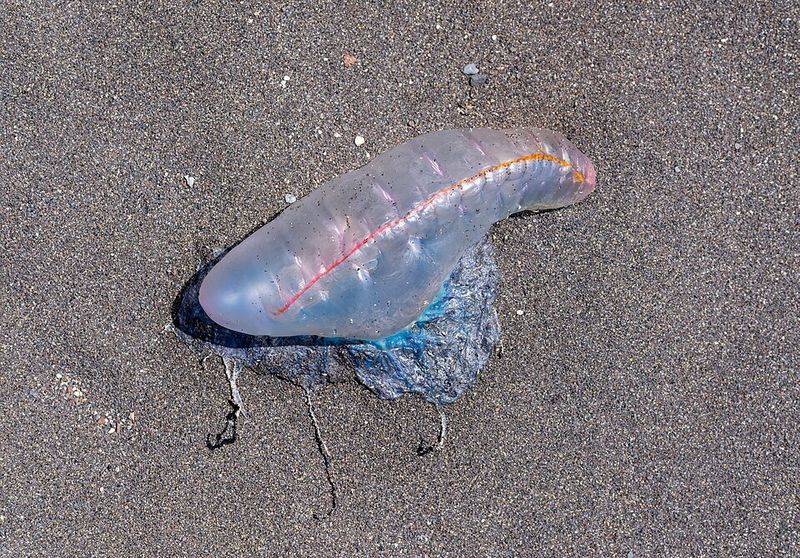
Floating on ocean currents with a distinctive blue, gas-filled bladder, the Portuguese man o’ war looks like a jellyfish but is actually a colony.
Long, trailing tentacles can extend over thirty feet below the surface, delivering extremely painful stings to unsuspecting swimmers and beachgoers nearby.
Strong onshore winds often push these creatures onto Florida beaches where their tentacles remain dangerous even after the organism appears inactive or dry.
The venom causes intense burning pain, red welts, and sometimes more serious reactions requiring immediate medical attention from emergency responders or lifeguards.
Never touch a man o’ war on the beach, as the stinging cells in their tentacles can still fire and cause injury hours later.
If stung, rinse the affected area with salt water, not fresh water, which can actually trigger more venom release from the stinging cells.
Removing tentacle fragments carefully with tweezers or a credit card edge helps minimize further venom exposure and reduces the severity of symptoms.
Beach warning flags often indicate when these creatures have been spotted offshore, so paying attention to posted alerts keeps your family safe.
8. Box Jellyfish
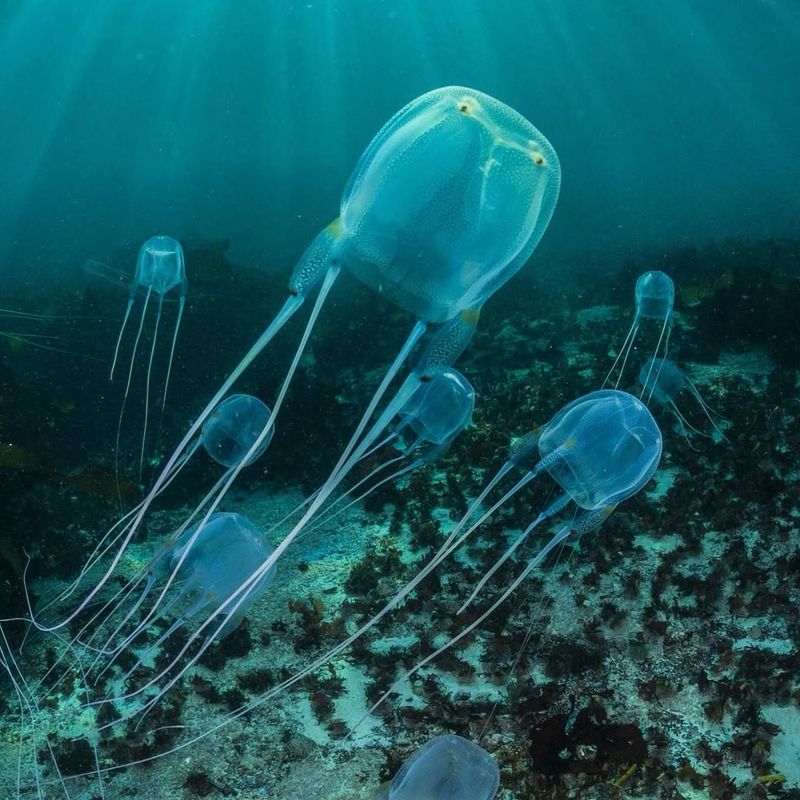
Transparent, cube-shaped bells and trailing tentacles make box jellyfish difficult to spot in clear water, creating a hidden danger for swimmers.
These jellyfish contain some of the most potent venom found in ocean creatures, capable of causing extreme pain and serious medical emergencies.
Box jellyfish appear in Florida waters most frequently during summer months when warmer temperatures bring them closer to shore and popular swimming areas.
Their tentacles contain thousands of microscopic stinging cells that inject venom on contact, causing immediate, severe pain and visible skin welts or marks.
Vinegar applied quickly to the sting site can help neutralize unfired stinging cells, though medical attention is absolutely essential for any box jellyfish encounter.
Wearing protective swimwear or rash guards provides a physical barrier that can prevent tentacles from making direct contact with your exposed skin.
Swimming only in designated, lifeguard-monitored areas increases your safety, as professionals watch for jellyfish and can provide immediate assistance if needed.
Teaching children to look but never touch any jellyfish they encounter helps prevent dangerous situations before they occur during family beach outings.
9. Lionfish
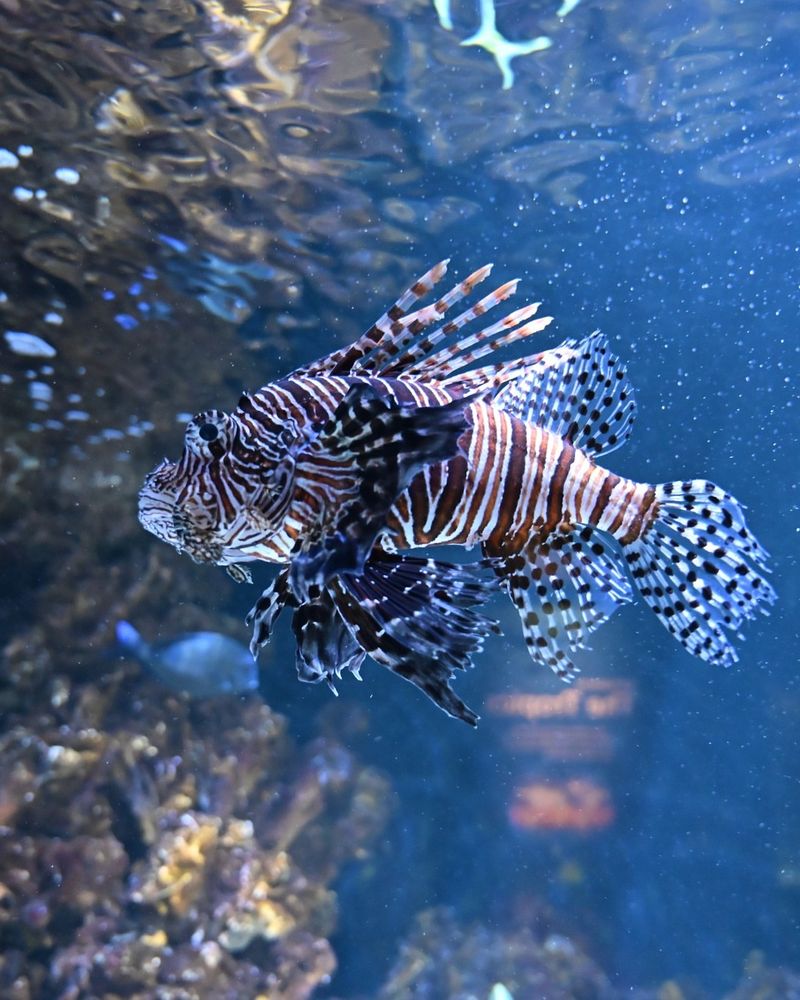
Ornate stripes and dramatic, fan-like fins make lionfish stunningly beautiful, but their venomous spines deliver extremely painful stings to unwary divers.
Originally from the Indo-Pacific region, these invasive fish have established large populations throughout Florida’s coastal waters and artificial reefs in recent decades.
Lionfish hunt smaller fish with remarkable efficiency, disrupting native ecosystems and causing serious ecological problems that concern marine biologists and conservationists.
Their venomous spines cause immediate, intense pain followed by swelling, nausea, and sometimes more severe symptoms requiring professional medical treatment and care.
Divers and snorkelers should maintain a respectful distance and never attempt to touch or handle lionfish encountered during underwater exploration and recreation.
Hot water immersion can help break down the venom proteins and provide some relief while seeking proper medical attention from trained professionals.
Some restaurants now serve lionfish as a sustainable seafood option, as eating them helps control their invasive population while providing delicious, healthy meals.
Reporting lionfish sightings to local marine authorities helps scientists track their spread and develop better management strategies for protecting Florida’s native species.
10. Pufferfish
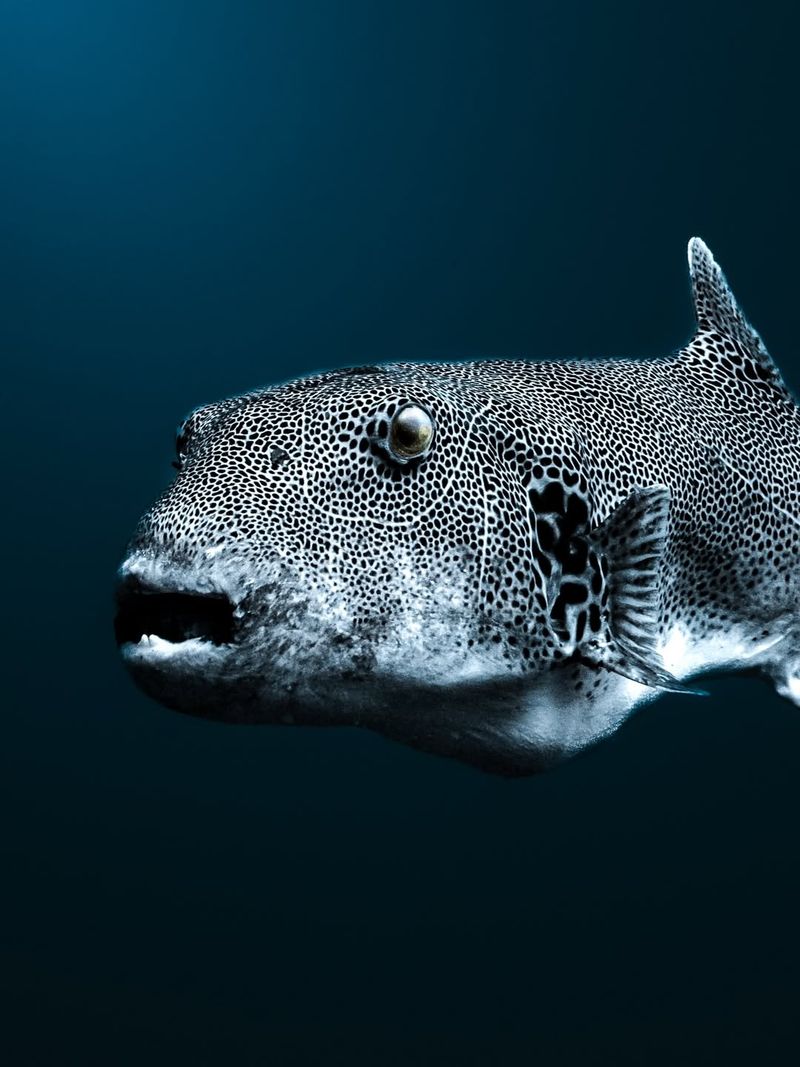
Pufferfish defend themselves by inflating their bodies into spiky balls, but their real danger comes from the fatal toxin contained within their organs.
Tetrodotoxin, the poison found in pufferfish, is hundreds of times more potent than cyanide and has no known antidote available anywhere.
Florida waters host several pufferfish species that curious beachgoers sometimes encounter washed ashore or swimming in shallow coastal areas near beaches.
Eating pufferfish without expert preparation can cause paralysis, respiratory failure, and other severe symptoms within minutes of consuming contaminated tissue or organs.
Children should be taught never to touch or play with pufferfish they find, as even handling them can potentially transfer toxins.
Despite their dangerous nature, pufferfish are fascinating to observe from a safe distance, displaying their unique defensive inflation behavior when feeling threatened.
Some cultures consider properly prepared pufferfish a delicacy, but only specially licensed chefs with years of training should ever attempt this risky preparation.
If you spot a pufferfish while swimming or walking along the beach, simply admire it from afar and resist any temptation to interact.
11. Cane Toad
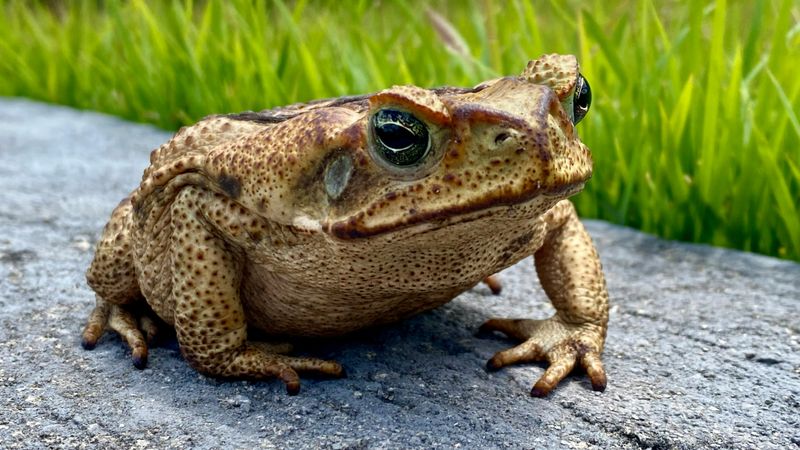
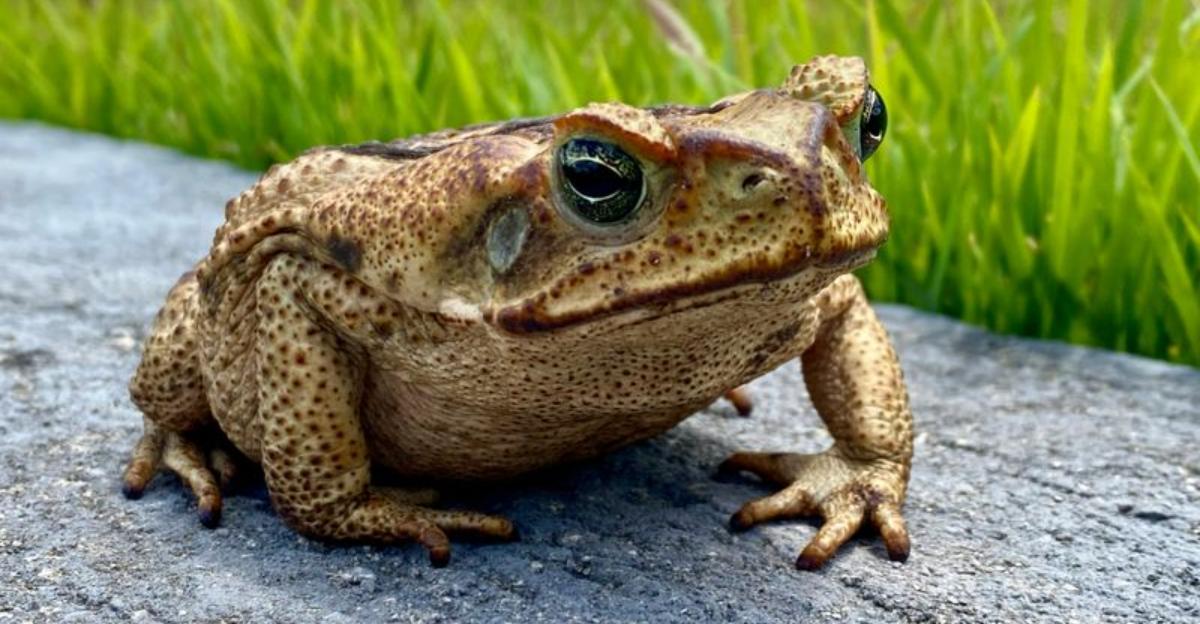
Large, warty bodies and prominent glands behind their eyes make cane toads easy to distinguish from native Florida toads once you know the difference.
These invasive amphibians secrete a milky toxin from their skin glands that can cause serious illness or worse in pets that mouth them.
Cane toads originally came from South America and were introduced to control agricultural pests, but they quickly became a major problem themselves throughout Florida.
Dogs and cats that bite or lick cane toads may experience excessive drooling, vomiting, seizures, and other alarming symptoms requiring immediate veterinary intervention.
Rinsing your pet’s mouth immediately with a hose while preventing them from swallowing the water can help remove toxin before absorption occurs.
These toads gather around outdoor lights at night, feeding on insects attracted to the illumination near doorways and patio areas around homes.
Turning off unnecessary outdoor lighting reduces the insect population that attracts cane toads to your property during their active nighttime feeding hours.
Humanely removing cane toads from your yard helps protect native wildlife and your pets while controlling this invasive species that threatens Florida’s ecosystem.