9 Best Pink-Leaf Plants For Water Propagation In Texas Homes
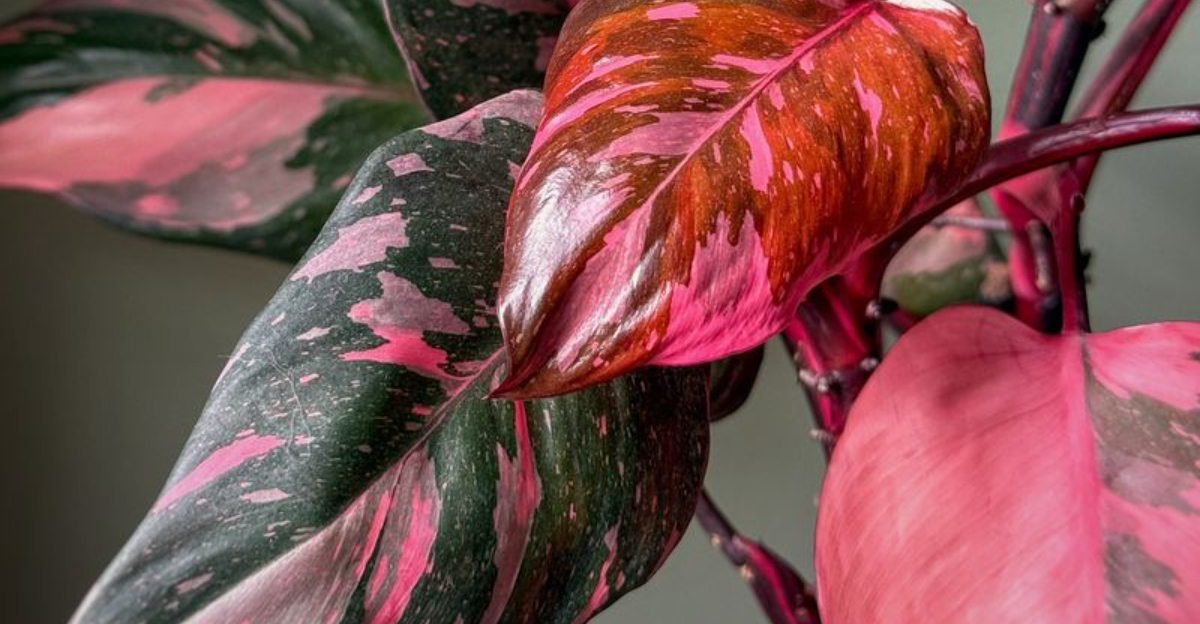
Texas homes know how to make a statement, and pink-leaf plants fit right in.
These colorful houseplants bring a pop of personality that turns simple rooms into conversation starters.
When grown in water, they double down on style, showing off roots and stems like living art.
No soil, no mess, just clean lines and eye-catching color that feels fresh and modern.
Pink-leaf plants take well to water propagation, especially in Texas homes filled with bright light and steady warmth.
Many root fast, adjust easily, and keep their bold shades when given the right spot near a window.
From soft pink splashes to rich rose tones, the leaves stand out against clear glass and add charm without trying too hard.
For plant lovers who enjoy easy care and quick results, water propagation hits the sweet spot.
It keeps things simple while still delivering big visual payoff.
In Texas, where sunlight pours in and growth stays steady, pink-leaf plants in water prove that a little creativity goes a long way.
1. Tradescantia Nanouk
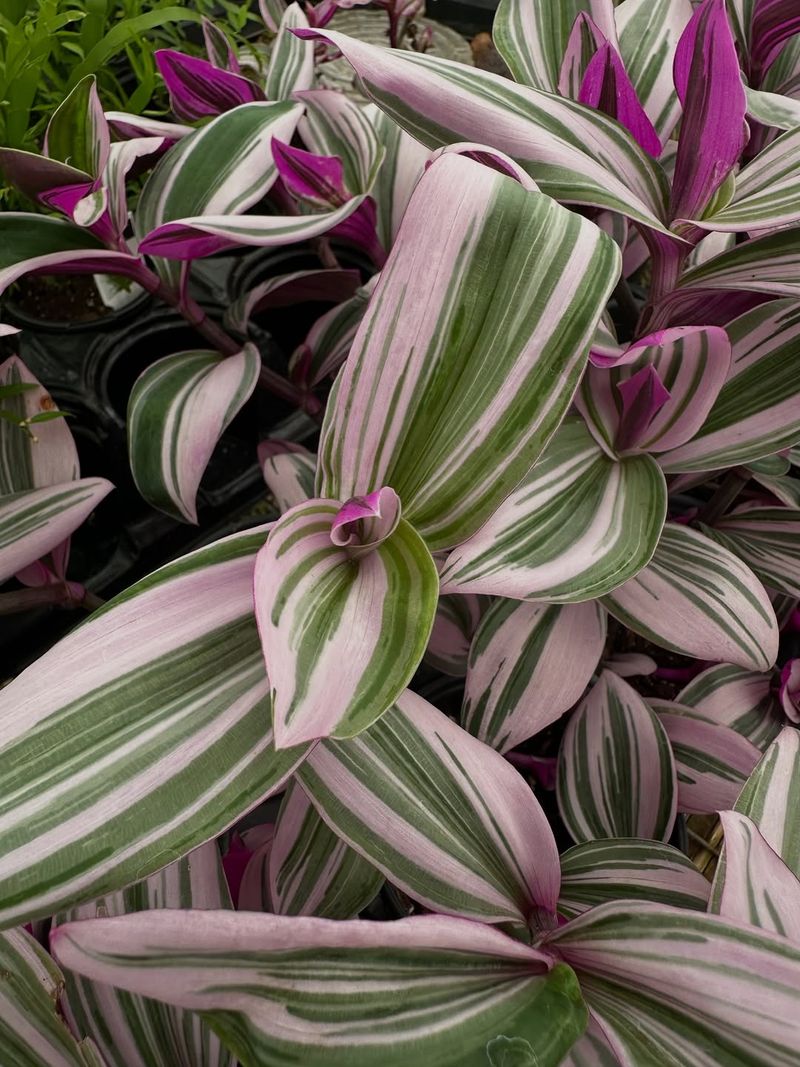
Fuzzy leaves striped with pink, cream, and green make Tradescantia Nanouk an absolute showstopper that practically grows itself in water.
This compact variety stays bushier than its wandering cousins, creating full, lush displays that look fantastic in any room.
The soft, almost velvety texture of the leaves adds a tactile element that makes you want to gently touch them every time you walk past.
Snip off healthy stem sections about four to six inches long, making your cut just below a leaf node where roots will develop most readily.
Strip away the lower leaves so they won’t sit underwater and decompose, then place your cuttings in fresh water.
Multiple stems in one container create a fuller, more dramatic presentation that really shows off those candy-colored stripes.
Bright indirect light brings out the most intense pink coloring in Tradescantia Nanouk, making south-facing Texas windows perfect spots for displaying these beauties.
Too much shade causes the pink tones to fade into mostly green leaves.
Roots typically appear within just one week, making this an excellent choice for impatient gardeners who want quick results.
The trailing growth habit looks especially attractive in hanging containers or tall vases where stems can cascade gracefully downward.
Regular pinching encourages branching and prevents leggy growth, keeping your plant looking full and healthy.
Water propagation eliminates common soil pests, giving you cleaner, easier plant care throughout the year in your Texas home.
2. Pink Princess Philodendron
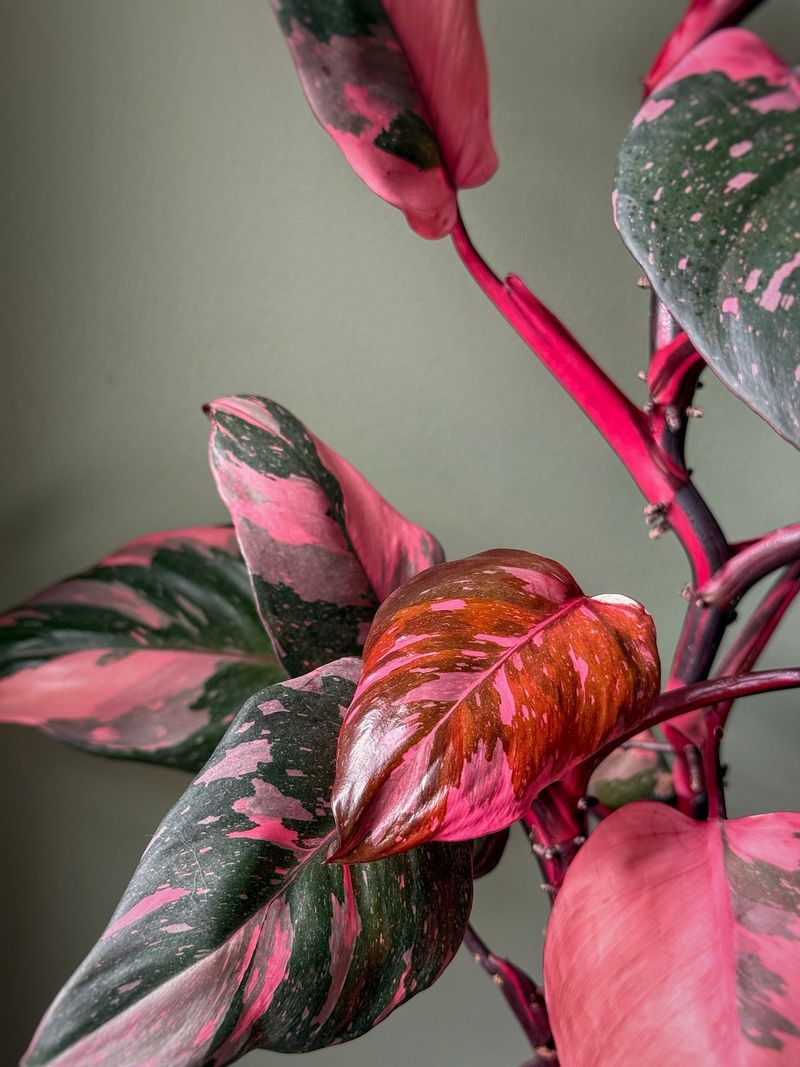
Collectors everywhere go wild for this stunning philodendron, and it’s easy to see why when you spot those dramatic pink splashes across deep green leaves.
The Pink Princess Philodendron has become a must-have for plant enthusiasts across Texas, commanding attention wherever it’s displayed.
Each leaf develops its own unique pink pattern, making every single plant one of a kind.
Water propagation works beautifully with this variety, especially when you take cuttings that include at least one node and a couple of leaves.
Place your cutting in a clear container filled with room-temperature water, and position it near a bright window that doesn’t receive harsh direct sunlight.
Your Texas Garden Changes Every Week. Your Plan Should Too.
Gardening in Texas changes quickly throughout the season. Every Friday you’ll receive a simple weekly plan showing exactly what to plant, prune, fertilize, harvest, and protect so you never miss the right timing.
Change the water every five to seven days to keep it fresh and prevent cloudiness.
Within two to three weeks, you’ll notice tiny white roots beginning to emerge from the node.
Texas homes with east or west-facing windows provide ideal lighting conditions for maintaining that gorgeous pink variegation.
The contrast between pink and green becomes more pronounced when the plant receives adequate indirect light.
Temperature stability matters for this tropical beauty, so keep it away from air conditioning vents that blast cold air directly onto the leaves.
Room temperatures between 65 and 80 degrees work perfectly for encouraging healthy root development.
Once roots reach about two inches long, you can either keep it growing in water indefinitely or transfer it to soil if you prefer traditional potting methods.
3. Pink Syngonium
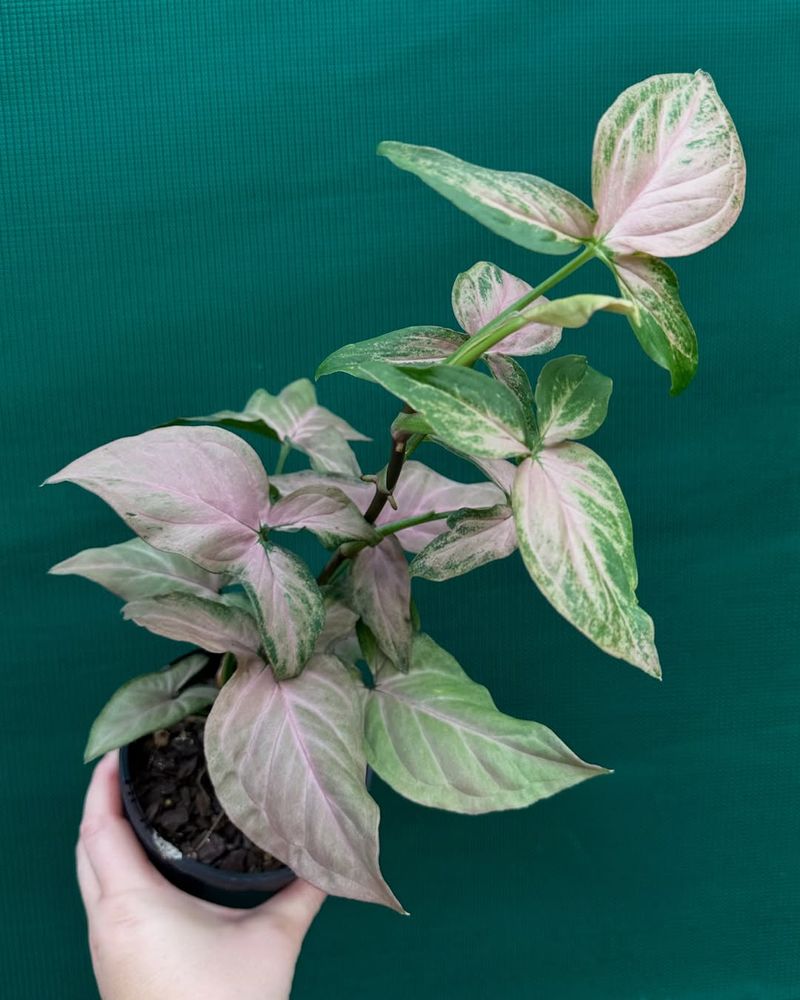
Arrow-shaped leaves in the softest shades of pink and cream make Pink Syngonium a dreamy addition to any water propagation collection.
Sometimes called arrowhead vine, this plant starts out compact but develops a climbing or trailing habit as it matures.
The gentle pastel tones work beautifully in spaces decorated with neutral colors, adding just the right touch of subtle color.
Taking cuttings couldn’t be simpler since each stem segment with a node will readily produce roots in water.
Look for healthy growth tips with at least two or three leaves attached for best results.
Clean, filtered water works well, though regular tap water that’s been left out overnight to allow chlorine to evaporate works just fine too.
Position your Pink Syngonium near bright, filtered light to maintain those delicate pink hues that make this plant so special.
Direct Texas sun can scorch the tender leaves, so a sheer curtain provides perfect protection while still allowing plenty of brightness through.
New roots typically emerge within ten to fourteen days, growing rapidly once they get started.
The color intensity varies depending on the specific variety and growing conditions, with some displaying more pink while others lean toward peachy cream tones.
Younger leaves often show the brightest pink coloring, gradually transitioning to softer shades as they mature.
Many Texas plant lovers keep several cuttings going at once, creating lovely grouped displays in matching or coordinating containers throughout their homes.
4. Fittonia Pink Vein
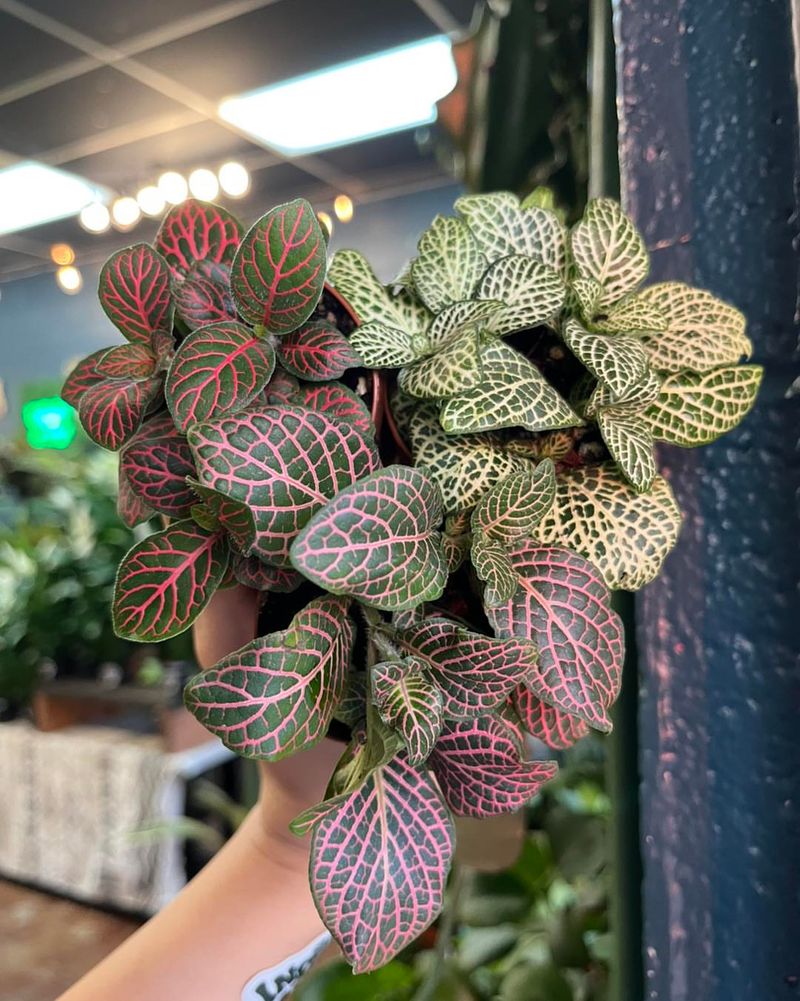
Intricate pink veins create stunning patterns across the small leaves of Fittonia, earning it the nickname nerve plant among gardening enthusiasts.
Native to tropical rainforests, this compact beauty adapts surprisingly well to water culture in Texas homes.
The dramatic contrast between pink veining and deep green leaf surfaces creates an almost painted appearance that looks too perfect to be real.
Stem cuttings root quickly in water, often showing tiny root nubs within just five to seven days under proper conditions.
Take cuttings about three inches long with several leaf sets for the fullest appearance.
Remove the bottom leaves before placing stems in water to prevent rotting and keep your propagation container looking clean.
Humidity matters more for Fittonia than many other houseplants, making bathrooms ideal locations in Texas homes where moisture levels stay naturally higher.
Kitchen windowsills near the sink also work well, providing both humidity and bright indirect light.
The pink veining becomes more vibrant when plants receive adequate light without harsh direct sun exposure.
Group several cuttings together in one container for a lush, full look that really showcases the intricate leaf patterns.
Fittonia stays relatively small, making it perfect for tight spaces or small decorative vessels.
Change the water weekly and rinse the stems gently to remove any algae buildup.
These little plants pack a big visual punch despite their compact size, proving that good things really do come in small packages.
5. Pink Aglaonema
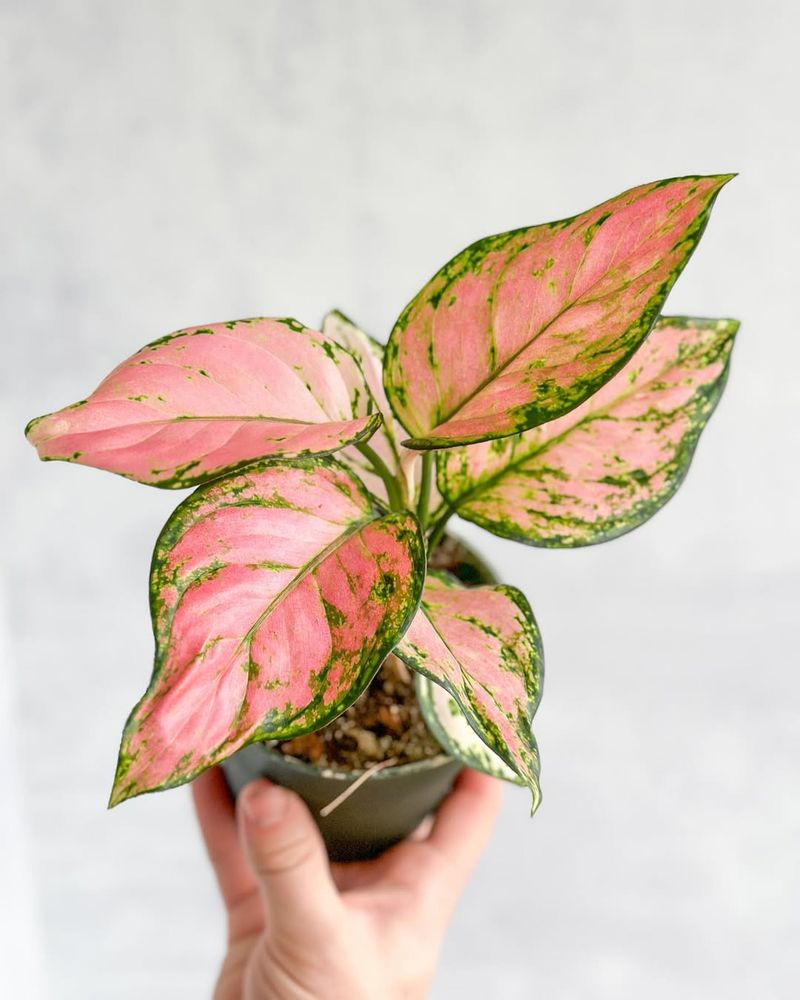
Bold splashes of hot pink mixed with green create eye-catching patterns on the broad leaves of Pink Aglaonema, also known as Chinese Evergreen.
Several stunning varieties feature pink coloring, including the popular Valentine and Siam Aurora cultivars.
The large, substantial leaves make a strong visual statement that commands attention in any room of your Texas home.
Water propagation works best with stem cuttings that include at least one or two nodes where roots will develop.
Use a sharp, clean knife or scissors to make your cuts, which helps prevent damage and disease.
Place cuttings in clean water and set them in a location with moderate to bright indirect light for optimal results.
Patience pays off with Aglaonema since root development takes a bit longer than some faster-growing varieties, often requiring three to four weeks.
The wait is absolutely worth it when you see those healthy white roots emerging.
Texas gardeners appreciate that this plant tolerates lower light conditions better than many pink-leaf varieties, making it suitable for rooms without large windows.
The pink coloring stays vibrant even in moderate light, though brighter conditions do intensify the hues somewhat.
Keep water levels consistent, adding fresh water as needed to replace what evaporates.
Aglaonema grows slowly but steadily, developing into a substantial plant over time.
The thick, waxy leaves resist pests naturally, giving you one less thing to worry about when growing this beauty indoors year-round.
6. Pink Polka Dot Plant
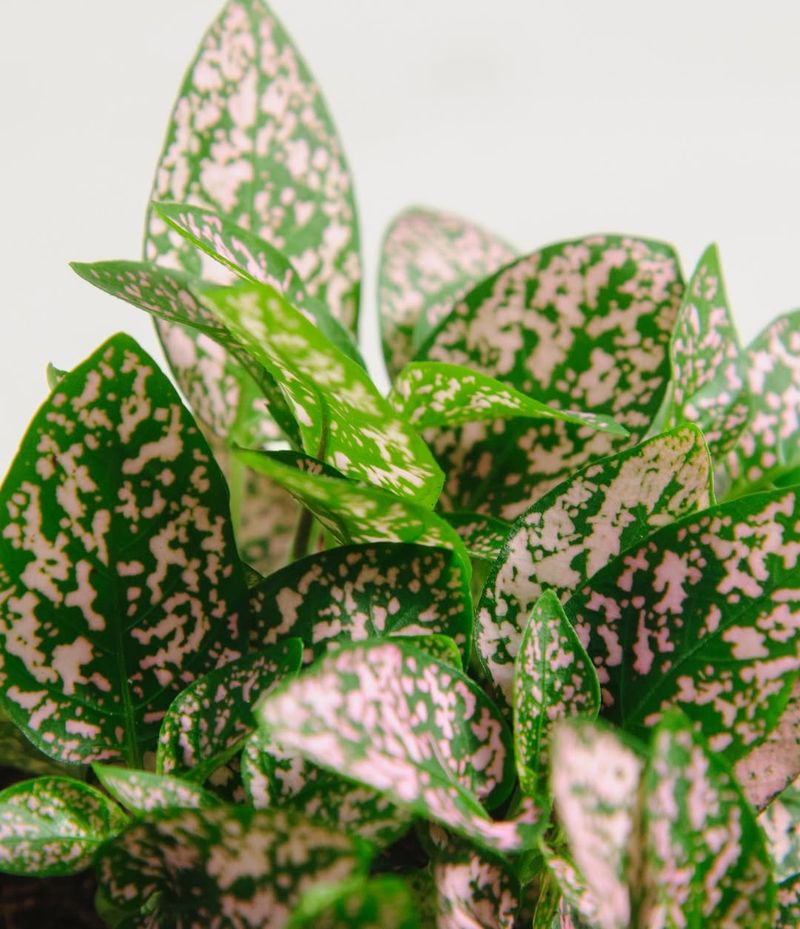
Cheerful pink spots scattered across green leaves give Hypoestes, commonly called Polka Dot Plant, its playful personality and irresistible charm.
This little plant brings instant happiness to any space with its confetti-like appearance.
The spots range from soft rose to vivid magenta depending on the variety you choose and the light conditions you provide.
Cuttings establish roots remarkably fast in water, often within just four to six days under ideal conditions.
Pinch off stem tips about three to four inches long, making sure each cutting has several sets of leaves.
Strip the lower leaves and place stems in fresh water, positioning them where they’ll receive plenty of bright light throughout the day.
Strong light intensity brings out the most dramatic pink spotting, so don’t be shy about placing this plant near your brightest Texas windows.
Without adequate light, the pink fades and leaves turn mostly green, losing that signature polka-dotted look.
East-facing windows work wonderfully, providing gentle morning sun followed by bright indirect light for the rest of the day.
Regular pinching keeps Polka Dot Plants bushy and compact rather than tall and leggy.
Simply snip off the growing tips every few weeks and pop them into water to start new plants.
This constant propagation means you’ll always have fresh, vibrant specimens to display or share with friends.
The small size makes these plants perfect for clustering several together in grouped arrangements that multiply the visual impact of those adorable pink spots.
7. Pink Peperomia
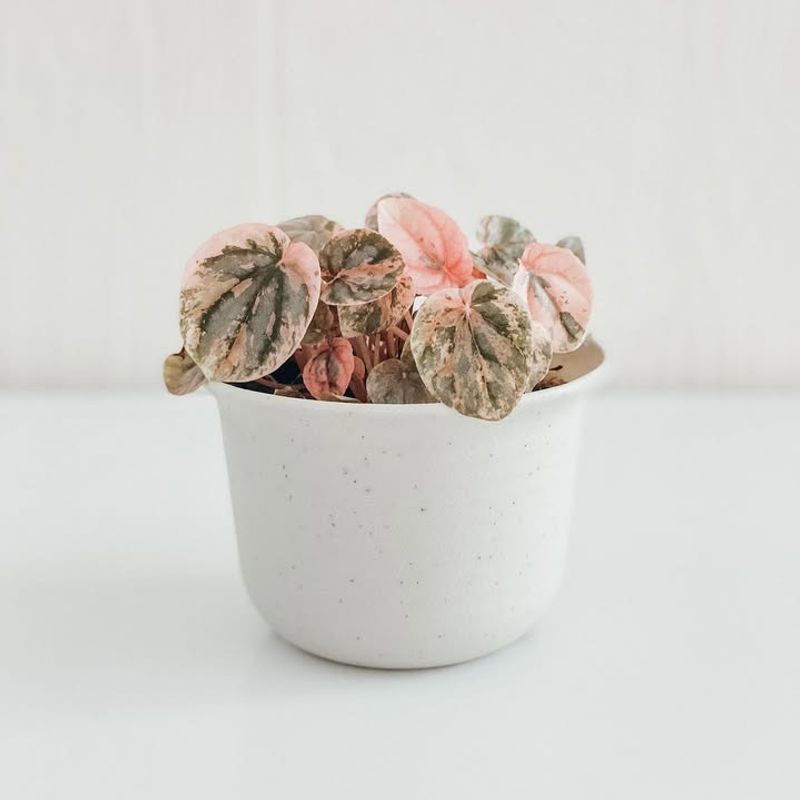
Thick, succulent-like leaves edged or splashed with pink make certain Peperomia varieties perfect candidates for water propagation in Texas homes.
The Peperomia Rosso features dark green tops with stunning pink-red undersides that create beautiful contrast.
Other varieties like Pink Lady show creamy pink variegation throughout the entire leaf surface.
Leaf or stem cuttings both work well for propagation, giving you flexibility in how you approach growing new plants.
For stem cuttings, choose healthy growth with at least two leaves attached and cut just below a node.
Leaf cuttings require including a bit of the petiole, which is the stem that connects the leaf to the main plant.
Place your cuttings in clean water and position them in bright, indirect light where temperatures stay consistently warm.
Peperomia prefers slightly warmer conditions than some houseplants, making Texas homes ideal environments for successful propagation.
Root development takes two to three weeks typically, so exercise patience while those roots form.
The compact growth habit keeps these plants manageable in size, perfect for small spaces or limited windowsill real estate.
Water culture reduces the risk of overwatering issues that sometimes plague Peperomia grown in soil.
The fleshy leaves store moisture, allowing plants to tolerate occasional lapses in care without suffering damage.
Refresh the water every week or so, and wipe down the container to prevent algae growth.
These charming little plants reward minimal effort with maximum beauty, making them favorites among busy Texas plant enthusiasts.
8. Pink Caladium

Heart-shaped leaves painted in shades of pink, white, and green make Caladiums absolute showstoppers that bring tropical vibes to Texas interiors.
While traditionally grown from bulbs in soil, you can successfully grow Caladium bulbs in water for stunning seasonal displays.
Varieties like Carolyn Whorton and Pink Beauty feature predominantly pink coloring that brightens any room.
Start with healthy, firm bulbs rather than taking cuttings from existing plants for water culture.
Place bulbs in containers with the bumpy, knobby side facing up, adding just enough water to touch the bottom of the bulb.
Too much water can cause rotting, so maintain water levels carefully as roots develop and leaves emerge.
Warmth and humidity encourage faster growth, making spring and summer ideal times to start Caladium bulbs in Texas homes.
Position containers near bright windows but out of harsh direct sunlight that might scorch the delicate leaves.
The thin, papery foliage displays intricate vein patterns that look almost translucent when backlit by natural light.
Caladiums are seasonal plants that naturally go dormant in fall and winter, so don’t be surprised when leaves begin to fade and decline.
Simply remove the bulb, let it dry, and store it in a cool, dark place until spring when you can start the process again.
During their active growing season, these plants provide months of spectacular color.
The large leaves make bold statements that transform ordinary spaces into lush, tropical retreats right in the heart of Texas.
9. Pink Coleus

Vibrant patterns mixing pink with burgundy, green, and cream create living artwork on the serrated leaves of Coleus.
Hundreds of varieties exist, with many featuring prominent pink coloring in their intricate leaf patterns.
Names like Pink Chaos and Strawberry Drop hint at the delicious pink shades you’ll find in these easy-care beauties.
Stem cuttings root almost effortlessly in water, making Coleus one of the most beginner-friendly plants for propagation.
Cut healthy stems about four to six inches long, remove lower leaves, and place them in clean water.
Within a week, you’ll typically see roots beginning to develop, and growth continues rapidly from there.
Bright light maintains the most vivid pink coloring and intricate patterns that make Coleus so attractive.
Texas gardeners can grow these plants indoors year-round or move them outside during warmer months for extra-intense coloring.
The more light they receive, the more brilliant and complex the leaf patterns become.
Pinch growing tips regularly to encourage bushy, full growth rather than tall, sparse plants.
Each pinched tip becomes another cutting you can root in water, quickly multiplying your collection.
Coleus grows vigorously in water culture, often faster than in soil, with strong root systems developing rapidly.
The colorful foliage provides constant visual interest without requiring flowers, making these plants valuable for year-round indoor displays.
Refresh water weekly and provide liquid fertilizer monthly for the healthiest, most colorful growth in your Texas home throughout every season.