11 Trees Texas Homeowners Are Required To Remove To Avoid Fines
In Texas, the wrong tree in the wrong place can cost homeowners more than shade and fallen leaves.
Across the state, certain trees are flagged as hazardous, invasive, or legally restricted due to the damage they cause to infrastructure, ecosystems, and neighboring properties.
Some threaten power lines and roads, others spread aggressively or harbor destructive pests.
City ordinances and state regulations increasingly require removal to prevent larger problems—and hefty fines.
What appears to be a healthy tree today could already be on a removal list tomorrow.
Staying informed helps homeowners avoid penalties, protect property value, and keep landscapes compliant and safe.
1. Salt Cedar (Tamarisk)
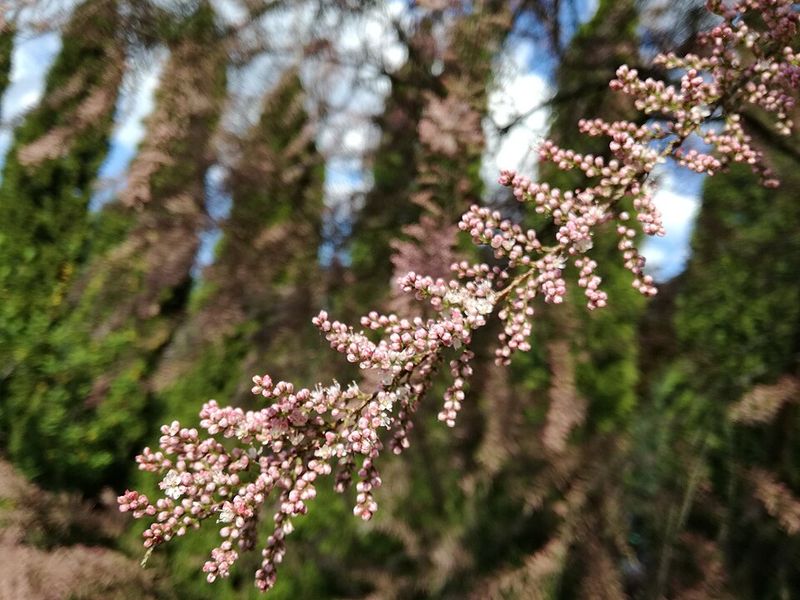
Salt cedar has become one of the most problematic invasive trees across Texas, especially in areas near rivers, streams, and other water sources throughout the state.
This aggressive plant consumes enormous amounts of groundwater daily, often lowering water tables and harming native vegetation that depends on consistent moisture levels for survival.
Many Texas counties now require property owners to remove salt cedar because it crowds out beneficial native plants and disrupts local ecosystems in significant ways.
The feathery pink flowers might look pretty in spring, but they produce thousands of seeds that spread rapidly through wind and water to new locations.
Removing salt cedar can be challenging since it regenerates quickly from root fragments, so complete extraction requires careful planning and often professional help from specialists.
Homeowners who ignore removal orders may face fines ranging from hundreds to thousands of dollars depending on their county and the severity of the infestation.
Replacing salt cedar with native Texas trees like mesquite or Texas redbud helps restore natural balance and keeps your property compliant with local environmental regulations.
2. Chinaberry Tree
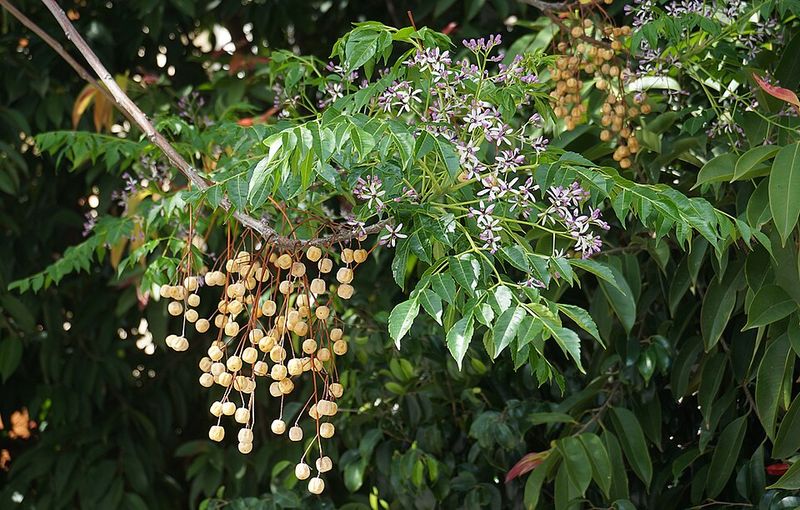
Chinaberry trees arrived in Texas decades ago as ornamental shade trees, but they quickly escaped cultivation and now threaten native forests and urban landscapes.
These fast-growing trees produce toxic berries that pose serious risks to pets, livestock, and wildlife that might accidentally consume them while foraging for food.
Texas agricultural extension offices strongly recommend removal because chinaberry spreads aggressively through bird-dispersed seeds and forms dense thickets that choke out native species completely.
The tree grows rapidly in disturbed soils and abandoned lots, making it particularly problematic in suburban areas where land development creates ideal conditions for establishment.
Local ordinances in many Texas cities now classify chinaberry as a nuisance species requiring mandatory removal when found on residential or commercial properties under regulation.
Property owners must act quickly once chinaberry is identified because young trees are much easier to remove than mature specimens with extensive root systems.
Failing to comply with removal notices can result in fines and potential legal action from municipal authorities who take invasive species management very seriously nowadays.
3. Tree of Heaven
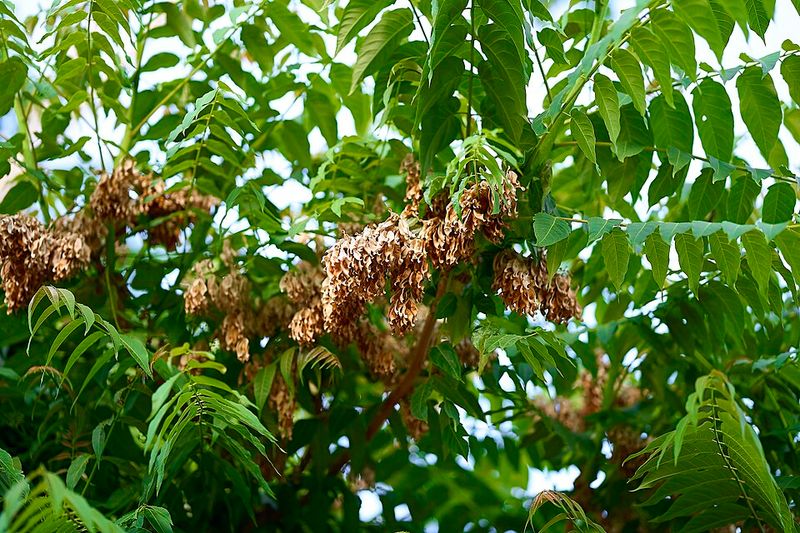
Tree of heaven earned its lofty name from its ability to grow incredibly tall in just a few years, but Texas regulators consider it a nightmare.
Your Texas Garden Changes Every Week. Your Plan Should Too.
Gardening in Texas changes quickly throughout the season. Every Friday you’ll receive a simple weekly plan showing exactly what to plant, prune, fertilize, harvest, and protect so you never miss the right timing.
This invasive species releases chemicals into the soil that prevent other plants from growing nearby, creating barren zones around its trunk that harm landscape diversity significantly.
The tree also serves as a host for spotted lanternfly, an agricultural pest that threatens Texas crops and has prompted strict removal requirements in certain regions.
Homeowners often mistake tree of heaven for native sumac or walnut trees, but its distinctive smell when leaves are crushed reveals its true identity immediately.
Many Texas municipalities have enacted ordinances requiring property owners to remove tree of heaven within specific timeframes or face escalating fines and enforcement actions from authorities.
Cutting down tree of heaven without treating the stump causes rapid regrowth from root suckers, often resulting in even more trees than you started with.
Professional removal services familiar with proper treatment methods ensure complete eradication and help homeowners avoid repeated violations and additional penalties from local code enforcement departments.
4. Paper Mulberry
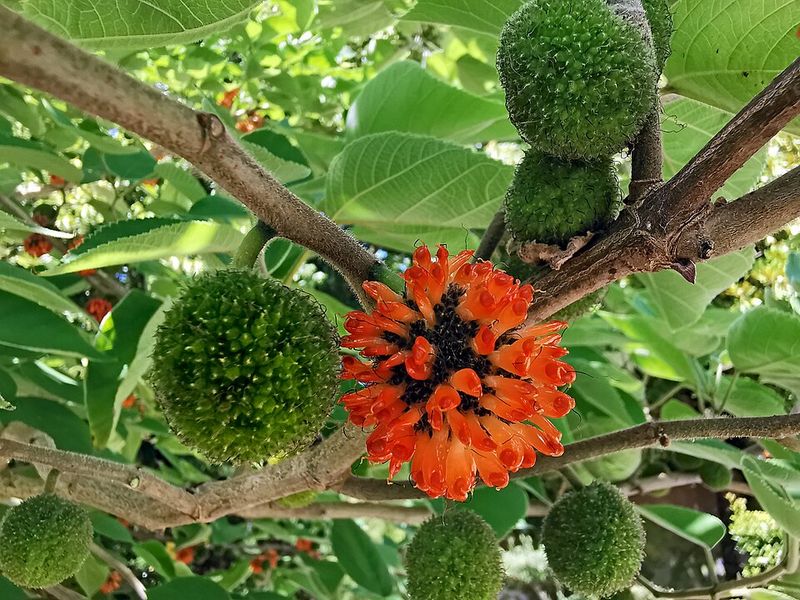
Paper mulberry produces massive amounts of pollen that triggers severe allergies in many Texas residents, making it a public health concern in urban neighborhoods statewide.
Originally planted for its unique bark and fast shade, this tree now spreads aggressively through root suckers and creates dense colonies that overtake gardens quickly.
Texas environmental agencies classify paper mulberry as an invasive species because it outcompetes native trees for resources and disrupts natural plant communities in forests.
The tree grows in almost any soil condition and tolerates drought, pollution, and neglect, which explains why it has spread so successfully throughout the state.
Municipal codes in several Texas cities now require homeowners to remove paper mulberry from their properties to prevent further spread into parks and natural areas.
Removing paper mulberry requires digging up the extensive root system because cutting alone will trigger aggressive regrowth from underground portions that remain in soil.
Homeowners who delay removal after receiving official notice may face daily fines that accumulate quickly and become financially burdensome over time without proper action taken.
5. Chinese Tallow Tree
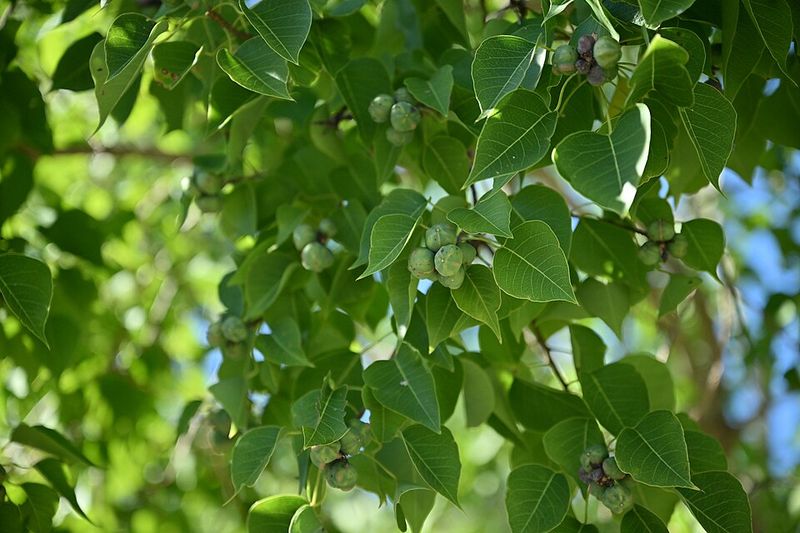
Chinese tallow tree displays stunning fall colors that rival New England maples, but Texas officials consider it one of the most damaging invasive species statewide.
This tree invades wetlands, prairies, and forests with alarming speed, forming pure stands that eliminate native vegetation and reduce habitat quality for wildlife dramatically.
Birds spread the waxy seeds far and wide, allowing chinese tallow to colonize new areas rapidly and making containment efforts extremely difficult for landowners everywhere.
Many Texas counties have banned planting chinese tallow and require existing trees to be removed from residential and commercial properties under strict environmental protection ordinances.
The tree produces chemicals that alter soil composition and make it harder for native plants to reestablish even after the tallow tree is removed.
Homeowners who ignore removal requirements face substantial fines and may be held liable for spread onto neighboring properties or public lands managed by municipalities.
Replacing chinese tallow with native Texas trees like live oak or pecan provides beautiful shade without the ecological damage and legal complications associated with invasives.
6. Ligustrum / Chinese Privet (Tree-Form Varieties)
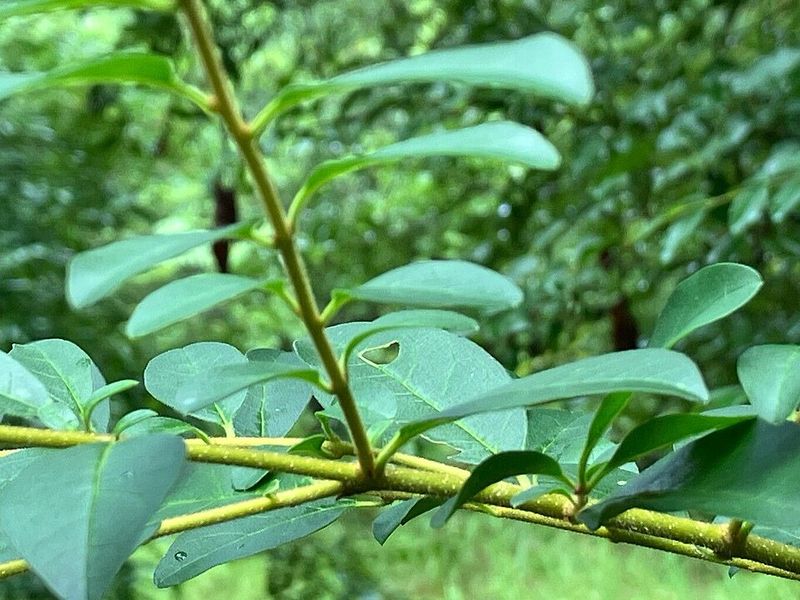
Ligustrum commonly grows as a hedge, but tree-form varieties have become serious invasive problems in Texas forests, parks, and natural areas across the state.
These evergreen trees produce fragrant white flowers that some people find pleasant, but the heavy scent triggers headaches and respiratory issues in sensitive individuals nearby.
Birds consume the small black berries and spread seeds throughout natural areas, where ligustrum forms dense thickets that block sunlight and prevent native plants from thriving.
Texas forestry officials now recommend removal of tree-form ligustrum because it degrades wildlife habitat and reduces biodiversity in areas where it becomes established and dominant.
Several municipalities have added ligustrum to their prohibited species lists, requiring property owners to remove existing trees and prohibiting new plantings on any properties.
Removing ligustrum requires cutting the tree and treating the stump immediately with herbicide to prevent regrowth from the vigorous root system that remains underground.
Homeowners who fail to comply with removal orders may face fines and be required to hire certified contractors to complete the work at their expense.
7. Russian Olive
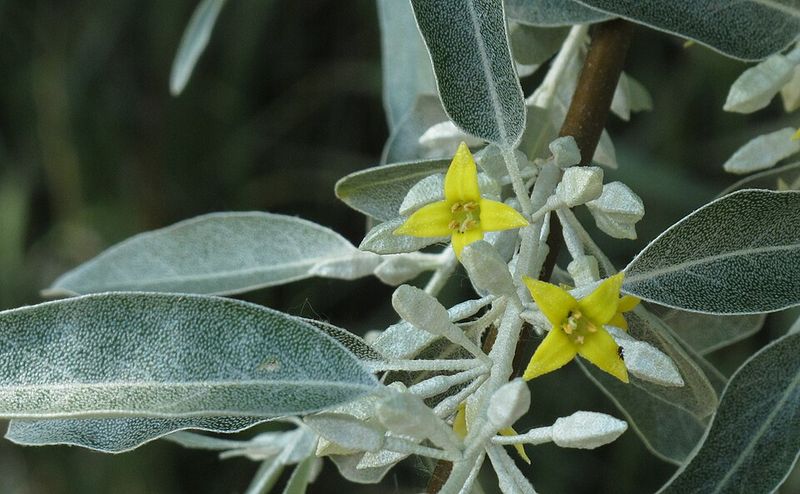
Russian olive was once planted throughout Texas for windbreaks and erosion control, but it has since escaped cultivation and invaded riparian areas statewide dramatically.
This tree fixes nitrogen in the soil, which sounds beneficial but actually changes soil chemistry in ways that favor invasive plants over native species perfectly adapted.
The silvery foliage and fragrant yellow flowers make russian olive attractive, but its aggressive spreading habit has earned it a spot on Texas invasive species lists.
Sharp thorns on branches make russian olive particularly problematic in areas where people and animals need to access water sources or recreational areas along streams.
Many Texas counties now require property owners to remove russian olive to protect native cottonwoods, willows, and other riparian vegetation essential for healthy waterways.
Mechanical removal alone often fails because russian olive resprouts vigorously from roots, requiring chemical treatment for complete eradication and long-term control of the species.
Ignoring removal requirements can result in escalating fines and potential legal action from local authorities who prioritize protecting native ecosystems and water resources for communities.
8. White Mulberry
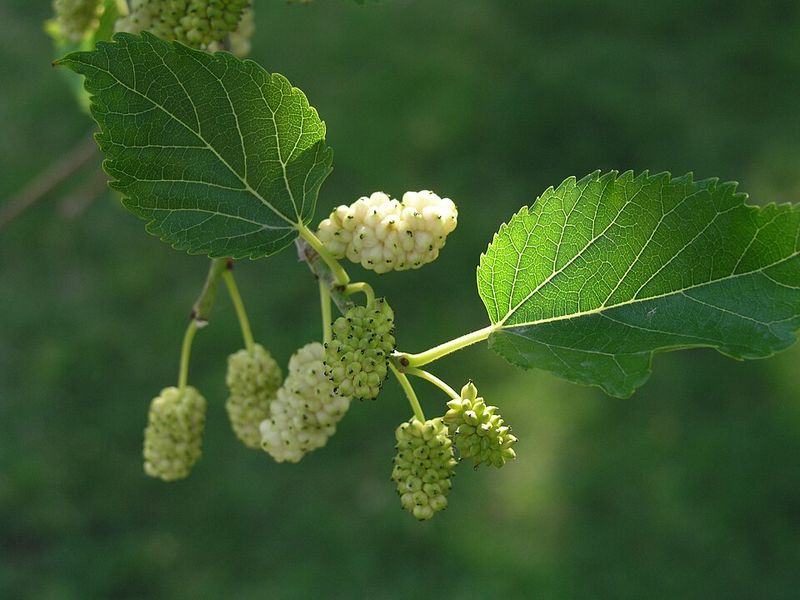
White mulberry trees produce abundant fruit that attracts birds and creates messy stains on sidewalks, driveways, and vehicles parked underneath their spreading canopy branches.
Beyond the nuisance factor, white mulberry hybridizes with native red mulberry trees, threatening the genetic integrity of this important Texas native species over time.
The tree spreads rapidly through bird-dispersed seeds and grows quickly in disturbed areas, making it a common invasive problem in urban and suburban neighborhoods.
Texas conservation groups advocate for white mulberry removal to protect native red mulberry populations that provide valuable food for wildlife and historical cultural significance.
Some municipalities have enacted ordinances requiring homeowners to remove white mulberry trees to prevent further hybridization and protect native plant genetic diversity in the region.
Removing white mulberry involves cutting the tree and treating the stump to prevent regrowth, which can occur rapidly from the extensive root system left behind.
Property owners who delay removal after receiving official notice may face fines and be required to restore affected areas with native trees at their own expense.
9. Callery Pear (Bradford Pear)
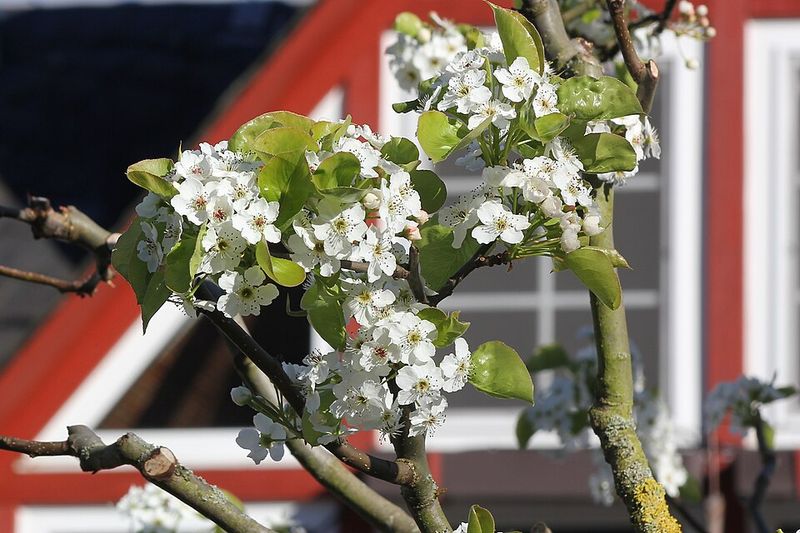
Callery pear trees became extremely popular in Texas landscapes during the 1980s and 1990s because of their fast growth and spectacular white spring flower displays.
However, these trees have weak branch structures that split easily during storms, creating safety hazards and property damage that homeowners never anticipated when they planted them.
The bigger problem is that callery pear has escaped cultivation and now invades natural areas throughout Texas, forming dense thickets that crowd out native vegetation.
Many Texas cities have banned new plantings of callery pear and some require removal of existing trees to prevent further spread into parks and forests.
The tree produces thousands of small fruits that birds eat and spread widely, allowing callery pear to colonize new areas far from the original planting site.
Homeowners who remove callery pear should replace it with native Texas trees like Mexican plum or Texas redbud that provide similar spring beauty without invasive tendencies.
Failing to comply with removal requirements can result in fines and potential liability if the tree causes property damage or spreads to protected natural areas nearby.
10. Redbay Tree (When Infected With Laurel Wilt)
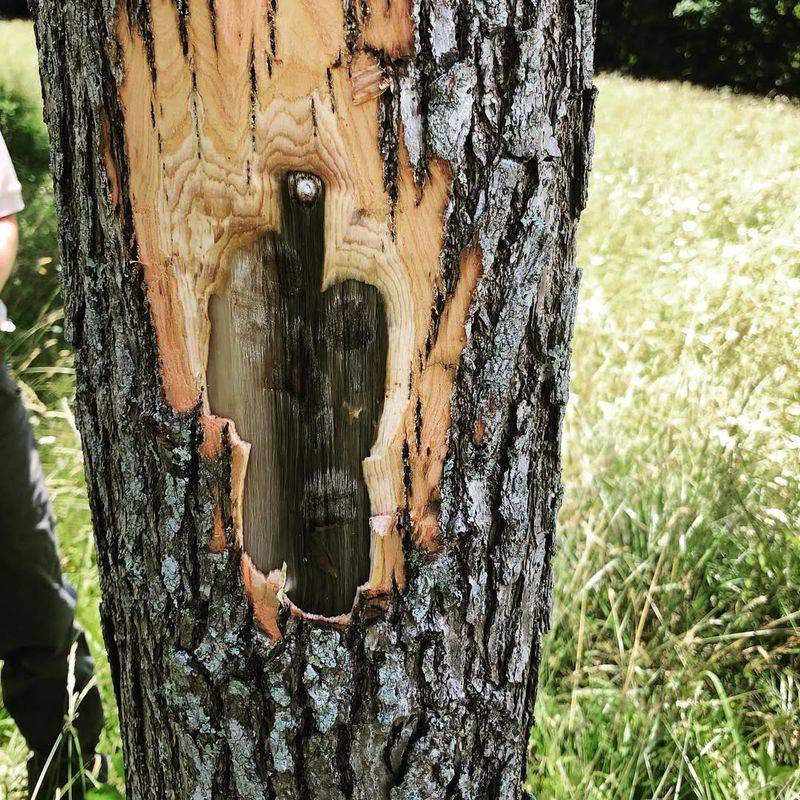
Redbay trees are native to East Texas, but when infected with laurel wilt disease, they must be removed immediately to prevent spread to healthy trees.
Laurel wilt is caused by a fungus carried by an invasive beetle that bores into redbay trees and related species, causing rapid decline and eventual loss.
Texas forest service officials require removal of infected redbay trees within specific timeframes to protect remaining populations from this devastating disease that spreads quickly through neighborhoods.
Infected trees show wilting leaves that turn brown but remain attached to branches, creating a distinctive appearance that helps identify the disease in affected specimens.
Homeowners must hire certified arborists to remove infected redbay trees because improper handling can spread the disease-carrying beetles to nearby healthy trees and landscapes.
Removed wood cannot be transported off-site or used for firewood because this spreads the beetles and disease to new areas where redbay populations remain healthy.
Property owners who fail to remove infected redbay trees face fines and potential quarantine restrictions that limit their ability to move any plant material from their property.
11. Ash Trees (When Infested with Emerald Ash Borer)
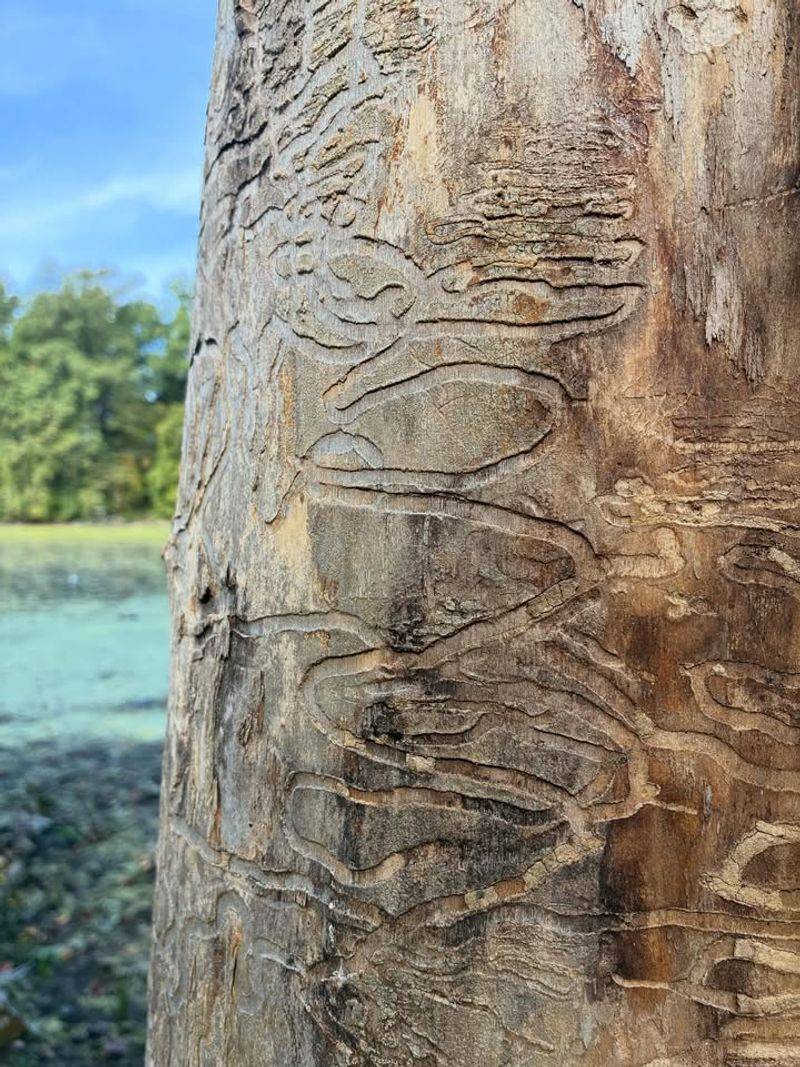
Ash trees are valuable shade trees throughout Texas, but emerald ash borer infestation requires immediate removal to prevent spread of this destructive invasive insect.
Emerald ash borer larvae tunnel under the bark and disrupt the flow of water and nutrients, causing rapid decline that results in complete loss within years.
Texas counties in regulated zones require homeowners to remove infested ash trees and prohibit movement of ash wood to prevent spreading the beetle to unaffected areas.
Signs of infestation include thinning canopy, D-shaped exit holes in the bark, and increased woodpecker activity as birds feed on the larvae beneath the surface.
Property owners must work with certified tree care professionals who understand proper removal and disposal procedures required by state and federal quarantine regulations in effect.
Removed ash trees must be chipped on-site or disposed of at approved facilities because transporting infested wood spreads emerald ash borer to new locations rapidly.
Homeowners who ignore removal requirements face substantial fines and may be held responsible for beetle spread to neighboring properties or community forests managed by municipalities.