The Best Plants To Grow Near A Bird Feeder In Michigan
Creating a bird-friendly garden in Michigan means choosing plants that not only attract feathered visitors but also thrive in the state’s unique climate.
When you place the right greenery near your feeder, you provide natural food sources, shelter, and nesting spots that keep birds coming back season after season.
The combination of feeders and native plants transforms your yard into a haven where cardinals, finches, chickadees, and dozens of other species feel right at home.
These eight plants will turn your outdoor space into a vibrant bird paradise while adding beauty and color throughout the year.
Serviceberry (Amelanchier)

Serviceberry stands as one of Michigan’s most valuable native shrubs for backyard bird enthusiasts.
This multi-stemmed beauty produces delicate white flowers in early spring, welcoming returning migrants with its cheerful blooms.
By June, clusters of sweet purple berries ripen just as baby birds need protein-rich food, making it a natural supplement to your feeder offerings.
Robins, cedar waxwings, and orioles flock to serviceberry branches, often stripping the fruit within days of ripening.
The berries taste pleasant to humans too, so you might find yourself competing with your feathered friends for a taste.
Michigan’s harsh winters pose no threat to this hardy native, which tolerates temperatures well below zero without damage.
Serviceberry adapts to various soil types and grows happily in both full sun and partial shade, making it flexible for different yard conditions.
Plant it within ten feet of your feeder to create a natural buffet station where birds can alternate between seeds and fresh fruit.
The shrub reaches eight to fifteen feet tall, providing excellent cover where nervous birds can pause before approaching the feeder.
Brilliant orange and red fall foliage adds a bonus splash of autumn color to your landscape.
Sunflowers
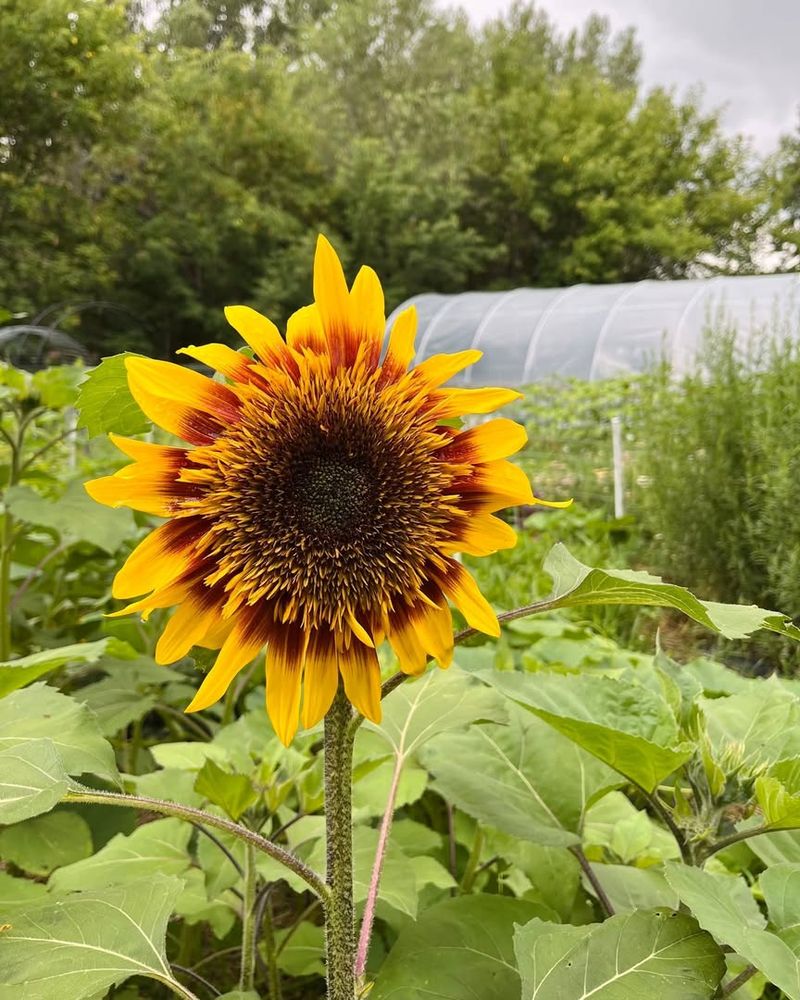
Few plants scream summer quite like sunflowers towering above your garden beds.
These cheerful giants grow quickly from seed and produce massive flower heads packed with nutritious seeds that birds absolutely adore.
Goldfinches, chickadees, and nuthatches perform acrobatic feats clinging to the heavy heads, plucking seeds directly from the source.
Michigan’s sunny summer days provide perfect growing conditions for sunflowers, which thrive in well-drained soil and full sunlight.
You can plant varieties ranging from four-foot dwarf types to ten-foot skyscrapers, depending on your space and aesthetic preferences.
As autumn approaches and the petals fade, leave the seed heads standing rather than cutting them down.
Birds will visit throughout fall and winter, extracting every last morsel from the dried heads.
Sunflowers naturally complement feeder stations by offering a similar food source in a more natural presentation.
Planting a patch near your feeder creates a buffet effect where birds enjoy variety in their dining experience.
The tall stalks also provide convenient perches where birds can rest between feeding sessions.
For continuous blooms, try planting new seeds every two weeks from late spring through early summer.
Coneflowers (Echinacea)
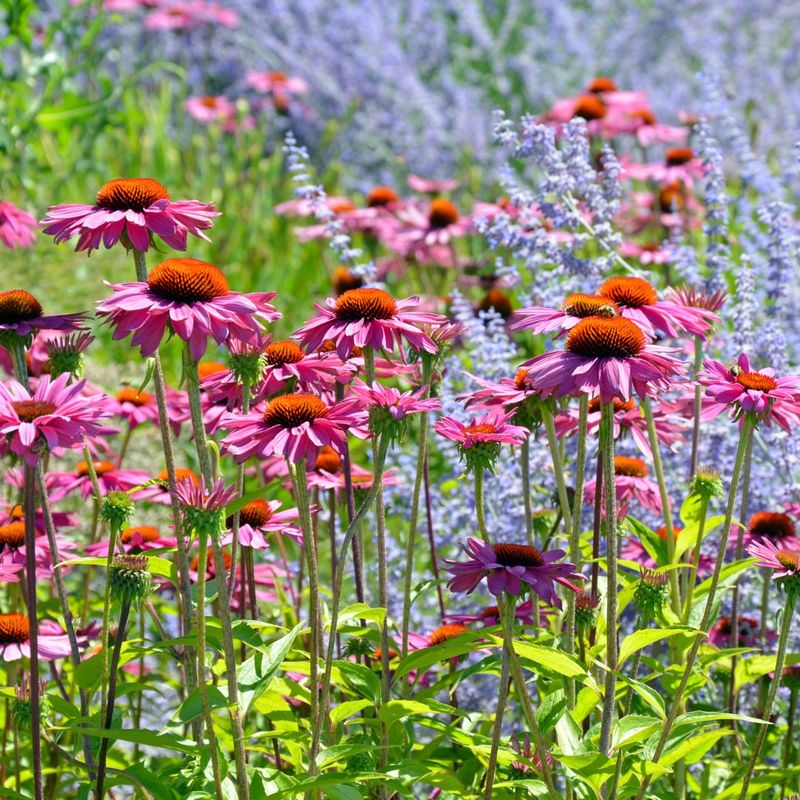
Coneflowers bring vibrant purple, pink, or white blooms to summer gardens while promising a feast for finches come winter.
Your Michigan Garden Changes Every Week. Your Plan Should Too.
Gardening in Michigan changes quickly throughout the season. Every Friday you’ll receive a simple weekly plan showing exactly what to plant, prune, fertilize, harvest, and protect so you never miss the right timing.
These tough perennials laugh at Michigan’s temperature swings, returning year after year with minimal care.
Goldfinches particularly love coneflower seeds, often landing on the spiky center cones while they’re still partially green.
During the growing season, butterflies and bees visit the nectar-rich blooms, adding extra wildlife value to your bird garden.
The plants stand two to four feet tall with sturdy stems that rarely need staking.
Here’s where coneflowers really shine for bird lovers: resist the urge to deadhead spent blooms in late summer.
Those dried seed heads become natural bird feeders throughout autumn and winter, with finches clinging to them even during snowstorms.
The contrast of bright yellow goldfinches against snow-dusted coneflower heads creates magical winter scenes.
Plant coneflowers in groups of five or more for maximum visual impact and to provide multiple feeding stations.
They prefer full sun but tolerate light shade, and once established, they handle drought remarkably well.
Space them around your feeder at varying distances to create natural feeding zones where different bird species can find their comfort level.
Black-Eyed Susan
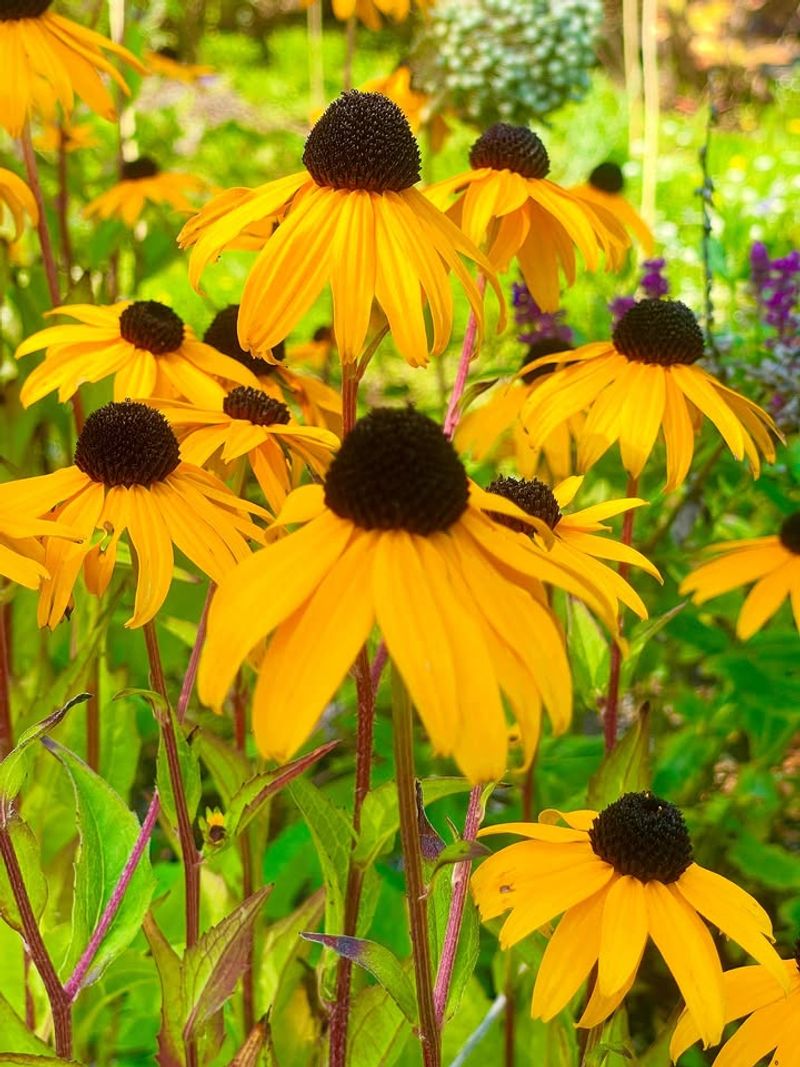
Golden petals surrounding chocolate-brown centers make black-eyed Susans instantly recognizable across Michigan landscapes.
These cheerful natives bloom from midsummer through fall, brightening gardens with sunny color when many other plants fade.
Sparrows, juncos, and chickadees appreciate the generous seed production that continues long after the petals drop.
Black-eyed Susans spread readily in favorable conditions, creating naturalized drifts that birds find irresistible.
A single plant can produce dozens of seed heads, each packed with tiny nutritious seeds perfect for small-beaked birds.
The stems remain standing through winter unless heavy snow knocks them down, providing food during the leanest months.
Position these plants near ground-feeding areas since many birds prefer to forage for fallen seeds beneath the dried stalks.
Michigan’s clay soils and variable moisture levels suit black-eyed Susans perfectly, making them virtually foolproof for beginning gardeners.
They self-sow enthusiastically, so you’ll likely see new plants popping up each spring without any effort on your part.
Pair them with coneflowers for a striking purple-and-gold combination that extends the visual interest and feeding opportunities throughout the seasons.
Full sun brings out their best performance, though they tolerate partial shade reasonably well.
Red Twig Dogwood
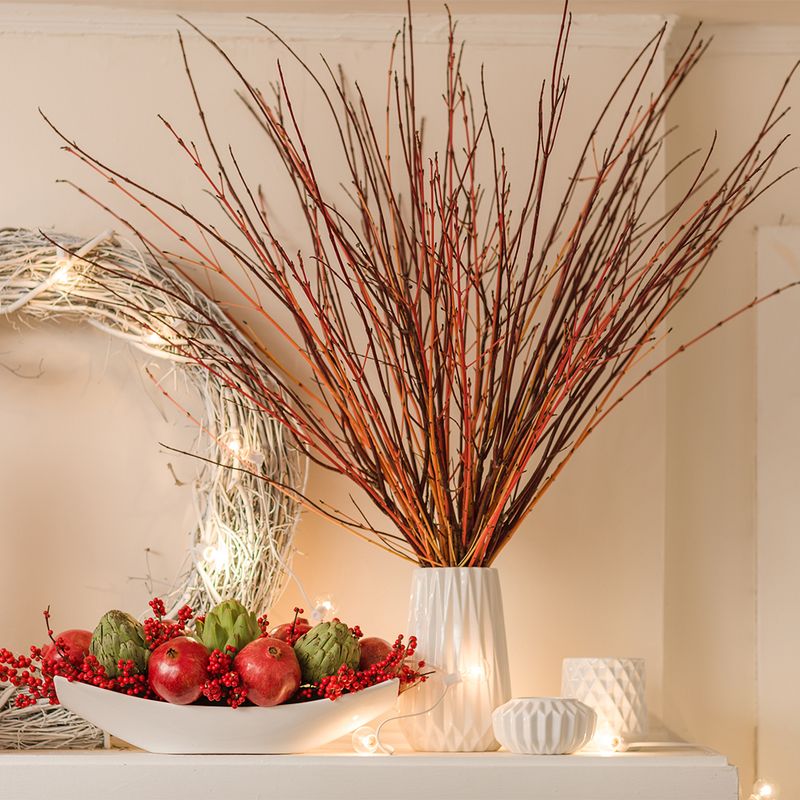
Brilliant crimson stems glow against snowy Michigan winters, making red twig dogwood a landscape star during the dreariest months.
This native shrub grows six to eight feet tall with a spreading habit that creates dense thickets where birds find protection from predators and harsh weather.
The branching structure offers countless perching spots just a short flight from your feeder.
Cardinals, juncos, and sparrows duck into the protective tangle when hawks appear overhead or when fierce winds make feeding uncomfortable.
White spring flowers attract insects that insect-eating birds appreciate, while fall berries provide additional food sources.
The real magic happens in winter when the leaves drop and those stunning red branches take center stage.
Young stems display the brightest color, so pruning out older growth every few years maintains the most vibrant winter display.
Red twig dogwood tolerates wet soils better than most shrubs, making it perfect for low spots where other plants struggle.
It also handles full sun to partial shade, adapting to various locations around your property.
Plant it on the north or west side of your feeder to create a windbreak that shelters both the feeding station and visiting birds.
The combination of shelter, perching spots, and visual beauty makes this shrub indispensable in bird-friendly Michigan gardens.
Holly (Winterberry Holly For Michigan)

Winterberry holly transforms drab winter landscapes into scenes of brilliant red abundance when its berries ripen.
Unlike evergreen hollies that struggle in Michigan’s climate, winterberry is a deciduous native that thrives in cold conditions.
The berries persist well into winter, providing critical food when natural sources become scarce and feeder traffic increases.
Robins, bluebirds, and cedar waxwings gorge themselves on the nutritious fruits, often arriving in flocks that strip entire shrubs in hours.
The timing works perfectly for bird feeding since the berries become most palatable after a few hard freezes soften them.
Female plants produce the showy berries, but you’ll need at least one male plant nearby for pollination to occur.
Garden centers typically sell them in sets to ensure berry production.
Winterberry prefers moist to wet soils and actually thrives in areas with poor drainage that challenge other shrubs.
It grows five to eight feet tall with an upright, somewhat open habit that allows birds easy access to the fruit.
Position winterberry where you can view it from windows during winter months to enjoy the spectacular show of colorful birds against bright red berries and white snow.
The shrub tolerates full sun to partial shade, making it adaptable to various garden situations around your feeder area.
Ornamental Grasses (Native Varieties)
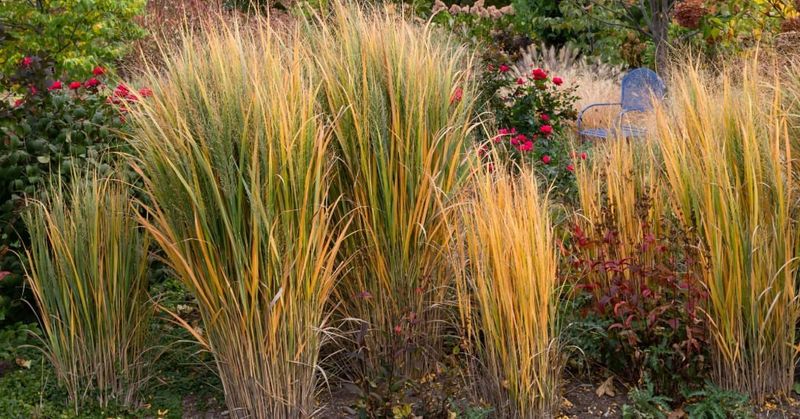
Graceful plumes swaying in the breeze add movement and texture while providing exactly what nesting birds need come spring.
Native grasses like little bluestem, switchgrass, and Indiangrass produce abundant seeds that feed ground-foraging sparrows, juncos, and towhees throughout fall and winter.
The dried foliage remains attractive even under snow, creating vertical interest in dormant gardens.
Birds carefully select grass blades and seed heads in spring, weaving them into nest foundations and linings.
Watching a robin tug at dried grass stems provides endless entertainment during nest-building season.
These grasses handle Michigan’s temperature extremes without complaint, greening up reliably each spring and persisting through brutal winters.
They require virtually no maintenance beyond an annual spring trimming to remove old growth.
Plant ornamental grasses in clumps rather than single specimens to create the dense stands that birds find most attractive.
The base of grass clumps also provides shelter for ground-feeding species nervous about venturing into open areas.
Native varieties support Michigan’s ecosystem better than exotic ornamental grasses by providing appropriate nesting materials and hosting native insects.
Position grass plantings between your feeder and shrubs to create a graduated habitat structure that appeals to birds with different comfort levels regarding openness and cover.
Elderberry
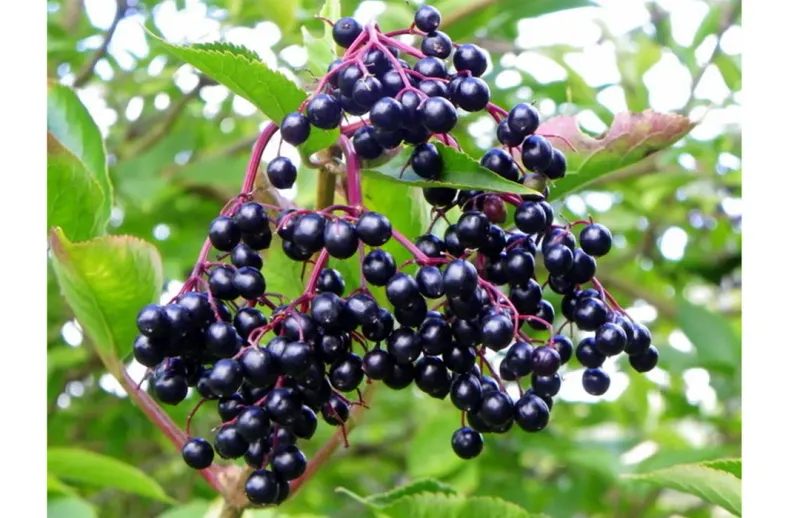
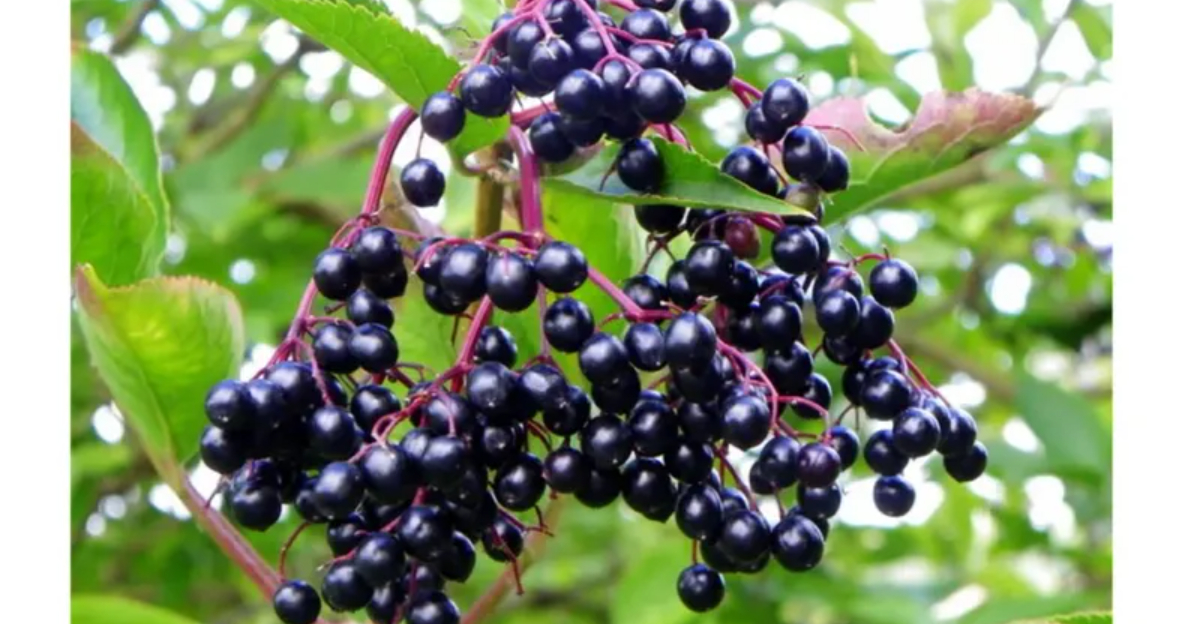
Elderberry shrubs produce massive clusters of tiny purple-black berries that birds find absolutely irresistible during the summer months.
This fast-growing native can reach ten feet tall and equally wide, creating substantial screening and habitat near feeder areas.
Catbirds, thrushes, and woodpeckers feast on the abundant fruit, often visiting multiple times daily when berries ripen in July and August.
The large, compound leaves create dense foliage where birds find shade during hot summer days.
Elderberry tolerates the inevitable mess beneath feeders better than fussier plants, actually benefiting from the extra nutrients in spilled seeds and droppings.
Creamy white flower clusters appear in early summer, attracting beneficial insects before transforming into those prized berry clusters.
The shrub prefers moist soils but adapts to average garden conditions once established.
Michigan’s native elderberry varieties handle winter temperatures without protection, reliably returning each spring with vigorous new growth.
Prune out older canes every few years to maintain productive berry production and manageable size.
Plant elderberry on the edges of your bird feeding area where its size won’t overwhelm smaller plants but where it can provide the substantial habitat structure that larger birds appreciate.
The combination of summer fruit, dense cover, and tolerance for feeder debris makes elderberry an ideal companion plant for feeding stations.