The 15 Best Fragrant Plants For Attracting Butterflies In Texas Gardens

Texas gardens burst with color when butterflies visit, and choosing fragrant plants makes your outdoor space even more magical and inviting for these winged visitors.
Fragrant blooms not only attract beautiful butterflies but also fill your garden with sweet scents that make spending time outdoors absolutely delightful and enjoyable.
Butterflies need nectar-rich flowers to survive, and many fragrant plants provide exactly what these important pollinators need to thrive in Texas heat and sunshine.
Creating a butterfly-friendly garden with aromatic plants helps support local ecosystems while giving you a stunning, sweet-smelling yard that neighbors will admire all season long.
1. Lantana
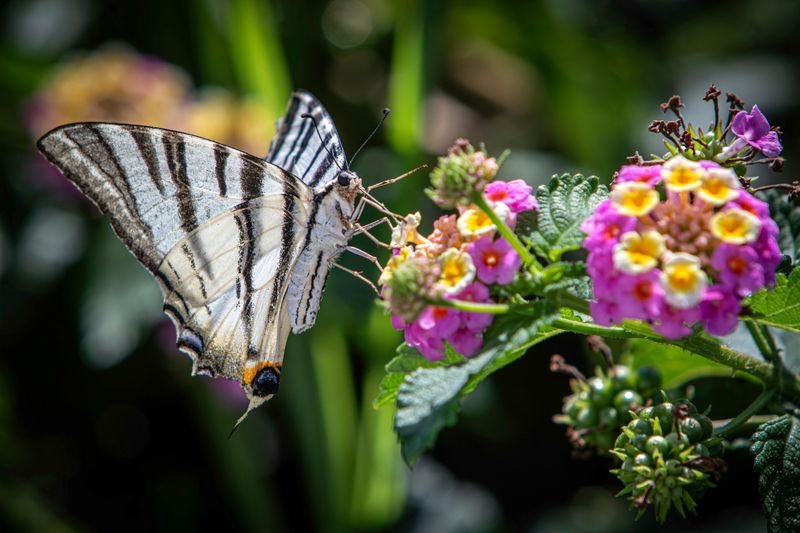
Lantana stands as one of Texas’s most beloved butterfly magnets, offering clusters of tiny flowers that change color as they mature beautifully.
This tough plant thrives in scorching Texas summers without complaining, producing blooms in shades of orange, yellow, pink, red, and purple throughout the season.
Butterflies flock to lantana like kids to candy, drawn by its sweet fragrance and abundant nectar that keeps them coming back daily.
Gardeners appreciate how little water lantana needs once established, making it perfect for drought-prone areas where other plants might struggle or fade.
The plant grows as a spreading groundcover or bushy shrub depending on the variety you choose for your specific landscape needs.
Monarch butterflies, swallowtails, and painted ladies visit lantana constantly, creating a fluttering show that entertains everyone who watches from nearby windows.
Plant lantana in full sun for best results, spacing them about two feet apart to allow proper air circulation between plants.
Deadheading spent blooms encourages more flowers, though many Texas gardeners let nature take its course without much fussing or pruning efforts.
2. Butterfly Bush
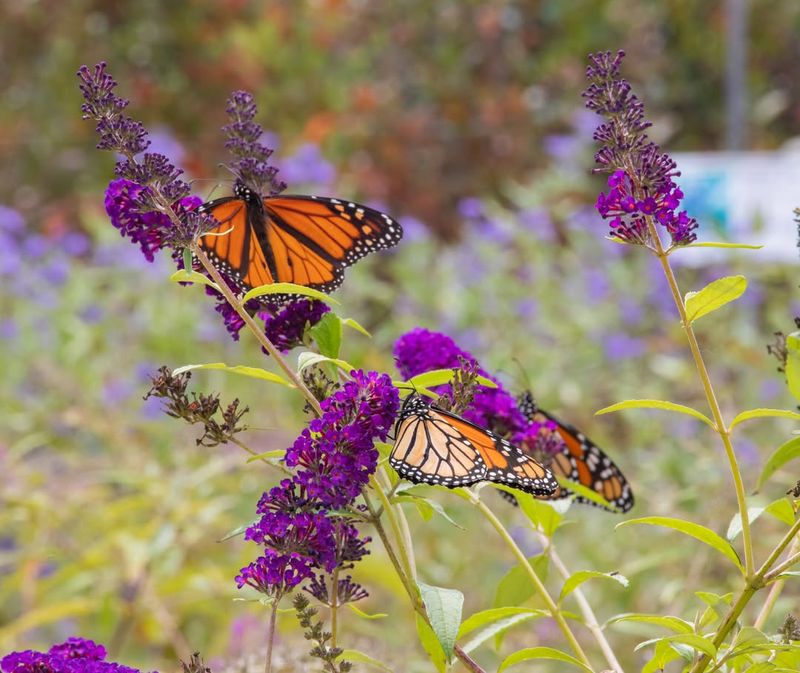
Named for its incredible ability to summon butterflies from seemingly nowhere, this shrub produces long, fragrant flower spikes that butterflies absolutely adore visiting.
Butterfly bush blooms come in purple, pink, white, and yellow varieties, each releasing a honey-like scent that travels on warm breezes throughout gardens.
Texas gardeners love how this plant bounces back after occasional freezes, regrowing vigorously when spring warmth returns to the landscape each year.
The flowers appear from late spring through fall, providing consistent nectar sources when butterflies need reliable food supplies for their survival and migration.
Each bloom spike can attract dozens of butterflies simultaneously, creating spectacular photo opportunities for anyone with a camera or smartphone nearby.
Plant butterfly bush in well-draining soil where it receives at least six hours of direct sunlight daily for maximum bloom production and health.
Pruning in early spring promotes bushier growth and more flower production, though some gardeners prefer a more natural, flowing shape instead.
This plant works beautifully as a focal point or background plant, reaching heights of four to eight feet depending on climate conditions.
3. Zinnia
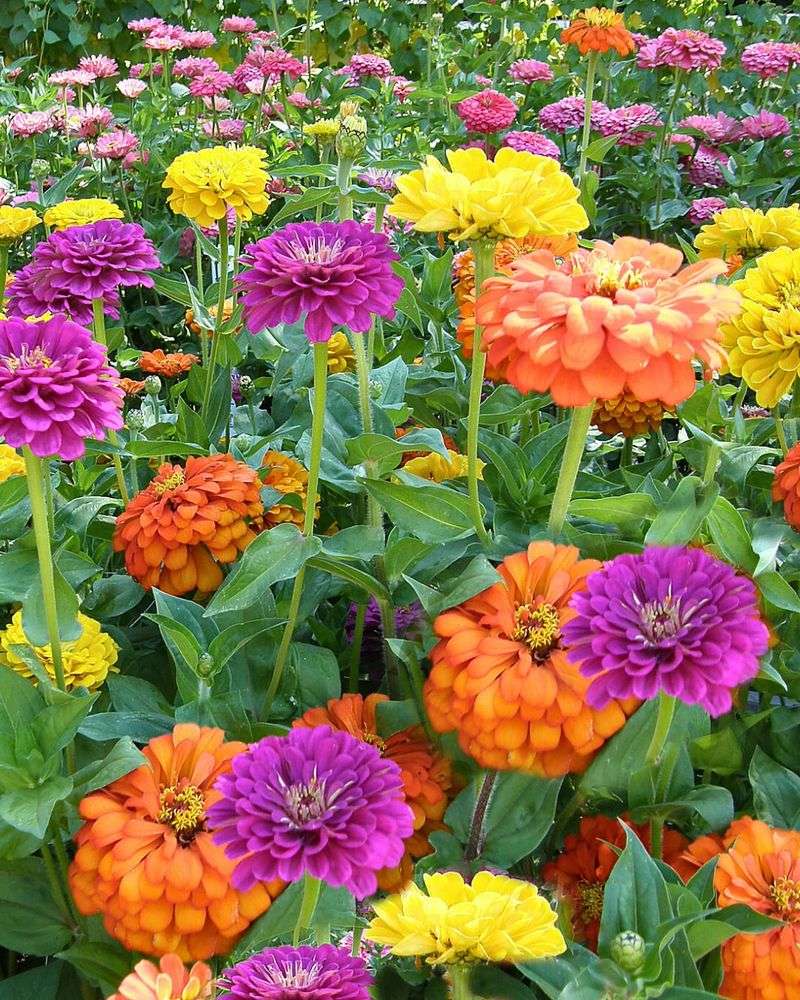
Zinnias bring cheerful colors and easy-going nature to Texas gardens, making them perfect for beginners who want instant butterfly-attracting success without complicated care.
These annual flowers bloom nonstop from spring until the first frost arrives, producing flowers in nearly every color imaginable except true blue.
Your Texas Garden Changes Every Week. Your Plan Should Too.
Gardening in Texas changes quickly throughout the season. Every Friday you’ll receive a simple weekly plan showing exactly what to plant, prune, fertilize, harvest, and protect so you never miss the right timing.
Butterflies appreciate zinnia’s flat, open flower faces that provide easy landing pads and quick access to sweet nectar hidden inside petals.
The mild, pleasant fragrance attracts various butterfly species including gulf fritillaries, queens, and cloudless sulphurs that dance among the colorful blooms daily.
Zinnias grow quickly from seed, allowing budget-conscious gardeners to fill large areas with color without spending much money on expensive transplants.
Plant zinnia seeds directly in garden beds after the last frost passes, spacing them according to the variety’s mature size recommendations.
Taller varieties make excellent cut flowers for indoor arrangements, bringing butterfly garden beauty inside your home where everyone can enjoy it.
Deadheading encourages continuous blooming, though leaving some spent flowers provides seeds for goldfinches and other birds that visit gardens in fall months.
4. Mexican Heather
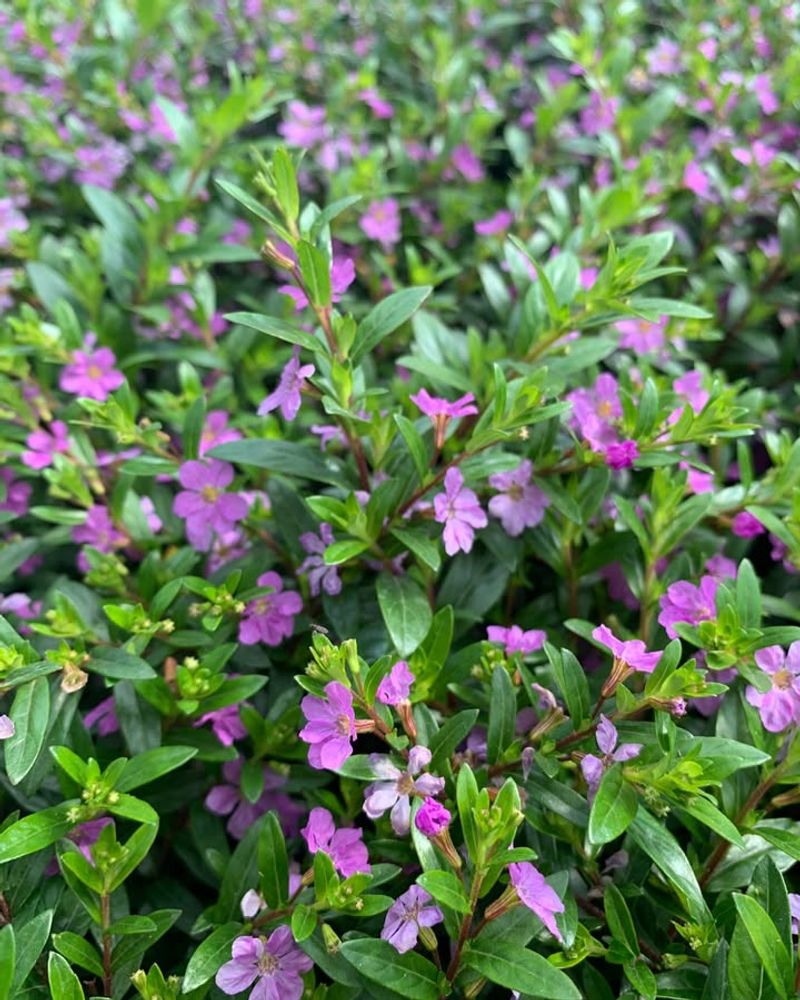
Mexican heather forms dense mats of tiny purple, pink, or white flowers that release a subtle, sweet fragrance butterflies find irresistible throughout blooming seasons.
This low-growing plant works perfectly as edging along walkways, borders, or containers where its delicate appearance softens hard landscape features beautifully.
Small butterflies like skippers and hairstreaks especially love Mexican heather, often overlooked by gardeners who focus only on larger butterfly species instead.
The plant blooms year-round in warmer parts of Texas, providing consistent nectar when other plants take seasonal breaks from flower production entirely.
Mexican heather tolerates light shade better than many butterfly plants, making it valuable for gardens with dappled sunlight under trees or structures.
Water needs remain moderate once established, though plants look best with regular moisture during intense summer heat waves that stress vegetation.
This plant rarely suffers from pest problems, giving gardeners one less thing to worry about when maintaining their butterfly-friendly landscape spaces.
Trim Mexican heather lightly after heavy bloom periods to encourage fresh growth and another flush of flowers within a few weeks.
5. Salvia
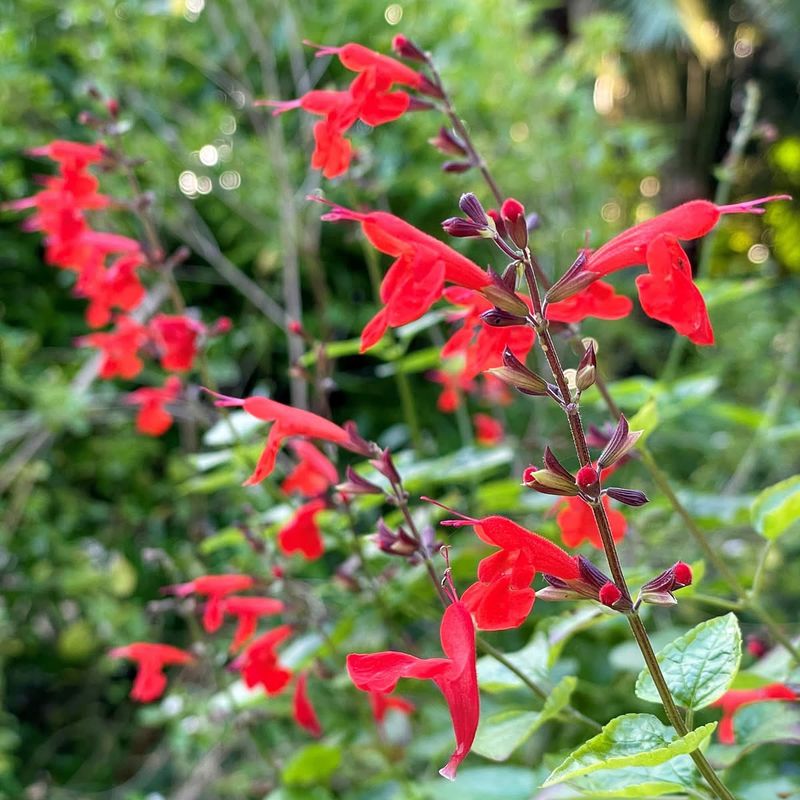
Salvia’s tubular flowers packed with nectar make it a butterfly favorite, especially among species with longer tongues that can reach deep inside blooms.
Texas gardeners choose from numerous salvia varieties, including native species perfectly adapted to local climate conditions and soil types found throughout the state.
The spiky flower clusters rise above foliage in shades of red, purple, blue, pink, and white, creating vertical interest in garden designs.
Fragrance varies by species, with some releasing minty or sage-like scents that butterflies detect from impressive distances away from the actual plants.
Swallowtails, monarchs, and painted ladies visit salvia frequently, often spending several minutes on a single plant before moving to the next one.
Plant salvia in full sun with well-draining soil, as soggy conditions can cause root problems that weaken or damage these otherwise tough plants.
Cutting back spent flower spikes encourages additional blooming cycles, extending the season when butterflies can find food in your garden space.
Many salvia varieties reseed themselves, creating natural colonies that expand over time without requiring gardeners to purchase new plants each year.
6. Pentas
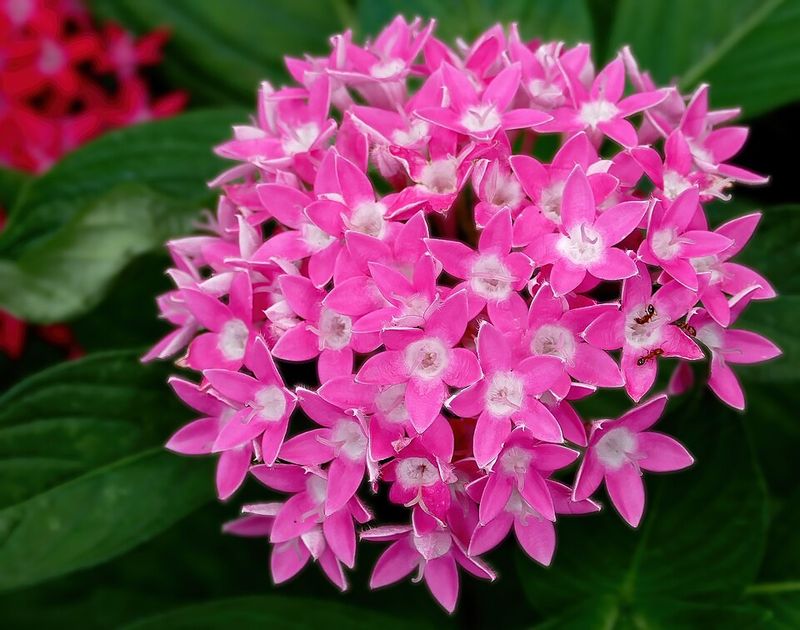
Pentas produces star-shaped flower clusters that butterflies can’t resist, blooming continuously throughout Texas’s long, hot growing season without taking breaks or fading away.
Available in red, pink, white, and lavender, pentas flowers release a light, sweet fragrance that attracts butterflies while remaining pleasant to humans nearby.
Each flower cluster contains dozens of individual blooms, providing abundant nectar that can feed multiple butterflies simultaneously without crowding or competition issues.
Gardeners appreciate pentas’ heat tolerance and ability to thrive even during brutal Texas summers when many other plants wilt or stop flowering entirely.
The plant works beautifully in containers, borders, or mass plantings, adapting to various garden styles and design preferences with equal success.
Monarchs, swallowtails, and skippers visit pentas regularly, often returning to the same plants day after day once they discover this reliable food source.
Pentas grows as an annual in colder parts of Texas but returns as a perennial in warmer regions where freezes rarely occur.
Pinching back young plants creates bushier growth and more flower production, giving butterflies even more landing spots and nectar sources to enjoy.
7. Milkweed
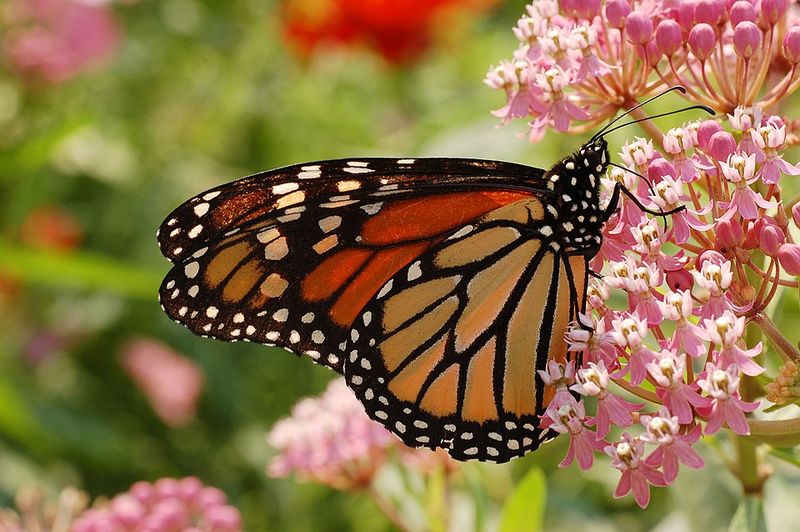
Milkweed serves double duty in butterfly gardens, providing nectar for adults while offering the only food source monarch caterpillars can eat to survive.
Native Texas milkweed species like antelope horn and green milkweed thrive in local conditions without requiring special care or constant attention from gardeners.
The clusters of small, fragrant flowers attract numerous butterfly species beyond monarchs, including queens, soldiers, and various swallowtail varieties that appreciate nectar.
Planting milkweed helps support declining monarch populations by providing essential habitat these iconic butterflies need for successful breeding and migration journeys southward.
The plant’s sweet fragrance becomes more noticeable during warm evenings when butterflies and other pollinators visit flowers most actively throughout gardens.
Milkweed grows best in full sun with well-draining soil, though established plants tolerate drought conditions remarkably well once root systems develop fully.
Seed pods that form after flowering eventually split open, releasing seeds attached to silky white fluff that floats on breezes to new locations.
Leaving milkweed stems standing through winter provides shelter for beneficial insects and adds architectural interest to dormant garden spaces during cold months.
8. Verbena
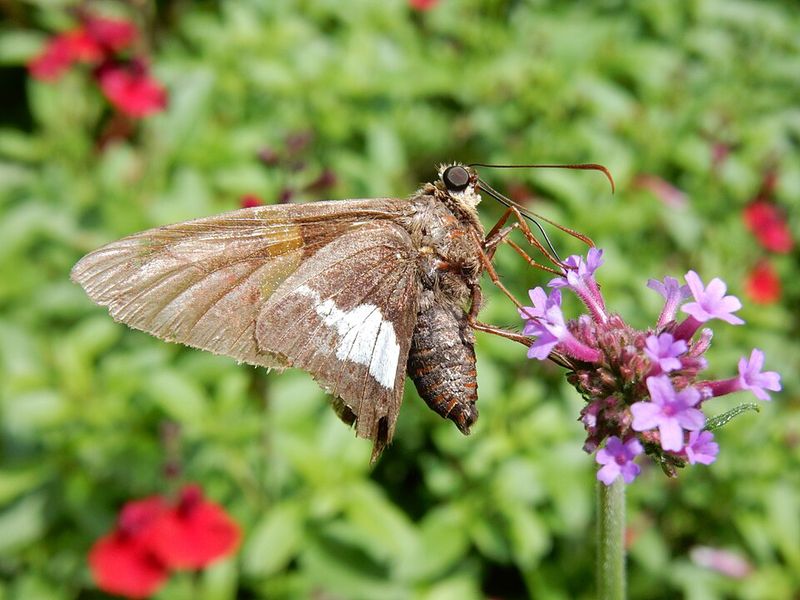
Verbena’s clustered blooms create landing platforms butterflies love, while its sweet fragrance draws these winged visitors from across the garden to investigate closely.
This versatile plant grows as a groundcover, trailing plant for containers, or upright variety depending on which type you select for specific areas.
Flowers come in purple, red, pink, white, and bicolor combinations, allowing gardeners to coordinate colors with existing landscape schemes or personal preferences.
Texas gardeners value verbena’s heat tolerance and willingness to bloom throughout summer when many plants pause flowering during the hottest weeks.
Butterflies including fritillaries, checkerspots, and various skippers visit verbena regularly, often lingering for extended periods while feeding on abundant nectar supplies.
Plant verbena in full sun for best performance, though it tolerates partial shade better than some other sun-loving butterfly plants do.
Deadheading isn’t necessary for continuous blooming, but removing spent flowers creates tidier appearances if that matters for your garden aesthetic preferences.
Verbena self-seeds readily in favorable conditions, creating natural colonies that fill in bare spots without requiring gardeners to purchase additional plants annually.
9. Coneflower
Coneflowers stand tall in Texas gardens, offering raised central cones that butterflies use as convenient perches while sipping nectar from surrounding petals below.
Native purple coneflowers thrive in Texas conditions without fussing, blooming reliably each summer with minimal water once their deep root systems establish completely.
The flowers release a mild, pleasant fragrance that attracts butterflies without being overwhelming to people relaxing nearby in garden spaces or patios.
Swallowtails, painted ladies, and red admirals frequently visit coneflowers, appreciating both the nectar and the sturdy landing surfaces these plants provide reliably.
Coneflowers work beautifully in cottage gardens, wildflower meadows, or formal perennial borders, adapting to various design styles with natural grace and ease.
Plant coneflowers in full sun with well-draining soil, spacing them about eighteen inches apart to allow proper air circulation between mature plants.
Leaving seed heads standing after flowers fade provides food for goldfinches and other seed-eating birds that visit gardens during fall and winter.
Coneflowers spread slowly through self-seeding and root division, gradually creating larger colonies that require minimal maintenance from busy gardeners.
10. Marigold
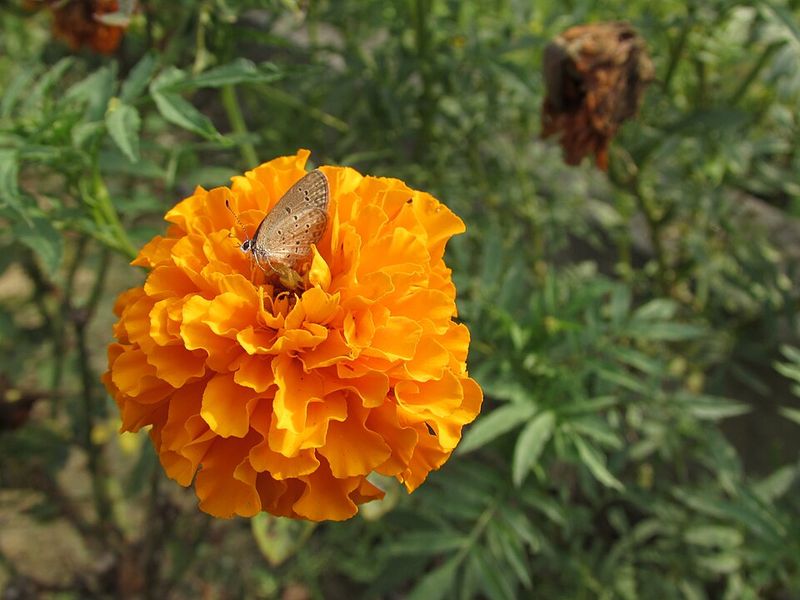
Marigolds bring bold colors and distinctive fragrance to gardens, attracting butterflies while their scent reportedly deters certain garden pests from damaging nearby plants.
These cheerful annuals bloom from spring until frost, providing consistent nectar sources throughout the entire growing season without requiring complicated care routines.
Butterflies appreciate marigold’s open flower faces that allow easy access to nectar, especially varieties with single rather than heavily doubled petals.
Texas gardeners plant marigolds as borders, in vegetable gardens, or massed in beds where their bright colors create instant impact and visual interest.
The flowers come in shades ranging from pale yellow to deep orange and mahogany red, offering options for every color preference.
Marigolds grow easily from seed planted directly in garden beds after frost danger passes, germinating quickly and reaching blooming size within weeks.
Their pungent, spicy fragrance appeals to butterflies while adding another sensory dimension to garden experiences for people walking through planted areas.
Deadheading encourages continuous flower production, though plants bloom prolifically even without this maintenance step if gardeners prefer a more natural appearance instead.
11. Bee Balm
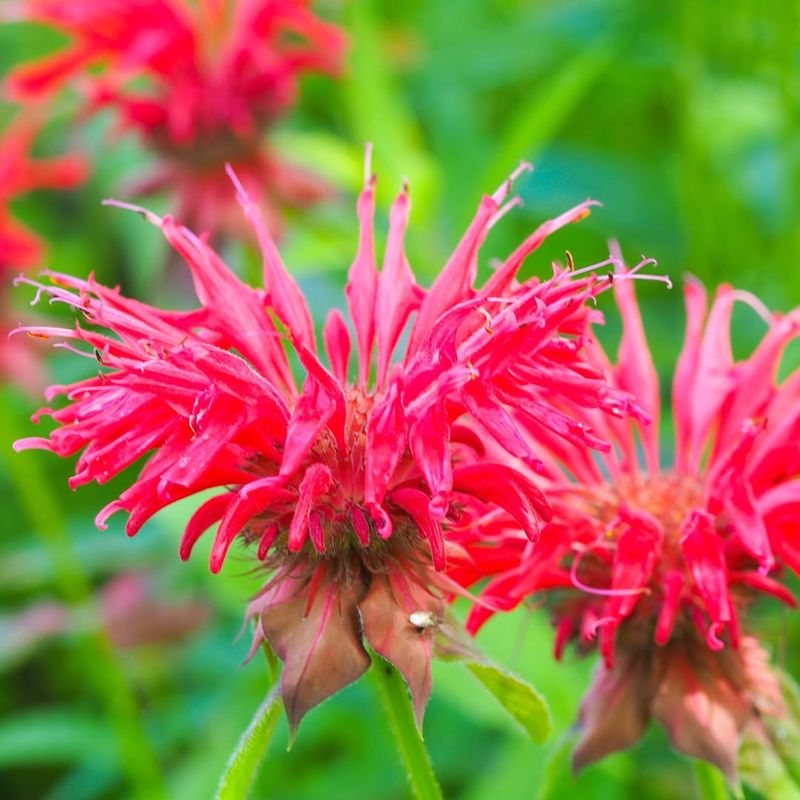
Bee balm’s shaggy, tubular flowers create unique blooms that butterflies find fascinating, while the plant’s minty fragrance adds aromatic appeal to garden spaces.
This perennial grows well in Texas gardens that receive adequate moisture, producing flowers in red, pink, purple, or white depending on variety selection.
Butterflies with longer tongues, especially swallowtails, visit bee balm frequently, probing deep into tubular flowers to reach hidden nectar stores inside.
The plant belongs to the mint family, giving its leaves a pleasant scent when brushed or crushed during garden maintenance activities.
Bee balm blooms during mid to late summer, providing nectar when some spring-blooming plants have finished flowering for the season entirely.
Plant bee balm in locations with morning sun and afternoon shade in hot Texas climates, as too much intense heat stresses plants.
Good air circulation helps prevent powdery mildew, a common problem on bee balm foliage in humid conditions with poor airflow between plants.
Dividing bee balm clumps every few years keeps plants vigorous and blooming well, while also providing extras to share with gardening friends.
12. Cosmos
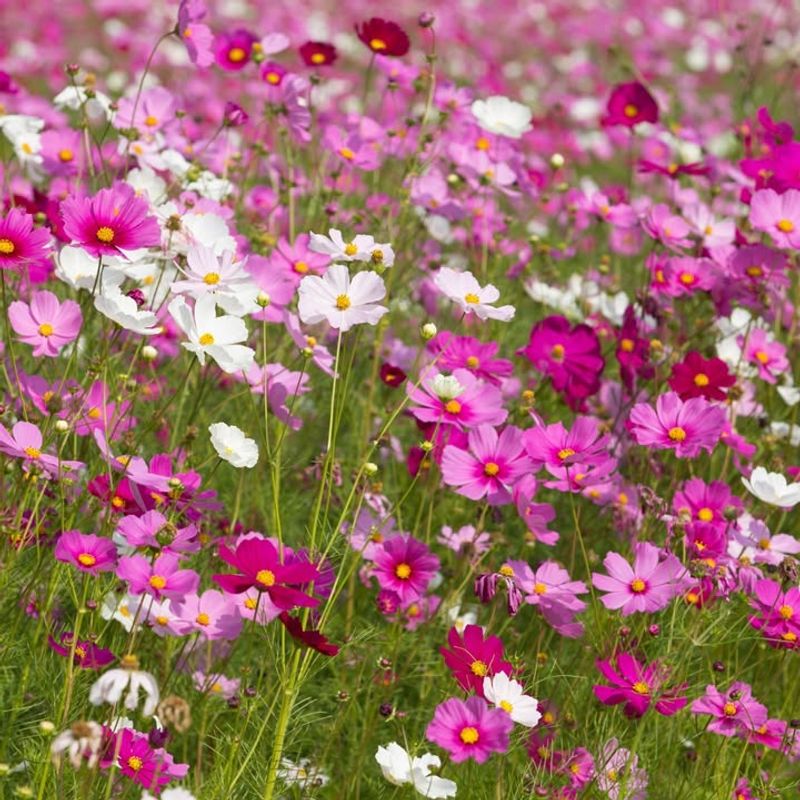
Cosmos brings airy, delicate beauty to gardens while attracting butterflies with its open, accessible flowers and light, sweet fragrance that travels on breezes.
These easy-to-grow annuals thrive in Texas heat, blooming abundantly even in poor soil where fussier plants might struggle or fail completely.
The flowers come in shades of pink, white, orange, and yellow, with some varieties featuring bicolor petals that add extra visual interest.
Butterflies land easily on cosmos’ flat flower faces, which provide stable platforms while they feed on nectar hidden at the base of petals.
Cosmos grows tall and graceful, swaying gently in breezes and creating movement that adds life and energy to garden spaces throughout the season.
Plant cosmos seeds directly in garden beds after frost danger passes, as they germinate quickly and reach blooming size within about two months.
The flowers attract numerous butterfly species including sulphurs, painted ladies, and various skippers that appreciate the abundant, easily accessible nectar sources provided.
Cosmos self-seeds readily, often returning year after year in the same garden areas without requiring gardeners to replant or purchase new seeds.
13. Aster
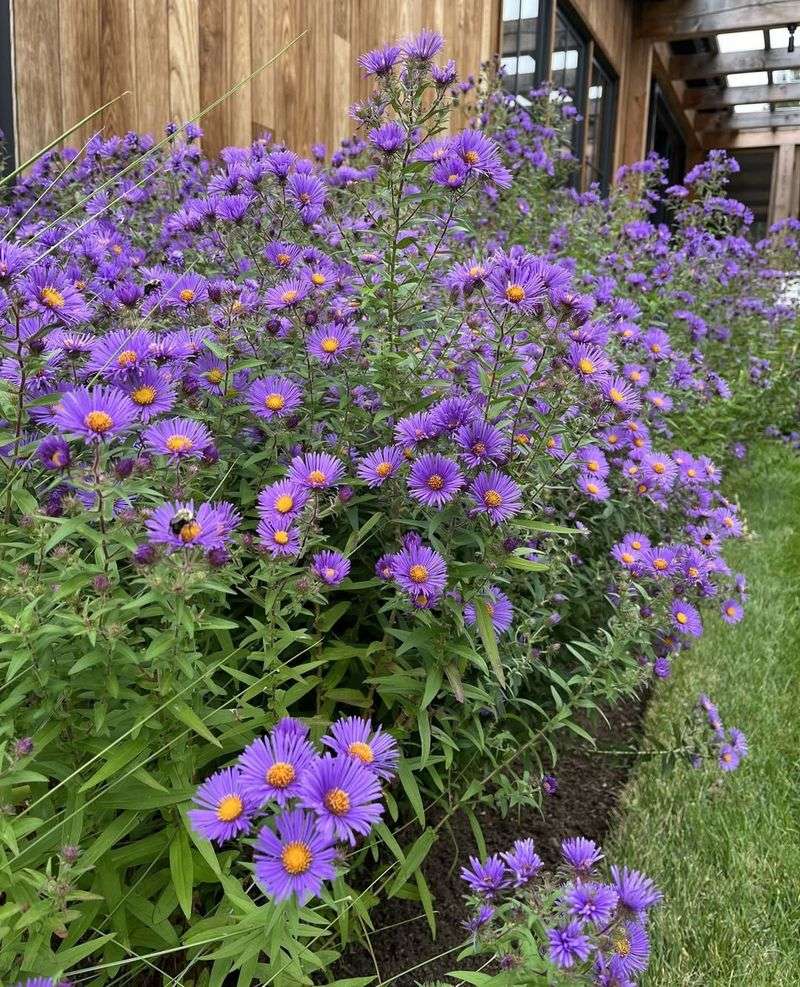
Asters bloom during fall when many other plants finish flowering, providing crucial nectar sources for butterflies preparing for winter or migration journeys southward.
Native Texas asters thrive in local conditions, producing masses of small, daisy-like flowers in purple, blue, pink, or white shades that cover plants.
The flowers release a mild, pleasant fragrance that attracts late-season butterflies including monarchs, painted ladies, and various sulphur species migrating through Texas.
Gardeners appreciate asters’ ability to brighten fall gardens when summer annuals fade, creating colorful displays that extend the gardening season into cooler months.
Plant asters in full sun with well-draining soil, spacing them according to variety since some types spread more vigorously than others.
Pinching back aster stems in early summer creates bushier plants with more flowers, though this step isn’t absolutely necessary for decent blooming.
Butterflies cover aster plants during peak bloom periods, creating spectacular wildlife viewing opportunities for anyone who enjoys watching nature up close.
Asters spread through underground runners and self-seeding, gradually forming larger colonies that provide increasingly impressive displays as years pass without requiring additional planting efforts.
14. Phlox
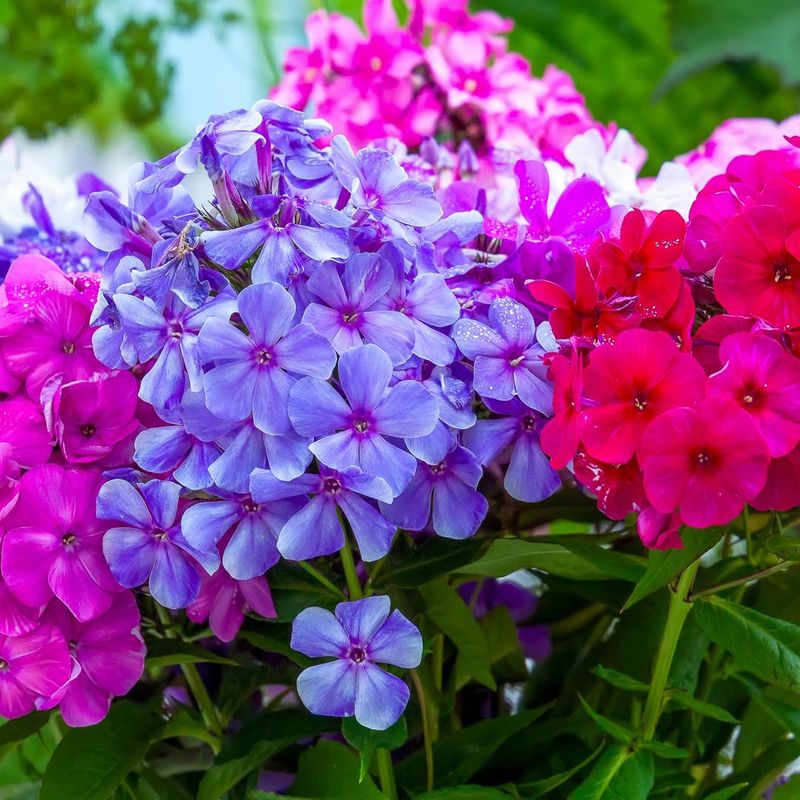
Phlox produces clusters of intensely fragrant flowers that butterflies detect from considerable distances, drawing them into gardens like magnets attract metal shavings.
Native Texas phlox species adapt perfectly to local growing conditions, blooming in spring or fall depending on which type you plant.
The flowers come in pink, purple, red, and white, with some varieties featuring contrasting eye colors at the center of each bloom.
Butterflies including swallowtails, fritillaries, and buckeyes visit phlox regularly, often spending extended time on single plants while feeding on abundant nectar supplies.
The sweet, honey-like fragrance becomes especially noticeable during evening hours when temperatures cool and scents intensify throughout the garden space.
Plant phlox in locations receiving full sun to partial shade, depending on variety requirements and your specific garden’s microclimate conditions.
Well-draining soil prevents root rot problems that can damage or destroy phlox plants in areas where water collects after heavy rains.
Deadheading spent flowers encourages additional bloom cycles, extending the time when butterflies can find food in your garden throughout the growing season ahead.
15. Plumbago
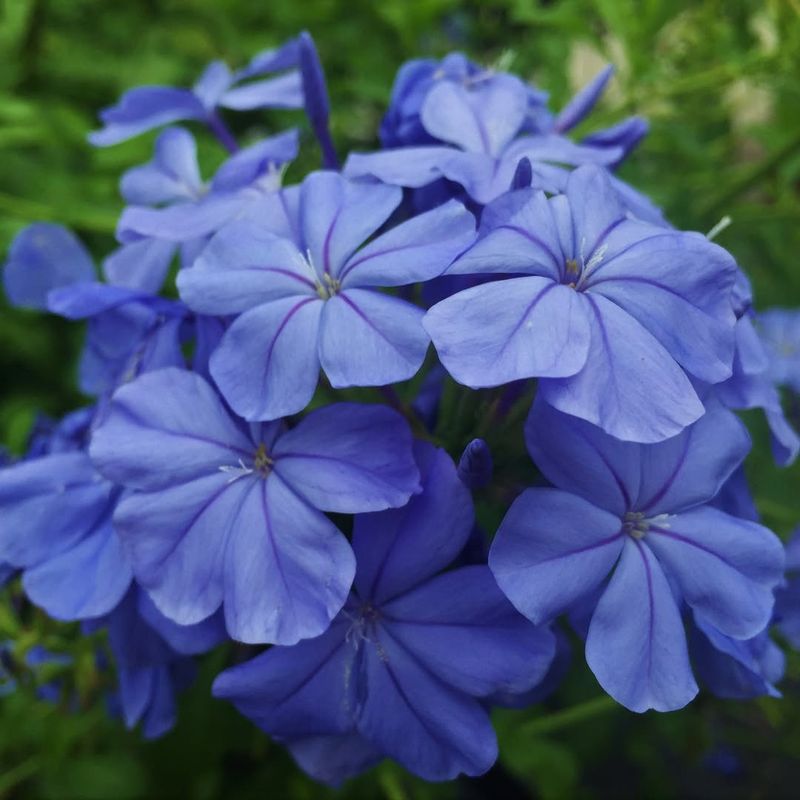
Plumbago offers rare true-blue flowers that stand out in gardens, attracting butterflies with both color and the light, sweet fragrance blooms release continuously.
This tough shrub tolerates partial shade better than most butterfly plants, making it valuable for gardens with trees or structures blocking full sunlight.
The sky-blue flowers appear in clusters throughout warm months, providing consistent nectar sources from spring until frost arrives in late fall or winter.
Butterflies including gulf fritillaries, cloudless sulphurs, and various swallowtails visit plumbago frequently, appreciating both the nectar and the plant’s sprawling growth habit.
Plumbago works beautifully as a foundation plant, hedge, or cascading over walls where its arching branches create soft, romantic effects in landscapes.
Plant plumbago in well-draining soil with regular water during establishment, though mature plants tolerate brief dry periods once root systems develop fully.
The plant may freeze back during cold winters but typically regrows from roots when spring warmth returns to Texas gardens again.
Pruning in early spring shapes plants and encourages bushier growth with more flowering branches that provide additional butterfly feeding stations throughout the season.