How To Easily Care For Your Palm Leaf Oxalis At Home
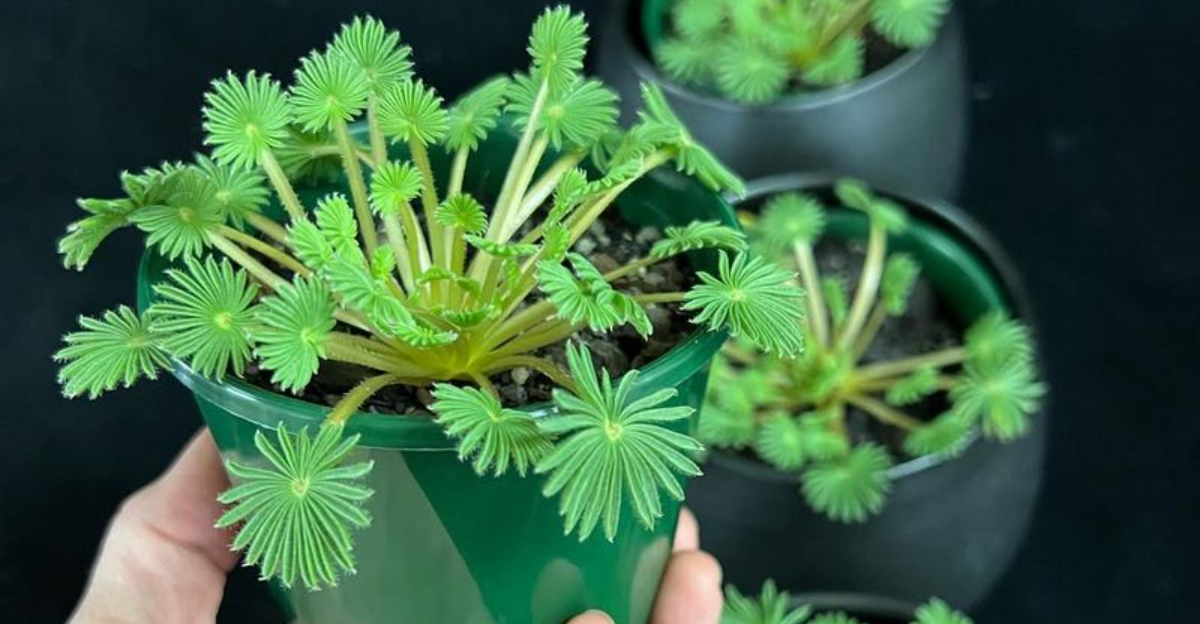
I first noticed palm leaf oxalis because of its graceful, fan-like leaves and the calm presence it brings to a room.
At a glance, it looks delicate, yet this plant proves far more forgiving than many expect.
Once I learned its basic needs, care felt simple rather than stressful.
Palm leaf oxalis responds well to a steady routine and rewards attention with tidy growth and eye-catching foliage.
I appreciate how well it fits into everyday home life.
It handles bright, indirect light with ease and prefers light, consistent watering rather than excess.
When conditions suit it, the leaves open confidently and add soft movement to indoor spaces.
I also learned that short rest periods are normal, not a sign of failure.
Caring for palm leaf oxalis became less about guesswork and more about observation.
With a little patience and balance, it thrives indoors and brings lasting charm without demanding constant effort.
Find The Right Spot With Bright, Indirect Light
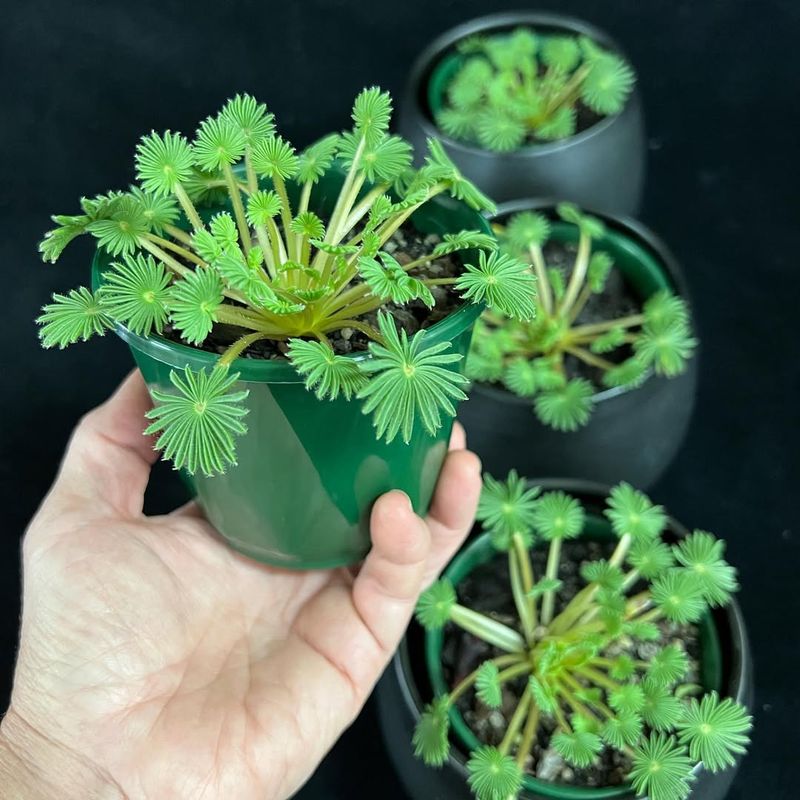
Light is everything when it comes to keeping your Palm Leaf Oxalis happy.
This plant loves bright, indirect light, which means placing it near a window where the sun doesn’t blast it directly.
Too much direct sun can scorch those delicate leaves, turning them brown and crispy.
I like to keep mine a few feet back from an east or west-facing window.
That way, it gets plenty of brightness without the harsh afternoon rays.
If your space doesn’t have great natural light, don’t worry.
A grow light works wonders too.
Just make sure the plant gets around six hours of good light each day.
You’ll notice the leaves stay vibrant and the plant keeps its compact shape.
When the light is just right, the Oxalis will reward you with steady growth and those adorable folding leaves at night.
It’s like the plant is saying goodnight.
Keep an eye on how it responds, and adjust the spot if needed.
Trust me, finding the sweet spot makes all the difference.
Your plant will look fuller and healthier when it’s getting the light it craves.
It’s really that simple.
Water When The Top Inch Of Soil Feels Dry
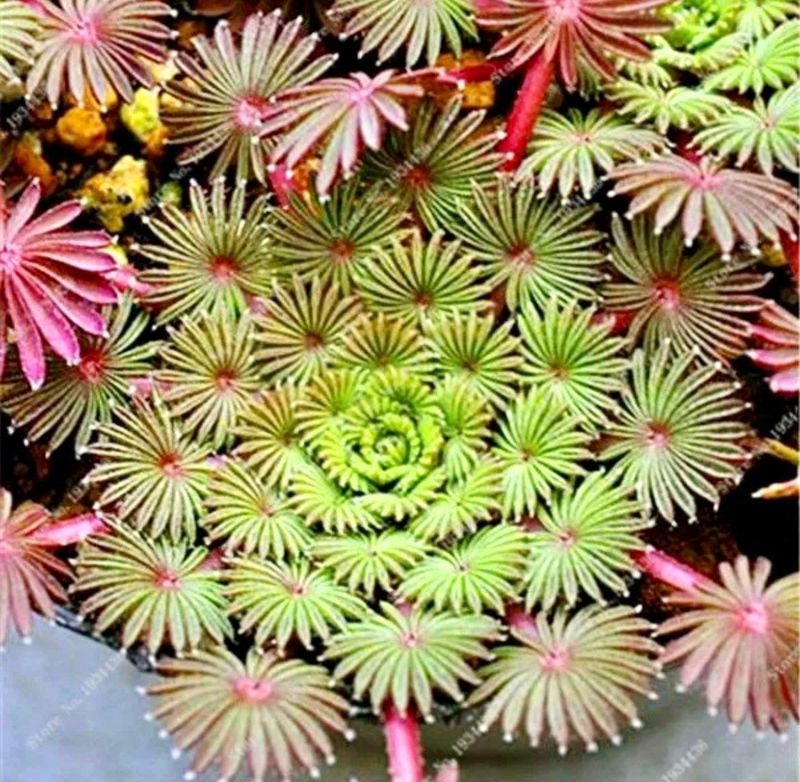
Watering can feel tricky at first, but once you get the rhythm, it’s easy.
Palm Leaf Oxalis doesn’t like sitting in soggy soil, but it also doesn’t want to dry out completely.
The best way to know when to water is by checking the top inch of soil.
Stick your finger in there.
If it feels dry, it’s time to water.
If it’s still a bit damp, wait another day or two.
I usually water mine about once a week during warmer months, but in winter, it needs less.
The plant’s growth slows down when it’s cooler, so adjust accordingly.
When you do water, make sure to give it a good soak until water drains out the bottom.
Then dump out any excess from the saucer.
Standing water is a big no-no because it can lead to root rot.
Nobody wants that mess.
Pay attention to how your plant looks.
If the leaves start drooping or turning yellow, you might be overwatering.
If they’re crispy and brown, it’s probably too dry.
Finding the balance takes a little practice, but you’ll get the hang of it.
Your Oxalis will let you know what it needs.
Use Well-Draining Soil To Prevent Root Problems

Soil might not seem exciting, but it’s actually super important for your Palm Leaf Oxalis.
This plant needs soil that drains well so the roots don’t sit in water.
Regular potting soil can work, but it’s even better if you mix in some perlite or coarse sand.
That extra drainage helps prevent root rot, which is one of the biggest issues with houseplants.
I’ve learned this the hard way with other plants, so now I always make sure the soil is light and airy.
You can also buy a cactus or succulent mix and add a bit of regular potting soil to it.
That combo works great for Oxalis because it holds some moisture but doesn’t get waterlogged.
When you’re repotting, make sure the pot has drainage holes.
This is non-negotiable.
Without those holes, water has nowhere to go, and your plant will suffer.
Good soil keeps the roots healthy and happy, which means a thriving plant overall.
It’s one of those simple things that makes a huge difference.
Once you’ve got the right soil mix, you won’t have to worry as much about watering mistakes.
The plant will be more forgiving, and you’ll see better growth.
Keep The Temperature Between 60-75°F For Best Growth
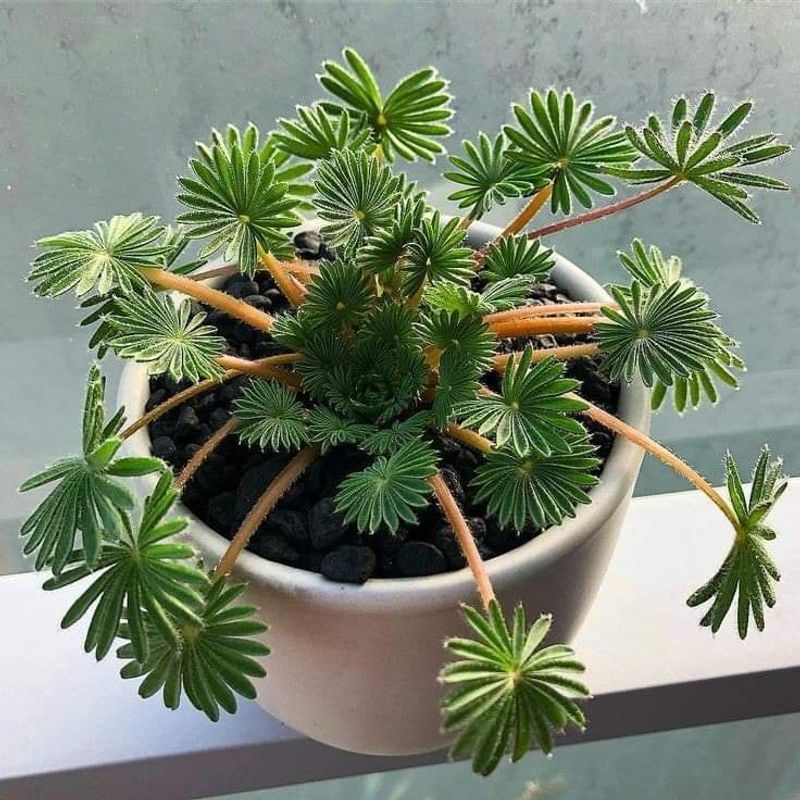
Temperature is one of those things we don’t always think about, but it matters more than you’d expect.
Palm Leaf Oxalis prefers temperatures between 60 and 75 degrees Fahrenheit.
That’s pretty much standard room temperature, which is why it does so well indoors.
Avoid placing your plant near drafty windows, heating vents, or air conditioning units.
Sudden temperature changes can stress it out, causing the leaves to droop or even drop.
I made that mistake once by putting a plant too close to a heater, and it wasn’t happy.
If you live somewhere with cold winters, just make sure the plant isn’t touching cold glass or sitting in a chilly spot.
Oxalis can handle a little cooler temps, but anything below 50 degrees is pushing it.
On the flip side, extreme heat isn’t great either.
Keep it comfortable, and your plant will be content.
You’ll notice consistent growth and those beautiful leaves staying perky.
It’s really about creating a stable environment.
Think of it like this: if you’re comfortable in a room, your Oxalis probably is too.
Just keep it away from temperature extremes, and you’re golden.
Maintain Moderate Humidity Levels Around Your Plant
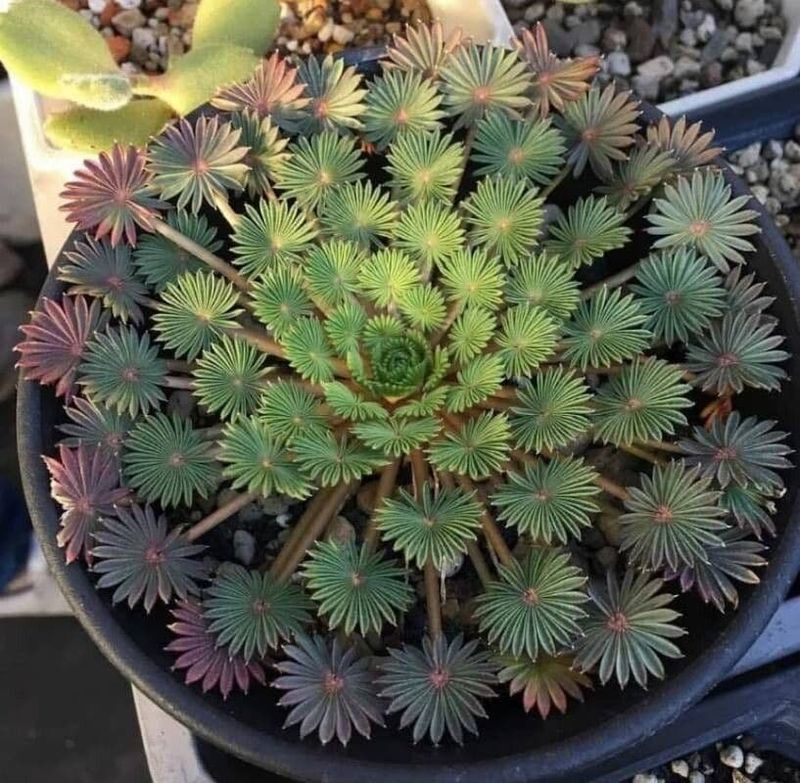
Humidity isn’t as critical for Palm Leaf Oxalis as it is for some tropical plants, but it still appreciates a little moisture in the air.
Average household humidity is usually fine, especially if you’re running between 40 and 60 percent.
If your home gets really dry, especially in winter, you might notice the leaf tips turning brown.
That’s a sign the air is too dry.
An easy fix is to place a small humidifier nearby or set the pot on a tray filled with pebbles and water.
Just make sure the pot isn’t sitting directly in the water.
You can also mist the leaves lightly every few days, though I find that a humidifier is less fussy.
Grouping plants together also helps because they create their own little humid microclimate.
It’s kind of cool how that works.
If you live in a naturally humid area, you probably won’t need to do anything extra.
Your Oxalis will be perfectly happy.
Just watch for crispy edges or wilting, which can signal dryness.
A little extra humidity goes a long way in keeping those leaves looking lush and green.
It’s a small step that makes a noticeable difference.
Feed With Diluted Fertilizer During Growing Season
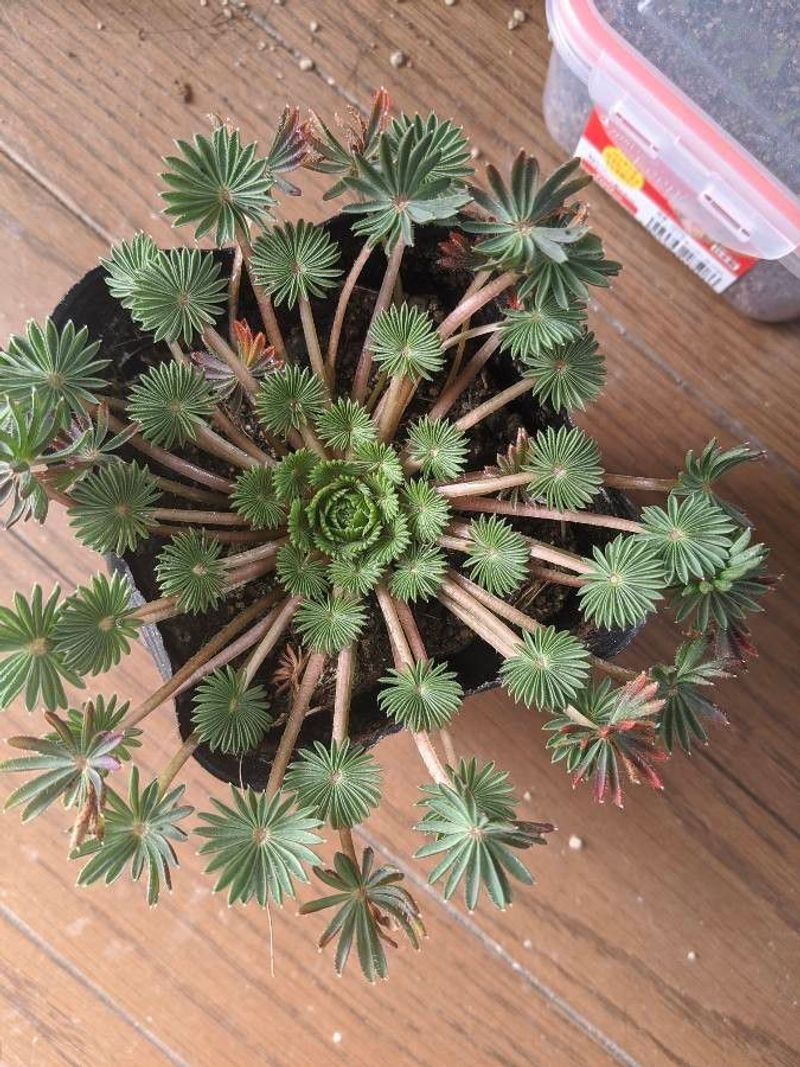
Fertilizing your Palm Leaf Oxalis isn’t complicated, but it does help the plant grow stronger and fuller.
During the growing season, which is typically spring and summer, feed it with a diluted liquid fertilizer about once a month.
I use a balanced houseplant fertilizer and cut it to half strength.
Too much fertilizer can actually harm the plant, causing salt buildup in the soil or burning the roots.
Less is definitely more here.
In fall and winter, you can skip the fertilizer altogether because the plant’s growth naturally slows down.
It’s kind of like the plant is taking a little nap.
No need to push it when it’s resting.
When you do fertilize, water the plant first, then apply the diluted fertilizer.
This helps prevent any potential root damage.
I’ve found that this routine keeps my Oxalis looking vibrant without any issues.
You’ll notice new growth and healthier leaves when the plant is getting the nutrients it needs.
Just remember, consistency is better than overdoing it.
A light feeding schedule is all it takes to keep your plant thriving.
It’s one of those easy habits that pays off.
Prune Damaged Or Yellowing Leaves To Encourage Growth
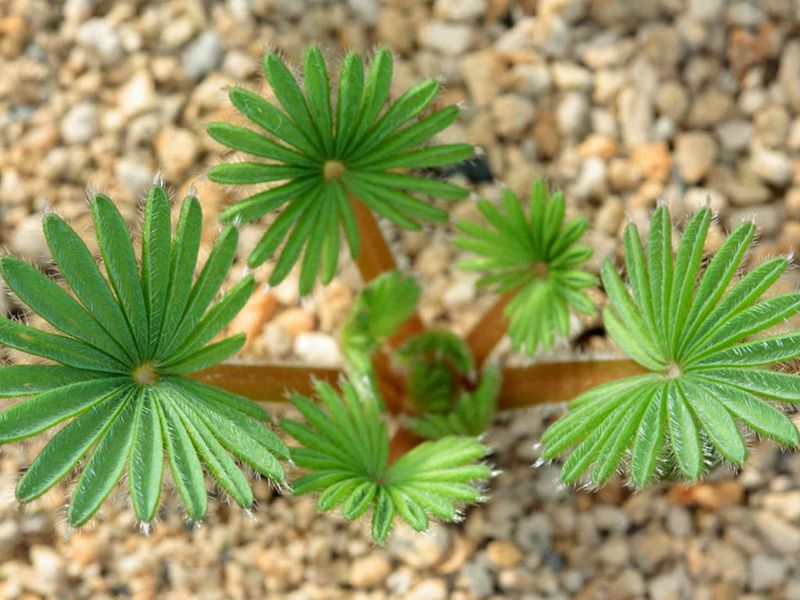
Pruning might sound intimidating, but it’s really just a bit of plant grooming.
Every now and then, you’ll notice a leaf or two turning yellow or brown.
That’s totally normal, especially as the plant grows.
Just snip those leaves off at the base with clean scissors or pruning shears.
Removing dead or dying foliage helps the plant focus its energy on new, healthy growth.
Plus, it keeps your Oxalis looking tidy and attractive.
I like to do a quick check every week or so.
It only takes a minute, and it makes a big difference.
If you notice a lot of leaves yellowing at once, that might be a sign of overwatering or poor drainage.
But a few here and there are nothing to worry about.
It’s just the plant’s natural cycle.
Pruning also encourages bushier growth because the plant can put more energy into producing new leaves.
You’ll end up with a fuller, healthier-looking plant.
Don’t be afraid to trim away anything that doesn’t look great.
Your Oxalis will thank you for it.
It’s a simple task that keeps your plant in top shape.
Watch For Pests Like Aphids And Spider Mites
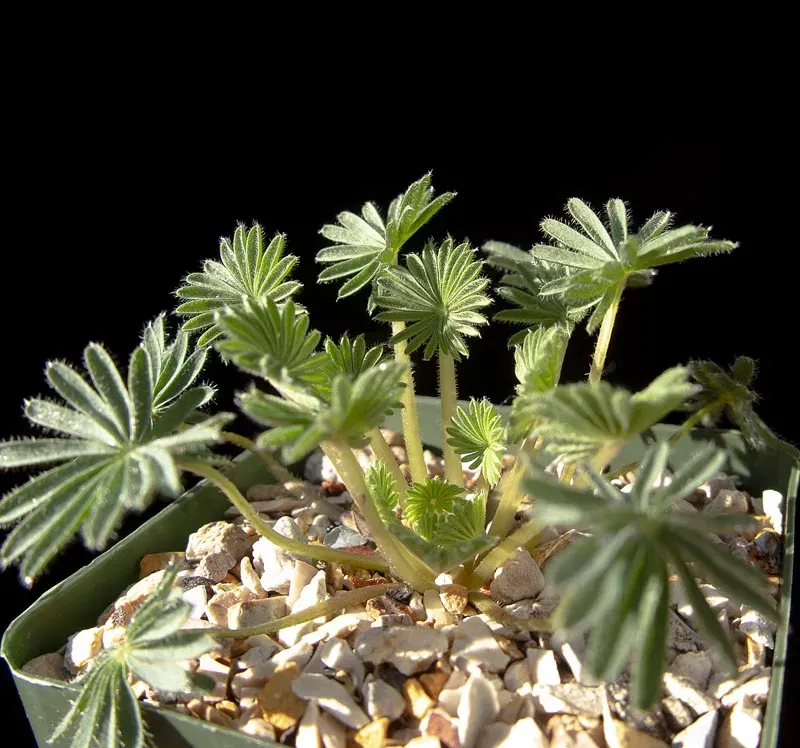
Pests are annoying, but they’re part of plant life, especially indoors.
Palm Leaf Oxalis can occasionally attract aphids, spider mites, or fungus gnats.
The good news is that catching them early makes treatment way easier.
Check your plant regularly, especially the undersides of the leaves.
That’s where pests like to hide.
If you spot tiny bugs or webbing, it’s time to act.
For aphids, you can rinse them off with a gentle stream of water or wipe the leaves with a damp cloth.
Spider mites hate humidity, so increasing moisture in the air can help prevent them.
If the infestation is worse, try insecticidal soap or neem oil.
Both are plant-safe and effective.
Fungus gnats usually mean the soil is staying too wet, so adjusting your watering schedule helps a lot.
I’ve dealt with these pests before, and honestly, a little vigilance goes a long way.
Most of the time, your Oxalis will stay pest-free if you keep it healthy and clean.
But if something does show up, don’t panic.
Just treat it quickly, and your plant will bounce back.
Prevention is always easier than cure.
Allow The Plant To Rest During Its Dormant Period
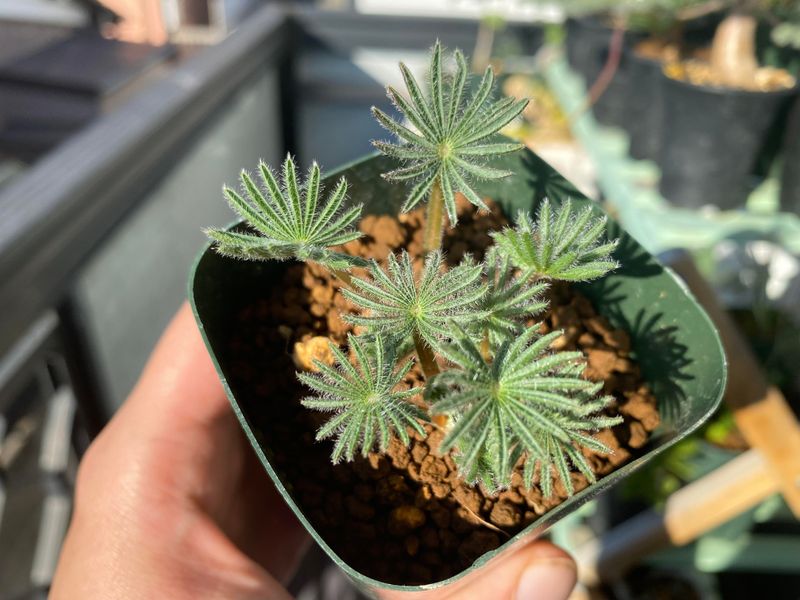
Here’s something that surprises a lot of people: Palm Leaf Oxalis can go dormant.
Sometimes, usually in late fall or winter, the plant might lose most or all of its leaves.
The first time this happened to me, I thought I had done something terribly wrong.
But it turns out, this is completely normal.
The plant is just taking a break.
During dormancy, cut back on watering significantly, maybe once every couple of weeks, just to keep the soil from drying out completely.
Don’t fertilize at all during this time.
The plant doesn’t need it.
Place it in a cooler spot if possible, around 50 to 60 degrees, and reduce light exposure a bit.
After a few weeks or even a couple of months, you’ll start to see new growth popping up.
That’s your cue to resume regular watering and move it back to its usual spot.
It’s kind of like the plant is hitting the reset button.
Not all Oxalis go dormant every year, but if yours does, just go with it.
Give it the rest it needs, and it’ll come back stronger.
Understanding this cycle makes caring for the plant so much easier.