10 Fragrant Plants That Work Best For Butterfly Gardens In Florida
Florida butterfly gardens thrive when fragrance and nectar work together, creating spaces that stay active from early morning through warm, humid afternoons.
Certain fragrant plants do more than smell good, pulling butterflies in consistently while holding up well to heat, rain, and long growing seasons.
Choosing the right ones helps gardens feel lively and balanced, supporting pollinators while keeping maintenance realistic for Florida conditions.
1. Pentas
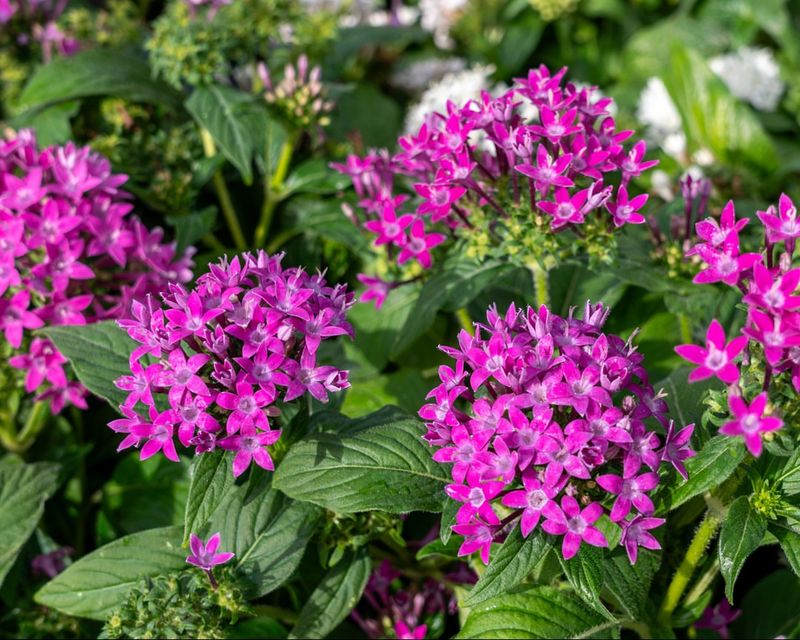
Pentas bring clusters of star-shaped flowers that butterflies find absolutely irresistible, making them a must-have for any Florida garden focused on attracting winged beauties.
Available in shades of pink, red, white, and lavender, these plants bloom nearly year-round in Florida’s warm climate, providing consistent nectar sources for butterflies.
Their subtle, sweet fragrance isn’t overpowering but adds a pleasant layer to your outdoor experience, especially when planted in groups along pathways or borders.
Gardeners across Florida appreciate how low-maintenance pentas are, thriving in full sun with minimal watering once established in the landscape.
These plants grow well in containers or directly in garden beds, making them versatile for small yards or expansive butterfly gardens throughout the state.
Monarch butterflies, gulf fritillaries, and swallowtails frequently visit pentas, creating wonderful opportunities to observe these creatures up close in your own backyard.
Regular deadheading encourages more blooms, though pentas naturally produce flowers prolifically without much intervention from gardeners.
For Florida residents seeking colorful, fragrant, and butterfly-friendly plants, pentas check all the boxes while requiring very little effort to maintain successfully.
2. Lantana
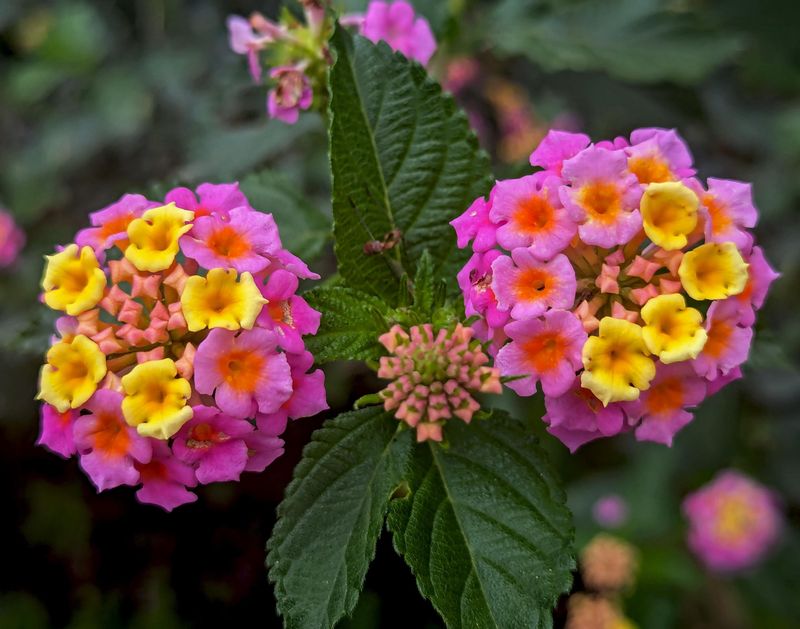
Lantana offers an explosion of color with flower clusters that shift from yellow to orange to pink, creating a rainbow effect that butterflies cannot resist.
This tough, heat-loving plant thrives in Florida’s intense sunshine and humidity, making it perfect for gardeners who want beautiful results without constant maintenance.
The fragrance of lantana leaves is distinctive and somewhat citrusy, released when you brush against the foliage or gently crush a leaf between your fingers.
Butterflies of all kinds flock to lantana throughout the growing season, which in Florida essentially means all year long in most regions of the state.
Native varieties of lantana work especially well in Florida landscapes, supporting local butterfly populations while being perfectly adapted to the state’s soil and weather conditions.
Lantana spreads readily, filling in garden spaces quickly and creating dense patches of color that serve as butterfly magnets in residential and public landscapes alike.
Some gardeners use lantana as a groundcover, while others train it into small shrubs, demonstrating its versatility in various landscape designs across the state.
Planting lantana means committing to a low-water, high-impact plant that delivers continuous blooms and constant butterfly activity in your Florida yard all year.
3. Firebush
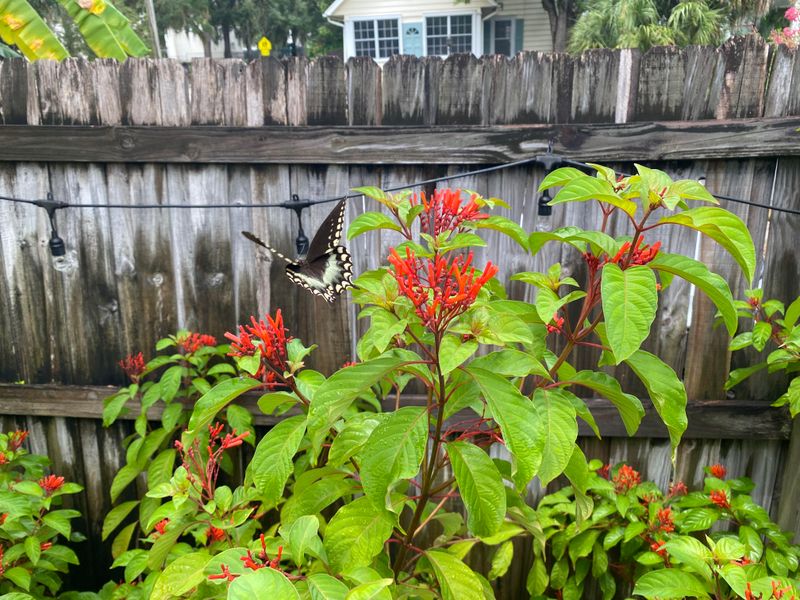
Firebush stands out as a Florida native that produces tubular red-orange flowers loved by butterflies, hummingbirds, and gardeners seeking a truly local plant option.
Growing naturally in many parts of Florida, this shrub adapts easily to various soil types and requires almost no supplemental watering once established in the landscape.
The flowers emit a light, sweet fragrance that becomes more noticeable in the evening hours, adding another dimension to your garden’s sensory appeal.
Your Florida Garden Changes Every Week. Your Plan Should Too.
Gardening in Florida changes quickly throughout the season. Every Friday you’ll receive a simple weekly plan showing exactly what to plant, prune, fertilize, harvest, and protect so you never miss the right timing.
Butterflies such as zebra longwings and monarchs visit firebush regularly, while the plant’s berries provide food for birds, creating a complete wildlife habitat.
Firebush grows quickly into a medium-sized shrub, making it useful as a hedge, specimen plant, or background element in Florida butterfly garden designs.
Gardeners in central and southern parts of Florida find firebush especially easy to grow, as it tolerates the region’s heat and occasional drought conditions.
This plant blooms most heavily during warm months but continues producing flowers sporadically throughout the year in frost-free areas of the state.
Choosing firebush means supporting native ecosystems while enjoying a beautiful, fragrant plant that requires minimal care and attracts butterflies consistently to your Florida property.
4. Milkweed
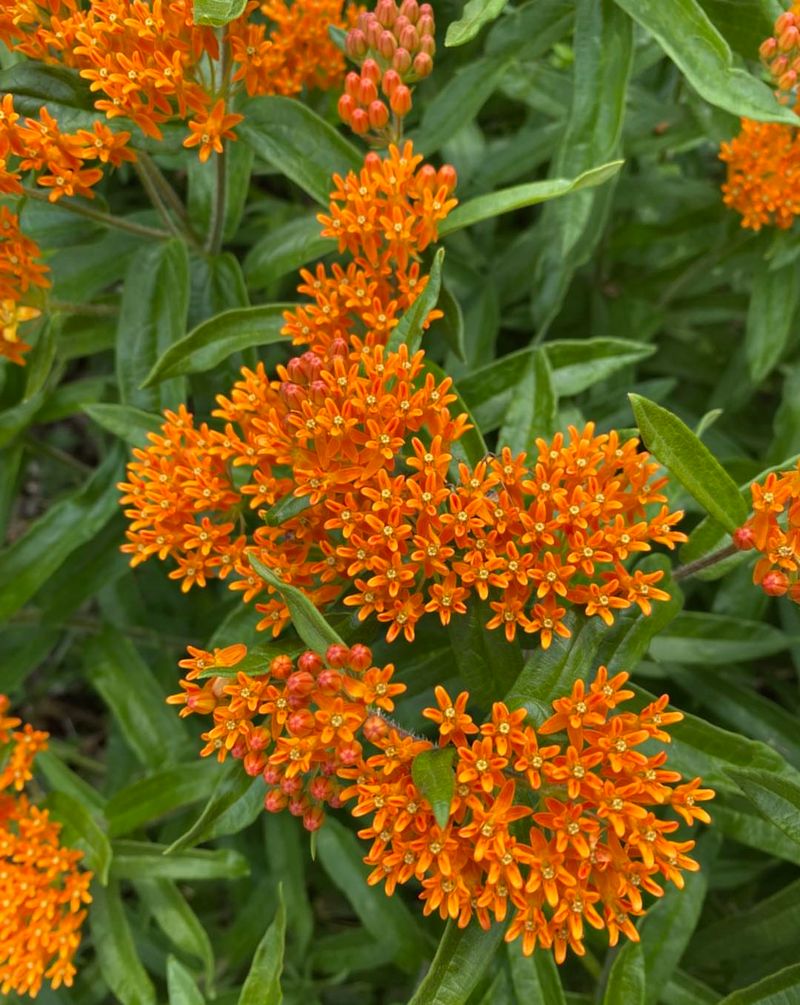
Milkweed serves as the essential host plant for monarch butterflies, meaning monarchs lay eggs on these plants and caterpillars feed exclusively on their leaves.
Several milkweed varieties grow well in Florida, including tropical milkweed with its vibrant orange and yellow flowers that bloom profusely throughout the warm months.
The flowers produce a subtle, pleasant fragrance that attracts not only monarchs but also queen butterflies, gulf fritillaries, and various other nectar-seeking insects.
Florida gardeners who plant milkweed contribute directly to monarch conservation efforts, providing critical habitat during the butterflies’ migration and breeding cycles throughout the state.
Tropical milkweed grows easily from seed or nursery starts, quickly establishing itself in sunny spots with decent drainage across most Florida landscapes.
Some experts recommend cutting back tropical milkweed periodically in Florida to prevent disease transmission among monarch populations that linger year-round in the state.
Native milkweed species like swamp milkweed also thrive in Florida’s wetter areas, offering alternatives for gardeners with moist soil conditions in their yards.
Planting milkweed means creating a complete butterfly nursery in your Florida garden, supporting monarchs from egg to adult while enjoying the plant’s attractive blooms.
5. Butterfly Bush
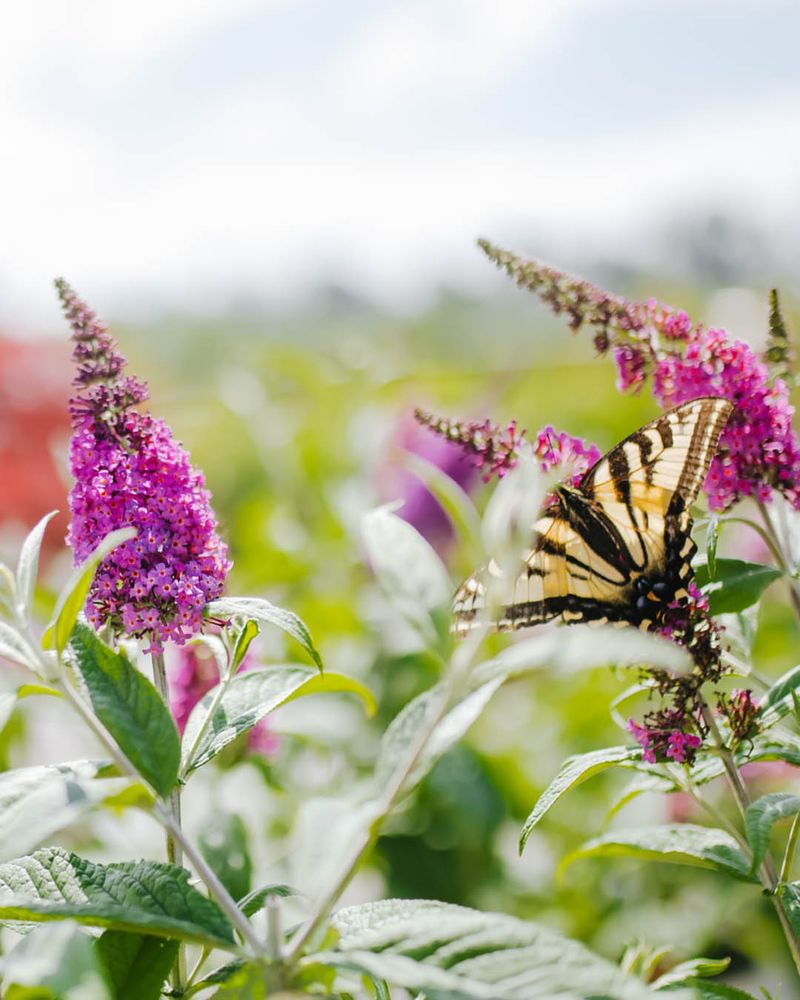
Butterfly bush earns its name honestly, producing long spikes of fragrant flowers that attract butterflies in astonishing numbers to gardens throughout Florida.
Available in purple, pink, white, and yellow varieties, these shrubs bloom heavily during spring and summer, creating dramatic focal points in butterfly garden designs.
The honey-sweet fragrance of butterfly bush flowers carries on the breeze, making your entire yard smell wonderful while simultaneously drawing butterflies from surrounding areas.
Florida gardeners should choose non-invasive cultivars of butterfly bush, as some older varieties can spread aggressively and disrupt native plant communities in the state.
Swallowtails, painted ladies, and skippers frequently visit butterfly bush blooms, often covering the flower spikes in a colorful display of fluttering wings and activity.
These shrubs prefer full sun and well-drained soil, conditions readily available in most Florida landscapes, making them relatively easy to grow successfully.
Deadheading spent flower spikes encourages butterfly bush to produce more blooms, extending the flowering season and maintaining the plant’s attractive appearance in your yard.
Adding butterfly bush to your Florida garden means investing in a proven butterfly magnet with beautiful, fragrant flowers that perform reliably season after season.
6. Porterweed
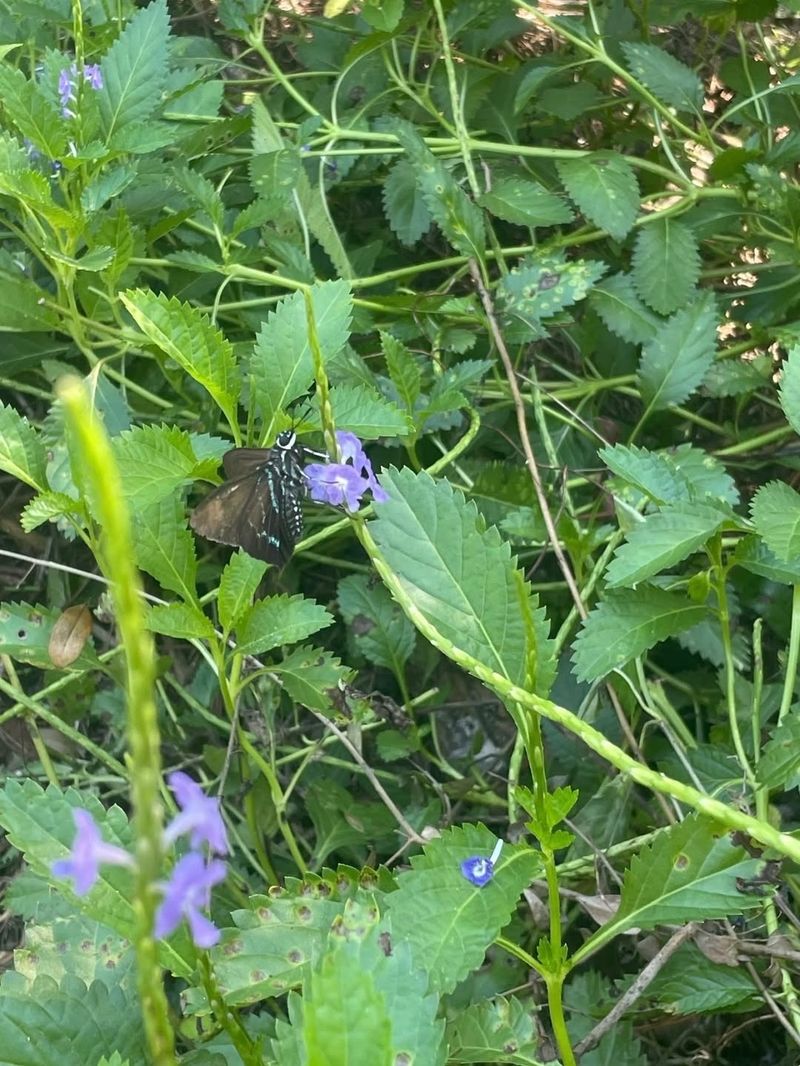
Porterweed produces delicate tubular flowers in shades of blue, purple, or pink that butterflies adore, making it a valuable addition to Florida butterfly gardens.
Native to Florida, this plant thrives in the state’s climate without requiring fertilizers, pesticides, or constant attention from gardeners seeking low-maintenance landscape options.
The flowers emit a light, pleasant fragrance that adds subtle sweetness to the air, especially noticeable when you stand near a blooming porterweed plant.
Blue porterweed grows as a sprawling shrub that can reach several feet tall and wide, filling garden spaces with color and providing extensive nectar sources.
Butterflies visit porterweed constantly throughout the day, with zebra longwings, gulf fritillaries, and various skipper species being particularly fond of this native Florida plant.
Porterweed blooms year-round in frost-free parts of Florida, offering consistent food sources for butterflies even during months when many other plants stop flowering.
Gardeners can easily propagate porterweed from cuttings, allowing you to expand your butterfly garden inexpensively by sharing plants with neighbors throughout your Florida community.
Choosing porterweed means supporting native Florida ecosystems while enjoying a beautiful, fragrant plant that butterflies find irresistible and that requires virtually no maintenance.
7. Passion Vine
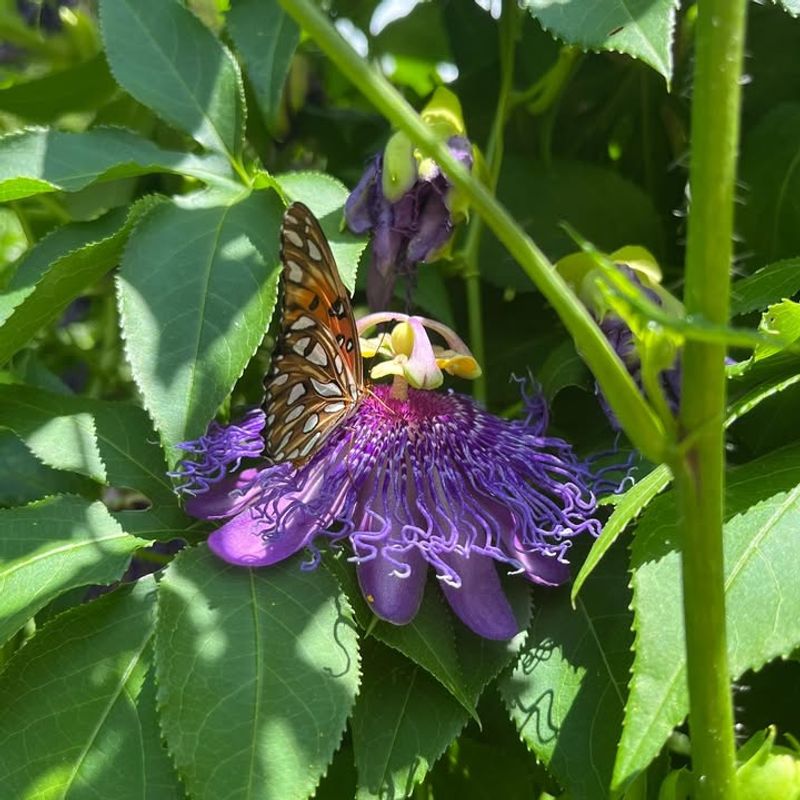
Passion vine produces some of the most exotic-looking flowers in Florida gardens, with intricate purple and white blooms that release a sweet, tropical fragrance.
This vigorous climbing vine serves as the host plant for gulf fritillary and zebra longwing butterflies, which lay eggs on the leaves throughout Florida.
Caterpillars of these species feed on passion vine foliage, eventually transforming into beautiful butterflies that continue visiting your garden for nectar from other plants.
Florida’s official state butterfly, the zebra longwing, depends entirely on passion vine for reproduction, making this plant crucial for supporting local butterfly populations statewide.
Several passion vine species grow well in Florida, including native varieties that are perfectly adapted to the state’s soil, rainfall patterns, and temperature fluctuations.
Gardeners can train passion vine on trellises, fences, or arbors, creating vertical interest in the landscape while providing essential habitat for gulf fritillaries.
The vines grow rapidly in Florida’s warm climate, quickly covering structures and producing flowers that bloom sporadically throughout the year in the state.
Planting passion vine means welcoming caterpillars that will munch on leaves, but this damage is temporary and worth it for the butterflies you’ll raise.
8. Salvia
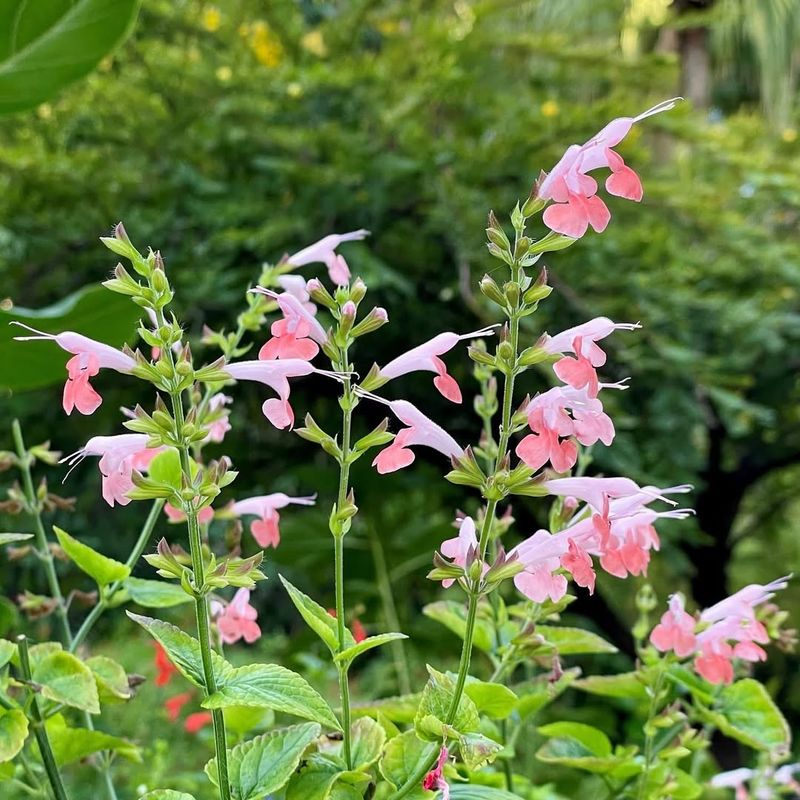
Salvia varieties bring vibrant red, purple, or blue flower spikes to Florida gardens, creating vertical accents that butterflies navigate toward from impressive distances.
Many salvia types emit minty or herbal fragrances from their foliage, adding aromatic interest to your garden beyond the visual appeal of their colorful blooms.
Scarlet sage, a common salvia variety, thrives in Florida’s heat and produces brilliant red flowers that attract swallowtails, monarchs, and painted lady butterflies consistently.
These plants prefer sunny locations with good drainage, conditions that match most Florida landscapes, making them relatively easy to incorporate into existing garden designs.
Salvia blooms appear on tall spikes that rise above the foliage, creating dramatic statements in borders and making it easy for butterflies to spot them.
Florida gardeners can choose from annual or perennial salvia varieties, with perennials returning year after year to provide consistent butterfly habitat in the state.
Regular watering during establishment helps salvia develop strong root systems, after which they tolerate Florida’s occasional dry spells without declining or stopping their bloom production.
Adding salvia to your Florida butterfly garden means enjoying bold colors, pleasant fragrances, and reliable butterfly visits throughout the growing season in your landscape.
9. Jatropha
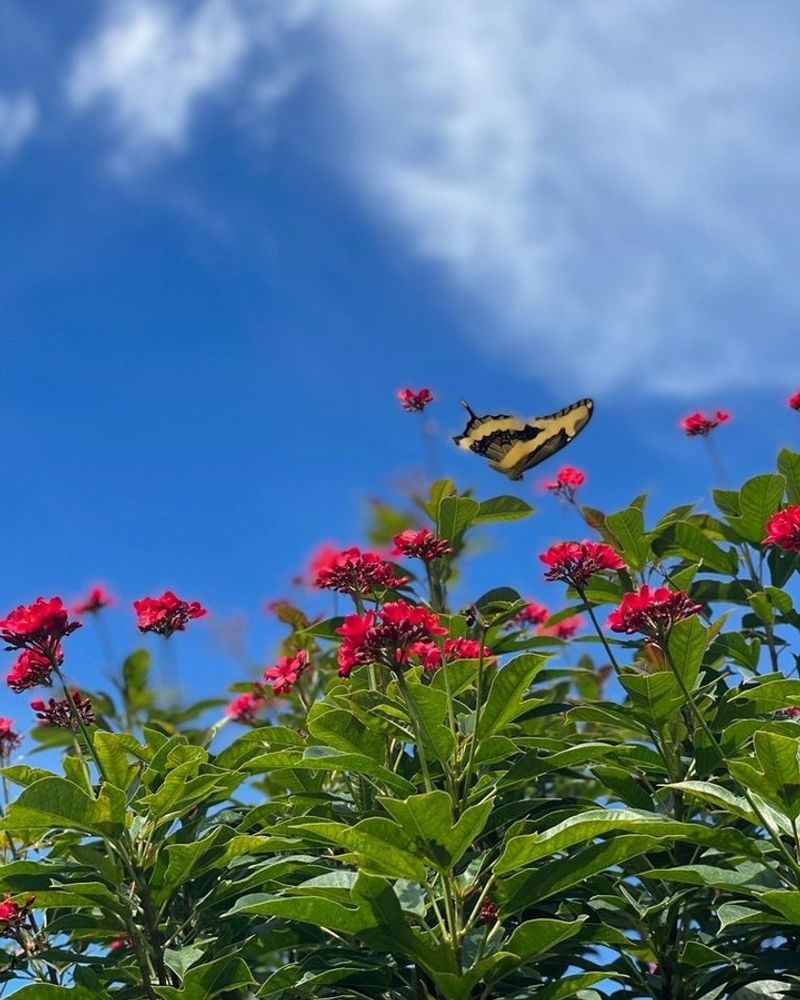
Jatropha produces clusters of small, brilliant red flowers that bloom continuously in Florida, creating a reliable nectar source for butterflies throughout the year.
This tropical shrub thrives in southern and central Florida, where it grows into a compact, rounded form that fits perfectly into small yards or containers.
The flowers emit a light, sweet fragrance that becomes more noticeable during warm evenings, adding to the sensory pleasures of your outdoor living spaces.
Butterflies visit jatropha constantly, with the plant’s bright red blooms serving as beacons that attract various species from early morning until dusk in Florida gardens.
Jatropha tolerates poor soil and drought conditions once established, making it ideal for Florida gardeners who want beautiful results without intensive watering or fertilization.
This plant works well as a hedge, specimen, or mixed border element, offering versatility in landscape design while providing consistent butterfly habitat statewide.
Gardeners in frost-prone areas of Florida should plant jatropha in protected locations or containers that can be moved indoors during occasional cold snaps.
Choosing jatropha means adding a low-maintenance, continuously blooming, fragrant plant to your Florida butterfly garden that delivers color and wildlife activity year-round in warmer regions.
10. Heliotrope
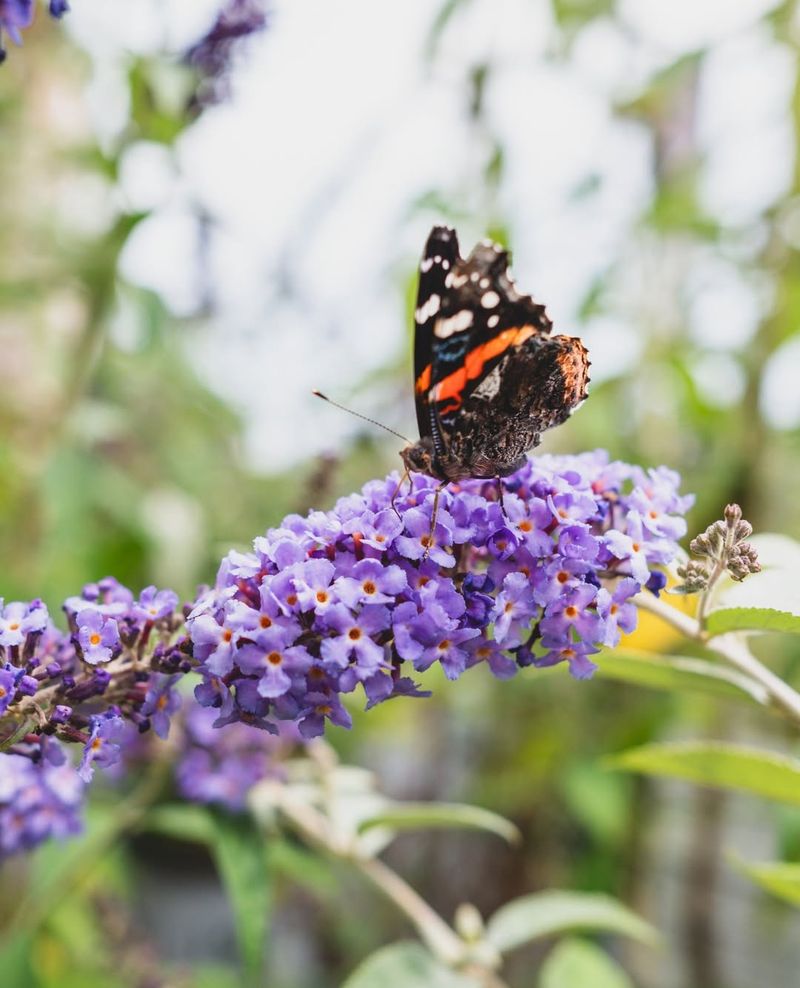
Heliotrope stands out for its intense vanilla fragrance, which fills Florida gardens with a sweet scent that rivals any perfume while attracting butterflies consistently.
The deep purple or blue flower clusters appear on compact plants that work beautifully in containers, borders, or as bedding plants throughout the state.
Butterflies detect heliotrope’s fragrance from considerable distances, making these plants excellent additions to Florida gardens where you want to maximize butterfly visits and activity.
Heliotrope prefers afternoon shade in Florida’s intense summer heat, making it perfect for gardens with filtered light or east-facing locations that receive morning sun.
The plant’s rich color and powerful fragrance combine to create a sensory experience that appeals to both human gardeners and visiting butterflies across Florida.
Regular watering keeps heliotrope blooming prolifically, with the plants producing fresh flower clusters continuously throughout Florida’s long growing season in most regions.
Gardeners can overwinter heliotrope in Florida by protecting plants during occasional freezes or treating them as annuals that are replanted each spring.
Adding heliotrope to your Florida butterfly garden means enjoying one of the most fragrant plants available while providing butterflies with a nectar source they find absolutely irresistible.