7 Signs Your Pothos Is Not Thriving In Texas Homes And How To Save It
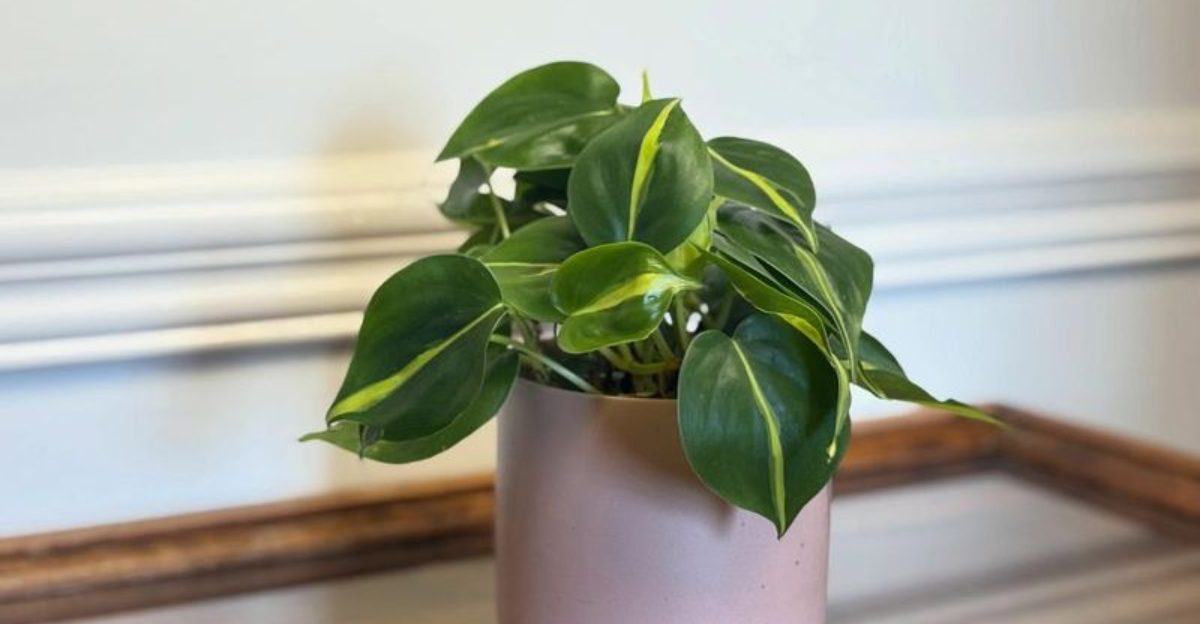
A pothos plant is often sold as tough as nails, but even this easygoing favorite can hit a rough patch in Texas homes.
One week it looks full and glossy, and the next it seems to be losing its spark.
Drooping leaves, faded color, or bare vines can creep in before you know it, leaving plant owners scratching their heads.
Texas heat, strong sunlight, and indoor air can throw a wrench into a pothos routine.
Air conditioners dry things out, windows can pack too much punch, and watering habits may miss the mark without warning.
These plants may be forgiving, but they still send clear signals when something feels off.
The trick is catching those signs early, before small problems snowball into bigger ones.
A struggling pothos is not a lost cause.
In many cases, a few simple changes can turn things around faster than expected.
Adjusting light, tweaking watering, or refreshing the soil can breathe new life into tired vines.
Like reading the writing on the wall, learning to spot trouble early gives you the upper hand.
With the right moves, your pothos can bounce back and thrive once again, even in a Texas home.
1. Yellowing Leaves That Drop Frequently

When your pothos starts dropping yellow leaves more often than usual, something important is definitely off balance.
Many Texas homeowners notice this problem during summer months when air conditioning runs constantly, creating drier conditions than pothos plants prefer.
The combination of low humidity and irregular watering often triggers this response, making leaves turn from vibrant green to pale yellow before falling off completely.
Overwatering ranks as the number one cause of yellowing leaves in pothos plants.
Texas tap water, which tends to be quite hard with high mineral content, can also contribute to this issue over time.
When roots sit in soggy soil, they cannot absorb oxygen properly, leading to root stress that shows up as yellow foliage.
Check your watering schedule first when you spot yellow leaves.
Pothos plants prefer their soil to dry out slightly between waterings, especially in Texas where indoor temperatures stay warm year-round.
Stick your finger about two inches into the soil, and only water if it feels dry at that depth.
Consider switching to filtered or distilled water if your tap water is particularly hard.
The minerals in Texas water can build up in the soil, affecting nutrient absorption and causing leaves to yellow.
You might also want to improve drainage by adding perlite to your potting mix, ensuring excess water flows through quickly and roots stay healthy and oxygenated for optimal growth.
2. Brown Crispy Tips On The Foliage

Brown, crispy edges creeping across your pothos leaves signal that your plant is experiencing stress from its environment.
Air conditioning units in Texas homes can drop humidity levels dramatically, sometimes to desert-like conditions that pothos vines find uncomfortable.
These tropical plants evolved in humid forests, so when the air becomes too dry, moisture evaporates from leaf tips faster than roots can replace it.
Your Texas Garden Changes Every Week. Your Plan Should Too.
Gardening in Texas changes quickly throughout the season. Every Friday you’ll receive a simple weekly plan showing exactly what to plant, prune, fertilize, harvest, and protect so you never miss the right timing.
Low humidity paired with inconsistent watering creates the perfect storm for brown tips.
Texas summers mean AC running nearly nonstop in many households, pulling moisture from both the air and your plants.
The leaf tips, being the furthest points from the roots, show damage first as they struggle to maintain adequate hydration.
Increase humidity around your pothos by grouping it with other plants, which creates a microclimate where moisture released through transpiration benefits all nearby greenery.
You can also place your pothos on a pebble tray filled with water, making sure the pot sits above the waterline rather than in it.
As water evaporates from the tray, it adds moisture to the air immediately surrounding your plant.
Misting helps temporarily but is not a long-term solution for Texas homes where humidity drops quickly.
A small humidifier near your plant collection works much better for maintaining consistent moisture levels.
Trim off the brown tips with clean scissors to improve appearance, cutting at an angle to mimic the natural leaf shape and prevent further damage from spreading.
3. Leggy Growth With Large Gaps Between Leaves

Pothos vines stretching out with long bare stems between leaves indicate your plant is desperately searching for more light.
Texas homes often have windows that receive intense direct sunlight, leading homeowners to place their pothos in darker corners where they assume the plant will be safer.
However, pothos needs bright indirect light to maintain compact, bushy growth with leaves spaced closely together along the stems.
Plants naturally grow toward their light source through a process called phototropism.
When light is insufficient, pothos will stretch its stems longer and longer, trying to reach adequate brightness for photosynthesis.
The result looks sparse and unhealthy compared to the full, lush appearance of a properly lit pothos plant.
Moving your pothos closer to a window can solve this problem quickly.
In Texas, an east-facing window provides ideal conditions with gentle morning sun and bright indirect light for the rest of the day.
North-facing windows also work well, offering consistent brightness without the harsh afternoon rays that can scorch leaves.
If your Texas home lacks suitable natural light locations, consider adding a grow light.
LED grow lights designed for houseplants are affordable and energy-efficient, providing the light spectrum your pothos needs to thrive.
Prune back the leggy stems to encourage bushier growth, cutting just above a leaf node where new growth will emerge fuller and healthier than before with proper lighting conditions maintained consistently.
4. Stunted Growth That Seems To Have Stopped

Growth that grinds to a complete halt suggests your pothos has exhausted the nutrients in its soil or become rootbound in its current container.
Texas plant owners sometimes forget that even easy-care plants like pothos need fresh soil and occasional fertilizing to support healthy growth.
Without proper nutrition, your pothos will simply stop producing new leaves, remaining the same size month after month.
Rootbound conditions develop when roots fill every available space in the pot, circling around and around with nowhere left to expand.
This restricts the plant’s ability to absorb water and nutrients efficiently, leading to stunted growth.
Check if roots are growing through drainage holes or circling visibly at the soil surface, both clear signs your pothos needs a larger home.
Repot your pothos into a container one or two inches larger in diameter than its current pot.
Use fresh, well-draining potting soil specifically formulated for houseplants, which provides the right balance of nutrients and drainage for healthy root development.
Spring and early summer work best for repotting in Texas, giving your plant the entire growing season to establish itself in its new container.
Feed your pothos with a balanced liquid fertilizer diluted to half strength every four to six weeks during the growing season.
Texas homes stay warm enough year-round that pothos may continue growing even in winter, though at a slower pace.
Avoid over-fertilizing, which can cause salt buildup in the soil and actually harm your plant rather than helping it grow stronger and healthier.
5. Wilting And Drooping Despite Regular Watering

Persistent wilting even when you water on schedule often points to root problems rather than thirst.
Overwatering in Texas homes happens more frequently than many people realize, especially when plants sit in decorative pots without drainage holes or in saucers filled with standing water.
Roots need oxygen just as much as water, and when soil stays constantly soggy, roots begin to suffocate and cannot function properly.
Damaged roots lose their ability to transport water up to the leaves, creating the confusing situation where your plant looks thirsty despite having wet soil.
The roots may have started to rot, turning brown and mushy instead of remaining firm and white.
This condition prevents the plant from taking up moisture effectively, leading to drooping leaves that do not perk up after watering.
Remove your pothos from its pot to inspect the roots carefully.
Healthy roots appear white or light tan and feel firm to the touch, while rotted roots look dark brown or black and feel slimy or mushy.
Trim away any damaged roots with clean, sharp scissors, then repot your pothos in fresh, dry soil in a container with proper drainage holes.
Let the soil dry out significantly before watering again, allowing the roots time to recover from their ordeal.
In Texas, where temperatures stay warm, recovery can happen relatively quickly if you catch the problem early enough.
Going forward, always check soil moisture before watering and ensure your pot has adequate drainage to prevent water from accumulating at the bottom where roots sit.
6. Pale Green Or Washed Out Leaf Color

Leaves losing their rich green color and appearing pale or washed out indicate your pothos is not getting enough light to produce adequate chlorophyll.
Chlorophyll gives leaves their green color and is essential for photosynthesis, the process plants use to convert light into energy.
Texas homeowners sometimes place pothos too far from windows or in rooms with limited natural light, not realizing how much this affects leaf coloration and overall plant health.
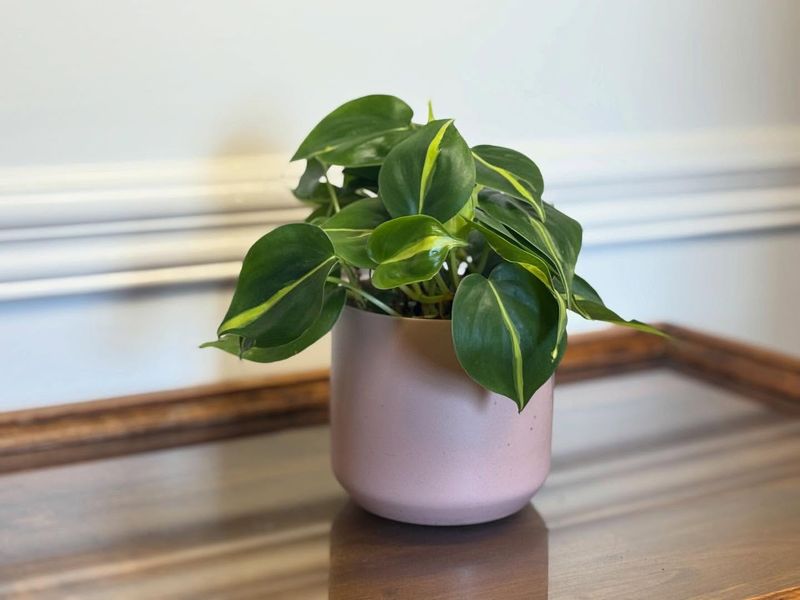
Variegated pothos varieties can lose their distinctive patterns when light levels drop too low.
The white or yellow markings may fade or disappear entirely as the plant tries to produce more chlorophyll to compensate for insufficient light.
Even solid green pothos will look dull and lifeless rather than displaying the glossy, vibrant foliage that makes these plants so attractive.
Relocate your pothos to a brighter spot where it receives plenty of indirect light throughout the day.
In Texas, you want to avoid harsh afternoon sun from west-facing windows, which can scorch leaves, but morning sun from east-facing windows works wonderfully.
South-facing windows with sheer curtains to filter the intense Texas sunlight also provide excellent conditions for healthy, colorful growth.
New leaves will emerge with better color once lighting improves, though older pale leaves may not regain their original vibrancy.
Be patient as your pothos adjusts to its new location, and you should see improvement within a few weeks.
Consider rotating your plant occasionally to ensure all sides receive equal light exposure, promoting even growth and consistent color throughout the entire vine.
7. Small Leaves That Stay Tiny And Never Mature
New leaves emerging much smaller than older growth reveal that your pothos lacks the resources it needs to produce full-sized foliage.
Light deficiency ranks as the primary culprit behind this frustrating problem, as pothos plants need adequate brightness to fuel the energy-intensive process of growing large, healthy leaves.
Texas homes with deep floor plans or rooms set back from exterior walls may not provide enough natural light for optimal pothos development.
Nutrient deficiency can also cause small leaf syndrome, especially in plants that have not been repotted or fertilized in years.
Potting soil gradually loses its nutritional value as plants absorb available nutrients, and without replenishment, new growth becomes progressively smaller and weaker.
The combination of poor light and depleted soil creates particularly challenging conditions for leaf development.
Address lighting first by moving your pothos to a location with bright, indirect light for several hours each day.
Texas provides plenty of sunshine, so take advantage of it by positioning your plant near windows with appropriate exposure.
East or north-facing windows typically offer the best balance of brightness without excessive heat or direct rays that could damage foliage.
Supplement with regular fertilizing during the growing season to ensure your pothos has all the nutrients necessary for producing large, impressive leaves.
Use a balanced houseplant fertilizer according to package directions, typically diluted and applied monthly.
With improved conditions, new leaves should gradually increase in size, eventually matching the dimensions of your plant’s original mature foliage and creating the lush, full appearance that makes pothos such a popular choice for Texas homes.